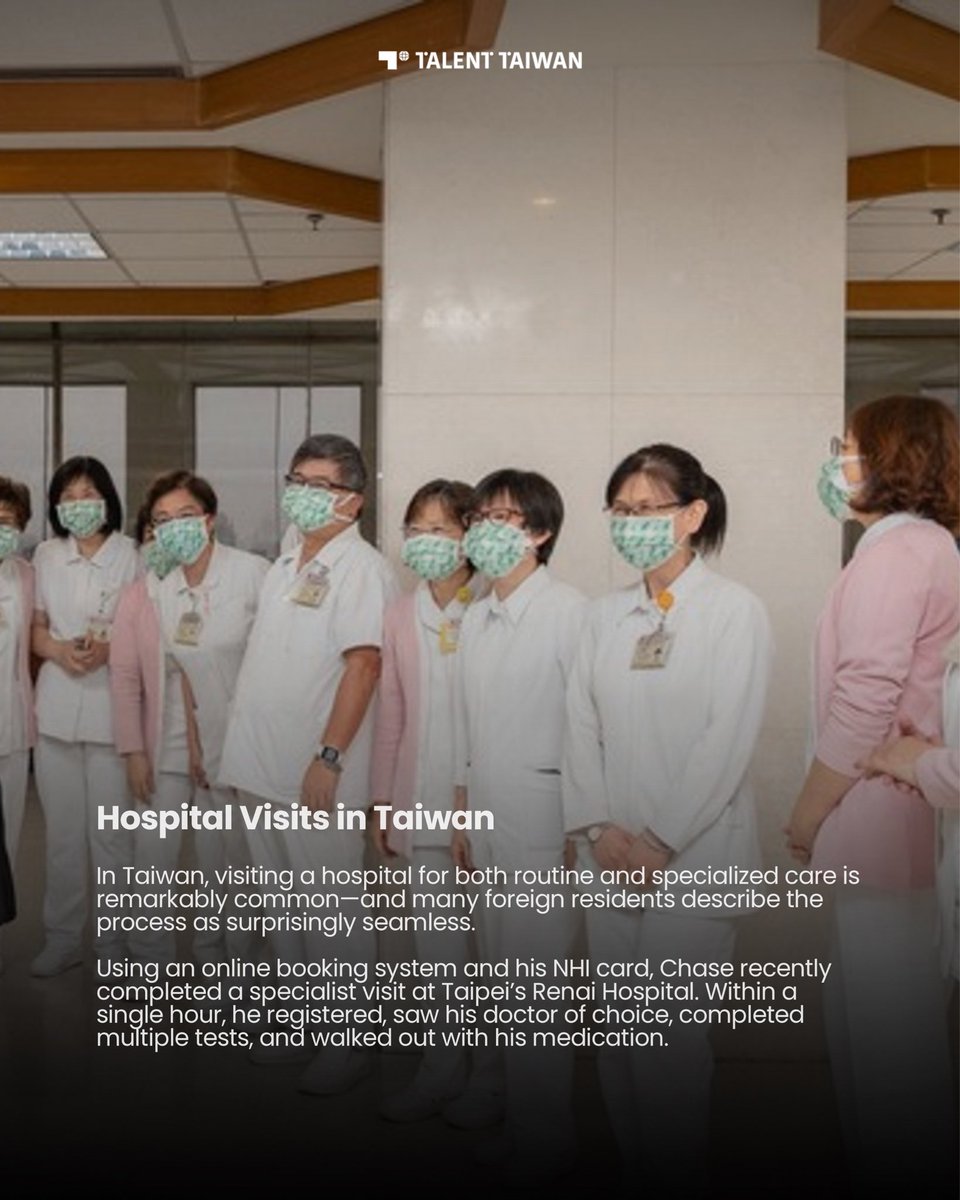
Taiwan’s healthcare system may not be perfect — but it may just be the world’s best. And the average cost is only US$42 per month.
Grateful for the invitation from Talent Taiwan to share my perspective and extol the virtues of this country’s system. (All views my own.) 1/2
At university graduation ceremonies this spring, commencement speakers have been getting booed for championing AI, given how the technology might threaten their job prospects.
In a commencement speech at Bard College last week, I delivered a more hopeful message — that humans can do essential things that computers simply can’t. Here are some highlights from that speech:
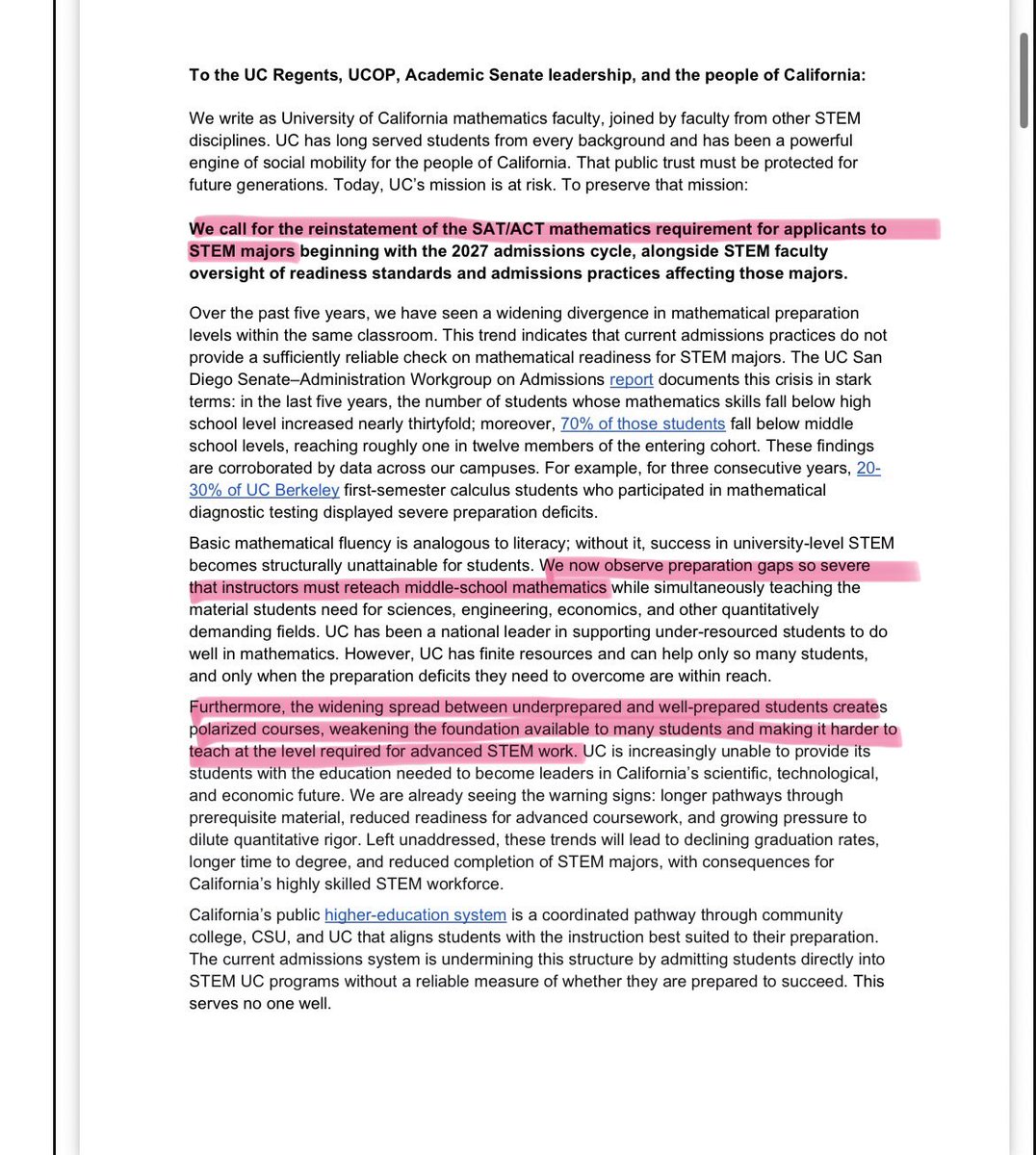
University of California STEM professors want standardized tests back due to severe math deficiencies among students:
“We now observe preparation gaps so severe that instructors must reteach middle school mathematics”
“The current admissions metric, based primarily on GPA & essays, can no longer reliably distinguish readiness for university-level STEM majors in an era of severe grade inflation & AI assisted application essays”
How will your country's demographics change this century?
At Our World in Data we built a tool to let you see for yourself.
The UN's assumptions are the starting point.
But then you can adjust the three drivers of change — births, deaths, and migration — to what you expect.
“If you treasure your attention, and then use it to do hard things, with other people, in real life,” @JonHaidt tells the class of 2026, “your life is going to be amazing.”
Read his full commencement address here: https://t.co/PRBDjHwaSy
Alas, not anymore.
This McLuhan idea characterized the peak of Western literacy.
But what was built over centuries has reversed within a decade - within the long digital decade between the like button (2007) and ChatGPT (2023). Just as McLuhan himself predicted when observing TV: “What took several thousand years to complete has taken us several decades to reverse: the West now bathes in the emotions of postliteracy.”
Literacy is rational, and (digital) orality is relational. So now everything is perception, and ideas are hard to spread. Ideas in the literate sense, of course: rational and abstract, not relational and conspiratorial.
@junonewscom@grok what is the stated intent of Canadian Bill C-22? What are the expected consequences of this bill? What are realistic unexpected consequences of this bill?
@Sean_Speer Starting at 48:19, @ianbremmer notes how Europe, Canada, Japan and South Korea are in decline. Hitching your future to a falling star - when you yourself are a falling star - doesn't seem like wise policy. (Gerald Butts is Chairman of Bremmer's firm)
https://t.co/xRBzGHKfyu
Reading is the best antidote I know of for the ills of the digital world - the constant distraction through notifications and infinite scroll, the exploitation of personal data, the simplification of ideas. Read widely. Read to enjoy. Read to be free.
https://t.co/xo2XAz6Zuo