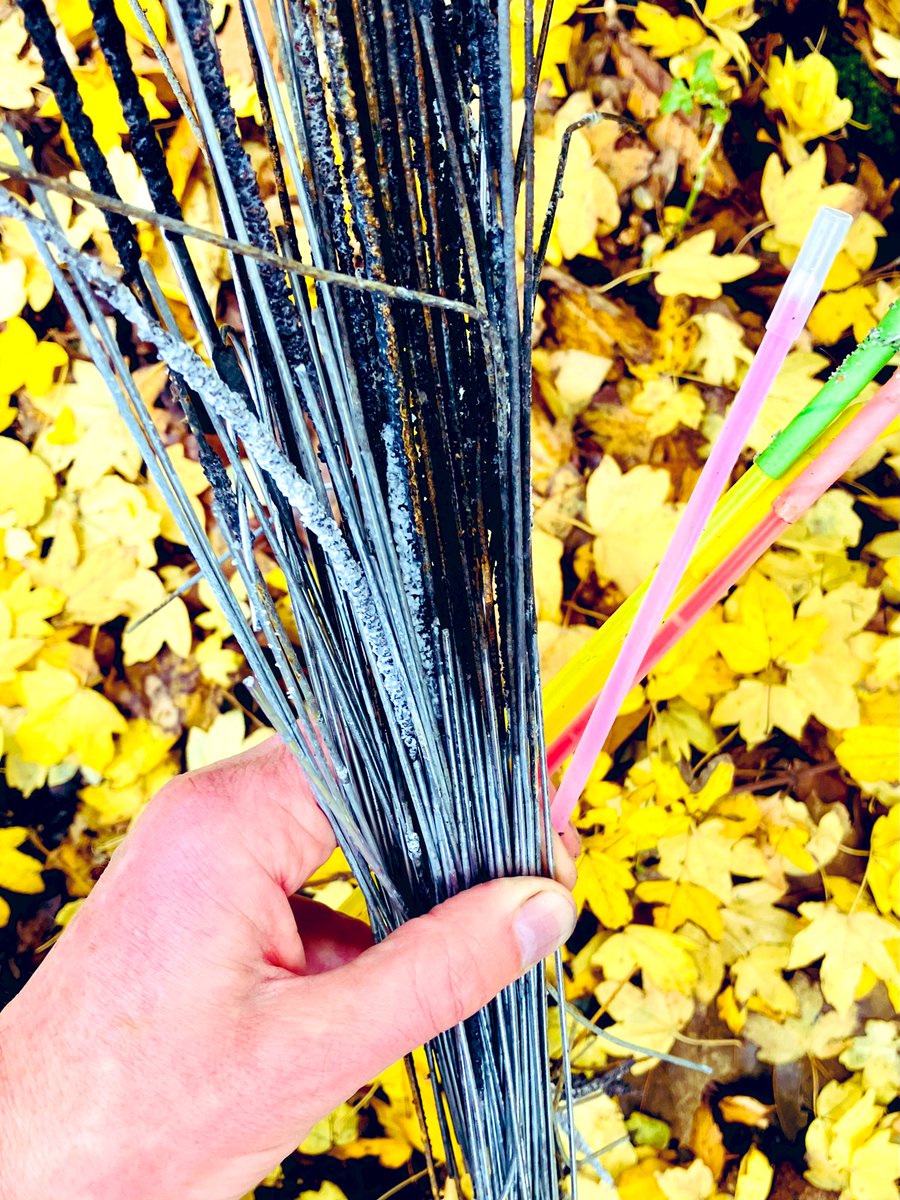
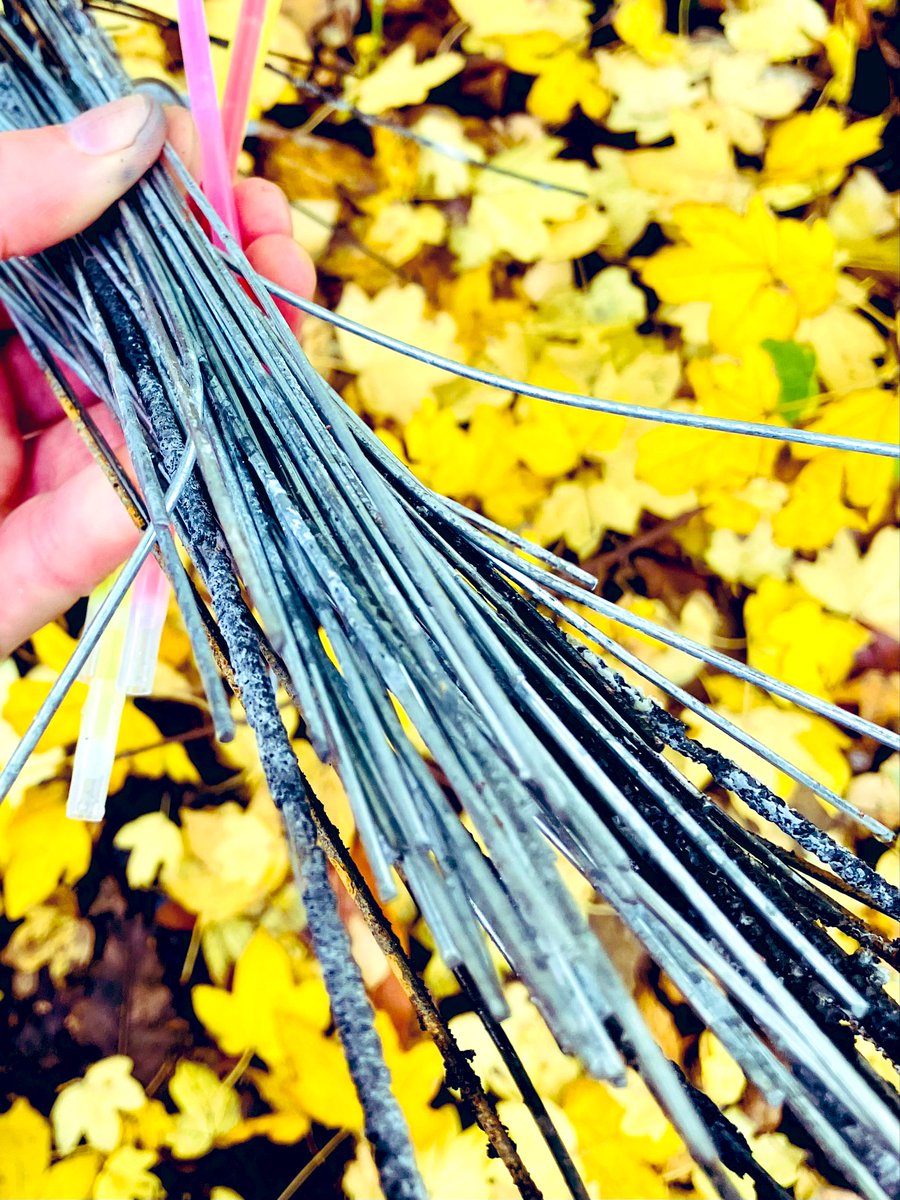
A bit of litter picking on days after the displays really helps. Wildlife are particularly impacted by what we leave behind ~ So, thank you & well done for making the difference. 🚮
#fireworksnight#sparklers#fireworklitter
🎆✨after #fireworks comes the cleanups ✨
#Sparklers remain hazardous when left in the environment.
So… and extra Thanks to the meticulous #litterpickers 🚮
Tangles of plastic fibres (like this) entering the environment are very hazardous to wildlife.
🦢🦆🐦⬛ Nylon threads can knot around feet & wings or be ingested.
#MicroFibres#PollutionPrevention#RiverCleanups
🕸️One of the probs. with Halloween…the polymer fibrous products. Abandoned wigs etc.
🚮…where to dispose them in a packaging saturated city?🥤
#PlasticPollution
Another storm is on the way for the UK as we head into the weekend ⚠️
#StormBoelo will bring damaging winds with disruption expected, stay #WeatherAware
Latest info 👉 https://t.co/TfU9Ok8qZD
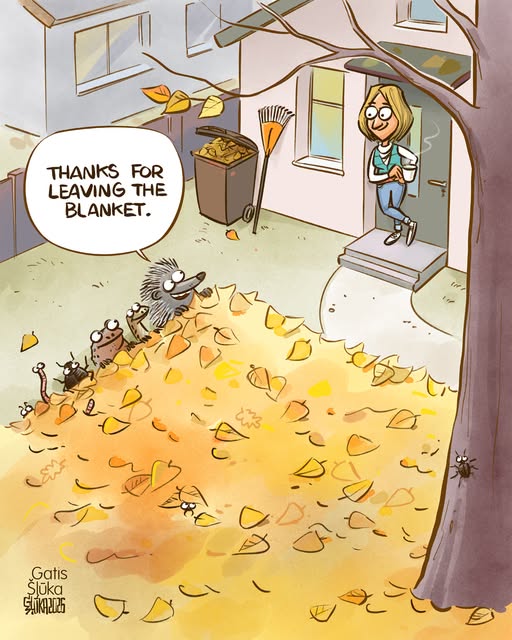
This autumn, leave the leaves to help biodiversity in urban areas 🍂
It's a protective habitat layer insulating the soil, providing safe overwintering cover for animals, and feeding local food webs
We all can help protecting habitats – starting in our gardens
#worldhabitatday
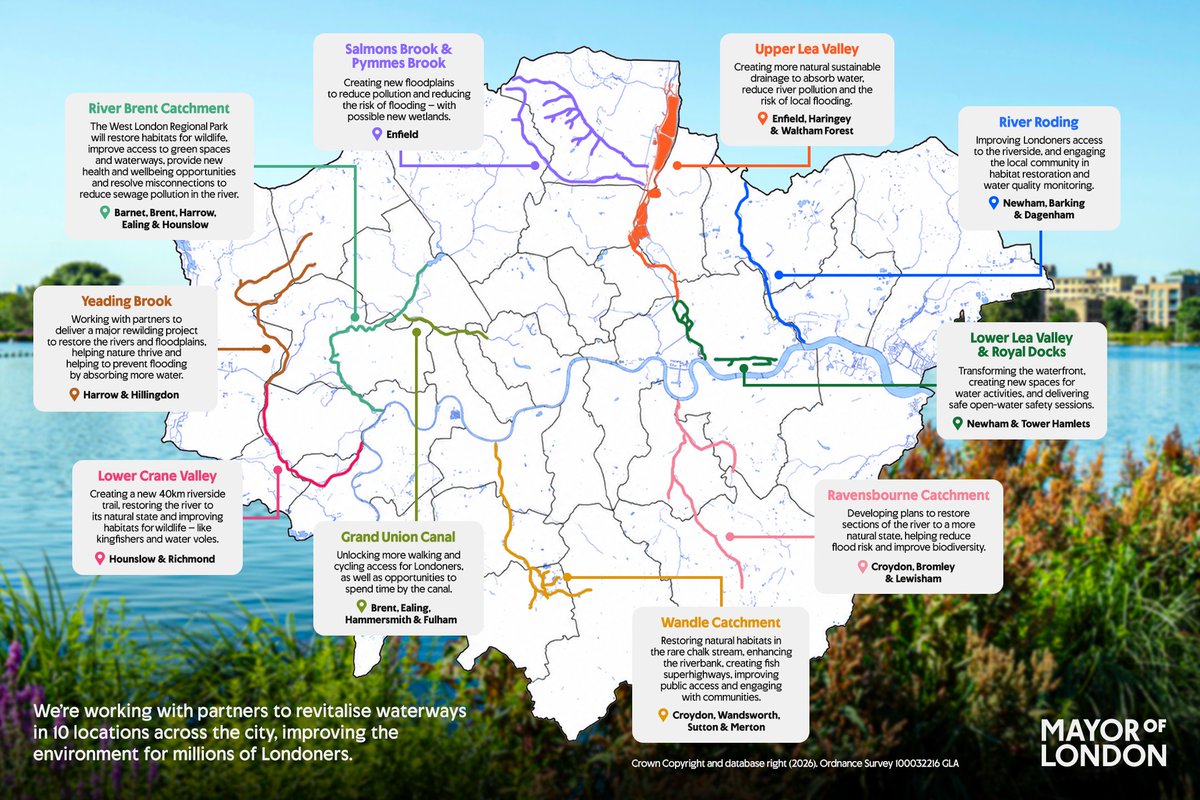
London’s rivers are getting the clean-up they deserve.
This World Rivers Day, I’m celebrating our waterways and the work underway to transform 10 rivers across London over the next decade.
We’re restoring nature, tackling pollution and creating better spaces for Londoners to enjoy.
Global warming is set to cross 1.5°C, pushing climate risks and impacts to increasingly dangerous heights, a new UNEP report warns.
Predicted impacts include extreme weather and threats to human health and economies.
Action now can still limit the magnitude and duration of the peak and preserve the possibility of returning to or below 1.5°C through an ‘overshoot, peak, and decline’ pathway
Explore more: https://t.co/kbvezGTyar
Starting tomorrow, an amber heat-health alert has been issued across most of the country. It’s in place from 8-12 July.
Many of us welcome the hot weather, but it can put some people’s health at risk - particularly if they’re vulnerable.
Learn more ➡️ https://t.co/kI4xLn0NIK
Watch @UN Secretary-General @antonioguterres' message about the emerging El Niño that is set to influence global temperature and rainfall patterns, increasing the risk of extreme weather in the coming months.
More information ➡️ https://t.co/htyps0XfsE
King's College Hospital in London has opened a rooftop garden for critical care patients. Its first patient, a 29-year-old woman dependent on feeding tubes, said the outdoor space gave her 'a real boost to keep on going
London’s Cool Spaces map can help you find nearby libraries, community centres, shopping centres and other public places to stop, rest and cool down in this hot weather ⬇️
In 2025 and 2026, researchers confirmed something that should have been obvious but wasn't: forests are catching microplastics out of the air.
Most microplastics in the environment were assumed to arrive in water. Rivers, runoff, ocean currents. But when scientists examined forest soil and compared it to nearby open land, they found microplastic concentrations were higher in forests, not lower. When they traced the pathway, the mechanism was clear: airborne microplastics drift in the atmosphere globally, including over remote wilderness. When they encounter a tree canopy, the leaves act as a filter. The microplastics settle on the leaves. When it rains, they wash off and fall to the soil. When leaves decompose in autumn, they carry the particles down with them.
Researchers called this the "comb-out effect." The forest is combing microplastics out of the air. A 2026 study found that microplastic concentrations in rural forest soil were higher than in some urban areas. The forests farthest from cities, surrounded by the cleanest-seeming air, are accumulating plastic particles because they are efficient atmospheric filters.
The implications are still being worked out. Forests are storing a new category of pollutant they did not evolve to handle. The question is what this means for soil ecology, root systems, and the organisms living in forest soils. So far: unknown. But the assumption that remote forests are pristine is no longer supportable.
#nature #science #conservation #forestfacts