Innovative methods to measure #mortality beyond age 50 in LMICs are needed. This study evaluates the potential of parental #survival histories, in which respondents provide data on their parents’ ages, and if deceased, their age at death and date of death. https://t.co/9CUqHbItWN
Are you a #student who is interested in #Demography and #DataScience & you have no plans for ☀️#summer 2025 yet? Look no more! @MPIDRnews has just the program for you: Population and Social Data Science Summer Incubator Program! Apply until Jan 8, 2025 https://t.co/c6YPq0Gize
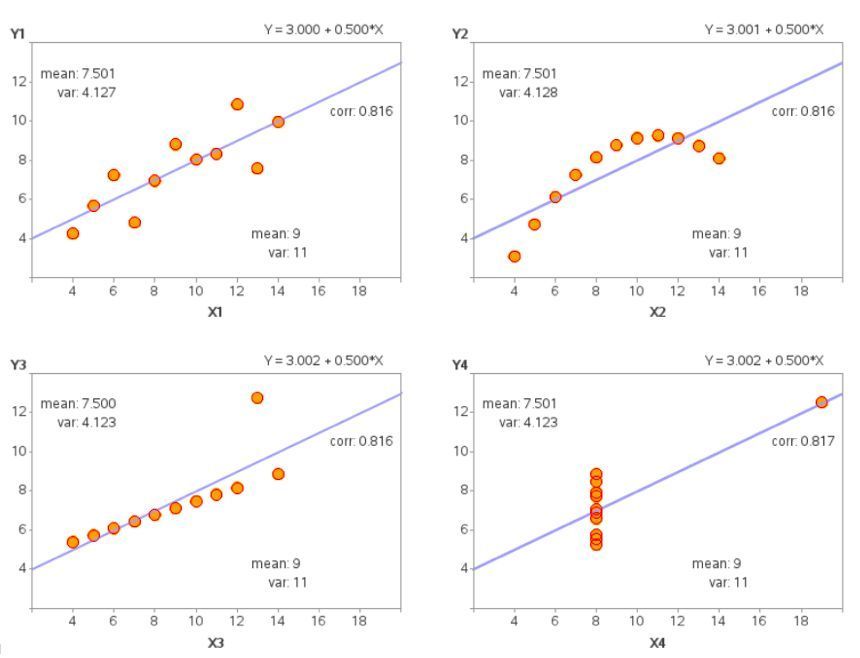
📊 Misma media, misma varianza, misma correlación, misma ecuación de regresión lineal, pero gráficos completamente diferentes.
Una gran demostración de por qué necesitamos #dataviz para comprender mejor los datos
https://t.co/CnkPkXyuxC
#stats#analytics#datascience#research
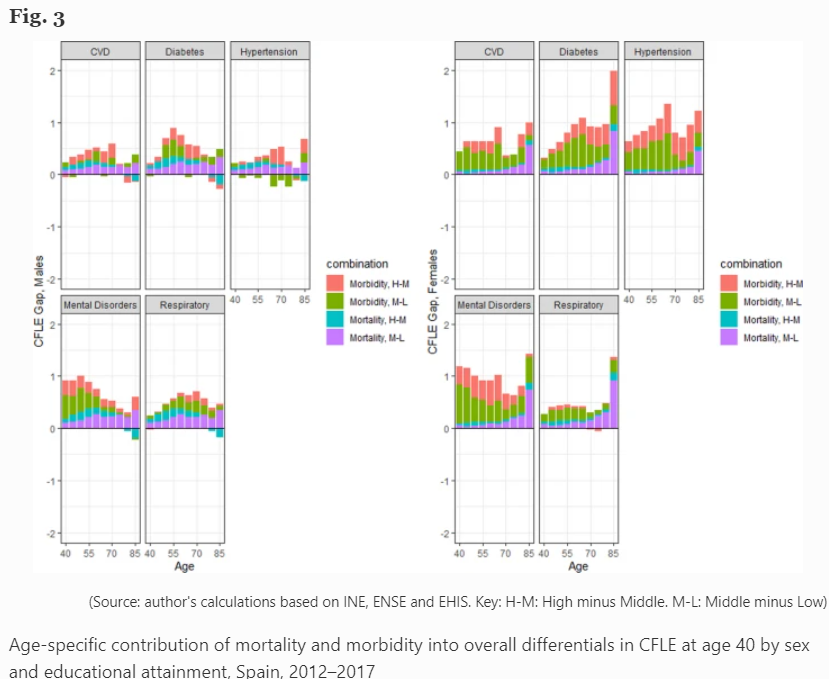
⏩ New work by Bramajo, Zueras, @elisrenteria & Permanyer, just published:
"Decomposition of life expectancy differentials with (and without) conditions by educational attainment for major groups of causes in contemporary Spain: where is the advantage?"
🔗https://t.co/6ZZi75PB7z
New📽️ Sharing is caring! @ugobas reviews the state of openness in demographic research and finds significant progress in #openaccess, but less so in the availability of open software code.
🎬: https://t.co/zM7uP7tXiw
👓: https://t.co/OG4YV0DJU9
@DemographicRes#data#openscience
#ALAP2024 en Bogotá 🇨🇴 MPIDR estará allí! @d_alburez@amandamartt y @lp_calderonb organizan la 2.parte de la escuela "Familia,parentesco y hogares en América Latina y el Caribe".¡Inscríbase antes del 18 de agosto! https://t.co/okVfP8nlfi.?lang=es @ALAP_LA
https://t.co/ydpwStF3vN
"A Bayesian hierarchical small area population model accounting for data source specific methodologies from ACS, PEP & census data" by Emily Petersen et al, just published https://t.co/8FNgFpSrZW
We are celebrating our 25th anniversary today 🥳and to kick off Volume 21 Monica Alexander interviewed 🎙️Adrian Raftery!! Read the full interview here: https://t.co/xjIc4gBCmJ
A change in the sharing of software codes is needed to further advance #demographic#research. In my reflection, I discuss some recommendations for promoting this change #openscience 👇
Nova versão do microdatasus!
Dentre as novidades, otimizei as funções do pacote para rodarem mais rápido, usando internamente o pacote {dtplyr}.
https://t.co/sIuwVC9yxa
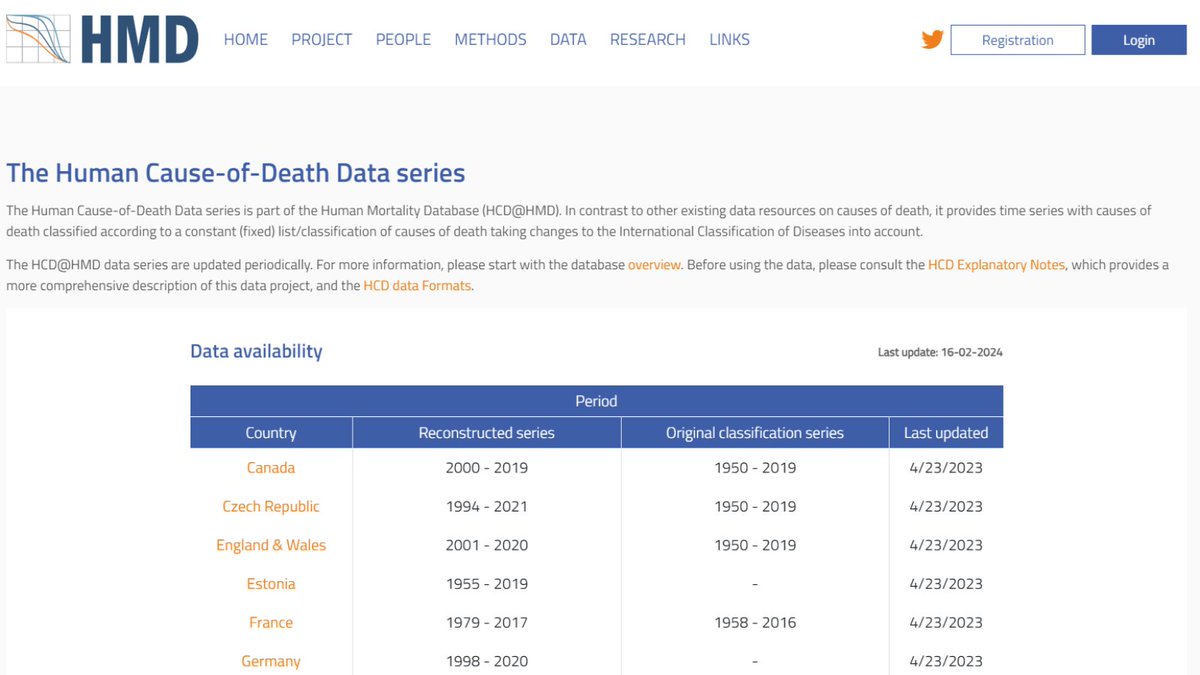
Our #flagship project, the Human Mortality Database (@HMDatabase), has received a major #update with the release of cause-specific data series. This is the first major expansion since the addition of short-term #mortality#fluctuation#data in 2020. More: https://t.co/PD1qhy8uAB
📢Novo #censobr v0.3.2 no CRAN inclui dados agregados preliminares dos setores censitarios do censo de 2022 https://t.co/cVwGSEItE4
#rstats
df <- censobr::read_tracts(year = 2022,
dataset = "Preliminares",
as_data_frame = T)
The formal demography working group is back! And we're so excited! On 28 March, 5pm ET, @attshen831 will talk about recent work on healthy life expectancy. Here's our website, sign up for Zoom details: https://t.co/XKwENqnG2L
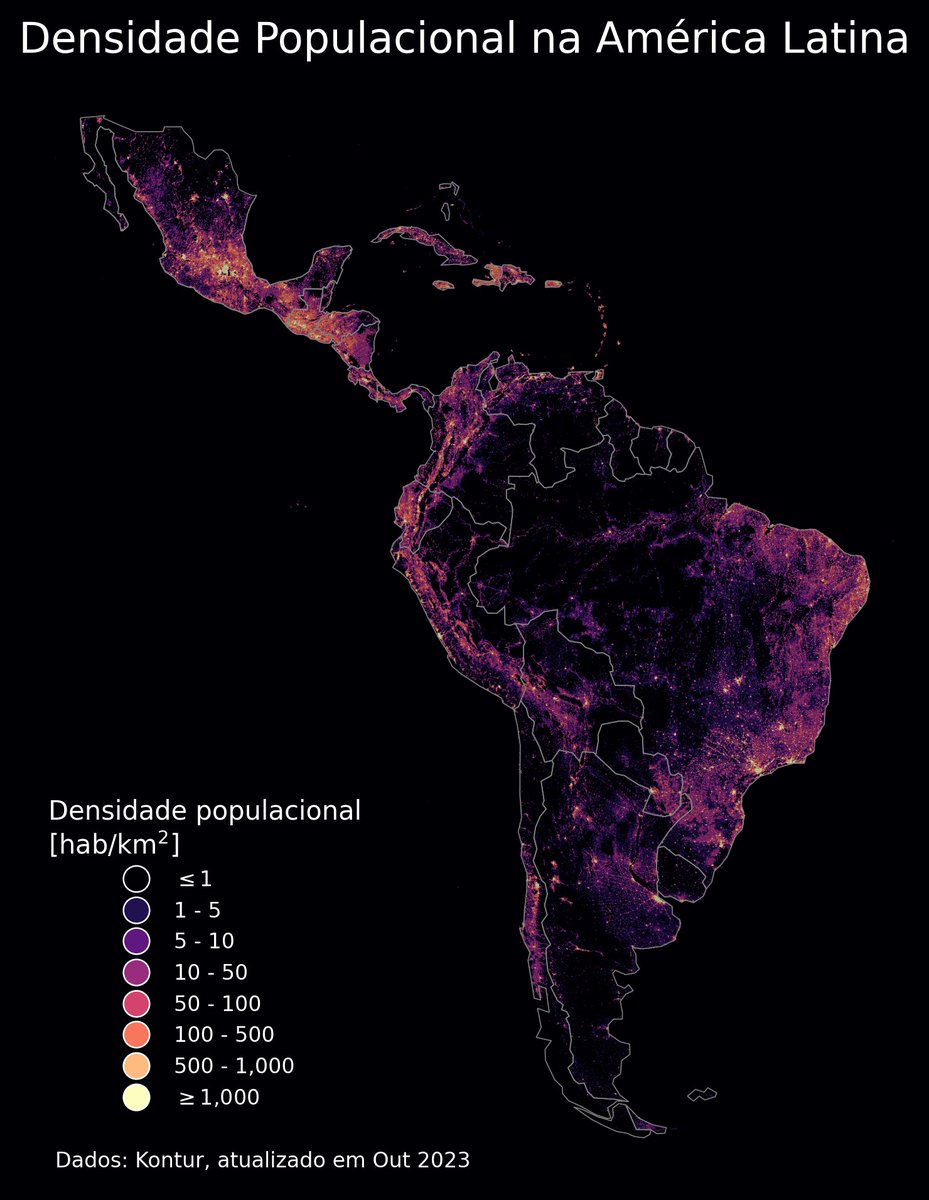
@pedrocintra52@michel_pintoo Muito legal, parabéns! Agora, essa alta densidade no México e América Central parece ter um efeito da escala e da truncagem em 1000 hab/hm2. Guatemala é menos denso do que os estados de SP e RJ, por exemplo.