there is a time on a coaches journey when they move from trying to control all aspects of practice, copy/pasting from sessions online, to embracing the random nature of the game to planning & delivering sessions that adhere to the context, this is where coaching really starts.
Scotland's FA published a review of how elite players are actually made.
One line stood out. The best players didn't fall in love with the game first. They fell in love with the ball.
Hours with it, 6 to 7 days a week, year round. Not 2 to 3 nights at training.
The work happens between the sessions, not in them.
Pochettino explains skill acquisition in 74 seconds
“I didn’t learn the game from coaches, I learned it from playing with friends in the street”
“There I developed my technical capacity & my emotional intelligence ”
This has been lost in the new generation of footballer
@kestrelpsych Teaching coaching to basketball students this year has opened my eyes to how deeply flawed some “accepted” practices are. Unopposed reps get praised, but they strip away the very context that defines skill. If I see one more Form Shooting practice!!!!
@tactica1thinker @ProAcademyDrill I always think of the psychologist to client ratio for most things like this; playing 80% explaining 20%, players talking 80% coach talking 20%..
Teaching coaching to 16–19-year-olds on a football & basketball programme, it never stops surprising me how many coaching habits get repeated without question.
🏀: form shooting, players leading warm-ups, laps for missed shots.
⚽️: intentionless rondos, patterns with no realism.
Rui Faria: ‘In training, coaches must deliberately expose players to the specific positional tensions and functional demands of the role. Not just generic full-back exercises.
‘For example, training should expose the player to body orientation scenarios and inside connections, as well as timed underlaps from the inside channel. Repeated 1v1 situations should be used to improve the ability to defend the line with a weaker foot orientation.
‘All training exercises should create natural dynamics arising from the relationship between the winger, midfielder, and full-back.’
https://t.co/W4E3ODwpoR
@DickBeard4@OnTheBall_Paul Plenty of top coaches do it, agreed — doesn’t mean it’s effective. Scanning without any info or pressure isn’t awareness, it’s just habit without purpose.
Giving the players a reason to scan reinforces habit .
@DickBeard4@OnTheBall_Paul I’d argue it’s pointless here. Scanning matters when there’s information to take in — no defender, no decision to make*. Otherwise it’s just empty habit.
*other than choice of turn
@idlewildgirl We got it badly wrong because we accepted things - like booking fees, handing fees, dynamic pricing etc. Until we stop contributing to a system that screws us, things will continue to get worse
@CRobCoaching@SundayShare10 Not for me.
It lacks realism, lacks decision making and anticipation.
Could have a 4v2 rondo (if defenders win the ball they dribble out) or a 3v3 game scoring with a pass into an end zone - the things you’ve just shown here could be in either one of these but with defenders
[1/2] There are no 𝒑𝒂𝒕𝒕𝒆𝒓𝒏𝒔, there are 𝒑𝒓𝒊𝒏𝒄𝒊𝒑𝒍𝒆𝒔 𝒐𝒇 𝒑𝒍𝒂𝒚.
Roberto De Zerbi explains that today schemes no longer exist, there are principles of play that prepare the team to manage different game situations through a common language.
Simple changes to coaching that can skyrocket player ability:
-Use live defenders
-Based around game-like problems
-Fast-paced and unpredictable tasks
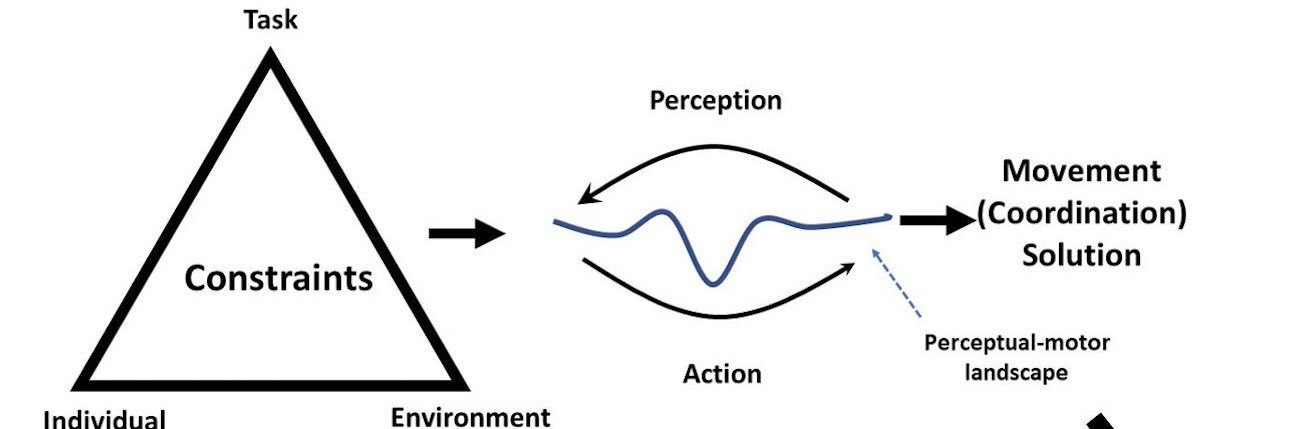
-Use constraints to develop personalized skills
The result: Skills emerge organically through challenges.