It's finally here! Beyond excited to share our new paper:
B cells drive neuropathic pain–related behaviors in mice through IgG–Fc gamma receptor signaling
https://t.co/sqzXigNqhR
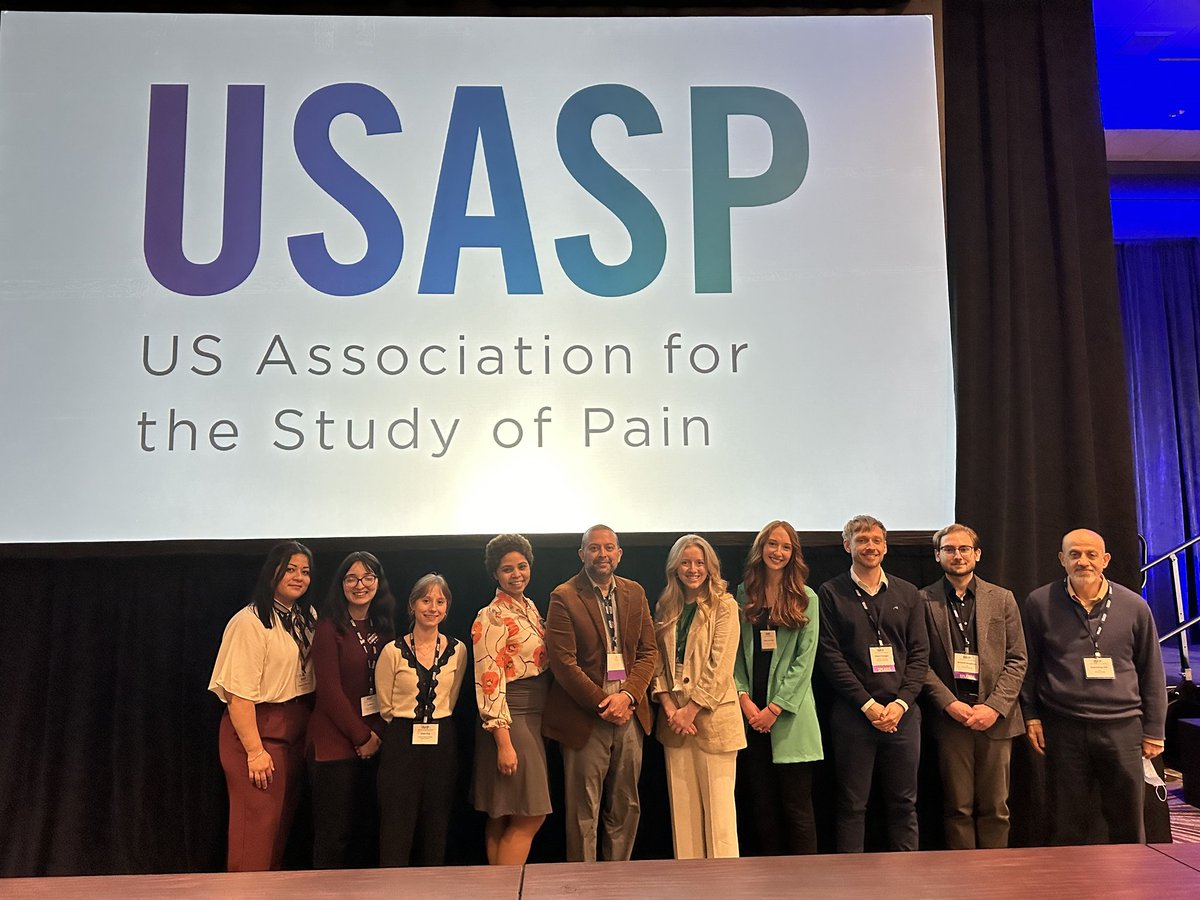
Reflecting on my visit to Seattle for #USASP. Meeting so many great Pain scientists was invigorating! I've been more excited than ever to finish out my PhD Strong. 👩🔬
Honored to present at the Basic Science SIG alongside 7 incredible scientists at the @US_ASP meeting. Exciting discussions and breakthroughs shaping the future of science 🙂. Thank you @KhannaLabUF and @DamajLab for this opportunity.
Thank you Raj @KhannaLabUF for highlighting our recent paper on hDRG/hiPSC ephys in @TheJournal_Pain in "Forecasting the Future in Pain Research" @US_ASP#usasp2024. Very humbling indeed! 🙏🙏
Our new article of the maternal brain published in @NatureNeuro. I feel so grateful to witness how the fascinating neuroscience of pregnancy is receiving more & more attention. This is to all the mothers in the world. You deserve to be listened & studied. We have your back 💙
ELECTROPHYSIOLOGICAL ANALYSES OF HUMAN DORSAL ROOT GANGLIA AND HUMAN INDUCED PLURIPOTENT STEM CELL-DERIVED SENSORY NEURONS FROM MALE AND FEMALE DONORS - The Journal of Pain https://t.co/NqzLKlsaXG
🧠🐝Meet the Scientist🧠🐝
My name is Aleyah Goins, and I am a neuroscientist! I study chronic pain and investigate safe ways to help people feel better. When I am not in lab, I love going to the outdoors and spending time with animals.
How To Do A Good Literature Review:
Literature reviews seem complex and difficult. But, once you understand what they’re for, they become very simple.
One common approach is to endeavor to cover all of a field, or as much of it as possible.
But, that doesn’t...👇
#PhDVoice
I am very proud of @CharlesWarwick7 for his beautiful study, now in Nature Communications! Free to all: https://t.co/pHdEyNWnEY He used 2P Ca2+ imaging in the spinal cord combined with CICADA, a novel approach to classify neurons based on functional expression of GPCRs. 1/
Interesting point brought up in class today. Many important neuroscience tools were developed in the early 2000s.
2003 - 2013: optogenetics (ChR2, NpHR, etc.), a watershed GECI in GCaMP6, single-jump rabies tracing, what else?
What are the biggest things since 2013?
Breakthrough research: Spinal macrophages resolve nociceptive hypersensitivity after peripheral injury
“We suspect it will be possible to develop new treatments for pain by boosting the activities of these macrophages.” @MarkZylka
https://t.co/HtB9ZnT1GX
Small but mighty! This is a video of a killer T cell of the immune system destroying a monstrous ovarian cancer cell. I recently captured this data on a spinning disc confocal microscope.
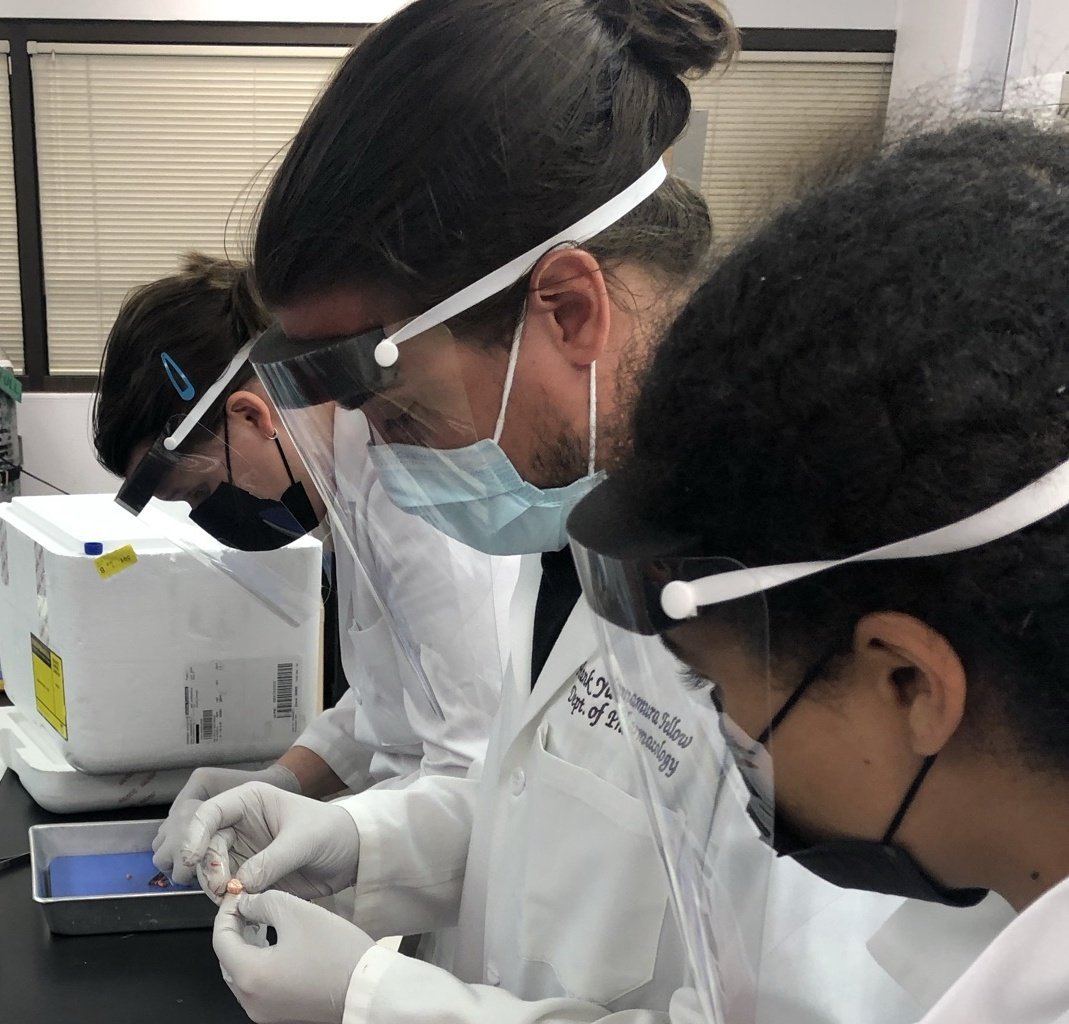
First ever human spinal cord & DRG experiments @UNMHSC. This is a game-changer for our translational efforts to bring the next-gen of #pain therapeutics to the clinic! Congrats team!!! Special thanks to Reza, @Viva_LaVig @goinsyeah, Liz & donor services for making this happen