A country-led and community-led global initiative that builds on the strengths and successes of the GPC and LA PrEP Coalition to accelerate prevention efforts.
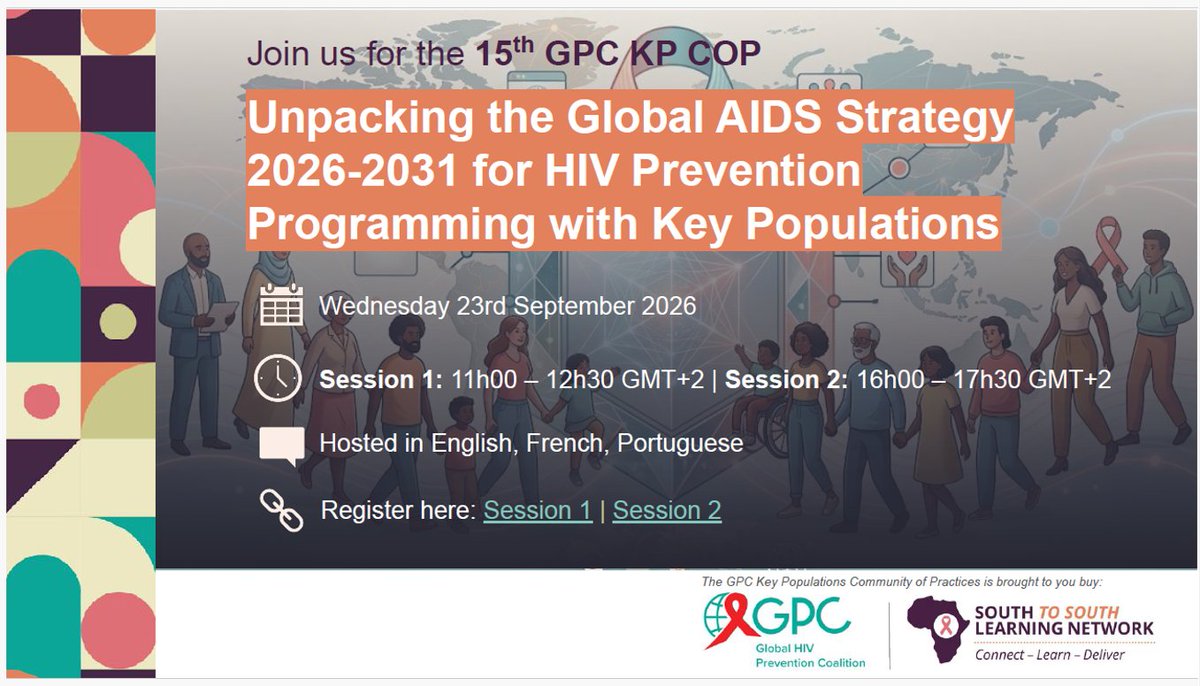
Join the @GPCoalitionplus and @SSLN_HIV KP Community of Practice webinar on Unpacking the Global AIDS Strategy 2026-2031 for HIV Prevention programming.
⏰ 16:00 - 17:30 CET
🗓️ 23 September 2026
Register here 👉 https://t.co/3VthjTtOKd
HIV Prevention 2030. This week, we published a dedicated page on the Global Access framework.
Three key features & related resources:
✅The 5Ps for prioritisation
✅Person-centered Framework
✅40+20 prevention targets for incidence reduction
See link 👉https://t.co/szARoCQiY2
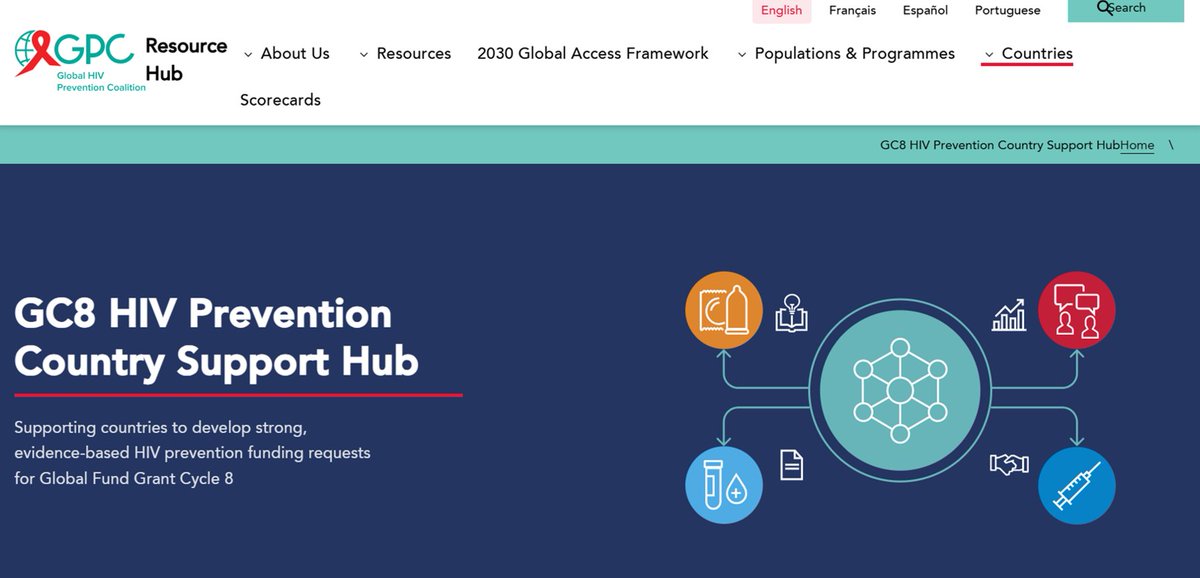
Visit the @GPCoalition GC8 HIV Prevention Country Support Hub for the latest resources to inform the development of funding requests.
See link👉 https://t.co/DCpKrVkoAl
As countries across the globe navigate a drastically shifting funding landscape and new HIV prevention opportunities, Tanzania is showing how data-driven stewardship can help sustain progress and maximize impact against the AIDS epidemic.
Read more here👉 https://t.co/BZHSWEftsz
The opportunity is there: new HIV prevention and treatment innovations exist. Now we need the manufacturing capacity to make them accessible!
Listen to @anneshongwe talk about why the SADC-China exchange matters👇🏿
#SADCChina#HealthSecurity
@WHO is organizing a dissemination webinar for the WHO toolkit for monitoring the safety and toxicity of injectable lenacapavir for pre-exposure HIV prophylaxis.
Scheduled for:
🗓️ Monday, 14 September 2026
⏰ 12:00- 13:30 CET
Join using the Zoom link: https://t.co/hClj2BX30o
By institutionalizing HIV prevention planning tools, Kenya has strengthened evidence-based prioritization and investment planning, both for GC8 and beyond.
Read more 👉https://t.co/iMHgJkeOTr
How do you make HIV prevention investments count?
Kenya's GC8 Funding Request used the:
✅SHIPP Tool
✅HIV Prevention 2030 Global Access Framework
✅Condom Needs Estimation Tool
✅@UNAIDS Virtual Support Team
Read more 👉https://t.co/iMHgJkeOTr
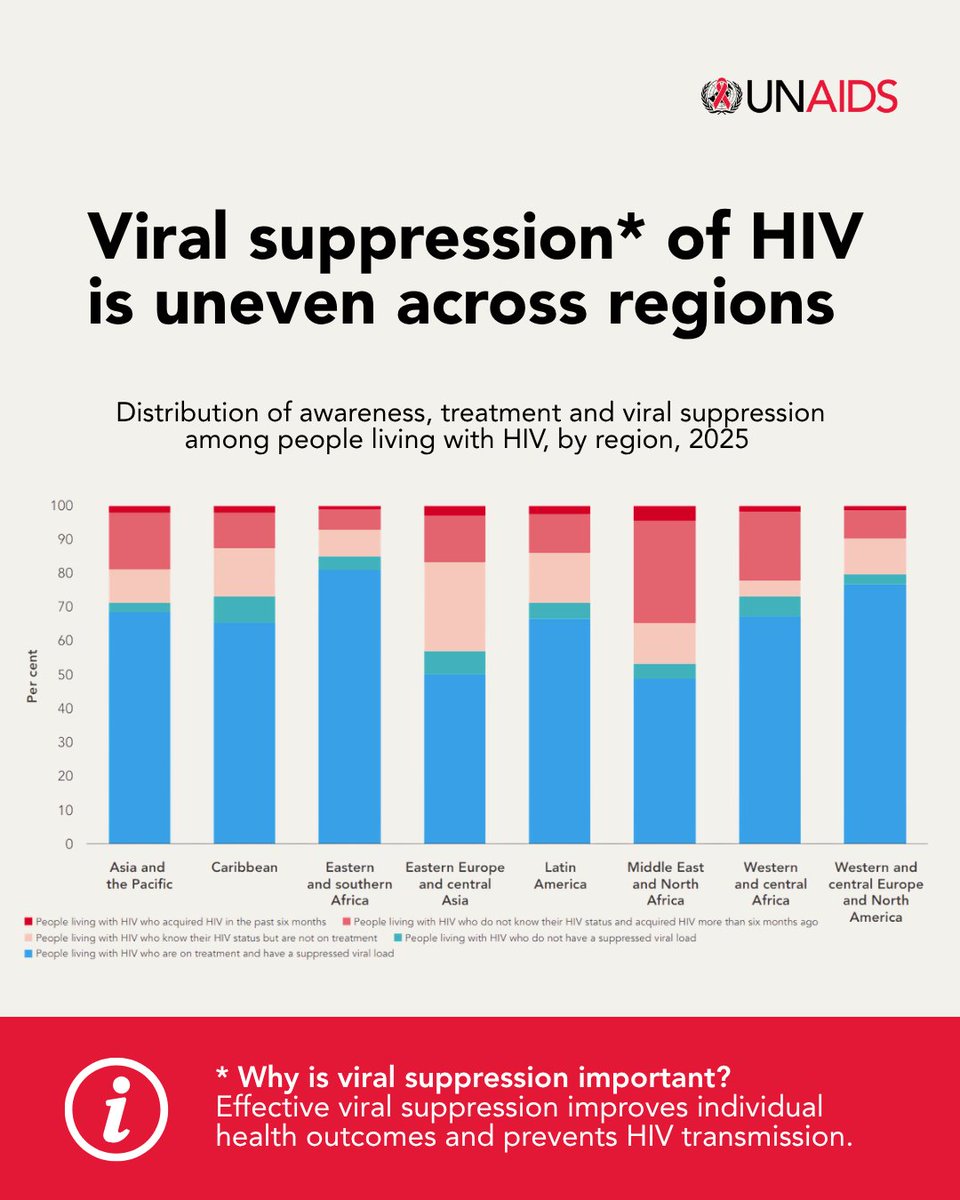
Viral suppression:
✅ improves health of people living with HIV
✅ prevents HIV transmission
But UNAIDS data shows that access to treatment and viral load testing still varies by region.
With the newly reaffirmed target of 38 million people living with HIV virally suppressed by 2030, we must ensure treatment and care services are accessible for all in need. https://t.co/8nmN1uZhIR
How do you make HIV prevention investments count?
Kenya's GC8 Funding Request used the:
✅SHIPP Tool
✅HIV Prevention 2030 Global Access Framework
✅Condom Needs Estimation Tool
✅@UNAIDS Virtual Support Team
Read more 👉https://t.co/iMHgJkeOTr
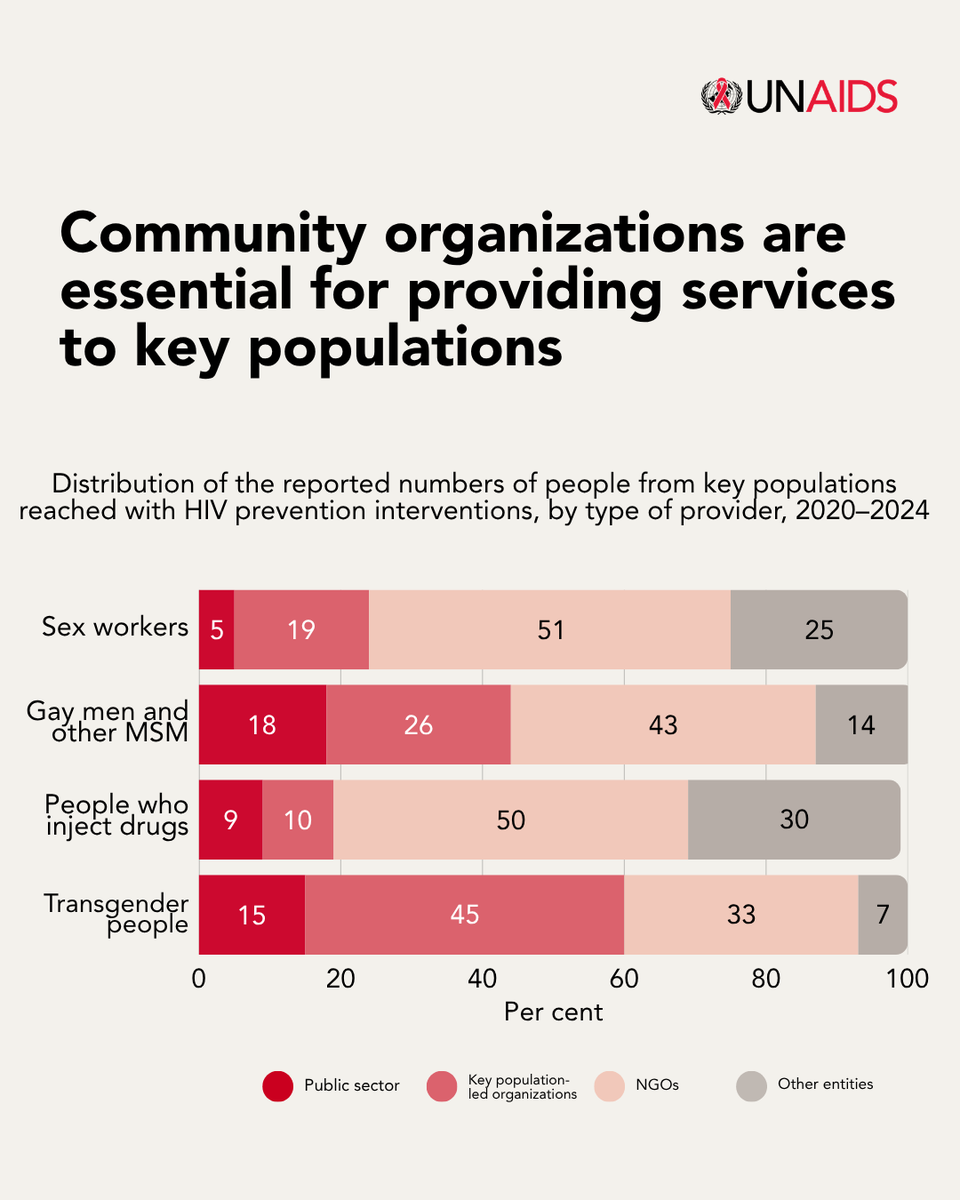
Community-led services are critical for key populations most affected by HIV to access services like HIV prevention.
However, the decline of funding puts this vital work at risk.
For more data on HIV: https://t.co/PmqFRarZ4u
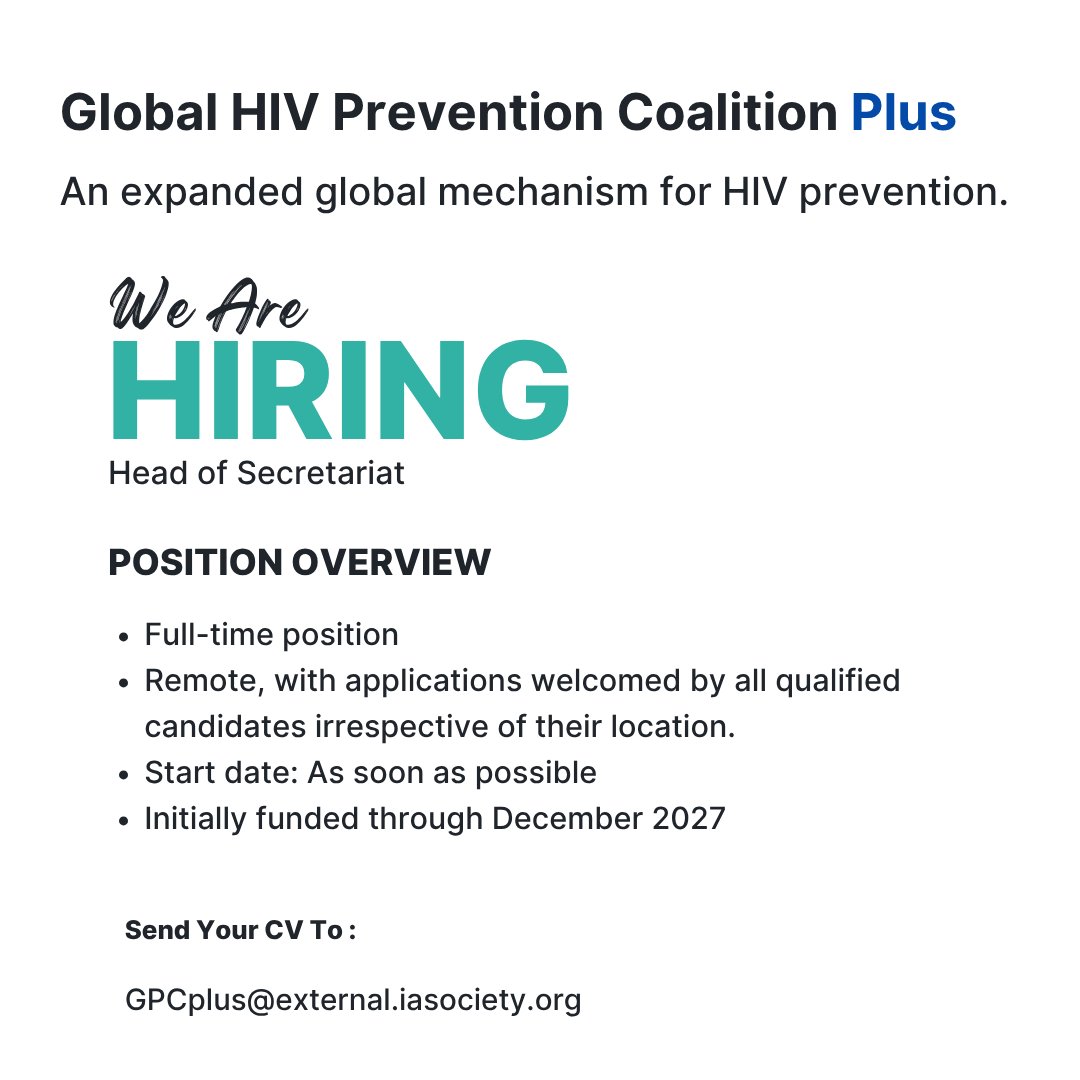
GPC is Transitioning into GPC+.
This transition introduces a more sustainable, responsive model for coordinating primary prevention.
As part of the transition to GPC+, we are recruiting a Head of the GPC+ Secretariat.
Apply here 👉https://t.co/ZoOU6gFrPP
📊12 countries in East & Southern Africa are on track to end mother-to-child HIV transmission by 2030, 5 already there.
But new infections among young women are barely declining as condom use drops & STI rise.
Progress is real but fragile👉🏿https://t.co/9Xazw9ZPJq
#2gether4SRHR
More countries are rolling out Lenacapavir for HIV prevention and by the end of June, 50,000+ people were accessing it across 9 sub-Saharan African countries.
That's still far too few, UNAIDS estimates that 20 million people need long-acting prevention.
https://t.co/JaNfkONF0I
🩸La prevención del VIH también debe formar de tu rutina de autocuidado. ✅
⌚Toma un momento para informarte sobre las distintas opciones de prevención y elige el método que mejor se adapte a ti. 😉
What do we need for effective HIV prevention service delivery?
1. Strengthened political commitment
2. Enabling environments for access to services
3. At-scale implementation
4. Increased domestic & international financing
Watch prevention videos here 👉https://t.co/vZorXohGWz
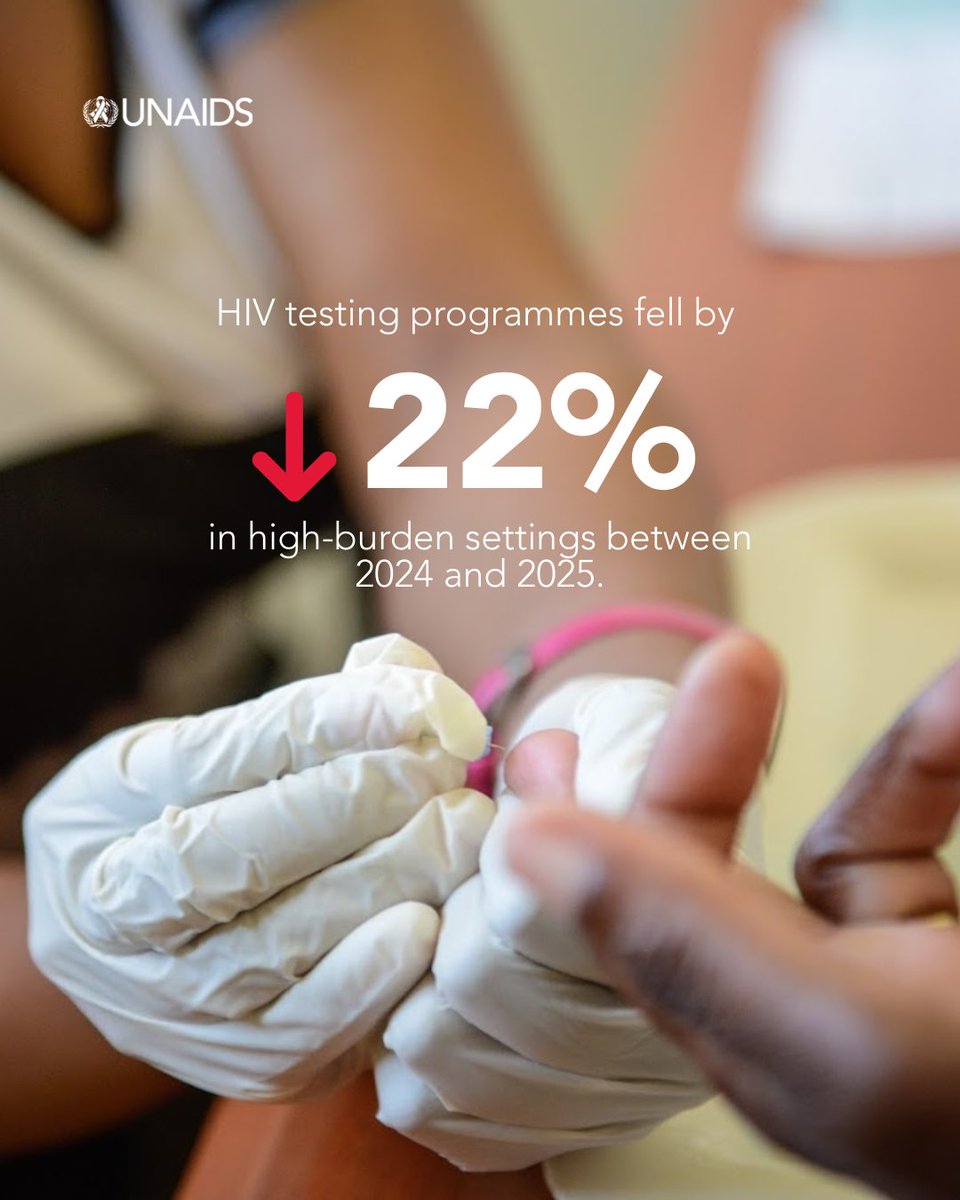
Last year saw the sharpest drop of global aid, including to HIV programs.
HIV testing fell by 22% in high-burden settings which means people don't know their HIV status and don't receive treatment.
Fully funding the HIV response is critical to #endAIDS.
https://t.co/JaNfkONF0I
HIV treatment saves lives.
It helps people living with HIV stay healthy and achieve an undetectable viral load, meaning HIV cannot be sexually transmitted to their sexual partners (U=U).
That's why the new global target of 40 million people on treatment by 2030 matters.
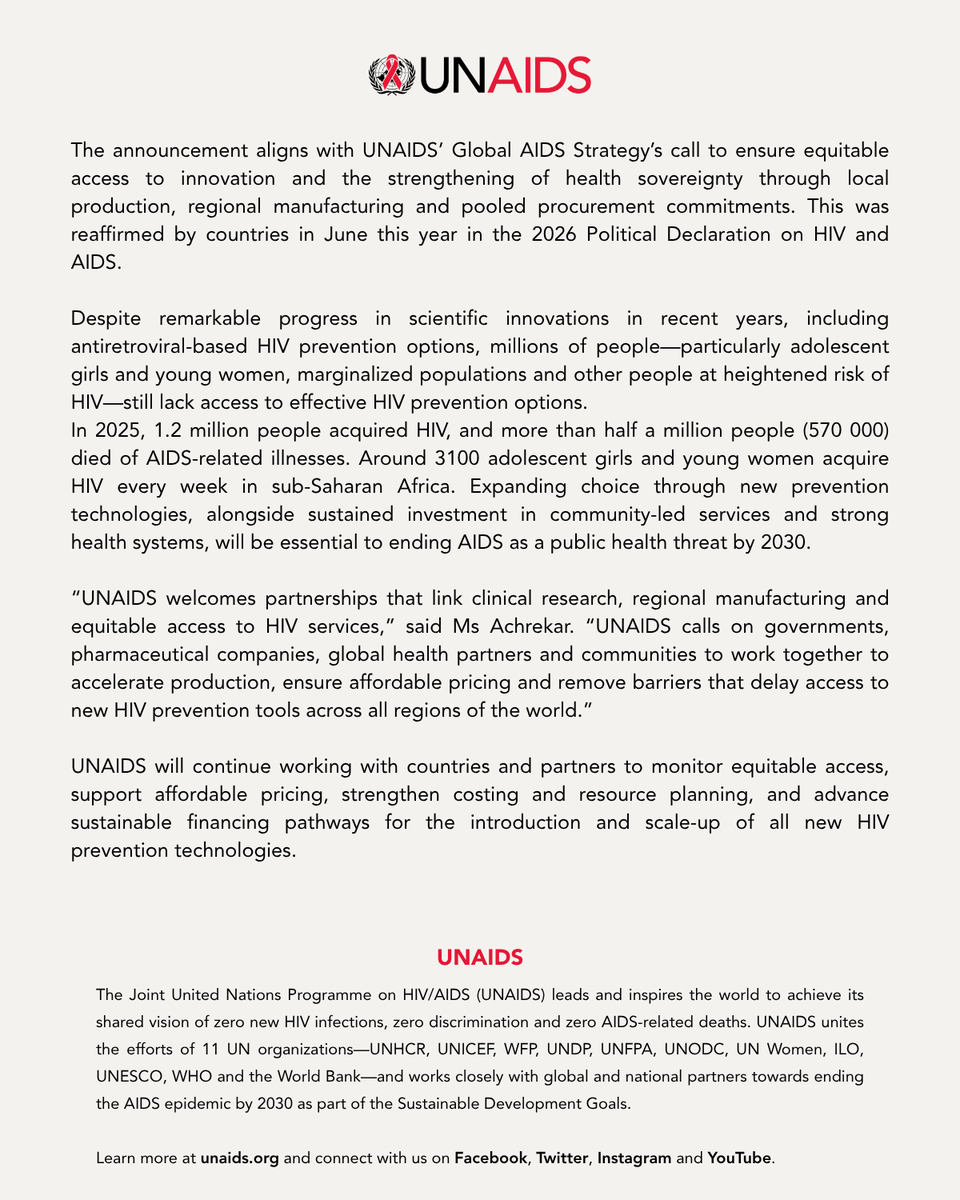
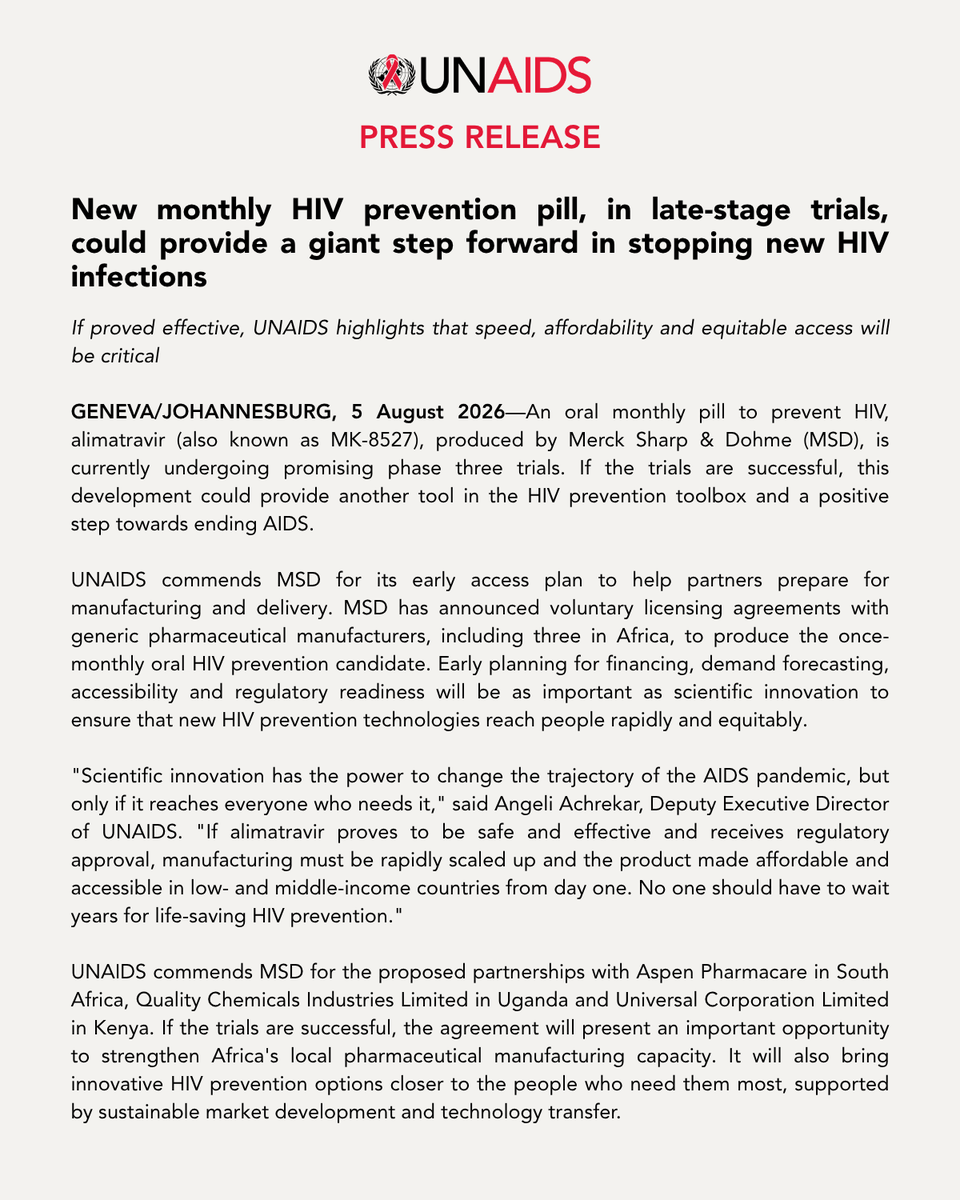
New monthly HIV prevention pill, in late-stage trials, could provide a giant step forward in stopping new HIV infections.
If proved effective, UNAIDS highlights that speed, affordability and equitable access will be critical.
Read press release: https://t.co/jiRXiGJpMZ
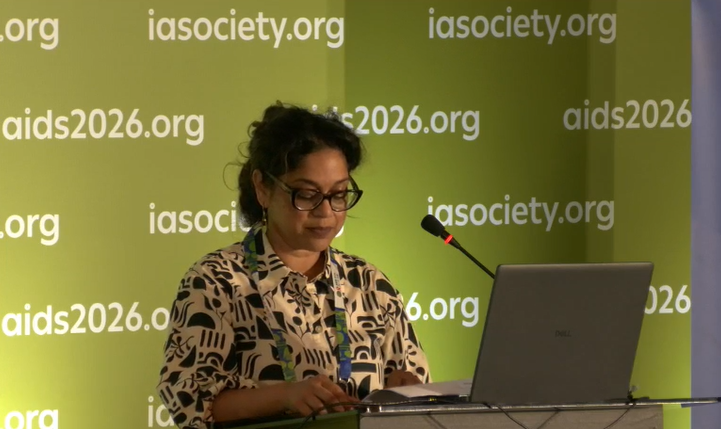
"We cannot prevent HIV ignoring the conditions that produce vulnerability," says @AchrekarAngeli at #AIDS2026 session to re-center women, children, and adolescents as a pathway to sustained HIV epidemic control
Anne-Claire Guichard, Senior Policy Advisor at UNAIDS set the scene at a session organized by @PATHtweets and @frontlineaids on funding for HIV prevention at #AIDS2026: "There were still 1.2 million new HIV infections in 2025 and in 21 countries new HIV infections are rising. Unless global solidarity is restored and inequalities are addressed, the fragility of the response will put our efforts to stop new HIV infections and end AIDS in peril."