Navy SEALS use box breathing to stay calm & intensely focused during stressful situations.
3 times per day for Five minutes each will exponentially reduce your cortisol / stress levels.
Come back to this tweet to practice daily
🇮🇹🏛️ EL PANTEÓN DE ROMA:
El misterio del agujero que nunca inunda 🌧️.
Podrías pensar que tener un agujero de ocho metros en el techo es una falla de diseño, pero en el Panteón de Roma es una obra maestra de ingeniería.
Este óculo deja entrar la lluvia directamente al edificio, sin embargo, el interior jamás se inunda.
El secreto reside en su suelo de mármol, que posee una ligera curvatura convexa casi imperceptible que dirige el agua hacia los bordes.
Allí, una red de 22 drenajes ocultos evacua el líquido de forma inmediata, un sistema que ha funcionado a la perfección durante casi dos mil años.
Esta estructura nos demuestra la genialidad romana para canalizar los elementos en lugar de simplemente bloquearlos.
El Panteón sigue en pie como un testimonio de una arquitectura diseñada para la eternidad, donde la funcionalidad y la estética se fundan en una solución técnica que hoy seguimos admirando.
¿Crees que la arquitectura moderna ha perdido esa capacidad de crear estructuras que duran milenios, o simplemente hemos cambiado la durabilidad por la conveniencia inmediata?
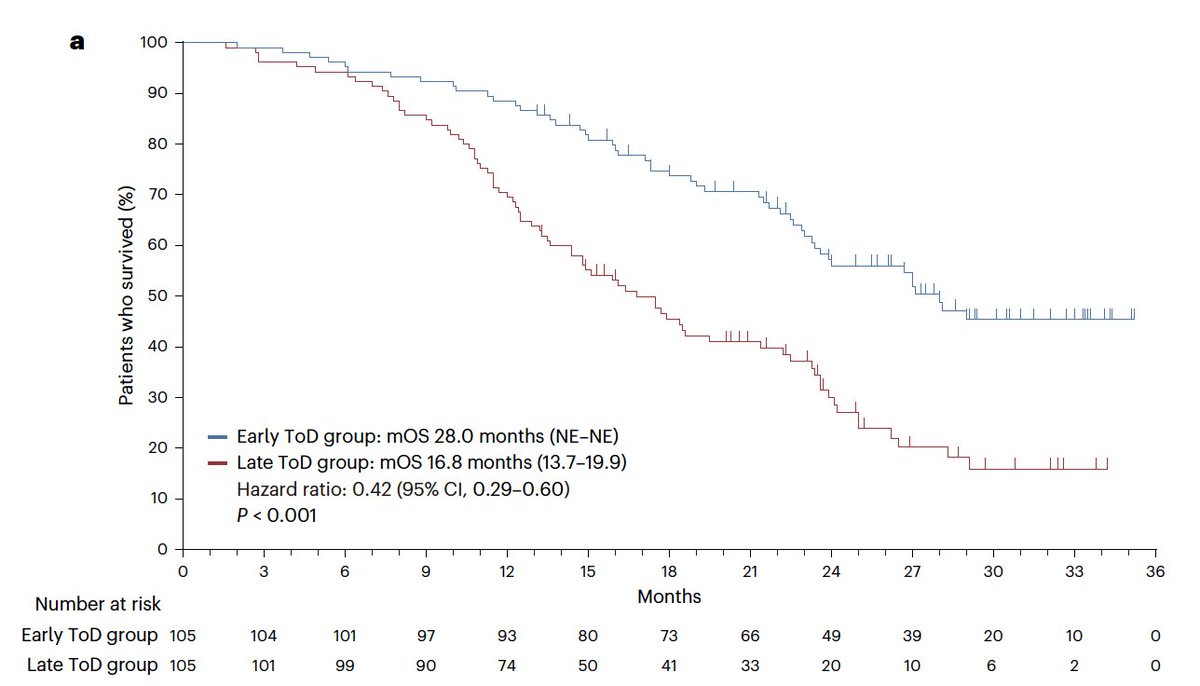
The time of day for cancer immunotherapy is associated with major outcomes. Early is better. Results from a randomized trial of lung cancer, backs up the importance of our circadian rhythm and immune system
https://t.co/bHqUZ3U83O
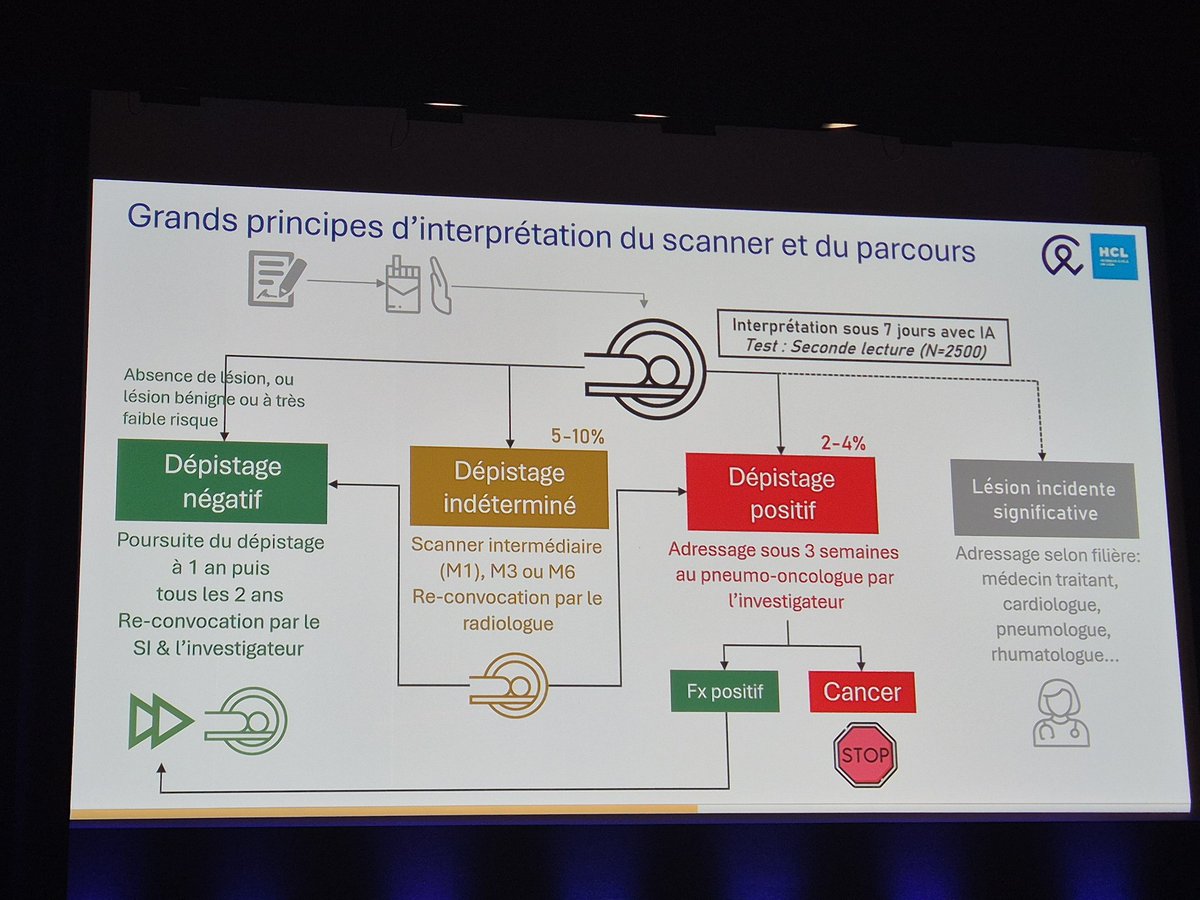
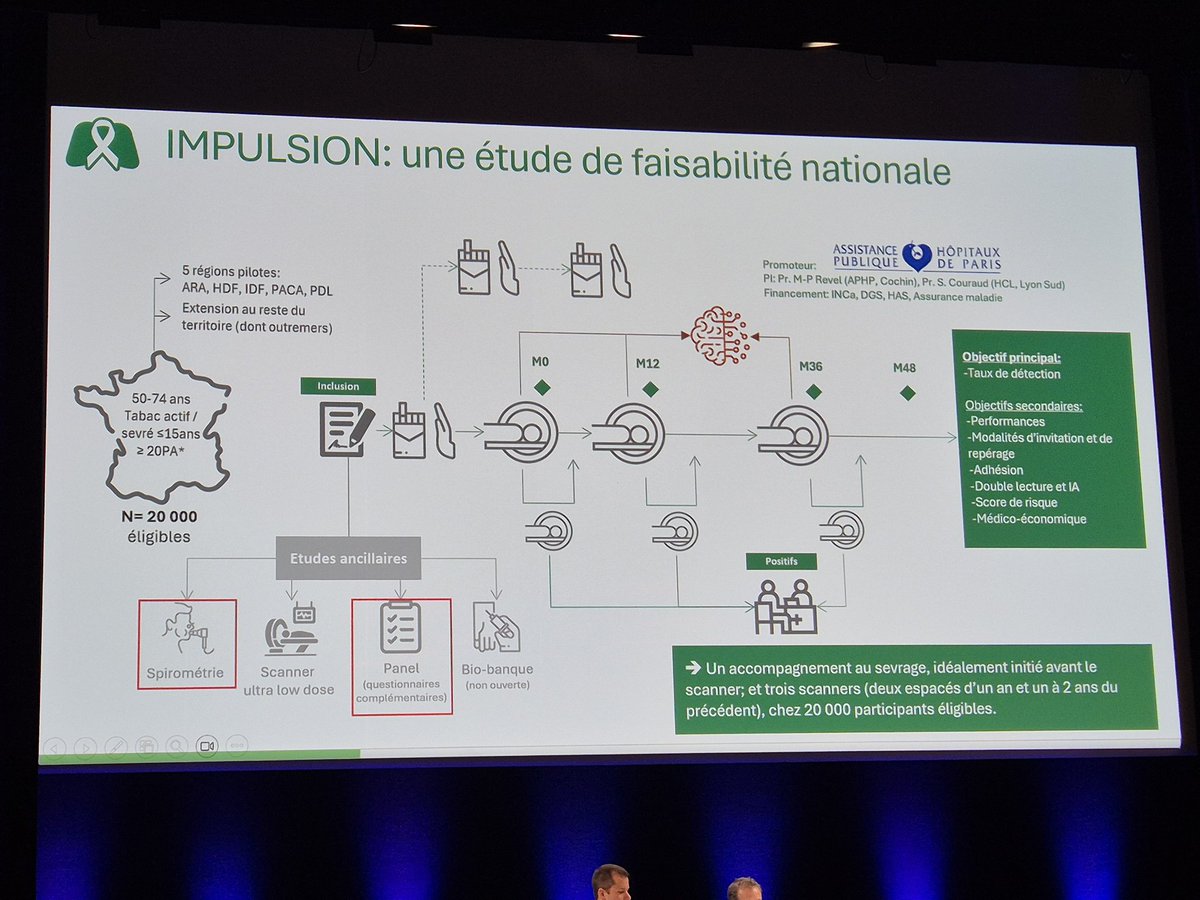
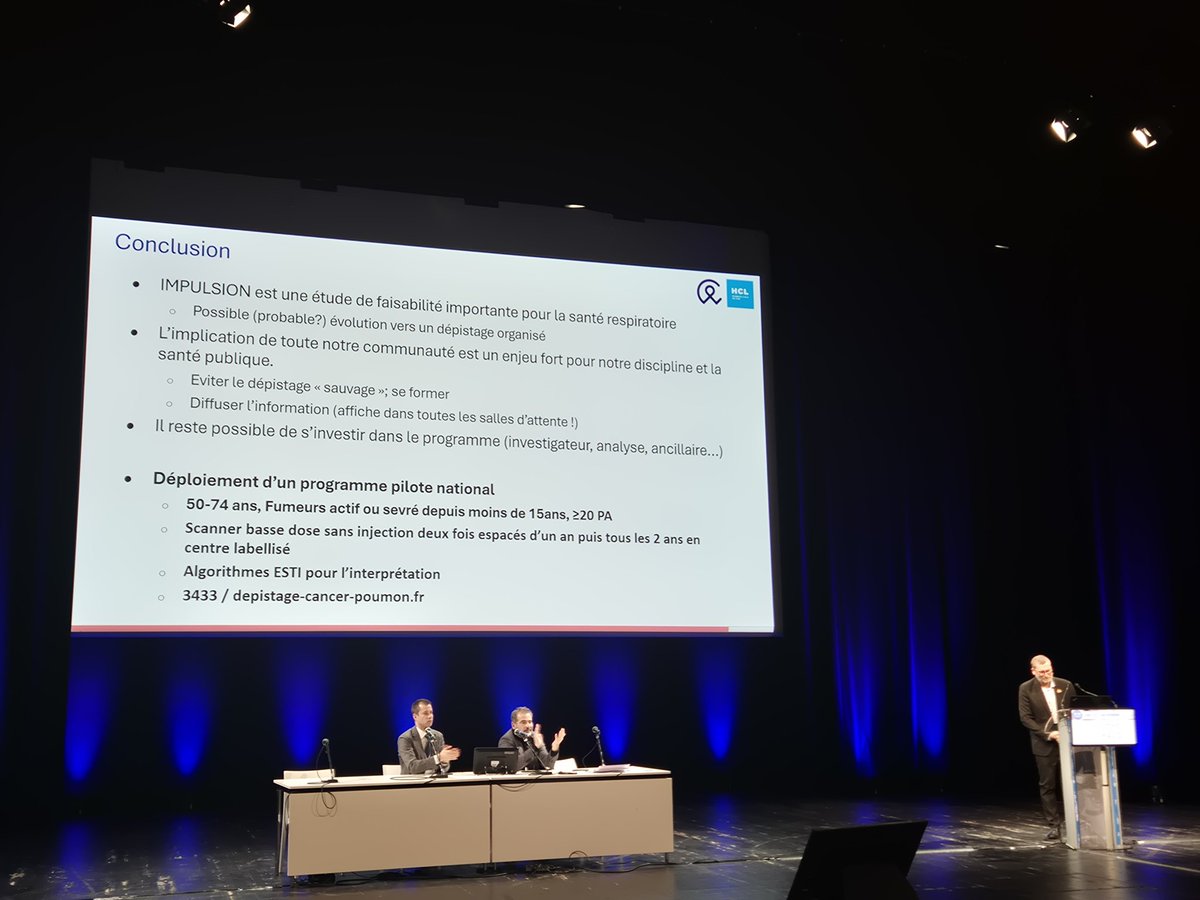
#CPLF2026 Dépistage du cancer du poumon
➡️ Le cancer du poumon reste le cancer le plus meurtrier en France
➡️ Le dépistage par TDM LD a démontré son efficacité
➡️ Le programme IMPULSION une étape clé pour le dépistage en 🇨🇵
👏 Excellente synthèse comme toujours avec @s_couraud
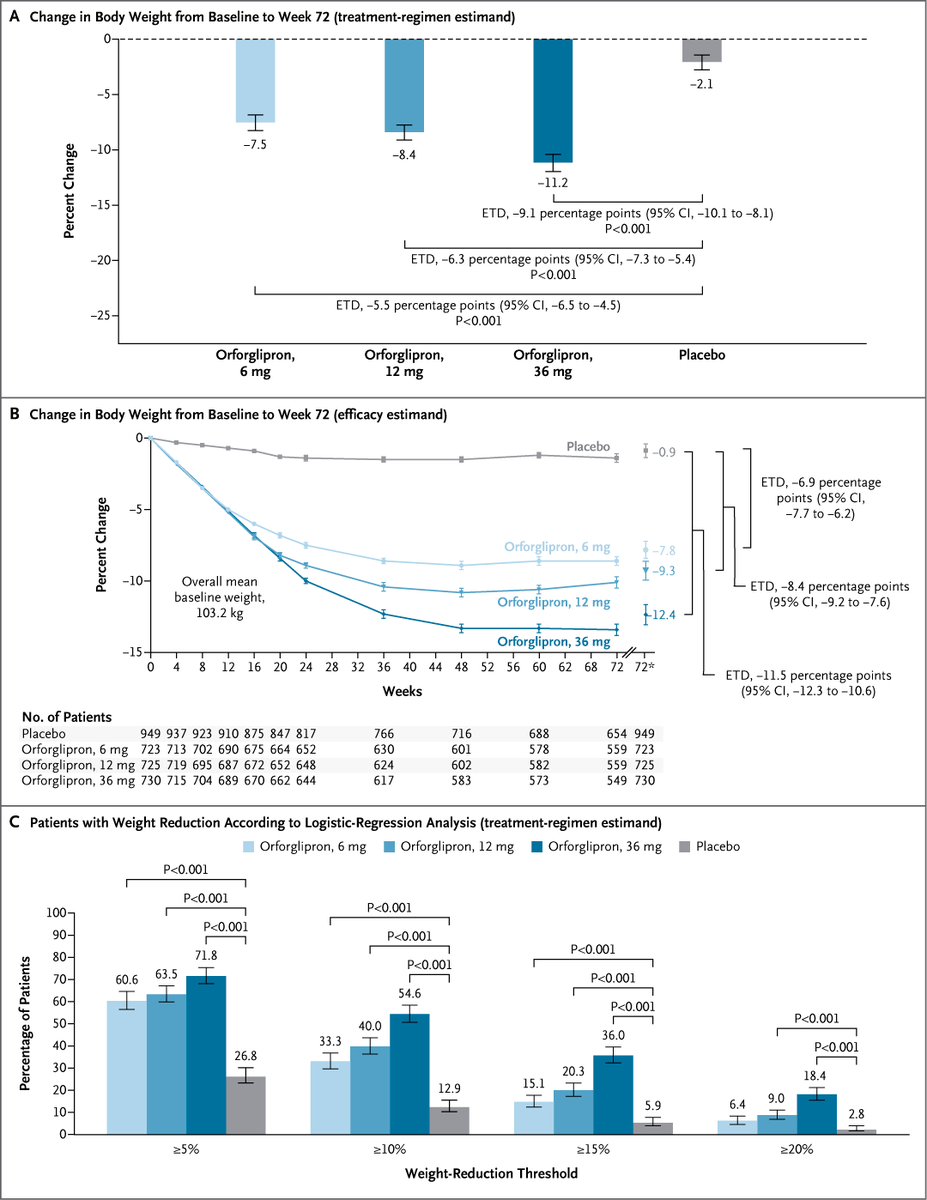
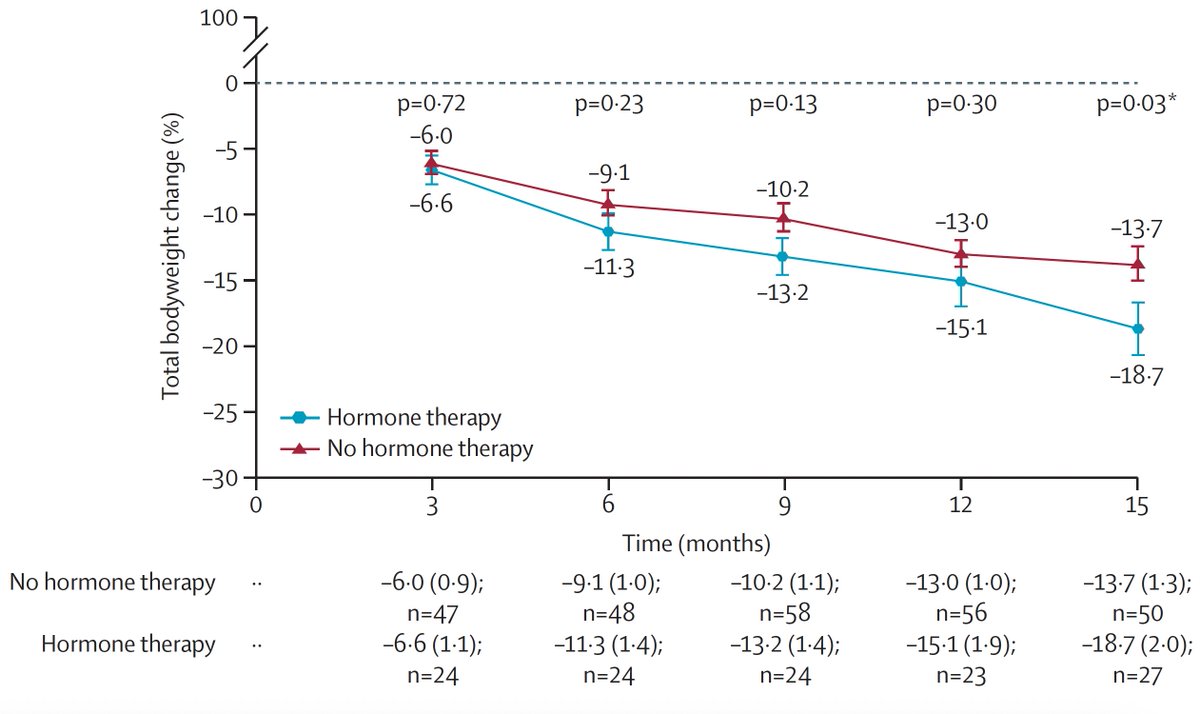
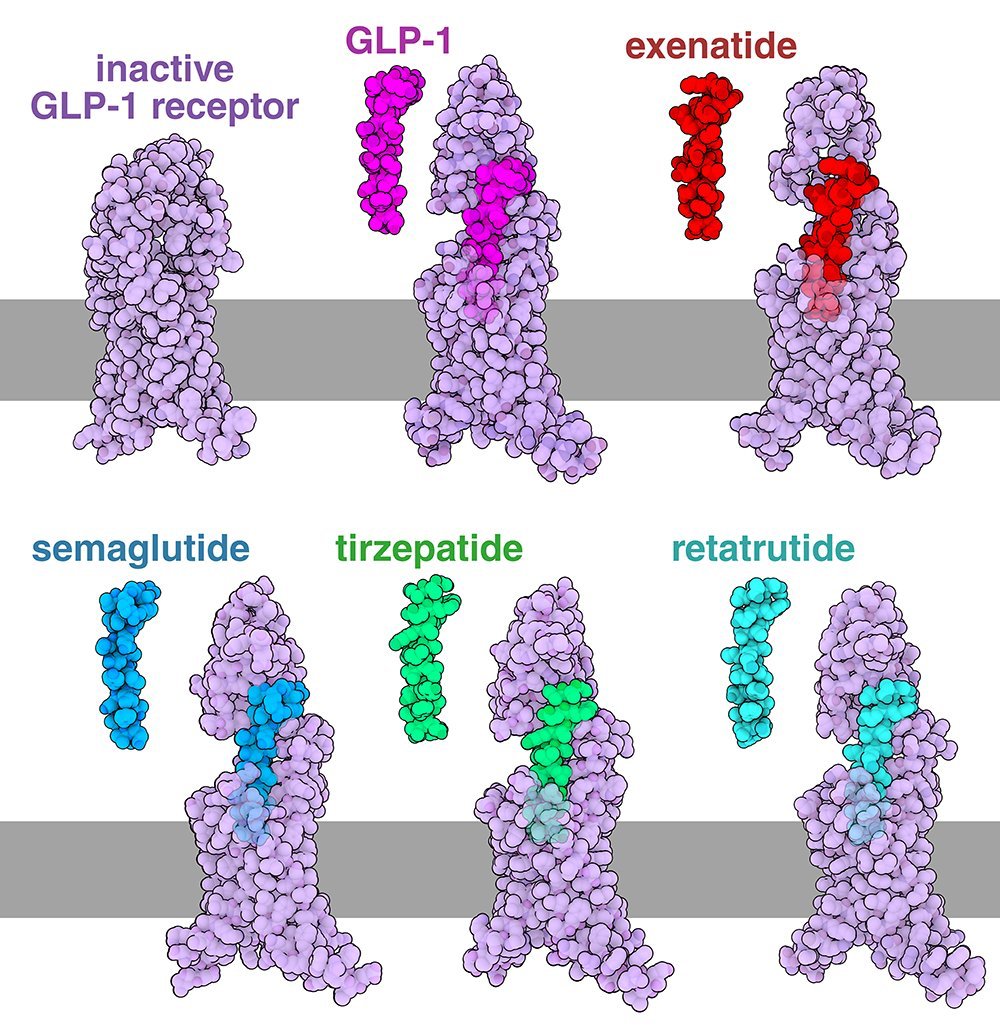
35% more weight loss than tirzepatide alone and more cardiometabolic benefit, a potential enhancement of menopausal hormone therapy effect. @MayoClinic small retrospective study with matching
https://t.co/LIyNgyWvHL
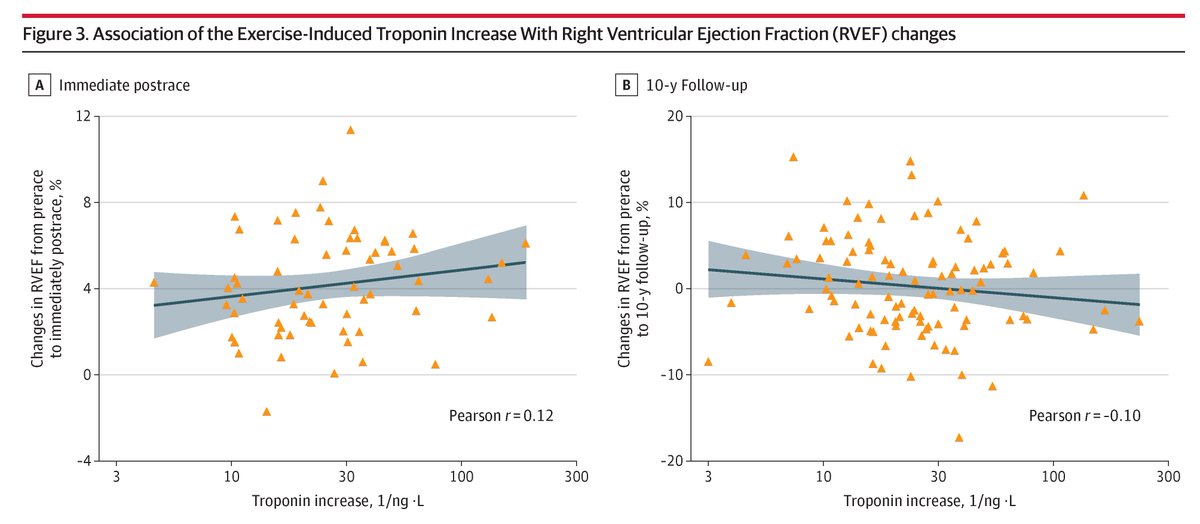
In 152 male marathon runners, right ventricular ejection fraction declined transiently after a marathon but recovered within 3 days and remained stable at 10-year follow-up. https://t.co/LMlqPJjAfk
1973, Bernstein plonge le public du Philharmonique de Vienne dans une apnée folle avec l’Adagietto de la Symphonie numéro 5 de Gustav Mahler.
On sent presque les carotides pulser et les doigts s’incruster dans le velours des sièges.
C’est de la magie pure.
Presented at #ERSCongress:
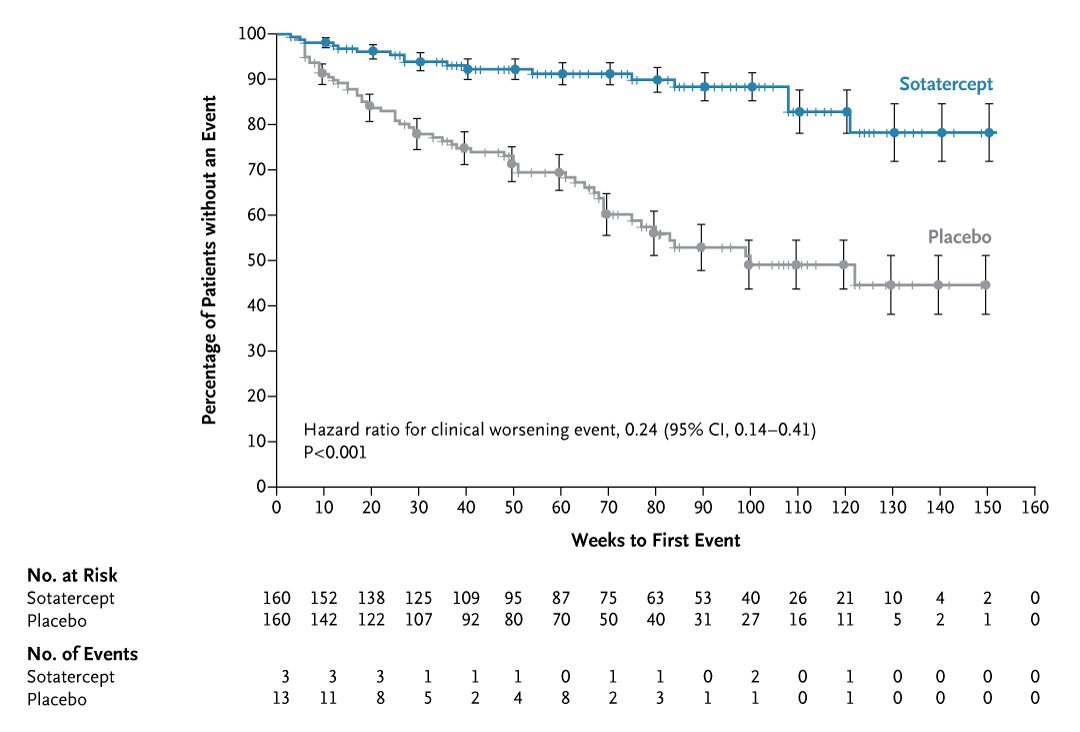
Among adults with pulmonary arterial hypertension who had received the diagnosis less than 1 year earlier, the addition of sotatercept to background therapy resulted in a lower risk of clinical worsening than placebo. Full HYPERION phase 3 trial results: https://t.co/dfkgglg0hd
@EuroRespSoc
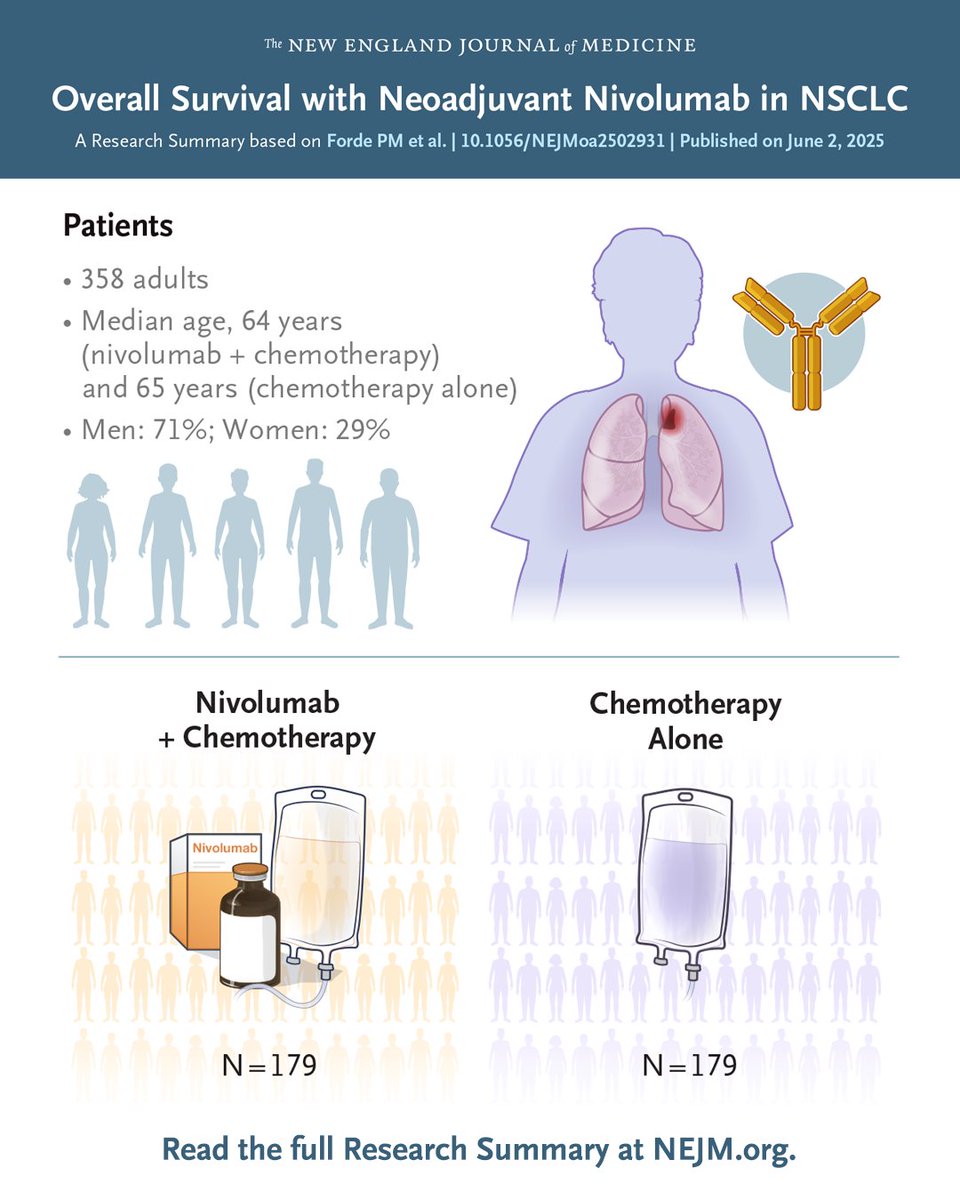
In resectable lung cancer, neoadjuvant nivolumab plus chemotherapy improved 5-year overall survival, with no lung cancer deaths reported at 5 years in patients with a pathological complete response. Full CheckMate 816 phase 3 trial results and Research Summary: https://t.co/0oJuP6pZo9
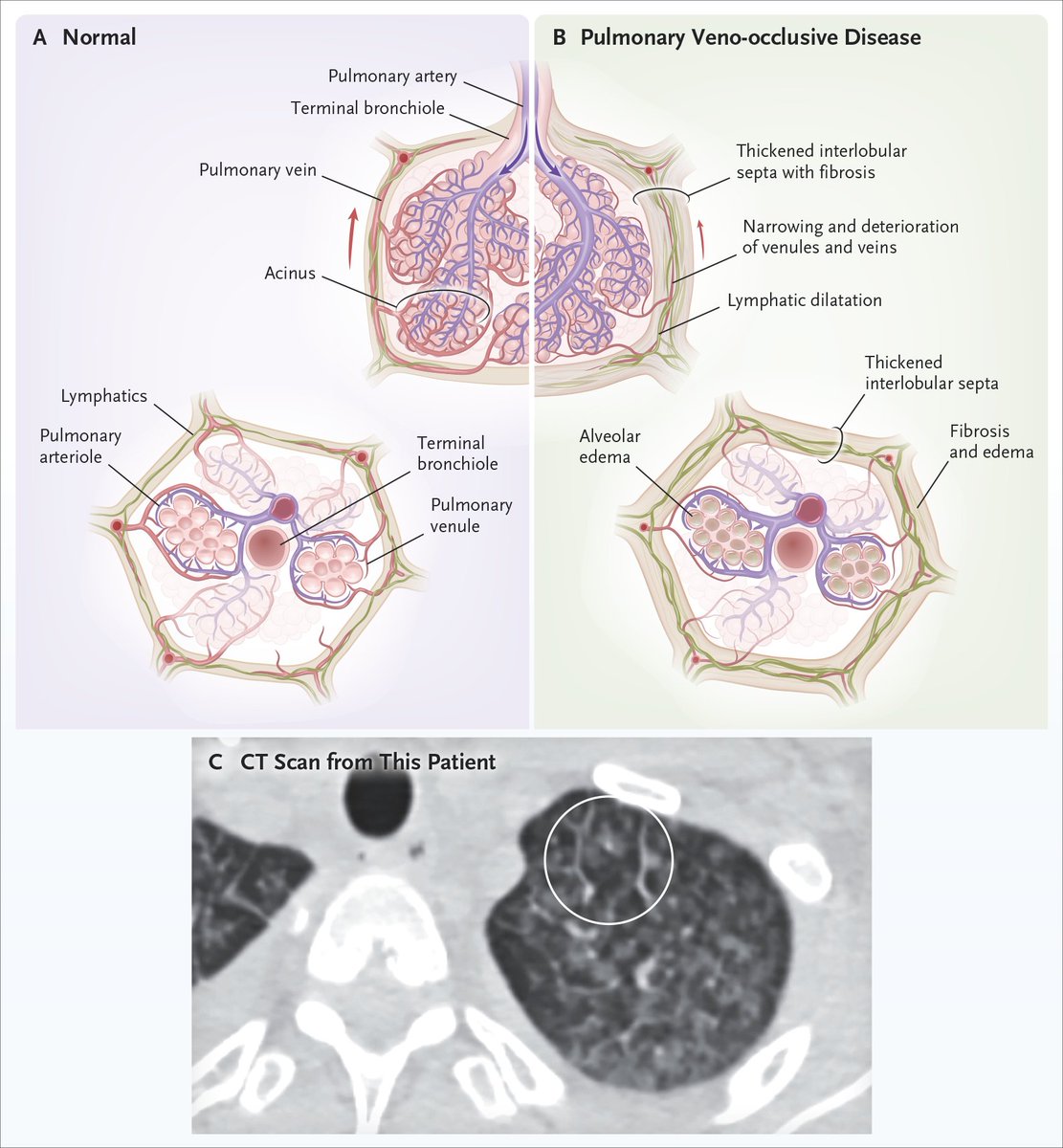
𝗦𝗲𝗰𝗼𝗻𝗱𝗮𝗿𝘆 𝗣𝘂𝗹𝗺𝗼𝗻𝗮𝗿𝘆 𝗟𝗼𝗯𝘂𝗹𝗲 𝗶𝗻 𝗣𝘂𝗹𝗺𝗼𝗻𝗮𝗿𝘆 𝗩𝗲𝗻𝗼-𝗼𝗰𝗰𝗹𝘂𝘀𝗶𝘃𝗲 𝗗𝗶𝘀𝗲𝗮𝘀𝗲.
Shown are features of the secondary pulmonary lobule in a normal state (Panel A) and in a disease state (Panel B). The secondary pulmonary lobule contains clusters of acini that receive deoxygenated blood from a single distal pulmonary artery that enters the center of the lobule in close proximity to the terminal bronchiole. Oxygenated blood exits through the interlobular septa that define the perimeter of the lobule. Pulmonary veno-occlusive disease is characterized by diffuse luminal narrowing and obliteration of the pulmonary veins. Obstruction of venous outflow leads to engorgement of pulmonary capillaries and arterioles and to alveolar edema. Interlobular septa are thickened from fibrosis, edema, and lymphatic dilatation. These abnormalities are evident on a CT scan obtained from this patient (Panel C), which shows a secondary pulmonary lobule with surrounding ground-glass nodules and interlobular septal thickening (circle).
Learn more in the latest Case Record of the Massachusetts General Hospital (@MassGeneralNews): https://t.co/VwM16wE3ly
#Pulmonology #CriticalCare
📰 A lire dans @nytimes 🇺🇲
De nombreux cancers du poumon touchent désormais des non-fumeurs. Le cancer du poumon, autrefois diagnostiqué chez des hommes âgés et fumeurs, a changé de visage. Les médecins « déconcertés » par l'évolution du cancer du poumon !
https://t.co/jOlX7Vk58S
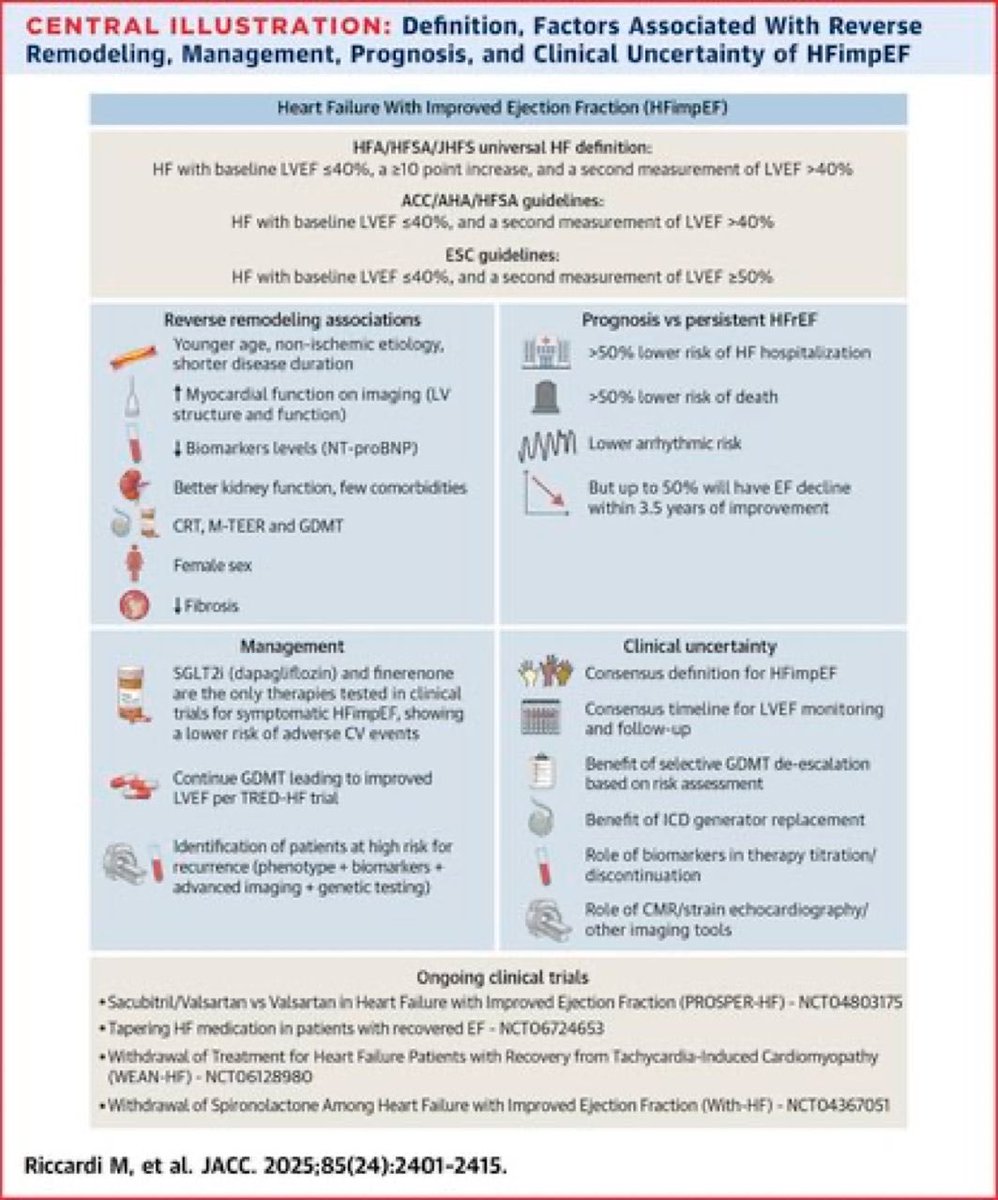
Heart Failure With Improved Ejection Fraction: Definitions, Epidemiology, and Management
Heart failure with improved ejection fraction (HFimpEF) has gained increasing recognition as a distinct phenotype within the spectrum of heart failure, characterized by previously reduced left ventricular ejection fraction (≤40%) that subsequently improves to >40%. HFimpEF remains relatively understudied, and uncertainty persists regarding its long-term prognosis and optimal management. Contemporary registries and clinical trials suggest a rising prevalence, likely reflecting both the increased implementation of guideline-directed medical therapy and evolving consensus definitions for its identification. Despite left ventricular ejection fraction recovery, patients with HFimpEF remain at risk for adverse outcomes, and their management remains an area of active investigation
https://t.co/IhgcTWNjA3
Bel article dans @NEJM mettant en valeur le travail des pneumologues des hôpitaux généraux en France et qui conclut à une amelioration de la survie médiane des patients avec cancer du poumon passant de 8,5 mois en 2000 à 20,7 mois en 2020 !
#CPHG#KBP2020