@MECpy Ya en una publicación del AÑO 92 salía: These findings demonstrated that use of latex condoms can significantly reduce the risk of HIV transmission (...) Probaron varios escenarios y fue 10 veces mejor el uso para la prevención comparado con el no uso.
@MECpy Que es el preservativo? Es una capa delgada de látex, plástico (poliuretano), caucho sintético o membrana natural. Los condones de LÁTEX son el mejor tipo de condón para la prevención del VIH.
Preventing HIV | HIV | CDC https://t.co/BTZ4kcRgHe
@MECpy :
El preservativo es una barrera física que bloquea el VIH. Usado correctamente y en todas las relaciones, reduce el riesgo de transmisión en MÁS de un 80 %. Ninguna medida es 100 % perfecta, pero decir que no protege es falso y pone en riesgo a la gente.
Mañana de recepción al nuevo staff de la @Cambridge_Uni Universidad de Cambridge en el @cavendish_labs . Muy feliz de formar parte de esta prestigiosa y legendaria institución.
Aquí un poco de la extraordinaria historia de Cavendish lab
https://t.co/l14ECvkb7R
@theAliceRoberts .. I am a quantum realist in the sense that I believe the world exists as an objective reality (as do the laws of physics) independently of us and whether or not we are observing it. In a sense these sorts of stories are clickbait science… But fun to discuss.
@theAliceRoberts …It all goes back to the original (and now outdated) idea of what quantum physics is telling us about the world, called the Copenhagen interpretation. It’s in complete and confusing. It also assumes that we make real some aspects of the world by observing it…
@theAliceRoberts Ah, thanks Alice. Ok, my view is that this is nonsense. The idea that the laws of physics are subjective and created in our minds can be traced to wrongly held views about the meaning of quantum mechanics and the role of conscious observers…
Meet the newest members of the Minerva community, the Class of 2028! Hailing from diverse corners of the globe, the 2028 cohort embodies a collective passion for critical thinking and making a positive impact in their communities. #M28#ClassOf2028
Discover the 7 things Tuan, #ClassOf2027, wishes he had known before getting into Minerva. From spontaneous travel adventures to the close-knit community and practical learning experiences, Tuan shares his journey and invaluable insights.
https://t.co/ll3yNU3WN0
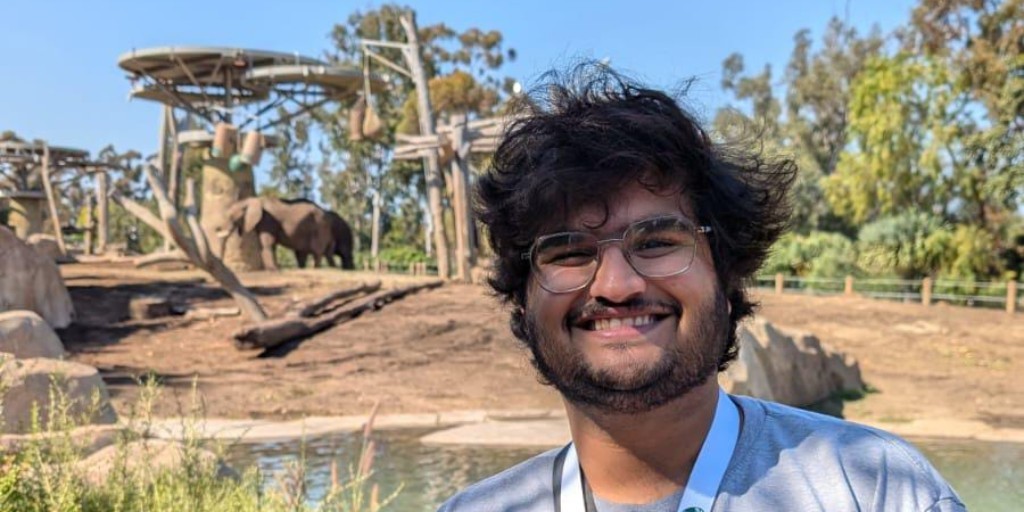
Adeel, #ClassOf2027, is interning as a Conservation Genetics Research Fellow at the @SanDiegoZoo Wildlife Alliance-Beckman Center for Conservation Research. His research studies the effects of heat stress on mammals using fibroblast cells.
#SummerInternships
Minerva Economics Professor, Alexandra Digby, recently published her latest article, "Adam Smith’s Influence on British Reform Movements of the Early-to-Mid-19th Century" in International Politics. Read more:
https://t.co/NtVYDow0Cd
In our latest blog post, Class of 2023 alumna Charlotte Juan shares her journey of writing "The Art of Self-Care" during the pandemic, offering stories of inspiration, mental health tips, and a unique perspective on self-care.
https://t.co/kPfOcjQOrK #MinervaAlumni
Supporting large transformations of organizations within the German public sector, Juliane, #ClassOf2026, is currently a Public Sector Consulting Intern at @KPMG_DE Berlin, where she combines her passion for social impact with her drive for consulting. #SummerInternships
Minerva Professor of Computational Sciences, Patrick Watson, and former Head of Social Sciences, Katie McAllister, recently launched their podcast, "How to Get Smarter With Neuroscience". Listen to their first episode, "Why Study Unpopular Neuroscience?": https://t.co/zomLAWQHGj
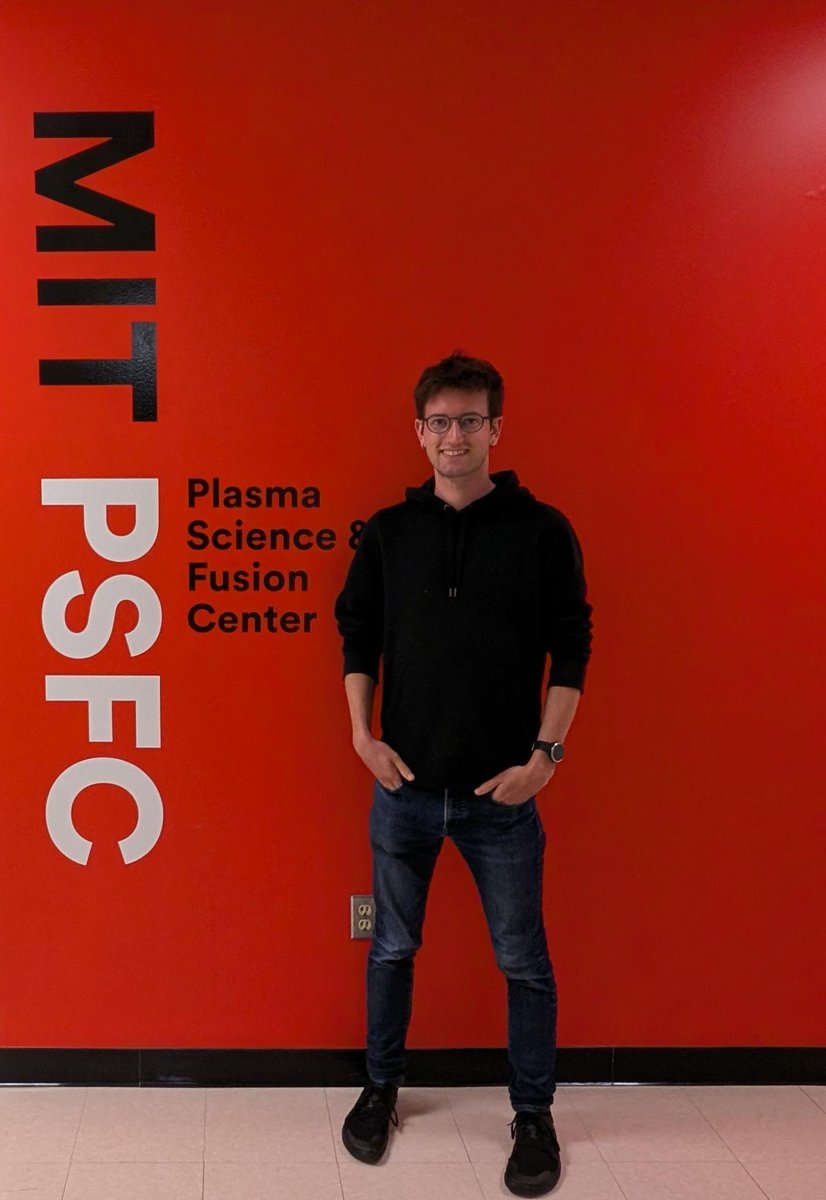
Amos, #ClassOf2025, is working on the @MIT Plasma Science and Fusion Center’s (PSFC) Disruptions Team. He is developing a Python package to help PhD students and researchers create multi-device machine-learning models for disruption detection.
#STEMInternship#StudentSuccess
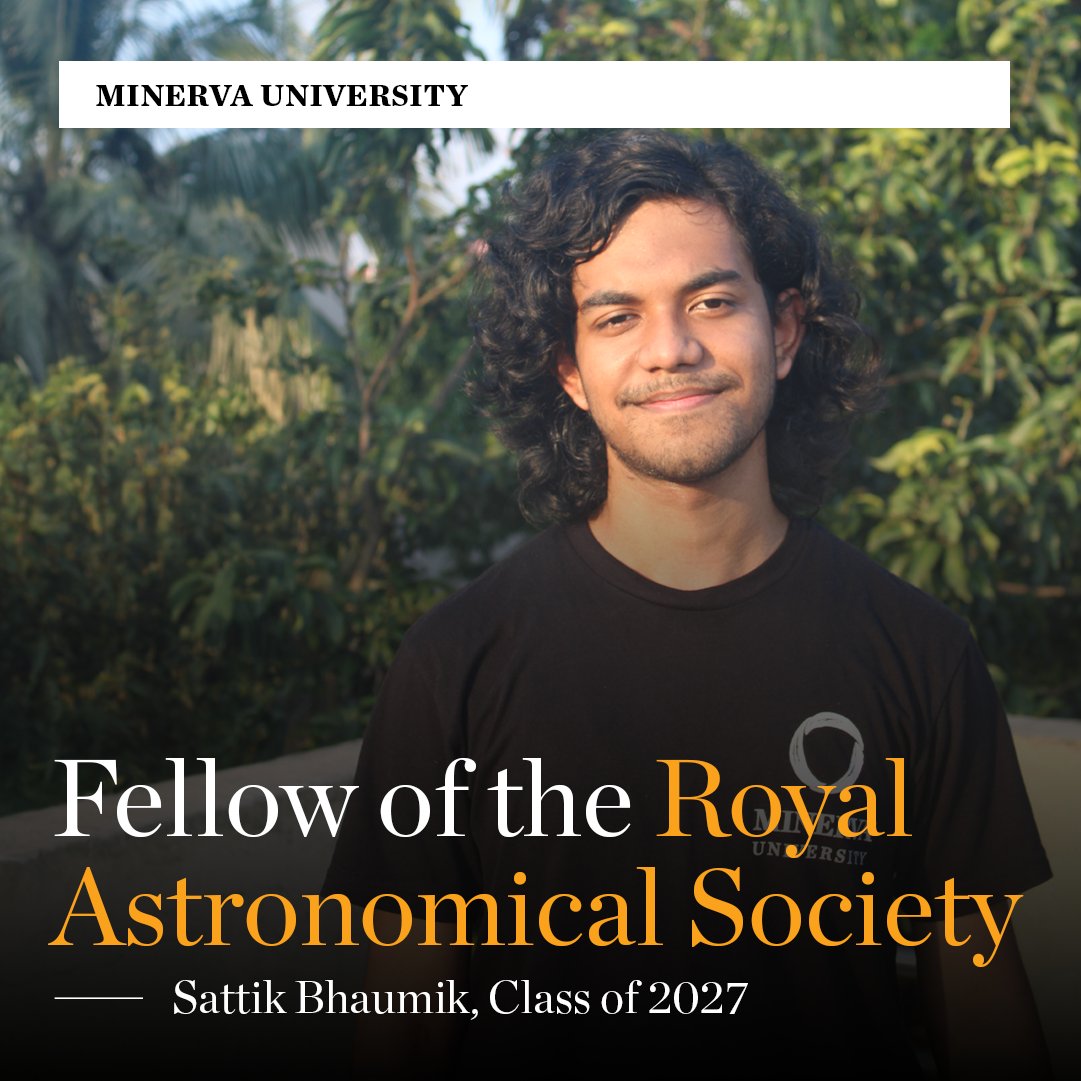
Minerva student Sattik, #ClassOf2027, has been elected as a Fellow of the @RoyalAstroSoc! His paper on calculating habitability based on chemical properties of 3 exoplanets will be published in the @Columbia Spring 2024 Undergraduate Science Journal. https://t.co/TUTo2qQwRq