Fingal's Cave, located on the uninhabited island of Staffa in the Inner Hebrides of Scotland, is a striking natural wonder. Known for its unique geological formation of hexagonal basalt columns, the cave was created millions of years ago from volcanic lava that cooled rapidly. These columns form an almost perfect geometric pattern, creating a visually stunning and architecturally intriguing structure. The cave itself stretches about 72 meters in length, and its remarkable acoustics, due to the natural shape and size of the space, give it a resounding, almost cathedral-like quality that has captivated visitors for centuries.
The cave’s name is derived from the Irish mythological hero **Fingal**, adding a layer of mystique and cultural significance to this already fascinating site. Over the years, **Fingal's Cave** has served as an inspiration for a wide range of artists, writers, and musicians. Perhaps the most famous tribute is the **overture "Fingal’s Grotto"**, also known as **"The Hebrides"**, composed by the renowned German composer **Felix Mendelssohn**. This composition captures the awe-inspiring nature of the cave and its natural acoustics, and it remains a testament to the cave’s lasting cultural impact.
Today, **Fingal's Cave** continues to attract explorers, nature enthusiasts, and tourists from around the world. Its beauty and singularity have made it one of Scotland's most iconic natural landmarks, drawing people not just for its geological intrigue but also for its quiet, almost mystical atmosphere. The cave remains a popular destination for those looking to experience the raw, untamed beauty of the Scottish landscape.
#drthehistories
A pair of Greek gold earrings (gold and enamel) in shape of a woman's head (possibly Aphrodite). Dated 350-300 BC. It was found in a stone tomb at Panticapaea, an ancient Greek colony.
The Hermitage - St. Petersburg
#drthehistories
For #FindsFriday an elaborate Greek gold hairnet with garnet inlays, dating from the 3rd century BC, an older medallion of Medusa was reused in the centre.
From Taras (Tarento, Italy).
On display at Altes Museum, Berlin.
📷 taken by me
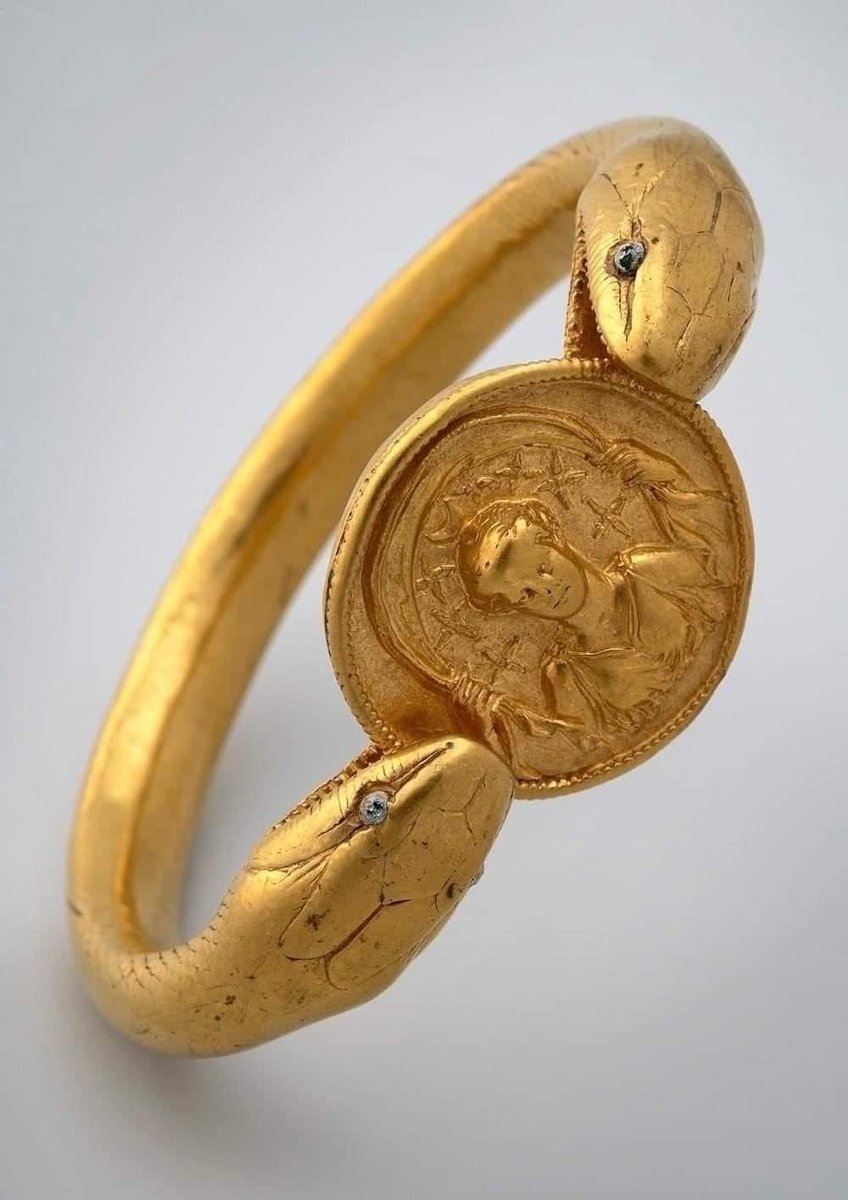
The 1st Century BC, Roman Golden Bracelet, that gave its name to a famous house in Pompeii, called “The House of the Gold Bracelet"
Archaeological Museum of Naples
#drthehistories
Daggers of Tutankhamun: Pair of ceremonial daggers discovered by Howard Carter in 1925 within the burial wrappings of the king, from the tomb of Tutankhamun (KV62). Gold and meteoric iron. Now in the Egyptian Museum, Cairo.
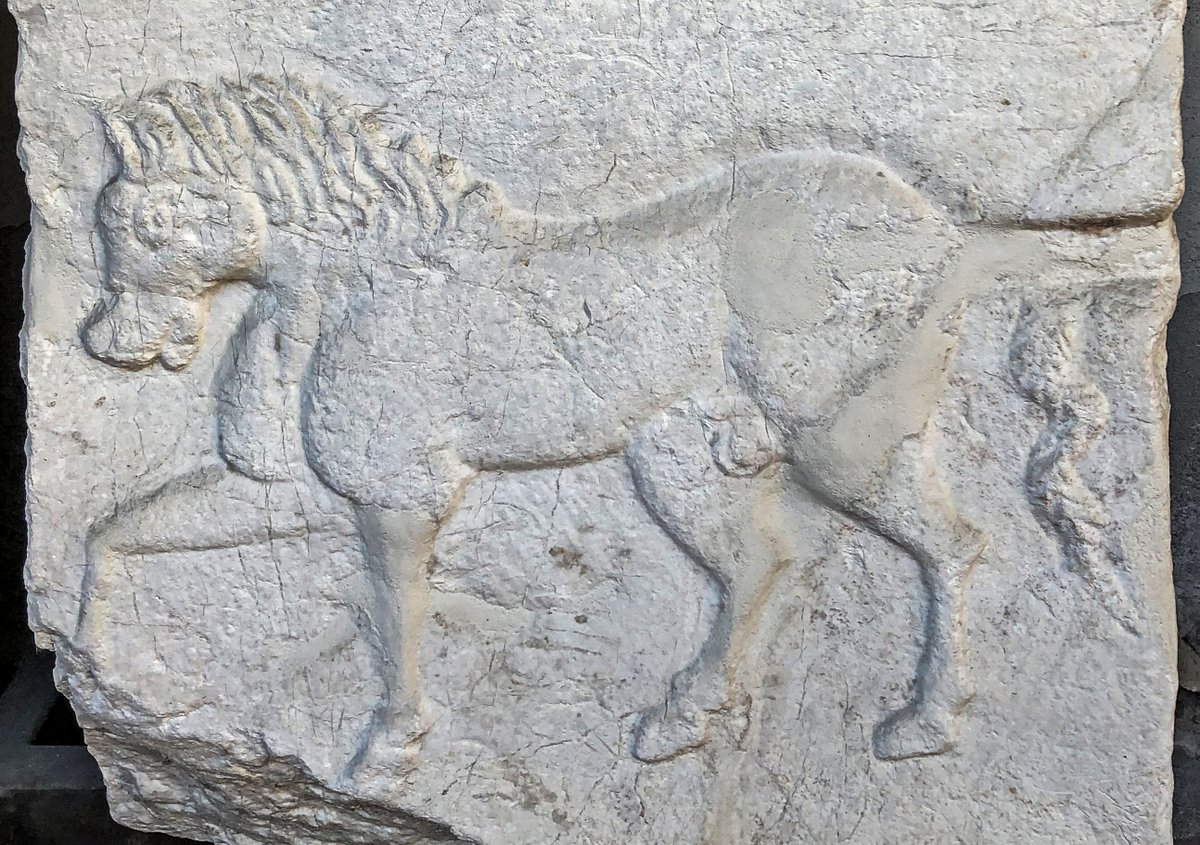
Roman grave monument for a beloved horse, with a moving epitaph:
'You once outran the wandering birds and beat the northwest winds, now you graze no longer in Tuscan woods and Siculan fields, but rest stabled in this tomb.'
From Brescia, 2nd century AD, Verona Maffeiano Museum
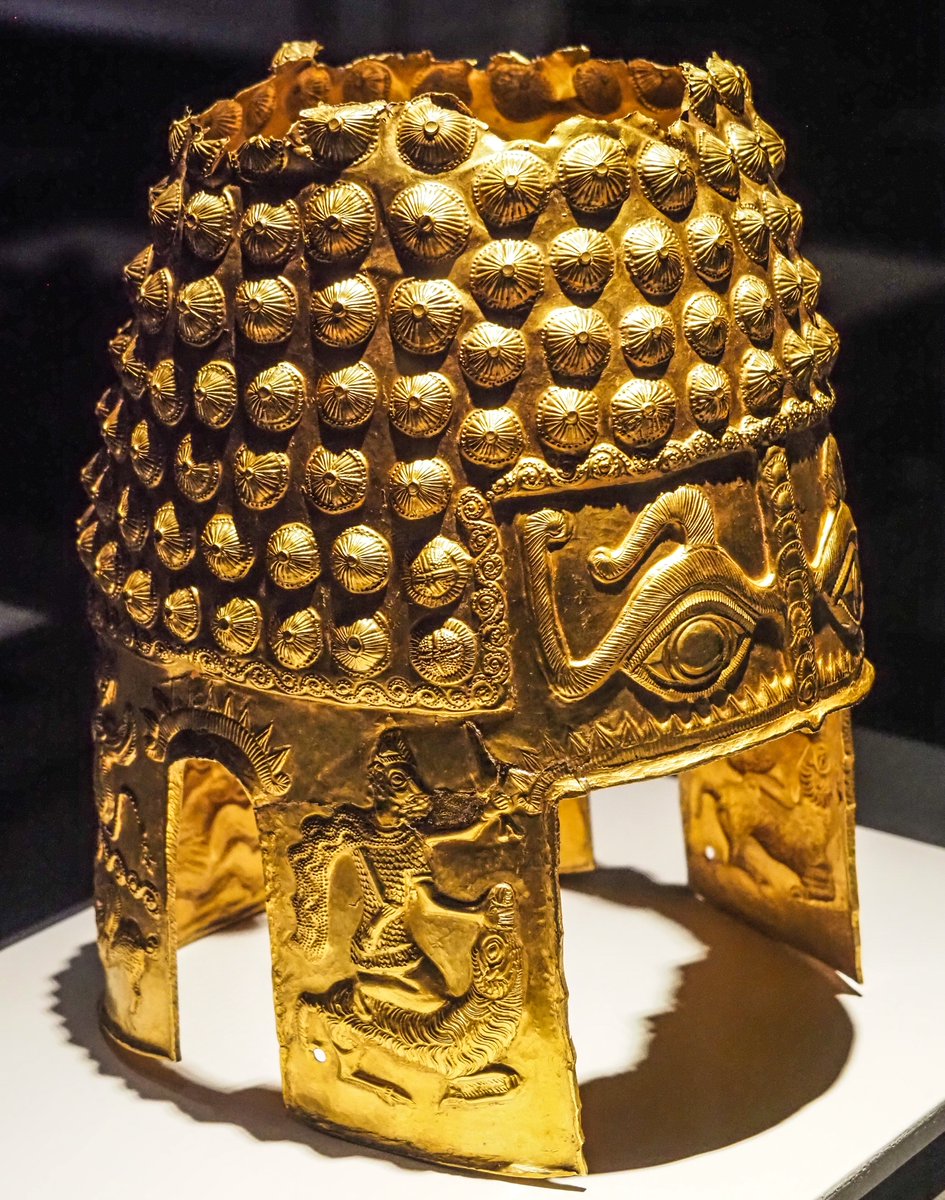
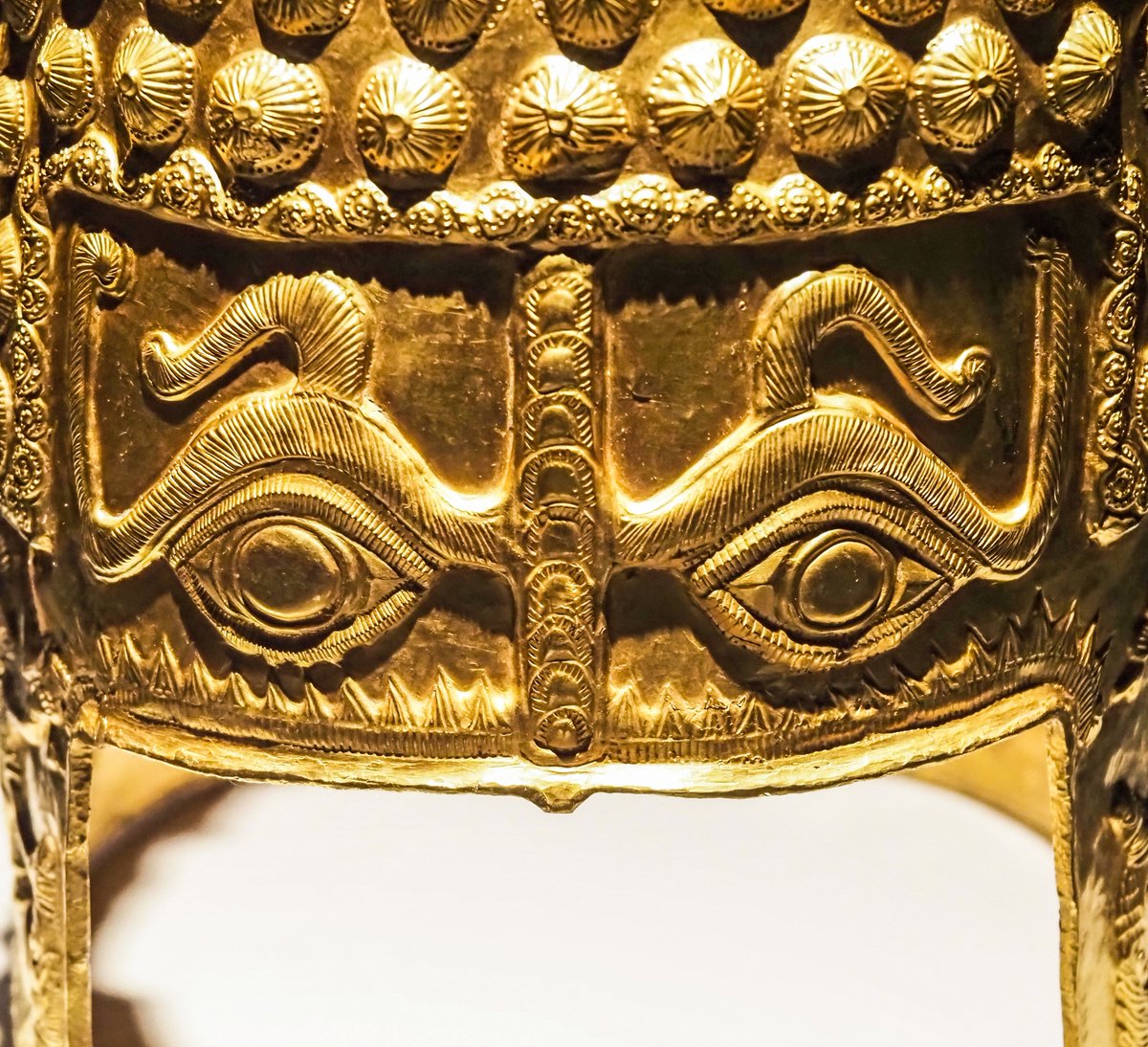
The incredible golden helmet was discovered in 1929 near the Romanian village of Coțofenești - unearthed by chance by a young local boy named Trajan. The Golden Helmet of Coțofenești is fashioned from a kilogram of solid gold, decorated with large studs on the top of the skull and two piercing apotropaic eyes, meant to ward off the evil eye and malevolent magic spells. Decorating the cheek guards are scenes of animal sacrifice, with men preparing to cut the throats of a bull and lamb with short daggers. The ceremonial helmet is thought to have belonged to an unknown local Geto-Dacian king from around the year 400 BC and offers a fascinating insight into the proto-history of the rich Dacian kingdom, destined to be conquered by the Roman emperor Trajan, 500 years later. National History Museum of Romania, Bucharest.
Modern illustration of Minoan (3500-1100 BC) Women Costume; based mainly from frescoes that decorated walls of palaces and from Minoan statuettes found on island.
#archaeohistories
Swedish warship Vasa; it sank in 1628 CE, less than a mile into its maiden voyage and was recovered from sea floor after 333 years almost completely intact.
Now housed at Vasa Museum in Stockholm, Sweden. It is the world's best preserved 17th Century CE ship.
#archaeohistories
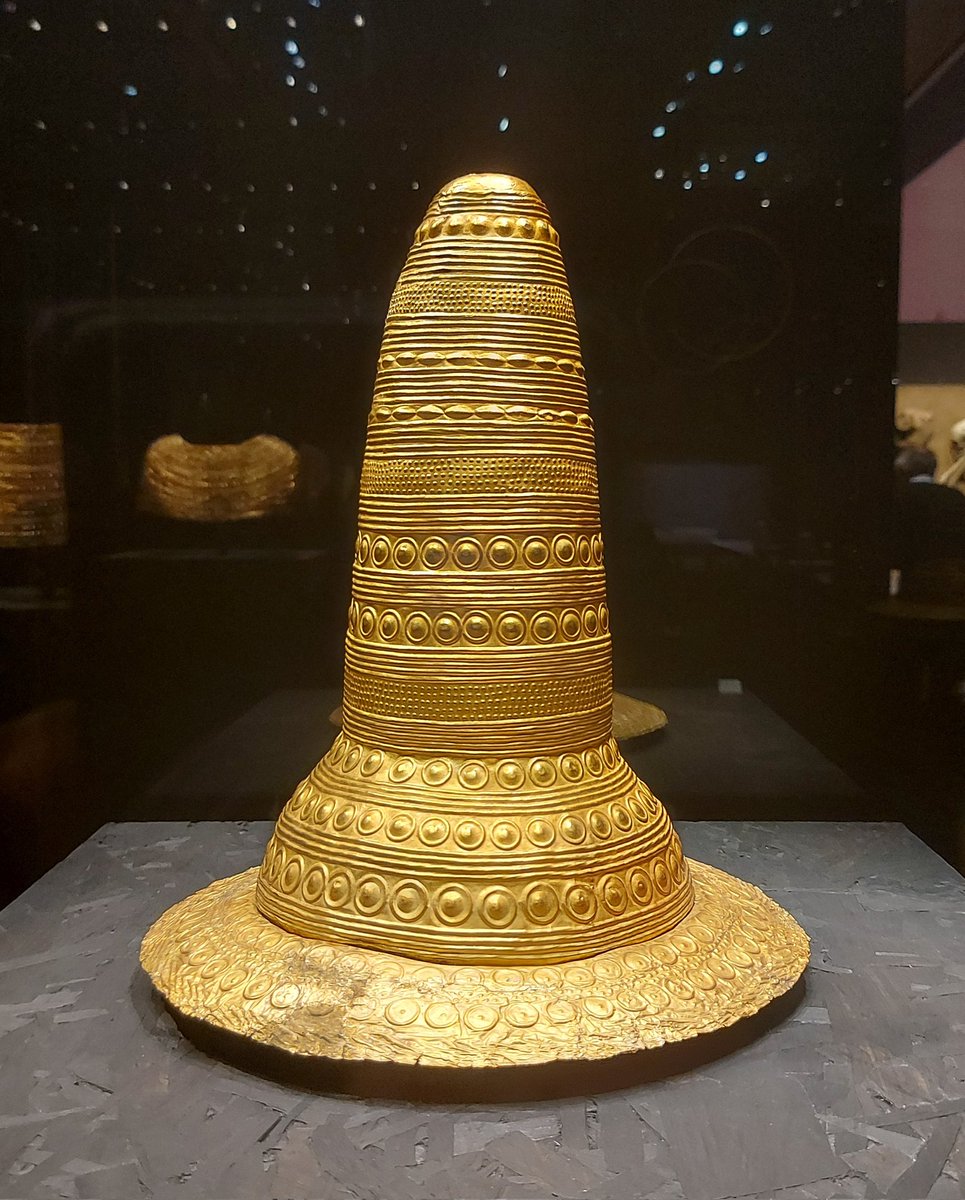
The stunning gold hat from Schifferstadt (Rhineland-Palatinate). The purpose of this Bronze Age object is unknown. There are four gold hats, three of them found in southern Germany and France, the exact provenance of the fourth is unknown. They are all similar...1/3
#archaeology
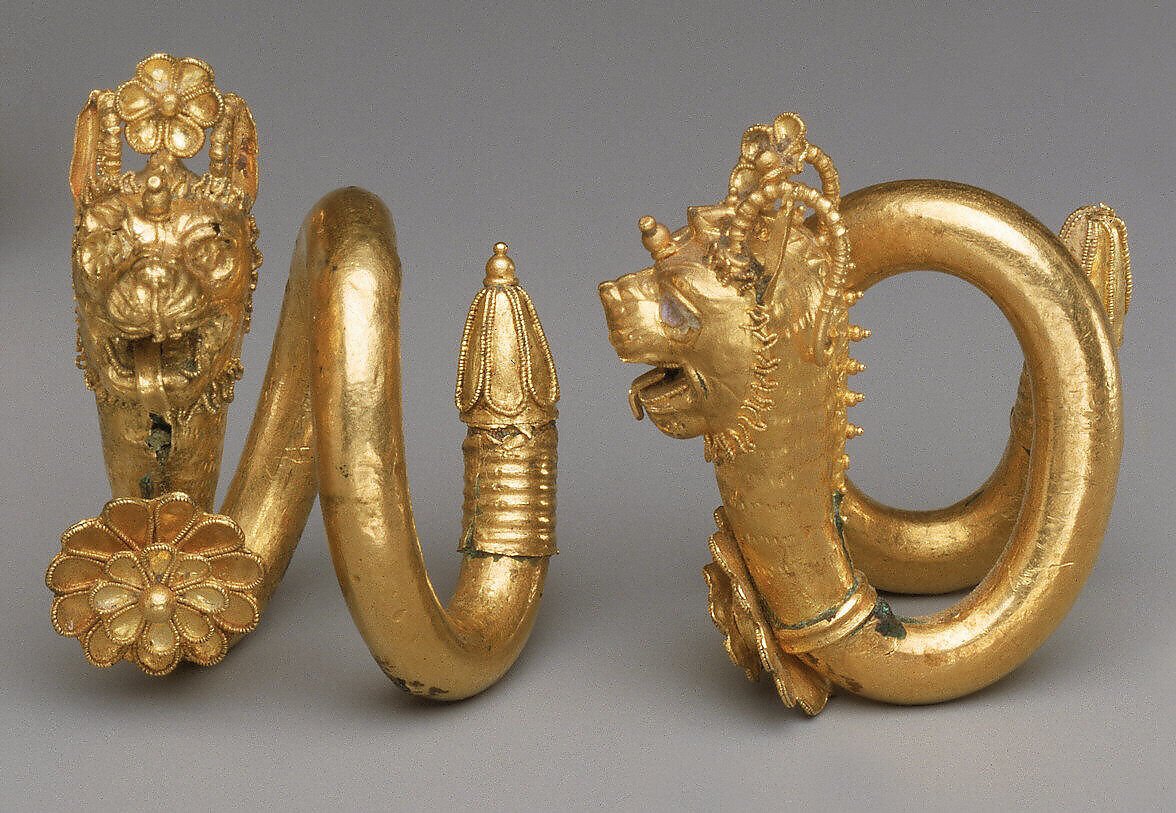
Ancient gold and copper alloy spiral earrings featuring lion-griffin heads. From Cyprus. Dated 400-350 BCE. Metropolitan Museum of Art, New York (74.51.3370) https://t.co/OsDzw0ceoC
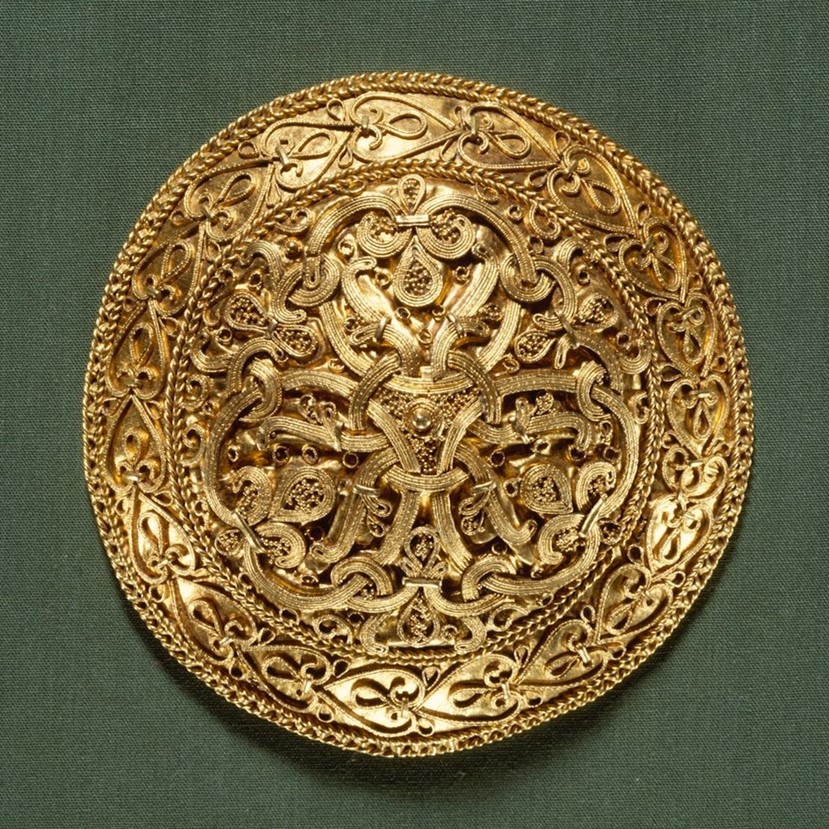
Let’s go back a thousand years ~ a goldsmith from Hornelund, Denmark created this gold clothes brooch, using delicate tracery to form its intricate pattern of foliage & vine leaves. Who could have known that it would still be admired a millennium later! https://t.co/MePUkolurk