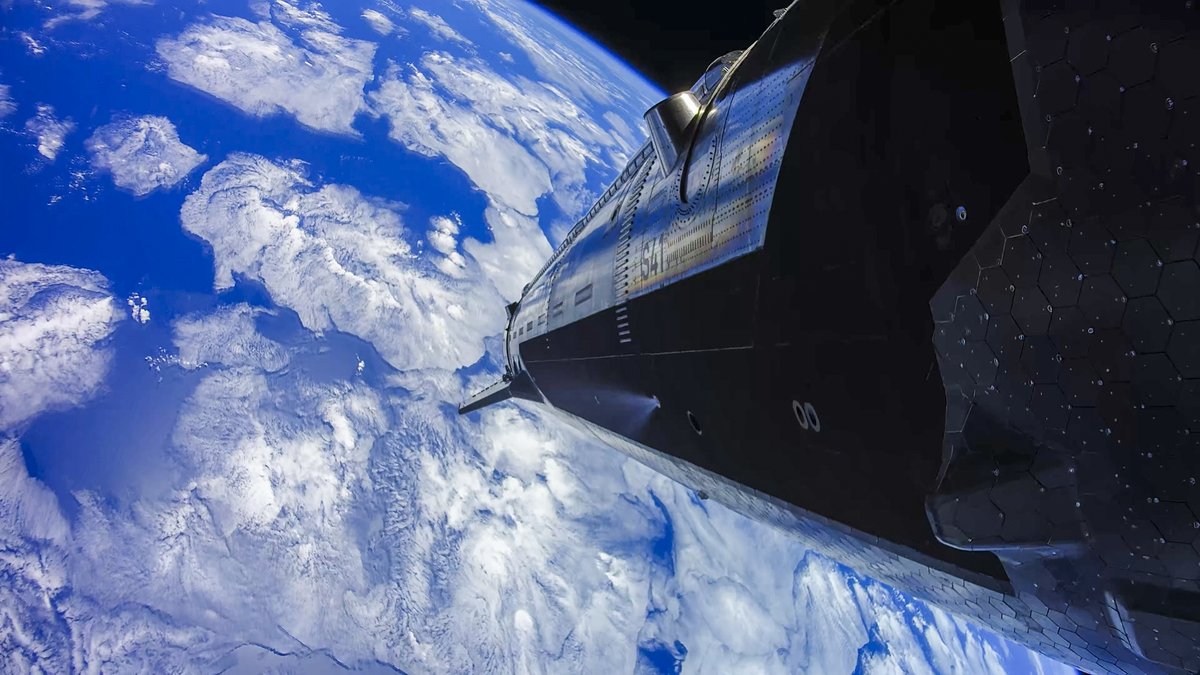
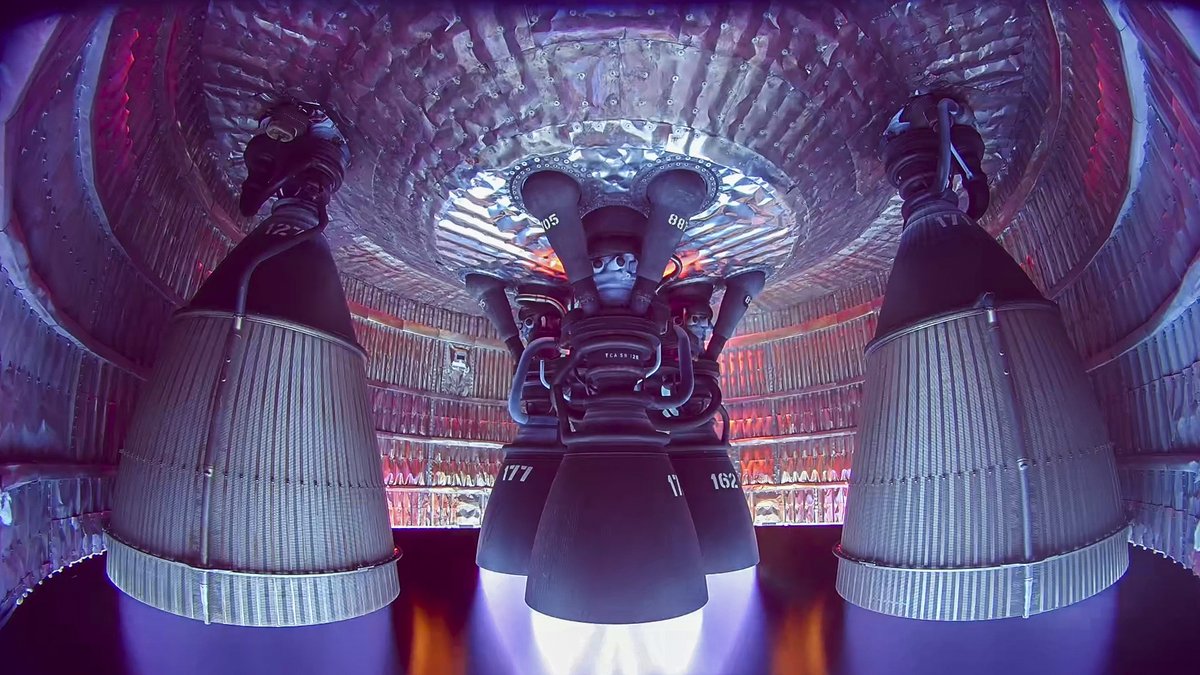
Biased, but Friedberg talking space-based radar in the first minute was probably my favorite intro to the pod
@friedberg more space tech in science corner please!
POD UP! 🚨
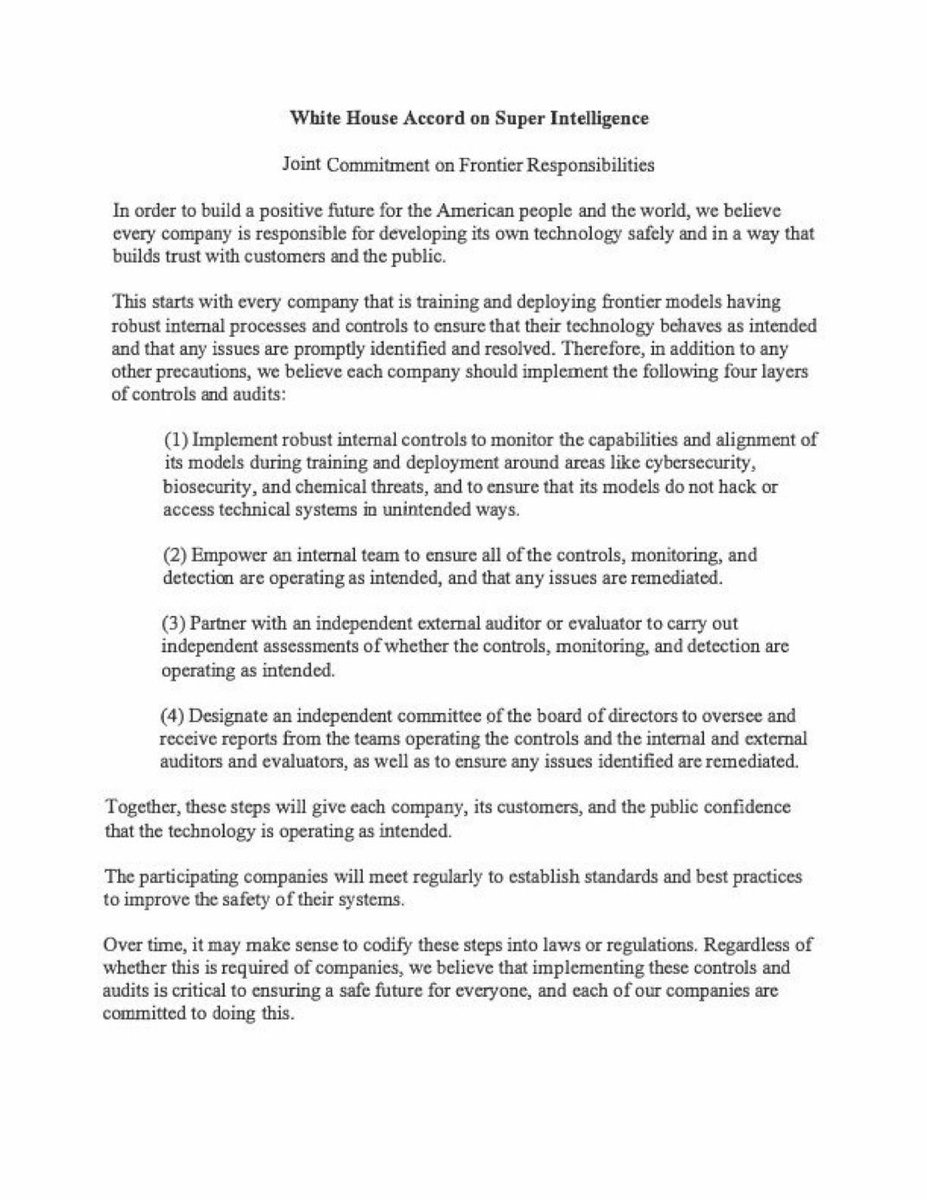
-- Inside Trump’s Super Intelligence Summit
-- How the AI Safety Accord Happened
-- Data Center NatSec + Cybersecurity Arms Race
-- GDP Beats + Other Economic Data
-- Midterm Predictions
-- Media Coverage of Attempted Plane Hijacking
(0:00) Bestie intros!
(2:01) Trump’s Super Intelligence Summit: Behind the scenes and how the accord was created and signed
(17:57) Cybersecurity arms race, data center national security, https://t.co/oJJ8Jht6JH, coordinated doomer messaging
(45:22) Recent economic data: GDP, jobs, diesel, inflation, rates, manufacturing, poverty, and more
(1:00:24) Midterm predictions, 2028 look ahead
(1:09:28) Media coverage of attempted terrorist hijacking
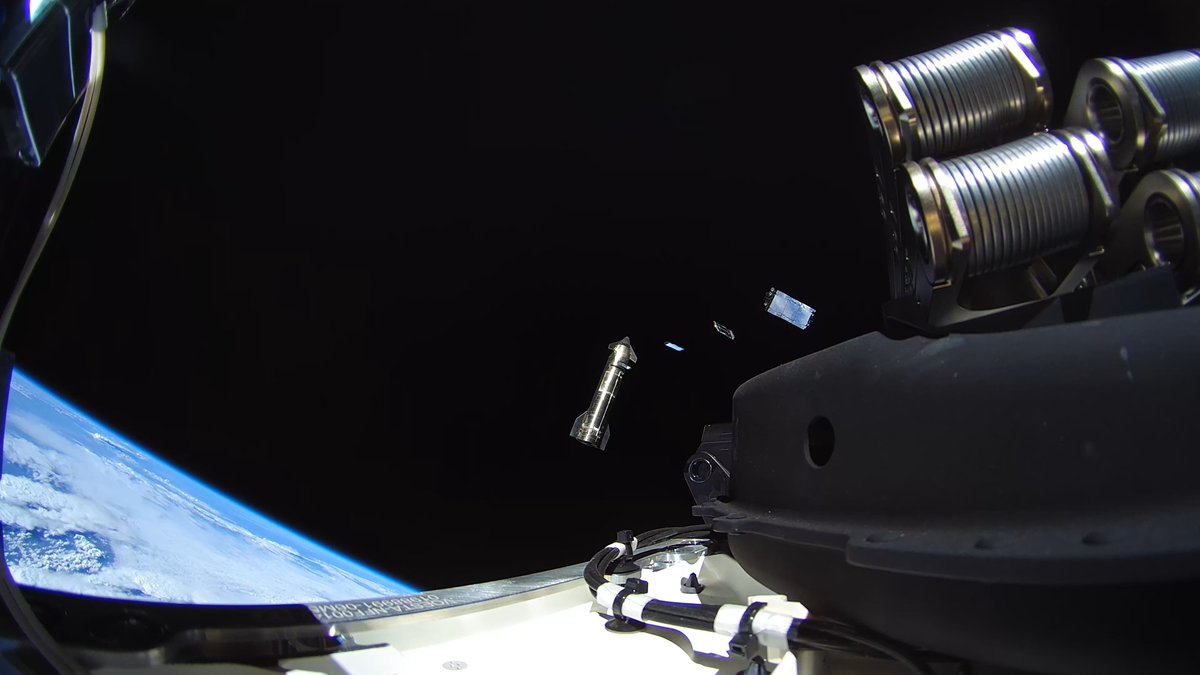
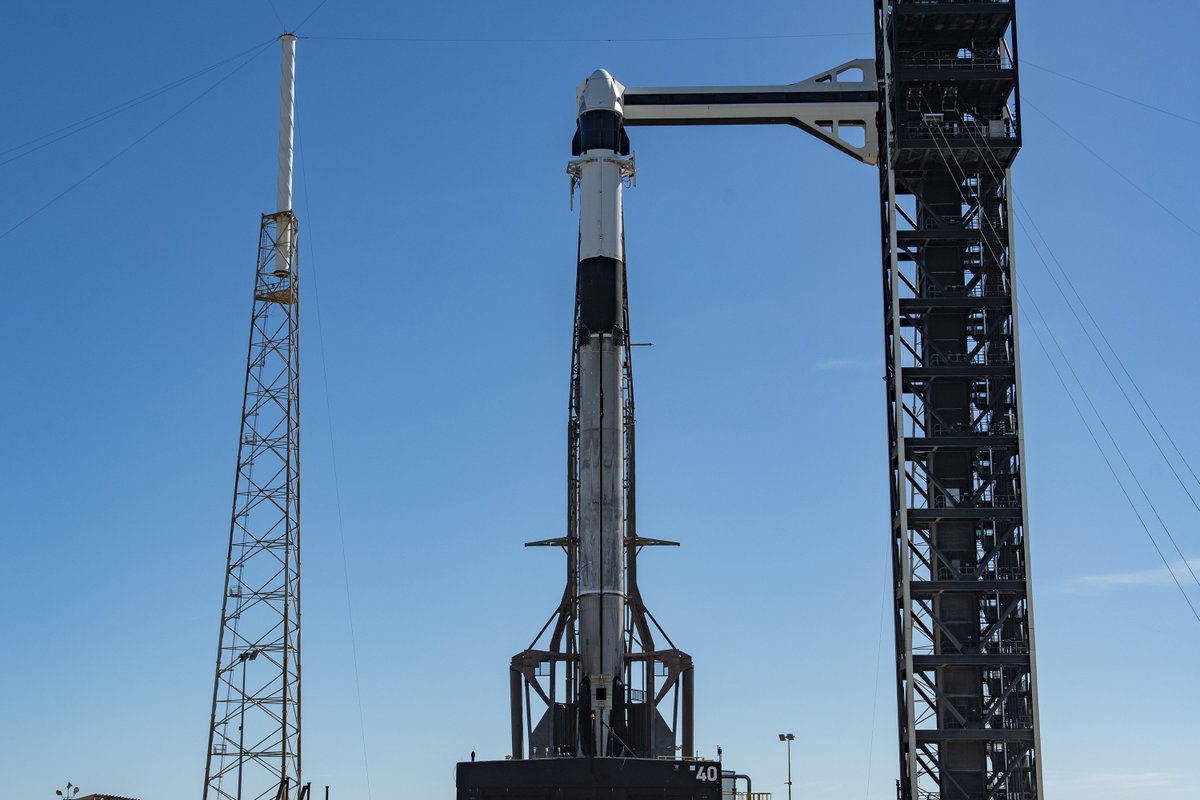
SpaceX is using rectangular-wire torsion springs here rather than round wire. A likely reason is getting more torque into a limited hinge envelope.
Despite the name, the wire in a helical torsion spring primarily bends. Square wire fills the corners that round wire leaves empty, increasing its resistance to bending.
For comparison, square wire has about 70% more bending stiffness than round wire of the same width, with 27% more material. With the same coil diameter and active turns, that means more torque for the same rotation.
The tradeoff is added mass and manufacturing complexity. Round wire is easier to source and form; rectangular wire can make sense when space is the tighter constraint.
Credit to @POTUS for moving quickly from AI doomsday headlines to concrete safety commitments.
Encourage progress and demand accountability. This is the right direction.
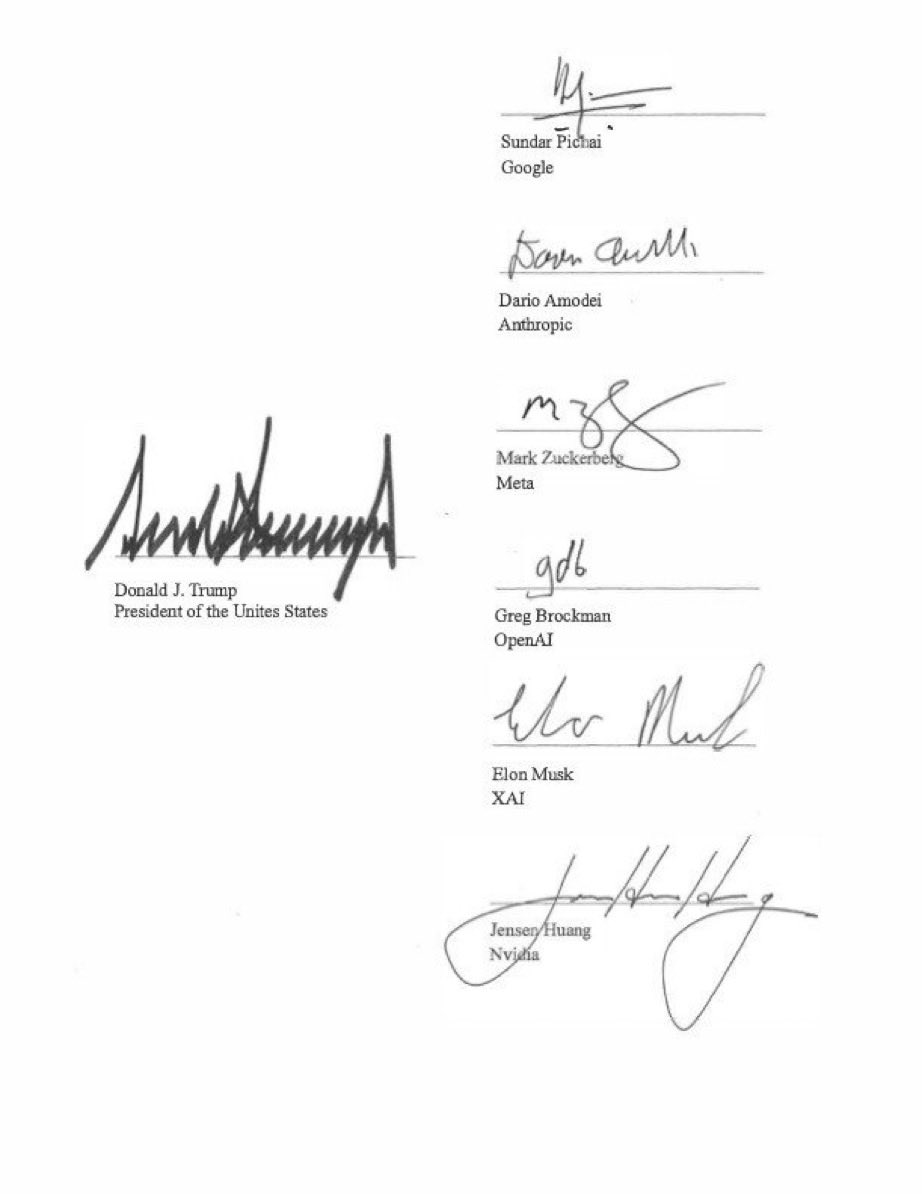
Only President Trump could convene all the leaders of the top companies developing chips, data centers and frontier models for Super Intelligence. This new Industrial Revolution has already created a million new jobs and is spurring a bigger infrastructure build-out than the railroads, canals and grid combined. I was honored to witness history as the leaders of the frontier lab companies signed the White House Accord on Super Intelligence, accepting responsibility for the safe development of their products and imposing new internal controls and external audits. This is far better than waiting years for some international agreement that would probably never happen. President Trump continues to ensure that U.S. remains the technology leader while putting Americans first.
@aaronburnett It is increasingly probable that Starlink will carry a majority of Earth’s IP traffic long-term.
At that point, Starlink would de facto become the Internet and everything else would connect to Starlink.
I worked through the scaling argument behind this. The key is making additional compute a factory output.
Package compute, power generation and heat rejection into a satellite. Manufacture it, launch it, commission it. Lower the delivered cost and increase units per month.
On Earth, another batch of servers still needs a powered site. Utility connections, generation, permitting and local politics introduce dependencies that manufacturing alone can’t resolve. You can replicate the hardware without replicating the delivery date.
The orbital advantage would be repeating a complete deployment system, rather than negotiating another local infrastructure project.
Here’s how that becomes “nearly 100%.”
Let R be space compute divided by Earth compute, measured as useful throughput. If their net growth rates differ by a sustained Δg:
R(t) = R₀ × exp(Δg × t)
Space’s share = R / (1 + R)
A positive Δg compounds the ratio. Starting at parity, ten doublings put space at 99.9%, even if Earth’s compute keeps growing.
The engineering thesis is that standardized satellites plus repeatable launch can sustain that growth advantage by turning more of capacity expansion into production throughput.
Licensing, launch capacity and replacement still matter. Factory output isn’t automatically exponential, and terrestrial infrastructure can improve too. Those are the assumptions to test.
But if the production advantage translates into a sustained growth-rate advantage, Earth becoming a rounding error follows mathematically. It doesn’t require Earth to stop building.
Anthropic has a wet lab. OpenAI is developing hardware and doing original math research. The frontier labs are building more than models.
I wonder whether Elon goes just as broad or points most of that intelligence at SpaceX, Tesla and Neuralink.
He already has a civilization-scale hardware backlog. A frontier model working alongside those engineering teams, with real factories and test programs behind it, could be a very different business from selling intelligence by the token.
@bscholl I’d call this authoritarian safetyism: the tyranny of the most anxious person in the room.
When concern becomes a veto, everyone else needs permission.
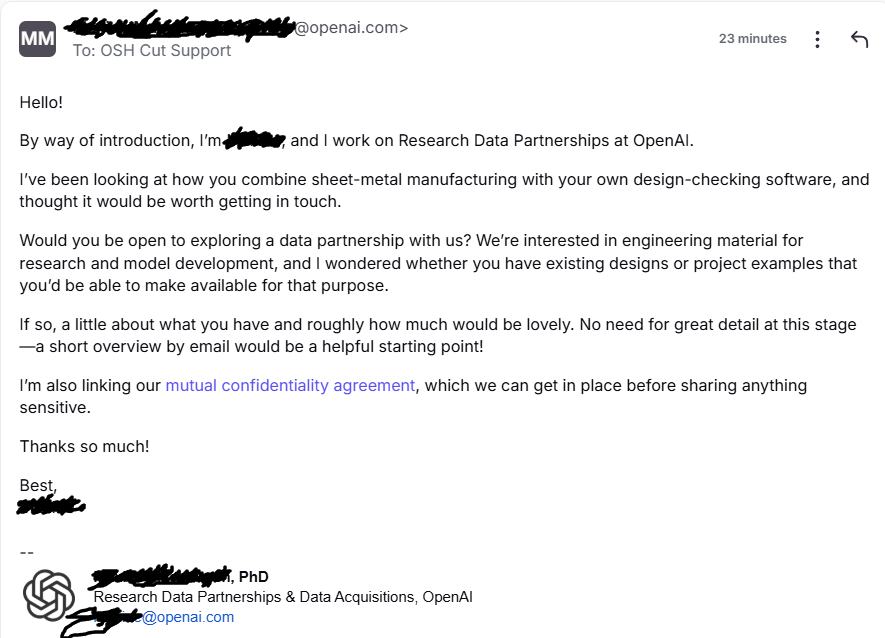
AI labs could end up like the developer who bought the whole block except one house
What if the holdouts start building too? The best AI in an industry might come from the companies that never sold their data
Probably the coolest part of All-In Summit was just meeting such a wide range of people from all over the world
I met someone who owns a dinosaur quarry and heard President Trump on speakerphone during Jensen’s talk, all in the same room on the same day