A rising dollar sounds like strength. It is the opposite. It means dollars are getting scarce.
And here is the part that breaks people's intuition. When money gets scarce, the system does not rush in to provide more. It pulls back harder.
Take Turkey. A bank could make a fortune lending there at high rates. So why doesn't it?
Because the higher the rate Turkey has to pay, the riskier Turkey obviously is. So the more you get paid to lend, the less you want to.
You saw it in the 2019 repo spike. Rates shot up, and instead of piling in for the profit, dealers pulled out. Too much risk even at those rates.
That is backwards elasticity. The less money there is, the less anyone will provide, because everyone turns risk-averse at the same moment.
So the scarcity feeds on itself. And a soaring dollar is the signal that it already is.
Oil demand is collapsing. Prices are down. And gasoline is still expensive.
China's oil imports fell 41% in June. Its refineries cut output to a six year low. American gasoline consumption is lower than last year. Europe is weak. China's economy is deteriorating.
Yet US gasoline inventories are at their lowest in over a decade.
The answer is not in the price of oil. It is in the price of turning oil into fuel.
Watch the crack spread, not the crude price. It tells you what the Fed cannot: whether the real economy has enough of what it actually needs.
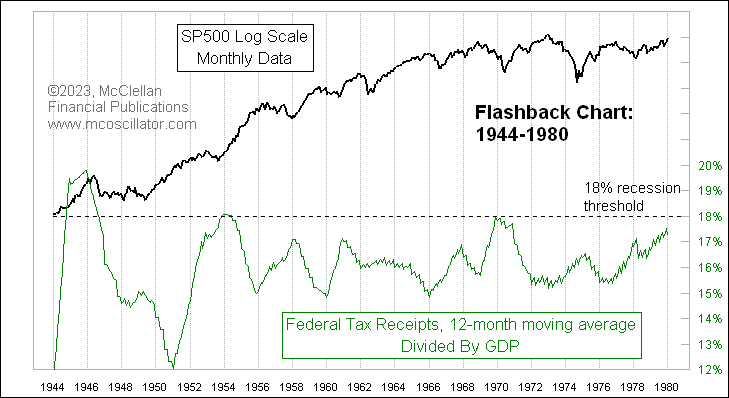
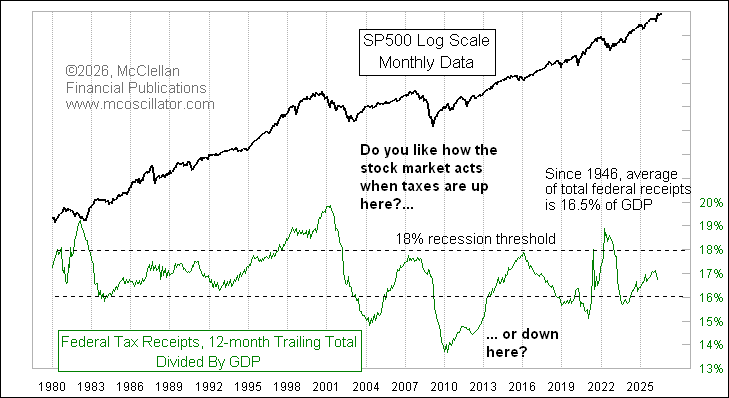
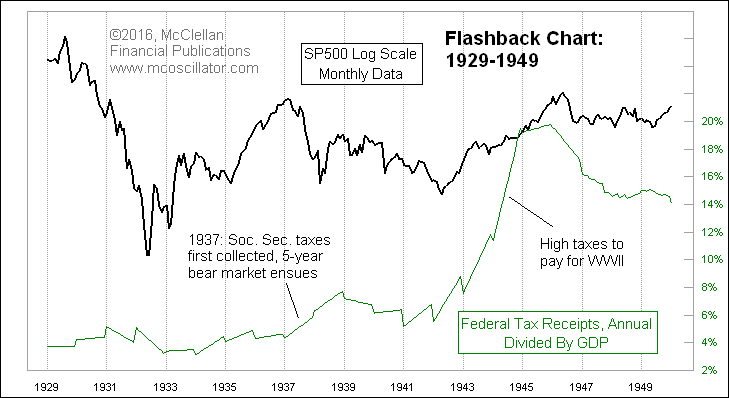
It really is possible to get federal taxes so high that it hurts the economy (and the stock market). That threshold seems to be 18% of GDP. Every time it gets there, we have a recession. Sometimes just getting close to 18% is enough.