Excited to share a new pre-print!
Genetic architecture of the red blood cell proteome in genetically diverse mice reveals central role of hemoglobin beta cysteine redox status in maintaining circulating glutathione pools https://t.co/f18BBLDkoJ
Now out @BloodJournal: Ferroptosis regulates hemolysis in stored RBCs.
We identify STEAP3 (p53 target) as a key driver of stored RBC hemolysis by Fe-dependent lipid peroxidation
@grkeele@jameszimring@bstockwell Gary Churchill @jacksonlab@GrierPage
https://t.co/x7oH4aVmBC
Blood donors offer a window into "healthy" aging. Now out @AgingCell, we report that arginine metabolism in >13k blood units, 587 sickle cell patients and 525 diversity outbred mice was linked to donor and RBC age, vesiculation and transfusion efficacy https://t.co/YQMm7eA4hB
RBCs from poor storing mice make good storing RBCs store poorly as well. A cellular cross-talk, a "good apple, bad apple" effect. Not as flashy as other recent papers I posted, but there is some cool fundamental biology at play here - with @jameszimring https://t.co/5XcM0E9cuN
Easy reporting of gene-by-treatment (GxT) or gene-by-environment (GxE) effects on RNA-Seq or other molecular count phenotypes described in a new preprint by my student Yuriko Harigaya with @mikelove : https://t.co/6F9Rlumx0Q
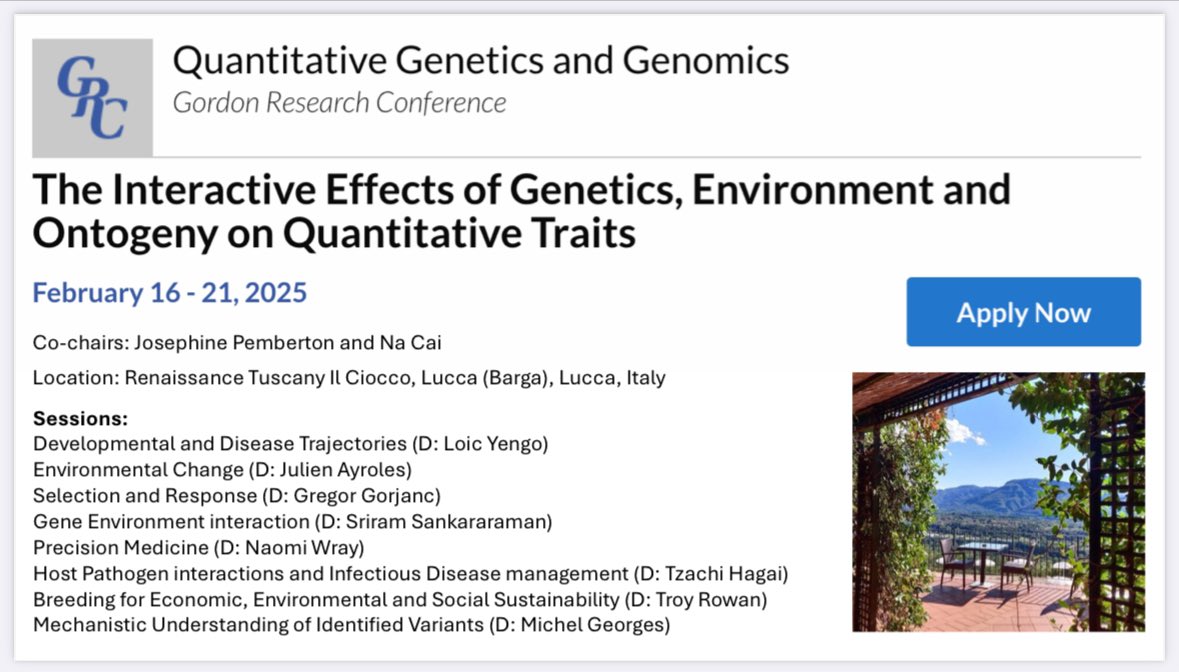
Quantgen folks looking for next event after @icqg2024: Registration is open for @GordonConf on Quantgen and genomics (16-21 Feb 2025 in Lucca, Italy), pls register! Program is online, and we have a great speaker lineup https://t.co/u2OME4759L
Excited to share our recent study on Biological and Genetic determinants of Red Blood Cell Glycolysis, now out @Cell_Metabolism - https://t.co/AMUMyFtAe9
What do RBCs without mitochondria do with carnitine? Now out in @BloodJournal. I am finally ready to share the backstory behind this article. It's a story on how we keep reinventing the wheel, and how "old school" biochemistry freaking rocks! https://t.co/qmRpYkHF4v
Preprint alert: Ferroptosis regulates hemolysis in stored murine and human red blood cells
If there is a paper from our lab you will read this year, make it this one. https://t.co/EeF84qXYb3 thread follows - 1/10
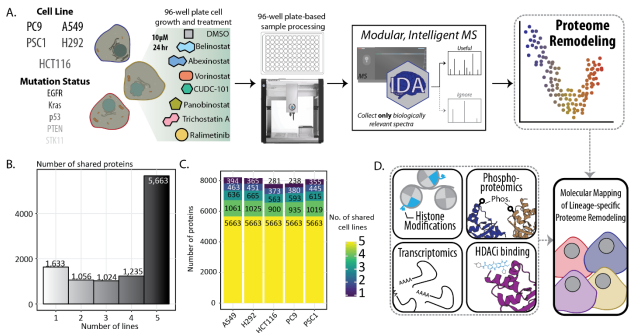
Chelsea's latest in collaboration with @joselmcfaline and @GarciaLabMS's groups (thanks!) defines differential remodeling of cellular proteomes after epigenetic inhibition!
This paper has 'everything':
☑️proteomics
☑️phos
☑️transcriptomics
☑️thermal stability
☑️histone mods
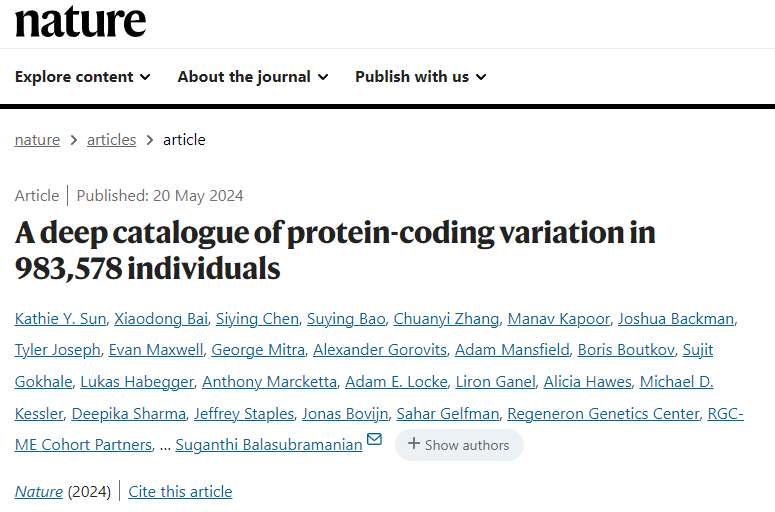
Super excited to introduce the RGC-ME paper https://t.co/aP9wh47hZG! We describe the largest catalog of human protein-coding variations to date from exome data of ~1M individuals generated using a single harmonized sequencing and informatics protocol.
Check out the latest version of our paper on genetic and biological determinants of (RBC) glycolysis. Peer review is definitely making the paper better, and we hope this version will finally be out soon! https://t.co/6aM89LfxRX
Another interesting discovery from @dalessandrolab: L-carnitine as an important factor in RBC metablism. Supplementation of stored RBCs with L-carnitine as a strategy to improve RBC storage quality?
https://t.co/fFRmTyQ14L
#TeamMassSpec We're recruiting postdocs to work on new methods to map proteome remodeling due to chemical perturbations, aging, development, and more! If you're interested, see the job posting:
https://t.co/Lr62QwEVrM
and some of the lab's projects: https://t.co/Ahsv3OgIn2
Lessons from Blood Donors: your blood not only saves lives, but it is teaching us more about human biology at a scale that just 10y ago was unthinkable. Here we learned something new about genetic and biological factors regulating kynurenine metabolism
https://t.co/OcOh8oWZHJ
Glad to see our paper, with @xinhe2@mstephens999@wescrouse Sheng and Kevin, is out today at @NatureGenet! https://t.co/hMfTQYsGuK. We developed a new statistical method, causal-TWAS or cTWAS, to reliably identify causal genes in genome-wide association studies (GWAS). 1/n
Happy to share two new preprints from our group at @RTI_Intl and collaborators covering DNA methylation and gene expression differences associated with alcohol use disorder in human brain.
https://t.co/WgraRjP7nJ
https://t.co/jUe8Accbbl