My heart is heavy with the passing of Dolores Huerta, an icon whose courage & deep commitment to organizing changed countless lives. She reminded us that there is always work to do & always a reason to keep going.
We will honor you by continuing the work. ¡Sí se puede!
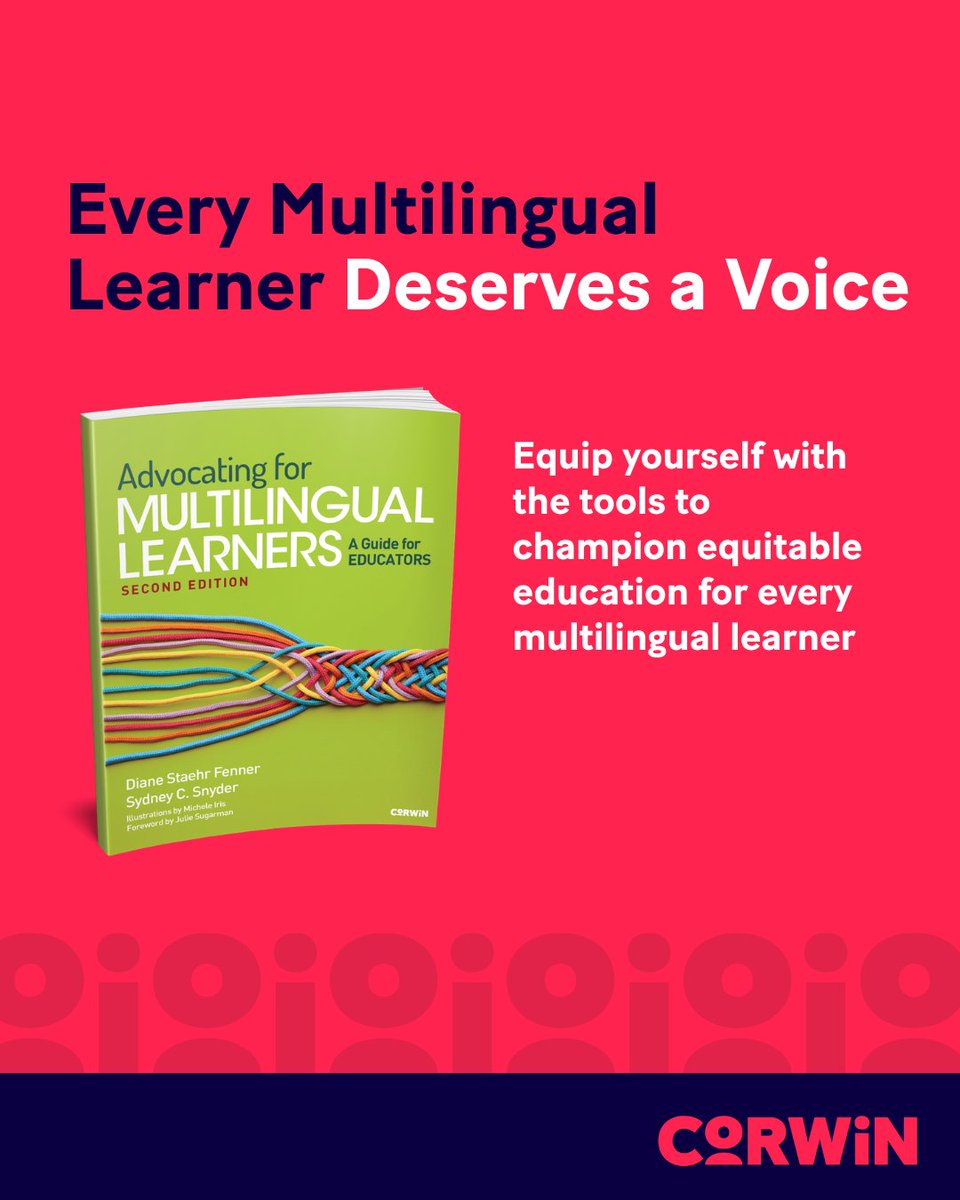
Multilingual learners deserve a voice. Advocating for Multilingual Learners by Fenner and Snyder offers a five-step framework for building equitable, welcoming schools.
https://t.co/LWOodNW65T
#MultilingualLearners
The student who raises their hand first isn't always the one who has done the most thinking.
Sometimes the student who needs another thirty seconds has something worth hearing. Sometimes the student who asks a question you weren't expecting opens the door to a better discussion.
But in a busy classroom, it's easy to call on the same students, move past an unexpected answer, or rush to the next part of the lesson.
And students notice.
They notice when you give someone time to think instead of jumping in with the answer. They notice when you admit you're unsure about something. They notice whether their ideas lead to a conversation or simply get acknowledged before everyone moves on.
None of this means teachers need to respond perfectly every time. You're managing an entire classroom, working within limited time, and making countless decisions throughout the day.
But small instructional choices can send powerful messages about whose thinking matters.
Sometimes it's as simple as asking, "Can you tell me more about how you got there?"
Or giving students another minute before calling on someone.
Or returning to a student's idea later because you didn't have time to explore it earlier.
Students are learning the content we teach. They're also learning what it feels like to be a learner in our classrooms.
Both deserve our attention.
Coaching done well may be the most effective intervention designed for human performance. Coaching done poorly can be destructive.
The difference: a 3-step cycle. Identify. Learn. Improve.
https://t.co/JehHEWZhkI
#InstructionalCoaching
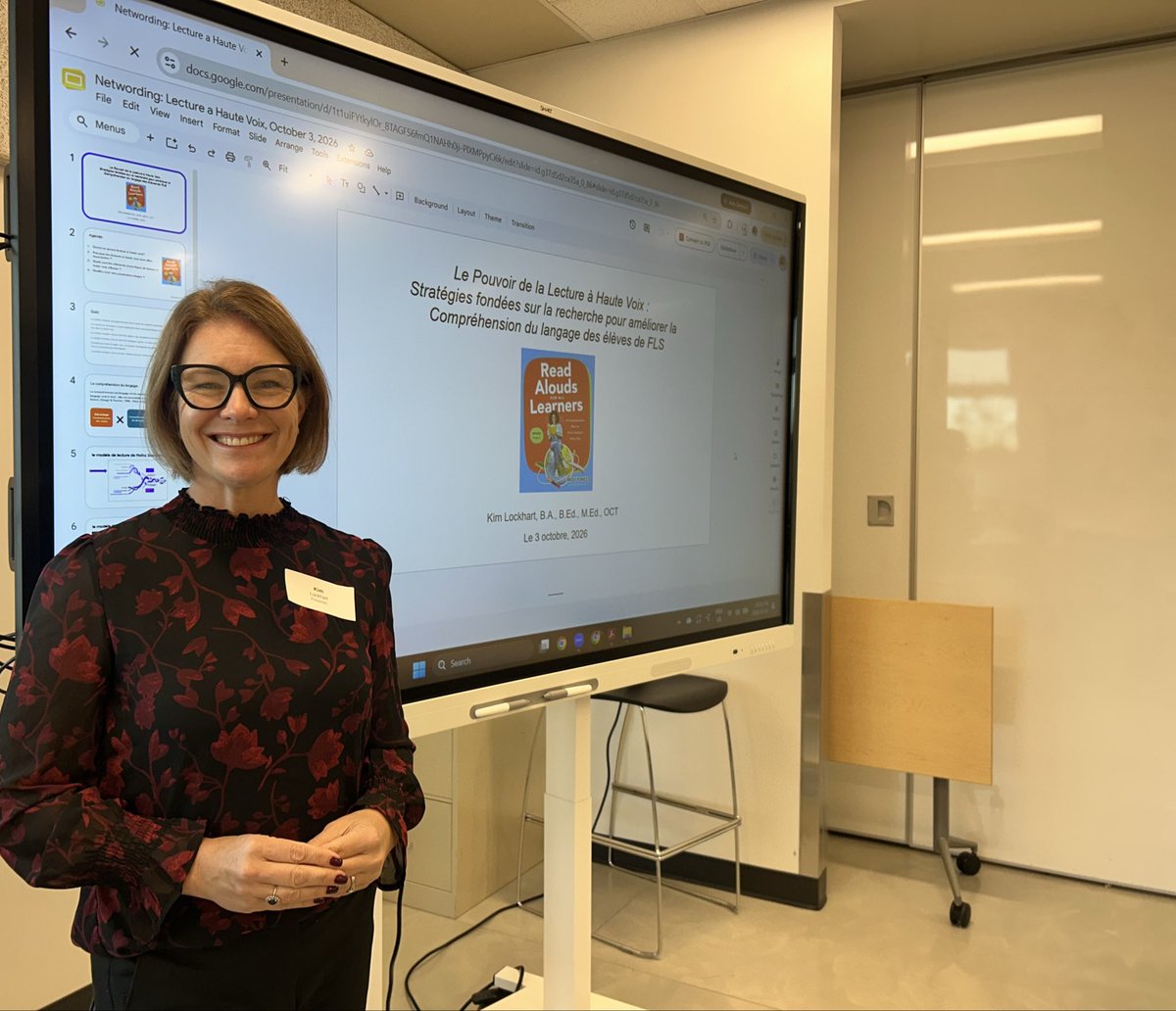
We’ve talked a LOT about decoding. But decoding is not the end goal of reading.
Today’s session was all about the power of read-alouds and the explicit instruction of the language comprehension strands of Scarborough’s Reading Rope: vocabulary, background knowledge, language structures, verbal reasoning, and literacy knowledge.
Because we don’t just want students who can read the words.
We want students who can understand them. Think about them. Talk about them. And write about them.
Explicit, systematic instruction in phonics and word reading is essential- but we can’t become so focused on one side of the Reading Rope that we neglect the other.
High-quality read-alouds give ALL students access to rich vocabulary, complex syntax, sophisticated ideas, and knowledge that may be beyond what they can yet read independently.
And WRITING belongs in this conversation too. ✍️
Students need opportunities to take the vocabulary, knowledge, and ideas they are learning through reading and discussion- and put them into sentences and text of their own.
📖 Read it.
🗣️ Talk about it.
✍️ Write about it.
The goal isn’t just good decoders.
The goal is readers who understand what they read- and writers who can communicate what they know. @NickelJodi@JoannePitman5@yyCBEdu@MountRoyalU #LanguageComprehension #Networding2026
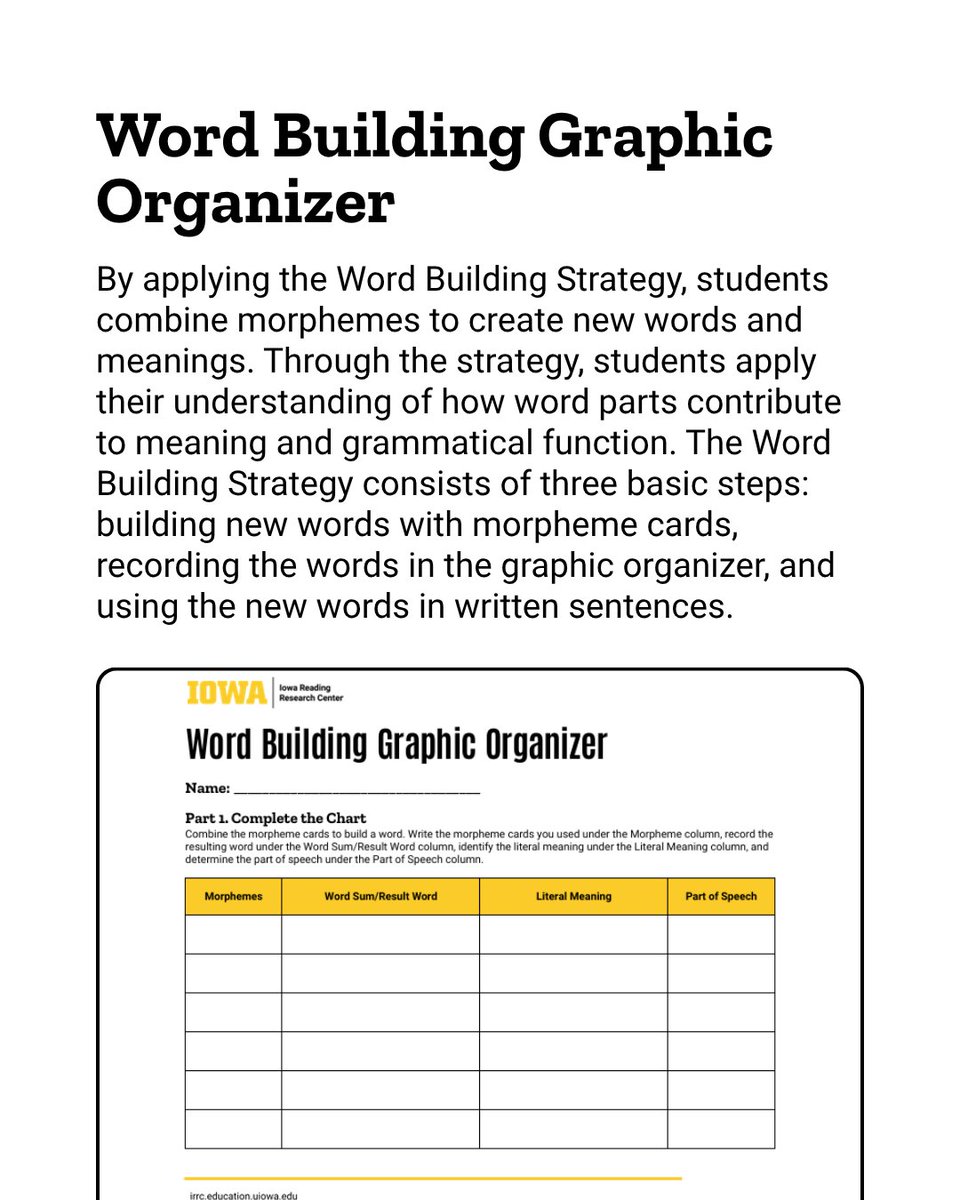
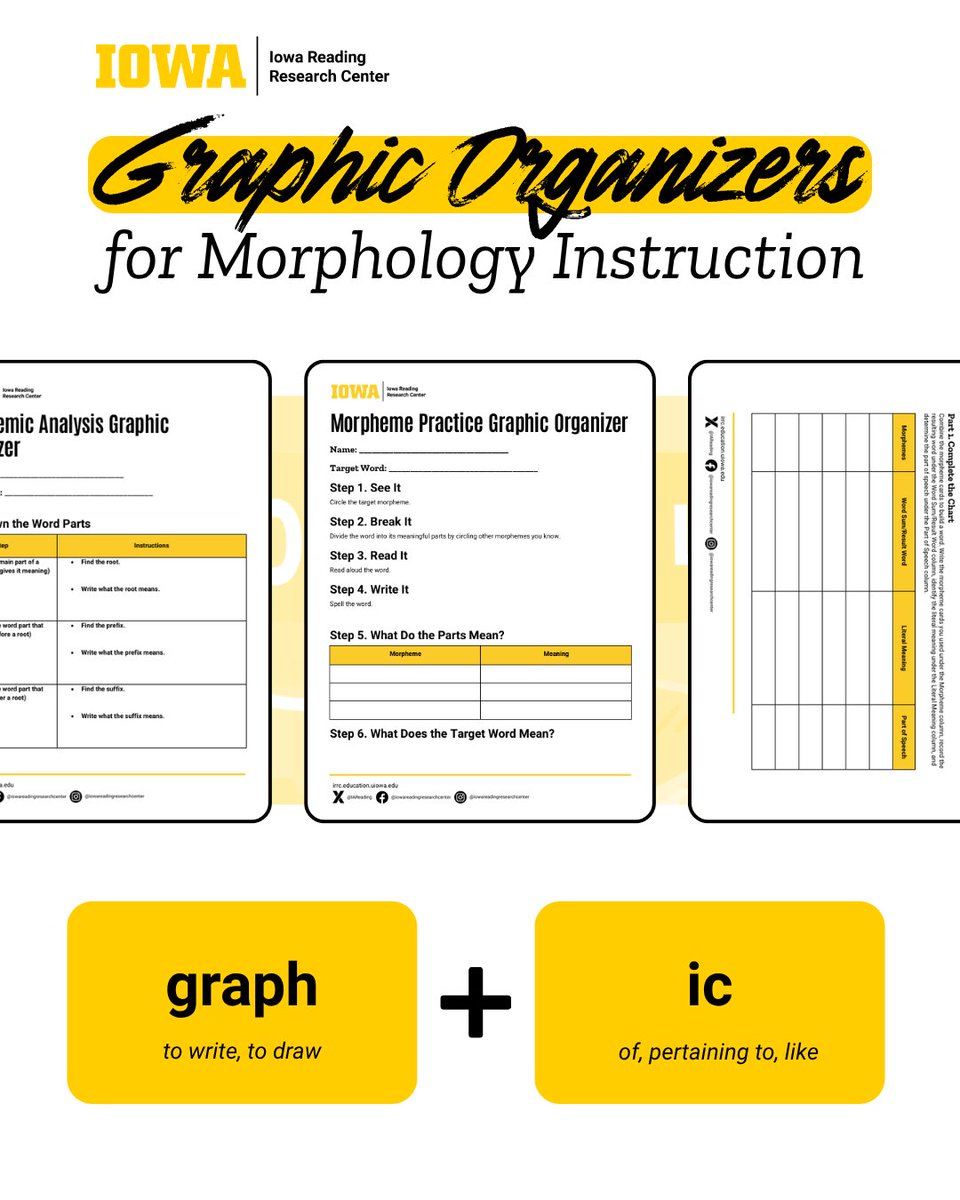
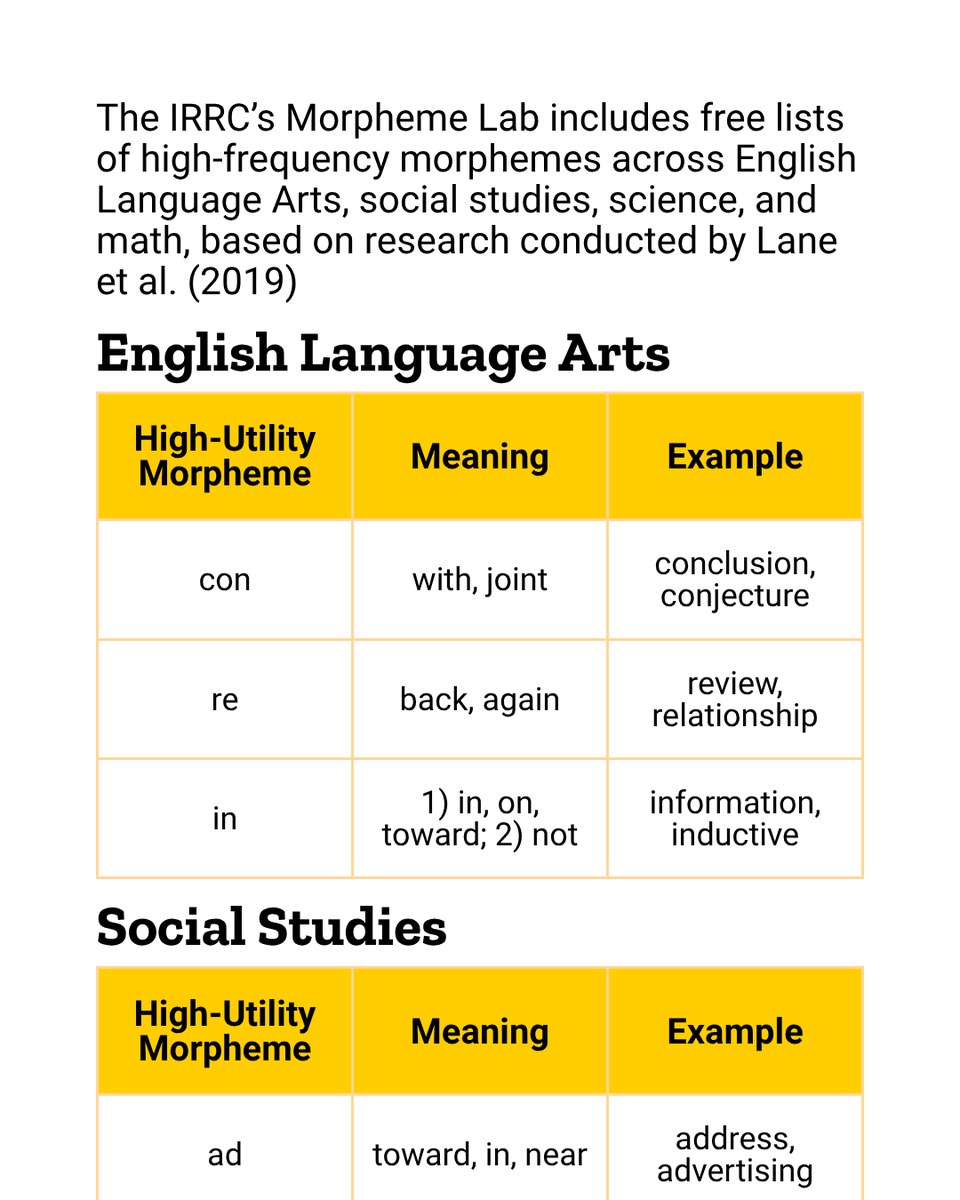
Morphological ability—the ability to use morphemes to produce or understand written or oral language—contributes to students’ abilities to read words and comprehend texts. The graphic organizers on the IRRC’s Morpheme Lab are one of many tools educators can use with their students to develop their morphological ability: https://t.co/ssQ3BFUdXB
What a wonderful piece written by @Green_Hope_High’s Editor-in-Chief about @WCPSS! If you haven’t read Paving the Way for Student Success: Wake County’s Family and Community Engagement Summit, you can check it out here: https://t.co/BX2cQU2Bxm
@ncpublicschools@casas_jimmy
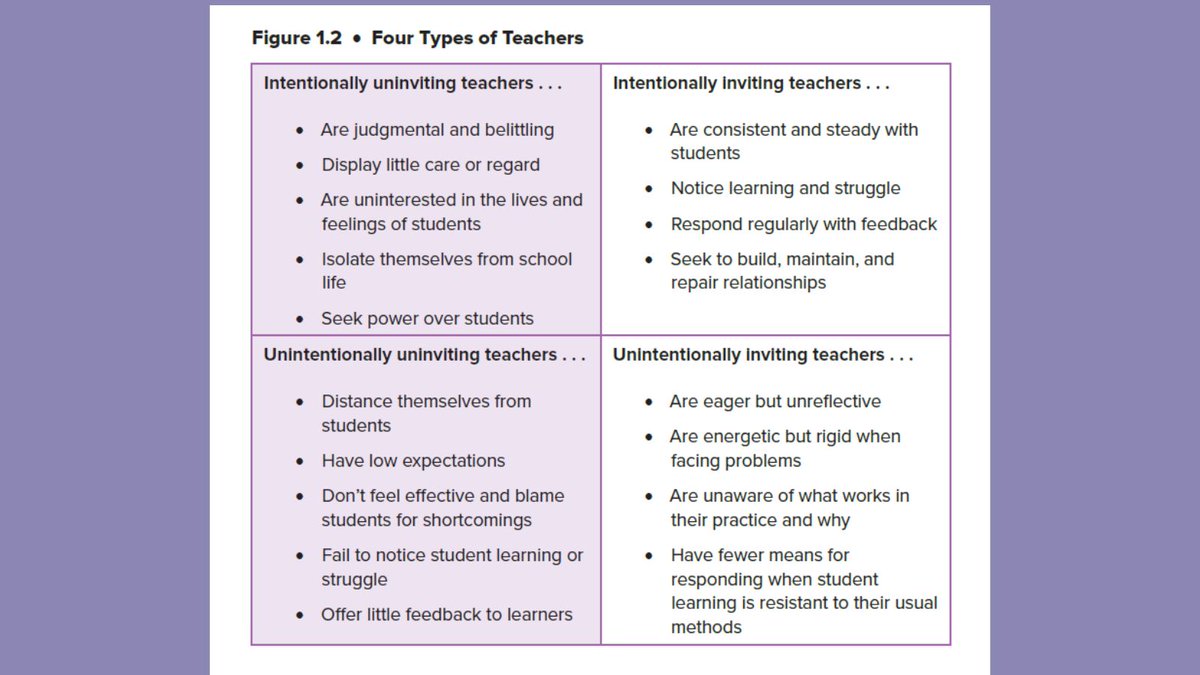
Purkey & Novak (1996) noted that teachers (behaviors) vary along two dimensions: (1) whether they are inviting or uninviting; & (2) whether those patterns are intentional or unintentional.
Download our descriptions of these 4 categories.
https://t.co/pNZHdGj8Vf
#teachers#PD
At TRL, we believe all children deserve to learn to read & all educators deserve the knowledge to make it possible.
The House passage of H.R. 7890 brings us one step closer to making that a reality nationwide.
Read our full statement: https://t.co/EXfs5KBgnq
#UntilAllCanRead
You can train your body at a gym. Turns out communication works the same way.
This ASCD article is on treating conversation like a skill you build, not a trait you're born with.
https://t.co/zRR2ETsCg6
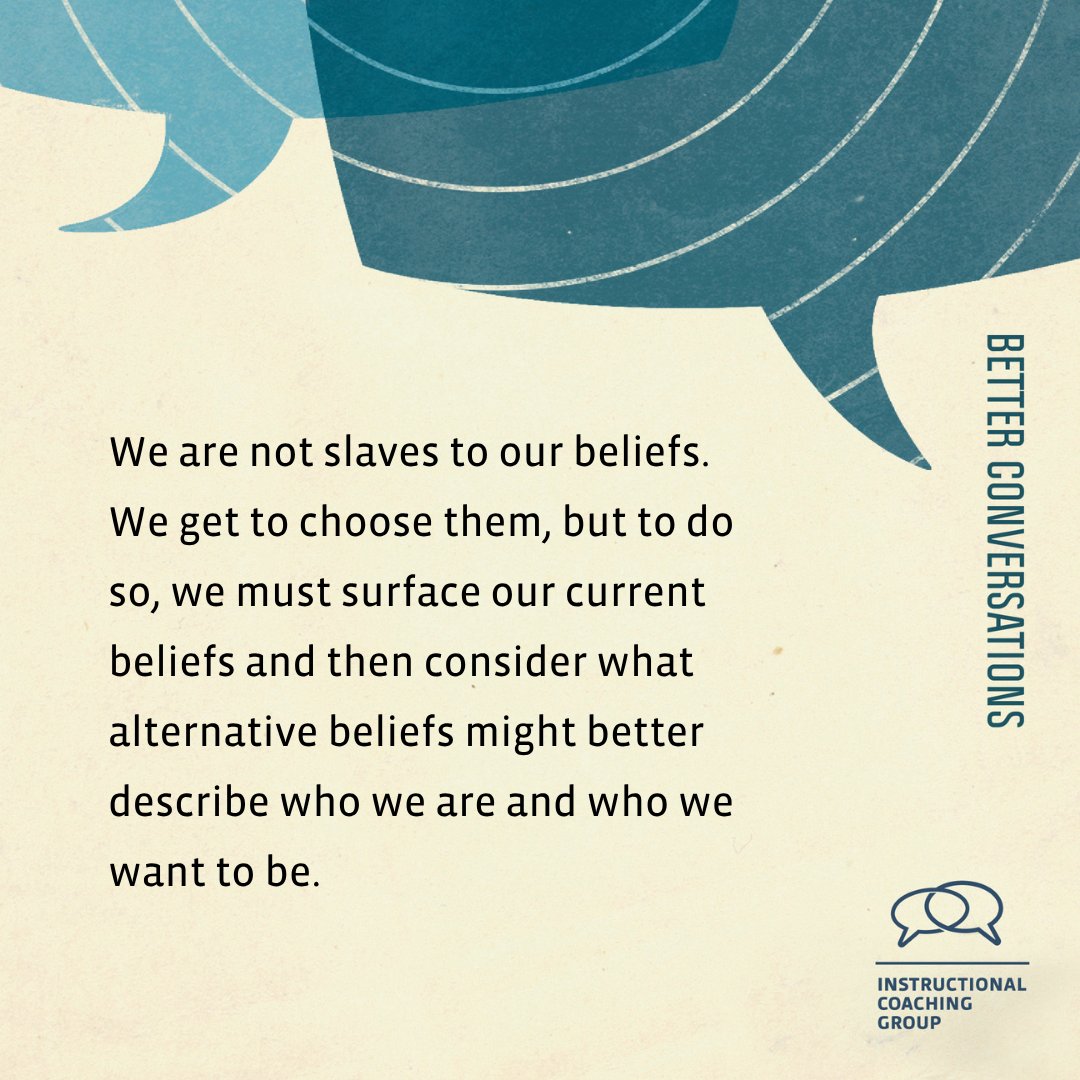
We rarely examine the beliefs behind how we talk to people. Jim Knight's #BetterConversations argues that's exactly where change starts.
Virtual workshop on this September 16, if you're curious to go deeper.
https://t.co/9LRCCmh5u9
Please consider supporting the athletes at my husband’s school! The basketball team is trying to raise funds for new balls! Any amount will be greatly appreciated! They are so close…Sandi Guffey - hmmm…see if this link will work: https://t.co/EzUtoStiJ0
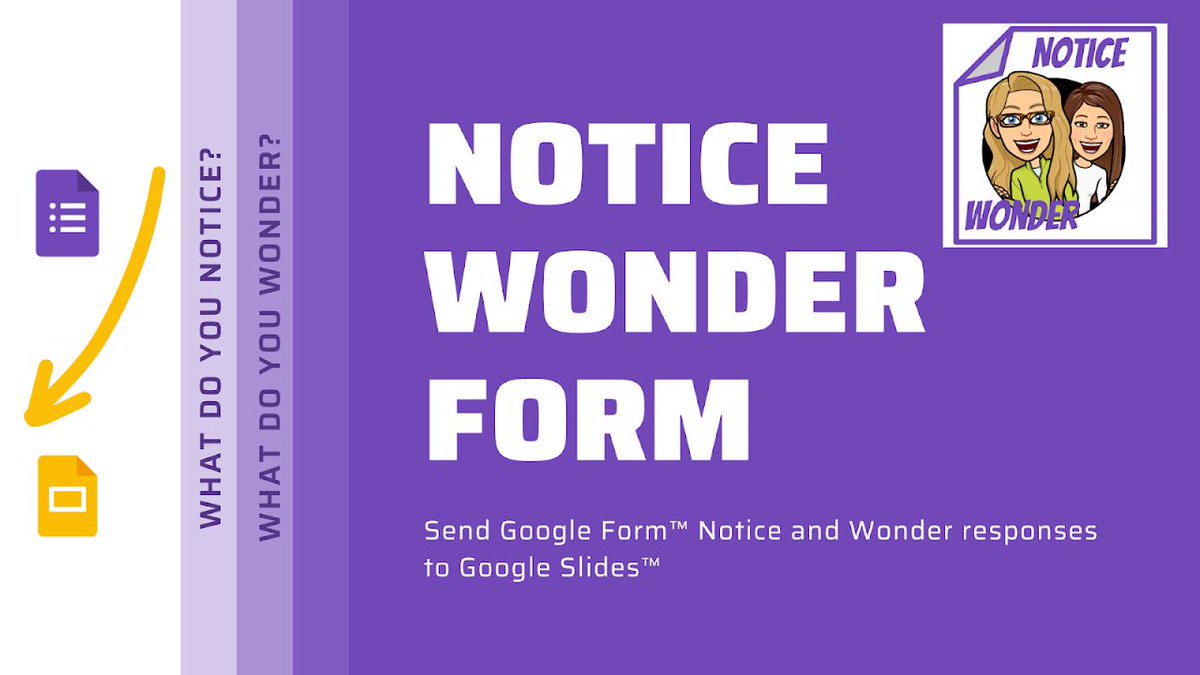
Notice Wonder Form creates a Google Form with Notice and Wonder prompts, giving students a structured place to share their observations and questions.
https://t.co/pXQANLYkxW
#GoogleEDU#GoogleWorkspace
Students benefit the most from morphology instruction when it focuses on high-utility morphemes—word parts that appear frequently in academic vocabulary across content areas. Visit the Morpheme Lab to access lists of high-utility morphemes for each content area: https://t.co/wIp0lUohOQ