I propose Stanford NLP as an independent third-party evaluator under @DarioAmodei’s 3 step plan. For important parts of the work, universities would be better than any other organization (see below 🧵👇), and, of university groups, @stanfordnlp would be the best one to choose. 😊
Imagine Fabrizio Romano for startups leaking rounds and launches
Generic AI to YC, HERE WE GO 🔔🚨
Understand deal is 500K, 125K on 7% and remaining 375K MFE
Personal terms were never an issue; it was ALWAYS YC for Stanford undergrads XYZ
🔐
🛒@kart_ai_ (YC S24) builds customized AI shopping assistants like Amazon Rufus, trained to answer any questions on your catalog.
Congrats on the launch, @gsychi and @HavaeiRez!
https://t.co/6j5DcQTkyP
@RenjuLiu@ycombinator@kart_ai_@HavaeiRez Thanks! Our goal is to do this, yes -- feel free to click 'see more' on any product card and learn what Reddit, Youtube content creators are saying about it
🛒@kart_ai_ (YC S24) simplifies your research for electronic products. From any question, kart extracts relevant product recommendations from Reddit, YouTube, and trusted content creators.
Congrats on the launch, @gsychi and @HavaeiRez!
https://t.co/IxfyffYx5q
Accounted for by the volatility confidence intervals -- it's hard to find good moves, and going for complications is the only way to move forward. ✅
Low ACPL in +30 positions up a queen? The position is trivial, so even a 1400 can play perfectly with minimal mistakes. ✅
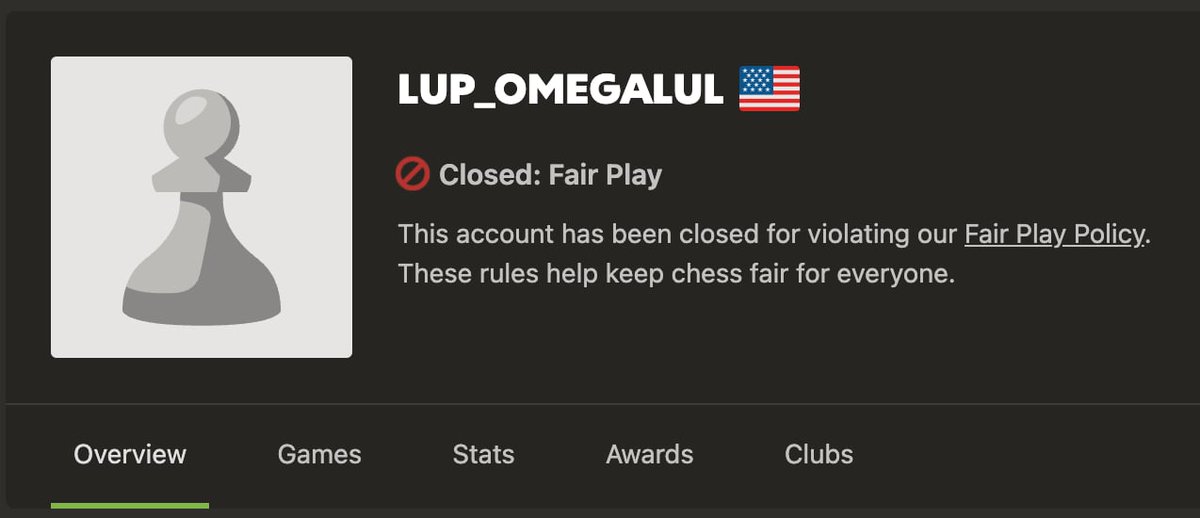
I've seen a lot of discussion on chess cheating detection in the past year or so -- Hans Niemann incident and whatnot -- and it's led me to think about modelling projects regarding this, given my background in finance, chess variants and AI research. 1/16
Revised 2: E[elo | moves in game, time usage, volatility scores]. This is a way to overcome the shortcomings of ACPL and identify what it truly means to make accurate moves, both in winning or losing positions.
High ACPL in complicated or losing positions? 15/16