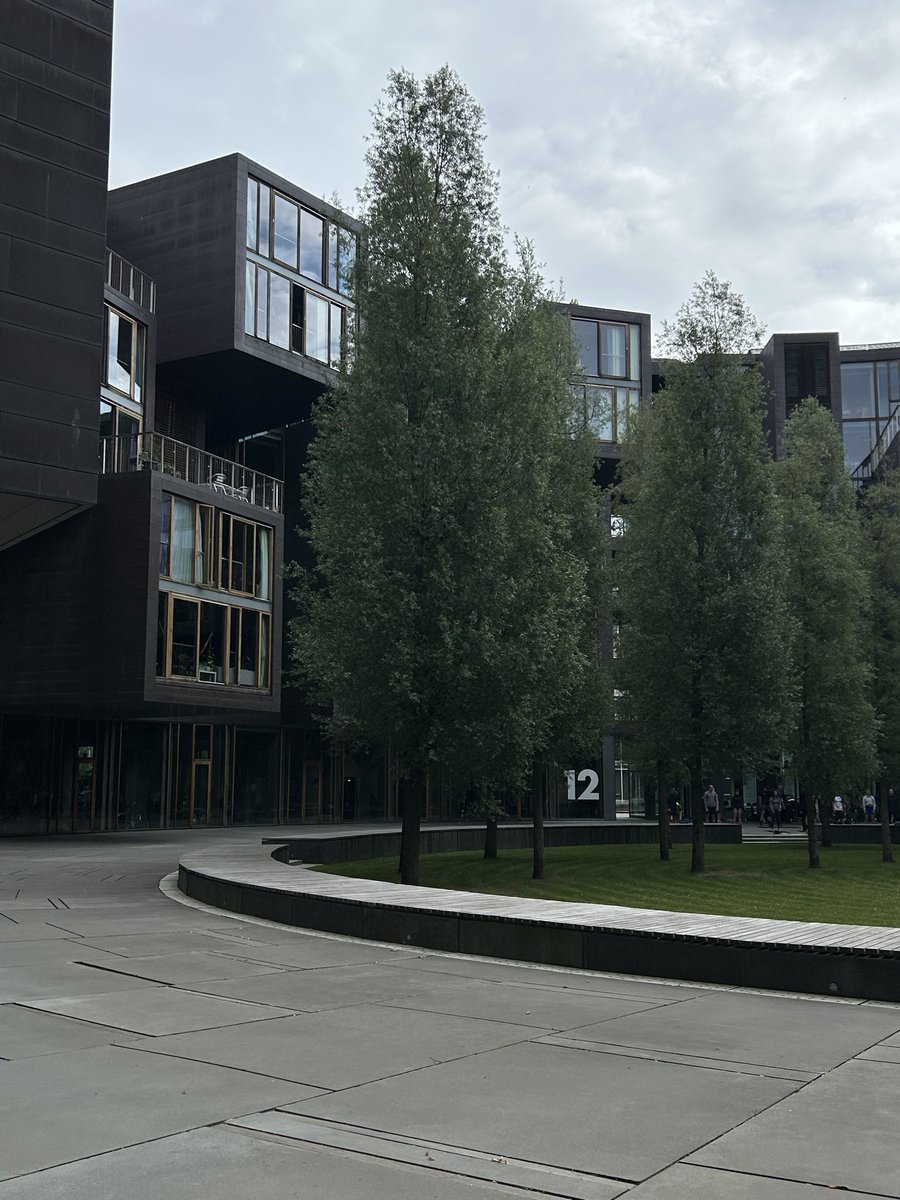
one of the strangest things about moving from new york to sf was realizing how often extremely important things happen here in settings that don't feel important at all
i lived in new york for four years. i sometimes spent entire days moving icons around in powerpoint, but i was doing it in a skyscraper with great views, surrounded by attractive people in patagonia vests. afterward i'd walk onto a packed street and go to a beautiful restaurant
even when the work itself was mundane, everything around it told you it mattered
sf is almost the opposite
the blue bottle in south park feels like a normal coffee shop. it is also a place where an absurd amount of capital gets allocated
sand hill road is one of the most powerful financial centers in the world and looks like a collection of dentist offices
you'll meet someone dressed like they just rolled out of bed who can't make eye contact and discover later that they control billions of dollars or have built a product you use every day
i've been to parties where almost everyone had raised millions of dollars or built products used by millions of people. in another city, each person would have seemed like a big deal. in sf, they were just standing around a cramped apartment at a "party" that honestly wasn't even that good
i used to live in a closet in a slightly dilapidated hacker house with creaky floors and old furniture. people who lived there went on to create companies worth tens of billions of dollars
new york puts a lot of effort into making importance visible. sf often seems actively uninterested in doing that
some of this is probably because sf is more focused on creation than consumption. some of it is the personality of builders, who often care much more about the thing they're making than the room they're making it in
but i think the lack of polish also lowers the barrier to entry. you don't need to look important before doing something important here
new york makes ordinary work feel important
sf makes important work feel ordinary
@chamath I agree. Companies that are already close to the customer will simply integrate AI for the benefit of their customers and increase their margins.
The models don’t matter for customers—solved problems do.
@chamath Once people start using AI for everyday tasks they'll realize how useful it is. They won't be intimidated by it and they'll accept it. It was like that with personal computers, the Internet, apps and streaming.
@chamath Really interesting point. Worth noting the historic cyclicality of chips / semis / memory.
To your point, why should this time really be any different.
We know from the desktop and Internet eras that the economics started similarly and then flipped - the greatest margins were ultimately from those closest to the end user.
The question is not if this will happen again in AI but when.