IMS@MSF, advocate 4 humanitarianism, global/planetary health, Gaia and the protection of each. Interested in all things universal. Opinions/views my own.
On May 15, Uganda and the DRC officially declared an Ebola disease outbreak.
Why is this outbreak harder to contain than previous ones? Our Vaccination and Epidemic Response Advisor explains the challenges behind the Bundibugyo virus outbreak: https://t.co/QdFh5rt8QH
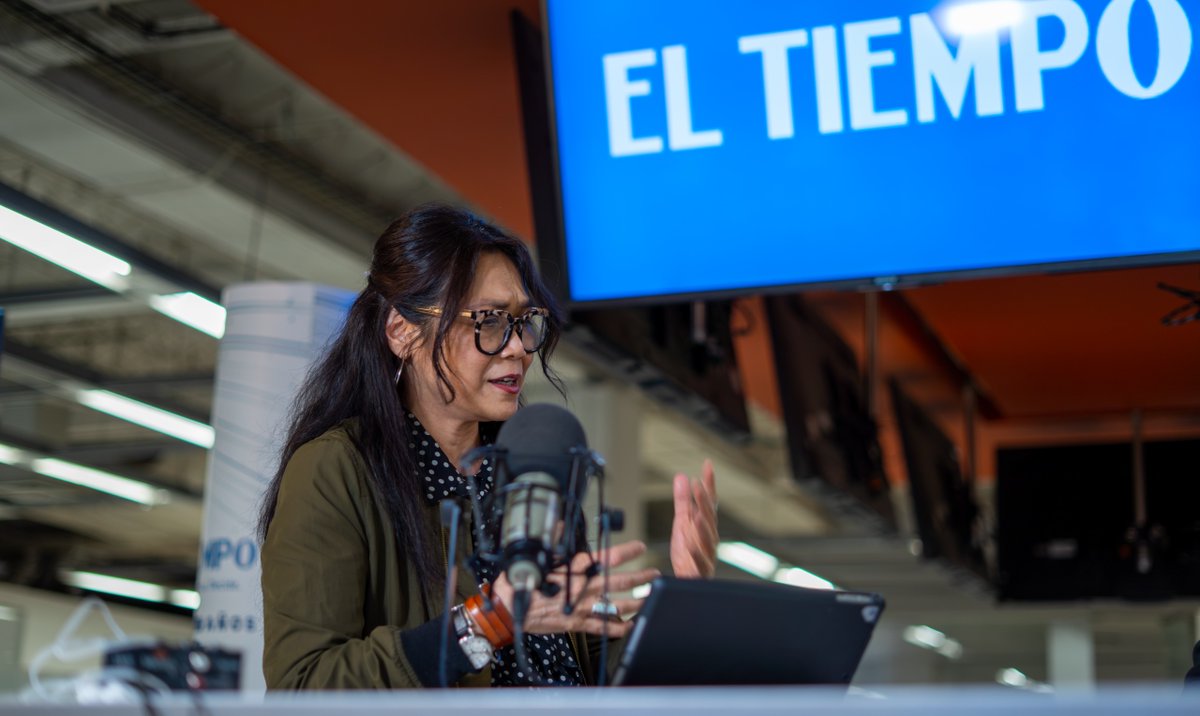
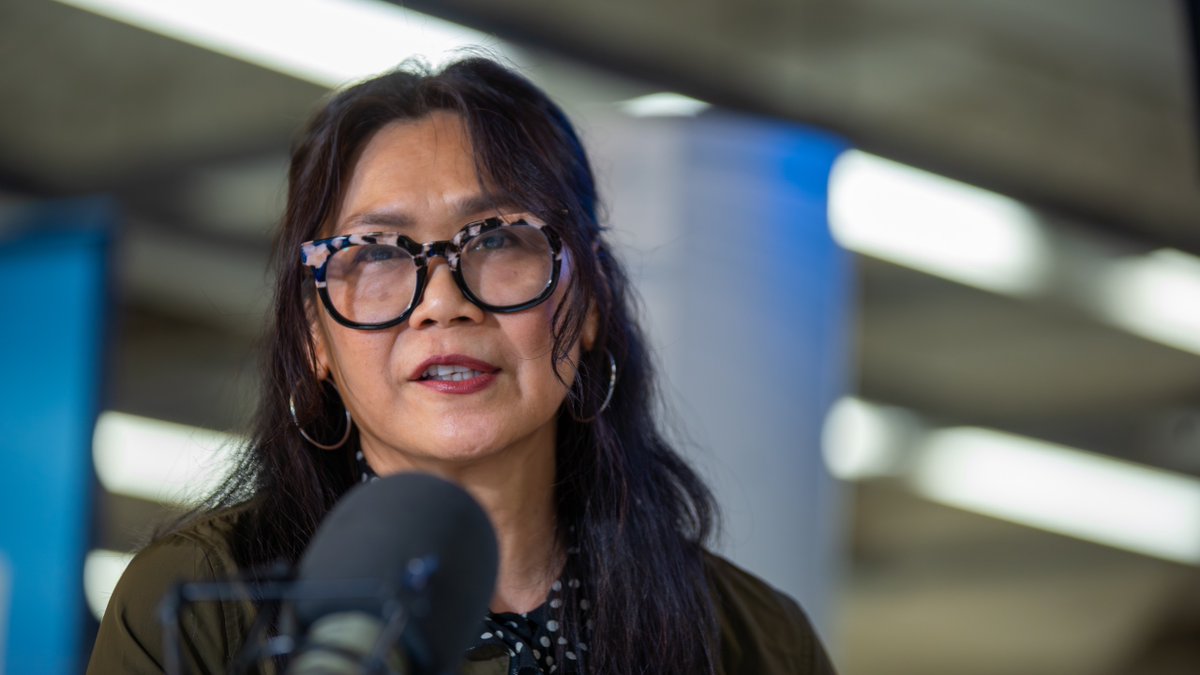
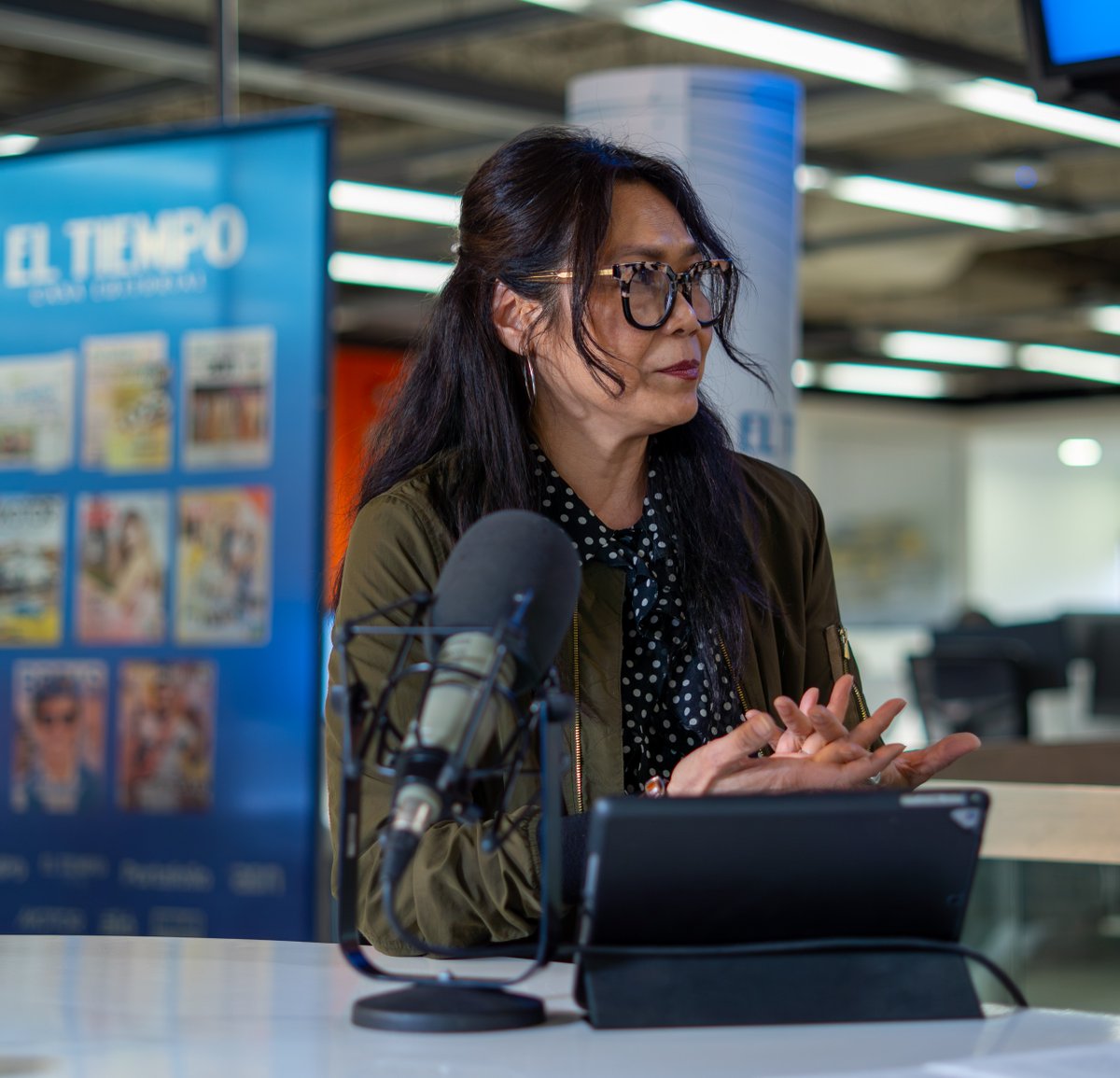
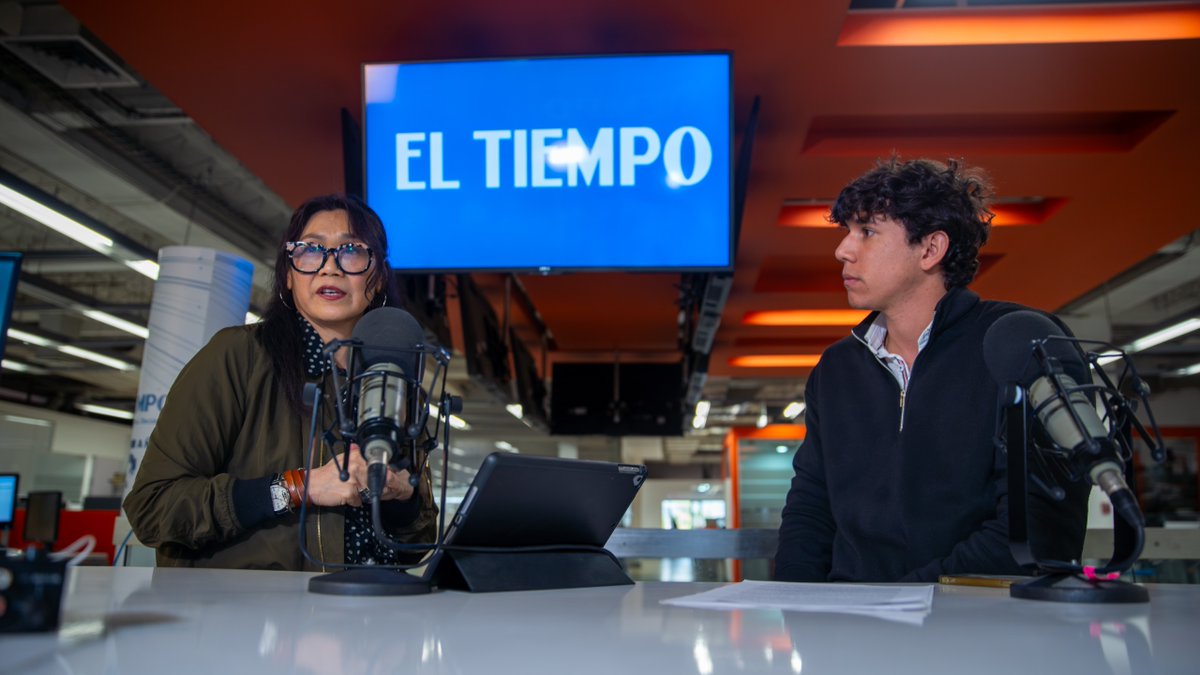
🩺 La doctora, María Guevara ( @guevamp ), de Médicos Sin Fronteras, habló con EL TIEMPO sobre cómo es salvar vidas en medio de conflictos armados y crisis humanitarias en distintas regiones del mundo como Ucrania, Palestina o África.
Fotos: John Pérez / El Tiempo
We don’t know which way AI will ultimately develop, but we can futureproof ourselves by focusing on adaptability.
From @nytimes piece “Where Is AI Taking Us?” – read the whole thing: https://t.co/INYiMT4OwA
On #ConsiderThis@Melisa_Idris speaks with Dr Maria Guevara @guevamp International Medical of @MSF about climate stress increasing medical needs and stretching humanitarian response on the ground. #AWANInews https://t.co/wNHV3EuPBK
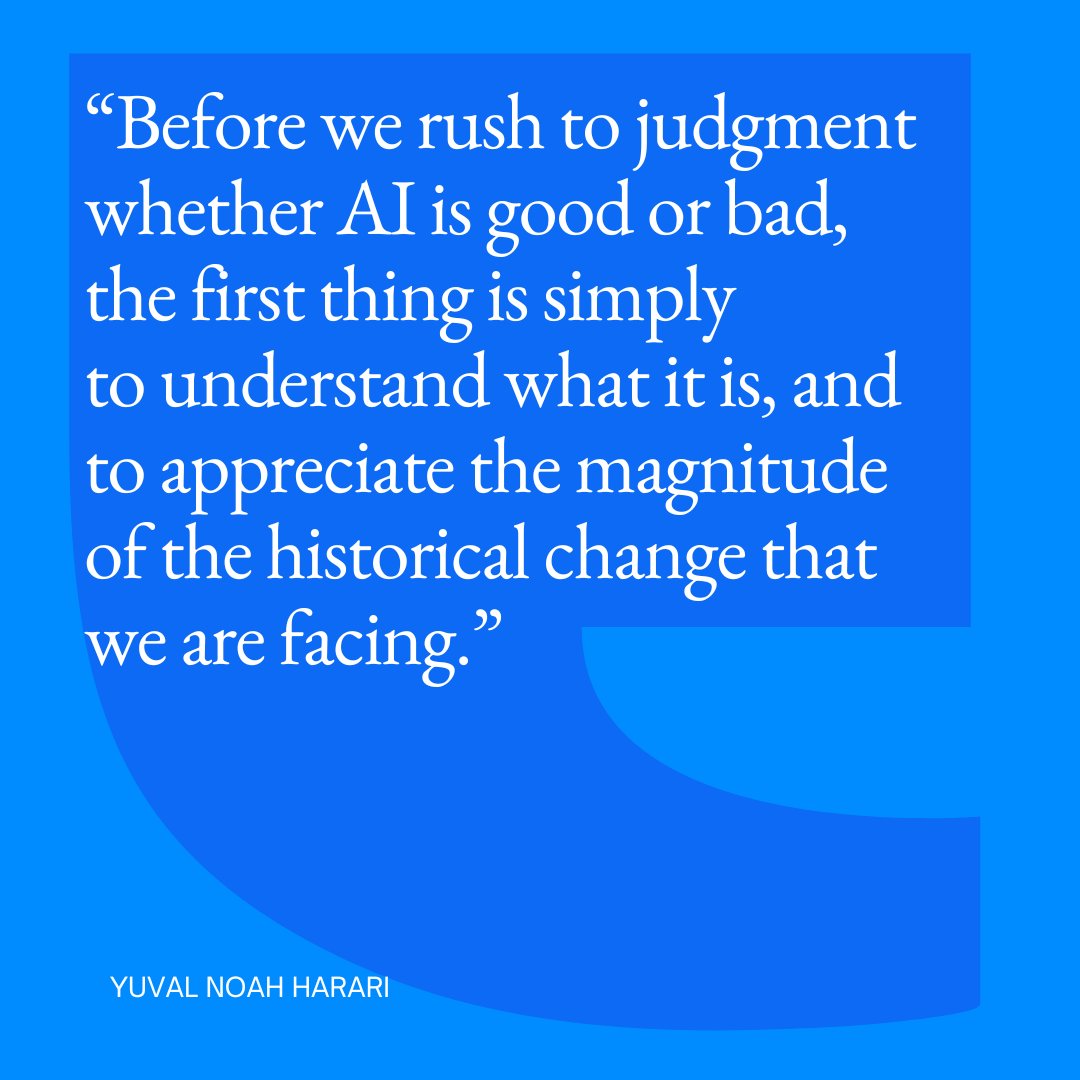
Whether pessimists or optimists, we can all agree that AI will fundamentally change how we live: whether it's how we study and work, our leisure and hobbies, how we form friendships and relationships – or ultimately just how we communicate with each other.
📢 Join us for the MSF–Lancet Countdown Climate & Health Joint Brief Webinar 2025!
🗓️ 4 Nov | 🕛 12pm UK / 1pm CET
🌍Hear key insights on climate & health in humanitarian settings — from extreme heat to plastic use & water resilience.
🔗 Register: https://t.co/t71FBSp70I
🗓️Oct 15-19: The final round of Seasonal Malaria Chemoprevention (SMC) for 2025 started in Twic, Warrap State.
Following a successful first round which reached 10,760 children with malaria preventive drugs, @MSF is working to ensure every child is protected against malaria.
When you visit @artblocks_io, take a moment to explore my project:
"Field Impact" transforms real humanitarian data into art, with 60% of NFT proceeds funding Doctors Without Borders (MSF)’s life-saving missions worldwide.
https://t.co/29IS17O9Pv
@MSF_Suisse#genartclub#nft
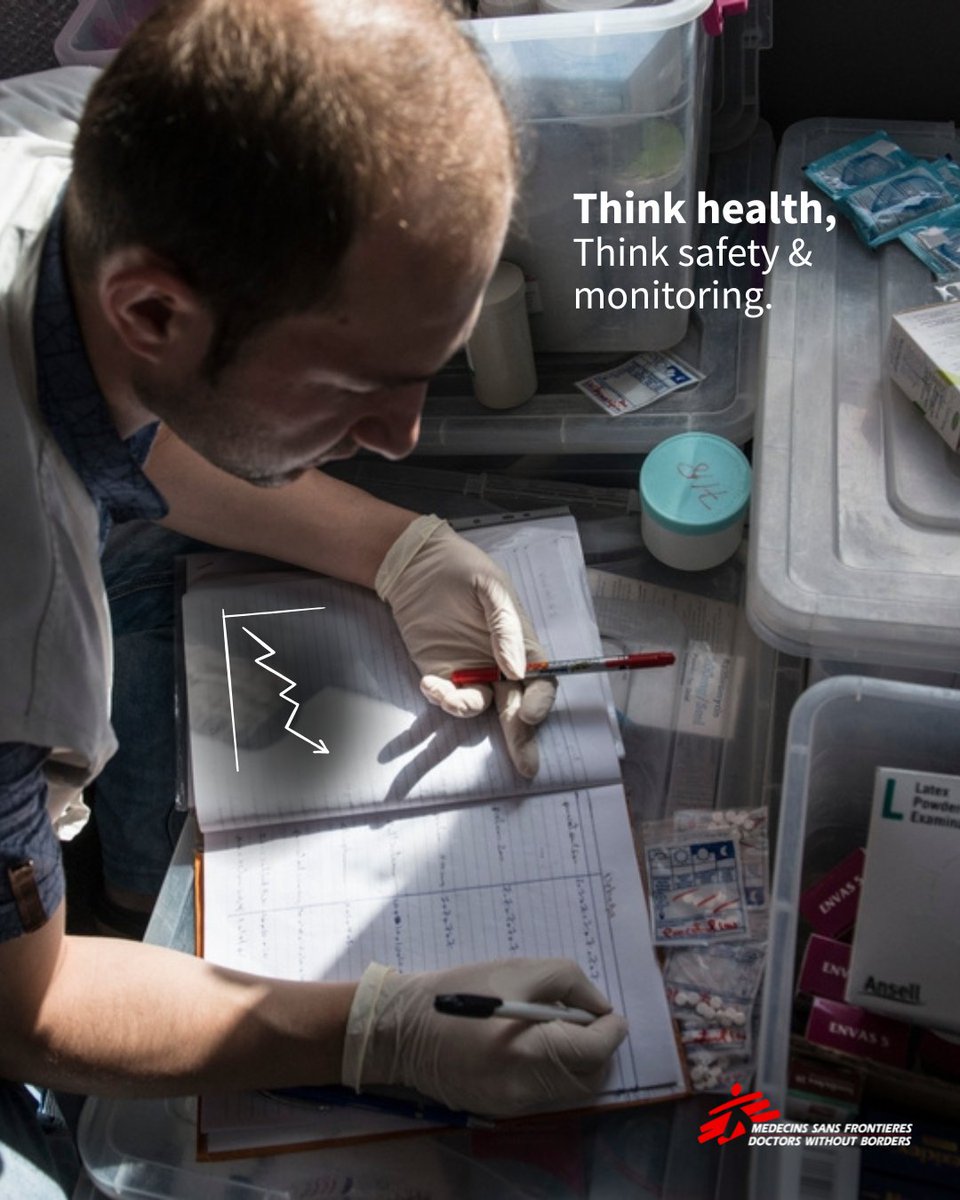
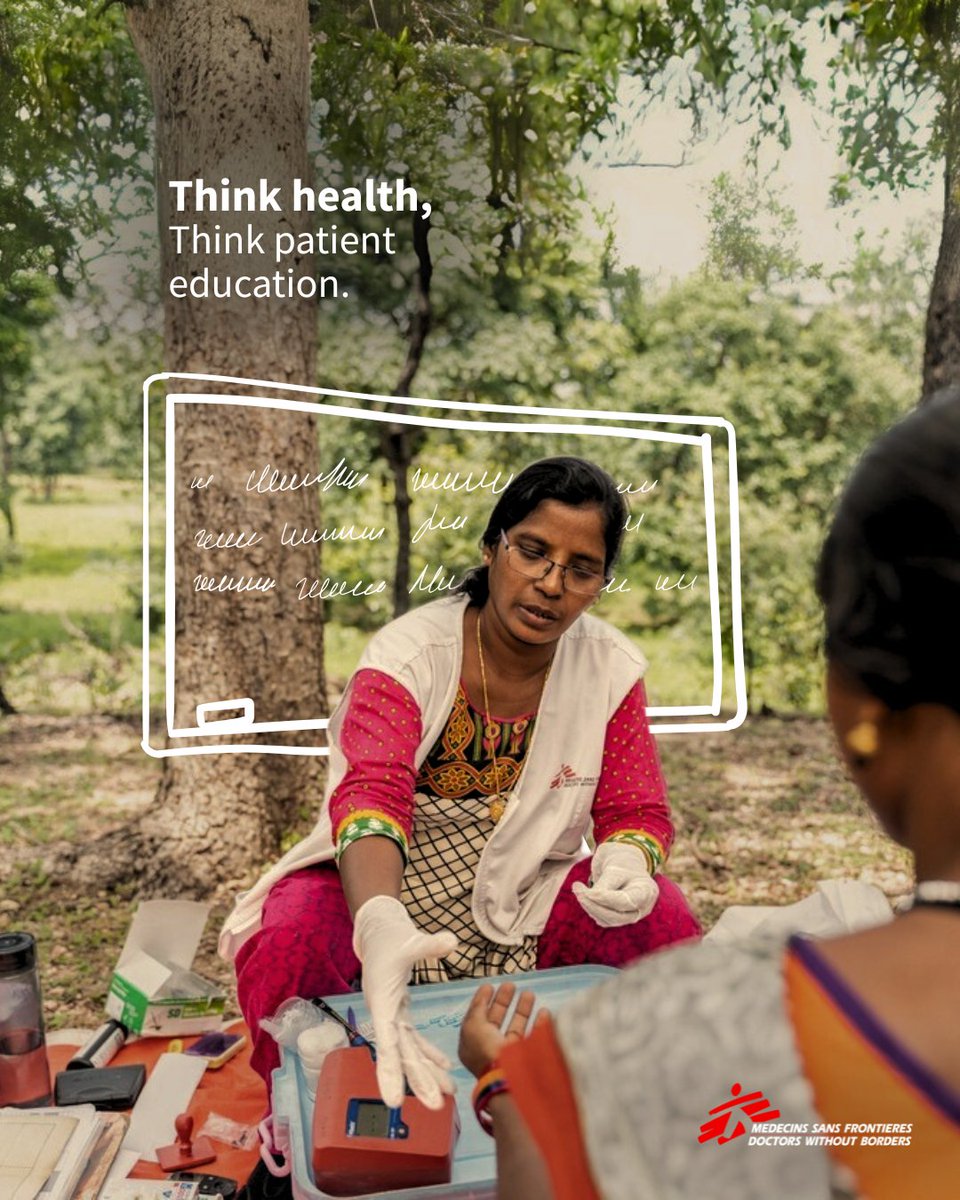
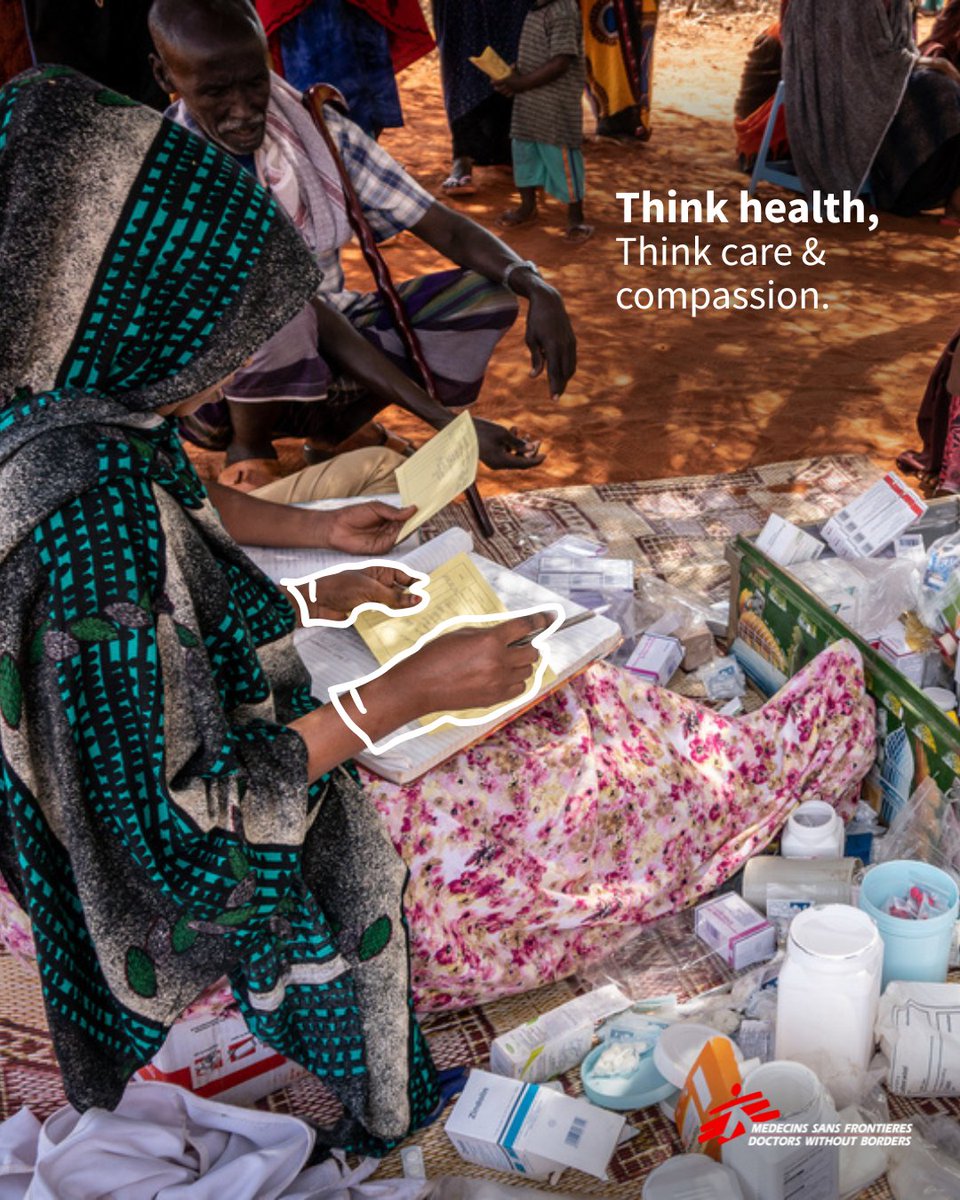
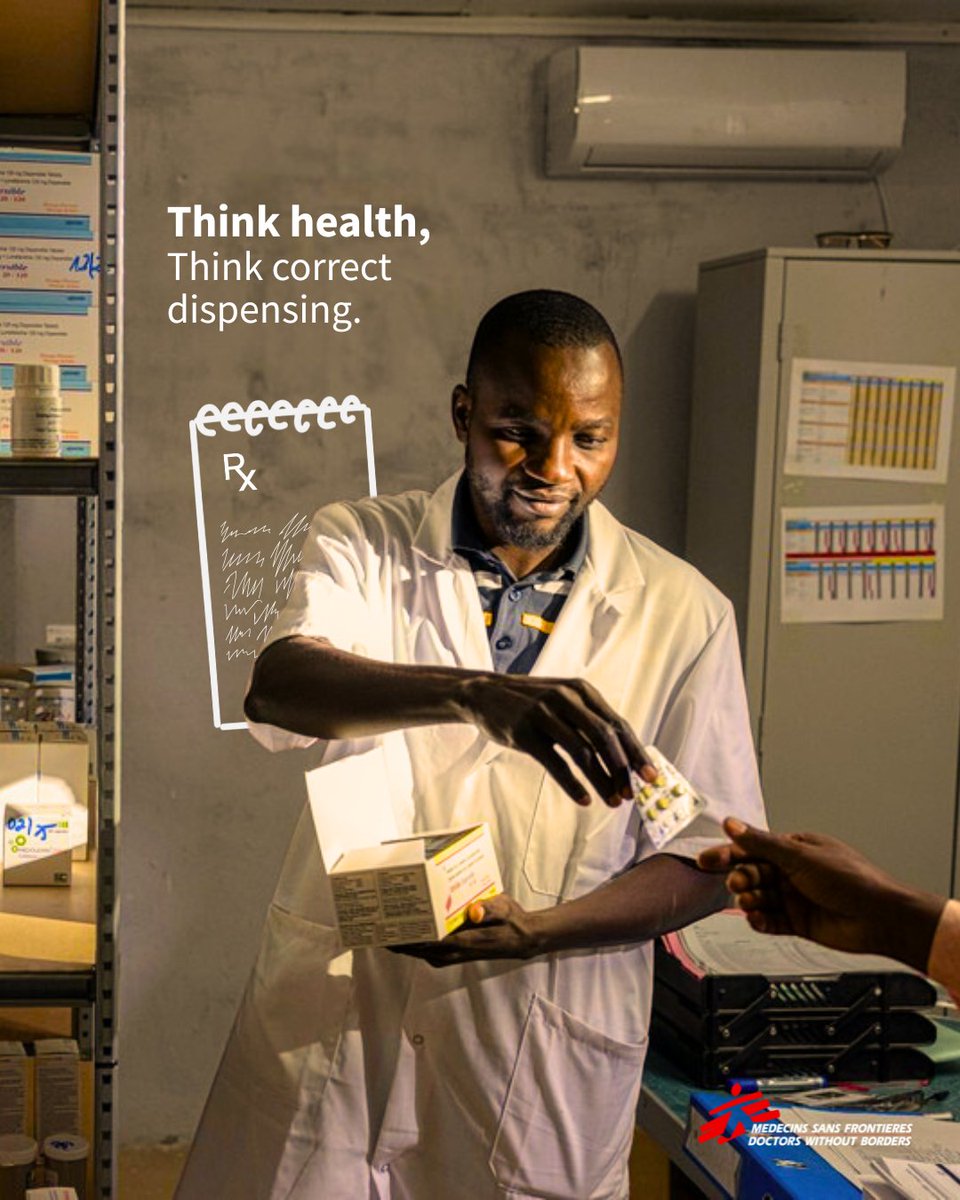
Health is more than treatment, it’s about ensuring every patient has access to the medicines they need, when they need them. At Doctors Without Borders/Médecins Sans Frontières (MSF), pharmacists are at the heart of that mission. They don’t just dispense medicines. They guide patients, counsel them, educate communities, and monitor treatments carefully to make sure every dose counts.
As Lamya Abdi, one of our pharmacists, puts it: “We not only need the right medications, but a constant supply of them to help keep our patients alive…”
MSF pharmacists work in some of the most challenging conditions. In certain projects, medication has to be ordered internationally and can take up to seven months to arrive via our MSF planes. Yet, our pharmacists make it work. Their main role is clear: to ensure people being treated in MSF projects get quality medicines and vaccines, no matter what country they live in.
As Jessica Burry, another MSF pharmacist, says: “Our work might mean supporting our supply centres to source quality-assured medicines, or negotiating with companies to make their medicines available and affordable in low-income countries.”
Whether in a bustling hospital ward, a mobile clinic in a remote village, or a small community health post, MSF pharmacists bring vigilance, expertise, and compassion to every patient interaction.
As Lamya reminds us: “I’m an MSF pharmacist and together, we save lives!”
So, this World Pharmacists Day, we celebrate their dedication. Because, when you think health, you think pharmacists.
The bosses we will always remember and admire:
1 told us our work mattered
2 opened career doors
3 defended us when we needed it
4 recognized and rewarded us
5 developed us as leaders
6 inspired us to stretch higher
7 led by example
8 provided us a safe space to grow
9 forgave us when we made mistakes
10 appreciated high rate of learning
11 challenged assumptions starting with their own
12 were player coaches - skin in the game
13 apologized when they made mistakes
14 sponsored our work (career pathing)
15 led us by questions not answers (taught us how to think, not what to think)
16 in a celebration led from the back, in a crisis led from the front, in the presence of a better plan, followed side-to-side
17 proactively asked for feedback
18 allowed the best ideas to win, not the best titles
19 showed up on time, left when it made sense to leave
20 did not speak poorly behind others back
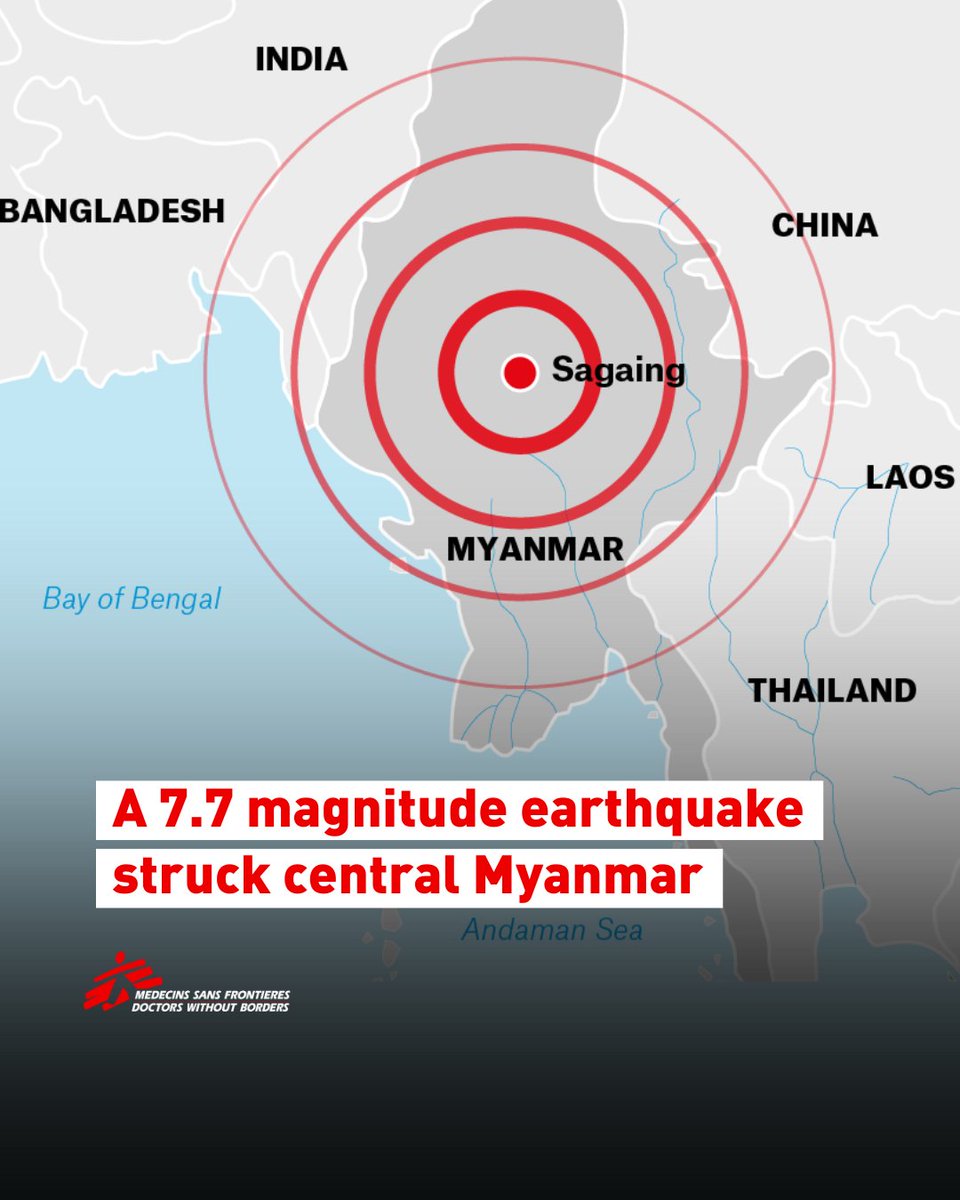
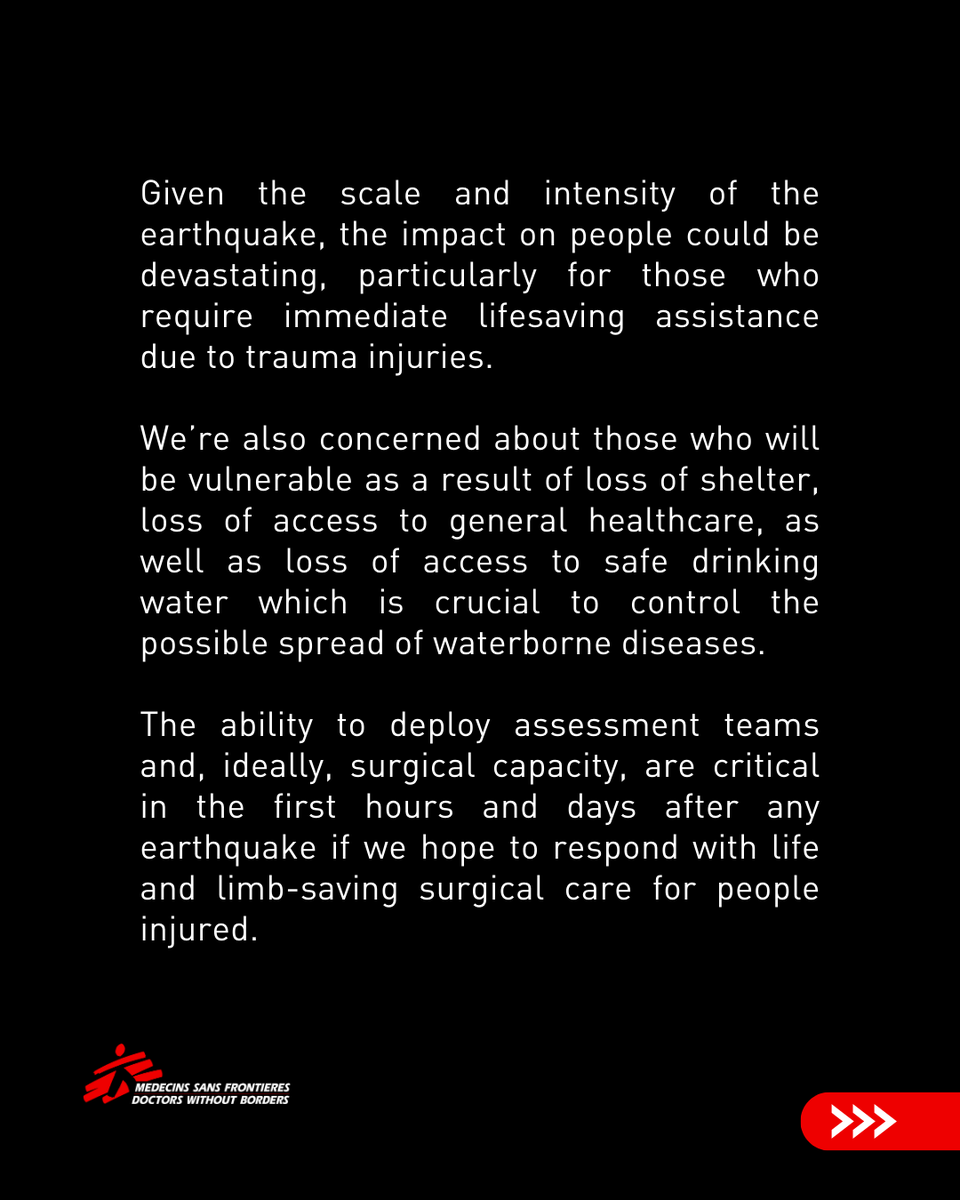
A 7.7M earthquake hit central Myanmar (28/03), with tremors felt in Thailand.
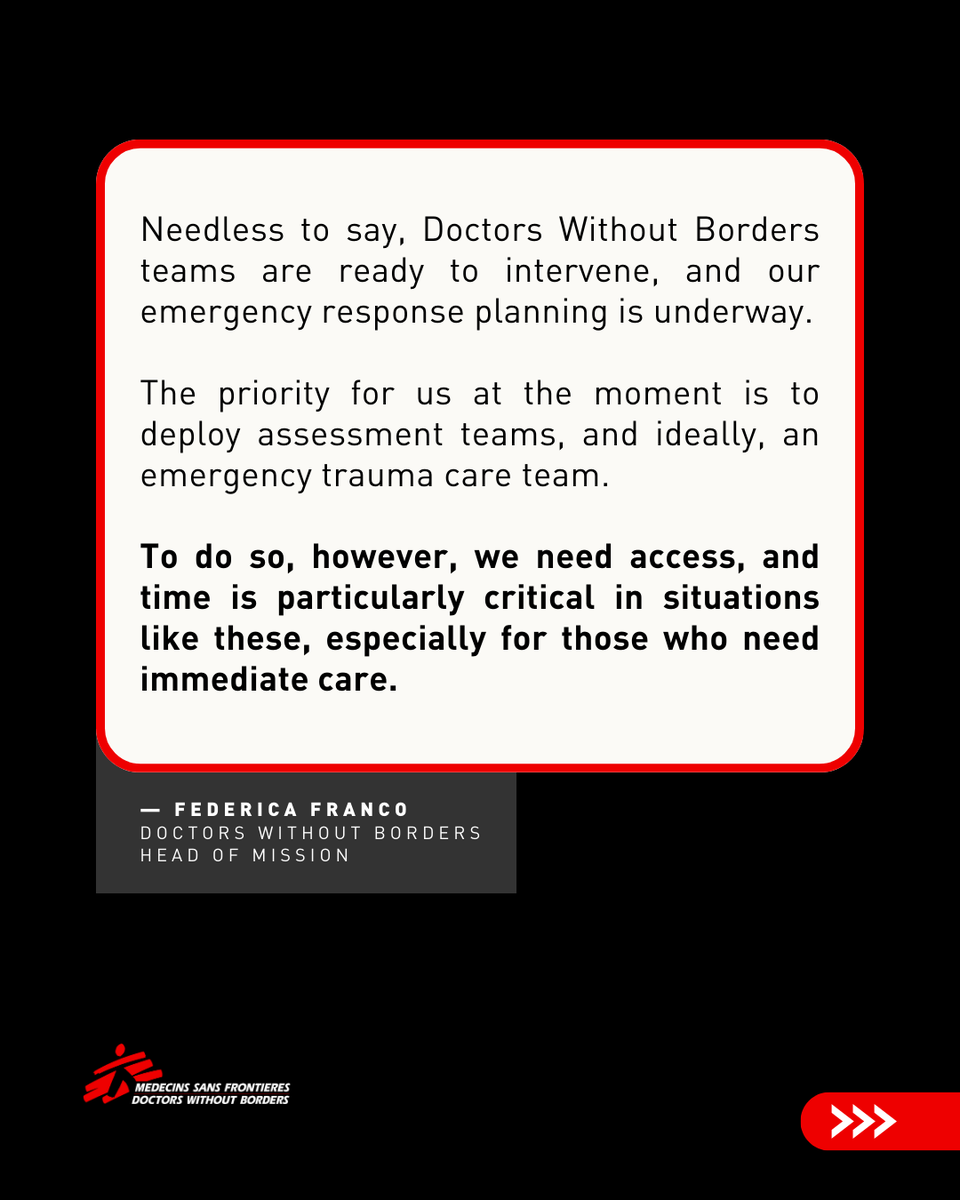
Our teams stand ready to respond, once authorities facilitate swift & unhindered access for teams to do assessments & provide medical care. | https://t.co/lz8ikgMGvZ
Scientists at Scripps Research have discovered how a chemical change in the brain-which can be triggered by inflammation and aging as well as toxins found in air pollution, pesticides, wildfire smoke and processed meats-disrupts normal brain cell function. https://t.co/4QRrI6gqAn