"Yine bu zor dönemde bu hakkın da devletler tarafından kullanılan teknolojik önlemlerle aşındırıldığını görülmektedir."
Gülayşe Ülgen-Türedi #uikpanorama için yazdı.
https://t.co/OBh2v4ykcK
What we are witnessing in Serbia and Republika Srpska after Ratko Mladić’s death is not simply mourning ... it is the glorification of genocide. A man convicted by the Hague Tribunal for genocide, war crimes and crimes against humanity is being celebrated as a hero, while the victims of Srebrenica and countless other Bosniak civilians remain buried in mass graves. Mladić was not a “defender”; he was convicted for crimes committed against civilians. Yet Serbia continues to provide political and social space for his glorification.
And perhaps the most chilling part is Mladić himself. At The Hague, he showed no genuine remorse and repeatedly portrayed himself as a defender of the Serbs, while denying or minimizing responsibility for the atrocities committed under his command. He referred to Bosniaks as “Turks” and spoke of revenge. This was a man who never truly confronted the horror of what he had done and today, instead of shame, his supporters turn that legacy into heroism. What does that say about the society that still celebrates him?
Serbia wants a seat at Europe’s table and Russia’s table, playing both sides while proudly glorifying the bloodshed of its past across the Balkans...How is that tolerated?
#RatkoMladic #Warcriminal #Serbia #GlorificationOfCriminals #Bosnia #SrebrenicaGenocide
@albinkurti@USAmbKosovo@realdonaldtrump@potus@martakoseu@eu_commission@kajakallas@ukinkosovo@italyinkosovo@un@nato@srebrenicamc@suljagicemir1@euforbih@eukosovo @EUSR_Wehlan @dzaferovic@vladaFBih@unirmct@unhumanrights@harrybajraktari@shkamberi@dorispack@danielserwer@ajenglish@aliciakearns@nytimes@ohr_bih@statedept
👇🤦♀️
One of the world's most brutal murderers is finally dead.
At 84 years old the former Bosnian Serb general, Ratko Mladić lived way longer than he allowed his tens of thousands of victims.
The more than 7000 Muslim men and boys he had slaughtered in Srebrenica will be his enduring shame.
At least he was tried by an International Criminal Tribunal and found guilty of his enormous crimes of genocide.
I am proud of the work we journalists did in the 90s to document his crimes against humanity, to finally hold him accountable.
Bosnia’s national team is the version of this country every citizen deserves — strong, successful, and built on merit, not the manufactured divisions, backward nationalist politics keeps feeding on. @FIFAWorldCup
My @TIME piece: https://t.co/2D2yGwQlvq 🇧🇦⚽️🇺🇸
🇺🇸-🇧🇦 The US plays Bosnia in the World Cup tonight. But Bosnia's journey in the World Cup is more than a sporting achievement.
@ATpolicynotes breaks down just what this moment means for Bosnia as a nation and what lessons can be learned for its national governance writ large.
The fans’ euphoria over Bosnia and Herzegovina’s footballing success is countering the disparaging attitudes that some in the United States still express about the Balkan country, says Bosnian-American writer Ermina Veljacic, who grew up as a refugee.
https://t.co/9XjsXvJMEv
This is a post about lessons from the World Cup for ethnic integration and patriotism.
When the German footballer Deniz Undav, brought in as a sub in the second half, followed his first goal in the 68thminute, with a second in stoppage time to give his national side a 2-1 win over Ivory Coast, there weren’t many German fans who didn’t see him as the hero, epitomizing the spirit of their national team. Undav, the son of a Turkish-born and Syrian-born Kurdish Yazidi parents, didn’t have the classic German look. No matter. He was delivering an exciting victory to the German side and a glimpse of what makes the beautiful game so exhilarating.
Undav was also offering a rebuke to the obsessions of both the hard right and the hard left. Not just him but the entire German squad was a living demonstration that people of very different origins and appearances can be woven into a shared enterprise that, at its best, becomes a source of collective pride rather than a threat to it; and loving your country and welcoming newcomers into it are not incompatible impulses. The right insists the first half of that sentence is dangerous; the left often flinches at the second.
This isn’t the message from just the German team. The World Cup, played this summer across the United States, Canada, and Mexico, puts ethnically-mixed squads in front of billions of fans. Every serious contender in the tournament is fielding players whose families arrived a generation or two ago. And almost every one of them is generating a joyful patriotism shared by their team and supporters alike. The combination of diversity and pride, together, is precisely what the political extremes insist is impossible.
Consider the right first. Across much of the industrialized world, mainstream politics has become consumed by anxiety over the immigration of culturally and ethnically different peoples – and the supposed discord it brings. Ideas once confined to the darker corners of the internet, from the “Great Replacement” to “remigration,” are now aired and debated in respectable forums. In a recent YouGov poll, 45% of Brits, 50% of Danes, 51% of the French, 53% of Germans, 51% of Italians, 52% of Poles, and 46% of Spaniards expressed support for a scenario in which immigration stopped and many recent migrants departed. To be clear, the harshest version of such an agenda, which involves forced expulsion (sometimes bordering a modern version of ethnic cleansing) commands little support, and survey wording may be inflating softer concerns. But even allowing for those caveats, this is a striking reversal from less than a decade ago, when many of the same publics welcomed those fleeing war in the Middle East.
The left has traveled in a different but still troubling direction. Among some activists and philosophers, the world came to be read almost entirely through the lens of oppressor-oppressed dynamics, with Western nations placed firmly in the former camp. Patriotism – which at its best allows one to identify with the customs and history of one’s country while remaining free to criticize its failings – came to be viewed with suspicion, even disdain. The shift shows up in the data: the share of US Democrats reporting “extreme pride” in being American, according to Gallup, fell from the mid-60s in the early 2000s to just 22% in 2019 (even if it recovered somewhat since then).
That last figure deserves a caveat. Much of the collapse coincided with a presidency many Democrats sharply disagreed with, so some of it may reflect disaffection with who governed rather than a principled rejection of country. But the deeper trend is real: on parts of the left, the very vocabulary of national pride has become an embarrassment. This is troubling because without a shared identity it becomes harder for national politics to coalesce around policies that will watch out for and support those who are losing out – as the working classes, especially those without four-year college degrees, have been over the last several decades throughout the industrialized world.
Sport, of course, is not a perfect mirror of society. A national squad is a small, lavishly resourced, intensely managed group united by a single unambiguous goal-– hardly the same as integrating large populations into housing, schools, and labor markets. Nor is sporting integration as frictionless as the cheering suggests. England’s Black players were deluged with racist abuse after losing the Euro 2020 final; France’s “Bleus” are perennially dragged into arguments about who counts as truly French; and the US has an ugly history of racism not just in baseball but throughout many sports. Integration in sport is celebrated by the many and contested by a loud minority – exactly the pattern we see in the wider society.
The World Cup does not prove that integration is easy. What it nonetheless shows is something the extremes deny categorically: ethnic integration (rejected as impossible or even undesirable by the hard right) and patriotic pride (often looked down upon by the progressive left) routinely coexist. Most fans, watching their multi-ethnic team carry the national flag, simply experience both at once and think nothing of it.
If the hard right and the hard left could climb down from their high horses long enough to watch a few matches, they might rediscover what the rest of us already know: that integration and pride are not enemies. As on the pitch, they can be teammates.
Işıl Kurnaz: "Çünkü adaletin sadece şekli olarak sağlanıyor olması değil, ayrıca bunun en başta o dosyanın tarafları olmak üzere adalet olduğunun görülmesi gerekir." https://t.co/QAYqZlMf1t
Zohran Mamdani kendi partisinden dahi gelen tüm engelleri aşarak New York’un yeni belediye başkanı oldu.
Son on yılda kentler ve ulusal iktidarlar arasındaki ayrışma birçok ülkede derinleşti. Üç temel dinamik bunu açıklıyor.
Birincisi, ekonomik ve ideolojik ayrışma. Küresel metropoller bilgi ekonomisinin, göçün ve kültürel çeşitliliğin merkezleri haline geldi. Bu, kentleri daha kozmopolit ve progresif hale getirdi. Buna karşılık kırsal ve küçük şehirlerdeki seçmenler, ekonomik güvensizlik ve kimlik endişeleri nedeniyle popülist merkez sağ veya aşırı sağ partilere yöneldi. Bu durumu ABD’de New York–Washington ile Orta Amerika arasındaki farkta, İngiltere’de Londra–İngiltere taşrası arasındaki Brexit oylamasında, Türkiye’de İstanbul–Anadolu kentleri arasındaki oy farklılaşmasında görebilirsiniz.
İkincisi, yönetişim gerilimi. Yerel yönetimler artık iklim, barınma, göç, ulaşım gibi küresel sorunların birinci elden yükünü taşıyor. Ancak bu alanlarda karar yetkisi genellikle merkezi hükümetlerde. Sonuç, kaynak ve yetki çatışması. İstanbul, Madrid, Budapeşte, Varşova gibi kentlerde muhalif belediyeler, iktidardaki hükümetlerle doğrudan karşı karşıya geliyor.
Üçüncüsü, meşruiyet farkı. Kent yönetimleri daha doğrudan katılım ve hizmet performansıyla meşruiyet üretirken, merkezî siyaset giderek ideolojik kutuplaşma ve medya kontrolüne dayalı hale geliyor. Bu da “şehir yurttaşlığı” ile “ulusal kimlik siyaseti” arasındaki gerilimi artırıyor.
Bugün kentler bir tür demokrasi laboratuvarına dönüştü. Paris’in iklim politikaları, Barselona’nın katılımcı bütçesi, İstanbul’un sosyal belediyecilik girişimleri, ulusal siyasetin tıkandığı alanlarda yeni modeller yaratıyor. Siyasal meşruiyetin eksenini yerelden kuruyorlar .
@UPSTurkiye 1Z9A88696868216621 ayrıca bir mailleşme de sürüyor. Kurye sorumluluk kabul etmediği gibi benim bilmediğim bir yere teslim noktamız diyerek bıraktı.Ben de onaylamak zorunda kaldım
@UPSTurkiye Zara Home’dan 1Z9A88696868216621 no’lu kargom çarşamba günü Gelibolu’da bir teslim noktasına bırakıldı. Cuma kargomu almaya gittiğimde kargom yoktu. Biri almış dediler. Kargo yetkilisiyle irtibata geçtim haber vereceğim dedi. Şu anda telefonu kapalı.
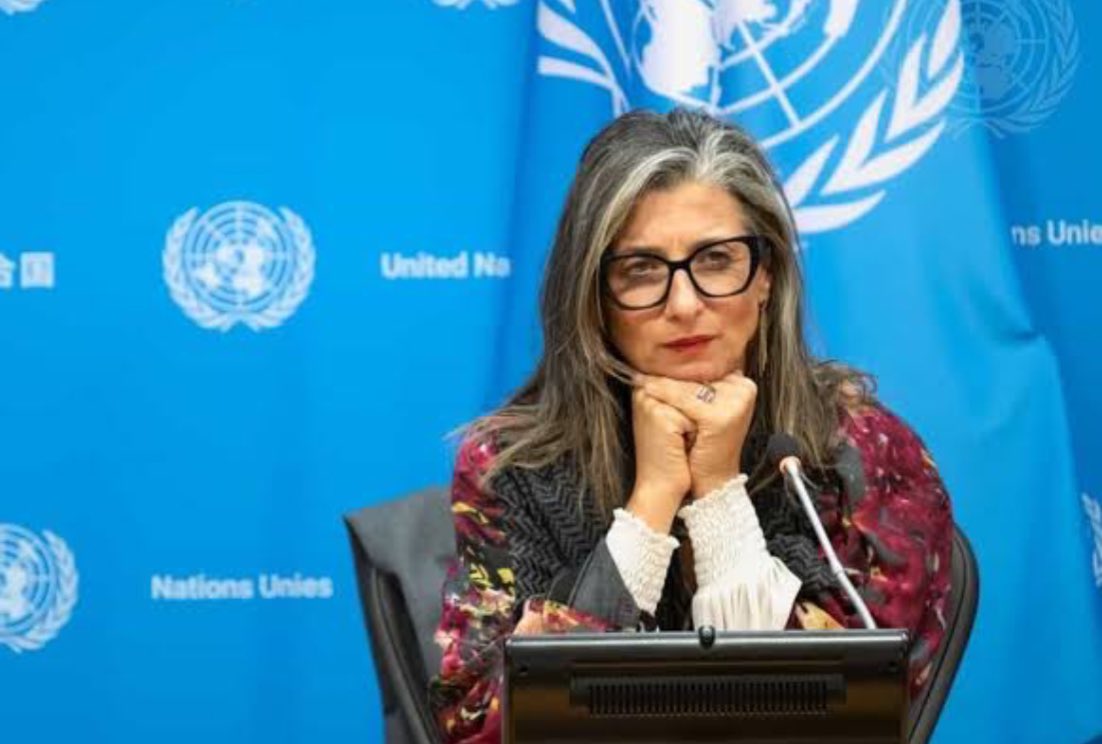
ABD Dışişleri Bakanlığı, Filistin konusundaki konuşmaları ve hak savunuculuğuyla İsrail’i en sert şekilde eleştiren BM Özel Raportörü Francesca Albenese’i yaptırım listesine aldı.
Albenese, ABD’ye giremeyecek.
En etkili yetkililerden biriydi, çok iyi bir akademisyen
Sus cezası bu
@TTDestek 8832226623 hesap no’lu yazlık internetinde alamadığım bir hizmetin peşin ödemesini yapacağım. Bir de dalga geçer gibi her gün mesaj atıp teknik ekipler çalışıyor diyorsunuz. Hiç kimsenin çalıştığı da yok.
@TTDestek 8832226623 hesap no’lu yazlık internet ilgili şikayetimi 5 Temmuz günü yaptım. Hala herhangi bir telefon almadım. Zaten hizmet her sene geç açılıyor bir de açıldığı tarih itibariyle girdiğim arıza kaydı ile geri dönüş yok.
Global Rights Index 2025
The 10 Worst Countries for Working People
Bangladesh🇧🇩
Belarus🇧🇾
Ecuador🇪🇨
Egypt🇪🇬
Eswatini🇸🇿
Myanmar🇲🇲
Nigeria🇳🇬
Philippines🇵🇭
Tunisia🇹🇳
Türkiye🇹🇷
@ituc