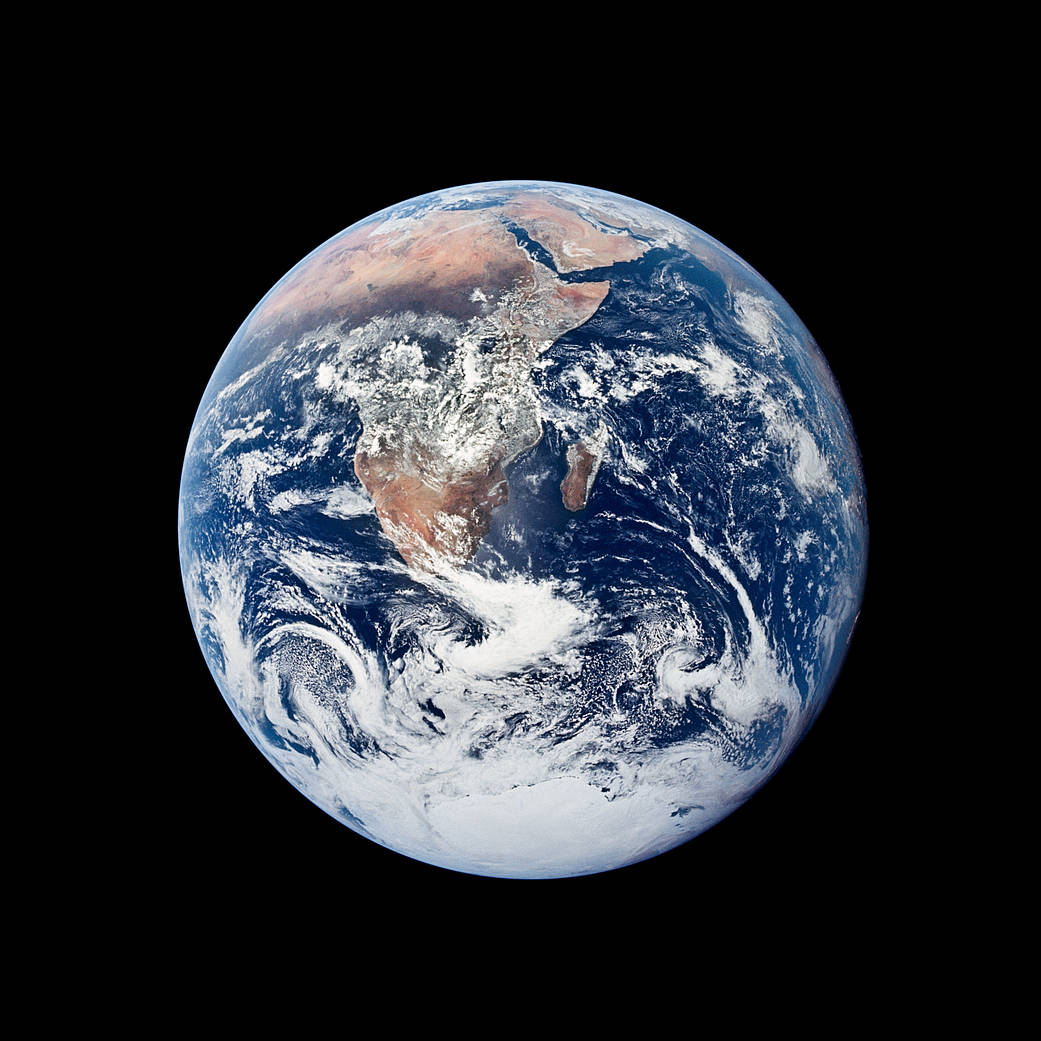
We see our home planet as a whole, lit up in spectacular blues and browns. A green aurora even lights up the atmosphere. That's us, together, watching as our astronauts make their journey to the Moon.
Hubble keeps an eye on the outer planets in our solar system, using its long-running mission and unique capabilities to track changes in their turbulent atmospheres.
This Outer Planet Atmospheres Legacy program just reached its 10th anniversary: https://t.co/59xMWtfRv2
Ever feel like someone's watching you?
That's how I felt when I observed this transit of the Martian moon Phobos! The pupil in this "googly eye" is the potato-shaped moon, and the iris is our Sun. Learn more: https://t.co/jUYoXY1jpK
Are you ready for some #CosmicCollisions?
Galaxies are like huge neighborhoods of stars, dust, and gas held together by gravity – and there are billions of them in our universe!
Sometimes, those galaxies interact and merge with each other, pulled in by their mutual gravity.
Stay tuned for new images and content about interacting galaxies, now through February 2.
(Just FYI, because of the extraordinarily large distances and timescales of these galaxy collisions, stars and planets almost never literally crash into each other in these interactions!)
It's the most wonderful time of year...
When you get to help choose our X audience's favorite 2023 Hubble image!
Vote in the poll below of images that received the most likes this year (looks like you loved star clusters!). Then we'll post the winner on New Year's Eve! 🎉
Wish upon 500,000 stars 🌟
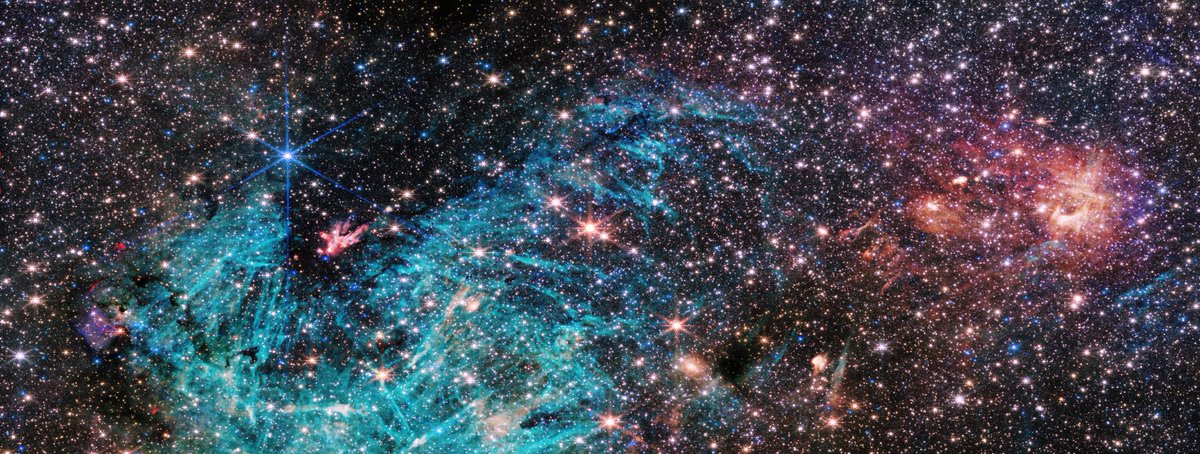
Take in this magical view of the heart of our home galaxy. Seen by Webb in unprecedented detail, Sagittarius C is a star-forming region about 300 light-years away from the supermassive black hole at the Milky Way’s center: https://t.co/KlGnGSbFl8
A peculiar pair!
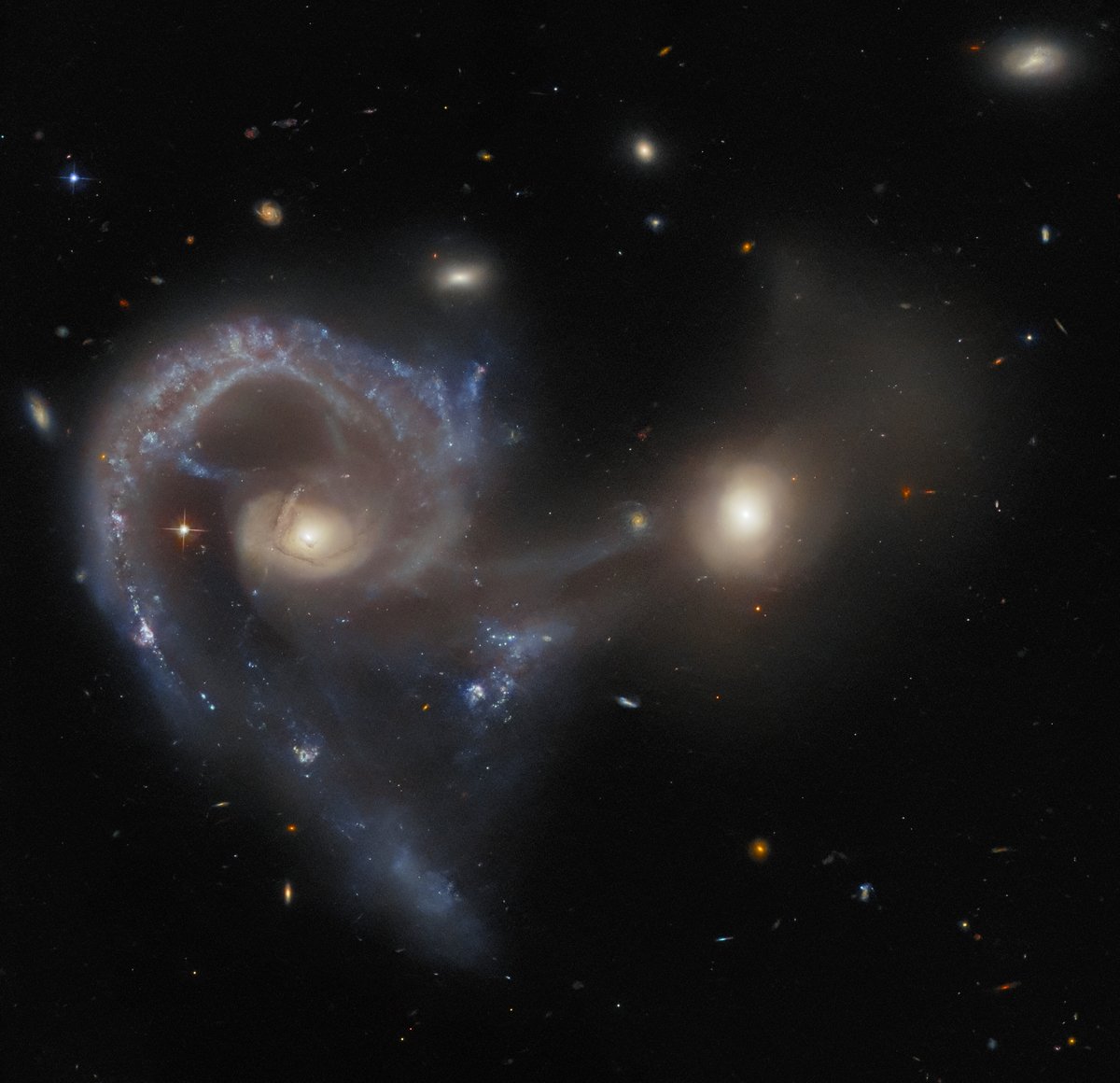
This #HubbleFriday image shows Arp 107, which is a pair of galaxies in the midst of a collision about 465 million light-years away. A faint "bridge" of dust and gas connects the two.
Keep reading: https://t.co/HU7uZ6JKh2
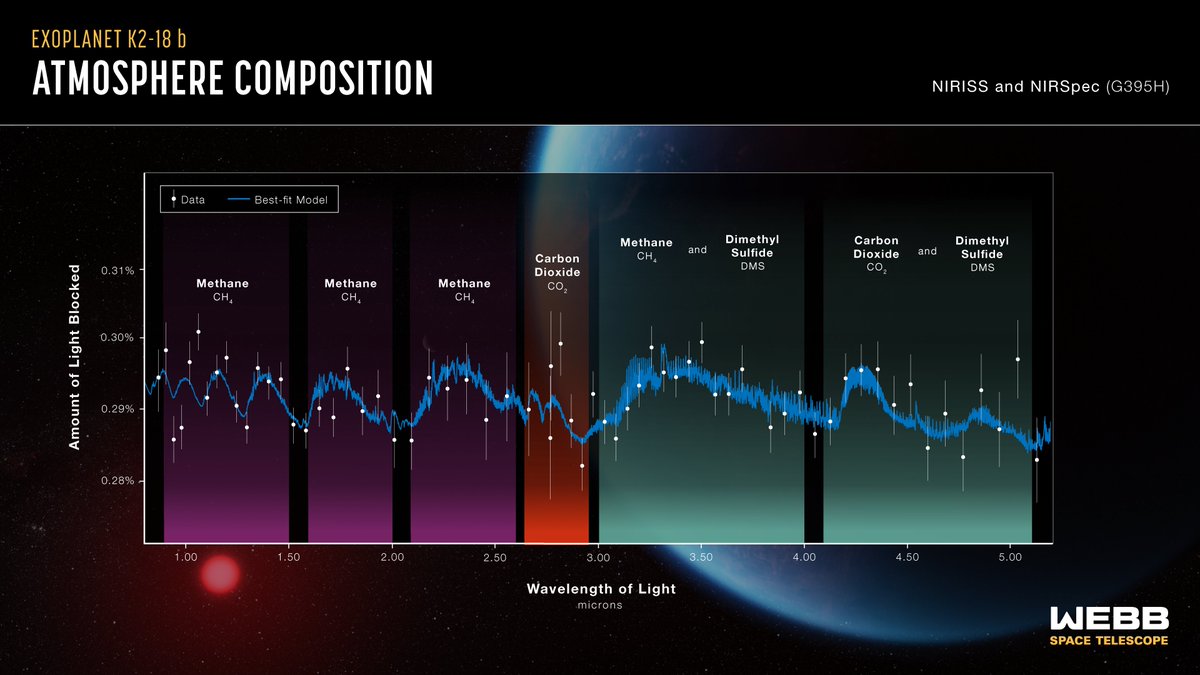
The Webb telescope has detected carbon dioxide and methane in the atmosphere of exoplanet K2-18 b, a potentially habitable world over 8 times bigger than Earth. Webb’s data suggests the planet might be covered in ocean, with a hydrogen-rich atmosphere: https://t.co/qN1SqCfFt1
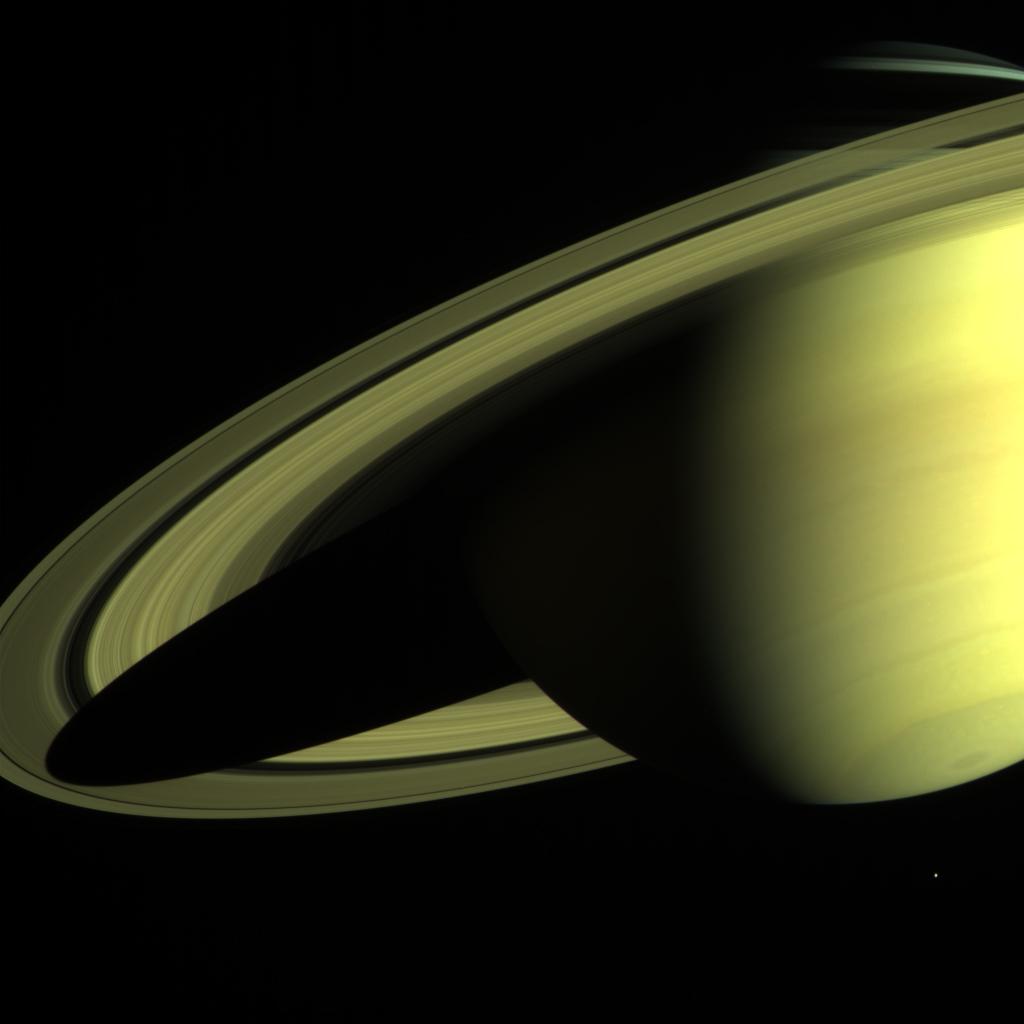
Witness Saturn’s main character moment 🪐
Saturn is directly opposite the Sun on Aug. 26-27, which will make it look big and bright. Spot the yellowish “star” rising in the southeast at sunset, and traveling across the sky until sunrise: https://t.co/F6GdWPluZZ
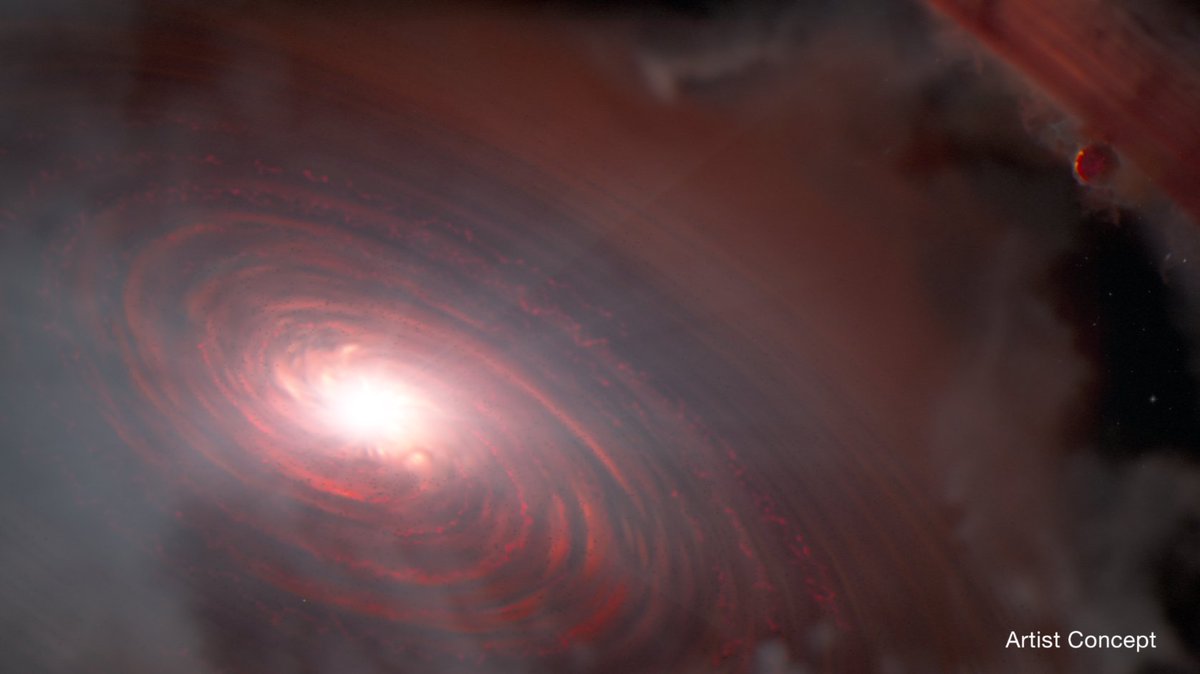
On our world, water is life. But how did it get here? Are there similar environments around other stars?
Webb has us one step closer to answers. In a still-developing “solar system,” Webb detected water in the zone where rocky planets like Earth may form: https://t.co/VRmG4Ob6S4
Name a more iconic trio. I'll wait.
@NASA_Orion spacecraft for Artemis II, III, and IV are at @NASAKennedy in various stages of production as engineers and technicians prepare the spacecraft to fly astronauts around or to the Moon. https://t.co/X1Aq6gpoUM
Never forget, you're made of starstuff✨
Space telescopes help us explore our origins, like how materials from bygone stars help form our bodies. So whenever you see a space pic, consider it an elemental selfie connecting you to the universe! #NationalSelfieDay📷: @NASAWebb
Happy #FourthOfJuly!
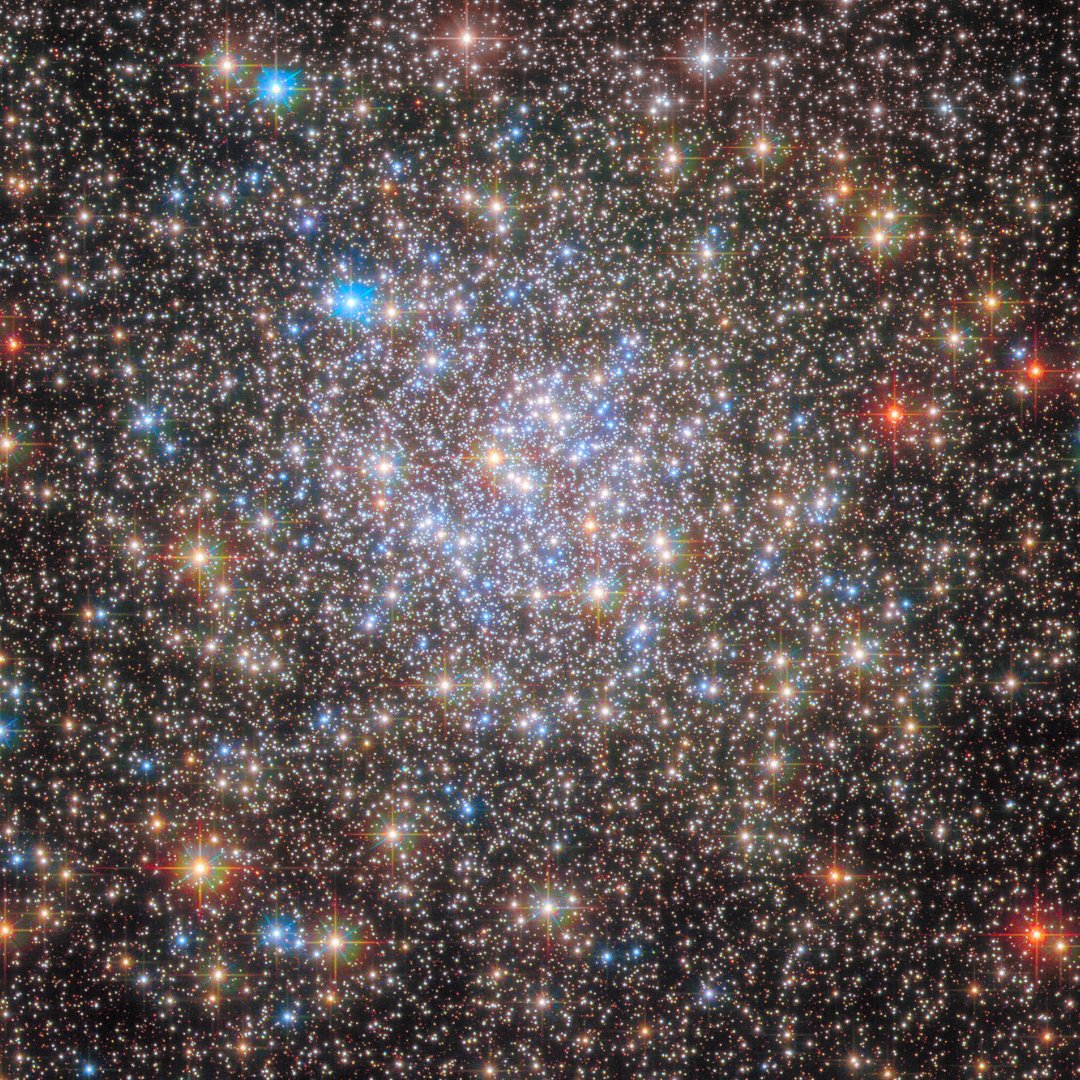
This stellar red, white, and blue view shows the star cluster M14. Home to over 150,000 stars, it's located about 29,000 light-years away and is best observed with a telescope during July.
Discover more: https://t.co/DewEwrh1nN
It’s a TRAP(PIST)-1! 🦑
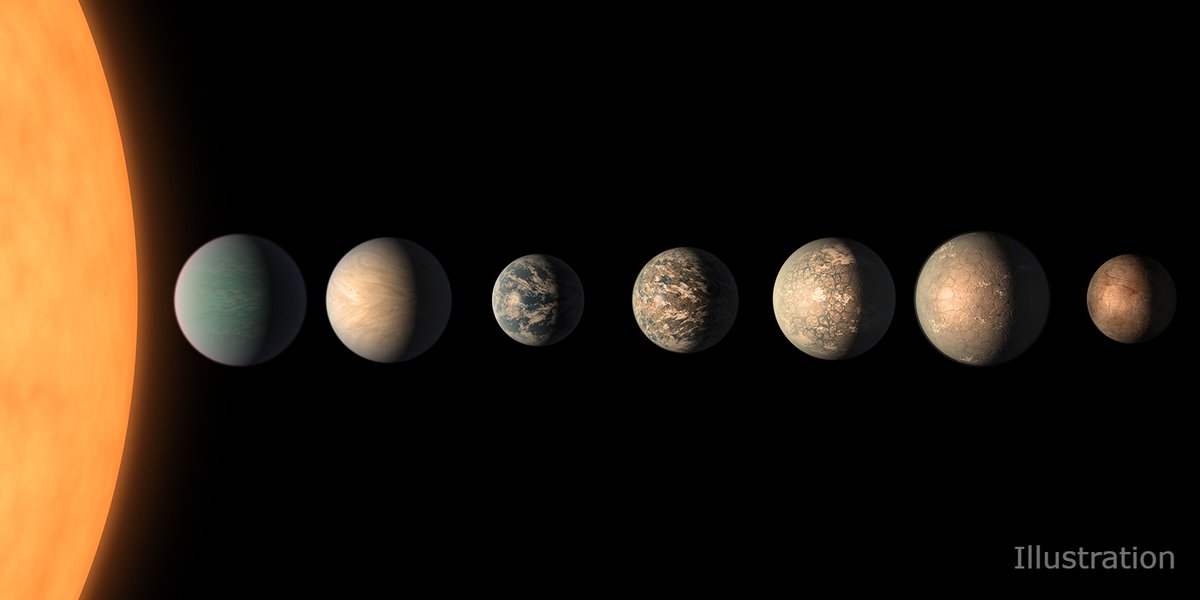
About 40 light-years away lies a planetary system with the most Earth-sized exoplanets found in a star's habitable zone. Learn more about the TRAPPIST-1 system that was recently studied by @NASAWebb: https://t.co/0sxJaVq7RB
#MayTheFourth
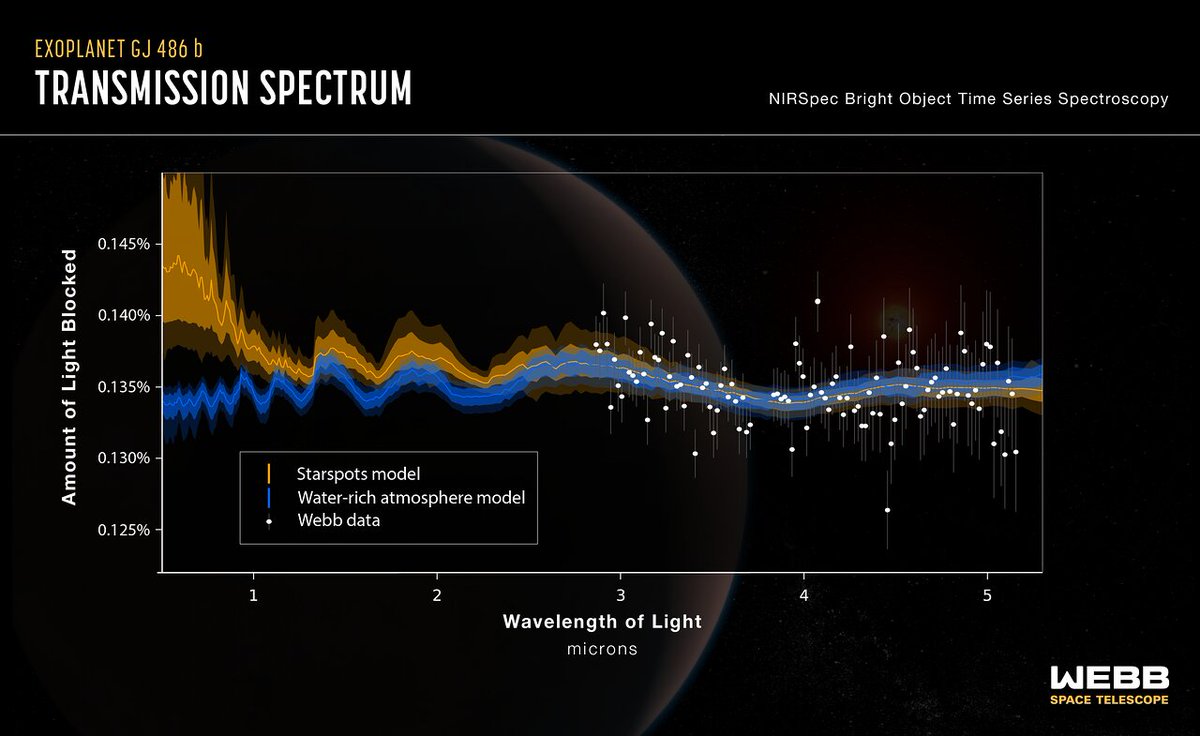
🆕 Webb finds water vapour, but is it coming from a rocky planet or its star? 🌞♨️🌑
Water vapour has been seen on gaseous exoplanets before, but to date no atmosphere has been detected around a rocky exoplanet.
Read more here https://t.co/qrcvz262lT and 🧵 👇
Seven Earth-sized worlds orbit the TRAPPIST-1 star, ~40 light-years away. @NASAWebb studied the innermost planet and measured its temperature and found little evidence of an atmosphere. These observations bode well for studying the rest of the planets: https://t.co/NbGCQAYhLZ
Get ready – on April 3 @NASA will announce the first #Artemis astronauts who will orbit the Moon.
These four star-sailors will fly on Artemis II, representing the next giant leap toward long-term exploration and discovery on the Moon: https://t.co/Ray4tJyBzF
A million-second exposure. 10,000 galaxies. One mind-blowing image.
The Hubble Ultra Deep Field image unveiled a powerful, deep view of our universe #OTD in 2004.
This image only covers the amount of sky you can see through an eight-foot-long soda straw: https://t.co/zaMJELUaJz