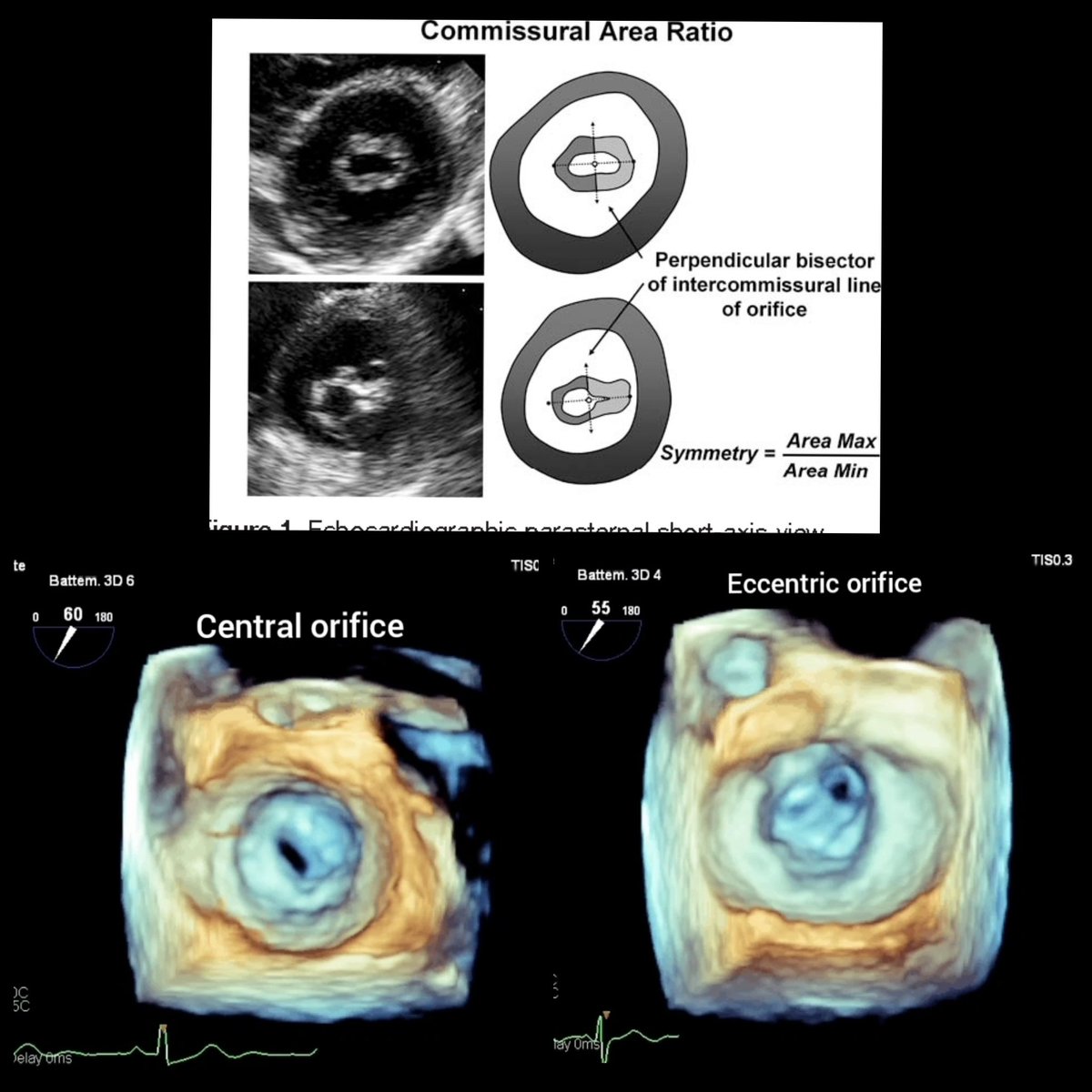
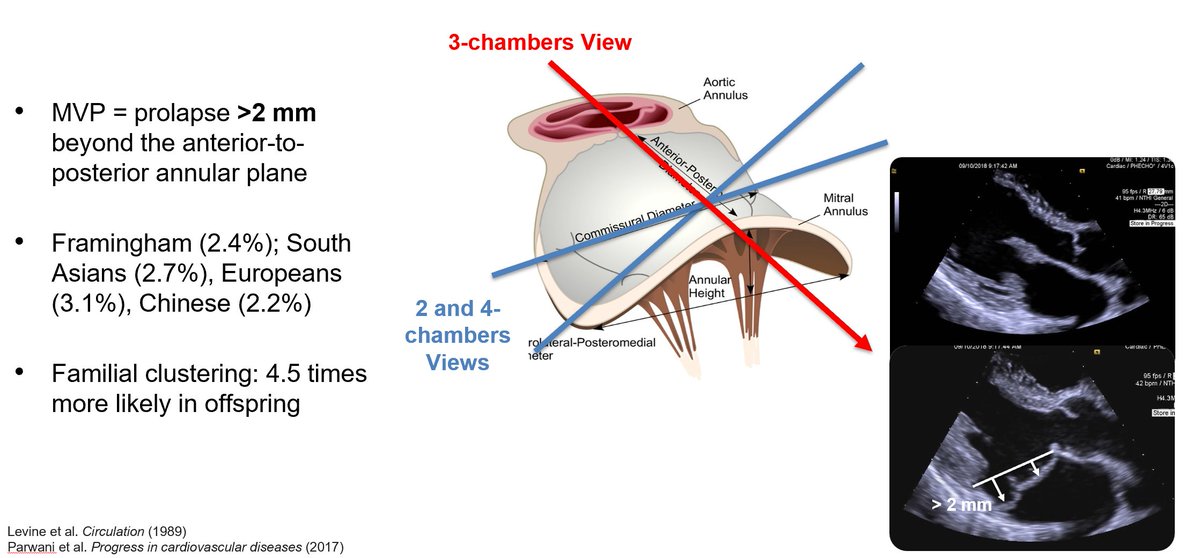
Our 6th Advanced Imaging Techniques: Virtual Experience will be held August 29-30! 🫀
Sign up: https://t.co/fjOt7k7Crk
Attendees will gain a systematic approach to the evaluation of MR and TR using 3D technology, providing the precision required for modern clinical practice.
Most echocardiography laboratories have adopted the 2016 diastolic guidelines. With the release of the 2025 update, an important question arises:
What are the key conceptual differences between the 2016 and 2025 approaches to diagnosing diastolic dysfunction?
https://t.co/FPkUqRtmYd
@JGrapsa
ASE and the @accpchest recently partnered on a project to develop two educational webinars to improve the understanding of cardiovascular ultrasound's application in pulmonary hypertension.
You can find them on our #new Right Heart Resources web page! https://t.co/aHA1IniTS3
Assessing the Right Ventricle (RV) in 2D Echo
The RV has a unique crescent shape, half-moon in long axis, crescentic in short axis.
From RV-focused apical views:
🔸 Basal diameter > 41 mm
🔸 Mid RV diameter > 35 mm
→ Suggest RV enlargement
Both linear and area measurements help in evaluating RV size and function.
#CardioNuggets
“Teardrop Heart” in Congenital Absence of Pericardium
🫀 Why the “teardrop” shape?
• No pericardial restraint → heart is unusually mobile in the chest
• Leftward displacement → heart shifts toward the left hemithorax
• RV can appear abnormally prominent and findings may mimic those of ASD
✨ Result:
• The LV elongates and stretches downward
• Cardiac silhouette appears narrow superiorly + bulbous inferiorly
#CardioNuggets #MedEd #CardioMed
Patent Foramen Ovale (PFO): a fetal cardiac shortcut that persists in about 1 in 4 adults.
A quick embryology reminder:
During early cardiac development, the common atrium undergoes septation. The septum primum grows downward toward the endocardial cushions, initially closing the ostium primum. Before this closure becomes complete, programmed cell death in its upper portion creates the ostium secundum, preserving interatrial blood flow.
A second muscular partition, the septum secundum, then develops to the right of the septum primum, forming a flap-valve mechanism between the atria: the foramen ovale.
In fetal life, this structure is essential.
Oxygenated placental blood returning via the IVC is directed by the eustachian valve toward the interatrial septum, allowing blood to pass through the foramen ovale into the left atrium and into systemic circulation—bypassing the nonfunctioning fetal lungs.
Meanwhile, deoxygenated blood from the SVC is preferentially directed away from this pathway, minimizing admixture.
At birth, everything changes.
With lung expansion, pulmonary vascular resistance falls, right-sided pressures decrease, and left atrial pressure rises. This pressure shift pushes the septum primum against the septum secundum, functionally sealing the foramen ovale.
In most people, permanent fusion follows.
But in ~25% of adults, fusion remains incomplete, leaving behind a Patent Foramen Ovale.
Usually silent. Sometimes clinically significant.
Think cryptogenic stroke, paradoxical embolism, decompression illness.
Reference: Textbook of Interventional Cardiology , Eric J. Topol
🫀 #CardioNugget: Flail Gap vs Flail Width in MR
📍 Flail Gap
➡️ Distance between the flail leaflet tip and the coaptation line
➡️ Think: “How far is the leaflet flying into the LA?”
🔴 Larger gap = more severe MR
✅ MitraClip-friendly: <10 mm
📍 Flail Width
➡️ Medial–lateral extent of the flail segment
➡️ Think: “How wide is the damaged portion?”
🔴 Wider segment = more complex repair
✅ MitraClip-friendly: <15 mm
🎯 Why it matters?
Both help determine severity + feasibility of transcatheter repair (e.g., MitraClip)
#CardioNuggets #MedEd #TEE #MitraClip
✅ NUEVO en "García Fernández te pone al día"
Morfología en embudo del foramen oval permeable en ecocardiografía tridimensional: una nueva característica anatómica de alto riesgo
👓 https://t.co/qwjvFoTPH0 ◀️
El estudio describe en el foramen oval una morfología en embudo, detectada por ecocardiografía transesofágica tridimensional, que podría identificar un fenotipo anatómico de mayor riesgo embólico
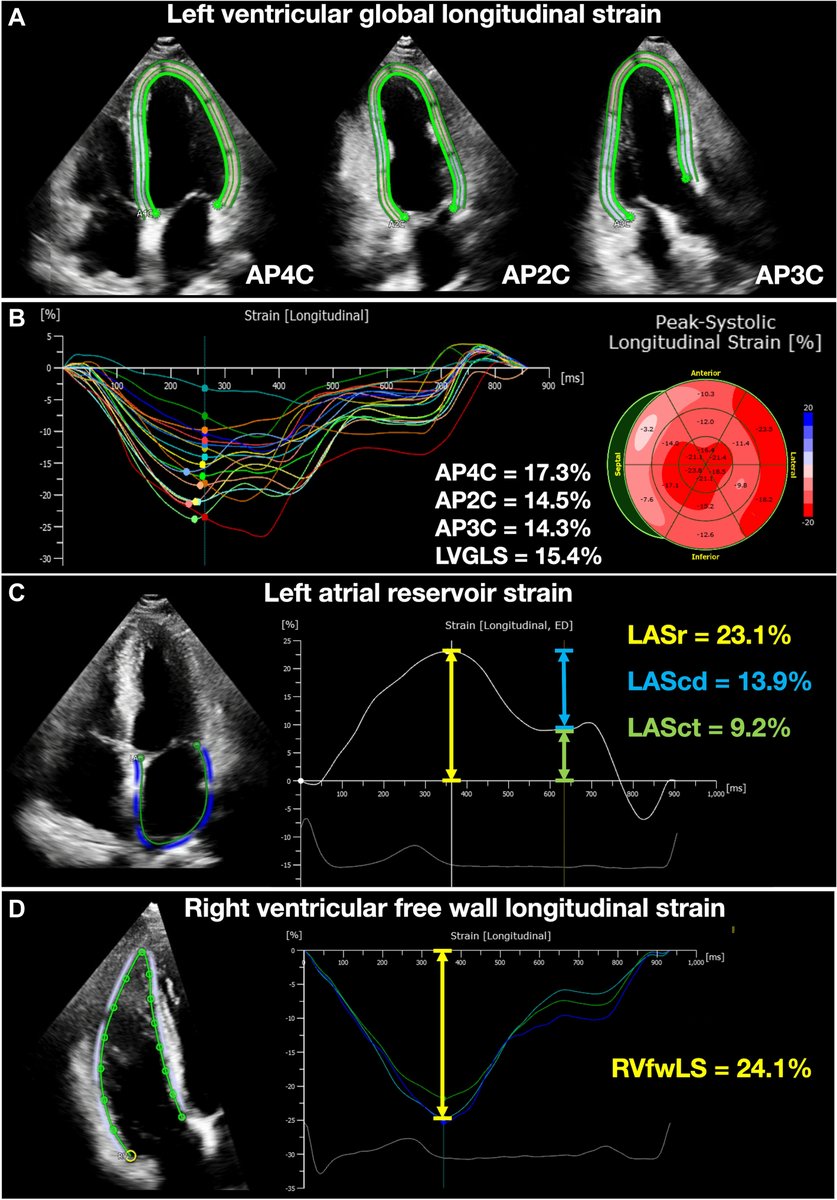
💓 Left atrial reservoir strain (LASr) predicts heart events better than LV or RV strain. 🩺 Routine LASr measurement may improve risk assessment and patient care 📊 https://t.co/x1DwWY3mgp
#JACCAsia@pi_the_anion
@Mr_Hyde1866 Assino embaixo.
Tive câncer de testículo no primero ano de faculdade de medicina.
Há 22 anos, sigo apenas com um, tenho duas filhas, Testo NORMAL, apesar da indicação NUNCA suplementei e, como Cardiologista vejo diariamente gente se lascando com o “canto da sereia da Testo”…