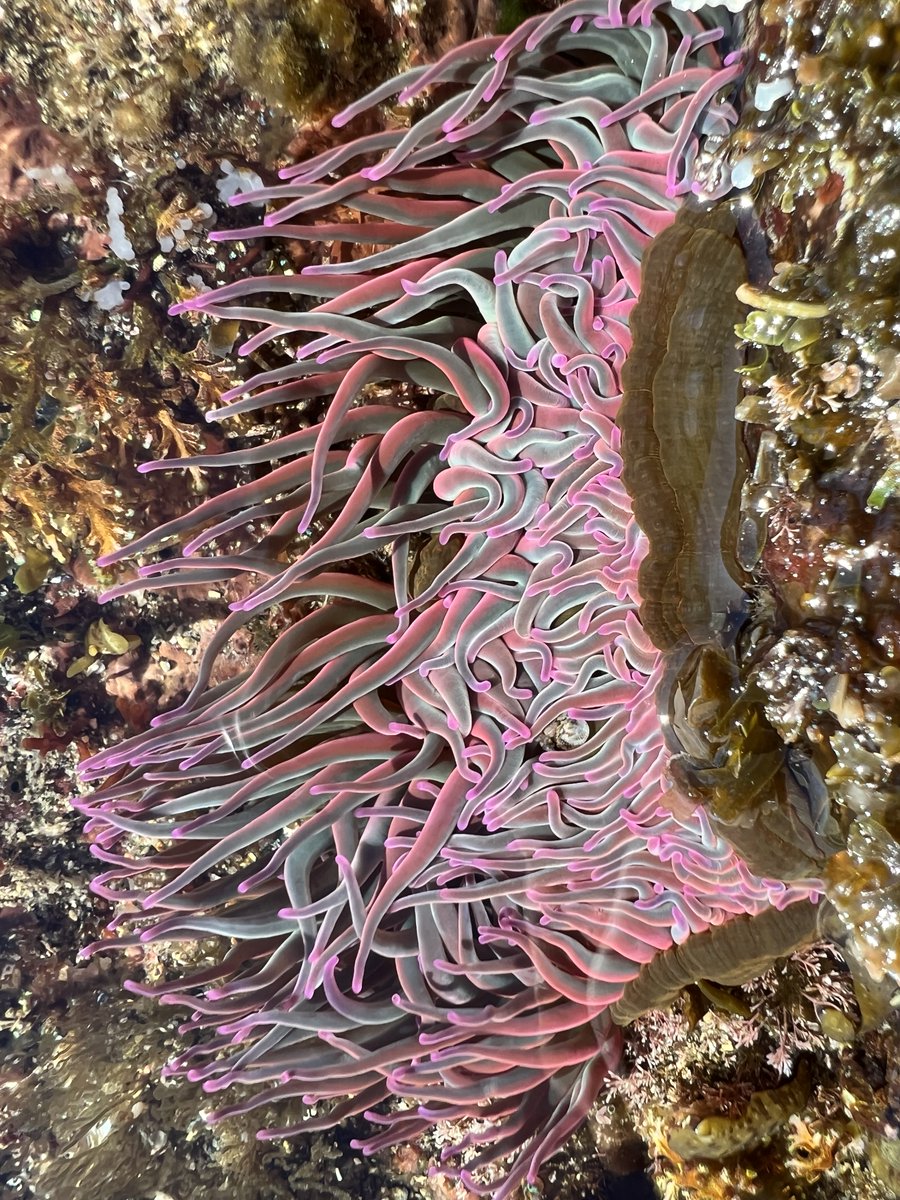
I am looking for a new postdoc to join the lab. Interested in pluripotency, germ cells, and in investigating these in a genetically tractable cnidarian? Get in touch! We offer a long-term contract, excellent research environment, and a lovely city #Galway. https://t.co/2hLNLGNGxe
Glad to share that our latest work is published in @NAR_Open! We systematically benchmarked 9 methods’ performance in diverse phylogenetic distance species integration tasks, across the entire animal taxonomic hierarchy! #CellTypeTreeOfLife#Evolution
https://t.co/sx5AmYWb1w
New PostDoc opportunity in coral genomics and conservation genetics! Come join the Marine Conservation group (@TheBaumsLab) at @HIFMB_OL in Oldenburg!!! 🪸🧬🔬
https://t.co/xFH31be0oL
Postdoc position available in my lab in Southern France - If you are interested in the role of crosstalk in marine microbial interactions in sea anemones, please apply before 5 July! #coralreef#microbiology@upvd1@criobe_pf
Job offer below. Pls share!
🪸🧫🧬
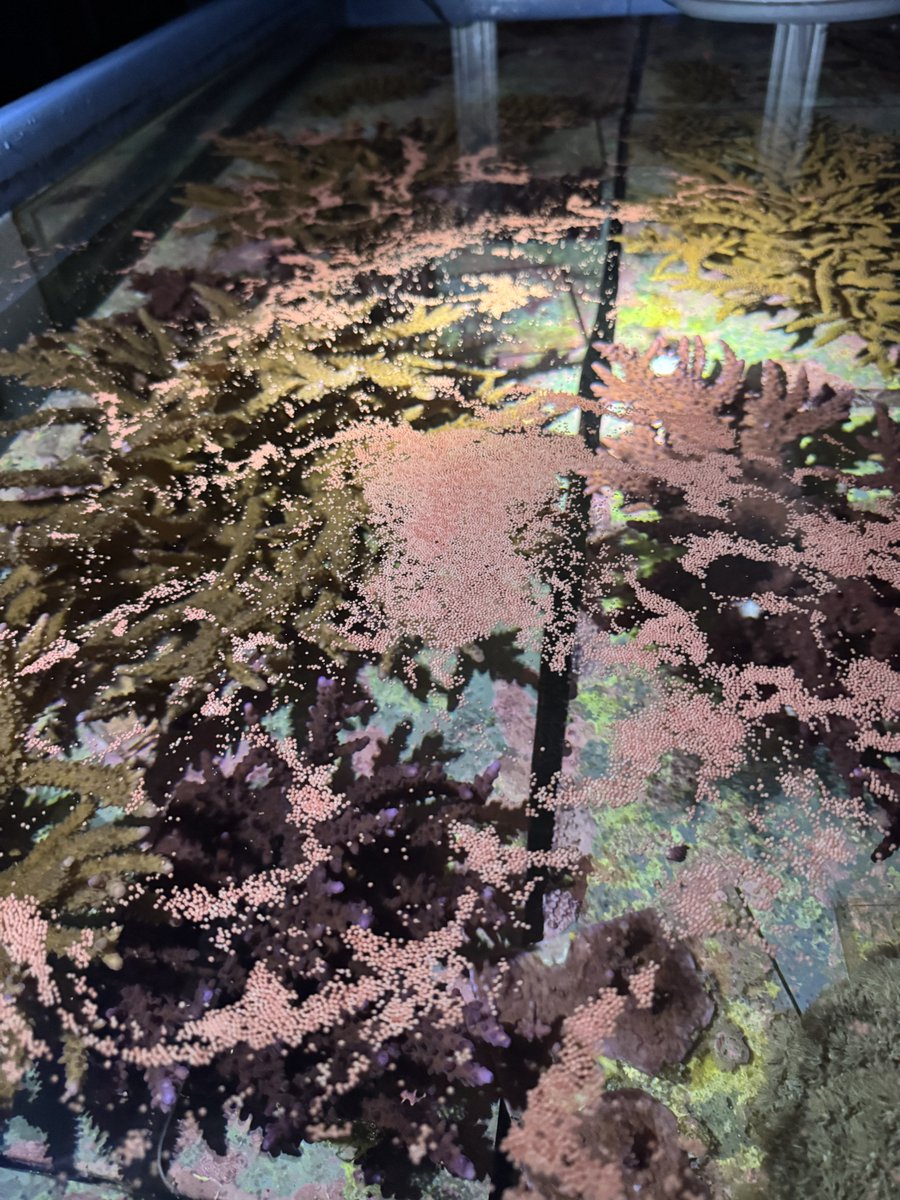
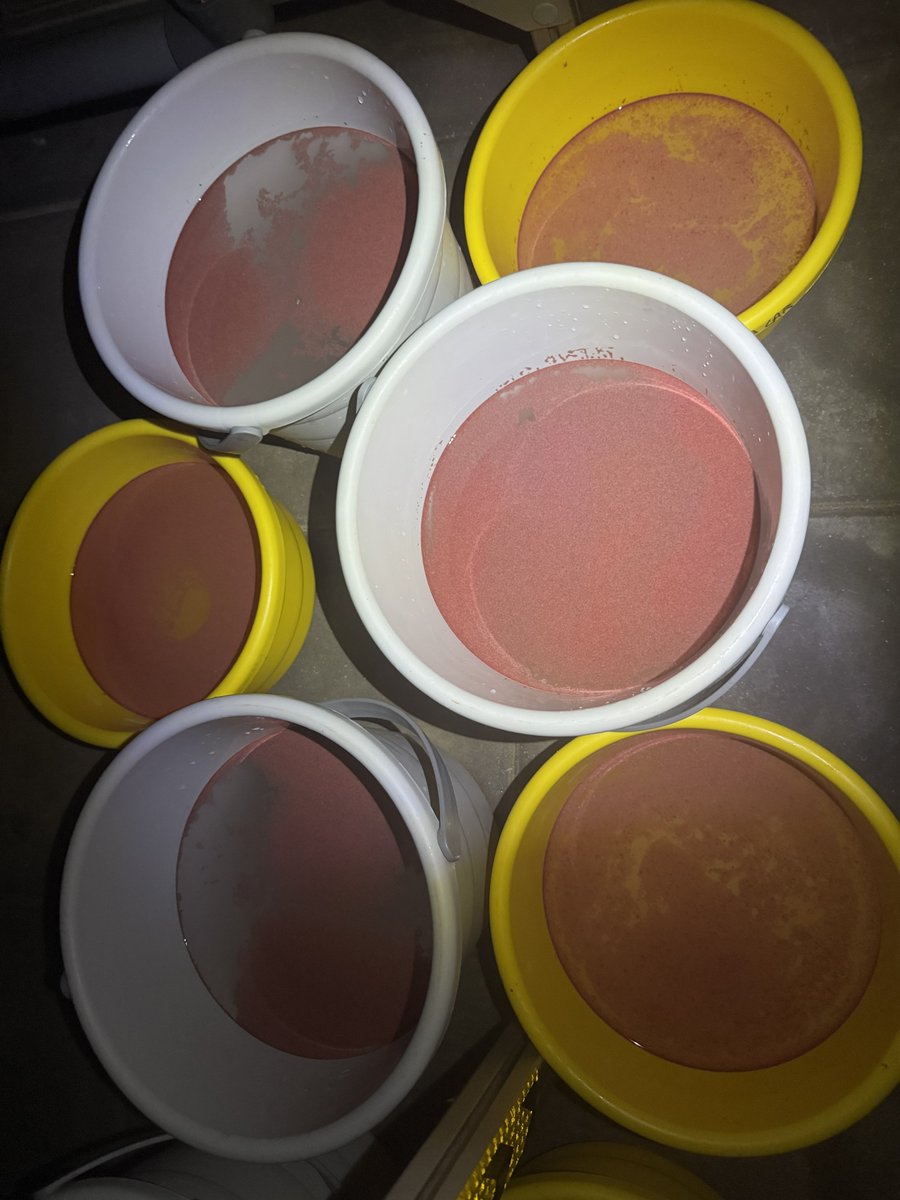
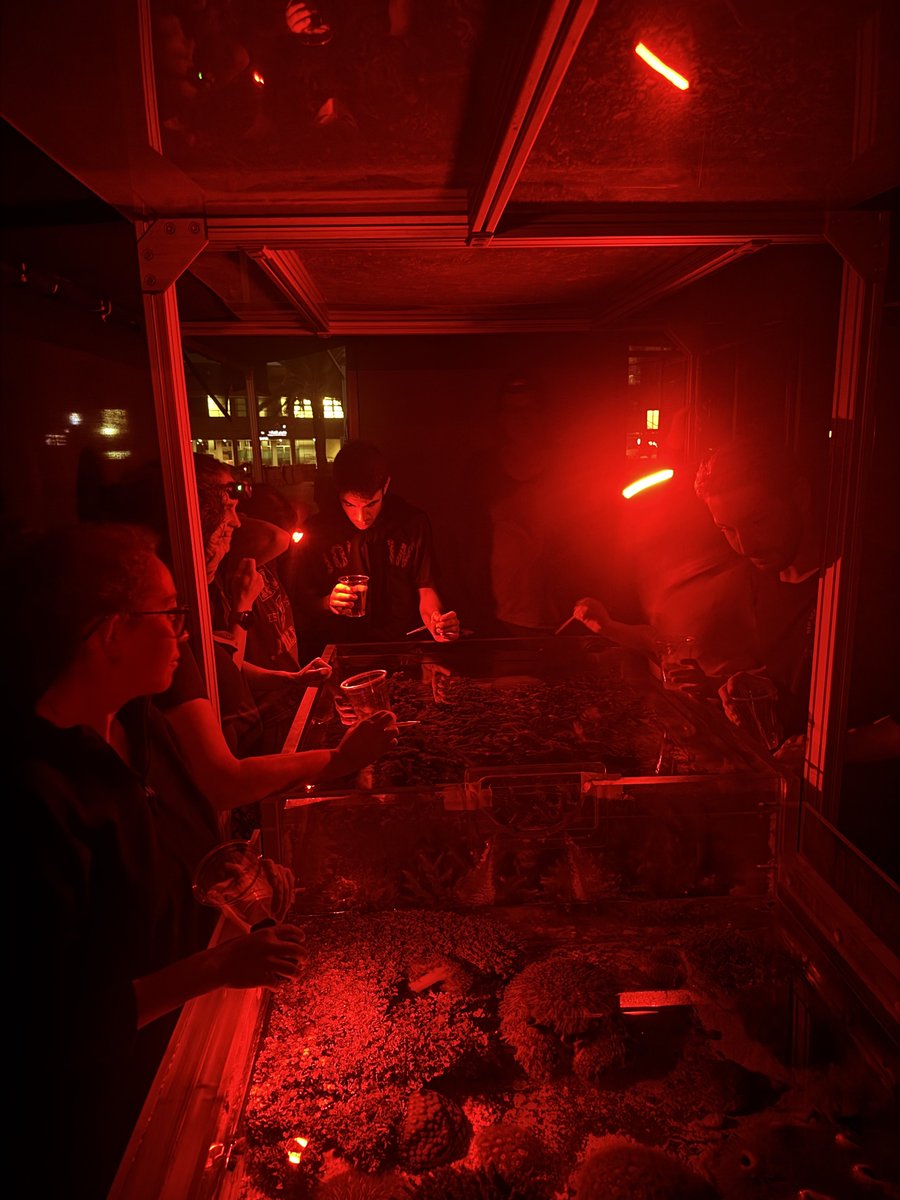
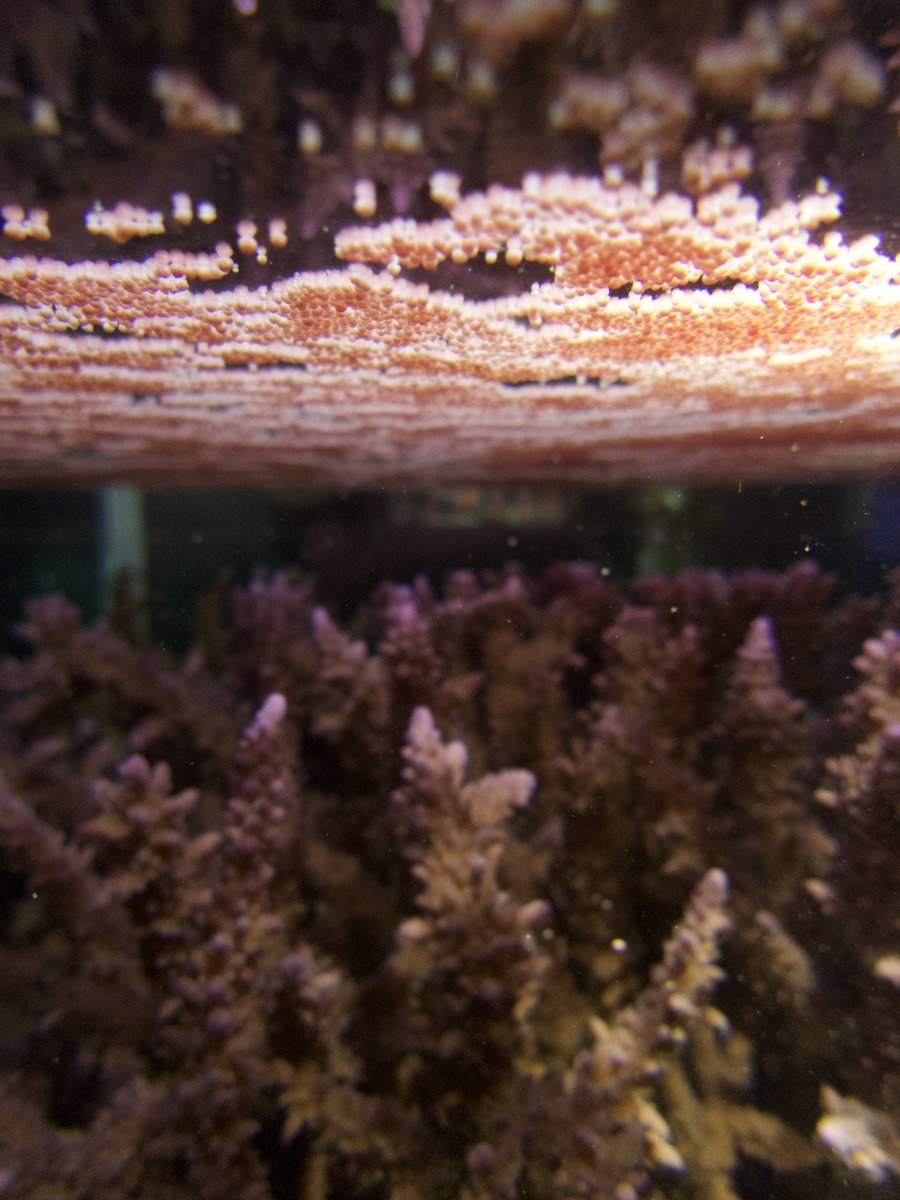
(13.04.2024) On the expected nights, our Platygyra colonies spawned for the third year in a row in our tanks on land.😃 Spectacular event!🪸🌒 #coralspawning#RedSea
🎥:@halz23
@CoralSymBiomiX
@RSRC_KAUST
We are hiring: Postdoctoral position in engineering disease resistance into wheat
Wulff Lab, KAUST, Saudi Arabia (https://t.co/x5Kw6YyXhz)
For application details please visit: https://t.co/SoF2blNVw3
Excited to share our latest preprint on the stony coral Astrangia poculata! We present a suite of tools to manipulate gene function including gene knock-in positioning Astrangia as a powerful model for coral development and evolution. More here 👇:
https://t.co/OGXGOSLJgY
Cui et al. find that cnidarian animals including corals, anemones & jellyfish share a common mechanism to regulate their association with symbiotic algae, despite evolving independently.
@GuoxinCui
@CoralSymBiomiX
https://t.co/g2PXyr02ha
@RSRC_KAUST @kaustcda @KaustResearch A nice complementary work from Nils Radecker, back-to-back with ours @NatureComms, further extends the model to more environmental contexts. As always, many beautiful NanoSIMS results to enjoy! https://t.co/S7covrHy77
New paper in @NatureComms elucidating the carbon-nitrogen negative feedback loop in cnidarian-algae symbioses. Our findings confirmed the model we proposed first in 2019 and now offer a parsimonious explanation for their repeated evolution. @CoralSymBiomiX https://t.co/fMRhm2fhBB
Thanks for the great efforts from all collaborators @RSRC_KAUST @kaustcda @KaustResearch. We validated the model with cell density, enzyme activity, transcriptomics, and high-resolution metabolomics analyses, revealing the regulatory mechanisms of these symbiotic relationships.
We are happy to announce that our collaborative paper reporting the closure of the Aiptasia life cycle with my dear colleague @TWH00829518 and Liz Hambleton from my former home @COSHeidelberg is out: https://t.co/UYPNNExRwz
The #Aiptasia life cycle is closed! A prerequisite to settlement of larvae is actively hunting prey, not #symbiosis. Thus, carnivory likely is an ancestral feature in the cnidarian gastrula life stage: https://t.co/h5nyLDASwY
Exciting new wheat research! Two papers out in @NatureGenet today propose the ‘integrated decoy model’ for kinase fusion proteins in wheat disease resistance.
https://t.co/QgFdmZ3nsn
https://t.co/ik9IGYRvYs
#CASFellow Manuel Aranda @CoralSymBiomiX @RSRC_KAUST will present his research "Exploring selective breeding as a strategy to increase the thermal resilience of reef-building corals" on May 5, 2023 at 2pm, Lecture Hall 2408, @TU_Muenchen Main Campus. Get an impression 👉📽️