This reminds me of an old Soviet joke (context: Cossacks were a prototypical “tough guy” in Soviet jokes).
A Soviet official from the city was visiting the far east and being shown around by a Cossack.
They run a red light.
The official asks the Cossack, why didn’t you stop?
Offended, the Cossack replies: we are a proud and strong people, why would we stop just because a light asks us to?
They keep driving, and then stop at a green light.
The official asks, why did you stop, the light is green?
The Cossack: oh we have to stop. There might be another Cossack driving through and we don’t want to get hit.
Nice illustration of equilibrium :)
Hi folks. It's that time of year when we evaluate our curriculum. I would really appreciate it if anyone could have a look over it. What are we missing? What needs changing? Does it flow properly? Does it prepare students from KS4 & 5?
Any Feedback much appreciated.
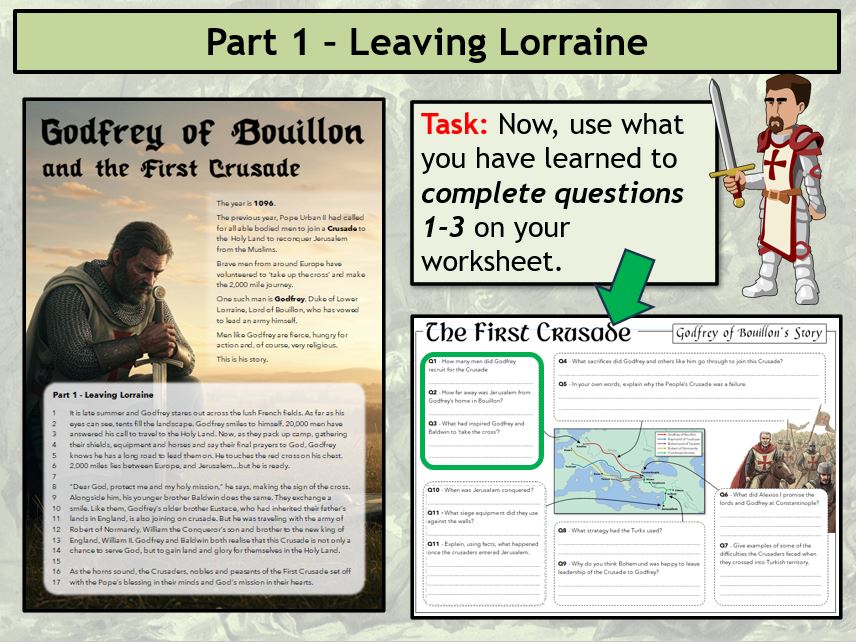
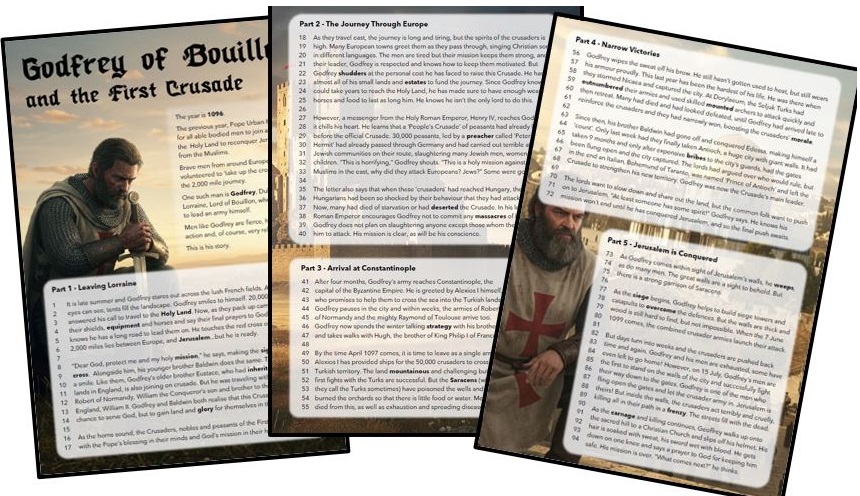
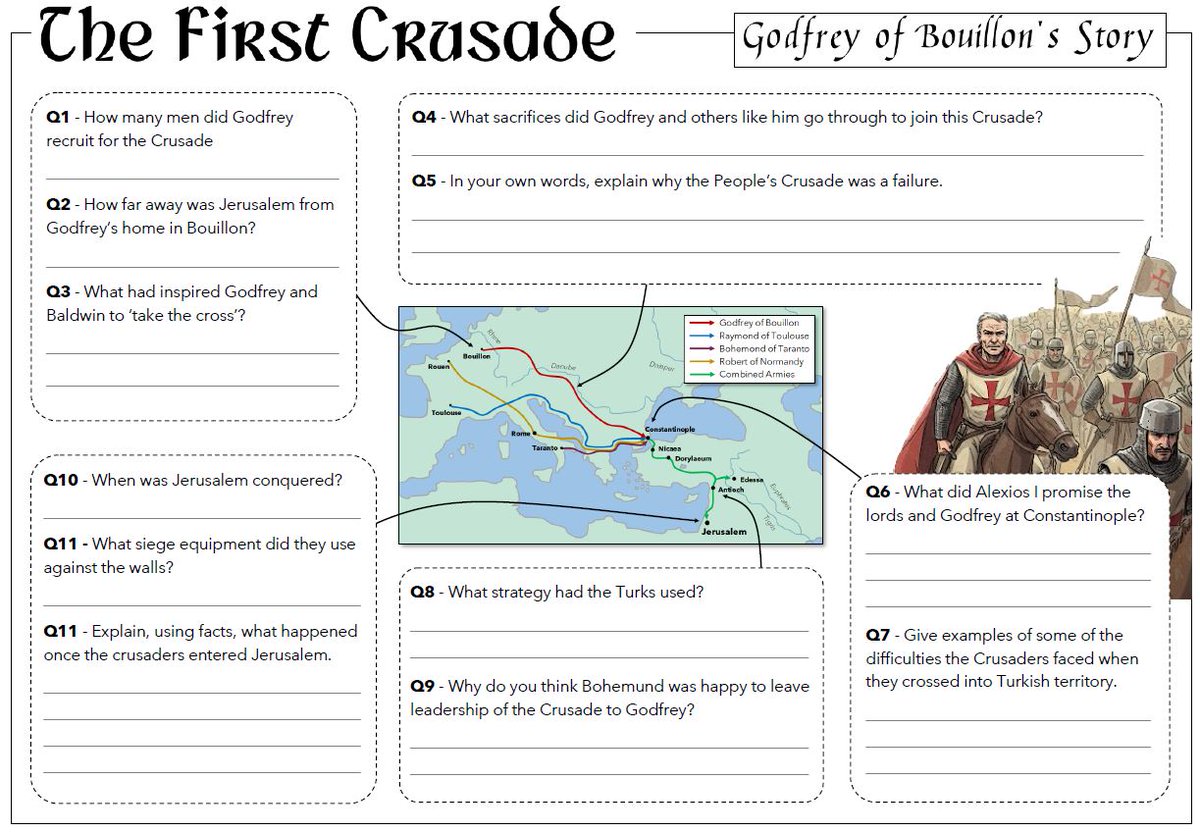
Teaching Crusades? I use storytelling to teach the events & consequences of the First Crusade through Godfrey of Bouillon's eyes. Kids found this really interesting. Here's the PDF story: https://t.co/F9b6hvXVkq and the full lesson: https://t.co/ACJ12ehG9y #historyteacher
Another on the Crusades, this time looking at why people were eager to join. Students categorise perspectives to form a judgement about the main reason why people went. Here's the PDF info sheet: https://t.co/34V6Qv8vIK & editable lesson: https://t.co/hVy30eBQuz #historyteacher
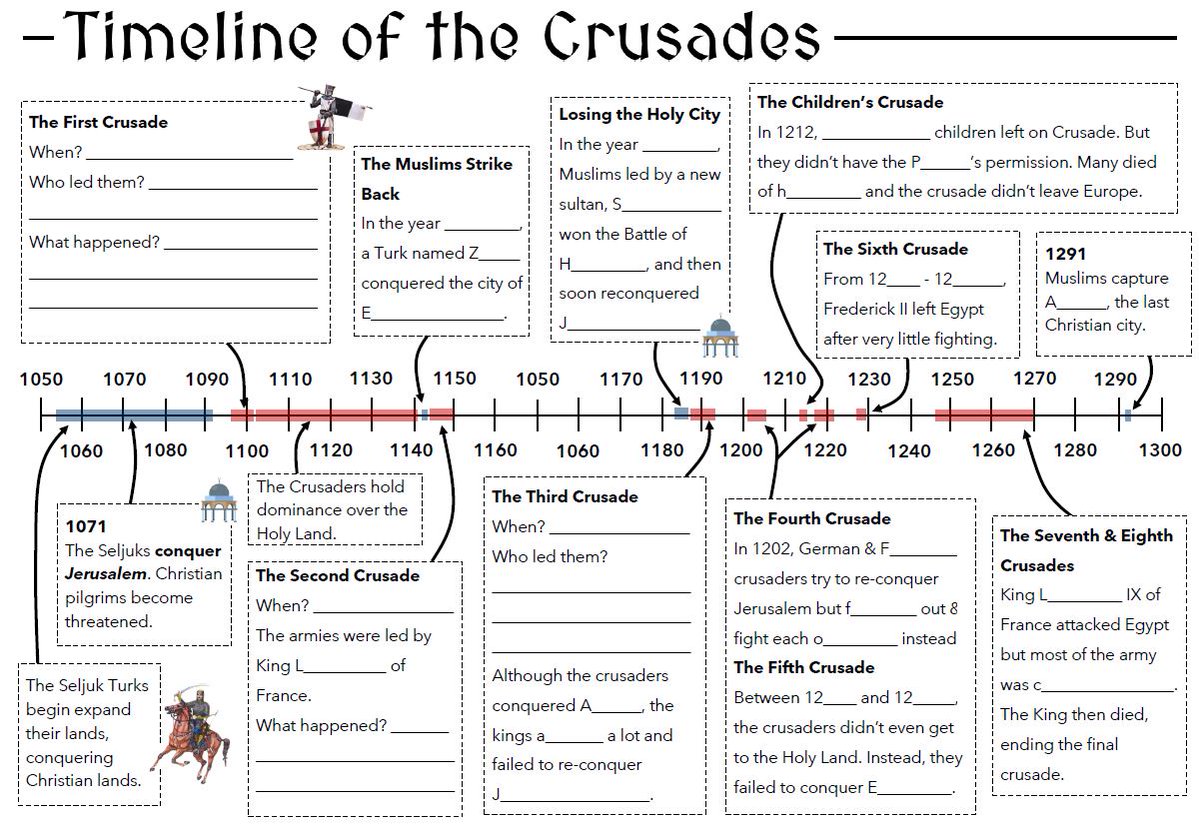
This lesson on the Crusades has students find out the origins of the tension and plot an overview of the Crusades on a timeline for the 'big picture'. Here's the PDF timeline: https://t.co/BWyaNbCo9D and the full, editable lesson: https://t.co/KV9E8XkAk3 #historyteacher
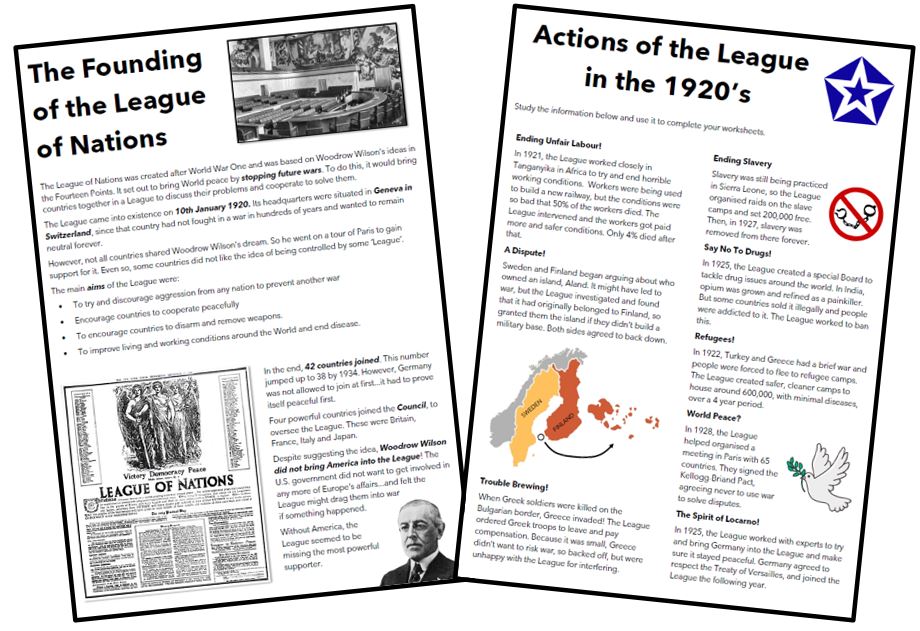
A KS3 lesson on why the League of Nations was founded. This one has students summarising and rating their successes. Have a look at the PDF worksheet: https://t.co/JrtRzH2hvt and the full, editable lesson: https://t.co/os7sqYEjfH #historyteacher
For KS3 Dictators, we look at how Hitler KEPT power. This one has a series of info cards and students make notes on a scale from convincing people to forcing people. Here's the info cards: https://t.co/uGhQUMjPAA and the full lesson: https://t.co/prXXBTf6Fu #historyteacher
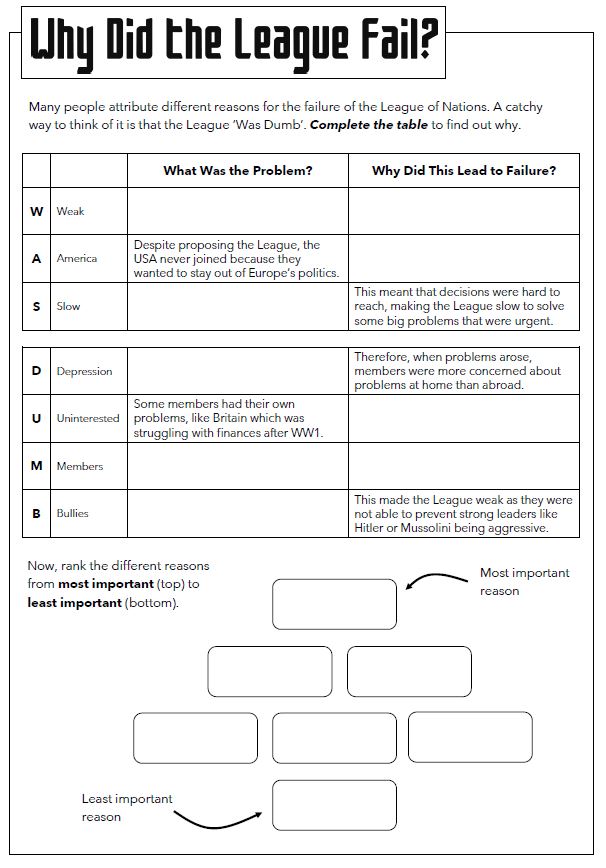
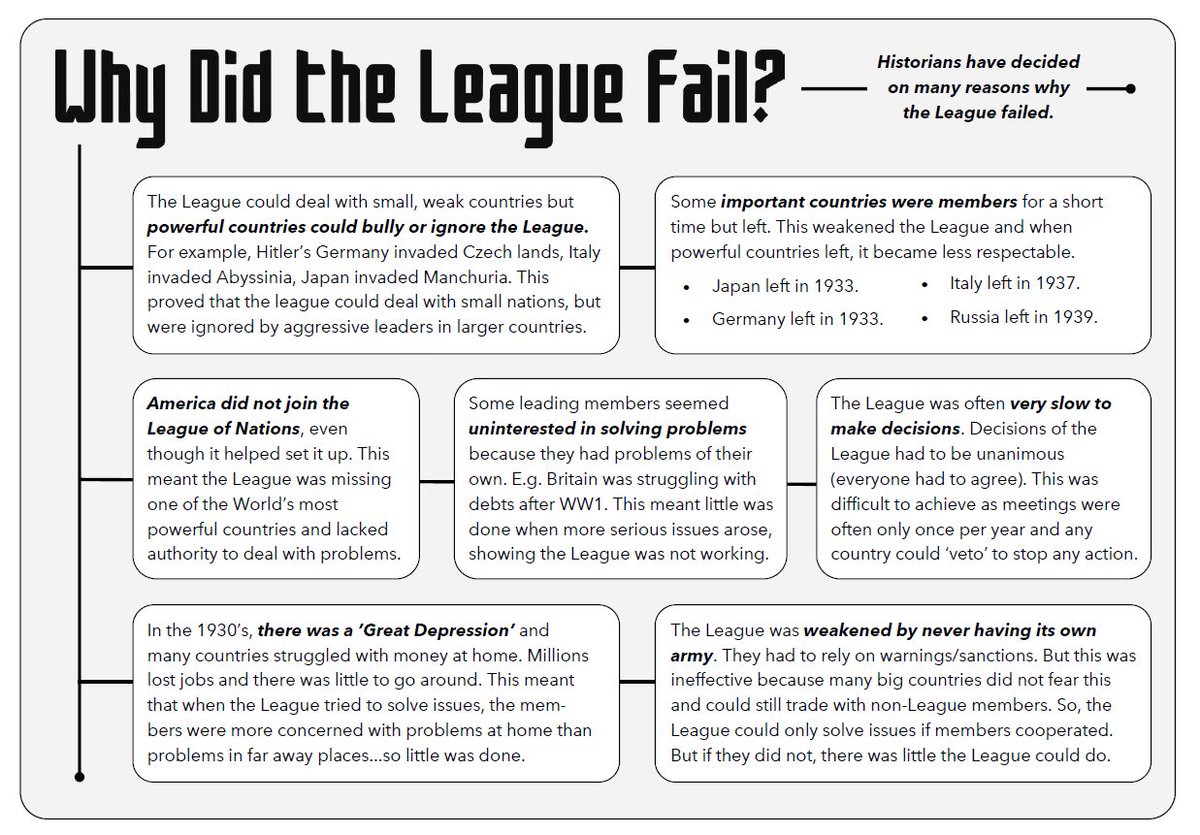
This lesson cover why the League of Nations failed. This is a useful KS3 lesson which we do before starting our Dictators module. Have a look at the worksheet here: https://t.co/ABKlS4kfIk and the full, editable lesson: https://t.co/g9B2HQw68L #historyteacher
A new lesson for KS3 Dictators on Hitler's Rise to Power. We all have different ways to teach it, but I use a broad info sheet for students to categorise the reasons. Here's the info sheet: https://t.co/8U22bceh2k and the full lesson: https://t.co/PT0zXylA5V #historyteacher
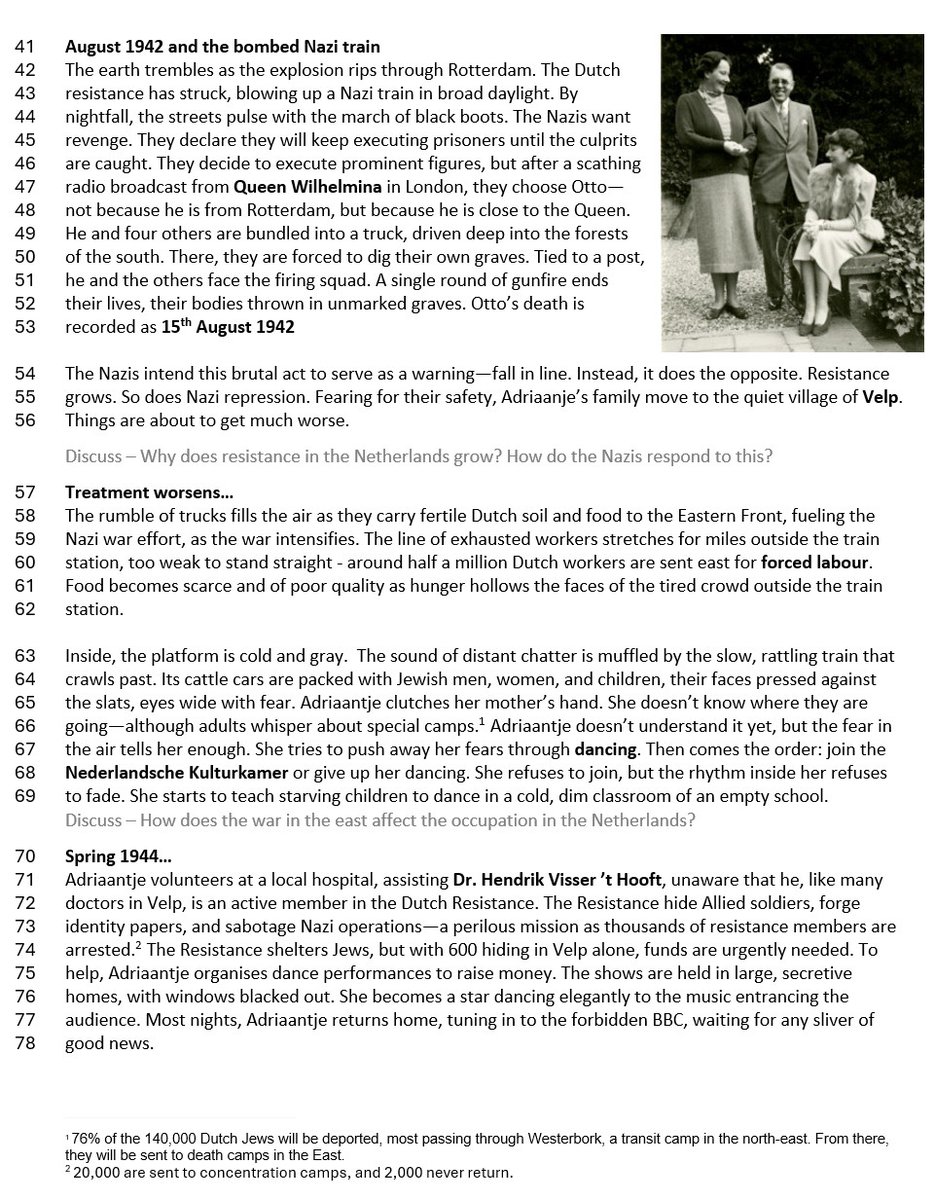
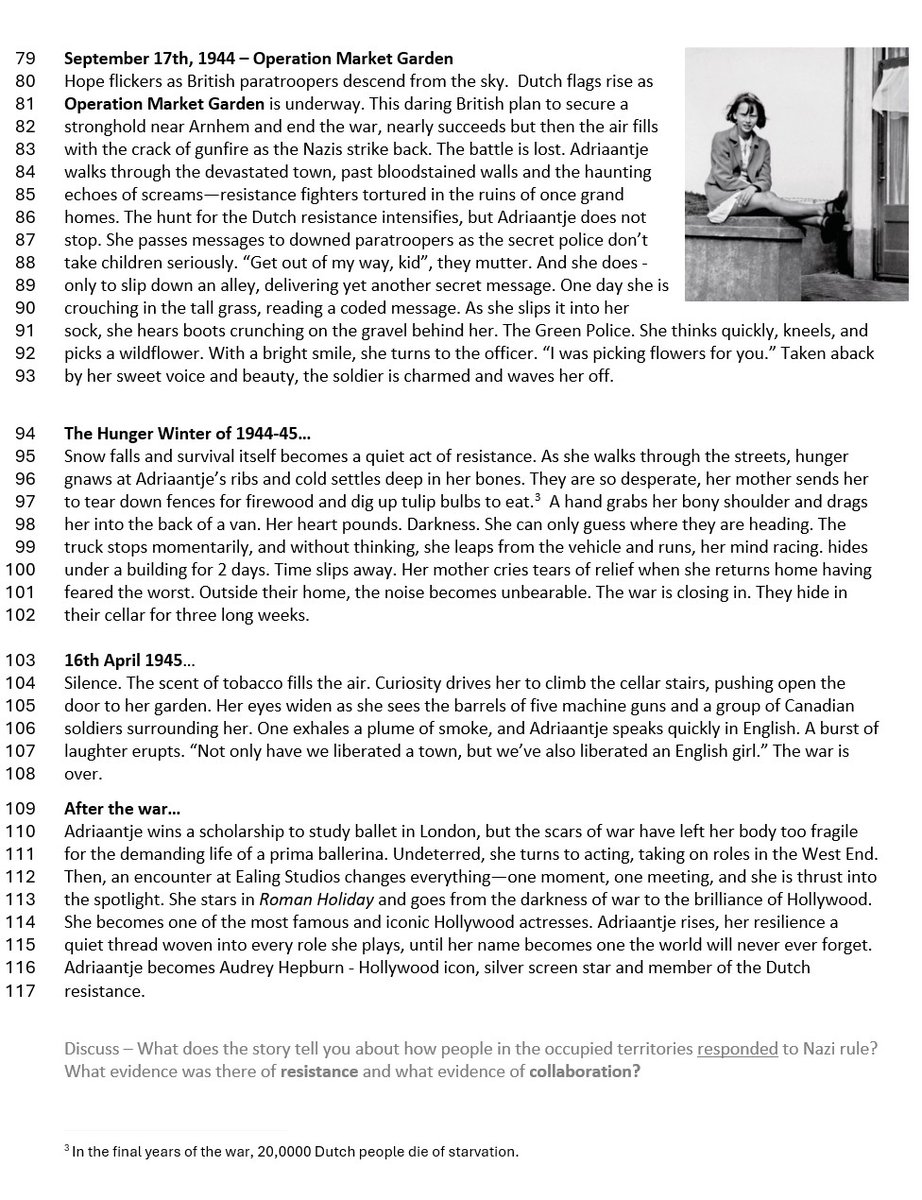
Super pleased to have finished another story (in collab w/ the fantastic @PeteJackson32) for our GCSE Nazi enquiry on occupation in the East vs West. I can't wait to teach this after half term! We are always open to feedback!
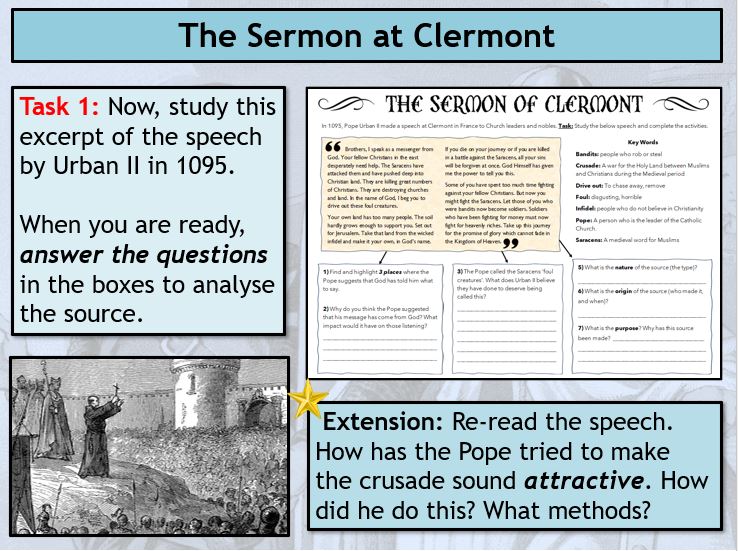
We’ve built into KS3 this year more teacher directed ‘one slide’ explainers to secure foundational knowledge and key understanding. Teachers work through the scaffolded aspects of the slide whilst students take core notes/make annotations on given illustrations. #historyteacher