🎬 Gelin size Hollywood filmlerinde kamera ne zaman Meksika’ya, 'Ortadoğu’ya', Güney Asya’ya ya da Afrika’ya dönse ekranın neden aniden tozlu bir sarı tona büründüğünü anlatayım:
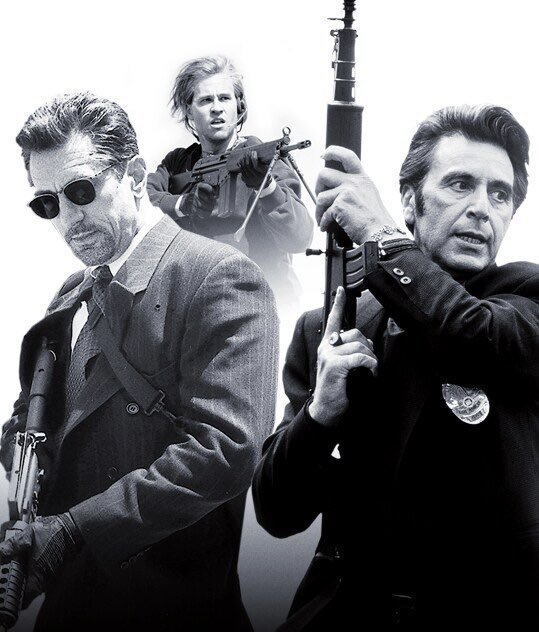
Sinema literatüründe "Yellow Filter" (Sarı Filtre) olarak bilinen bu uygulama, aslında sadece sanatsal bir tercih değil, modern bir oryantalizm ve sömürgeci bakış açısıdır. Breaking Bad ve Traffic’te Meksika’yı, Extraction ve Slumdog Millionaire’de Hindistan’ı, Black Hawk Down’da Afrika’yı ya da pek çok ajan filminde İstanbul’u ve “Ortadoğu’yu” sanki üzerine sarı bir sis çökmüş gibi görmemiz tesadüf değildir.
Bu görsel manipülasyon, Edward Said’in bahsettiği "Öteki"ni inşa etme sürecinin en kestirme yoludur: Batı dünyası parlak ve "soğuk mavi" tonlarla rasyonelliğin, ilerlemenin ve medeniyetin merkezi olarak sunulurken; "Küresel Güney" olarak adlandırılan ve tarih boyunca sömürgeciliğe maruz kalmış coğrafyalar sarı filtreyle boğularak "kaotik, tehlikeli ve durağan" birer suç mahalline indirgenir.
Bu durum, kolonyalizmin kurduğu o üstenci görsel hiyerarşiyi her karede yeniden üretir. Sarı ton; kuraklığı, fakirliği ve "eskiyi" sembolize ederek izleyiciye bu bölgelerin modern zamana ait olmadığı ve "ıslah edilmesi gereken, kirli bir geçmişte takılı kaldığı" mesajını bilinçaltından fısıldar.
Hikaye anlatma biçimi olarak bu filtreyi seçmek, o coğrafyanın gerçek renklerini ve modern dokusunu yok edip Batılı izleyicinin zihnindeki stereotipleri beslemektir. Sonuçta sinematografi, burada bir sanat dalı olmaktan çıkıp dünyayı "medeni merkez" ve "egzotik/vahşi çevre" olarak ikiye bölen politik bir araca, yani sömürgeci zihniyetin görsel bir mührüne dönüşür.
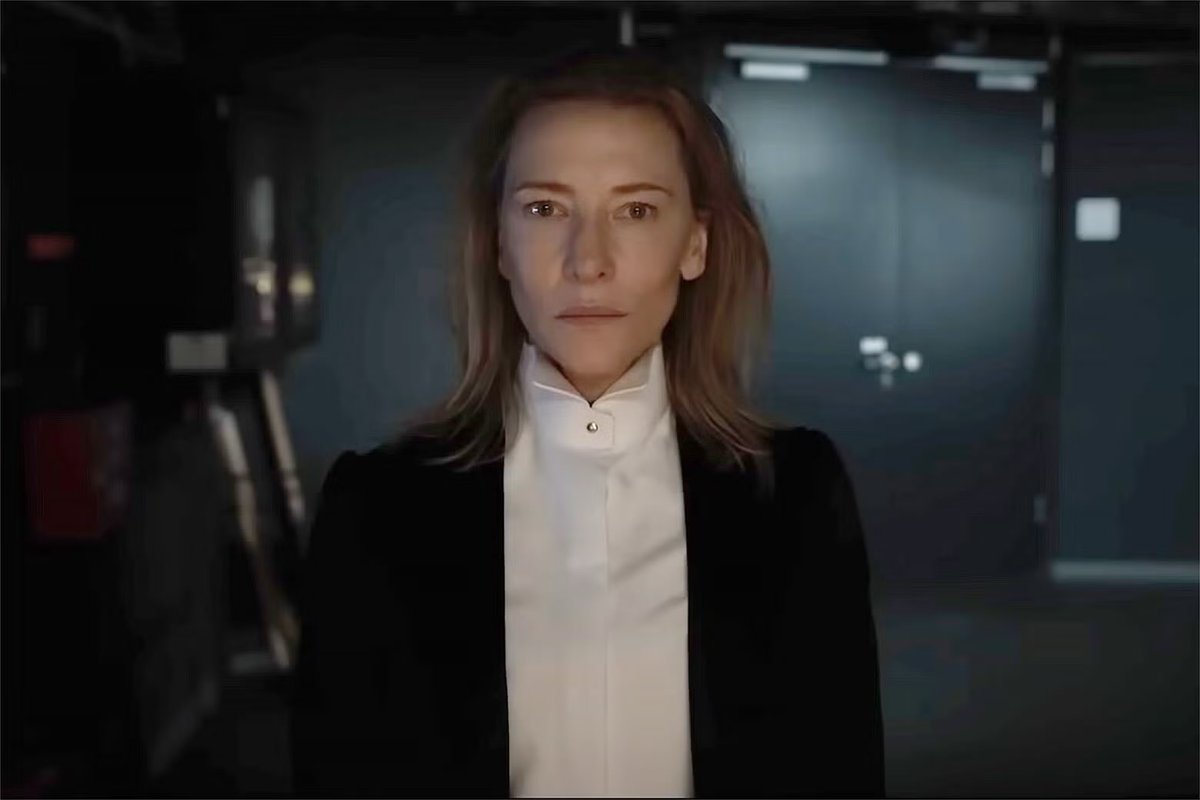
Martin Scorsese on Todd Field’s TÁR:
“For so long now, so many of us see films that pretty much let us know where they’re going. I mean, they take us by the hand and, even if it’s disturbing at times, sort of comfort us along the way that it will be all okay by the end. Now this is insidious, as one can get lulled into this and ultimately get used to it, leading those of us who’ve experienced cinema in the past as much more than that to become despairing of the future of the art form, especially for younger generations. But that’s on dark days.
Scorsese then praises TÁR, “The clouds lifted when I experienced Todd’s film TÁR. What you’ve done, Todd is that the very fabric of the movie you created doesn’t allow this. All the aspects of cinema and the film that you’ve used, attest to this. The shift in locations for example, the shift in locations alone do what cinema does best, which is to reduce space and time to what they are, which is nothing. What you’ve done, Todd, it’s a real high wire act.”
Scorsese also says, “All of this is conveyed through a Masterful Mise-en-scène, as controlled, precise, dangerous, precipitous angles and edges geometrically kind of chiseled into a wonderful 2:3:5 aspect ratio of frame compositions. The limits of the frame itself, and the provocation of measured long takes all reflecting the brutal architecture of her soul: Lydia Tár’s soul.”
Warm colors increase your heart rate. Cool, washed-out tones lower it. Every remake you’ve watched in the last decade has been deliberately color-graded to flatten that signal.
It started in 2000. The Coen Brothers shot O Brother, Where Art Thou? in Mississippi during summer, when everything was, in Joel Coen’s words, “greener than Ireland.” They wanted a dusty Depression-era look. Cinematographer Roger Deakins tried every trick in the book: chemical treatments, lens filters, old darkroom techniques. Nothing worked. So they did something no one had done before: digitally scanned the entire film and recolored it frame by frame. Deakins spent 11 weeks turning lush greens into burnt yellows. No feature film had ever been entirely digitally color graded before.
Every major studio adopted the technique within a few years. And then the problems started.
Modern film cameras don’t capture what your eyes actually see. They intentionally record flat, grey, washed-out footage to capture as much detail as possible. The plan is for the color team to add vibrant color back in later. But the people doing that work stare at grey footage for weeks. Their eyes adjust. One filmmaker admitted he’d bring saturation up to 120% and feel satisfied, then realized the image still looked desaturated to everyone else. He had to crank it to 200% before it looked normal.
That’s just eye fatigue. The color draining also happens on purpose.
Muting colors hides bad CGI. If a computer-generated background doesn’t quite match the actors, draining the color smooths over the mismatch. The Lord of the Rings extended editions look flatter than the theatrical cuts for exactly this reason: the added scenes had less polished effects, so they were washed out to cover it.
Then streaming made it permanent. Bright colors look messy when video gets compressed for phones and laptops. Dull colors look consistent whether you’re watching on a 75-inch TV or a 6-inch phone screen. So studios color their movies for the smallest screen in the room.
Your brain registers the difference even if you can’t name it. Your eyes are wired to perceive warm, rich colors as closer and more immediate. Washed-out tones create emotional distance. When a studio drains color from a scene, they’re dampening the emotional signal the image sends to your brain.
Old film stock didn’t have this problem. Kodak and Fuji films had rich, punchy color built into the physical chemistry of the film itself. Each brand had a distinct look you could recognize. Digital cameras capture flat, neutral data by default. Getting that warm, vivid “film look” from digital requires skilled work that costs time and money. Most productions don’t invest enough of either.
Modern cameras can capture a wider range of colors than film ever could. The technology has never been better. The choices have never been lazier.
Tom Cruise is reportedly being eyed to play the villain in Joseph Kosinski’s ‘MIAMI VICE’ film.
If Cruise takes the role, he will be joining Michael B. Jordan and Austin Butler.
(Source: @DanielRPK)
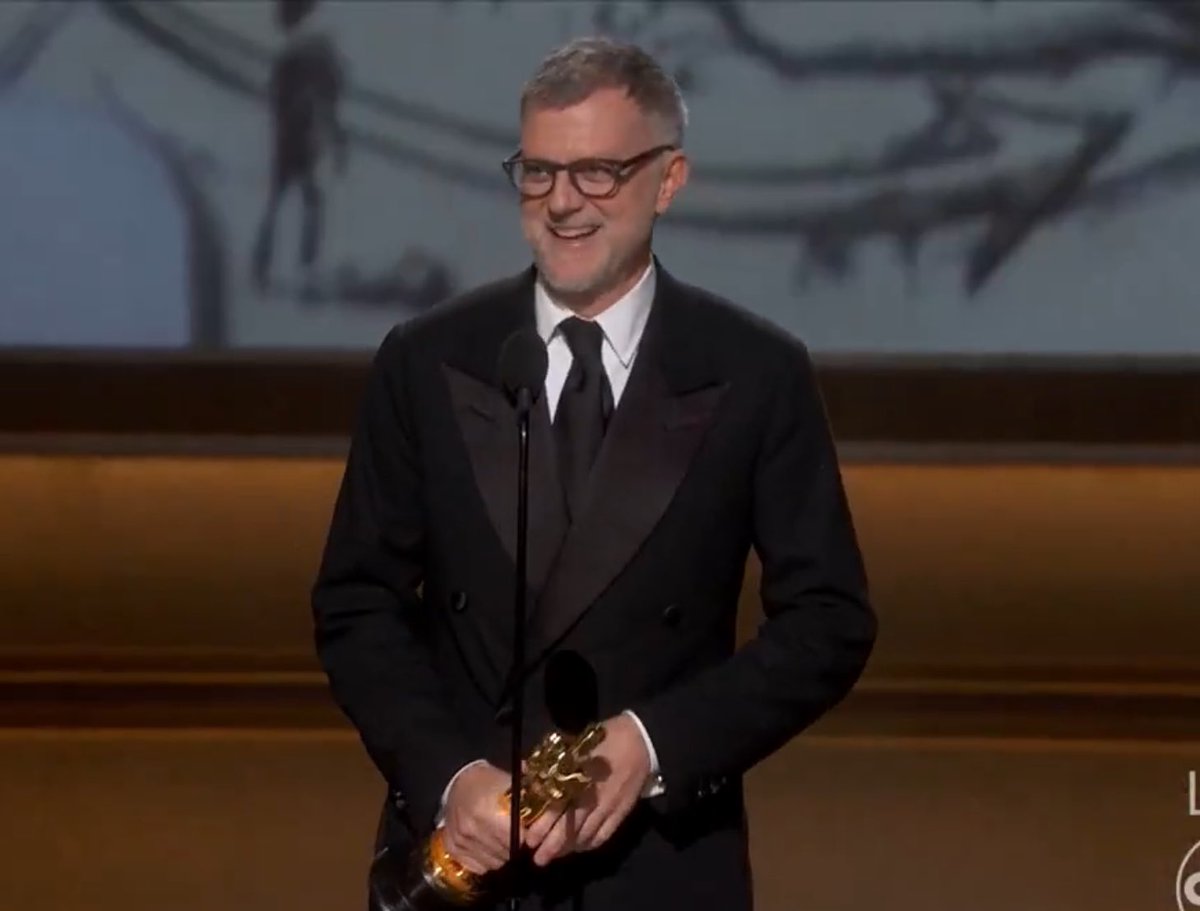
The only filmmaker in Cinema History to win
Best Director at Cannes
Best Director at Berlinale
Best Director at Venice
Best Director at Oscars
PAUL THOMAS ANDERSON 🧡
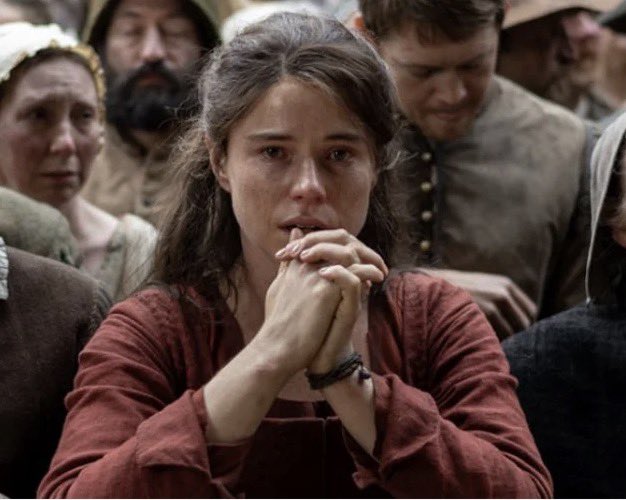
TERRENCE MALICK has come out to rave about Chloe Zhao’s HAMNET:
“I watched Hamnet last night. My heart was in my throat the whole time. I felt shaken to the core. It was searing, wondrous. What a magnificent piece of work.”
https://t.co/7lw7Kyzlms
Trump atirando para todos os lados pra fugir do Epstein e só chamando mais atenção para isso.
- Liberou os arquivos do assassinato de MLK
- Saiu da UNESCO por causa de um estado genocida (Israel)
- Fazendo vídeo de IA bizarro prendendo Obama
Tá nervosinho