If you're aged over 18 and living with #diabetes, you could take part in a study run by researchers at @UniofNewcastle, who're looking at how heat waves impact your day-to-day diabetes management 🌡️💦 #TrialTuesday
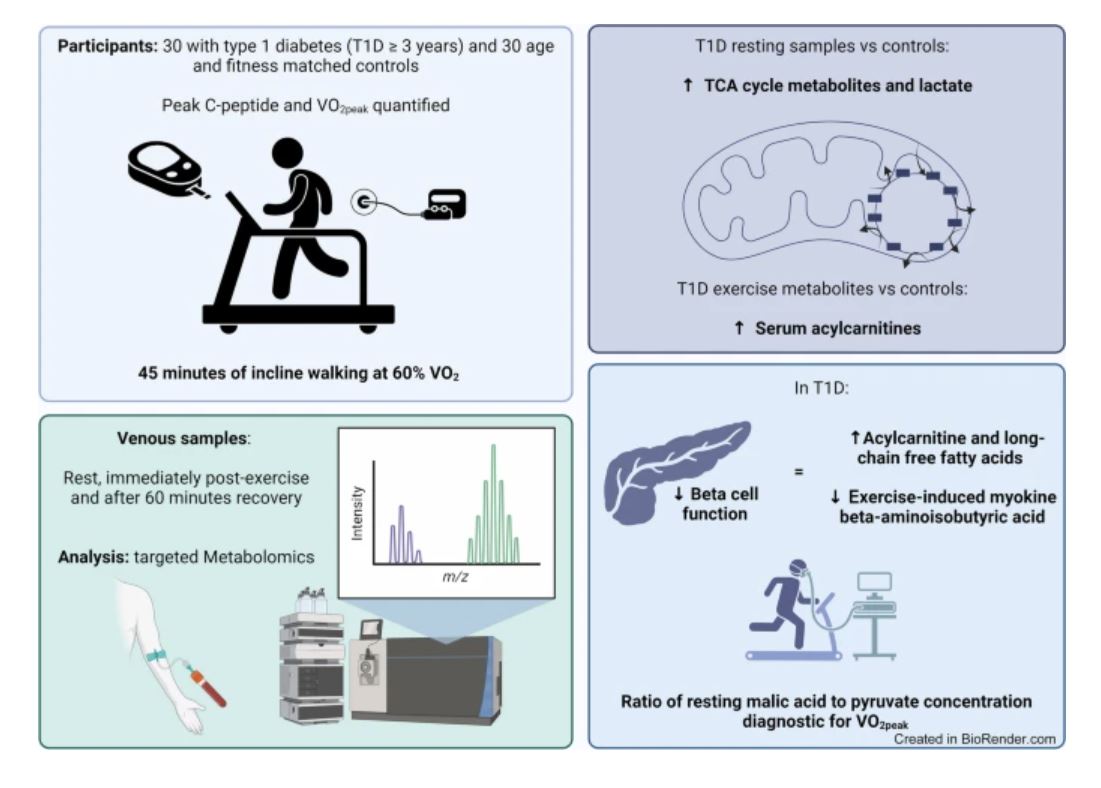
Metabolomics identifies a unique aerobic exercise metabolic phenotype in type 1 #diabetes with diagnostic potential for maximal aerobic capacity. Research by @Roberts_Lab, @guystu, @HNERC_NclUni, @nucDIABETES @LeedsMedHealth #T1D#Metabolomics https://t.co/xoL1dXxy4t 🔓
🌍 Here at the DRMG, we are celebrating World Diabetes Day by wearing blue! From bench to bedside, our incredible team of lab technicians, researchers, and clinicians are committed to improving the lives of those living with diabetes #WorldDiabetesDay@IntDiabetesFed
It's World Diabetes day 🩸
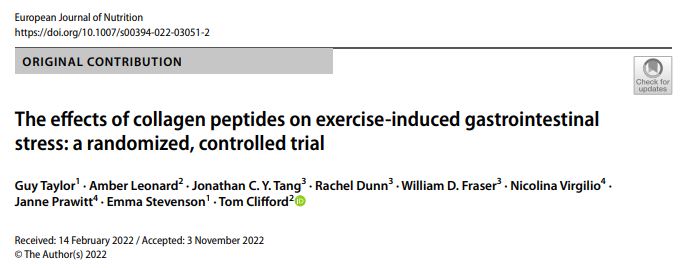
Broaden your understanding of this metabolic syndrome by reading some publications from our members of HNERC @guystu@kwrsmith@EmmaJStevenson Dr Daniel West
https://t.co/1LCalIv8VU
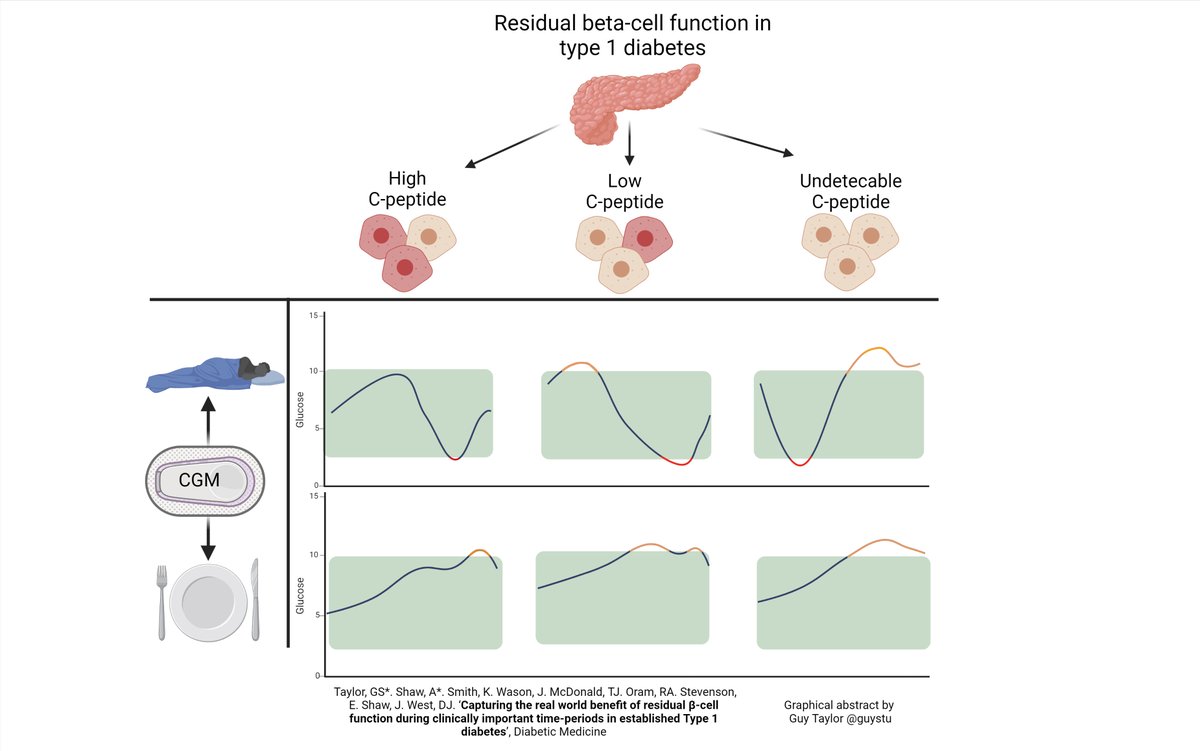
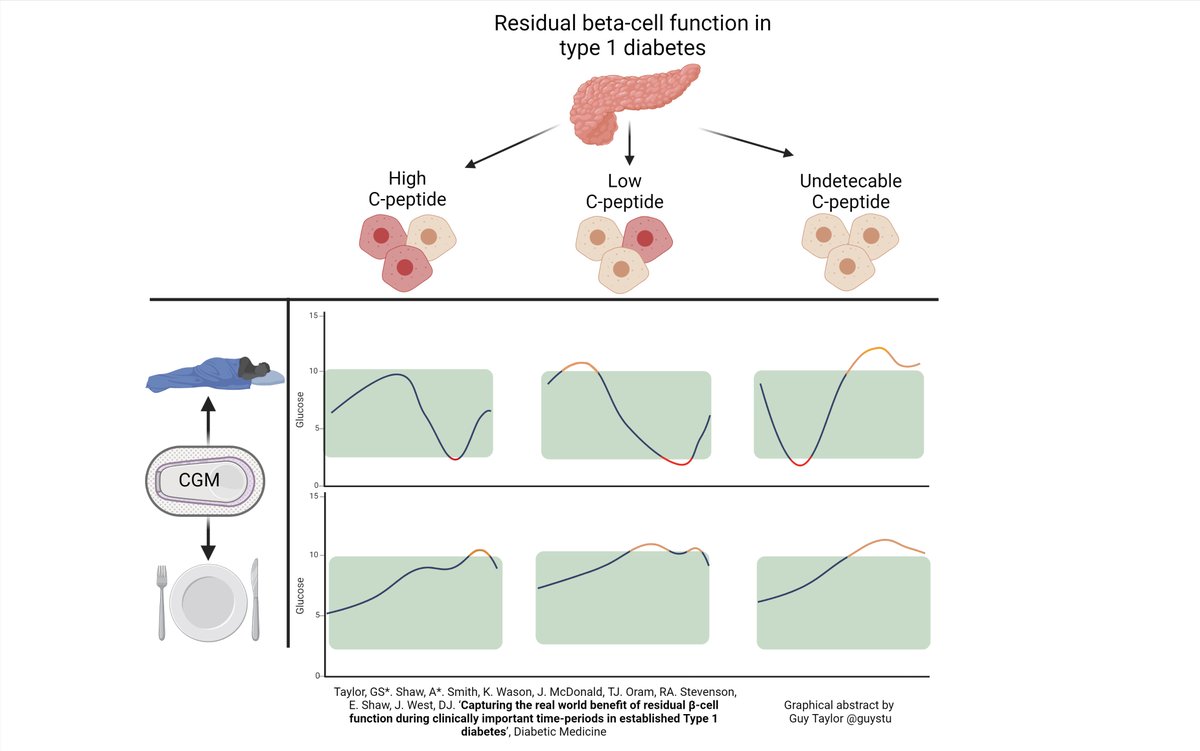
So what are the implications of the study? Individuals with no β-cell function may need more support to manage nocturnal and post meal periods whereas those with C-peptide positivity could potentially pursue more ambitious glucose targets (9/9)
Very excited to see this paper in @DiabeticMed. “Capturing the real-world benefit of residual β-cell function during clinically important time- periods in established Type 1 diabetes” https://t.co/aEinNdnViJ w/ Dan West @nucDIABETES supported by @DRWFDiabetes (1/9)
Dig into supplementary table 1. to see mixed-effect analysis of individual nocturnal and meal time events, exploring diabetes duration, BMI, basal insulin, use of a continuous or flash glucose monitor and (for postprandial) meal type, carbohydrate and bolus insulin intake (8/9)