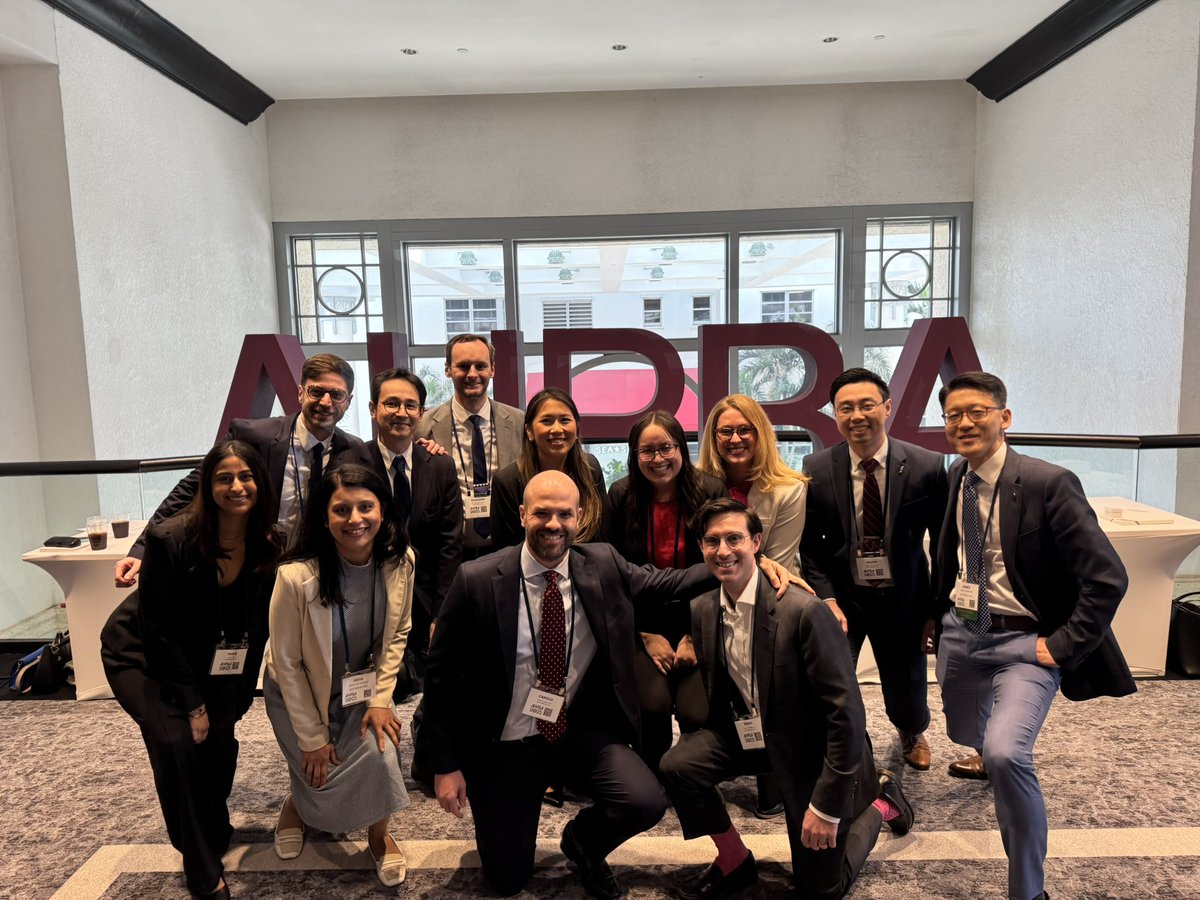
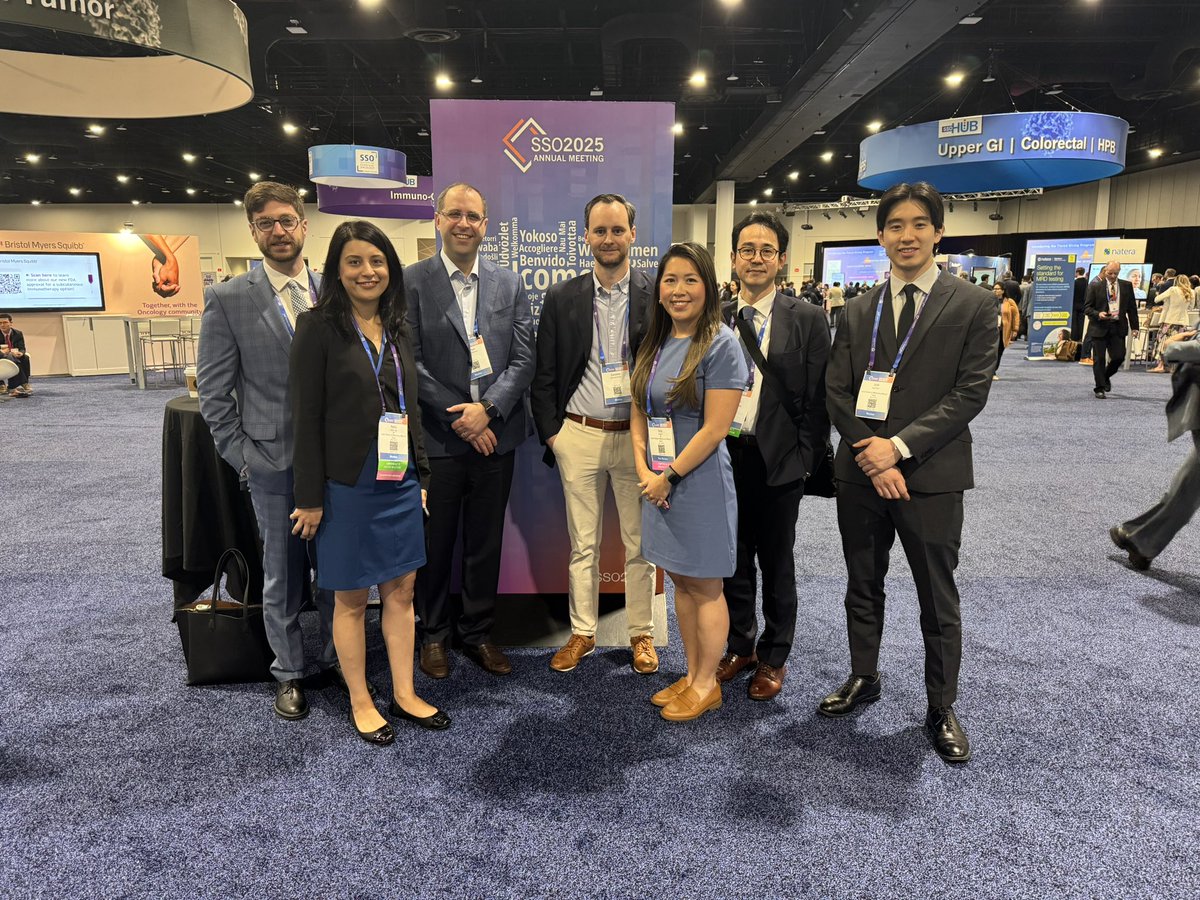
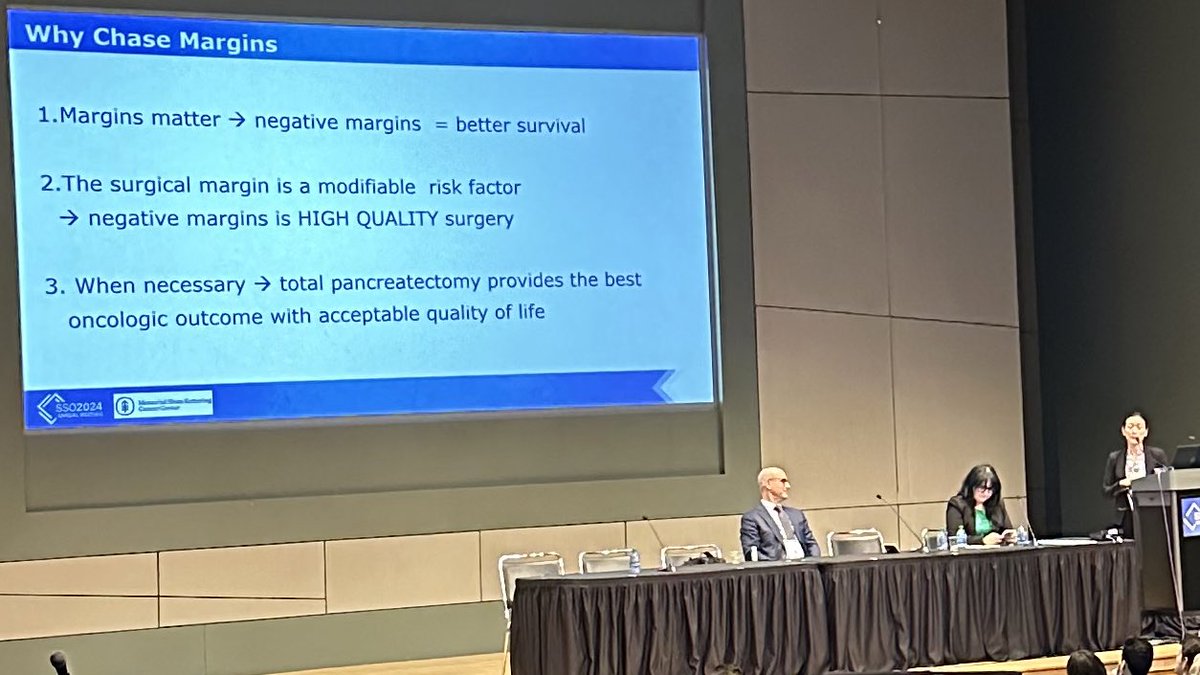
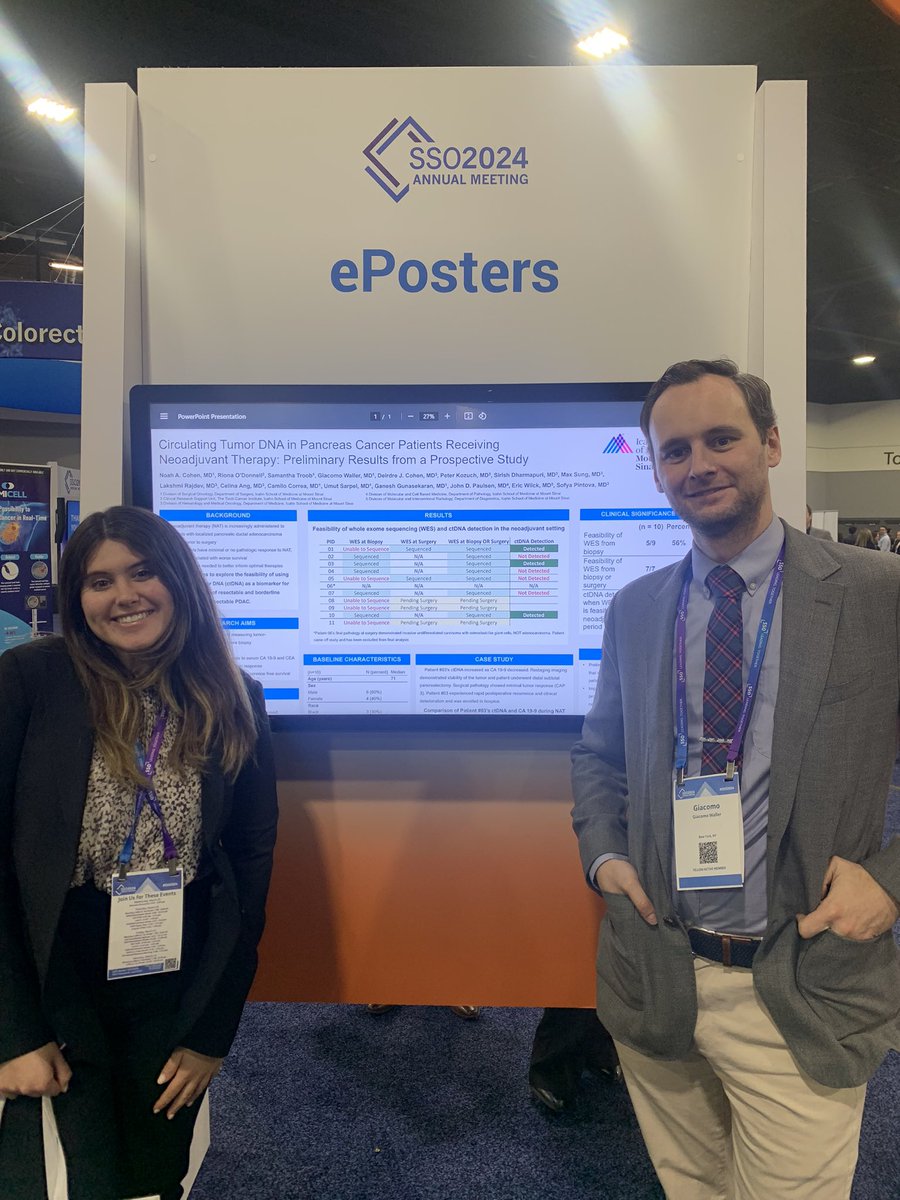
Proud to share our new @HPBjournal publication: “Perihilar Cholangiocarcinoma: Microscopic Positive Margin and its Clinical Relevance.” Sincere thanks to my co-authors, mentors and collaborators @rhearaj123
https://t.co/3l2zXlz1eo
#HPB#Cholangiocarcinoma#AHPBA
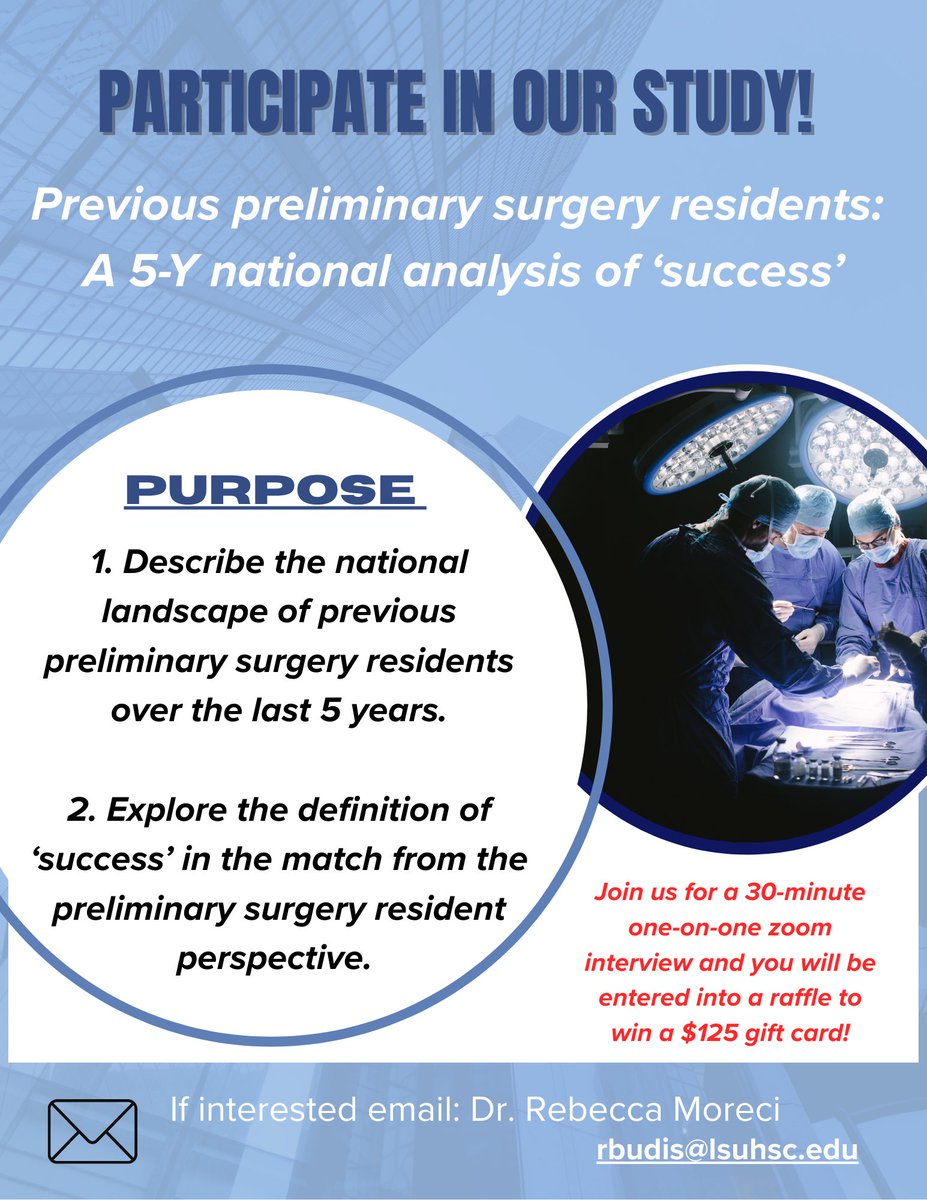
Were you a preliminary surgery resident between 2019-2024?
We want to hear from you!
Join our study, exploring what it means to be a “successful” prelim resident
📆30-min Zoom interview
💵Chance to win a $125 gift card!
Email [email protected] to participate!
It can be difficult to cope with fear and anxiety, changing daily routines, and a general sense of uncertainty about #COVID19. Although people respond to stressful situations in different ways, taking steps can help you manage stress.
First results from #CODATrial: Things appendicitis patients should know when talking to their physicians about antibiotics or surgery to treat their condition. #NEJM#ACSCC20@PCORI#AcuteCareSurgery
In the midst of the #coronavirus outbreak, remember that the flu is pervasive, deadly, and vaccine-preventable. #VaccinesSaveLives https://t.co/risoYCMVkt
Phenomenal grand rounds by Dr. Rachel Kelz on the “Untold Truths of Surgical Education.” We accept your surgical education challenge!! @emorysurgery@pennsurgery
Better outcomes in elective abdominal surgery with probiotics? ... "Perioperative Probiotics or Synbiotics in Adults Undergoing Elective Abdominal Surgery: A Systematic Review and Meta-analysis of Randomized Controlled Trials"
https://t.co/HJRwcTgrOh
Wonderful grand rounds by Dr. Keith Delman, our fearless leader on how patient autonomy, patient safety, and outcomes interface with training. A fierce advocate for resident education. #EmorySurgery@KeithDelman
“Patients with cancer seek these alternative therapies for a variety of reasons including providing a sense of control, helping with pain, and coping with treatment” - Something we should be able to provide this along with our evidence based therapies. https://t.co/eoXj1rETNU
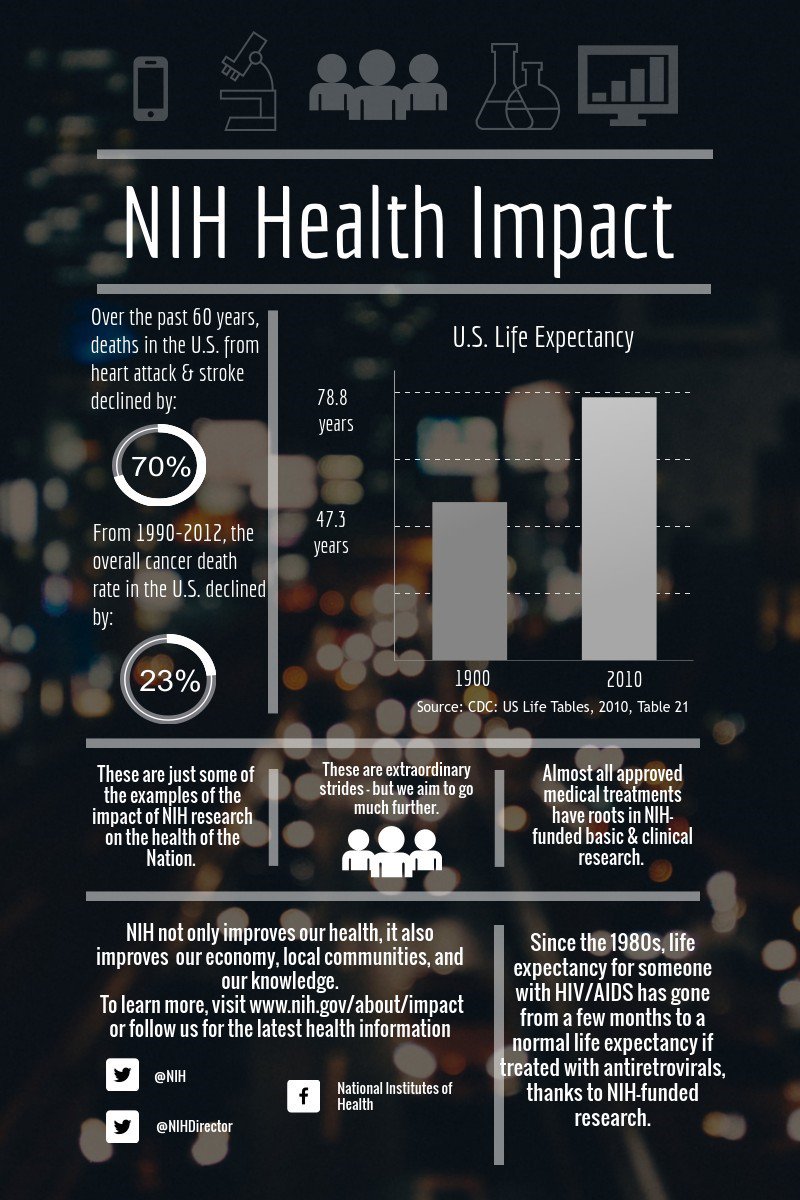
What has #NIH done for you? Due in large part to NIH research, Americans are living about 30 years longer than they did in 1900. Quality of life is improving. Over the last 25 years, the proportion of older people with chronic disabilities has dropped by nearly 33%. #ThisIsNIH