i feel like swe interviews could probably collapse into just 2 technical rounds:
• system design (how well can you articulate your ideas, do you actually know how to engineer something)
• onsite project to build a real thing with agents (can you translate your intent into high quality outcomes)
everything else we used to ask is no longer necessary
having fun at work (and a lot of tokens) will fix you
i was super burnt out at my last job before i joined cursor and spacexai. i even thought that i was no longer cut out to be an engineer! but im happy to say that i'm no longer burnt out and in fact thriving thanks to how much fun im having
与其说 C++ ���持几乎所有架构,不如说 C++ 支持几乎所有 OS,毕竟离开了宿主系统的特性,C++ 连内存都没发分配,RTTI/异常等特性也无法使用,STL 也无法使用。
因此,想要用 C++ 写内核必须只能使用少的可怜的 free-standarding 特性,这基本上让 C++ 沦为 C with Class。
当然,现代 C++ 很多特性依然让 C++ 写内核代码很有优势,比如 constexpr/constinit,只不过 C++ 的复杂性让犯错成本很低。
为何 C++ 没能进入 Linux Kernel
C++ 几乎支持所有架构,拥有经过数十年优化的编译器
GCC, LLVM, EDG 三大开源编译器基础设核心语言都是 C++和C
C++ 可直接调用 C 代码,以后也可逐步引入 C++ OOP 的封装
虽然 C++ 没有像 Rust 那样强制划分 safe/unsafe 边界
但现代 C++ 鼓励通过规范和工具来模拟这种安全边界
C++ 可以直接通过常规语法完成
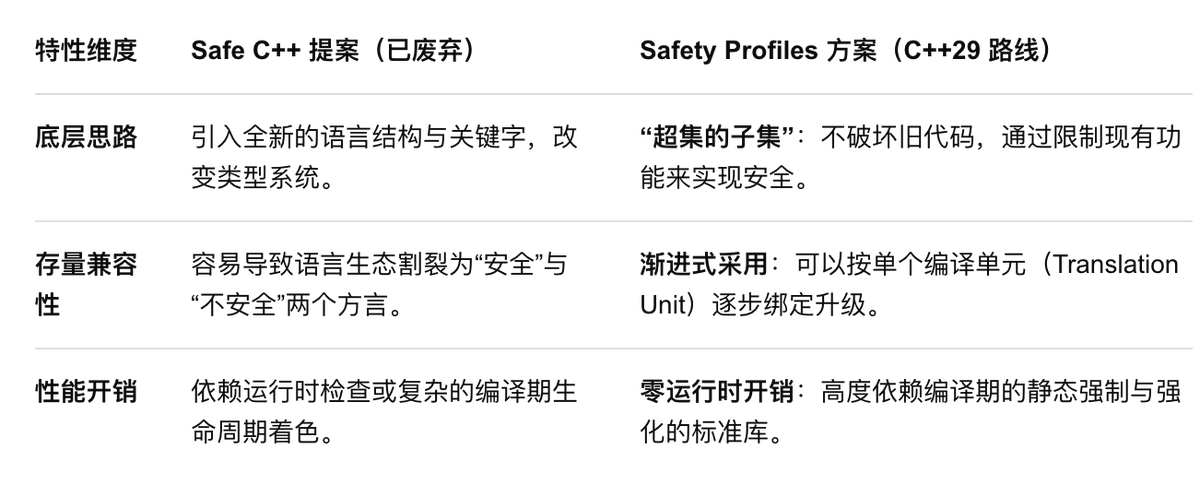
C++29 也正式引入其安全路线图的安��配置文件(Safety Profiles)
��前模仿Rust的Safe C++,也引入关键字 safe 和 unsafe 的提案被拒绝
https://t.co/NP0b2zYh4x
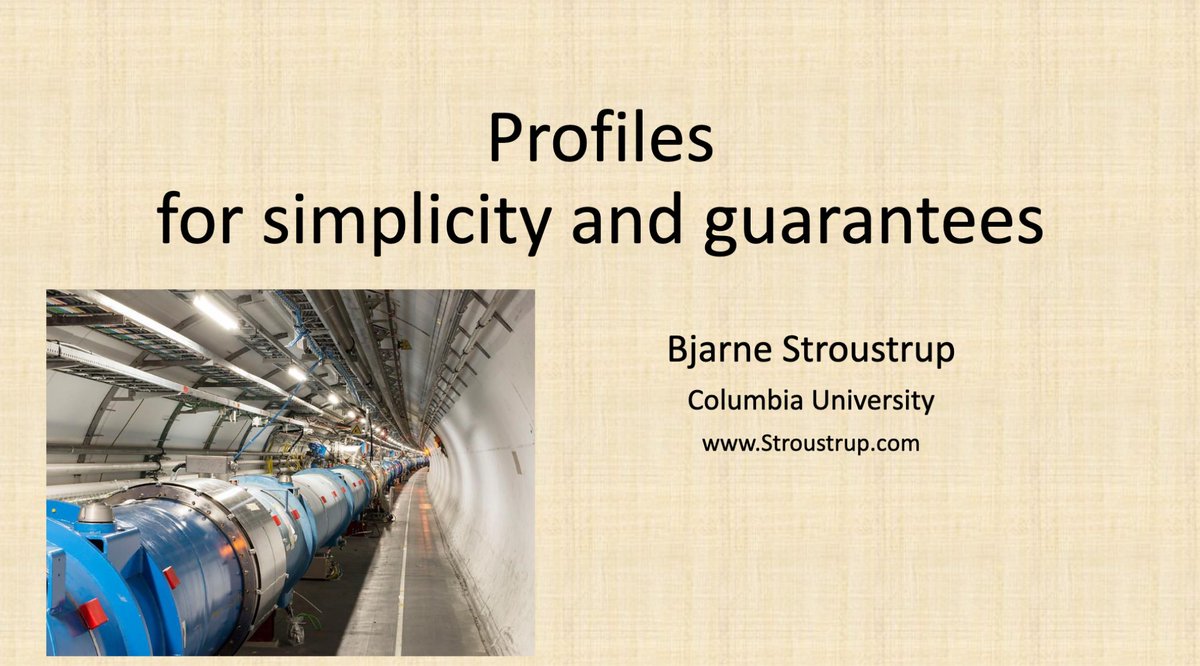
Bjarne Stroustrup 在 CppCon 2026 上也做了主题演讲
https://t.co/AVP1PKPinH
引入 C++ 到 Linux Kernel 的好处也是明显的
而且不少 Linux 核心开发者也主张将 C++ 引入内核
但最终都没成,究其根本原因,我想🤔
最大可能是 Linus Torvalds 之前曾多次公开批评 C++
并称 C++ 是一门很垃圾的语言(crap language)
若之后接受 C++ 进入 Linux Kernel,这不是打自己脸吗
所以任何时候都不能把话说满了,事物都是在发展演进中的
Hi,
Tomorrow we are re-opening the Pro $200 subscriptions to new subscribers, but together with it we are also changing how we calculate the usage for it. In effect, if you do the math, it will net out at half the dollar in API spend compared to the old Pro $200 plan.
Now that it's said, let me explain why this is happening and why you will still get more work done than if you were on the Pro $200 subscription one month ago.
(a) We didn't want to compromise in other ways and are committing to not reintroducing the 5h limit, so that you can fully use the weekly usage when you want.
(b) On the subscription, we guarantee that over time you always get more work done and with an increasing level of quality. This means that you will continue to get more value per dollar spent as a result of models getting more efficient and us passing down the improvements in the form of API price reductions.
(c) We don't want to put an incentive on ourselves to artificially inflate the API list prices to make it look like you are getting a lot (and workaround it through discounts, etc). Instead we want to continue to both rapidly reduce prices and increase capabilities of models on the API. This week we introduced GPT-6 Sol and GPT-6 Luna at 50% of their previous price. Over time, we see prices go low enough that it makes sense for most to buy usage as needed without there being a significant gap between what you get in a subscription and what you get in the API for a dollar spent.
(d) Tomorrow, we are adding more things to the subscription that won't draw on the usage, I won't reveal what that is yet.
I wanted to be transparent before all the big announcements tomorrow. Lots of new exciting things are coming to the subscriptions that will make it super compelling, but I wanted to make sure to share this change ahead of time so you can all understand it before we shower you with good news.
Codexingly,
Tibo
Day in the life of a Senior C++ Engineer.
4am: Wake up
4-4:30am: Doomscroll X and charge myself with anxiety to power through the rest of the day
4:30-5am: Exercising
5-5:10am: Meditation
5:10-5:30am: Shower
5:30-6am: Using AI to improve my life
6-6:30am: Playing the guitar (just don't ask my neighbours what they think about me playing guitar at 6 am)
6:30-7:30am: Commute to work. I watch C++ lectures while on the train.
7:30-8am: Breakfast at work
8am-1pm: Work
1-1:30pm: Lunch
1:30-6:30pm: Work
6:30-7:30pm: Commute home. If I still have energy, watch more lectures. Otherwise, some brainrot on YouTube.
7:30-8pm: Home chores and errands
8-8:30pm: Shower
8:30-9pm: Read a book
9pm-4am: Sleep