Your brain basically stopped recording your life around age 25. Everything since then is a blur for a reason.
Neuroscientists measured this so many times they named it: the reminiscence bump. Ask anyone over 60 to recall their strongest memories and almost every answer clusters between ages 15 and 25. The decade where everything was new. First job, first apartment, first real relationship. Your brain encoded each day because nothing had a template yet.
After that window closes, most people enter a repetition loop. Same commute, same office, same weekend rhythm. The brain stops recording repeated experiences as distinct events. A year with 300 novel days leaves 300 memory anchors. A year with 10 leaves 10. Both took 365 days to live. Only one of them will exist when you look back.
This is why people at 50 say "where did the time go." The time went into routine that felt like living but left almost nothing behind.
Your remaining years are fixed. How many your brain bothers to remember is entirely up to you.
overnight, my openclaw running locally on a macbook neo, sent stablecoins to a guy in africa, so he could purchase an ak47 to overthrow the clan that has been imposing communist beliefs around his people.
all on @tempo
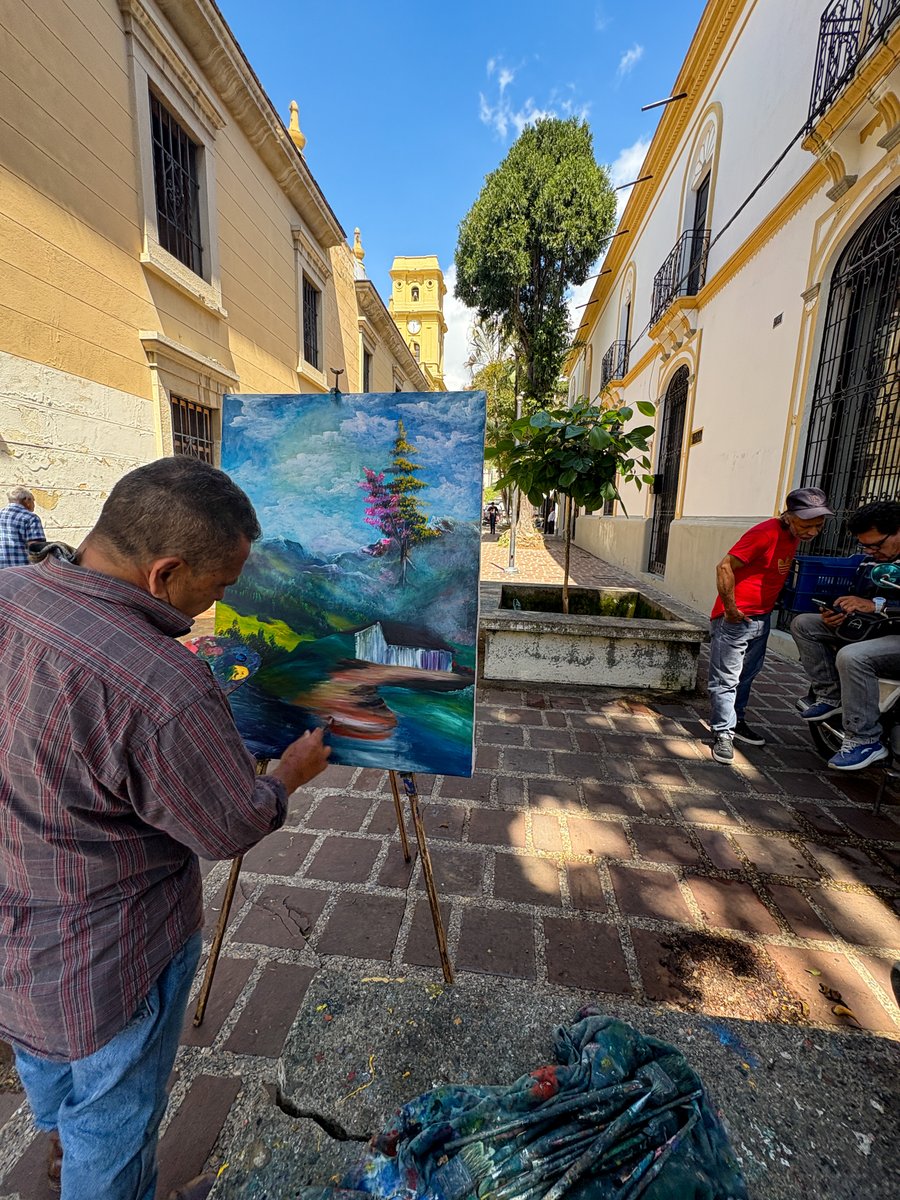
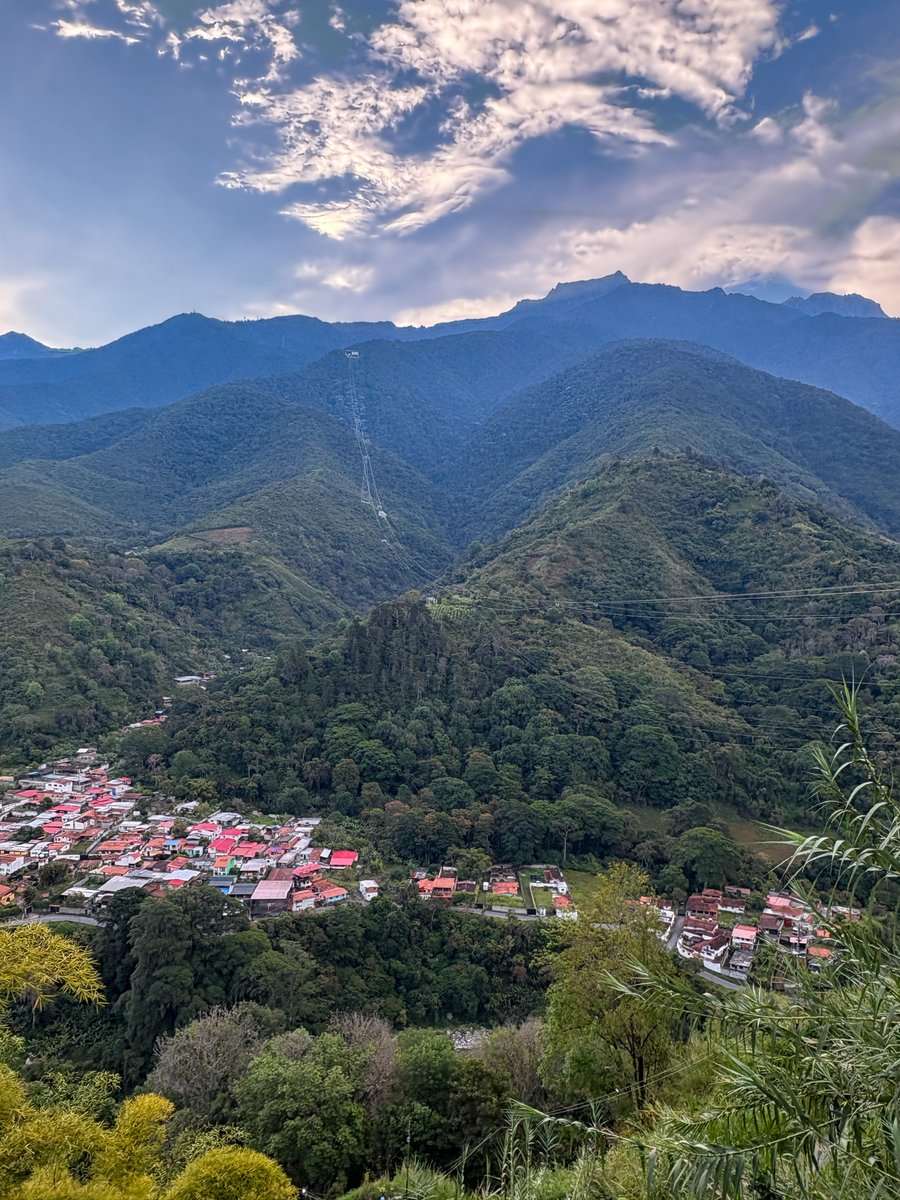
I’ve just spent the week in Mérida, Venezuela - one of my fave places, with its cable car stretching high above the lush Andean mountains and home to Pico Bolívar . It feels safe, welcoming and culturally rich. Yet international tourists are now rare compared to a decade ago. Locals say they are desperate for them to return. A painter told me he can’t remember the last time he sold a painting to a foreigner - they used to be his main clients. A 78-year-old tour guide said he isn't getting much work - and those that do search him out for trips are Venezuelans from other cities.
Venezuela once had a thriving tourism industry and has extraordinary sites: Angel Falls, Mount Roraima, the white sands and clear waters of Los Roques.
So would I recommend the country to tourists? For its incredible sites, of course! But to travel feeling comfortable and not intimidated? Absolutely not, which is a huge shame.
Repression has not disappeared. I wasn’t sure what the journey in would be like, but I was mentally prepared for it to be complicated - beyond the usual numerous police checkpoints. It was probably worse than I imagined.
At the land border in Cúcuta, I was taken into a small room for an interview at migration, something required for all foreigners now. An official bombarded me with questions, interspersed with long questions while he switched between two phones. Beyond the standard questions about my trip, I was asked my age, my relationship status, why I didn’t have children and whether I wanted them - and told that if I did, I needed to hurry up. Then another wait, before eventual approval.
Then came the checkpoints. At two, my bags were searched thoroughly. At one, my phone was checked and the woman searched my photo gallery and messages - something technically prohibited. I was lucky not to have money taken, as many others describe happening to them. At one point I was accused of taking drugs and briefly worried something might be planted on me. It was intimidating. At times I was the only passenger taken off the bus and questioned again about my personal life. At other times, only young men were taken off the bus.
These kind of experiences colour daily life for Venezuelans, most of whom have their own stories about checkpoints. For many, they have become a stain on the country - associated with fear, arbitrariness and corruption.
One official at a check point told me he really wants tourists to come back. He said this while meticulously examining my invitation letter, asking personal questions and going through my bag, assuring me it was for 'security.' The bus was delayed for 20 minutes, and I felt guilty I was holding everyone up. Yet, those on the bus were incredibly sympathetic when I returned, even apologetic.
This isn’t new, but it does feel more intense since I was last here in 2024.
If repression eases and the experience of travelling improves, perhaps one day the tourism sector will feel buoyant again - and those who depend on it will be able to earn a stable income, as they once did.
Dear Venezuelan people,
Thank you for your support of Iran.
(And your rum suggestions to me)
I’m happy to see the day that we finally got to claim our rights and homelands and finally became free.
Lots of love,
Ravena.
🇮🇷🇻🇪