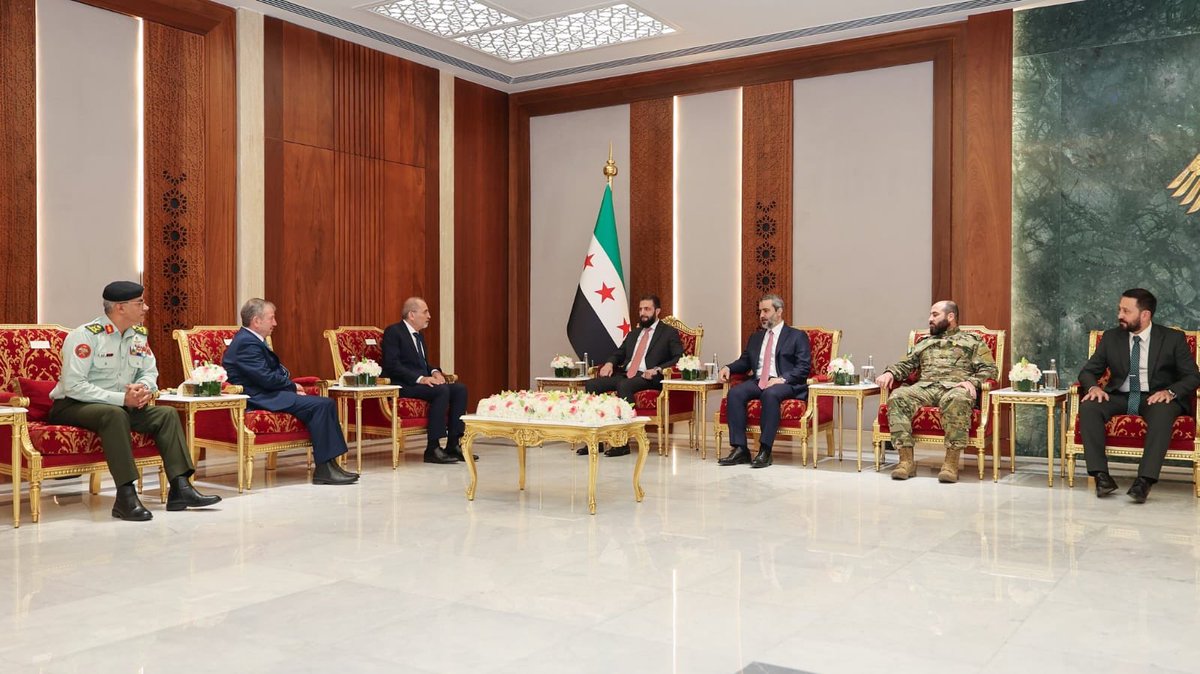
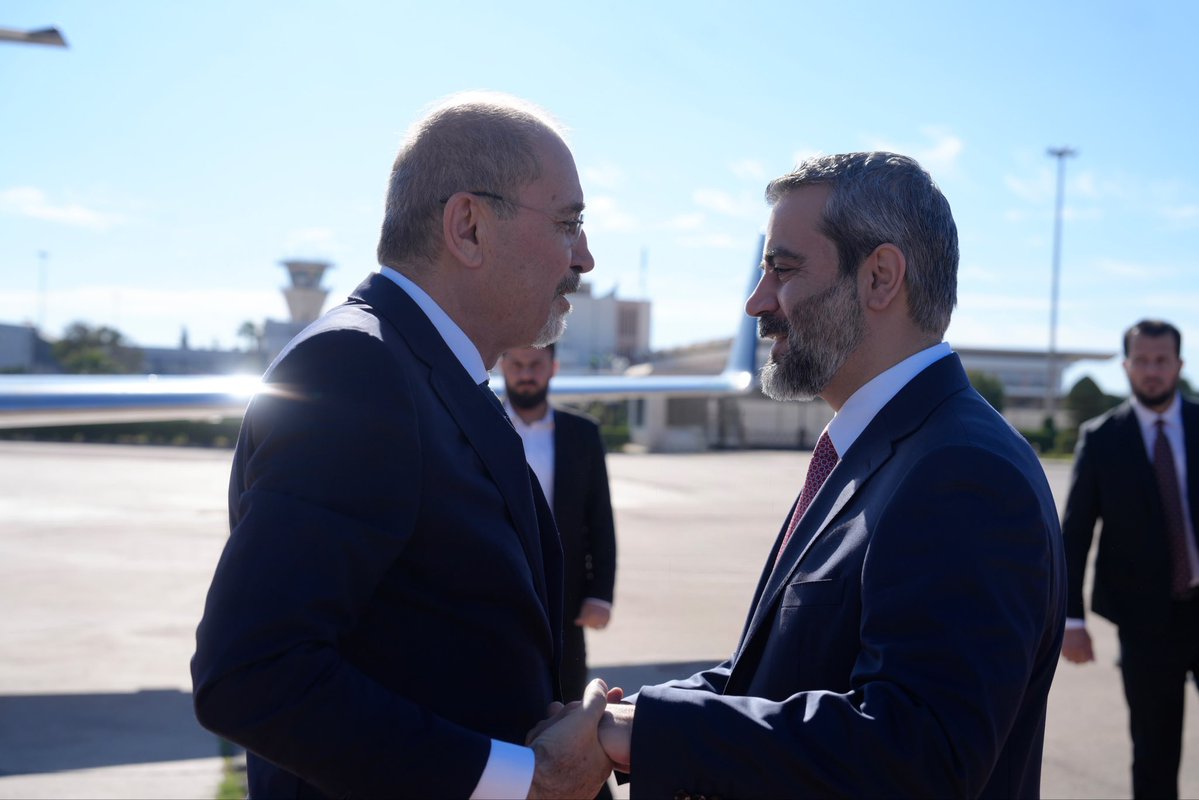
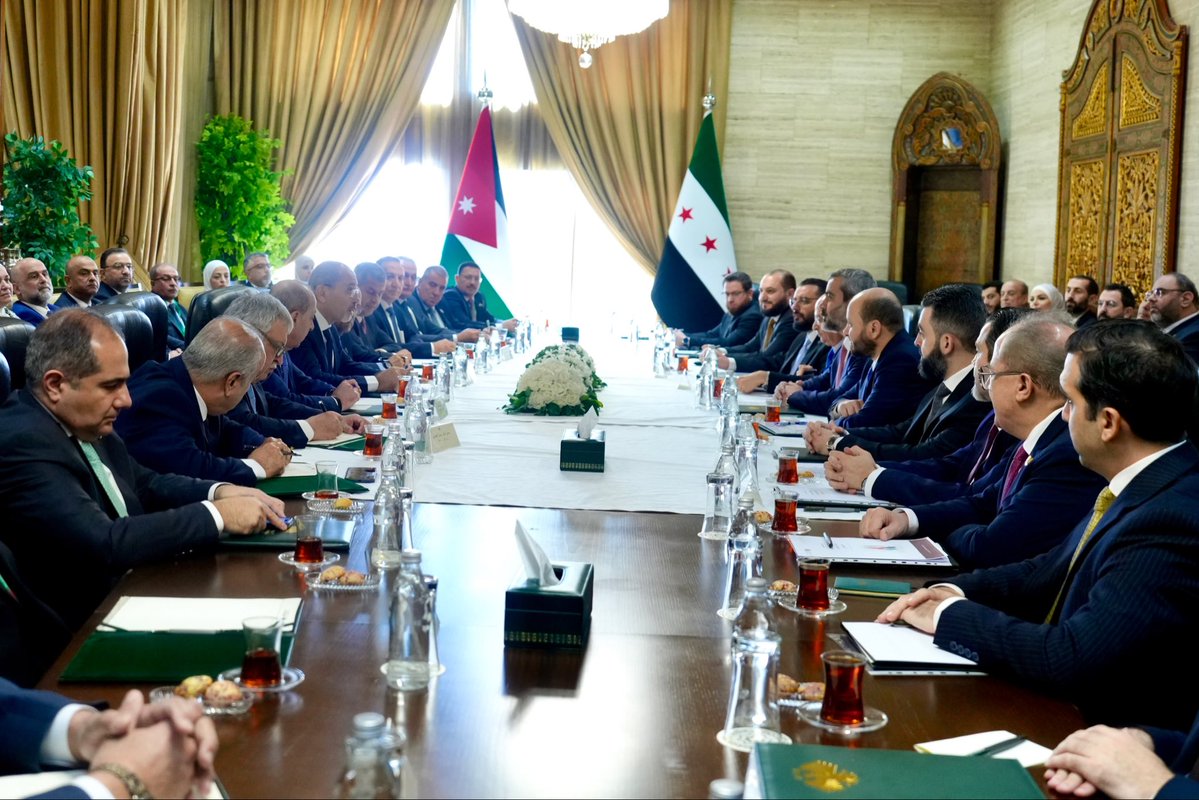
تشرّفت بلقاء فخامة الرئيس أحمد الشرع، رئيس الجمهورية العربية السورية الشقيقة، ونقل تحيّات جلالة الملك عبدالله الثاني إلى فخامته، وتمنيات جلالته لسوريا الشقيقة بالمزيد من التقدم والإنجاز.
وقدّمت تعازي المملكة ومواساتها بالمدنيين الأبرياء الذي قضوا في حادثة درعا.
وترأست ومعالي الأخ أسعد الشيباني AsaadHShaibani@ الدورة الثالثة لمجلس التنسيق الأعلى. نعتزّ بما تشهده العلاقات الأخوية التاريخية بين الأردن وسوريا من تقدّم، وماضون في العمل على توسعة التعاون في مختلف المجالات الاقتصادية والدفاعية والأمنية لما فيه مصلحة البلدين والشعبين الشقيقين.
نقف مع سوريا بكل إمكاناتنا في عملية إعادة البناء وفي حماية أمنها واستقرارها وسيادتها.
خالص الشكر لمعالي الأخ أسعد على طيب الضيافة وحسن الاستقبال.
On the protests in Syria’s Hasakah and the latest on the SDF-Damascus integration agreement
As integration on the ground moves into more advanced stages, instability is growing, most visibly in the recent protests by a segment of the Arab population in Hasakah city.
Part of the issue is the gap between the media narrative and what is actually happening on the ground, which is complicating an already difficult process.
As this map shows, Hasakah city is highly mixed, though Arabs are likely the majority. As the largest single demographic group, Arabs have a greater incentive to escalate their demands in order to secure more, and the protests have largely originated in southern Hasakah.
One reason Arabs in this part of the city are increasingly able to mobilize is the distinct role of the Ghuwayran neighbourhood, where most of the activity is taking place. Densely populated and overwhelmingly Arab, Ghuwayran has historically served as an intellectual base for the city’s Arabs, which makes its residents far more readily mobilized.
The recent return of many pro-Damascus activists, including some who took part in the revolution alongside Ahmad al-Sharaa, and other opposition figures, has made mobilization easier. These activists are better organized and less fearful, partly because they live in the city’s almost exclusively Arab south, where the SDF has far less ability to cause them problems.
This complicates the SDF’s long-term aim of keeping control of the city.
Another complicating factor is how the SDF and the Syrian government are each presenting events on the ground. The two sides are pursuing very different media strategies.
The SDF has a network of journalists and activists publishing near-identical material, which suggests a centrally coordinated operation feeding them messages. This network is inflating SDF appointments, which in turn is leading many Arabs to believe the city and the province, has been handed over to the SDF.
Recent judicial appointments are a good example. Anyone following pro-SDF activists would assume the SDF has secured most of the judicial posts. In context, it has received significantly fewer than it appears, less than half of the appointments.
At the Hasakah city judicial palace, four of the 11 SDF-affiliated judges accepted across the province have begun work, in a city expected to have 25 judges in total. It remains unclear how many of the 11 will ultimately be assigned to Hasakah city.
The province’s Attorney General (al-Muhami al-Amm) is also a government appointee.
Even so, SDF media has presented the appointment of the 11 judges, together with another 20 who will undergo judicial training in Damascus, as a form of continuity, which has caused alarm among many Arabs in the province.
Hasakah province will have at least 65 judges, and potentially as many as 85. These appointments matter for the SDF, given how long it has operated outside the state, but in context they are less significant than SDF media suggests.
This framing is provoking the Arab side and feeding the impression that everything has been surrendered to the SDF. The government’s near silence has only deepened anxiety among these Arab segments.
The government’s approach appears to be to work quietly, implementing changes on the ground and extending control incrementally. Facing a growing set of problems across the country with limited resources, it has a vested interest in moving slowly in Hasakah, which has left the SDF to dominate the narrative. In practice, however, it is the SDF that has been steadily losing influence on the ground. It therefore makes sense for the SDF to run a media strategy that frames integration as a win-win and plays down its loss of control.
Security appointments follow the same pattern. Around two-thirds of senior security appointments in Hasakah have gone to the government side and one-third to the SDF, yet the Arab protesters remain dissatisfied.
Part of the reason is a combination of panic and an element of racism. Some protesters may genuinely feel they are losing ground to the SDF and that SDF has been legitimized. Another section is driven by racism and cannot accept a Kurd holding any post in Hasakah. Both attitudes are feeding what is happening.
The danger is that the situation is becoming more delicate. In a city as mixed as Hasakah, the ongoing security transition has effectively produced two parallel security structures, raising the risk of clashes and wider violence.
Security is gradually coming under greater government control, but the SDF still has a large number of people on the ground, both officially and unofficially.
Around 8,000 Asayish personnel, the security forces on the SDF side, have recently been incorporated into the Syrian Interior Ministry’s internal security structure in Hasakah. Of these, around 5,000 are Kurdish and approximately 3,000 are Arab.
The government has also been gradually deploying more of its own internal security forces to Hasakah. The exact number remains unclear, but it is likely now well over a thousand and rising.
More: https://t.co/o3gxzkcrFy
أبشروا .. دم الشهداء لن يضيع ..
ستسمعون وترون ما يبهج قلوبكم ويشرح صدوركم،
وقد كتب قرامطة العصر المجوس أذناب إيران نهايتهم على يد أحفاد الصحابة ودهاة العرب وأهل العوجا 🇸🇦
وأُهديكم قصيدتي (#فجر_اليمن)
بصوت المنشد: خالد آل بريك
إنتاج شركة تحقيق الأمل فهد البقمي
والنصر لنا ،،،
#العقاب_قادم_ياحوثي
#مطار_الملك_خالد
إلى السيد وزير الخارجية أسعد الشيباني:
هل وصلكم خبر أن الدمج صوري وعلى الورق وأن الحسكة أصبحت مزرعة لحزب العمال الكردستاني..!
@AH_AlSharaa@AsaadHShaibani
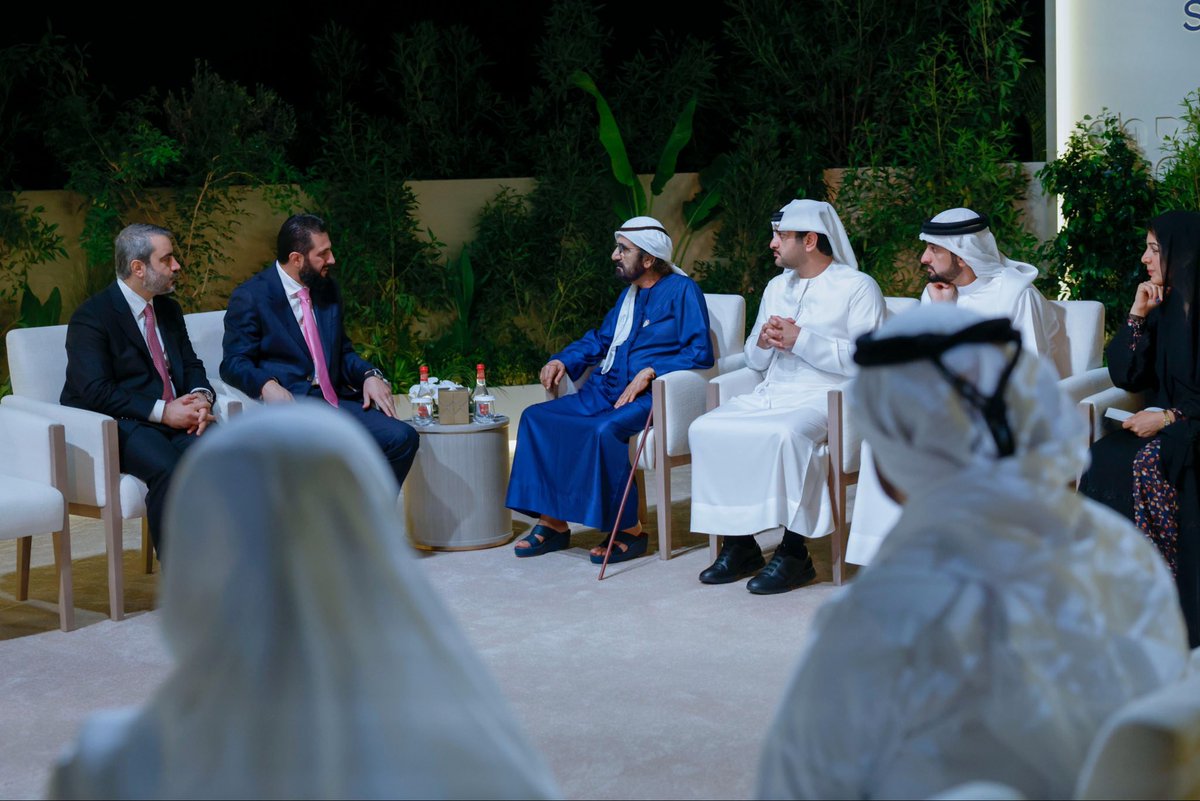
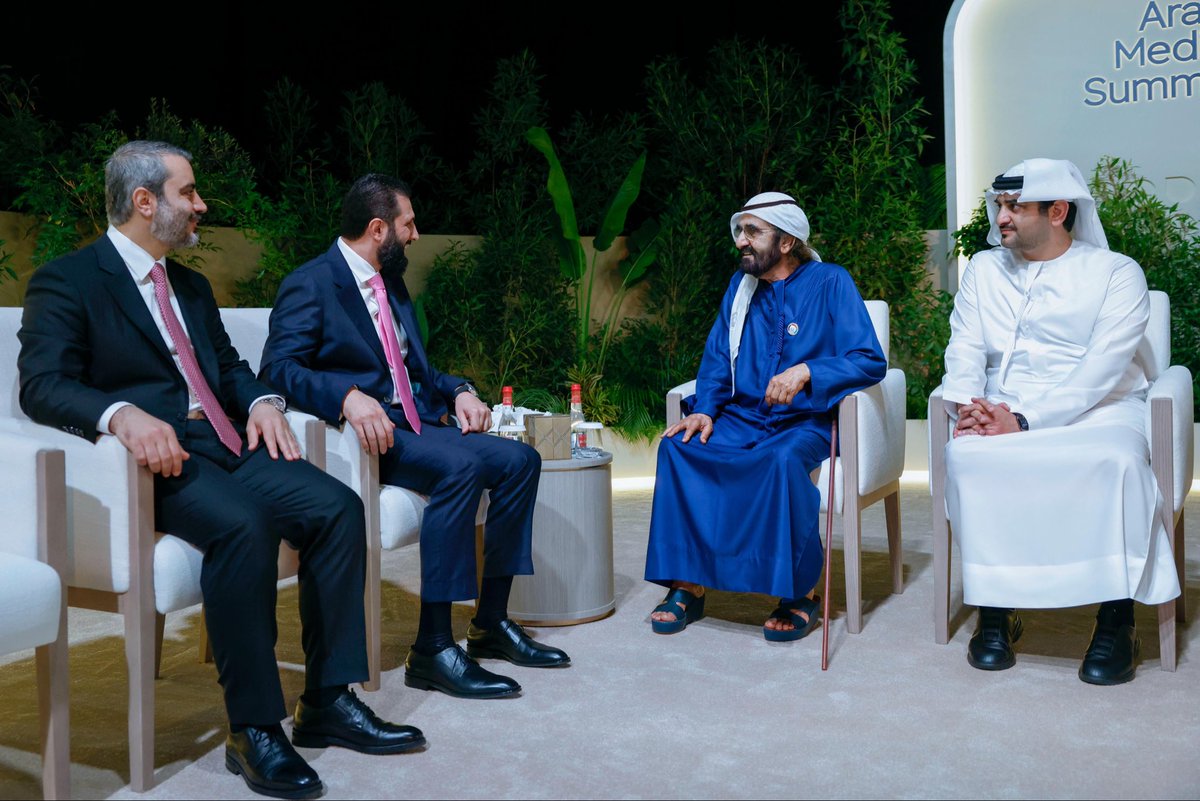
أثناء استقبال أخي الرئيس أحمد الشرع ضيف قمة الإعلام العربي في دبي ..
علاقاتنا مع سوريا علاقات محبة وصداقة وأخوّة وتقدير ..
نفرح بعودة سوريا لطريق التنمية .. ونتفاءل بعودة سوريا الحضارة لمكانتها العالمية التي تستحقها .. ونتفاءل بعلاقات أخوية عميقة بين الشعبين الصديقين
اليوم، تنتصر العدالة لضحايا الجرائم والانتهاكات التي ارتُكبت بحق السوريين.
مباركٌ للشعب السوري صدور أول أحكام الإعدام بحق مرتكبي هذه الجرائم، في خطوة تاريخية على طريق إنصاف الضحايا ومحاسبة المسؤولين عنها.
ماضون في ملاحقة كل من تورط في هذه الجرائم، حتى ينال جزاءه العادل.
رحم الله الشهداء، وجبر مصاب ذويهم.
استقبلتُ اليوم في دمشق أخي العزيز السيد نيجيرفان بارزاني @IKRPresident، رئيس إقليم كردستان العراق، في لقاءٍ تناولنا خلاله العلاقات الثنائية وسبل تعزيز التعاون بما يخدم الاستقرار ومصالح شعبينا.
إنّنا نثمّن ما قدّمه الإقليم في السنوات الماضية من رعاية واستضافة لأبناء شعبنا، ونتطلع إلى مواصلة العمل المشترك بروح تعاون وأخوة تعزز حسن الجوار.
نبارك للشعب السوري انطلاق أعمال مجلس الشعب لسوريا الجديدة، ومع انعقاد أولى جلساته، تدخل سوريا مرحلة جديدة عنوانها مؤسسات دستورية فاعلة، وتكامل بين سلطات الدولة في خدمة الوطن والمواطن، إن بناء سوريا الجديدة لا يكتمل إلا بمؤسسات قوية، وسيادة القانون وعمل مؤسسي يرسخ الاستقرار ويقود التنمية.
أتقدّم بأحرّ التعازي والمواساة إلى أهالي الأطفال الذين قضوا في حادث غرق العبّارة بنهر الفرات في دير الزور، سائلًا الله أن يتغمّدهم برحمته ويسكنهم فسيح جناته، ويُلهم ذويهم الصبر والسلوان. كما أدعو الله بالشفاء العاجل للمصابين، وأسال الله أن يحفظ سوريا وأهلها من كل مكروه.
يمثّل انطلاق مجلس الشعب محطة وطنية مهمة، نخطو بها خطوة جديدة نحو ترسيخ الشورى والمسؤولية، وبناء مؤسسات الدولة على أسس الحوار والكفاءة وسيادة القانون.
أبارك لأعضاء المجلس بدء أعمالهم، متمنيًا لهم التوفيق في النهوض بهذه الأمانة الوطنية، خدمةً لشعبنا، ودعمًا لمسيرة بناء سورية وازدهارها.
#القامشلي هدم مبنى بلدية القامشلية، أقدم مبنى بلدي في سورية والمشيّد عام 1935، ليس مجرد إزالة لبناء قديم، بل مساس بذاكرة المدينة وتاريخها. فالمعالم التاريخية ليست حجارةً فحسب، بل جزء من هوية سورية وإرثها الحضاري الجامع.
السيد الرئيس أحمد الشرع يستقبل اليوم في قصر الشعب بدمشق، وزير الداخلية التركي مصطفى تشيفتشي والوفد المرافق له، بحضور وزير الداخلية أنس خطاب.
وجرى خلال اللقاء بحث سبل تعزيز التعاون والتنسيق الأمني بين البلدين، وتبادل الخبرات في مواجهة التحديات المشتركة، بما يسهم في دعم الأمن والاستقرار.
#رئاسة_الجمهورية_العربية_السورية