🗓️ It’s happening this week!
On Thursday, join Prof Fredros Okumu
@Fredros_Inc@UofGlasgow, Prof Kimberly Fornace, @NUSingapore@APMEN, Prof Lee-Ching Ng @NEAsg and Dr Tim-Harvey Samuel @KeeleUniversity, for a webinar moderated by Prof Leo Braack @FightingMalaria, unpacking the environmental & climatic factors driving the spread of mosquito-borne diseases.
🔗 Register here: https://t.co/gWjolZWY5e
#WorldMosquitoDay
🦟MALARIA FIGHT:
Scientists now target mosquito reproductive traits ⚔️
Can mosquito mating habits help us fight malaria? 🤔 New research in Tanzania led by @ifakarahealth and partners shows how age and artificial red light influence mosquito reproduction - findings that could help develop smarter vector control strategies like sterile insect techniques and genetic-based approaches. 🔬🧬
This breakthrough marks a major step in the fight against malaria! 🌍💪
📖 Read the full study published in the Journal of Medical Entomology below.
>> https://t.co/c55DLtKGdd
>> #IFAKARANews #Malaria #MosquitoControl #PublicHealth
@KennedyMmari@GIVENALITY I just mentioned this to a colleague, two different personalities, local vs. international. I liked how vocal she was in her response.
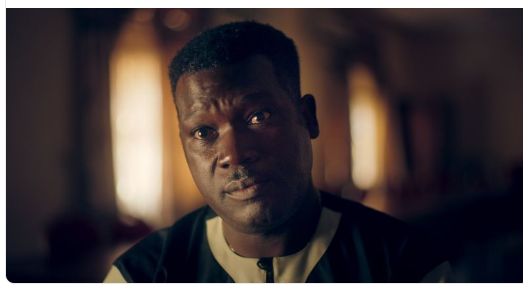
We are pleased to share that the President of @pamcafrica#Burkina#Faso Chapter Dr. Abdoulaye Diabaté will be featured in Netflix's new show, What's Next? The Future with Bill Gates, airing today.
@TargetMalaria
Details: https://t.co/jYr8b4MVHp
TALK:
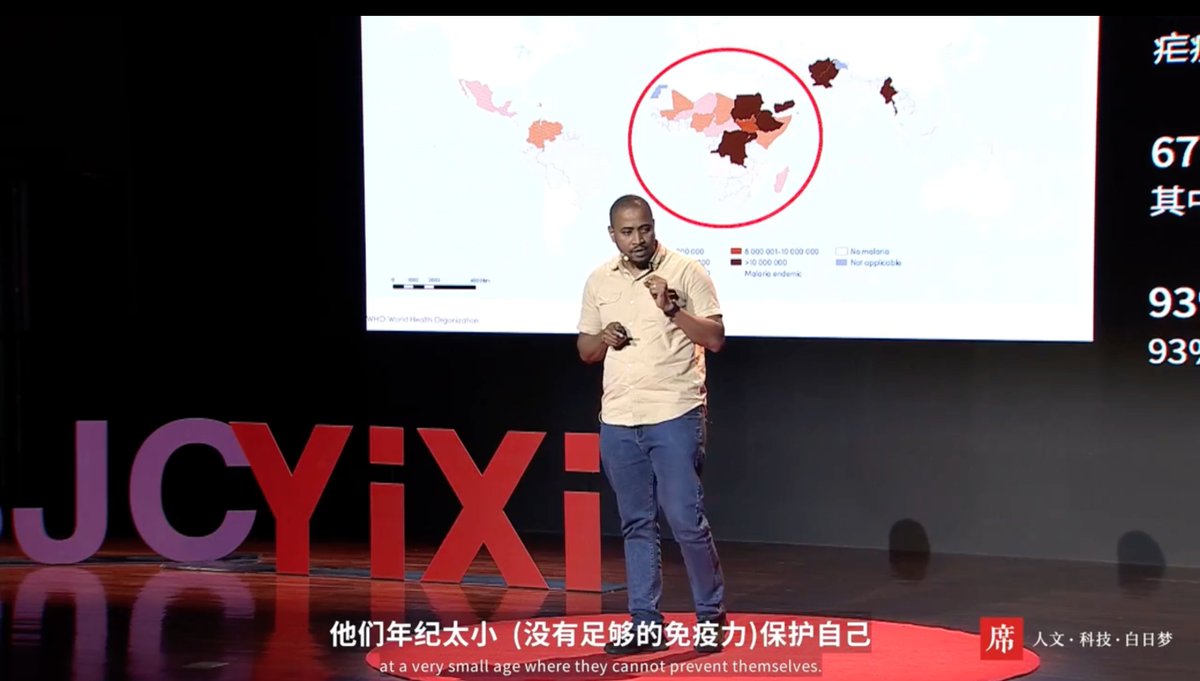
Ifakara scientist discusses malaria on Chinese channel
🚨 Exciting news! Dr. Yeromin Mlacha from @ifakarahealth was featured on YiXi - a major platform for inspiring talks in the Chinese-speaking world, discussing the global burden of malaria and innovative control efforts. 🌍🦟
👏 Watch it here:
>> https://t.co/BNNvTezFga
>> #IFAKARAevents #Malaria #Innovation #PublicHealth
INOVEC:
Awards for best student oral presentation
A heartfelt congratulations to the outstanding PhD students who were honored with awards at the INOVEC International Conference in Dar es Salaam, Tanzania! 🏆👏
Temesgen Ashine 🇪🇹, Frank Tenywa 🇹🇿 and Borel Tchamen Djiappi 🇨🇲.
>> https://t.co/I1IZzB554a
>> #InovecConC2024 #AedesControl #PublicHealth
📢 FORUM:
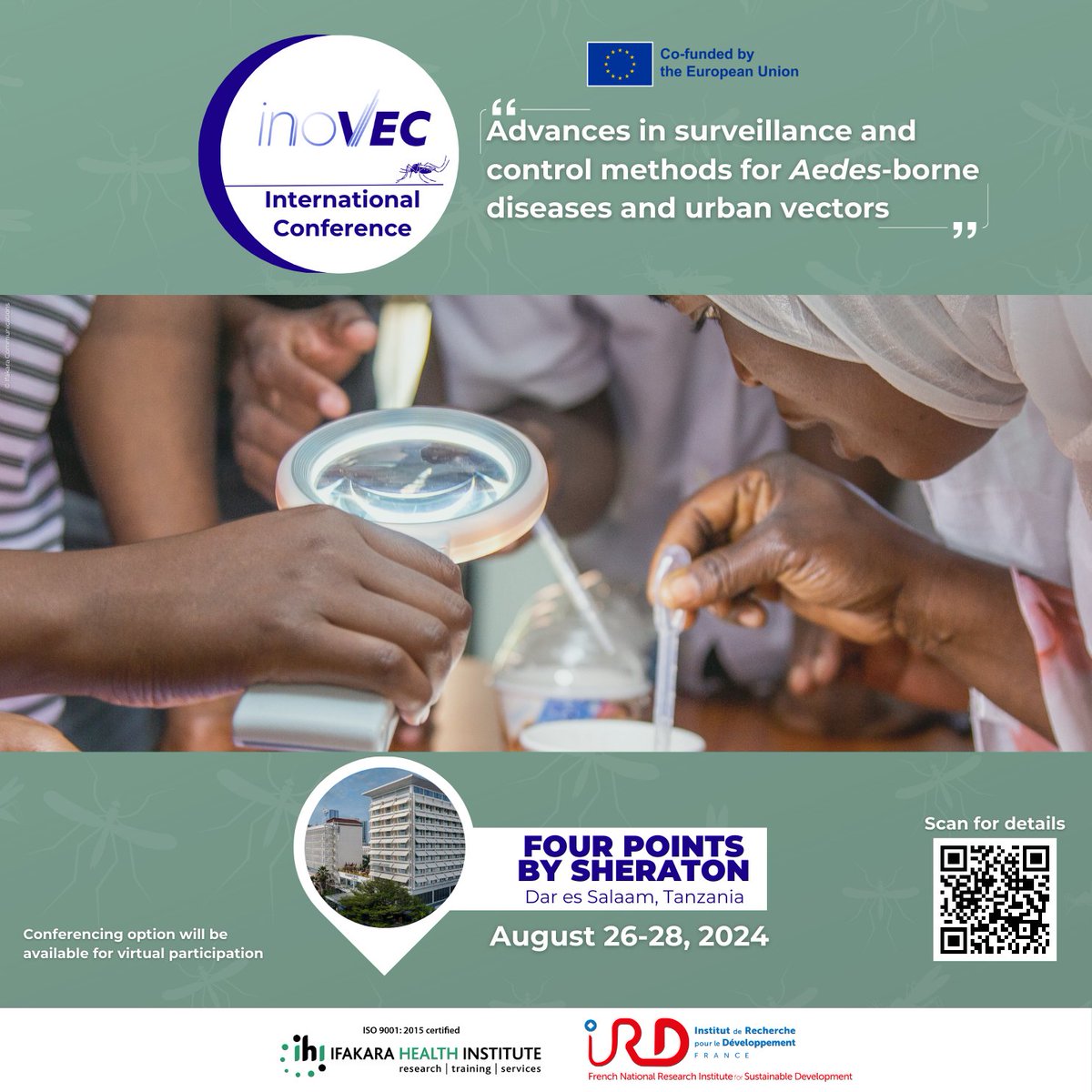
Conference on aedes-borne disease surveillance, control
As we near the date, @ifakarahealth and @ird_fr, with support from the European @inovec_project, are excited to remind our stakeholders about this landmark event which will take place at the Four Points by Sheraton in Dar es Salaam, Tanzania. 🇹🇿
Researchers, industry representatives, and many more will convene for a critical discussion on “Advances in Surveillance and Control Methods for Aedes-Borne Diseases and Urban Vectors.” 🦟🔬
>> https://t.co/FLsFO6Q6u6
>> #IFAKARAevents
📢 CALL FOR ABSTRACTS:
1st Int'l conference on Aedes-Borne disease surveillance & control
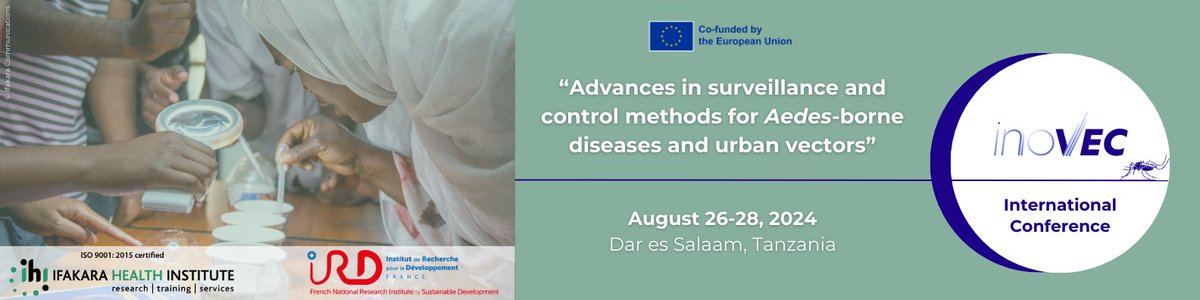
@ifakarahealth and @ird_fr are thrilled to announce the inaugural joint International Conference on “Advances in Surveillance and Control Methods for Aedes-Borne Diseases and Urban Vectors”. 🦟🔬
This event is organized with support from the European @inovec_project and is scheduled to take place from August 26-28, 2024, in Dar es Salaam, Tanzania. 🇹🇿
📌The submissions window is now OPEN!
📝 Abstract Submission Deadline: 31 May 2024
📅 Conference Dates: August 26-28, 2024
Click on the link below for more details on how to submit. ↩️
>> https://t.co/lqodsx2zqU
>> #IFAKARAevents
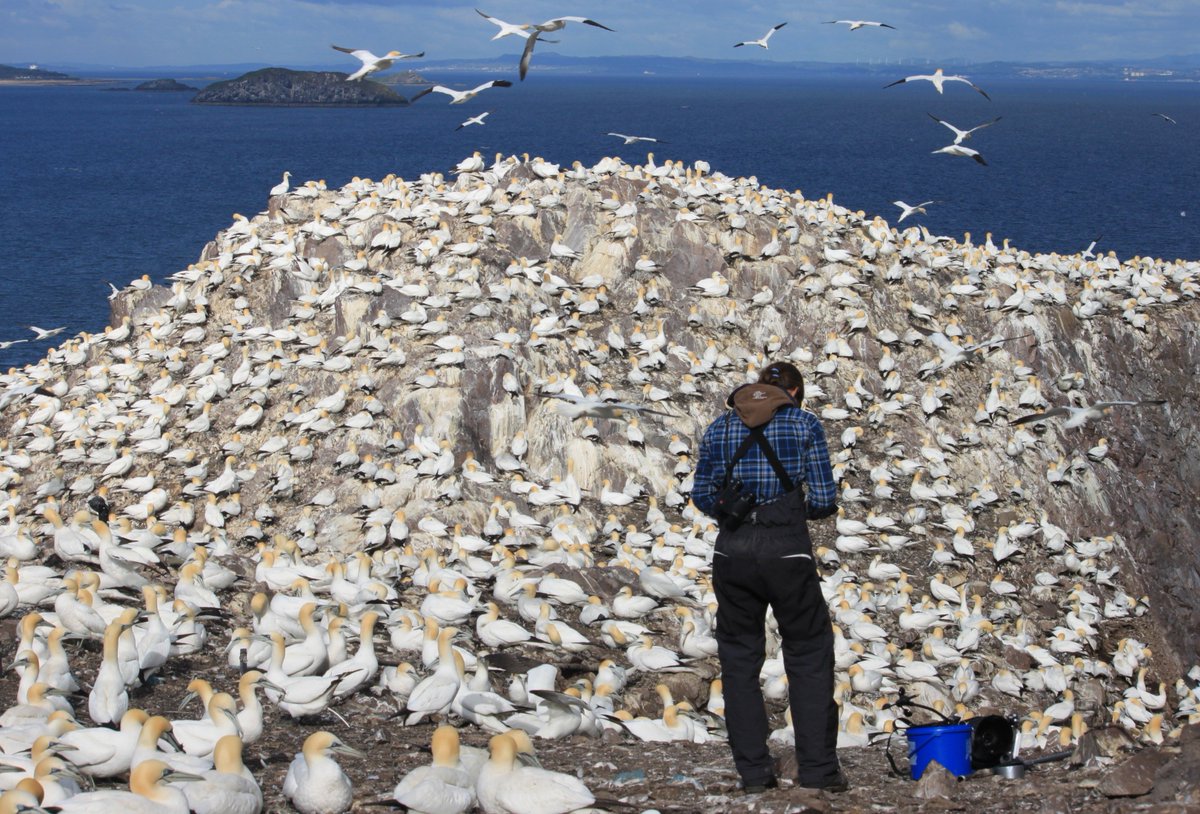
Pasionate about #Conservation?
Launching our new Applied Conservation Science MSc @UofGlasgow @UofG_SBOHVM. Embark into a transformative journey where advanced quantitative methods meet practical ecological skills!
Info here: https://t.co/PR9RID6kDt
(Photo: @JWEJeglinski)
How will climate change affect the risk of mosquito borne diseases ? Here are some thoughts - work in progress of course
~
The impact of climate change on mosquito-borne diseases will depend, at least in part, on how mosquito populations in different settings respond to the warming climate. Here are some thoughts:
~
1) Expansions in the geographical range of malaria transmission are more likely to be altitudinal rather than longitudinal. In Africa, this will likely mean more malaria in highland regions; not necessarily in the Sahel
2) The effects of climate warming will be context specific; and must be evaluated with respect to not just temperatures but also other elements such as humidity, hydrology, precipitation, topography etc
3) Malaria mosquitoes (Anopheles) are generally less likely to survive warmer temperatures than Aedes mosquitoes (which transmit dengue, Chikungunya, zika etc). In Africa, we may end up with less malaria but more dengue and the like
4) Increased frequencies of extreme weather events, especially flooding, not only increase the risk of mosquito-borne diseases, but more importantly disrupt health systems
5) Mosquitoes, like all other organisms, are constantly adapting, so some of the predictions we have today may become [partially] invalid depending on the direction of these adaptations. For example, if malaria vectors become more tolerant to heat (as has been demonstrated in some species), they might be able to sustain disease transmission more widely even under increased climate warming
6) Despite current data suggesting a limited direct impact of climate change on malaria, the risk of indirect effects, especially health system disruptions and reallocation of resources, justifies efforts to eliminate malaria proactively. You don't want to be dealing with malaria outbreaks when there are also climate-induced disasters like floods. So malaria control/elimination can be considered an adaptation strategy against climate change
7) In most locations, changes in land-use and land-cover changes, will have greater, more immediate and more direct impact on disease risk than climate change per se - by the way it is easier to measure land-use/land-cover changes than it is to measure climate change
8) The environment, especially the built-environment is changing rapidly in Africa. For instance, the proportion of homes that now have metal roofs as opposed to thatch roofs has more than doubled since 2000. For Africa's most notorious malaria vectors, such as Anopheles gambiae and Anopheles funestus, which love human dwellings, this change creates a very different microclimate for their survival. How this will impact disease risk remains to be fully understood, but so far, it appears that it will significantly reduce the risk of malaria
9) Broadly speaking, climate science is tough and requires very long-term plans, dedicated scientists and patience. There are still a ton of questions unanswered, especially with regard to local effects of climate change in different localities
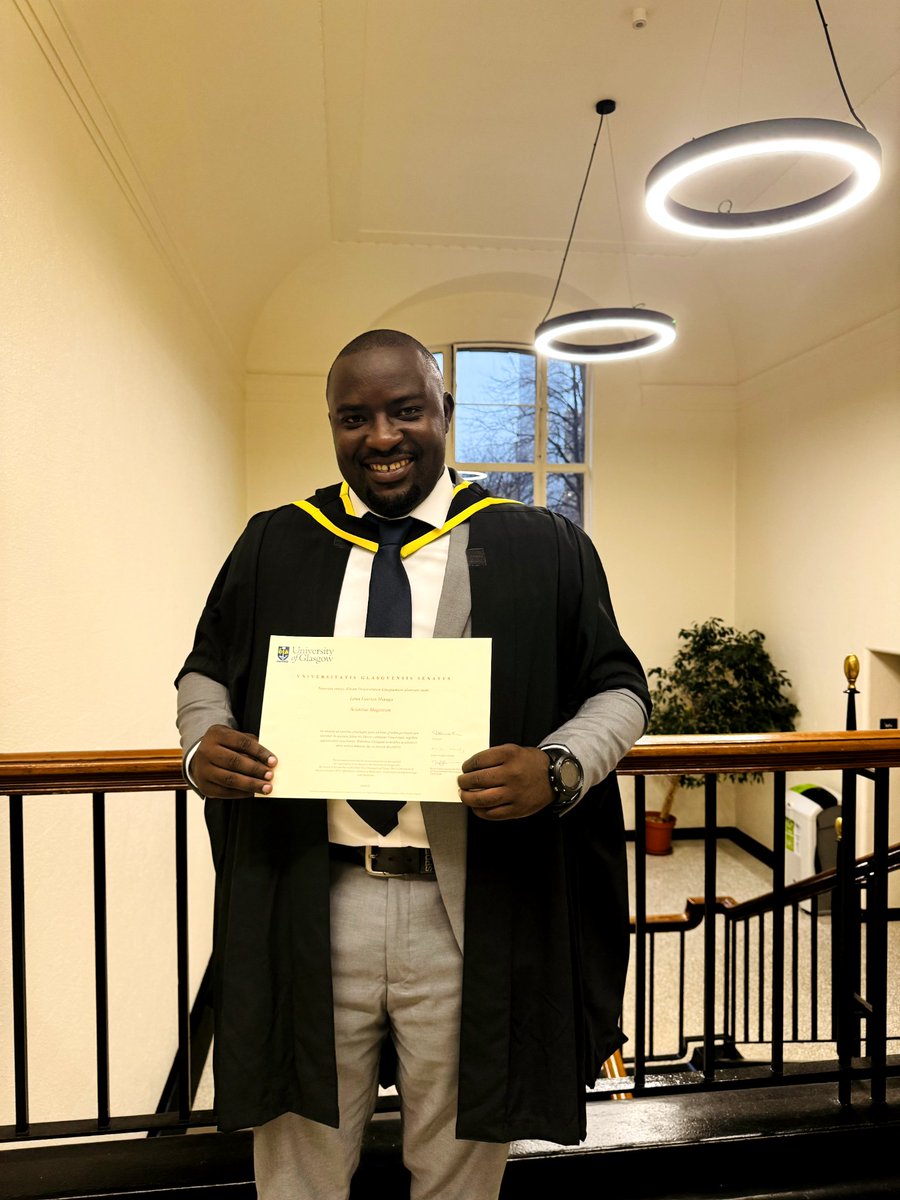
Am thrilled to graduate from @UofGlasgow with Msc in Quantitative methods, biodiversity,conservation and epidemiology.Thanks to my supervisors @Fredros_Inc@paulcdjo @JMatthiopoulos and @ifakarahealth for the platform.Special thanks to @Fredros_Inc for facilitating my studies.
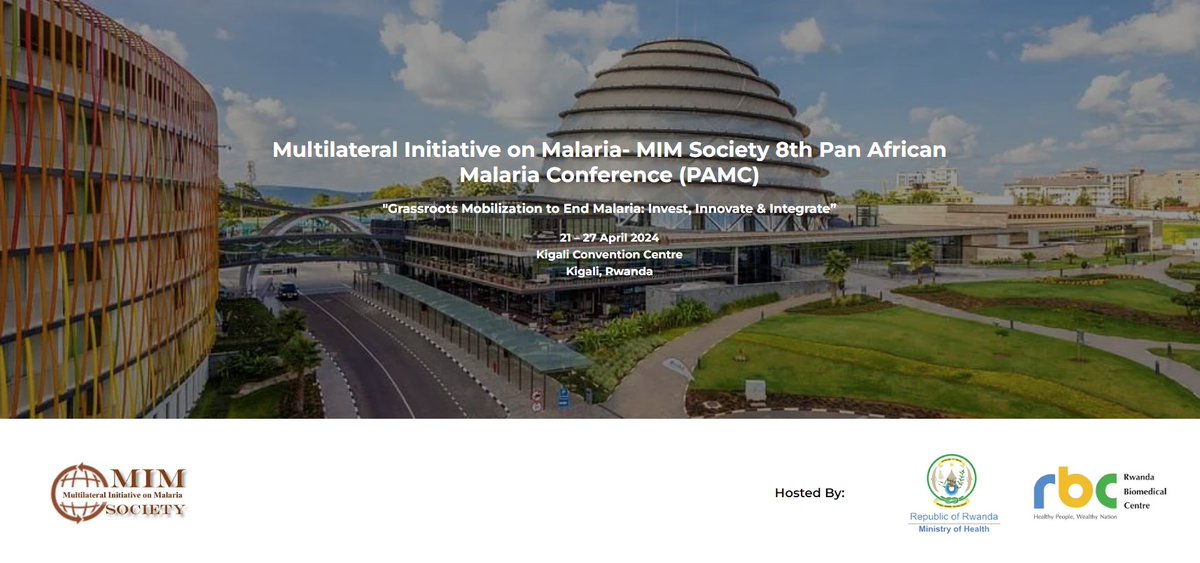
🔬 Submit abstracts for #MIM2024 Multilateral Initiative on Malaria Conference by 15 Jan!
📍 Kigali, Rwanda
Share your research at this international gathering to pave the way for locally-driven R&D, molibization and collaboration to #EndMalaria.
👉 https://t.co/PmzFxHkvqq
@IssaMshani1 et al review current applications of IR spectroscopy and ML approaches for investigating malaria indicators. They also propose initial target product profiles 2 be considered w'n develping/testing these tech @ifakarahealth @UofG_SBOHVM @IrssF https://t.co/XEQPPVOWIN
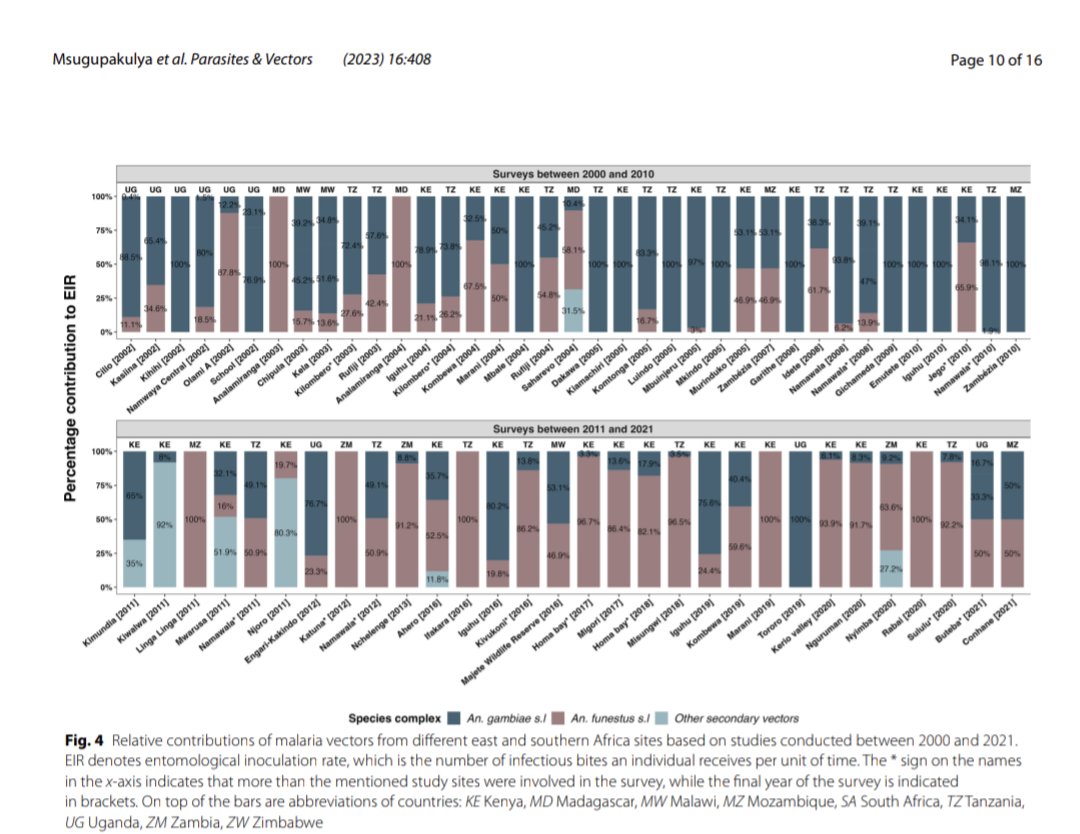
Contribution of diff vector spp. has
changed significantly over the past 20 yrs. As the role
of An.gambiae has declined, An. funestus now appears
to dominate most settings in east & southern Africa. Congrats 🎉 to @Betweljohn et al https://t.co/CRBYIAmn7s
Congratulations @chinito_colapso for publishing your work. Mid Infrared spectroscopy and it's use to predict species age n cuticular resistance. @UofG_SBOHVM @ifakarahealth
Our new paper is out!! Mid-infrared spectroscopy from mosquito legs🦟 and its use to predict species, age & cuticular resistance in An. gambiae @VectorsGlasgow
Read more ⬇️⬇️
https://t.co/DJEY68MRfr





![Fredros_Inc's tweet photo. How will climate change affect the risk of mosquito borne diseases ? Here are some thoughts - work in progress of course
~
The impact of climate change on mosquito-borne diseases will depend, at least in part, on how mosquito populations in different settings respond to the warming climate. Here are some thoughts:
~
1) Expansions in the geographical range of malaria transmission are more likely to be altitudinal rather than longitudinal. In Africa, this will likely mean more malaria in highland regions; not necessarily in the Sahel
2) The effects of climate warming will be context specific; and must be evaluated with respect to not just temperatures but also other elements such as humidity, hydrology, precipitation, topography etc
3) Malaria mosquitoes (Anopheles) are generally less likely to survive warmer temperatures than Aedes mosquitoes (which transmit dengue, Chikungunya, zika etc). In Africa, we may end up with less malaria but more dengue and the like
4) Increased frequencies of extreme weather events, especially flooding, not only increase the risk of mosquito-borne diseases, but more importantly disrupt health systems
5) Mosquitoes, like all other organisms, are constantly adapting, so some of the predictions we have today may become [partially] invalid depending on the direction of these adaptations. For example, if malaria vectors become more tolerant to heat (as has been demonstrated in some species), they might be able to sustain disease transmission more widely even under increased climate warming
6) Despite current data suggesting a limited direct impact of climate change on malaria, the risk of indirect effects, especially health system disruptions and reallocation of resources, justifies efforts to eliminate malaria proactively. You don't want to be dealing with malaria outbreaks when there are also climate-induced disasters like floods. So malaria control/elimination can be considered an adaptation strategy against climate change
7) In most locations, changes in land-use and land-cover changes, will have greater, more immediate and more direct impact on disease risk than climate change per se - by the way it is easier to measure land-use/land-cover changes than it is to measure climate change
8) The environment, especially the built-environment is changing rapidly in Africa. For instance, the proportion of homes that now have metal roofs as opposed to thatch roofs has more than doubled since 2000. For Africa's most notorious malaria vectors, such as Anopheles gambiae and Anopheles funestus, which love human dwellings, this change creates a very different microclimate for their survival. How this will impact disease risk remains to be fully understood, but so far, it appears that it will significantly reduce the risk of malaria
9) Broadly speaking, climate science is tough and requires very long-term plans, dedicated scientists and patience. There are still a ton of questions unanswered, especially with regard to local effects of climate change in different localities](https://pbs.twimg.com/media/GD6wGJhWgAA-j9j.jpg)