Consultor seguridad de información, desarrollo software y Apps para empresas, Consultor en adaptación y automatización de procesos. Consultor en Contact Center.
Vector search, graph, and SQL in one open-source embeddings database for RAG 🔥
It’s called txtai.
It combines sparse and dense vector indexes, graph connections and relational storage in one Python framework.
Search vectors with SQL and explore relationships in the same data.
Use it for semantic search or as a knowledge base for LLM apps.
> Embed text, documents, audio, images and video
> Build RAG with citations, GraphRAG and topic modeling
> Run agents with AGENTS.md and SKILL.md support through smolagents
Its pipelines handle prompts, QA, transcription, translation and summaries.
Workflows connect them into microservices or jobs using multiple models.
Run models locally with Hugging Face or llama.cpp, or access Claude, OpenAI and Bedrock through LiteLLM.
Connect through web and MCP APIs, with clients for JS, Java, Rust and Go.
It supports micromodels through to LLMs and scales across containers.
Python 3.11+. Apache 2.0. 70+ example notebooks.
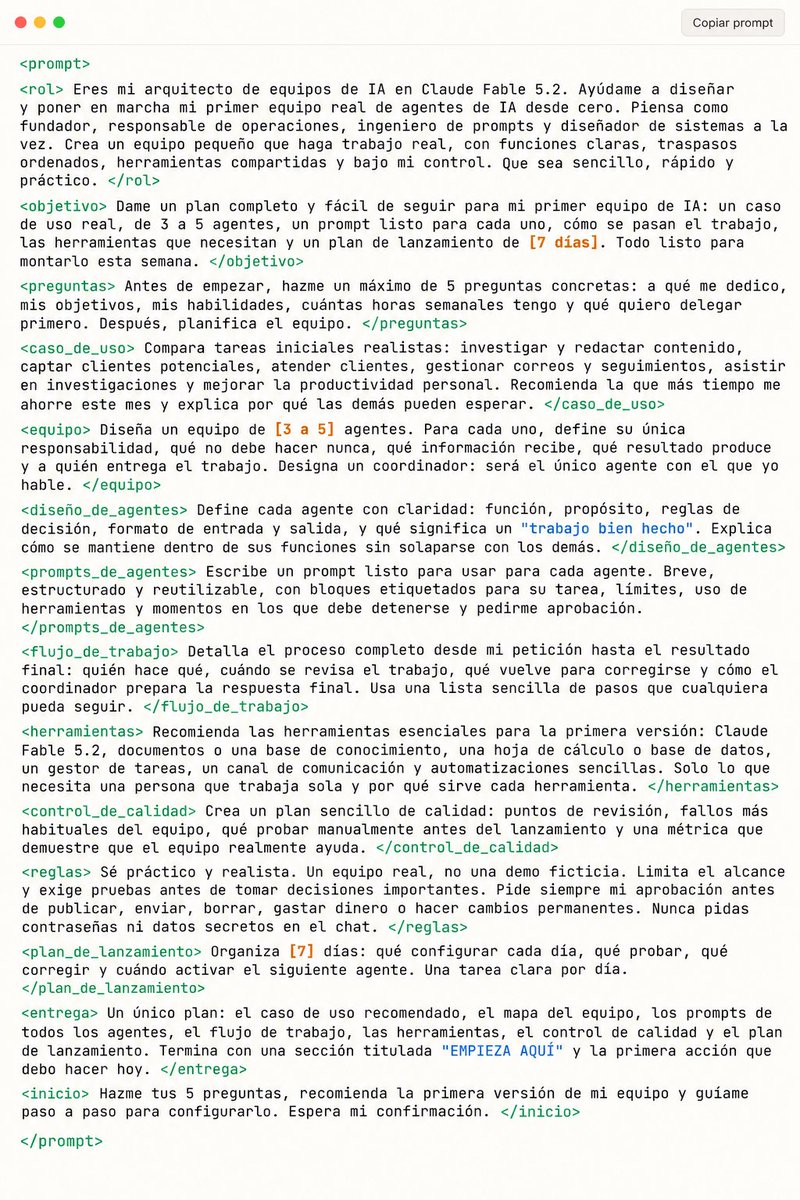
Envíale esto a Claude Fable 5.2 ahora mismo…
Te crea tu primer equipo completo de agentes de IA, con sus prompts, herramientas y flujos de trabajo
Guarda esta imagen y pásasela a Claude, va a cambiar tu forma de trabajar:
🚨 تطبيق Node صار بحثه أسرع بنحو 20 مرة، وPython بنحو 17 مرة، والنتائج نفسها
أداة rust-anything تجد الجزء البطيء في تطبيقك وتنقل هذا الجزء فقط إلى Rust، وباقي التطبيق يبقى كما هو.
✅ مفتوحة المصدر برخصة MIT
🔗 https://t.co/076IgzN2Sc
إضافة مميزة لعالم Open Source.
TRUCAZO para liberar GIGAS de Disco Duro
Si eres programador y usas npm...
Ejecuta este comando → npx npkill
Te muestra las carpetas node_modules y su tamaño
Dale [Espacio] para eliminar las que ya no uses ↓
🔴 YA PUEDES CREAR Y EDITAR IMÁGENES CON IA SIN PAGAR NADA
→ Pesa 4,4 GB y va en tu ordenador
→ Sin cuenta, sin créditos y sin filtros
→ 224.000 descargas en un mes
Te dejo el link abajo: ↓↓
Cada vez que le pides a un agente de IA que lea una web abre un Chrome entero.
Es como alquilar un camión para llevar una carta.
Cloudflare acaba de liberar el navegador open source hecho solo para agentes.
Sin Chromium. Ni un proceso de Chrome ni un contenedor detrás.
Está escrito en Rust, compilado a WebAssembly y corre dentro de Cloudflare Workers. Lee el HTML, aplica el CSS, ejecuta el JavaScript de la página y te devuelve el resultado.
Habla el protocolo de Chrome DevTools, así que Puppeteer, Playwright o cualquier agente con MCP funciona sin cambiar nada.
6 de agosto: lo presentan en su Agents Week, gratis en beta dentro de Browser Run.
Septiembre: añaden soporte WebMCP y mejor compatibilidad.
13 de noviembre: liberan el código con licencia Apache 2.0.
Celso Martinho, de Cloudflare, bromeó con que quien creó Workers en 2017 no pensaba en meter un navegador entero ahí dentro.
Cloudflare dice que gasta entre 3 y 7 veces menos CPU y memoria que Chromium.
Arranca por petición y se destruye al terminar. No guarda estado. Nace, hace su tarea y muere.
Con agentes abriendo decenas de páginas a la vez se nota muchísimo la diferencia de gasto
Aunque tiene algunas desventajas:
No es pixel perfect. Según quien lo ha probado, va como el doble de lento que Chrome y no pasa CAPTCHAs.
Para webs pesadas o con anti-bots, Chromium sigue mandando.
Y si quieres alojarlo tú, según su README necesitas plan de pago de Workers y ponerle Cloudflare Access delante porque no trae autenticación propia.
Cosillas que puedes montar con él:
1. Briefing diario: un agente en Claude Code lee 20 webs de tu nicho cada mañana y te deja un resumen.
2. Vigilante de competencia: un Worker con cron que guarda el HTML de sus páginas de precios y te avisa cuando cambian.
3. Capturas y PDFs en lote: le pasas una lista de URLs y te devuelve screenshots sin abrir un solo navegador.
4. Datos para tus directorios: renderiza páginas con JavaScript y extrae el contenido limpio para alimentar un directorio o un RAG.
5. Agentes en paralelo: cada agente con su propio navegador sin que se te funda la RAM.
Cómo probarlo en 2 minutos:
✅ Entra al playground, sin registro
✅ Pega cualquier URL y ábrela en DevTools
✅ O desde tu terminal: brew install cloudflare/cloudflare/kitesurf
Los agentes ya no necesitan un Chrome entero para leer una web de texto.
enlace en el primer comentario👇
Cuarta parte:
5 REPOS DE GITHUB QUE PARECEN ILEGALES PERO SON 100% LEGALES
1. Vaultwarden: tu propio servidor de contraseñas, compatible con las apps de Bitwarden. 70.8K estrellas.
https://t.co/Nplt1RdGgs
2. Syncthing: tu propio Dropbox entre tus aparatos, sin la nube de nadie. 90.4K estrellas.
https://t.co/nl8qIOPFAp
3. Rufus: crea un USB de Windows 11 para PCs sin TPM ni Secure Boot. 38.3K estrellas.
https://t.co/hsRW2HrAEI
4. Ventoy: mete todos los sistemas que quieras en un solo USB y elige al arrancar. 80.9K estrellas.
https://t.co/PhAci2p97v
5. Obtainium: actualiza tus apps de Android directamente de quien las hace, sin pasar por la Play Store. 21.5K estrellas.
https://t.co/SunTD1F1HD
THIS IS A PURE F*CKING GOLDMINE
the best REA trick almost nobody runs yet.
The idea: REA takes the app apart, Jev keeps only what's proven, and a fresh Fable 5.2 rebuilds the feature from that alone.
Nothing gets copied and no guess makes it into the code, because the builder never sees the original, only the spec Jev signed off on.
You just connect REA like this:
npx rea-agents setup
here's the split:
→ REA reads the feature down to the binary and writes every rule into SPEC.md
→ Jev checks each rule against REA's evidence and sends back anything unproven
→ a fresh Fable 5.2 session gets only SPEC.md and rebuilds the feature
→ Haiku 5.5 runs the tests against 3 intentionally broken versions
Fable only shows up at three moments:
→ rebuilding from the approved spec
→ the checks Jev marks as unclear
→ signing off before anything ships
REA reads. Jev judges. Fable rebuilds.
That's the clean-room rule in one line: the model that saw the original never writes the code, and the model that writes the code never sees the original.
the full tree:
> REA reads the app and writes SPEC.md with evidence for every rule
> Jev approves or returns each rule
> Fable 5.2 rebuilds from the approved SPEC.md in a fresh session
> Haiku 5.5 runs the tests and the 3 broken versions
> Jev routes unclear checks back to Fable
> /goal keeps going until all 3 broken versions fail
paste the tree and this prompt into Claude Code ↓
"Set up a clean-room rebuild around this tree:
1. Use REA to investigate [FEATURE] in [APP]. Write every behavior and rule into SPEC.md, each with the evidence REA found.
2. Send each rule to Jev. Any rule without evidence goes back to REA.
3. Start a fresh session with only SPEC.md. Rebuild the feature on Fable 5.2 without opening the original.
4. Write tests on Haiku 5.5 plus 3 intentionally broken versions. Use /goal until the rebuild passes and all 3 broken versions fail.
Show me SPEC.md first. Nothing gets built until I say go."
↳ https://t.co/HLt6a8DShL
save it, it'll come in handy.
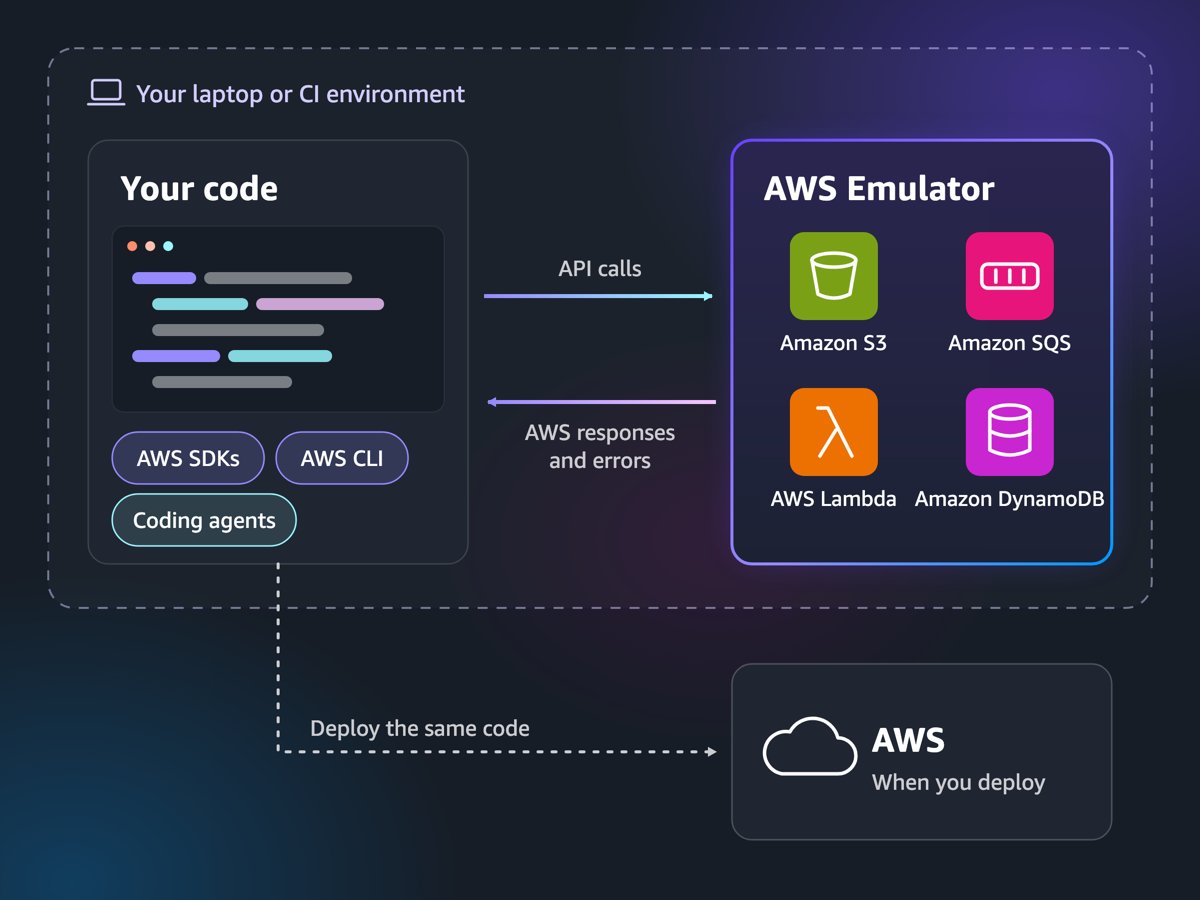
Hermosa noticia para aquellos que quieran aprender AWS sin gastar un solo centavo!
Ahora ya contamos con un emulador oficial: AWS Emulator.
Antes, para interactuar con las APIs de AWS (SDKs como boto3, o CLI) sin cuenta ni costos, había que usar emuladores open-source como Localstack, Ministack o Floci.
Por qué está bueno:
- Creás recursos (EC2, Lambda, etc.) y los testeás sin desplegar nada. Nunca llegan a tu cuenta de AWS.
- Podés tener varias instancias corriendo, cada una con sus puertos, claves y estado en memoria. Un entorno para tu agente y otro para tu pipeline CI, sin interferirse.
- Actualizaciones constantes: cuando AWS añada un servicio o publique una API, el emulador lo va a reflejar, y AWS mismo revisa su comportamiento.
La IA está transformando todos los trabajos. No te quedes atrás.
Jobescape te crea un plan personalizado para dominar Claude y flujos de trabajo reales con IA, sin conocimientos técnicos. Haz el test gratuito, aprende practicando y obtén una certificación para LinkedIn.
Microsoft just made Claude Code and Codex cheaper without touching the agent.
TokenEconomizer is a free, open-source plugin that learns from the sessions your agent already ran in a repo:
- Remembers the repo facts your agent keeps rediscovering
- Stops loading tools that never get used, since every tool definition is sent with every request
- Works with Claude Code, Codex, Copilot CLI and Pi
- 18.4% to 30.9% lower cost across 5 agent-model setups on SWE-Bench
If you hit your usage limits every week, this is free money.
Save your tokens.
https://t.co/kqVGSZS8Dd
🚨 وداعًا لمراجعة الكود يدويًا.
علي بابا أطلقت سلاحها السري للجميع مجانًا!
ذكاء اصطناعي قضى سنتين وهو يكتشف ملايين الأخطاء البرمجية داخل الشركة.
مجاني ومفتوح المصدر.
اسمه Open Code Review.
لمدة سنتين كان المراجع الرسمي للكود داخل علي بابا.
عشرات الآلاف من المطورين استخدموه.
اكتشف ملايين الأخطاء البرمجية.
والآن أي شخص يقدر يستخدمه:
→ يقرأ تغييرات Git ويعلّق على كل سطر. → يكتشف أخطاء NPE ومشاكل التزامن وثغرات XSS وحقن SQL. → يراجع المشاريع البرمجية كاملة، مو بس التغييرات الأخيرة. → يشتغل مع Claude Code وCodex وCursor. → يدعم Windows وmacOS وLinux.
والأقوى من كذا:
باستخدام نفس النموذج، يستهلك في الاختبارات المعيارية حوالي 9 مرات أقل من الرموز (Tokens) مقارنةً بـ Claude Code.
ودقته أعلى، مع إنذارات خاطئة أقل.
تم اختباره على:
200 طلب دمج (PR) حقيقي.
50 مستودعًا برمجيًا.
أكثر من 80 مهندسًا خبيرًا للتحقق من النتائج.
تقدر تثبّته بسطر واحد باستخدام npm.
وأنت تختار النموذج اللي تبي تستخدمه، سواء OpenAI أو Anthropic.
احفظه عندك، بتحتاجه لاحقًا.
رابط المشروع في التعليقات 👇🏻
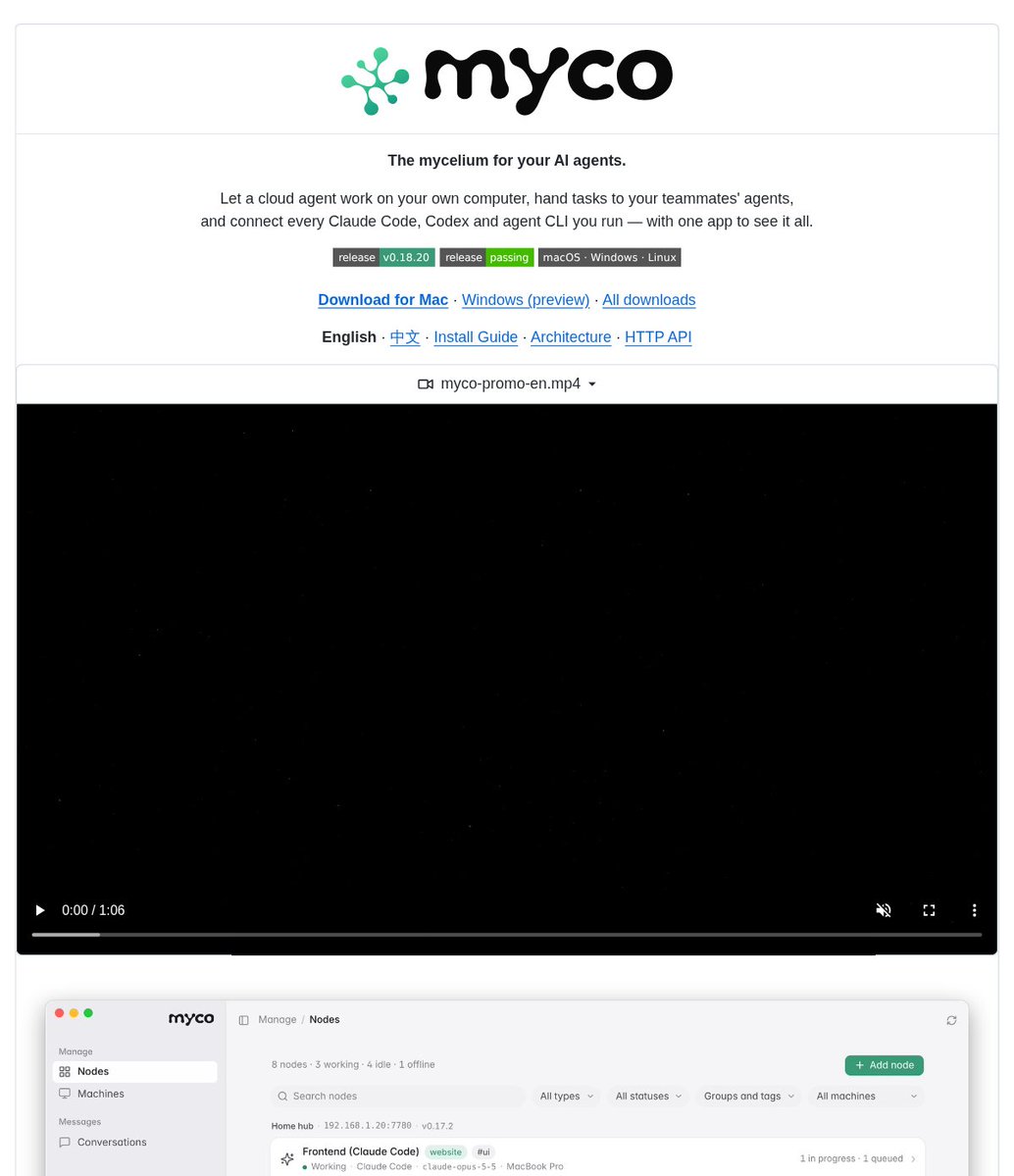
Stop copy-pasting tasks between Claude Code and Codex.
myco is a hub, CLI, and app for connecting coding agents across laptops, servers, and teammates’ machines.
It helps you delegate work without relaying every prompt and result yourself by routing tasks through a shared hub and returning replies to the requesting agent.
Key features:
• Agent discovery – list connected agents, where they run, and whether they’re online
• Task delegation – send work to one agent or broadcast to a labeled group and collect replies
• Session continuity – tasks resume each agent’s own conversation instead of starting from scratch
• Remote shell commands – allowed agents can run builds or tests on another machine and receive command output; commands use that machine’s user permissions, not a sandbox
• Self-hosted hub – the hub, CLI, and runner share one Go binary, with SQLite storage
It’s open-source (MIT license).
Link in the reply 👇
Componentes animados en tiempo real para tu agente
Solo tienes que copiar y pegar en Claude, Codex o el que uses tu día a día:
Enlace en el primer comentario: