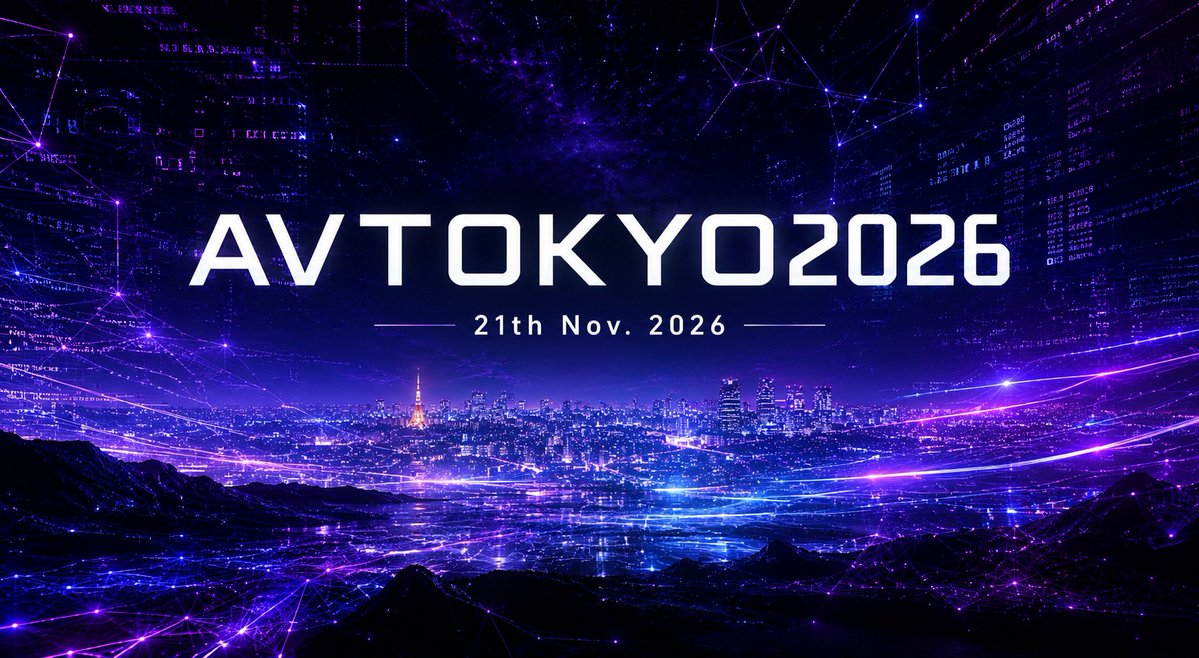
今年も AVTOKYO2026 !
📅 2026年11月21日(土)※今年は土曜日に戻ります
📅 November 21, 2026 (Sat) — back to Saturday!
📍 TK NIGHTCLUB, Shibuya, Tokyo
CFP/CFX will open soon.
no drink, no hack.
https://t.co/iOWMNuNOqU
#avtokyo
[Slides] I’ve uploaded the TLP:CLEAR version of the slides from my presentation at #BSidesTokyo 2026🤠
About the fake 7-Zip installer campaign that made headlines in Japan.
Ghost in the 7‑Zip: The Shadow of Residential Proxies Creeping into Your Life https://t.co/Xl5TArE8hP
[Slides/資料公開] 本日のBSides Tokyo 2026での講演資料です。
TLPT2.0の提案 -「敵を知る」と「自分を知る」の分離
(A Proposal for TLPT 2.0: Decoupling "Knowing the Enemy" from "Knowing Yourself")
https://t.co/KddOdQOrcd
#BSidesTokyo#TLPT#レッドチーム#RedTeam
🚨 BREAKING: Hackers are now exploiting the cPanel authentication bypass flaw (CVE-2026-41940) to deploy "Sorry" ransomware on compromised websites.
Numerous sources say attacks began Thursday, with threat actors breaching servers and deploying a Go-based Linux encryptor that appends the .sorry extension to files.
What the ransomware does:
🔴 Encrypts files and appends the ".sorry" extension.
🔴 Protects the encryption key with an embedded RSA-2048 public key
🔴 Drops a README.md ransom note in every folder
🔴 Uses a fixed Tox ID for ransom negotiations
Victims are being instructed to contact the attacker via Tox to pay for decryption.
This is not related to the older 2018 HiddenTear ".sorry" ransomware. This is a new, Linux-targeting encryptor tied directly to active cPanel exploitation.
If you're running cPanel or WHM, patch immediately.
RMM hunting is one of those areas where defenders get stuck because the answer is rarely “just block it.”
On a day-to-day basis, from the intrusions we see, 𝗦𝗰𝗿𝗲𝗲𝗻𝗖𝗼𝗻𝗻𝗲𝗰𝘁, 𝗦𝗽𝗹𝗮𝘀𝗵𝘁𝗼𝗽, 𝗔𝗻𝘆𝗗𝗲𝘀𝗸, and 𝗥𝘂𝘀𝘁𝗗𝗲𝘀𝗸 are some of the most abused RMMs.
All of these can be legitimate. All of these are also regularly abused.
That makes them annoying to detect, especially if you work in an MSSP or an environment where remote admin tooling is everywhere.
But there is a useful hunting angle here.
ScreenConnect is still one of the most common by far. A pattern I’ve noticed recently is threat actors installing multiple ScreenConnect clients on the same host with different profile configurations, each connecting to different domains.
That looks a lot like access staging or access resale.
The interesting part is that this creates artifacts defenders can hunt for.
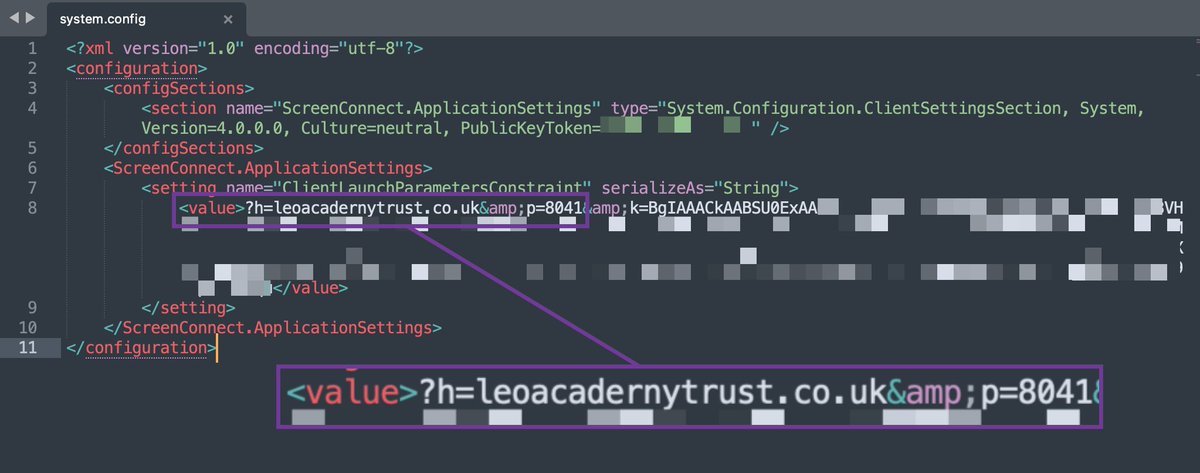
𝘐𝘯 𝘵𝘩𝘦 𝘧𝘪𝘳𝘴𝘵 𝘴𝘤𝘳𝘦𝘦𝘯𝘴𝘩𝘰𝘵, 𝘺𝘰𝘶 𝘤𝘢𝘯 𝘴𝘦𝘦 𝘩𝘰𝘸 𝘥𝘪𝘧𝘧𝘦𝘳𝘦𝘯𝘵 𝘚𝘤𝘳𝘦𝘦𝘯𝘊𝘰𝘯𝘯𝘦𝘤𝘵 𝘪𝘯𝘴𝘵𝘢𝘭𝘭𝘢𝘵𝘪𝘰𝘯 𝘱𝘳𝘰𝘧𝘪𝘭𝘦𝘴 𝘸𝘰𝘶𝘭𝘥 𝘭𝘰𝘰𝘬. 𝘐𝘯 𝘵𝘩𝘪𝘴 ��𝘢𝘴𝘦, 𝘵𝘩𝘦 𝘱𝘢𝘵𝘵𝘦𝘳𝘯 𝘪𝘴 𝘣𝘢𝘴𝘪𝘤𝘢𝘭𝘭𝘺 𝙎𝙘𝙧𝙚𝙚𝙣𝘾𝙤𝙣𝙣𝙚𝙘𝙩 𝘾𝙡𝙞𝙚𝙣𝙩 𝘧𝘰𝘭𝘭𝘰𝘸𝘦𝘥 𝘣𝘺 𝘢 𝘳𝘢𝘯𝘥𝘰𝘮 𝘶𝘯𝘪𝘲𝘶𝘦 16-𝘤𝘩𝘢𝘳𝘢𝘤𝘵𝘦𝘳 𝘢𝘭𝘱𝘩𝘢𝘯𝘶𝘮𝘦𝘳𝘪𝘤 𝘷𝘢𝘭𝘶𝘦.
That is a very useful hunting signal.
Red flags:
- Multiple ScreenConnect profiles on one host
- Multiple ScreenConnect installations
- Installs under both 𝗖:\𝗣𝗿𝗼𝗴𝗿𝗮𝗺 𝗙𝗶𝗹𝗲𝘀*\ and 𝗔𝗽𝗽𝗗𝗮𝘁𝗮
- Different configured remote domains
- Suspicious or unexpected 𝘀𝘆𝘀𝘁𝗲𝗺.𝗰𝗼𝗻𝗳𝗶𝗴 files
The 𝘀𝘆𝘀𝘁𝗲𝗺.𝗰𝗼𝗻𝗳𝗶𝗴 file is especially useful. It exists inside the ScreenConnect installation directory and can expose the domain and certificate information used by the client to connect back to the remote server.
This is the main point:
Don’t hunt only for the presence of RMM, hunt for RMM drift.
Unexpected profiles -> Unexpected paths -> Unexpected domains. Unexpected configs.
That is where RMM abuse starts becoming visible.
New Mimikatz
Researchers took an old version of Mimikatz and taught it how to dump credentials from the latest operating systems!
The research: https://t.co/JxZwg135Mr
The repo:
https://t.co/Lpsu09AMng
#redteam#pentesting
One artifact rarely tells the full story.
Jump Lists. LNK files. Prefetch.
Each captures different activity on a Windows system.
The challenge is connecting them.
👇 Quick reference in the playbook
👉 https://t.co/qxh3QNP0SU
Google Threat Intelligence Group is tracking an active supply chain attack 🔎
North Korea-nexus actor UNC1069 compromised the "axios" NPM package (v1.14.1 & 0.30.4), deploying the WAVESHAPER.V2 backdoor across Windows, macOS, and Linux.
Learn more: https://t.co/pII35aPpRA
🚨 CRITICAL: Active supply chain attack on axios -- one of npm's most depended-on packages.
The latest [email protected] now pulls in [email protected], a package that did not exist before today. This is a live compromise.
This is textbook supply chain installer malware. axios has 100M+ weekly downloads. Every npm install pulling the latest version is potentially compromised right now.
Socket AI analysis confirms this is malware. plain-crypto-js is an obfuscated dropper/loader that:
• Deobfuscates embedded payloads and operational strings at runtime
• Dynamically loads fs, os, and execSync to evade static analysis
• Executes decoded shell commands
• Stages and copies payload files into OS temp and Windows ProgramData directories
• Deletes and renames artifacts post-execution to destroy forensic evidence
If you use axios, pin your version immediately and audit your lockfiles. Do not upgrade.