Our new review is the first to systematic overview of all the main areas of research and concludes there is no evidence of a link between low serotonin and depression https://t.co/fujIfAtD91 THREAD
Dense network mapping in the human cortex has revealed a large interneuron-to-interneuron network that is almost absent in the mouse. This novel neuronal network may constitute a key evolutionary invention in the human cortex. Learn more: https://t.co/XBDe8Izsqi #ScienceResearch
Fantastic #postdocjob at @MRCcmm, and within our Microbiome cluster, to study the effect of mutations in CFTR on host-pathogen interactions.
You can find this on our Jobs page, where all other future opportunities within the network will also be listed: https://t.co/ik5KMPWk0S
1/8 Can we use embodied AI to gain insight into *why* neural systems are as they are?
In previous work👇, we demonstrated that a contrastive unsupervised objective substantially outperforms supervised object categorization at generating networks that predict mouse visual cortex.
We are proud to announce the Yorkshire Natural History Museum will be opening Saturday 13th August! 🎉
We are a small public #museum with a #geology, #palaeontology, and #botany collection, including a significant research collection of #fossils from the #Yorkshire Lias. 🐚
Did you ever wonder how to remove the influence of undesired movement effects on your measured neural activity? Check out our newest paper @Neuron demonstrating the power of our new 3D tracking and virtual head fixation tool. https://t.co/DXOgnbxCz1
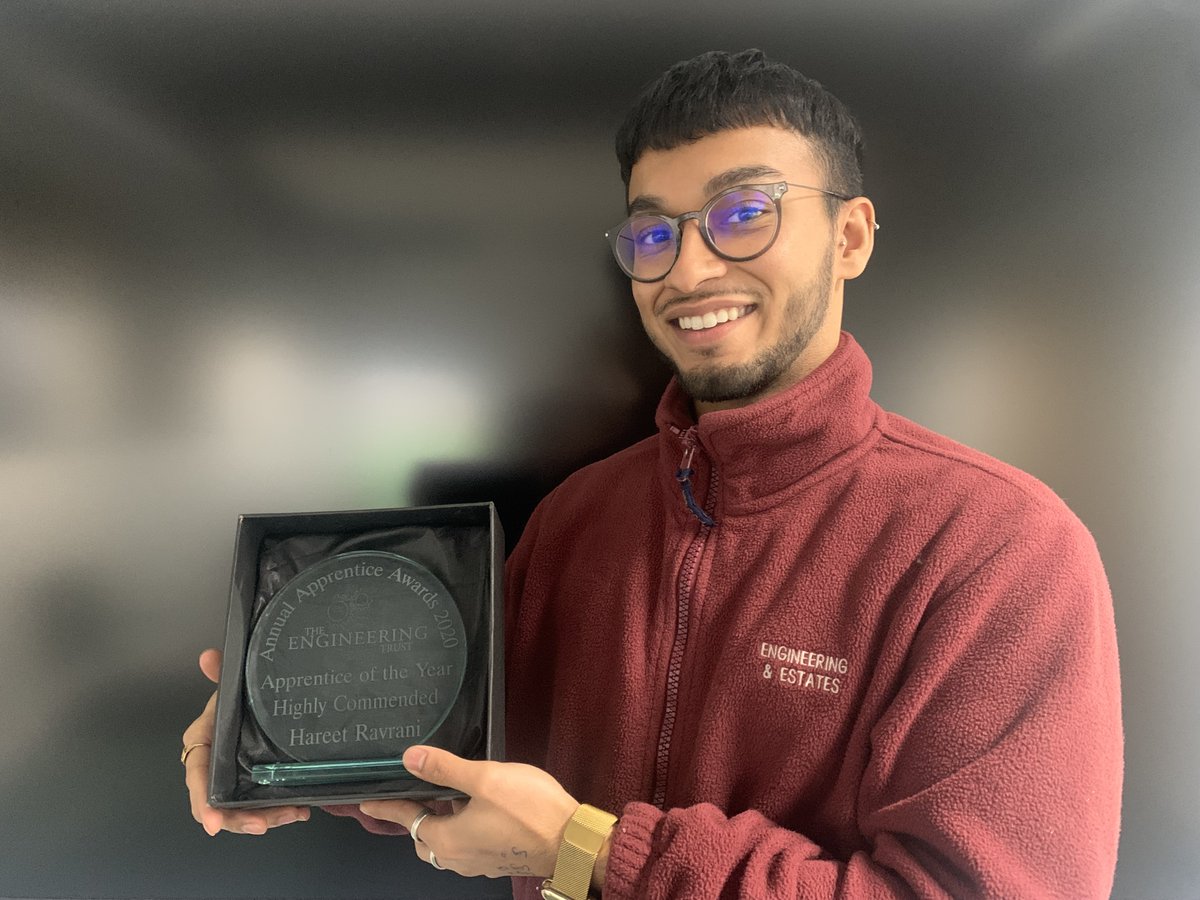
We are delighted to celebrate our own Hareet Ravrani who received the Highly Commended Apprentice of the Year award for the second year running by @EngineerTrust. We are proud of him and ever more committed to supporting training and career development of young people #training
🚨Pre-print announcement!🚨 We are excited to share our new pre-print addressing an important issue in systems neuroscience: reproducibility. 🧵 (1/8)
https://t.co/n0MWWlPFIG
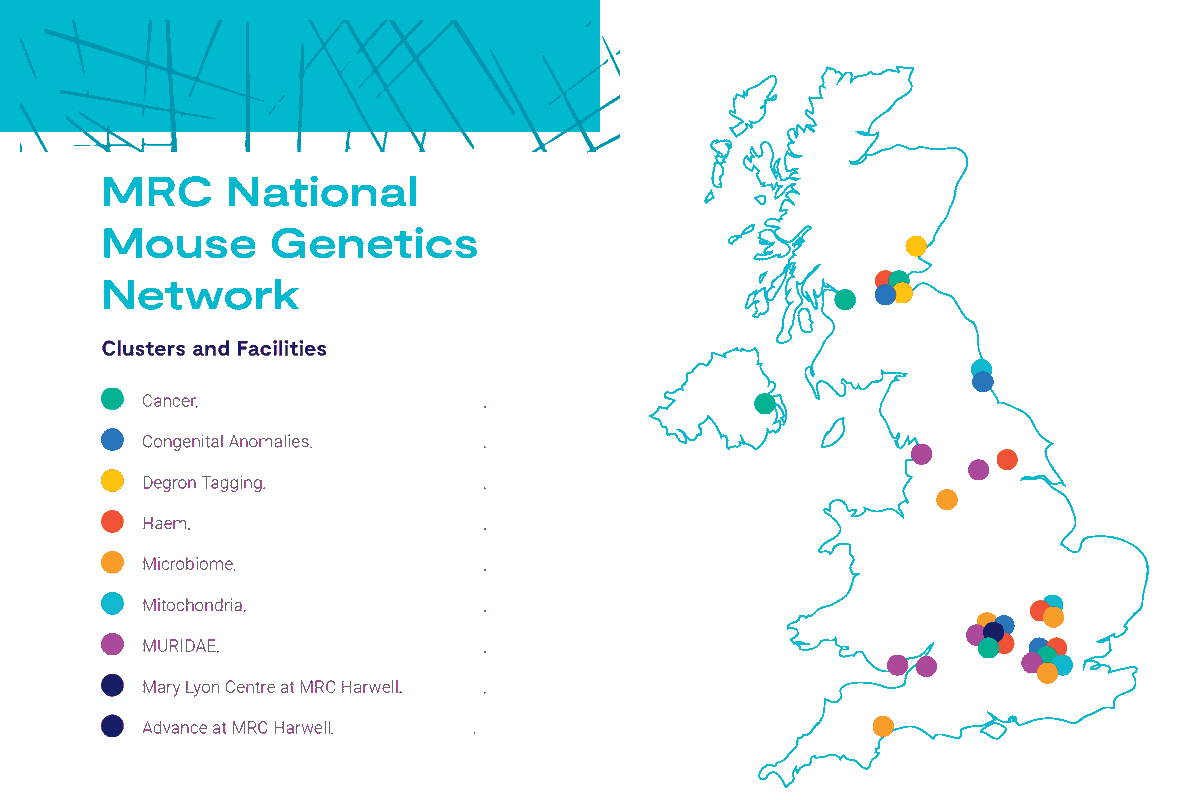
The MRC National Mouse Genetics Network is comprised of challenge-led research clusters spread across the UK. The clusters also show diverse expertise and establish partnerships between mouse geneticists, basic, translational, and clinical scientists.
The MURIDAE (Modalities for Understanding, Recording and Integrating Data Across Early life) cluster, led by @ProfAntIsles at @MRCcardiff, aims to establish new approaches for studying the early postnatal period in mouse models of neuropsychiatric disease:
https://t.co/8dS4wqhGQm
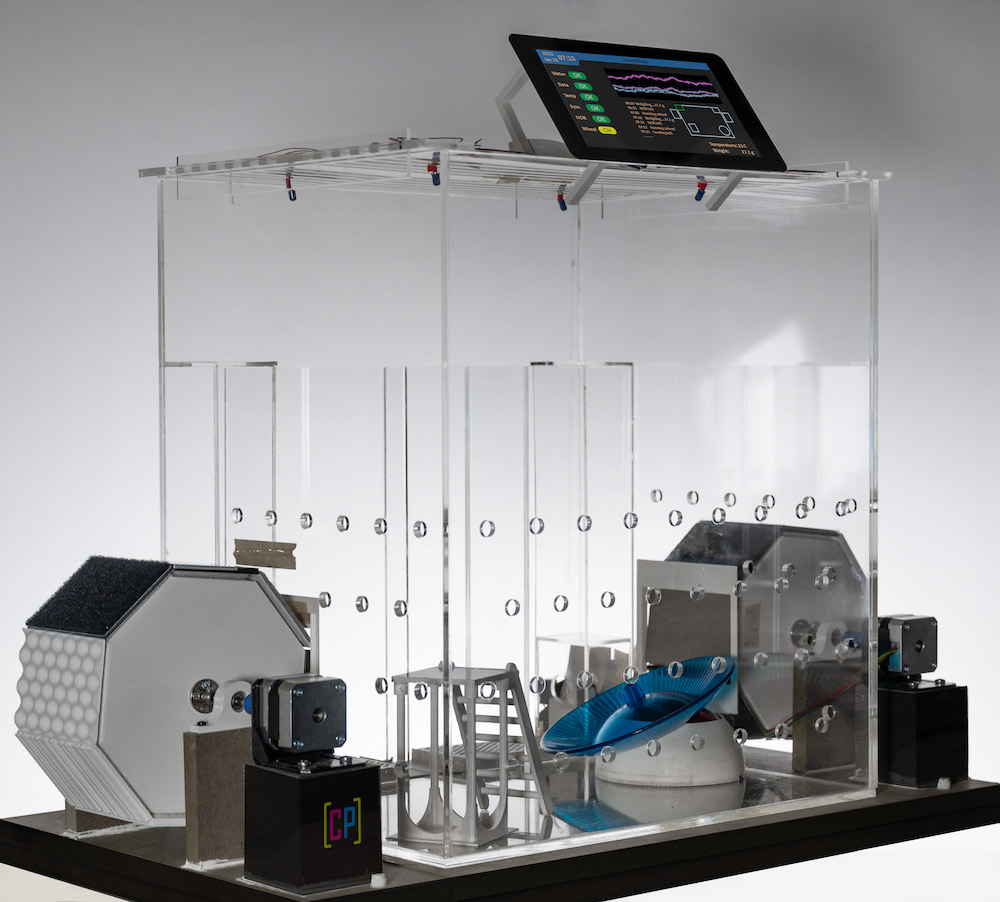
Smart-Kages: The automated and AI-assisted innovation set to transform animal behaviour experiments
Our new feature on spin-out @CPhenotyping led by Dr Julija Krupic, & a must-read for researchers assessing rodent behaviours 🐭👉 https://t.co/rBQVWCrllL
Our Director, @WellSara: “The Mary Lyon Centre is excited to be the hub of such innovative research projects. We are dedicated to developing preclinical platforms through the network that will then be available and accessible to the wider biomedical research community”
£15 million has been awarded to UK institutions by @STFC_Matters to help create the prototype software that will control the the UK-headquartered Square Kilometre Array (SKA) observatory. One of the largest scientific endeavours in history.
https://t.co/3Pvc5C5q7n