@2m0sql Btw the name 'SatTrack' is already being used for other satellite tracking programs:
https://t.co/rjSEJOISM8
https://t.co/xB7HHgE6FU
https://t.co/hgqZUsjbsY
https://t.co/VXp8y78Zsq
@2m0sql Unfortunately this program will stop working within a year or so, because the use of TLEs will stop soon. Better switch to one of the new GP data formats now, e.g. the XML format.
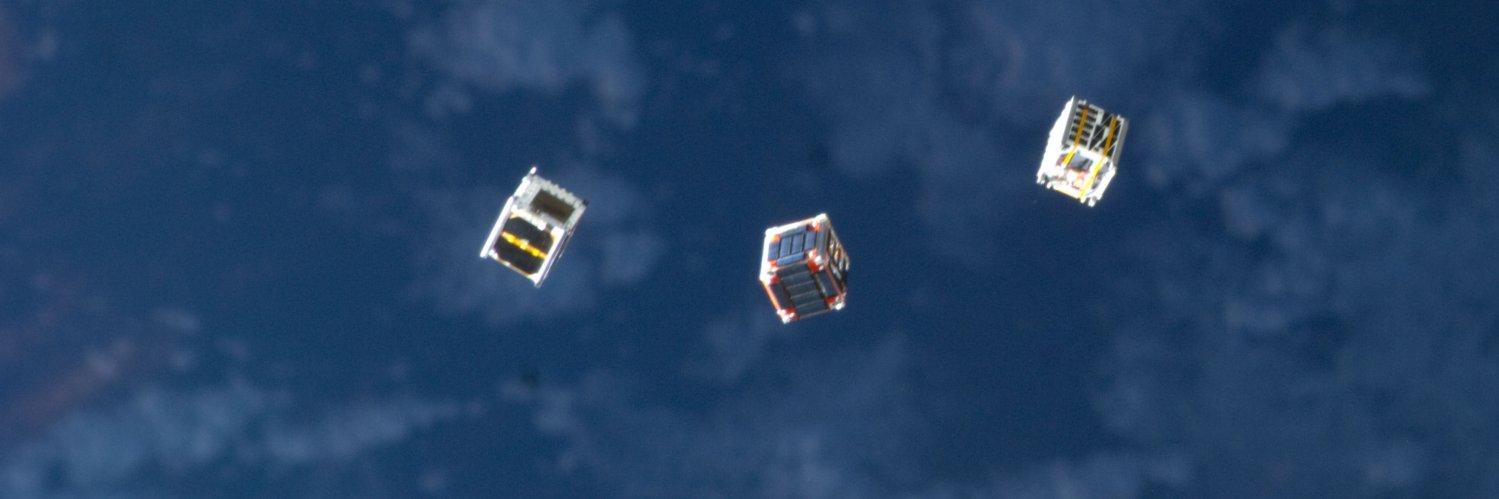
NRCSD#28 Cubesat deployments from ISS on 2024-10-08 by Voyager Space Exploration Systems (ex Nanoracks):
CySat 1 at 10:25:12 UTC and DORA at 10:35:12 UTC.
Received good signals from DORA.
@SpaceTrackOrg@S4S_SDA@TSKelso@planet4589@AMSAT@AmsatUK
@eelcodoornbos @Marco_Langbroek@Noorderlichtja1 Een opvallend zwakke CME passeerde L1 vanochtend om 06:56 UTC en arriveerde bij de aardse magnetosfeer om 07:39 UTC. Vooralsnog zijn de gevolgen zeer beperkt.
The 'lla' data shows the actual latitude, longitude and altitude. Latitude and longitude in radians, altitude in meters.
The 'ecef' data shows the actual X, Y and Z coordinates in meters, in Earth centered, Earth fixed reference frame.
Spacex Crew 9 Dragon and ISS actual position can be monitored in real-time here: https://t.co/HNtJwFDQzx
For detailed actual real-time Dragon and ISS ephemerides see: https://t.co/OaVQnMSZlO
@eelcodoornbos @Kp_index@NRCan@AETUDelft@esa_swarm Exactly. And therefore it is remarkable that some people only use today's value of the solar flux to calculate the drag on a certain satellite, and thus determine its remaining lifetime.