Luc Julia : l'IA générative est une "aberration écologique totale" !
@SamuelFitouss10 : Je ne suis pas d'accord avec cela, je suis venu avec des chiffres sourcés.
Abel Quentin : C'est très grave ce que vous faites ! Et de toute façon vous avez un conflit d'intérêt.
After a car accident left her paralyzed from the neck down, Audrey didn’t think she would be able to draw or paint again.
20 years later, she became the first female participant in our clinical trials. Now, she uses her brain-computer interface to create art with her mind.
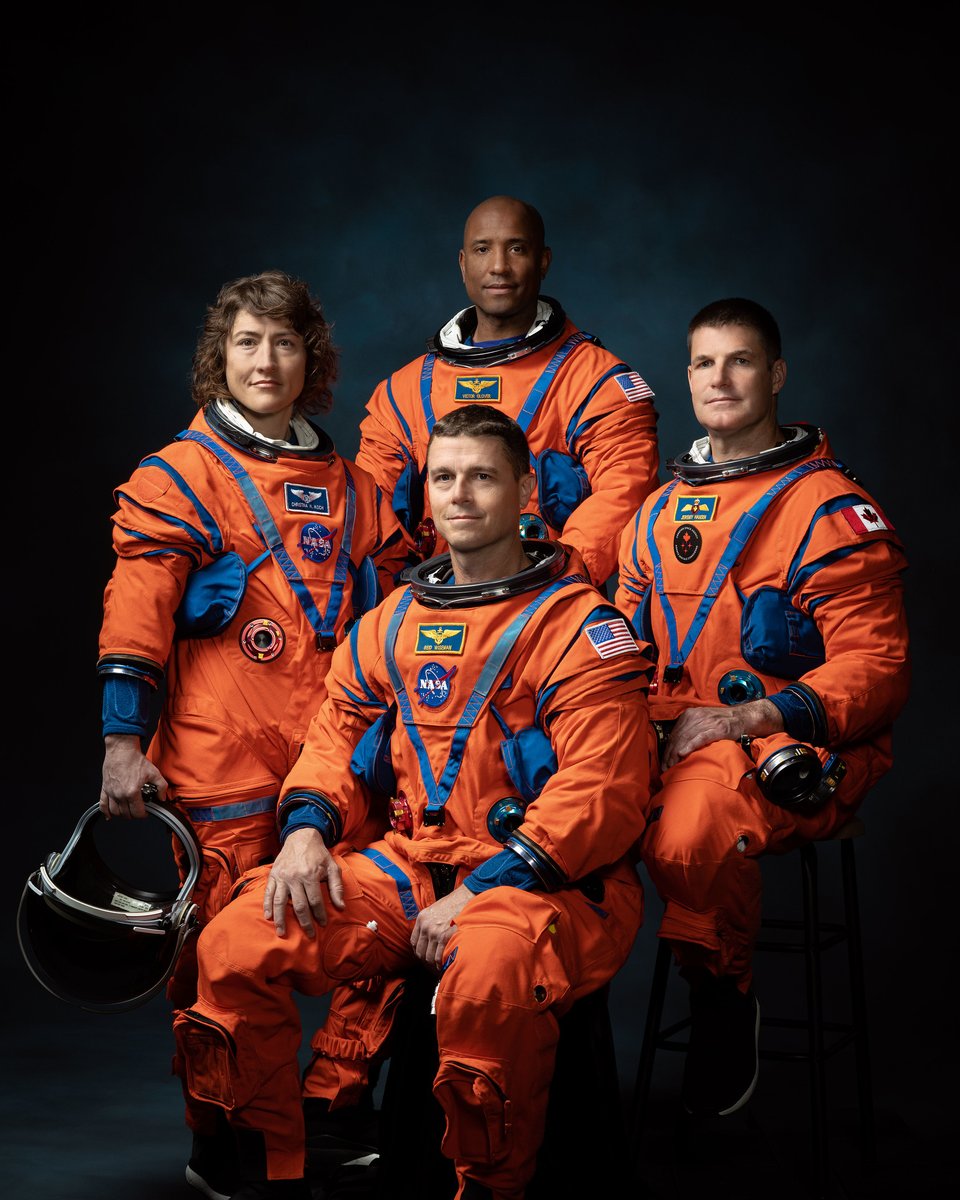
Action. Wonder. Adventure. Artemis II has got it all. Don't miss the moment. Our crewed Moon mission will launch as early as April 1.
Learn how to watch: https://t.co/fAg0bGAqEc
#Numérique💻 | Et si les puces du futur se fabriquaient en Europe ? À Grenoble, pour @FranceTV , le CEA a ouvert les portes d’un centre de recherche unique dédié aux semi-conducteurs 👇
🎯: concevoir des puces plus petites, plus puissantes et moins énergivores…
👋@dexsilicium
Our short film Dear Upstairs Neighbors is previewing at @sundancefest. 🎬
It’s a story about noisy neighbors, but behind the scenes, it’s about solving a huge challenge in generative AI: control.
Developed by Pixar alumni, an Academy Award winner, researchers, and engineers, here’s how it came together. 🎨
We are just weeks away from Artemis II, where we will send astronauts around the Moon—farther than any crew has traveled before.
The mission’s press kit is now available! Check it out: https://t.co/R3JaaG8lQU
We're heading to the Moon.
The launch window opens as early as Feb. 6 for our crewed @NASAArtemis mission. Throughout the journey, we'll bring you live coverage on NASA+: https://t.co/XjTc1fTzOv
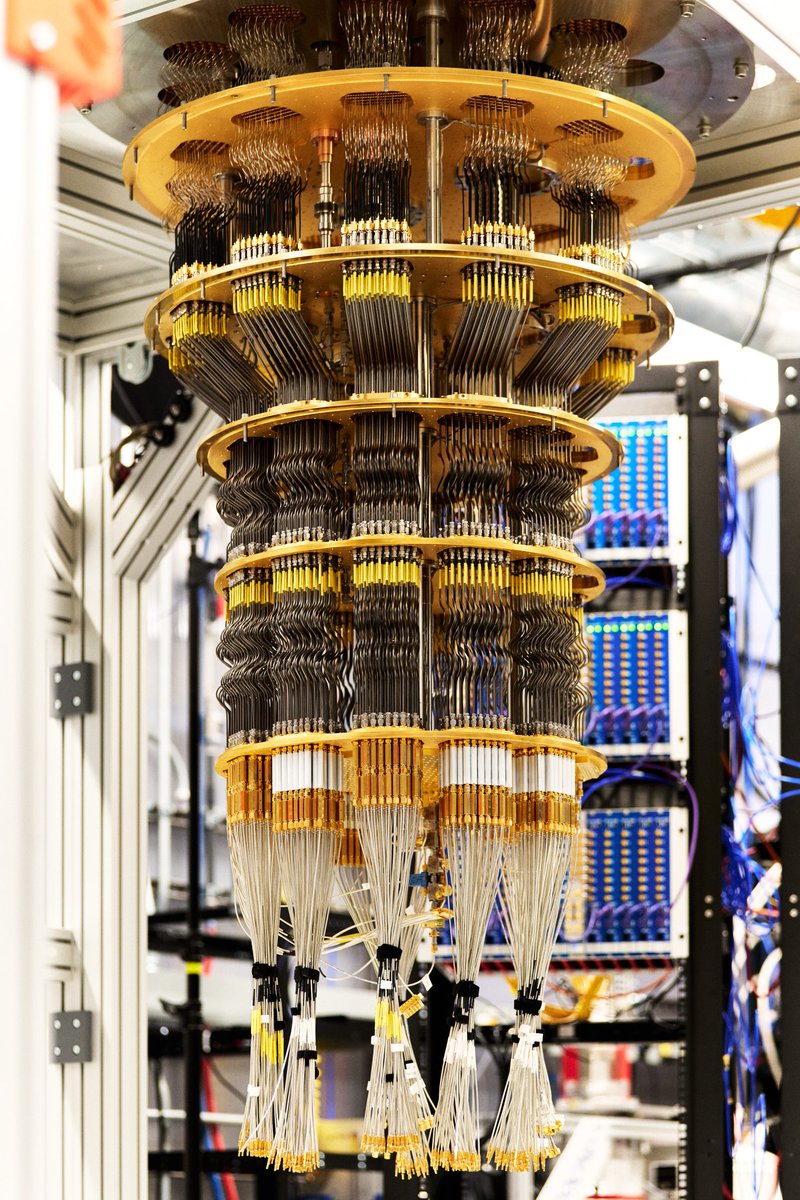
New breakthrough quantum algorithm published in @Nature today: Our Willow chip has achieved the first-ever verifiable quantum advantage.
Willow ran the algorithm - which we’ve named Quantum Echoes - 13,000x faster than the best classical algorithm on one of the world's fastest supercomputers. This new algorithm can explain interactions between atoms in a molecule using nuclear magnetic resonance, paving a path towards potential future uses in drug discovery and materials science.
And the result is verifiable, meaning its outcome can be repeated by other quantum computers or confirmed by experiments.
This breakthrough is a significant step toward the first real-world application of quantum computing, and we're excited to see where it leads.
An exciting milestone for AI in science: Our C2S-Scale 27B foundation model, built with @Yale and based on Gemma, generated a novel hypothesis about cancer cellular behavior, which scientists experimentally validated in living cells.
With more preclinical and clinical tests, this discovery may reveal a promising new pathway for developing therapies to fight cancer.