Undergrad in China, postgrad in UK after 8 years in industry, then Singapore, now JP. An Asian woman scientist's journey beyond patriarchy, now dived back into the culture raised and shaped me. Observing, living it, bringing change where I can. #WomenInSTEM
Alternatively, you can also check out this quick altough not perfect summary when my ex colleague suddenly "testing" my ability of Science Communication :)
In one word: it's cool and fun, I promiss. Read it please! https://t.co/SWDbX8PJmI
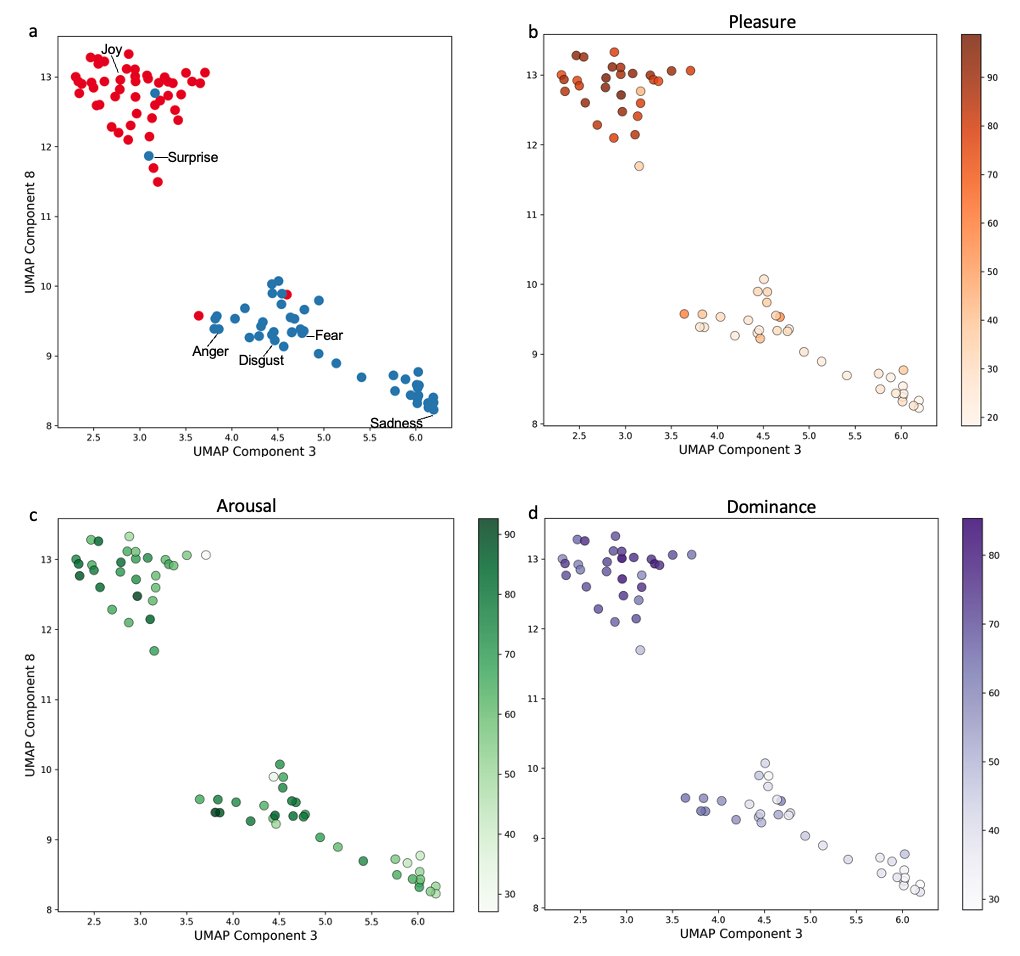
Modeling Emotion needs context!
My first project since I moved to new institute #NIBB is now out as a preprint! https://t.co/Y1Ji4vOamM
A fun side project with real scientific impact! We tackle a classic emotion-modeling challenge by applying #LLMs with a context-driven twist.
By essentially letting LLMs “think aloud,” we uncover clearer emotional groupings and a tighter match with human ratings. Our findings could advance not just computational methods, but also clinical and translational research. #AffectiveComputing#Psychology
���� Excited to share my new paper done with the awesome @BLIPLabNTU ! We made phoneme testing fun for children with our CROWN game - measuring how young bilinguals perceive speech sounds in Singapore. Studied 138 bilingual children! https://t.co/XHGUAyI2TS #openscience
(3) 🐱but one of the sweetest part to me of this paper, is that I managed to include my beloved cat Tiny, who passed away during this long publication journey, in the acknowledgments. Sometimes the most meaningful parts of research aren't in the data.
(2) 🔊 How do bilingual children process speech sounds? Our study of 138 Singapore kindergarteners reveals: phoneme identification skills remain stable regardless of their relative exposure to English vs Chinese.
A major issue: English-speaking world hegemony. Recently realized how English limited my research progress, despite speaking it well for 7+ years. The barrier and non-native speakers' efforts aren't appreciated enough. If AI can do one good thing, I hope it breaks this barrier.
Having lived in 3-4 different cultures with 3 different languages, what I've learned is that we often don't care about those who don't speak our language. Separate SNS, separate worlds. we don't care about each other's topics. Each world inspires me, but also disappoints.
Having lived in 3-4 different cultures with 3 different languages, what I've learned is that we often don't care about those who don't speak our language. Separate SNS, separate worlds. we don't care about each other's topics. Each world inspires me, but also disappoints.
And calling all #NEURO2024 attendees! Trying to find the cool fellow female neuroscientist who complimented my top on the last day. We had an awesome chat about how women need bra-free tops. Love our short but 🔥 convo #WomenInSTEM
Had an incredible time at #NEURO2024 in Hakata! Intensive week with insightful seminars and great networking. As a cognitive neuroscientist in human research, it was fascinating to see parallel approaches in animal studies on similar topics. Now back to my little beast.
Had an incredible time at #NEURO2024 in Hakata! Intensive week with insightful seminars and great networking. As a cognitive neuroscientist in human research, it was fascinating to see parallel approaches in animal studies on similar topics. Now back to my little beast.
In this sense 8yr cutoff line expresses a more relaxed research spirit. Now, as an early career researcher in this part of the world, I'm waiting for the outcome of my second, but in a way first own, project grant.
But isn't it weird? After PhD we usually hired by someone else's project, still within 5 years we are expected to build up a big project of our own that qualified as"early career" project... especially in some countries (like SG) only very few grants eligible for postdocs[2]
But isn't it weird? After PhD we usually hired by someone else's project, still within 5 years we are expected to build up a big project of our own that qualified as"early career" project... especially in some countries (like SG) only very few grants eligible for postdocs[2]
FB reminded me that 5 years ago today was my graduation day! So soon I've passed my "early career period" in some parts of the world... But before I "expired," I transferred to Japan, where an "early career researcher" was considered to be within 8 years of graduation. Phew~[1]
FB reminded me that 5 years ago today was my graduation day! So soon I've passed my "early career period" in some parts of the world... But before I "expired," I transferred to Japan, where an "early career researcher" was considered to be within 8 years of graduation. Phew~[1]
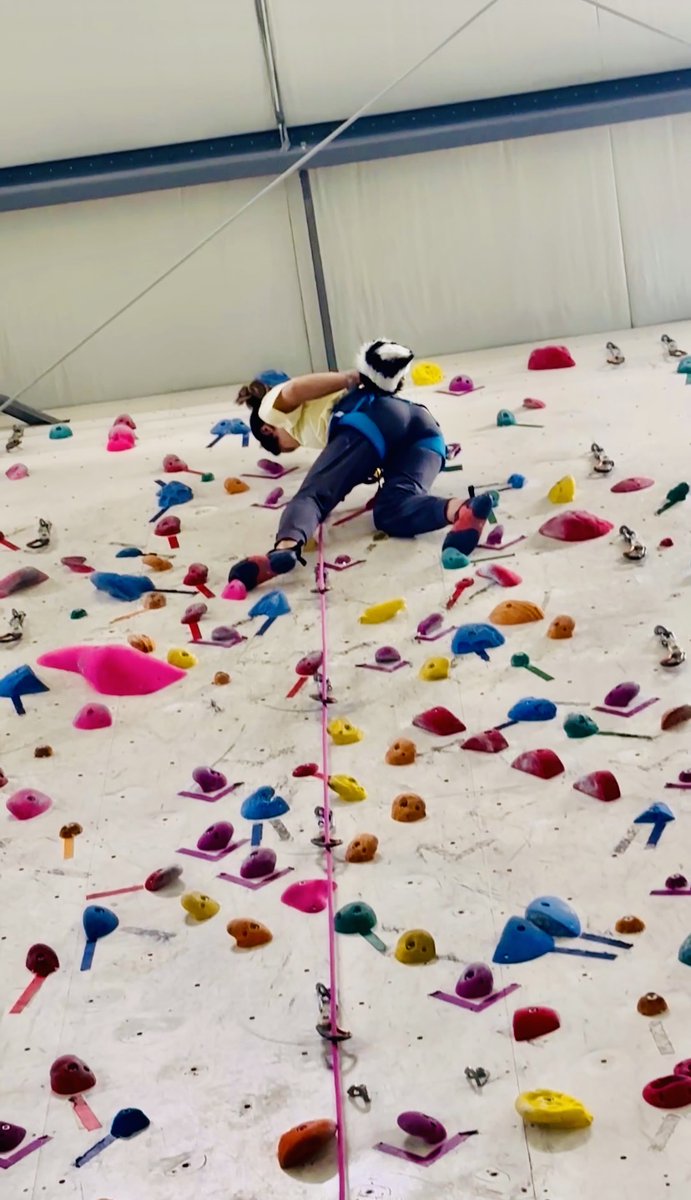
Today feels like Monday after the long weekend. Yesterday was Umi no Hi (海の日), Japan's sea day. But instead of the beach I went "mountain", had a lead climbing trip day ;) Guess: does Japan have a Mountain Day?
#UmiNoHi#JapaneseHolidays#ScientistsWhoClimb
Going to the #NEURO2024 ���本神経科学大会in Fukuoka with the lab. No presentation this time, just enjoying my first conference in JP. Anyone?
https://t.co/xwoXnF7OLB
Reflecting on research in JP vs SG: While gender balance is a challenge here, the environment feels more liberal. Scientists express personalities freely. In SG, research felt like just another job, but here it's a creative space. These small freedoms make a big difference. 🔬🇯🇵
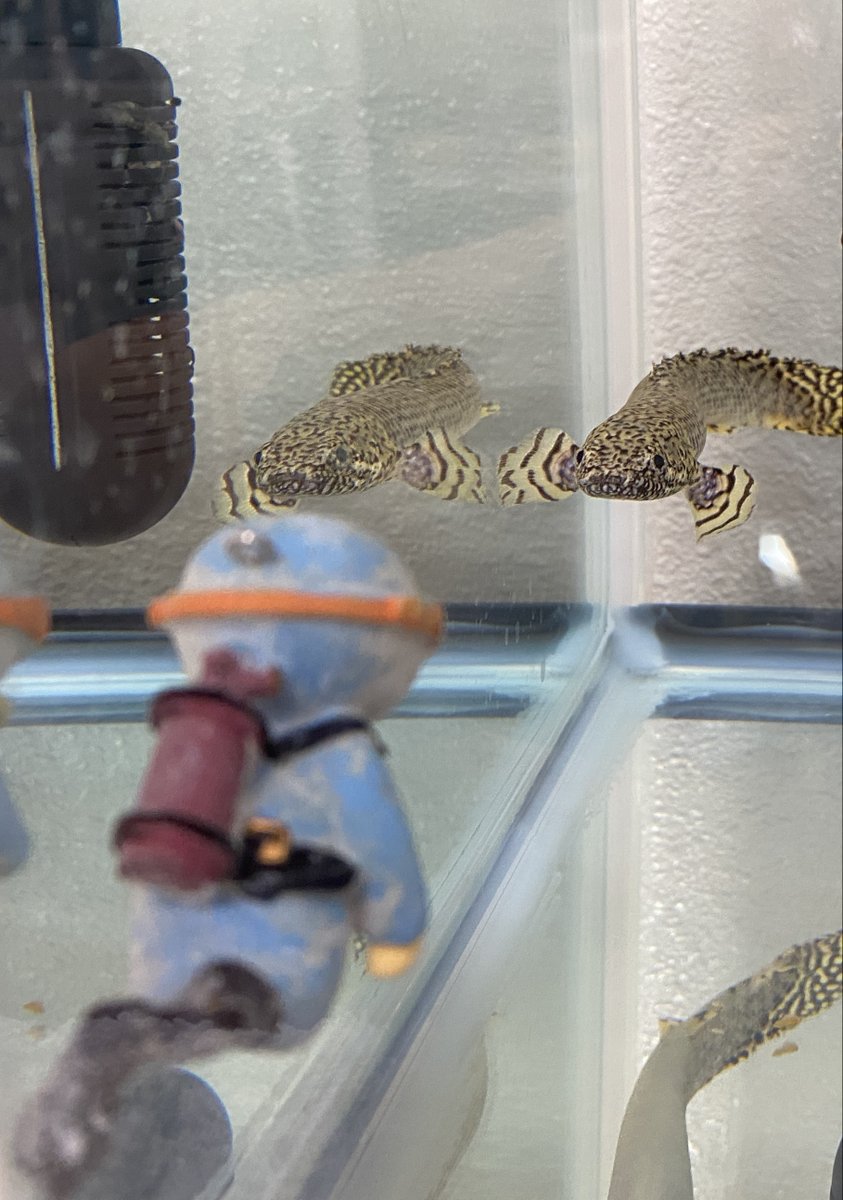
Meet our lab's pet, a bichir. Some labs here in my institute have lab pets, unrelated to research, just expressing researchers' hobbies. This cutie loves interacting with people. These add a personal touch, making the workspace feel alive. #LabLife#ScienceInJapan