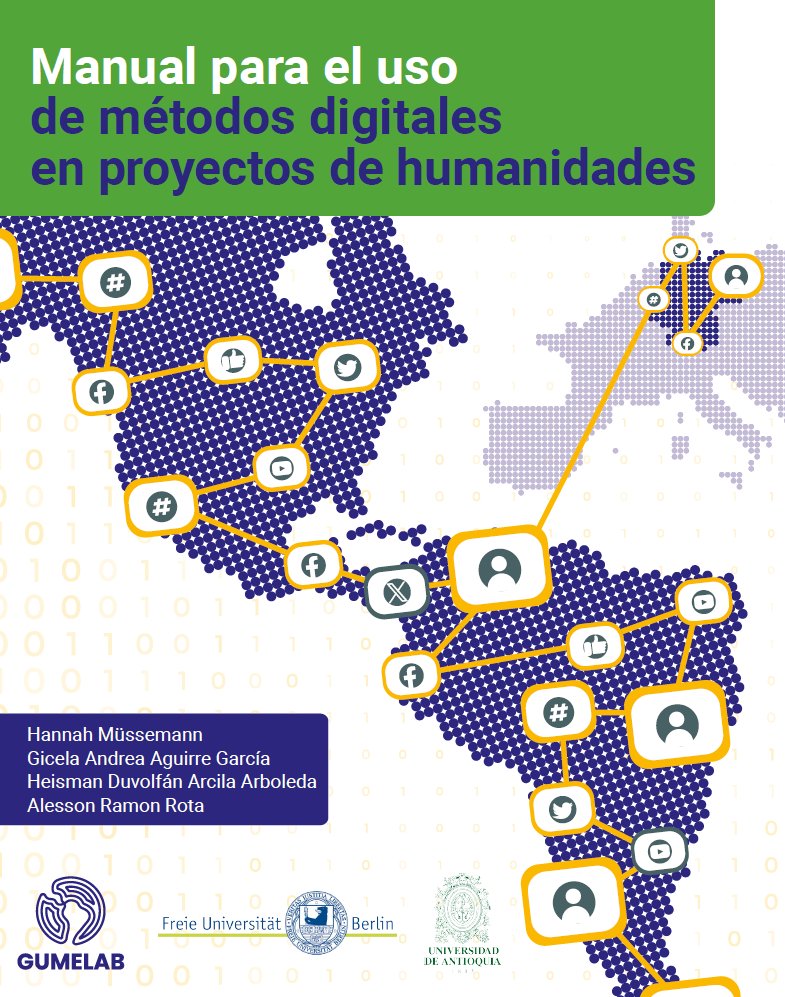
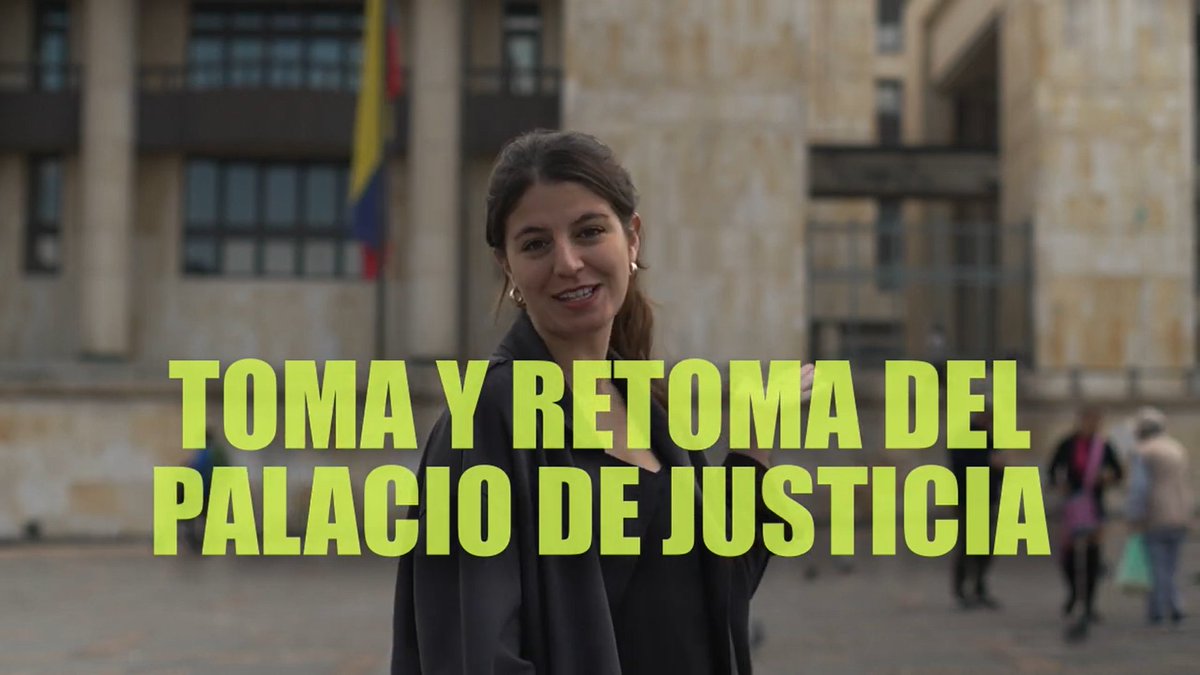
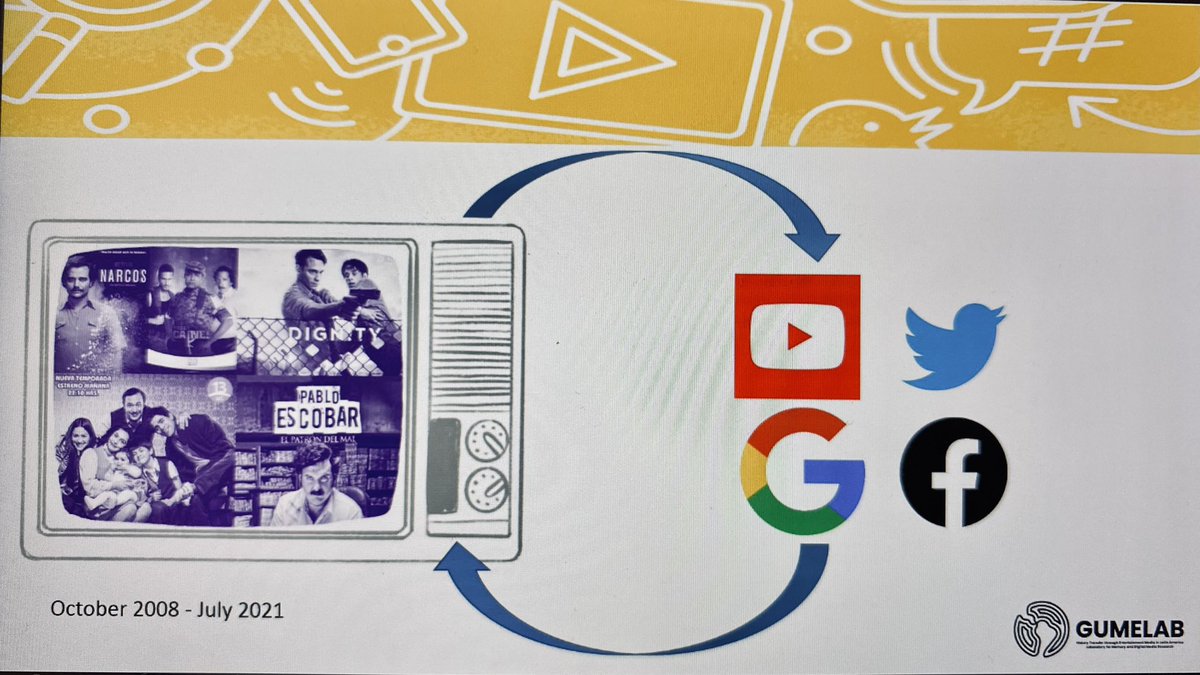
Yeeeeah a new video! Check out how we explain the work with #digitalmethods that we use to measure the influence and impact of series & telenovelas on the audiences at a national and transnational level.
https://t.co/Rpni7KrOdX
(subtitles available in esp, dt &eng)
@BMBF_Bund
En el artículo "Volvímos a @Los80_serie sin querer" @HolleMeding y Hannah Müssemann (@hannam801) analizan la recepción de la serie en #Chile y en la comunidad de exiliados en #EEUU.
Más información: https://t.co/CqCsNGWBFA
@BMBF_Bund
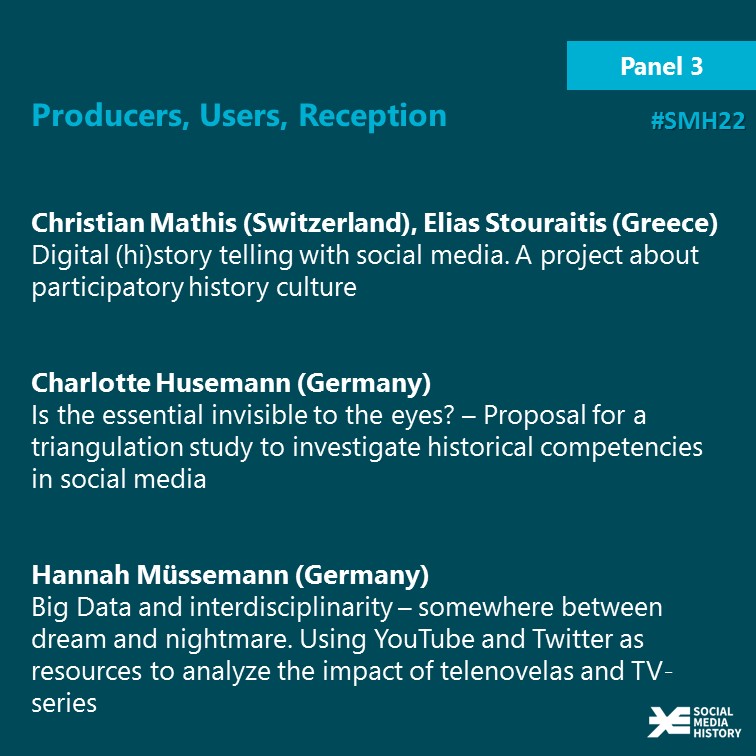
How do media formats dealing with the recent past influence the memories and perception of the audience? That is the research question of @hannam801 by means of Telenovelas & series from Latin America. #SMH22
.@hannam801: many challenges when researching how content changes perception of #history via #bigdata: getting data from #socialmedia, assessing if data are useful, developing ways to analyze & interpret data, defining indicators for historical consciousness and so on. #SMH22
Through the @_GUMELAB project on #history transfer through entertainment media, @hannam801 gives insights into using #SocialMedia as laboratory for #memory|studies & #digitalhumanities, highlighting transparency & interdisciplinarity for researching hist. consciousness. #SMH22
„Wir dürfen nicht zwischen Ostdeutschen und Ausländer:innen trennen. Ein Großteil der ehemaligen Vertragsarbeiter:innen und Einwander:innen sehen sich als Deutsche, vielleicht sogar als Ossis. In jedem Fall sind sie Teil der ostdeutschen Gesellschaft.“ schreibt @nhile_de
„Wenn wir über ostdeutsche Perspektiven sprechen, dann müssen die Stimmen von ehemaligen Vertragsarbeiter:innen, Migrant:innen oder ganz allgemein ostdeutschen Schwarzen und People of Color immer dabei sein.“