She was born the seventh of nine children in Kuantan.
Her father was a public servant who got transferred all over the country, so she grew up moving between small towns.
Her mother never finished school. But her mother worked harder than anyone she knew, and believed education was everything.
That belief sent Swee Lay Thein to medical school at Universiti Malaya. She graduated in 1975.
Then she moved to the UK and spent the next 20 years chasing one stubborn question. Why do some patients with blood disorders suffer terribly, needing transfusions their whole lives, while others barely feel sick?
The answer was hidden in a gene. Babies are born producing a special kind of hemoglobin that protects them. Then the body flips a switch and stops making it.
Swee Lay wanted to know what controlled that switch. If you could keep it on, you could save millions of lives.
It took her decades. She travelled across the UK collecting blood samples from families. She flew to Malawi to study a single family with 270 members across seven generations. She hit dead ends. She kept going.
In 2007, she and her team found the gene. They called it BCL11A.
That discovery led to Casgevy, the first FDA-approved CRISPR therapy for sickle cell disease and beta-thalassemia. A real cure. Already changing real lives around the world.
Last month, Dr Swee Lay Thein stood on a stage in Los Angeles and accepted the Breakthrough Prize, often called the Oscars of Science.
She is the first Malaysian-born scientist to ever win it.
In her speech she said, "As a child hanging out with my older brothers, playing on old railway tracks in Malaysia, I never imagined being here today."
She dedicated the moment to her mother. The woman who never finished school.
A girl from Kuantan. A mum who believed in education even though she never got one herself. A daughter whose work is now saving lives around the world.
That is a Malaysian story.
Tahniah, Dr Swee Lay Thein. We see you. We are proud. 🇲🇾
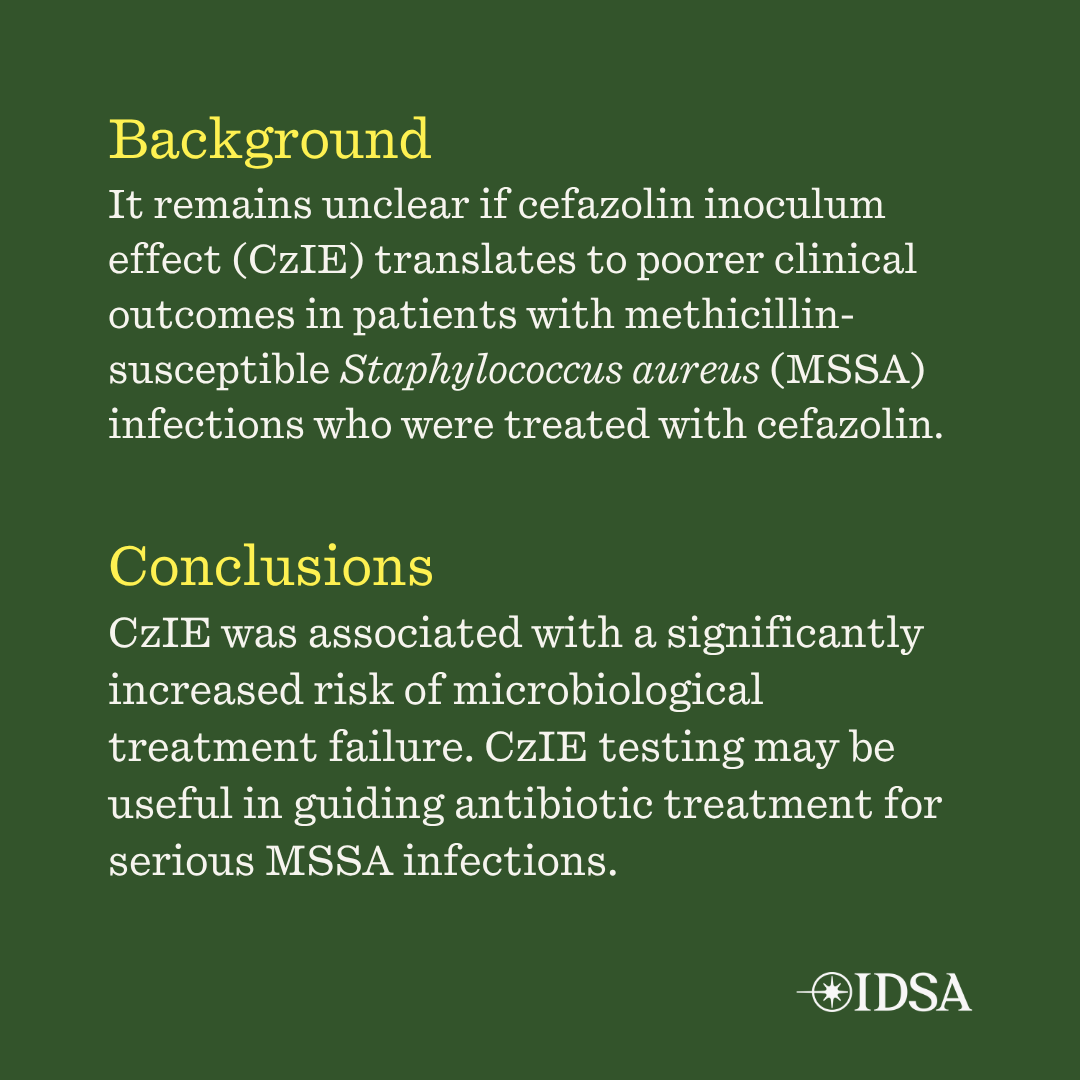
Cefazolin Inoculum Effect and Cefazolin Microbiological Treatment Failure in Serious Methicillin-Susceptible Staphylococcus aureus Infections: A Multicenter Retrospective Cohort Study
✅ Just Accepted
🔗 https://t.co/RNLeLTEvBN
this is so badass for the future of medicine. i'm guessing healthy people could even benefit from this. forget peptides, inject yourself with organ helper cells.
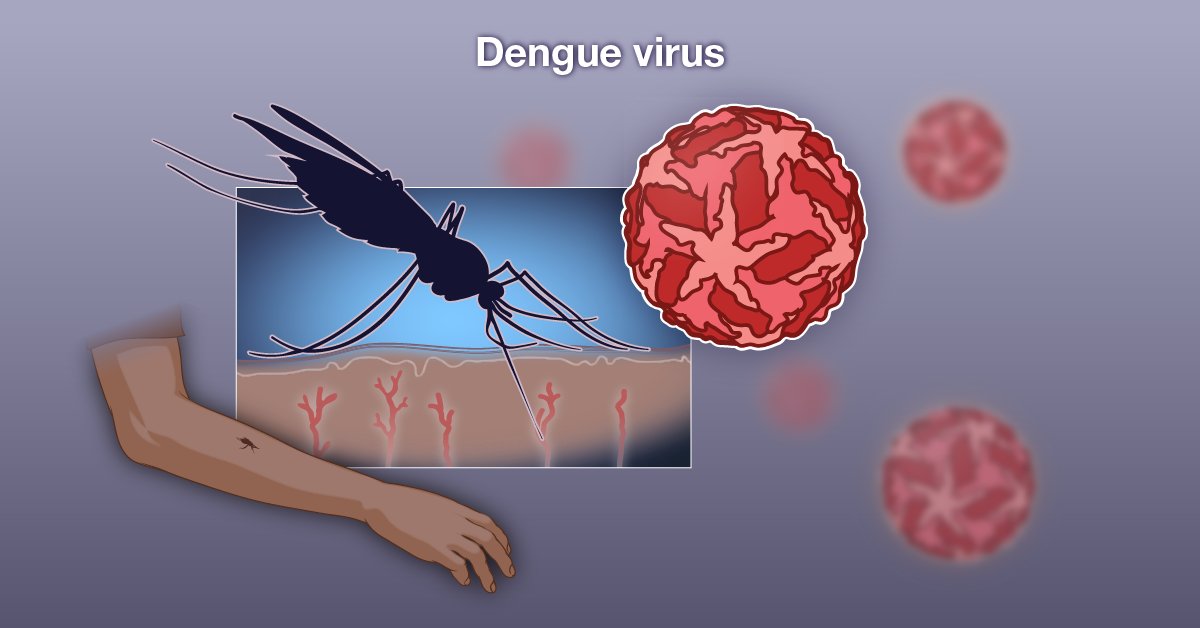
Release of sterile male 𝘈𝘦𝘥𝘦𝘴 𝘢𝘦𝘨𝘺𝘱𝘵𝘪 mosquitoes infected with the 𝘸AlbB strain of 𝘞𝘰𝘭𝘣𝘢𝘤𝘩𝘪𝘢 𝘱𝘪𝘱𝘪𝘦𝘯𝘵𝘪𝘴 bacteria is a method for control of dengue virus infection. Research findings are summarized in a new Quick Take video. https://t.co/phSw1LrZOR
Missed the biggest ID research of 2025?Here’s your chance to catch up!
🆕🔥Year in Review –Top ID Articles from 2025!
All the most important infectious diseases research in one place!
🤝Huge appreciation to @IDstewardship for helping bring this together!
🔗https://t.co/UCe9OgYpzQ
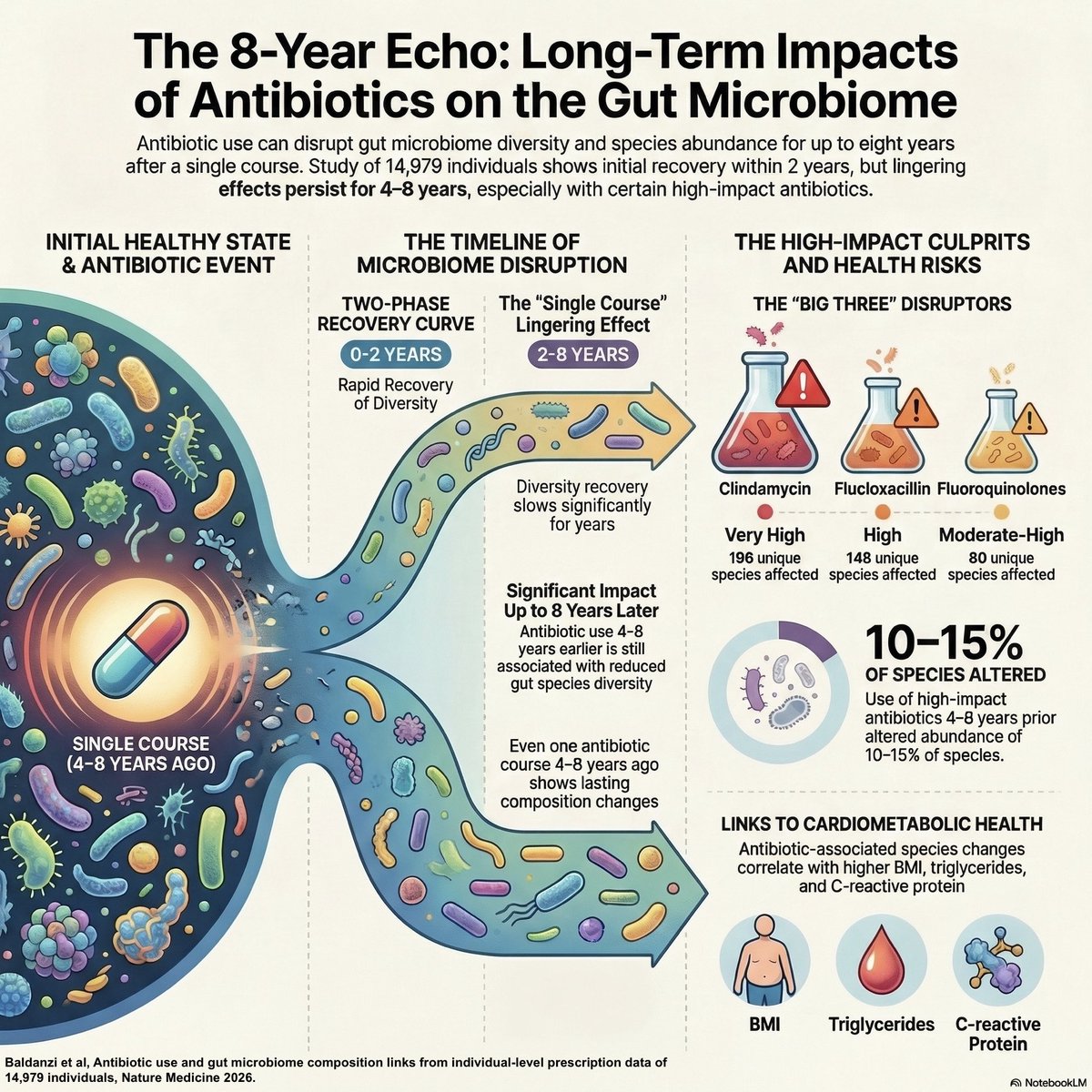
A single course of antibiotics can disrupt your gut microbiome for up to 8 YEARS, according to this new Nature Medicine study 💊🤯
Avoid antibiotics unless absolutely necessary and consider taking probiotics to counteract these effects.
🆕🔥🟢Duration of therapy for Pseudomonas aeruginosa bacteremia – a post hoc subgroup analysis from the BALANCE randomized controlled trial
Among patients with P. aeruginosa bacteremia included in an international trial testing duration of antibiotic treatment, no significant difference in mortality was demonstrated between 7 vs 14 days of antibiotic therapy; however, a limited sample size precludes a conclusion of non-inferiority, benefit or harm. #idxposts #shorterisbetter https://t.co/PjaWgj3jJw
In this randomized, controlled trial of patients with nontuberculous mycobacterial pulmonary disease caused by Mycobacterium abscessus, symptom and microbiological results consistently favored omadacycline monotherapy over placebo. Oral omadacycline for 84 days was generally safe and well tolerated #IDXposts
Two big changes to the Oral Is the New IV and Shorter Is Better Master Tables! First, shout out to @JRosenbergMDPhD for finding an oldie but goodie RCT of oral vs. IV artesunate for malaria--oral wins again! Oral Is the New IV Master Table updated, and reference on the website.
In @CIDJournal, authors present a fatal case of native aortic valve endocarditis due to Burkholderia pseudomallei complicated by embolic stroke and subdural empyema that occurred in a traveler who returned from Thailand to the United States. https://t.co/WOf4W10bXZ
Disappointing!
"In conclusion, while exploring oral therapy is important, the current evidence does not support equivalence with IV therapy for S. aureus bacteremia. While step-down oral therapy is an important strategy to study, the available randomized evidence supports, at most non-inferiority in highly selected, clinically stable patients after an initial IV course, and relies on non-inferiority margins that are wide enough to permit clinically meaningful differences to be discounted. We urge careful framing of conclusions to prevent overgeneralization beyond the studied populations and recommend future studies maintain rigorous design standards before changing established practice."
What do you think about this LTE? @BradSpellberg@DrToddLee https://t.co/PNhaAD1lTO
📣 Submit your ideas! MAD-ID and SIDP invite help culture the perfect meeting name. Naming call open 2/4/26-2/17/26!
🔗 Link to submit: https://t.co/f6ISfzI4Fm
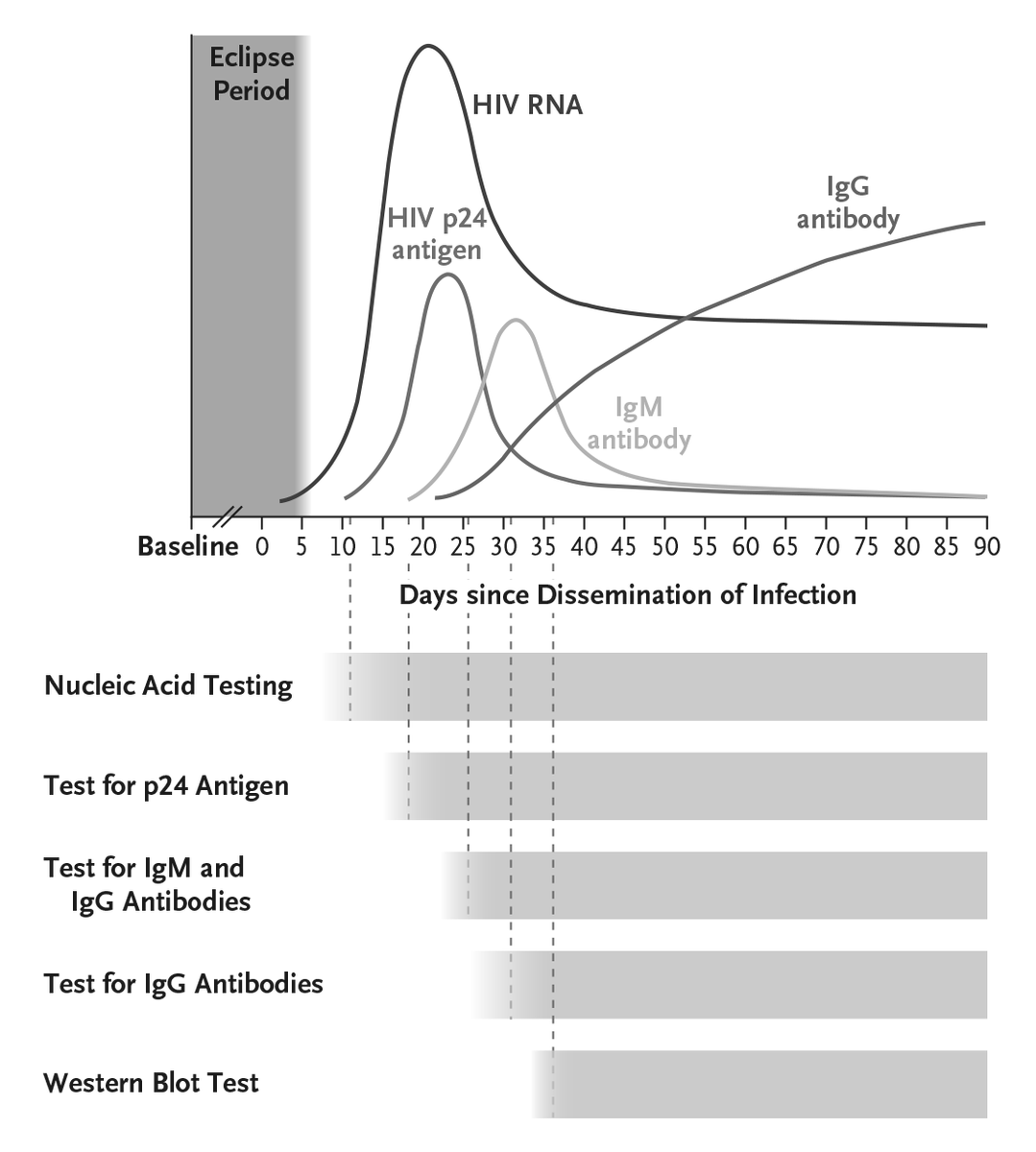
HIV testing is based on the interplay of several virologic and immunologic events. Immediately after infection, the “eclipse period” begins, during which HIV replicates in local lymphoid tissue and is not detectable in the bloodstream by diagnostic tests. Learn more: https://t.co/Mqhl4D31Bf