Perhaps the most puzzling part:
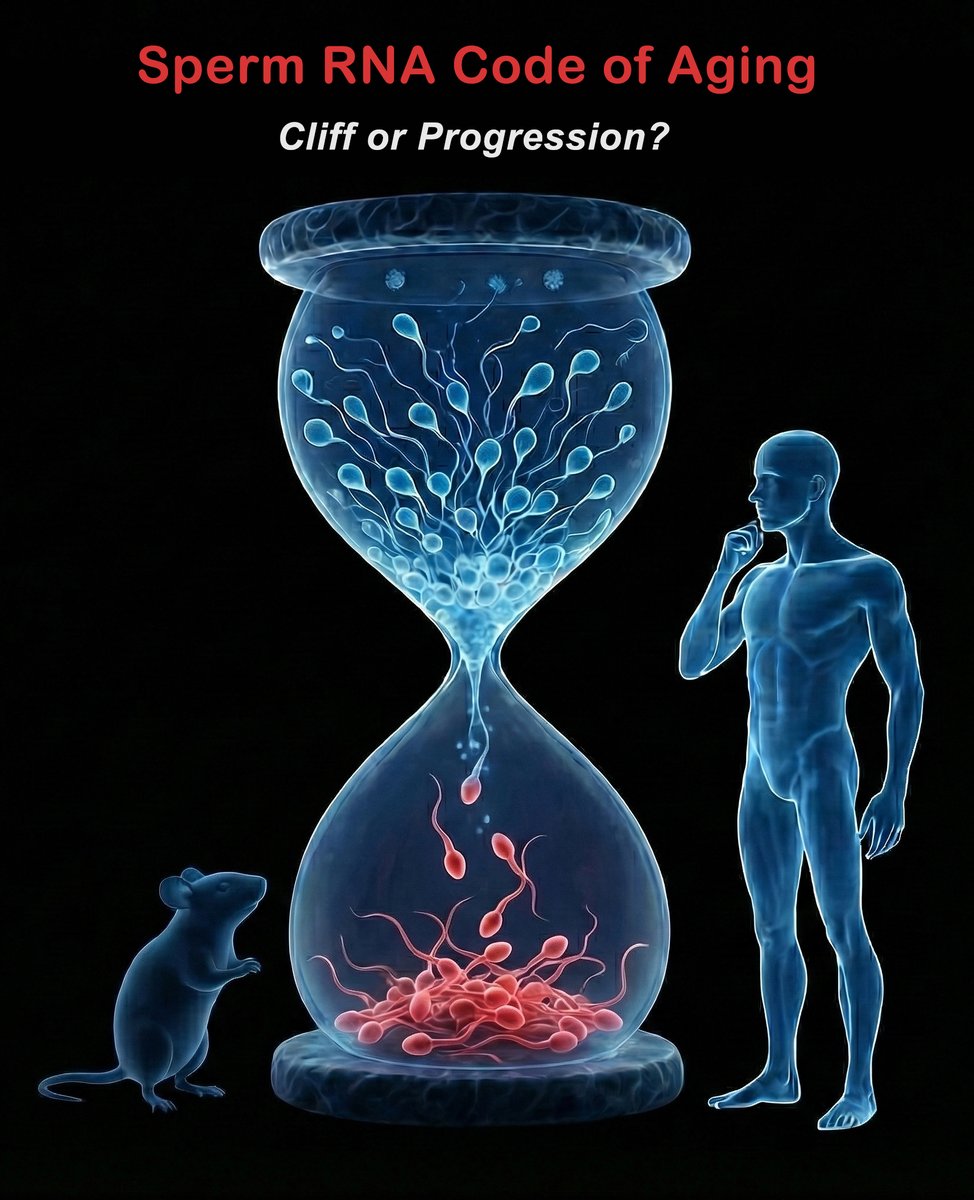
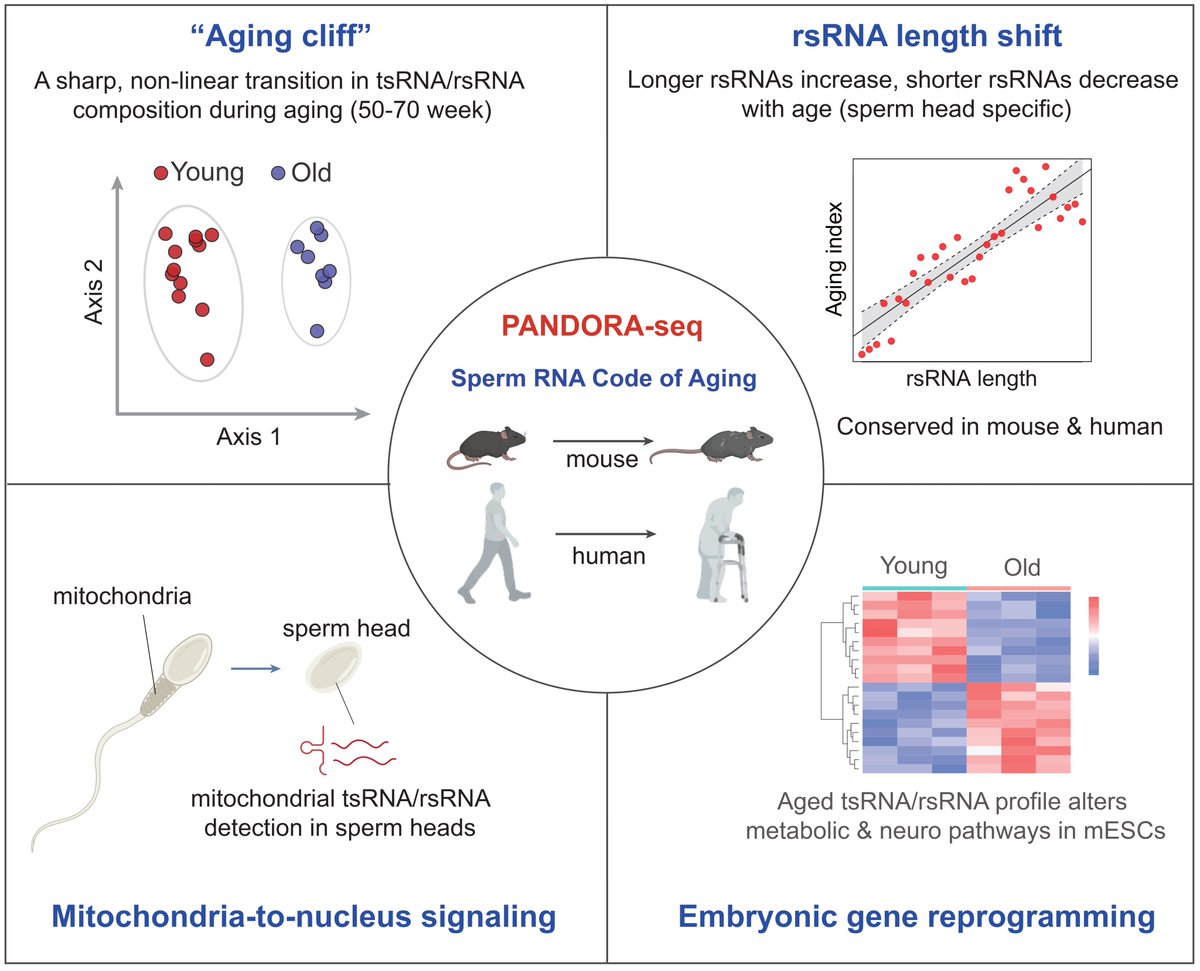
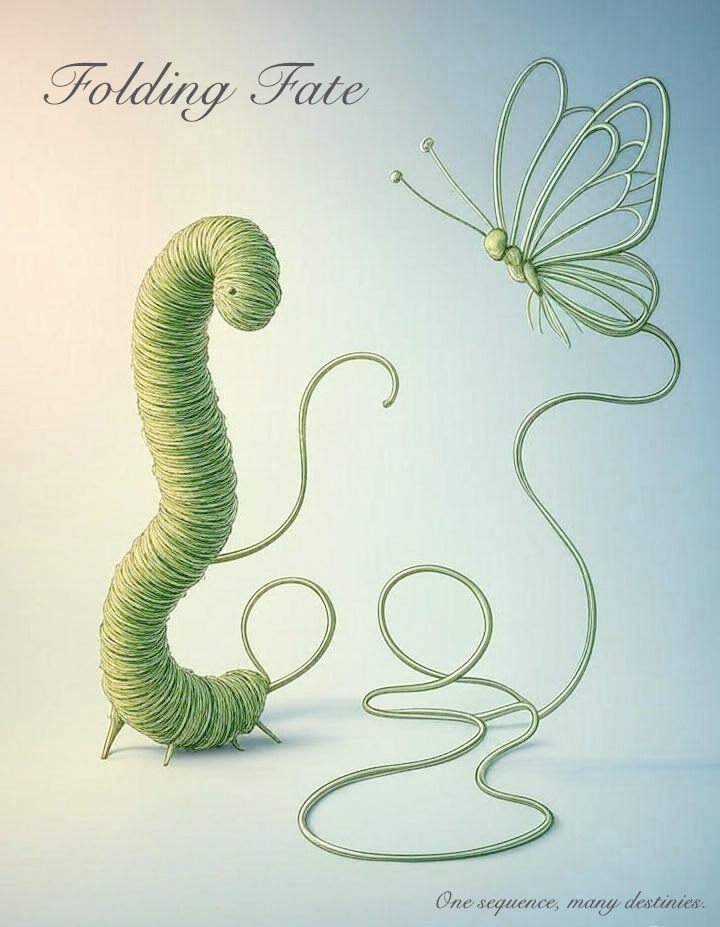
We see a paradox: the rsRNA length shift is progressive⏳yet the global RNA profile shows an "Aging Cliff"📉.
Cliff or Progression? Maybe the gradual shift is the forerunner—accumulating silently until it triggers the cliff.
https://t.co/a1xBLk4C9Q
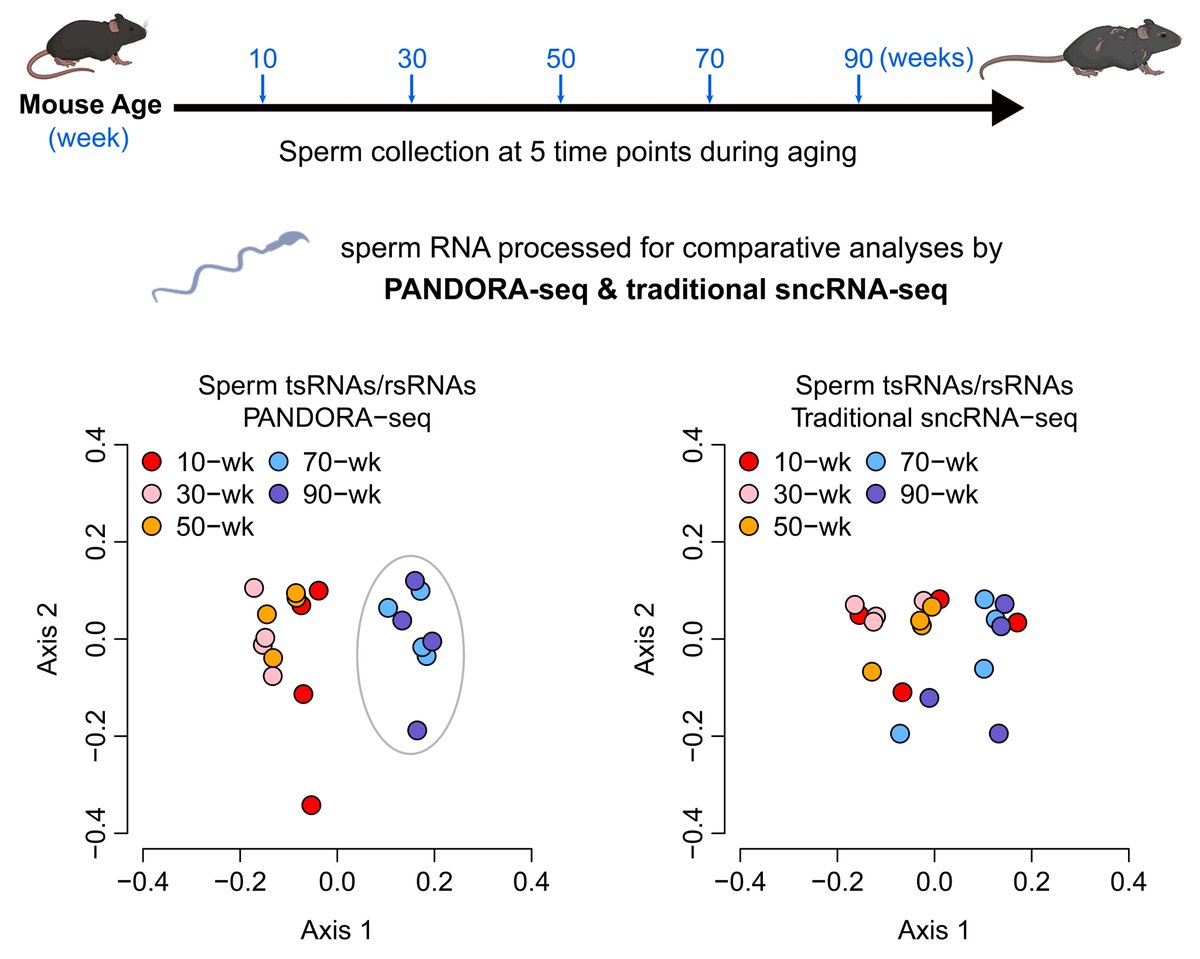
2/5 The first revelation: In mice, PANDORA-seq uncovers a sharp "Aging Cliff"📉in sperm RNA profiles at mid-life—a non-linear shift distinct from chronological age.
Crucially, this cliff signal (genomic & mitochondrial tsRNAs/rsRNAs) is invisible to traditional small RNA-seq.
1/5 It took us some time to connect the dots...now in @embojournal we use PANDORA-seq to start decoding the 'sperm RNA code of aging'
We find a conserved rsRNA length shift that reflects aging in both mouse & human sperm, and an 'aging cliff' at mid-life🧵
https://t.co/iujpvGogfy
Glad to see this thoughtful piece in @QuantaMagazine on paternal epigenetic inheritance and the emerging 'Sperm RNA Code', featuring many active colleagues in the field.
It’s a reminder that our actions may echo in the next generation(s) & there are immense unknowns to explore...
Perhaps our boldest hypothesis… we propose a model for RNA Structural Memory propagation @NatureCellBio, where RNA conformation is reshaped by stress, locked by RBPs, copied prion-like in condensates & passed across generations—all without altering DNA.🧵
https://t.co/Gp74O8vLVJ
Our preprint on post-vaccination syndrome is out. We studied immune signatures and examined spike protein in the blood of people who have developed chronic illnesses after COVID-19 vaccination. (1/) https://t.co/Mc5DfHYRyF
TLR7/8 aren’t just triggered by viral RNAs, they can be potentially activated by a range of RNA resources: cell stress/death, RNA therapies, microbiome, and even dietary RNAs.
Uncovering these diverse triggers may pave new paths for preventing/treating autoimmune diseases.
January 2025 brings a rare sight: six planets aligning, with Mercury joining for seven. Visible starting January 21 after sunset, you can see Venus, Mars, Jupiter, Saturn without gear. Telescope needed for Neptune, Uranus.
Check out the Anti-Tail on Comet Tsuchinshan.
It’s the trail in front of the comet head facing towards the sun that represents where the comet has already been to in Outer Space. 🤯☄️
If you're seeing the Northern Lights tonight, here's an explainer of how the different colors can appear! We are currently seeing a vivid display of pinks and greens here at the office!
Amid setting up a new lab & a new home in Utah's calm, thoughts have sedimented into two idea pieces exploring the functional principles of tsRNAs, rsRNAs & more #smallRNA
https://t.co/ZZPNBfcldT
https://t.co/NMEYa3oZUm
Love the arts for tRNA & tsRNAs! Eager for what's ahead...🔭
Glad to discuss with Paul Schimmel/Bernhard Kuhle on the exciting era of 'tRNA renovatio'-a rebirth of tRNA function through fragmentation and tsRNA biogenesis @MolecularCell. Many directions to explore on both basic & translational fronts!#tRNA#smallRNA🎇https://t.co/NMEYa3oZUm
Glad to share an idea piece @jbiolchem with @tongzhoulab!
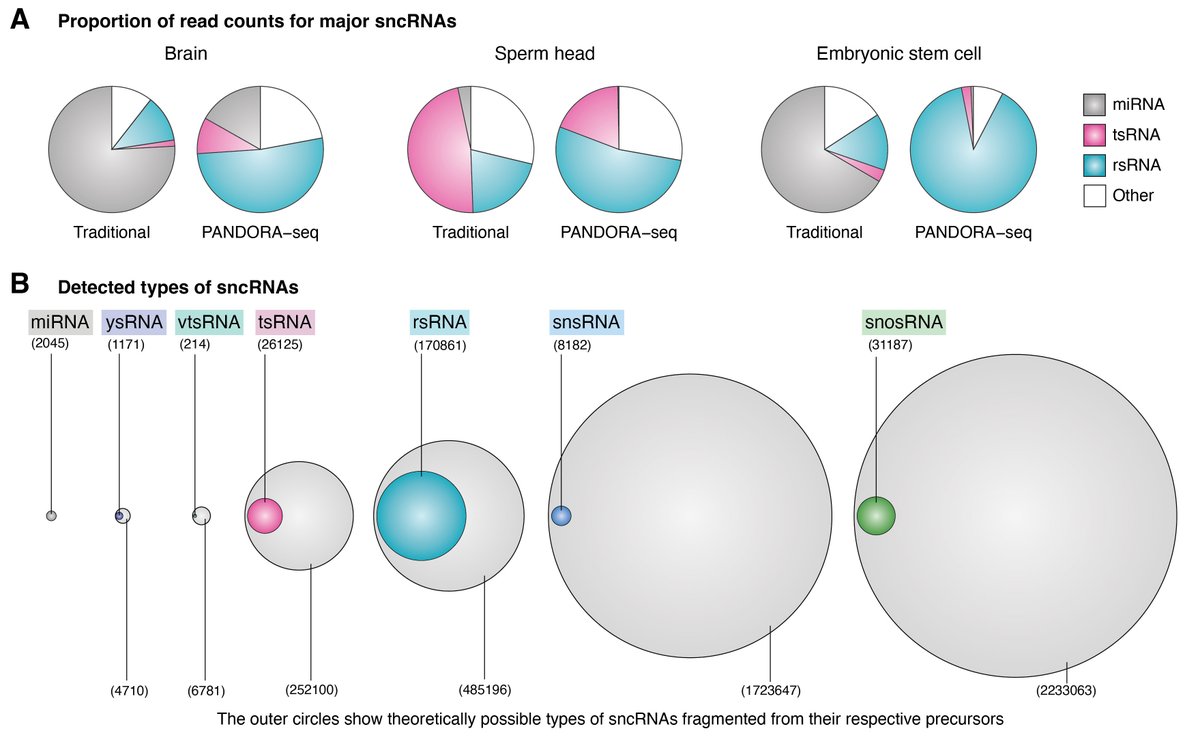
By showing that miRNAs are just the tip of the small RNA iceberg, we dive into the once hidden universe of tsRNAs & more, where structure & modification can dictate function, beyond linear targeting
https://t.co/ZZPNBfcldT
Many thanks @ZhouLabUCR for including me in this exciting project!
It is alarming that so many endocrine disrupting chemicals (EDCs) profoundly induce chronic diseases with transgenerational effects. Glad to see this is becoming a focus of @NIEHS with more researchers invovled!
Perhaps the most puzzling/exciting part is that the induced/acquired DNA methylation are first erased, then reestablished and inherited!
This suggests controlled information transformation & reconstruction. But transform into what? Stimulating questions...
https://t.co/IQXWhdhQaX
The mechanism invovles CTCF-dependent chromatin reorganization in the sperm, a synergistic outcome of altered DNA methylation, RNA modification and long-range chromatin interactions.
Probably apply for other EDCs as well.
The original paper here @PNASNews https://t.co/x8xAWVVov1