...We wrote this because we scientists seem to be suffering from a collective petrification when it comes to speaking truth to power. We know that confronting power is scary and uncomfortable, but it's the only way to grow.
https://t.co/fOHUTDn8U8
The Harvard Neuro Blog stands in solidarity with Black and Brown Americans. We must eradicate systemic racism in America, in science, and @Harvard. We call on all @harvardbrainsci faculty, staff, postdocs, and students to start finding their voice to be actively #antiracist...
We hope everyone in the department, especially faculty, find the courage to stand up against racism. Perhaps start by reading and signing this petition from the
Underrepresented Scholars in Neuroscience: https://t.co/ecOjHtlOQB...
@Harvard in house graduate student-ran blog @harvardneurosci gives incoming students invaluable insight regarding the challenges of lab rotations. Take Notes.
#neuroscience#braintalk 🧠
Reflections on Rotations https://t.co/jZVgHSPz4L
If you are caught up in tau tangles, this talk is for you. (OK, bad joke.) Come to our next fall lecture (November 20, 7-9pm, Armenise Auditorium) to learn how using probabilistic machine learning can help us diagnose neurodegenerative diseases!
I usually struggle to understand (mathematical) details in comp neuroscience (e.g. Eigen-X, DNNs), so I end up "kind of getting stuff, but not really". This is a pity bc it makes things much easier!
Just a tiny threat to collect some resources that continue to help me: (1/9)
#3facts5scientists
1. I wasted 20 years of California residency not liking avocados 🥑
2. I have weird double jointed elbows that bend further than they should 🤷🏼♀️
3. I’ve been dancing since I was 10 and am a huge ballet nerd 💃🏼
#3facts5scientists
1. I bartended before grad school and get excited about craft beers & fun cocktails
2. I listen to music most waking hours - musicals, alt, indie, rock, classical
3. I study neuro but am also VERY fascinated by immunology and infectious disease
My friends and classmates @neurojaym and @kelsey_clausing wrote a great piece about rotations and choosing a lab in grad school! Great read if you’re starting a PhD program this Fall 😊https://t.co/3aImMCnPd0
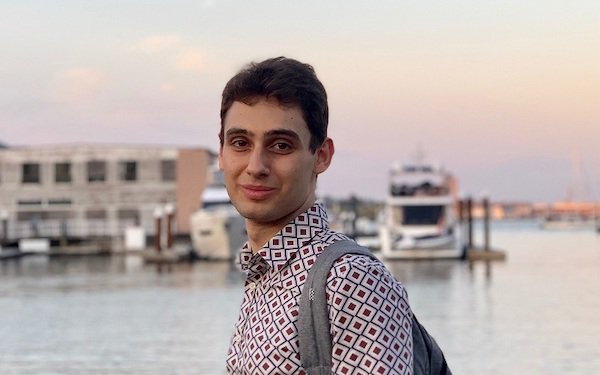
An undergraduate at American University of Armenia in Yerevan, Arman Simonyan is spending the summer in the Dystonia and Speech Motor Control Lab at HMS and @MassEyeAndEar as a research student https://t.co/5vCe0Xbwm1 via @HarvardBrainSci
Rotations are a wonderful, though intimidating, reflection on a scientific career at the beginning of grad school. Here are some thoughts from @neurojaym@kelsey_clausing that can frame the journey, or, as a mentor, aid the process! https://t.co/jBnxYE8qjq
Starting a PhD program? My colleagues @harvardneurosci have some great advice about how to approach lab rotations. Check it out and RT to help others beginning their academic journey learn more about this process.
https://t.co/qPGjcONdbm
@neurojaym@kelsey_clausing
@PhD_Balance This recent post on @harvardneurosci's blog outlines some general tips about how to choose rotation labs (if applicable): by doing some personal reflection and keeping an open mind to varied interests! @kelsey_clausing https://t.co/YN7ui2FEbt
@kelsey_clausing and I published a @harvardneurosci piece on how to get the most out of lab rotations! We learned a lot over the past year, hoped to share some advice with anyone else starting #gradschool this fall ~ happy rotating 😁
https://t.co/YN7ui2FEbt