

Top Tweets for #ARTICLE136

Supreme Court Declines Relief To TMC Over Freeze Of 4 Indian Bank Accounts
Read More Here- https://t.co/sPOGzd9S4s
#SupremeCourt #accountoperation #Article136 #bankaccountfreeze #CalcuttaHighCourt #criminalinvestigation #debitfreeze #IndianBankaccounts #interimrelief #politicalpartyaccounts #thebarbulletin #legalupdates #legalnews

#ConstitutionofIndia
@rashtrapatibhvn
#ElectionCommissionOfIndia
#Article324
#SupremeCourtOfIndia
#JudicialReview
#ConstitutionOfIndia
#ElectionLaw
#ConstitutionalLaw
#ElectionCommission
#Article32
#Article136
🙏🙏🙏🇮🇳❤️🤍💚🗳️
#CONSTITUTIONALSUBMISSION REGARDING THE JURISDICTION OF THE HON’BLE #SUPREMECOURT
#CONSTITUTIONALPOSITION
1. The Election Commission of India is a constitutional authority functioning under Article 324 of the Constitution of India.The Commissioners of the Election Commission are given security of tenure and other safeguards by the Constitution and law.
2. The actions of the Election Commission are subject to judicial review within the limits of the Constitution and the law. However, the electoral roll, election process and election results are not ordinarily open to challenge except in the manner provided by law.
3. The Hon’ble Supreme Court exercises jurisdiction under Article 32 for enforcement of fundamental rights and under Article 136 through special leave petition. Judicial review can be exercised only on limited grounds such as violation of the Constitution, violation of law, mala fides, arbitrariness or exercise of power beyond jurisdiction.
4. The Hon’ble Supreme Court cannot directly inquire into or investigate the Election Commission or its Commissioners. A direct investigation against the Commissioners is not permissible except under the specific provisions of the Constitution and the law.
5. Any complaint against the Chief Election Commissioner or an Election Commissioner can be considered only in accordance with the constitutional procedure provided under Article 324(5) read with the Chief Election Commissioner and Other Election Commissioners (Conditions of Service) Act, 1991 and the rules made thereunder.
6. The removal of the Chief Election Commissioner can be made only in the same manner and on the same grounds as a Judge of the Supreme Court under Article 124(4) and Article 124(5). The removal of an Election Commissioner can be made only on the recommendation of the Chief Election Commissioner under Article 324(5).
7. Therefore, any investigation or inquiry against the Election Commission or its Commissioners can be undertaken only in accordance with the above constitutional provisions and the relevant law.
8. The Hon’ble Supreme Court can examine the legality and constitutionality of the actions of the Election Commission within the permissible limits of judicial review. However, a direct investigation against the Commission or its Commissioners is not permissible except under the specific constitutional and statutory provisions referred above only.
மாண்��ுமிகு உச்சநீதிமன்றத்தின் அதிகார வரம்பு தொடர்பான அரசியலமைப்புச் சமர்ப்பிப்பு
அரசியலமைப்புச் சட்ட நிலைப்பாடு
1. இந்திய தேர்தல் ஆணையம், இந்திய அரசியலமைப்புச் சட்டத்தின் பிரிவு 324-ன் கீழ் செயல்படும் ஓர் அரசியலமைப்பு அமைப்பாகும். தேர்தல் ஆணையர்களுக்கு அரசியலமைப்புச் சட்டம் மற்றும் சட்டத்தின் மூலம் பதவிக்காலப் பாதுகாப்பு மற்றும் பிற பாதுகாப்பு ஏற்பாடுகள் வழங்கப்பட்டுள்ளன.
2. தேர்தல் ஆணையத்தின் நடவடிக்கைகள், அரசியலமைப்புச் சட்டம் மற்றும் சட்டத்தின் வரம்புகளுக்குள் நீதித்துறை மறுஆய்வுக்கு (Judicial Review) உட்பட்டவை. இருப்பினும், வாக்காளர் பட்டியல், தேர்தல் செயல்முறை மற்றும் தேர்தல் முடிவுகள் ஆகியவை, சட்டத்தால் வழங்கப்பட்டுள்ள முறையைத் தவிர, பொதுவாக நேரடியாக சவால் செய்யப்படுவதில்லை.
3. மாண்புமிகு உச்சநீதிமன்றம், அடிப்பட�� உரிமைகளை அமல்படுத்துவதற்காக பிரிவு 32-ன் கீழும், சிறப்பு அனுமதி மனு (Special Leave Petition) மூலம் பிரிவு 136-ன் கீழும் அதிகார வரம்பைச் செலுத்துகிறது. அரசியலமைப்புச் சட்ட மீறல், சட்ட மீறல், தீயநோக்கம் (Mala Fides), தன்னிச்சையான செயல்பாடு அல்லது அதிகார வரம்பிற்கு அப்பாற்பட்ட அதிகாரப் பயன்பாடு போன்ற வரையறுக்கப்பட்ட காரணங்களின் அடிப்படையிலேயே நீதித்துறை மறுஆய்வு மேற்கொள்ளப்பட முடியும்.
4. மாண்புமிகு உச்சநீதிமன்றம், தேர்தல் ஆணையம் அல்லது அதன் தேர்தல் ஆணையர்களை நேரடியாக விசாரிக்கவோ அல்லது புலனாய்வு செய்யவோ முடியாது. அரசியலமைப்புச் சட்டம் மற்றும் சட்டத்தில் குறிப்பாக வழங்கப்பட்டுள்ள விதிகளின் கீழ் மட்டுமே

IN THE #SUPREMECOURTOFINDIA
CIVIL APPELLATE #JURISDICTION
#SPECIALLEAVEPETITION (#CIVIL )
UNDER #ARTICLE136 OF THE #CONSTITUTIONOFINDIA
IN THE MATTER OF:
P.V. SELVAKUMAR
…Petitioner
VERSUS
1. THE SPEAKER, TAMIL NADU LEGISLATIVE ASSEMBLY
2. THE SECRETARY, TAMIL NADU LEGISLATIVE ASSEMBLY
3. THE 21 CONCERNED MEMBERS OF THE TAMIL NADU LEGISLATIVE ASSEMBLY
4. THE ELECTION COMMISSION OF INDIA
5. THE STATE OF TAMIL NADU
…Respondents
SPECIAL LEAVE PETITION
The Petitioner above-named most respectfully seeks special leave to appeal against the final judgment and order dated 18.08.2026 passed by the Hon’ble High Court of Judicature at Madras in W.P. No.32263 of 2026, whereby the Hon’ble High Court dismissed the petition challenging the order of the Hon’ble Speaker dropping the disqualification proceedings against 21 Members of the Tamil Nadu Legislative Assembly.
---
SYNOPSIS
The present Special Leave Petition raises substantial questions concerning the interpretation and application of Paragraphs 2(1)(a), 2(1)(b) and 6 of the Tenth Schedule to the Constitution of India.
The controversy arises from the conduct of 25 Members of the Tamil Nadu Legislative Assembly who, on 13.05.2026, voted contrary to the direction/whip issued by their political party during the confidence motion.
Proceedings under the Tenth Schedule were initiated against the concerned members.
Subsequently, the General Secretary of the political party submitted a communication seeking to condone the conduct of 21 members. The Speaker thereafter passed an order dated 09.06.2026, dropping the disqualification proceedings against the said 21 members.
The Petitioner challenged the said action before the Madras High Court.
By judgment dated 18.08.2026, the High Court dismissed the challenge and held, inter alia, that since the political party had condoned the conduct of the members and the members continued to represent the political party, the disqualification under Paragraph 2(1)(a) did not survive and the question of disqualification under Paragraphs 2(1)(a) and 2(1)(b) did not arise.
The impugned judgment raises an important question of constitutional interpretation:
Whether condonation contemplated under Paragraph 2(1)(b) of the Tenth Schedule, which expressly relates to voting or abstention contrary to a direction issued by the political party, can automatically extinguish or nullify an independent allegation of voluntarily giving up membership under Paragraph 2(1)(a)?
The Petitioner respectfully submits that Paragraph 2(1)(a) and Paragraph 2(1)(b) operate in distinct fields and contain distinct statutory ingredients.
The fact that a political party may condone a particular vote under Paragraph 2(1)(b) cannot, without an independent adjudication, necessarily conclude an allegation that the conduct of a member amounted to voluntarily giving up membership under Paragraph 2(1)(a).
The present case therefore raises an issue of constitutional importance concerning the proper interpretation of the anti-defection provisions and the adjudicatory duty of the Speaker under Paragraph 6 of the Tenth Schedule.
---
LIST OF DATES
13.05.2026
The confidence motion was taken up in the Tamil Nadu Legislative Assembly. Certain AIADMK MLAs voted contrary to the party direction/whip.
14.05.2026
Proceedings under the Tenth Schedule were initiated/separate disqualification petitions were submitted in respect of the concerned members.
27.05.2026
A communication was submitted on behalf of the political party seeking to condone the conduct of 21 members. The exact date of communication, receipt and legal effect are matters requiring examination from the original records.
09.06.2026
The Hon’ble Speaker dropped the disqualification proceedings against the 21 concerned MLAs.
2026
The Petitioner approached the Madras High Court challenging the action of the Speaker.
18.08.2026


#ConstitutionofIndia
#SupremeCourtIndia
#MadrasHighcourt
#Highcourt
#Article136
#Article162 #Article309 #Articles14 & #Article16
#கரூர்சம்பவம்
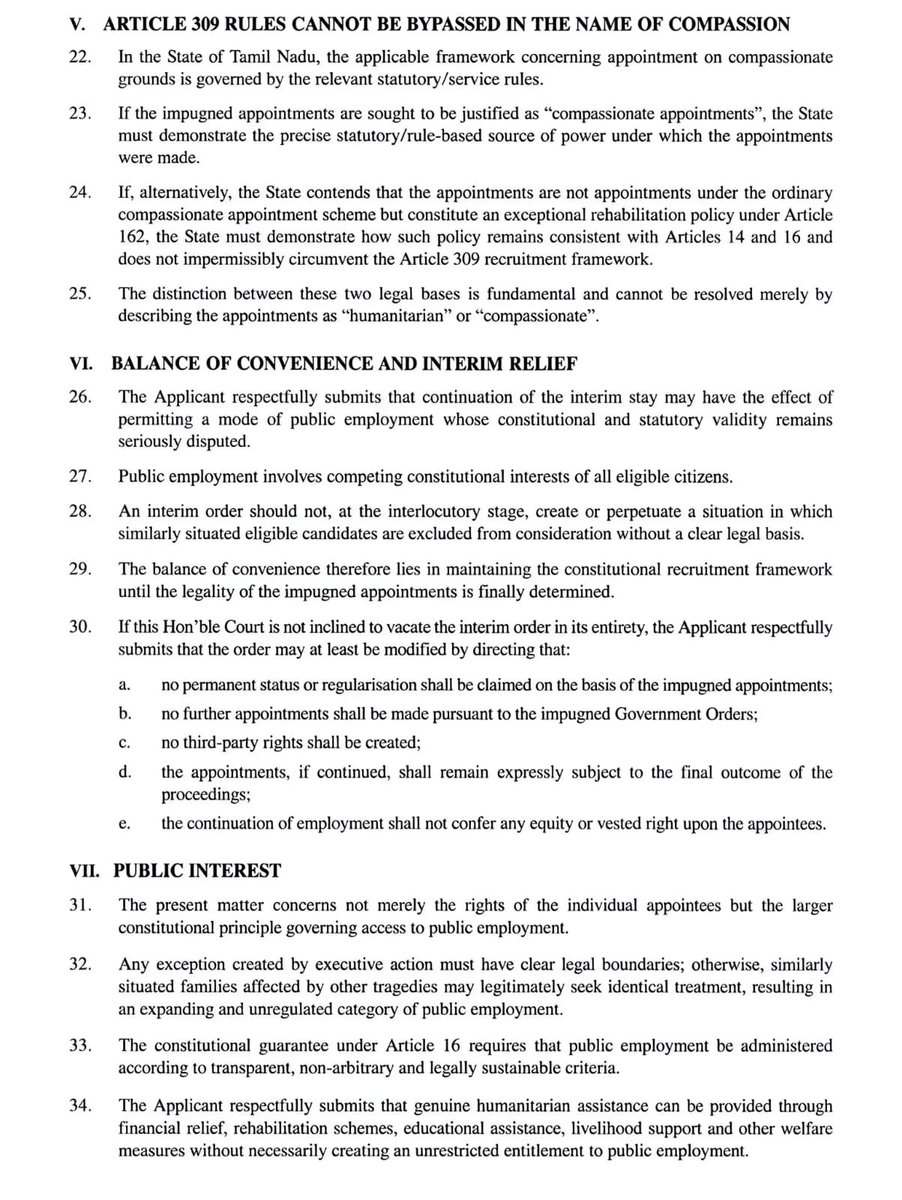
அரசியலமைப்புச் சட்டத்தின் 162, 309, 14 மற்றும் 16 ஆகிய கட்டுரைகளுக்கு இடையிலான அரசியலமைப்புச் சட்டத் தொடர்பை மாண்பைமிகு உச்சநீதிமன்றம் முறையாகப் பரிசீலிக்க வேண்டும்.
A. மாண்புமிகு உயர்நீதிமன்றம், இந்திய அரசியலமைப்புச் சட்டத்தின் Article 162-ன் கீழ் மாநிலத்திற���கு வழங்கப்பட்டுள்ள நிர்வாக அதிகாரத்திற்கும், #Article309 -ன் கீழ் அரசுப் பணிகளுக்கான ஆட்சேர்ப்பு மற்றும் பணிநிபந்தனைகளை ஒழுங்குபடுத்தும் அரசியலமைப்புச் சட்டக் கட்டமைப்பிற்கும் இடையிலான அடிப்படை வேறுபாட்டை முறையாகப் பரிசீலிக்கத் தவறியுள்ளதால்.
B. Article 162 மாநிலத்தின் நிர்வாக அதிகாரத்தின் வரம்பை நிர்ணயிக்கிறது. ஆனால், அதன் அடிப்படையில் மட்டும், அரசுப் பணியமர்த்தலைக் கட்டுப்படுத்தும் சட்ட விதிகள், பணிவிதிகள் அல்லது அரசியலமைப்புச் சட்டக் கட்டுப்பாடுகளுக்கு முரணாக அரசுப் பதவிகளுக்கு நியமனம் செய்வதற்கான தனித்துவமான மற்றும் கட்டுப்பாடற்ற அதிகாரம் உருவாகாது.
C. மறுபுறம், Article 309, அரசுப் பணிகள் மற்றும் பதவிகளுக்கு நியமிக்கப்படும் நபர்களின் ஆட்சேர்ப்பு மற்றும் பணிநிபந்தனைகளை ஒழுங்குபடுத்துவது குறித்து குறிப்பாகக் கூறுகிறது. உரிய சட்டமன்றத்தால் அல்லது அதன் கீழ் சட்ட ஏற்பாடு செய்யப்படும் வரை, அத்தகைய ஆட்சேர்ப்பு மற்றும் பணிநிபந்தனைகளை ஒழுங்குபடுத்தும் விதிகளை உருவாக்க ஆளுநருக்கு Article 309-ன் விதிவிலக்கு அதிகாரம் வழங்குகிறது.
D. எனவே, Article 309-ன் கீழ் அல்லது அரசுப் பணியமர்த்தலைக் கட்டுப்படுத்தும் சட்டத்தின் கீழ் ஆட்சேர்ப்பு விதிகள் செல்லத்தக்க வகையில் உருவாக்கப்பட்டிருந்தால், அவ்விதிகளைத் தவிர்க்கவோ, தளர்த்தவோ, புறக்கணிக்கவோ அல்லது மேலோங்கிச் செல்லவோ Article 162-ன் கீழான நிர்வாக அதிகாரத்தைப் பயன்படுத்த முடியாது.
E. Article 309-ல் இடம்பெறும் “இந்த அரசியலமைப்பின் விதிகளுக்கு உட்பட்டது” என்ற பொருளுடைய அரசியலமைப்புச் சொற்றொடர் அடிப்படை முக்கியத்துவம் வாய்ந்தது. ஆட்சேர்ப்பை ஒழுங்குபடுத்தும் அதிகாரமே, அரசியலமைப்பின் #பகுதிIII -ல் உறுதி செய்யப்பட்டுள்ள உரிமைகளுக்கும், குறிப்பாக Articles 14 மற்றும் 16-க்கும் உட்பட்டதாகும்.
F. Article 14 சட்டத்தின் முன் சமத்துவ��்தையும், சட்டங்களின் சமமான பாதுகாப்பையும் உறுதி செய்கிறது. அதேவேளை Article 16(1), மாநிலத்தின் கீழ் உள்ள வேலைவாய்ப்பு அல்லது எந்தப் பதவிக்கும் நியமனம் தொடர்பான விவகாரங்களில் அனைத்து குடிமக்களுக்கும் சம வாய்ப்பை குறிப்பாக உறுதி செய்கிறது. எனவே, ஒரே நிலையில் உள்ள தகுதியான குடிமக்களுக்கு சமமான பரிசீலனை கிடைக்காத வகையில் அமைந்த நிர்வாக முறையின் மூலம் அரசுப் பணியிடங்களை பொதுவாக வழங்க முடியாது.
G. இம்மாண்புமிகு உச்சநீதிமன்றம் பல்வேறு தீர்ப்புகளில், அரசுப் பதவிகளுக்கான ஆட்சேர்ப்பு Articles 14 மற்றும் 16-ல் உள்ள அரசியலமைப்புச் சமத்துவக் கொள்கைக்கு ஏற்ப இருக்க வேண்டும் என்றும், சட்டத்தால் அனுமதிக்கப்படும் இடங்களில் கருணை அடிப்படையிலான நியமனம் ��ன்பது அரசுப் பணியமர்த்தலின் பொதுவான விதிக்கு விதிவிலக்காகும் என்றும், அதனை ஒரு உரிமையாகக் கோர முடியாது என்றும் தொடர்ந்து அங்கீகரித்துள்ளது.
H. எனவே, மாண்புமிகு உயர்நீதிமன்றம் எதிர்க்கப்படும் நிர்வாக நடவடிக்கையை பின்வரும் அரசியலமைப்புச் சட்ட வரிசையின் அடிப்படையில் பரிசீலித்திருக்க வேண்டும்:
#Article136
#Article162 #Article309 #Articles14 & #Article16
(i) Article 162-ன் கீழ் மாநிலத்திற்கு நிர்வாக அதிகாரம் இருந்ததா;
(ii) முன்மொழியப்பட்ட நியமனம் Article 309-ன் கீழ் உருவாக்கப்பட்ட சட்ட / பணிவிதிகளால் கட்டுப்படுத்தப்பட்டதா;
(iii) அந்த நிர்வாக நடவடிக்கை அவ்விதிகளுடன் ஒத்துப்போகிறதா; மற்றும்
(iv) அத்தகைய நியமனம் Articles 14 மற்றும் 16-ன் கீழான சமத்துவம் மற்றும் சம வாய்ப்பு என்ற அரசியலமைப்புச் சட்டத் தேவைகளை பூர்த்தி செய்ததா.
I. Article 162-ன் கீழ் நிர்வாக அதிகாரம் உள்ளது என்ற ஒரே காரணத்தால், பொருந்தக்கூடிய ஆட்சேர்ப்பு வ���திகளுக்கு வெளியே ��னியான அரசுப் பணிவாய்ப்பை உருவாக்குவதற்கான அரசியலமைப்புச் சட்ட அனுமதியாக அதனை கருத முடியாது. Article 162 அரசியலமைப்புச் சட்ட மற்றும் சட்டக் கட்டமைப்பிற்குள் செயல்படுகிறது; Article 309-ன் விதிகளையோ, Articles 14 மற்றும் 16-ன் சமத்துவக் கட்டாயத்தையோ தோற்கடிக்கும் அதிகாரத்தின் மூலமாக அதனை மாற்றிக் கொள்ள முடியாது.
J. மாநிலம் கருணை, பொதுக் கொள்கை அல்லது விதிவிலக்கான சூழ்நிலைகள் ஆகியவற்றின் அடிப்படையில் ஒரு நியமனத்தை நியாயப்படுத்த முயன்றாலும், அத்தகைய அதிகாரத்திற்கு சட்டபூர்வமான ஆதாரம் இருக்க வேண்டும்; மேலும்



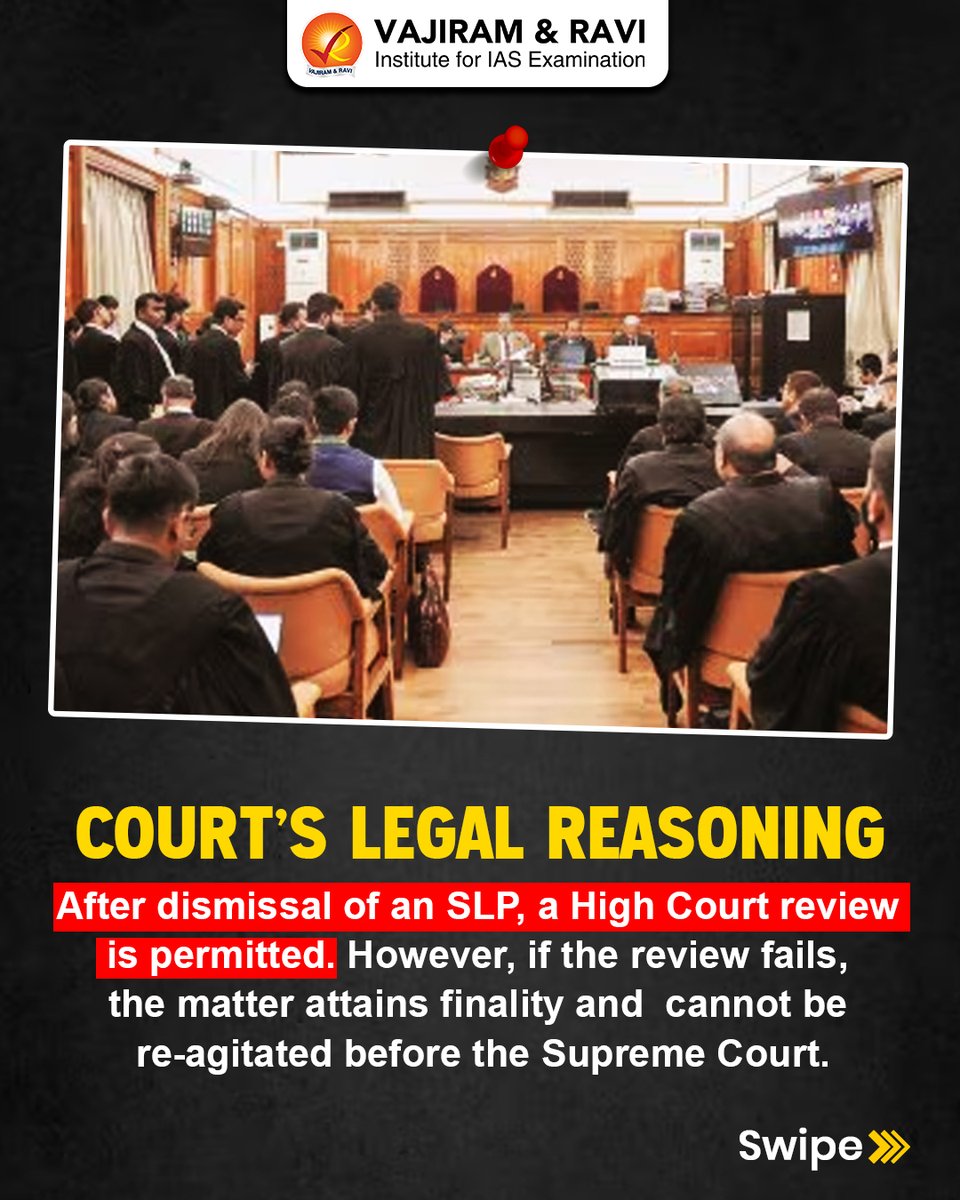
Article 136 isn’t a routine appeal route—it’s the Supreme Court’s extraordinary, discretionary power to step in when there’s a risk of grave injustice.
#SupremeCourt #Article136 #IndianLaw #LegalAwareness #Judiciary #CurrentAffairs #LegalEducation #SLP #VajiramAndRavi


Decision rendered by Apex Court, at SLP stage or post grant of leave cannot be assailed directly or collaterally under Article 32: Supreme Court affirms
#SupremeCourt #curativepetition #HimachalPradeshCorporateSector #EmployeesScheme #article136 #Pensionarybenefits #perincuriam


Dhankhar: अनुच��छेद 136 के इस्तेमाल पर उपराष्ट्रपति चिंतित, कहा- इससे मध्यस्थता प्रक्रिया को हो रहा नुकसान
#JagdeepDhankhar #Article136 #VicePresident
https://t.co/crJFVSupLV

#SC dismisses #plea against stay on Rs 2 Cr damages for #defamatory remarks by #Devegowda against #NICE [Read Order].
Subscribe to @LawstreetJ for latest update
@H_D_Devegowda
#KarnatakaHighCourt #JusticeDYChandrachud #JusticeHimaKohli #Article136 #Constitution #BMIC
![LawstreetJ's tweet photo. #SC dismisses #plea against stay on Rs 2 Cr damages for #defamatory remarks by #Devegowda against #NICE [Read Order].
Subscribe to @LawstreetJ for latest update
@H_D_Devegowda
#KarnatakaHighCourt #JusticeDYChandrachud #JusticeHimaKohli #Article136 #Constitution #BMIC](https://pbs.twimg.com/media/FcSfBveaIAEopHg.jpg)

अनुच्छेद 136 के तहत विशेष अनुमति द्वारा आपराधिक अपील का दायरा : सुप्रीम कोर्ट ने समझाया #supremecourt #article136 #criminalappeal https://t.co/9KcdqsWbX4

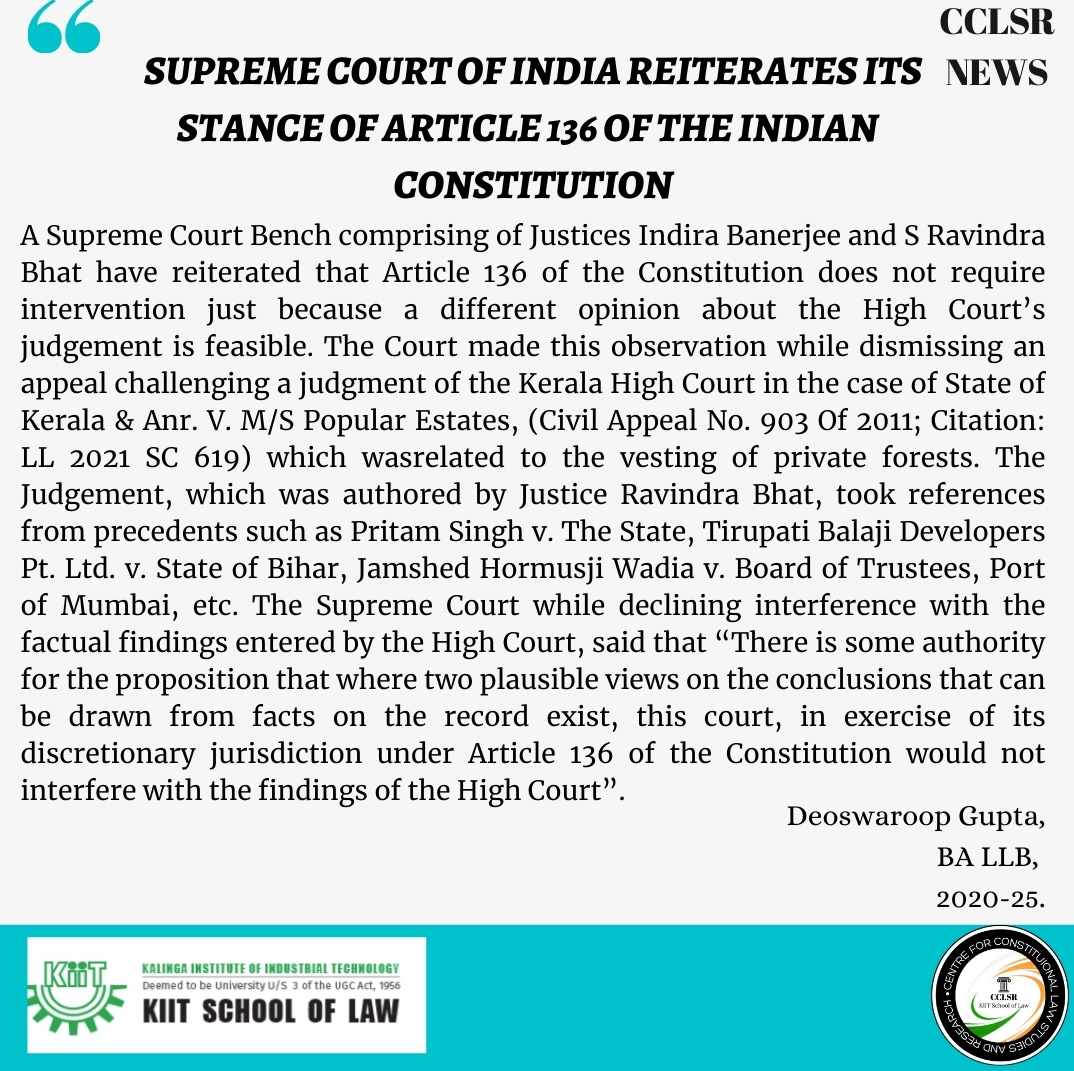
अनुच्छेद 136 के तहत हस्तक्षेप का करण केवल यह नहीं कि हाईकोर्ट के फैसले पर अलग दृष्टिकोण संभव: सुप्रीम कोर्ट #SupremeCourt #Article136 https://t.co/jZU7ptsort
अनुच्छेद 136: एसएलपी में पहली बार कानून का विशुद्ध प्रश्न उठाया जा सकता है: सुप्रीम कोर्ट #Article136 #SLP #supremecourt https://t.co/jsNfMAEuhw
अनुच्छेद 227 के तहत हाईकोर्ट याचिकाएं तय करते समय अनुच्छेद 136 के दृष्टिकोण को नहीं अपना सकता : सुप्रीम कोर्ट #Article136 #HighCourt #Article227 #SupremeCourt https://t.co/LNvspcPpx7

SC: The dismissal of SLP is of no consequence on the question of law
#SupremeCourt #SpecialLeavePetition #ResidualPower #DiscretionaryPower #Article136 #HighCourt #Article226 #LawAndOrder #LearningFromHome #WithoutClasses #Basics #currentaffairs
Read:https://t.co/LR7oX7n4Ug


SC: The dismissal of SPL is of no consequence on the question of law
#SupremeCourt #SpecialLeavePetition #ResidualPower #DiscretionaryPower #Article136 #HighCourt #Article226 #LawAndOrder #LearningFromHome #WithoutClasses #Basics #currentaffairs
Read:https://t.co/RCQFXdrFC1

RT @BabaTrolley: RT @Misandry_Kills: #LegalExtortion
Altho' "Settlement" in #498ashops can ONLY be effected by HC or SC under #482CrPC #Article136, how often it is seen dat #DhanKiBaat ensures "compromise" at d level of #Police stations or Lower #Courts openly ??
@RajatSha…
RT @Shankarrao1753: RT @Misandry_Kills: #LegalExtortion
Altho' "Settlement" in #498ashops can ONLY be effected by HC or SC under #482CrPC #Article136, how often it is seen dat #DhanKiBaat ensures "compromise" at d level of #Police stations or Lower #Courts openly ??
@Rajat…
RT @Monkfights: RT @Misandry_Kills: #LegalExtortion
Altho' "Settlement" in #498ashops can ONLY be effected by HC or SC under #482CrPC #Article136, how often it is seen dat #DhanKiBaat ensures "compromise" at d level of #Police stations or Lower #Courts openly ??
@RajatShar…

#LegalExtortion
Altho' "Settlement" in #498ashops can ONLY be effected by HC or SC under #482CrPC #Article136, how often it is seen dat #DhanKiBaat ensures "compromise" at d level of #Police stations or Lower #Courts openly ??
@RajatSharmaLive
@awasthis
@MenRightsIndia
@ANI
3/n
Last Seen Hashtags on Sotwe
تويرك
Seen from Saudi Arabia
actingschoolwithplacement
Seen from Indonesia
minichat
Seen from Argentina
melbourne
Seen from Australia
animation rule34 nsfw
Seen from Indonesia
Nursing
Seen from Israel
candids
Seen from Thailand
cheating
Seen from United States
เกย์ชักว่าว
Seen from Thailand
เสียงไทย
Most Popular Users

Elon Musk 
@elonmusk
241.7M followers

Barack Obama
@barackobama
119M followers

Cristiano Ronaldo
@cristiano
114.5M followers

Donald J. Trump
@realdonaldtrump
111.9M followers

Narendra Modi
@narendramodi
107.2M followers

Rihanna
@rihanna
98.7M followers

NASA
@nasa
92.4M followers

Justin Bieber
@justinbieber
91.8M followers

KATY PERRY
@katyperry
90.1M followers

Taylor Swift
@taylorswift13
84M followers

Lady Gaga
@ladygaga
75.5M followers

Virat Kohli
@imvkohli
73.5M followers

Kim Kardashian
@kimkardashian
70.9M followers

YouTube
@youtube
68.8M followers

Neymar Jr
@neymarjr
66.5M followers

Bill Gates
@billgates
65.2M followers

Selena Gomez
@selenagomez
63.1M followers

The Ellen Show
@theellenshow
62.3M followers

CNN
@cnn
61.8M followers

X
@x
60.7M followers