

Top Tweets for #DayForDisasterRiskReduction

@Taheri_Movement Every dollar not spent on resilience is a debt paid in suffering. It's time to choose prevention over pain.
#Disasters
#DRRDay
#DayforDisasterRiskReduction

#Disasters are becoming more frequent, more costly, and more devastating.While direct disaster costs have grown to approximately $202 billion annually, the Global Assessment Report on Disaster Risk Reduction 2025 estimates that the true cost, is 11 times higher at nearly $2.3 trillion.
Despite this, investment in disaster risk reduction (DRR) remains far too low in national budgets and international assistance. Under the theme “Fund Resilience, Not Disasters”, International Day for Disaster Risk Reduction 2025 calls for a decisive shift: fund resilience now to avoid paying for disasters later.
Financing is the single challenge that unites the disaster, climate, development, and humanitarian domains. The unique advantage of disaster risk reduction is that it can simultaneously strengthen all the other domains, because of its emphasis on reducing vulnerabilities and building resilience.
Disasters are a growing threat to economic prosperity and sustainable development, with costs underestimated and unsustainable.
Disaster costs are pushing countries into spirals of increased debt, lower incomes, increased insurability, and repeated humanitarian crises.
Declining international assistance makes it even more critical to reduce disaster losses through disaster risk reduction investments.
Cutting funding for disaster risk reduction leads to more expensive disasters in the future, along with more humanitarian needs.
To reduce disaster costs, countries must increase funding for disaster risk reduction and ensure all development investments are risk-informed.
#DRRDay #DayforDisasterRiskReduction
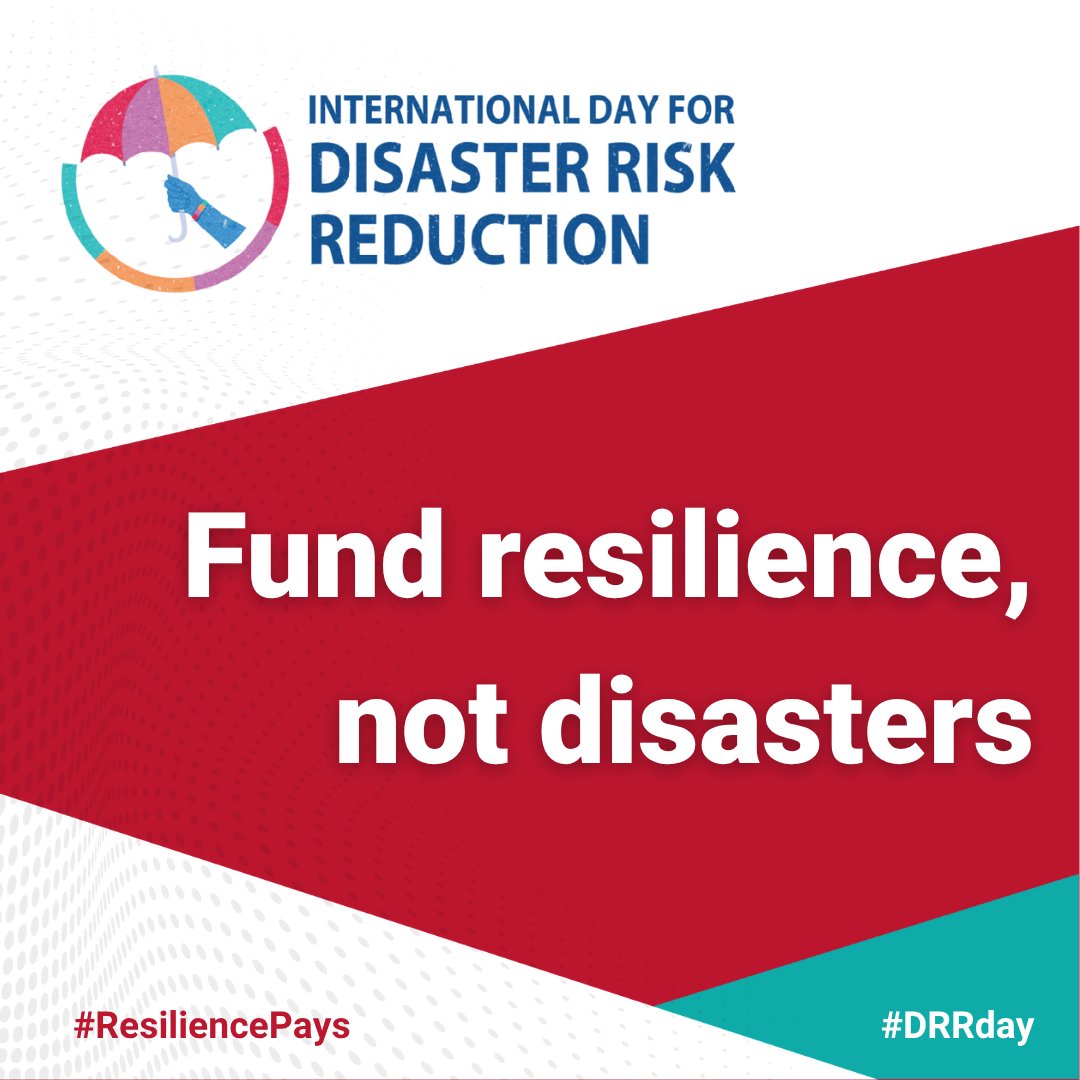

امید که با ارتقای آگاهی محیط زیست را و زمین یگانه را حافظ باشیم
#DRRDay #DayforDisasterRiskReduction
#Disasters are becoming more frequent, more costly, and more devastating.While direct disaster costs have grown to approximately $202 billion annually, the Global Assessment Report on Disaster Risk Reduction 2025 estimates that the true cost, is 11 times higher at nearly $2.3 trillion.
Despite this, investment in disaster risk reduction (DRR) remains far too low in national budgets and international assistance. Under the theme “Fund Resilience, Not Disasters”, International Day for Disaster Risk Reduction 2025 calls for a decisive shift: fund resilience now to avoid paying for disasters later.
Financing is the single challenge that unites the disaster, climate, development, and humanitarian domains. The unique advantage of disaster risk reduction is that it can simultaneously strengthen all the other domains, because of its emphasis on reducing vulnerabilities and building resilience.
Disasters are a growing threat to economic prosperity and sustainable development, with costs underestimated and unsustainable.
Disaster costs are pushing countries into spirals of increased debt, lower incomes, increased insurability, and repeated humanitarian crises.
Declining international assistance makes it even more critical to reduce disaster losses through disaster risk reduction investments.
Cutting funding for disaster risk reduction leads to more expensive disasters in the future, along with more humanitarian needs.
To reduce disaster costs, countries must increase funding for disaster risk reduction and ensure all development investments are risk-informed.
#DRRDay #DayforDisasterRiskReduction

@Taheri_Movement #Disasters
Cutting funding for disaster risk reduction leads to more expensive disasters in the future, along with more humanitarian needs.
...
#DRRDay #DayforDisasterRiskReduction

@Taheri_Movement Despite this, investment in disaster risk reduction (DRR) remains far too low in national budgets and international assistance
#DRRDay #DayforDisasterRiskReduction
#Disasters

@Taheri_Movement fund resilience now to avoid paying for disasters later.
Disasters are a growing threat to economic prosperity and sustainable development, with costs underestimated and unsustainable.
#Disasters
#DRRDay #DayforDisasterRiskReduction

@Taheri_Movement To reduce disaster costs, countries must increase funding for disaster risk reduction and ensure all development investments are risk-informed.
#DRRDay #DayforDisasterRiskReduction
#Disasters
Disasters are a growing threat to economic prosperity and sustainable development, with costs underestimated and unsustainable.
#Disasters
#DRRDay #DayforDisasterRiskReduction
#Disasters are becoming more frequent, more costly, and more devastating.While direct disaster costs have grown to approximately $202 billion annually, the Global Assessment Report on Disaster Risk Reduction 2025 estimates that the true cost, is 11 times higher at nearly $2.3 trillion.
Despite this, investment in disaster risk reduction (DRR) remains far too low in national budgets and international assistance. Under the theme “Fund Resilience, Not Disasters”, International Day for Disaster Risk Reduction 2025 calls for a decisive shift: fund resilience now to avoid paying for disasters later.
Financing is the single challenge that unites the disaster, climate, development, and humanitarian domains. The unique advantage of disaster risk reduction is that it can simultaneously strengthen all the other domains, because of its emphasis on reducing vulnerabilities and building resilience.
Disasters are a growing threat to economic prosperity and sustainable development, with costs underestimated and unsustainable.
Disaster costs are pushing countries into spirals of increased debt, lower incomes, increased insurability, and repeated humanitarian crises.
Declining international assistance makes it even more critical to reduce disaster losses through disaster risk reduction investments.
Cutting funding for disaster risk reduction leads to more expensive disasters in the future, along with more humanitarian needs.
To reduce disaster costs, countries must increase funding for disaster risk reduction and ensure all development investments are risk-informed.
#DRRDay #DayforDisasterRiskReduction

@Taheri_Movement To reduce disaster costs, countries must increase funding for disaster risk reduction and ensure all development investments are risk-informed.
#DRRDay #DayforDisasterRiskReduction

@Taheri_Movement With increases in wildfires, earthquakes, hurricanes and flooding, let’s work to provide immediate humanitarian relief and build long-term resilience to future #Disasters .
#DRRDay
#DayforDisasterRiskReduction

Disasters are getting deadlier and costlier, but we can prevent them.
Fund resilience now to avoid paying for disasters later.
#DRRDay #DayforDisasterRiskReduction #FundResilienceNotDisasters
#Disasters are becoming more frequent, more costly, and more devastating.While direct disaster costs have grown to approximately $202 billion annually, the Global Assessment Report on Disaster Risk Reduction 2025 estimates that the true cost, is 11 times higher at nearly $2.3 trillion.
Despite this, investment in disaster risk reduction (DRR) remains far too low in national budgets and international assistance. Under the theme “Fund Resilience, Not Disasters”, International Day for Disaster Risk Reduction 2025 calls for a decisive shift: fund resilience now to avoid paying for disasters later.
Financing is the single challenge that unites the disaster, climate, development, and humanitarian domains. The unique advantage of disaster risk reduction is that it can simultaneously strengthen all the other domains, because of its emphasis on reducing vulnerabilities and building resilience.
Disasters are a growing threat to economic prosperity and sustainable development, with costs underestimated and unsustainable.
Disaster costs are pushing countries into spirals of increased debt, lower incomes, increased insurability, and repeated humanitarian crises.
Declining international assistance makes it even more critical to reduce disaster losses through disaster risk reduction investments.
Cutting funding for disaster risk reduction leads to more expensive disasters in the future, along with more humanitarian needs.
To reduce disaster costs, countries must increase funding for disaster risk reduction and ensure all development investments are risk-informed.
#DRRDay #DayforDisasterRiskReduction
@Taheri_Movement Disasters are getting deadlier and costlier, but we can prevent them.
Fund resilience now to avoid paying for disasters later.
#DRRDay #DayforDisasterRiskReduction #FundResilienceNotDisasters

@Taheri_Movement Cutting funding for disaster risk reduction will lead to more expensive disasters in the future, as well as greater humanitarian needs.
#DRRDay #DayforDisasterRiskReduction

fund resilience now to avoid paying for disasters later.
#Disasters
#DRRDay #DayforDisasterRiskReduction
#Disasters are becoming more frequent, more costly, and more devastating.While direct disaster costs have grown to approximately $202 billion annually, the Global Assessment Report on Disaster Risk Reduction 2025 estimates that the true cost, is 11 times higher at nearly $2.3 trillion.
Despite this, investment in disaster risk reduction (DRR) remains far too low in national budgets and international assistance. Under the theme “Fund Resilience, Not Disasters”, International Day for Disaster Risk Reduction 2025 calls for a decisive shift: fund resilience now to avoid paying for disasters later.
Financing is the single challenge that unites the disaster, climate, development, and humanitarian domains. The unique advantage of disaster risk reduction is that it can simultaneously strengthen all the other domains, because of its emphasis on reducing vulnerabilities and building resilience.
Disasters are a growing threat to economic prosperity and sustainable development, with costs underestimated and unsustainable.
Disaster costs are pushing countries into spirals of increased debt, lower incomes, increased insurability, and repeated humanitarian crises.
Declining international assistance makes it even more critical to reduce disaster losses through disaster risk reduction investments.
Cutting funding for disaster risk reduction leads to more expensive disasters in the future, along with more humanitarian needs.
To reduce disaster costs, countries must increase funding for disaster risk reduction and ensure all development investments are risk-informed.
#DRRDay #DayforDisasterRiskReduction
@Taheri_Movement #DayforDisasterRiskReduction reminds us to be prepared, stay aware, and build safer, more resilient communities against natural and human-made disasters. 🌍⚠️

#DayforDisasterRiskReduction, we highlight the power of education in building a resilient future!
Through the @wrdhub project funded by @dfat, UN Women established Disaster Risk Management School Clubs in Blantyre, equipping students with skills to protect their communities.

🚨 It’s #DayForDisasterRiskReduction!
Young #farmers from the #WFOGymnasium share their inspiring stories on how they build #disaster resilience, from tackling droughts to preventing fires. 🏜️🧯🔥
Learn about their first-hand experience in the article⬇️
https://t.co/DACpns8lq0
@UNDRR #FarmersInAction @t_pesola @MartinMurray_Ag @EspenVirginia @riedel_rafael
🚨It’s #DayforDisasterRiskReduction
When the #disasterstrikes, there's a need to unite & act: #young #farmers stand alongside more experienced ones to face it back-to-back!💪
Students of the #WFOGymnasium share their experience from the ground👇
https://t.co/6ggCpPpIW5
@UNDRR


It’s International #DayforDisasterRiskReduction!
Across the globe🌎, extreme weather events⛈️🌀are threatening #Farmers and exposing them to severe poverty and vulnerability.
Still, they always find a way to respond to #ClimateChange!
#Farmers4Climate #FarmersInAction
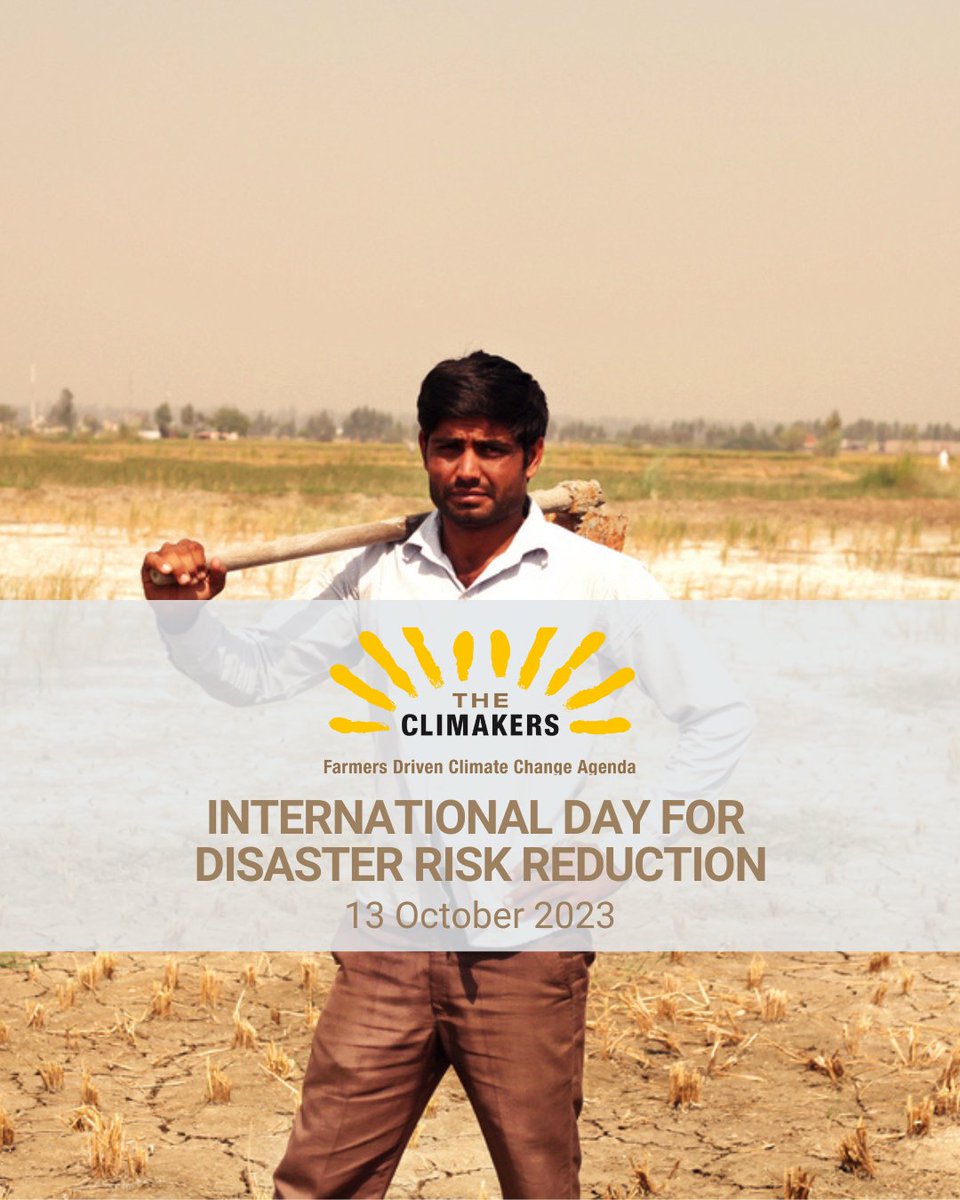

Oct 13 is International Day for Disaster Risk Reduction! #IdrrDay #EarlyWarningForAll #DayForDisasterReduction #DayForDisasterRiskReduction #DayForNaturalDisasterReduction #InternationalDayForDisasterReduction #InternationalDayForDisasterRiskReduction https://t.co/O3pdAG6w8I
Last Seen Hashtags on Sotwe
Trends for you
Most Popular Users

Elon Musk 
@elonmusk
240.7M followers

Barack Obama
@barackobama
119.2M followers

Donald J. Trump
@realdonaldtrump
111.7M followers

Cristiano Ronaldo
@cristiano
111M followers

Narendra Modi
@narendramodi
107M followers

Rihanna
@rihanna
97.7M followers

NASA
@nasa
92.2M followers

Justin Bieber
@justinbieber
91M followers

KATY PERRY
@katyperry
87.9M followers

Taylor Swift
@taylorswift13
81.7M followers

Lady Gaga
@ladygaga
73.2M followers

Virat Kohli
@imvkohli
70.2M followers

Kim Kardashian
@kimkardashian
69.9M followers

YouTube
@youtube
68.7M followers

Bill Gates
@billgates
64M followers

Neymar Jr
@neymarjr
63M followers

The Ellen Show
@theellenshow
62.4M followers

CNN
@cnn
61.9M followers

Selena Gomez
@selenagomez
60.9M followers

X
@x
60.8M followers