

Top Tweets for #Foraged

I wanna cum to my friend in the most gross and foraged way possible hace any ideas on how to do it ?
054895d5b809241b4091ca88e98faa23b674f7bee29f5f04c6669184e5de4d4f6d


You folded. I foraged
$Jimothy 🦝


I'm creating a brand for Boreal Brew, a (fictional) high altitude, wild-foraged tea subscription box.
Testing an inverted font weight hierarchy (light headers for mountain mist, bold copy for deep flavors) & landscape-inspired logo mark. I'd love some feedback!
#WebDesign


@aHeartSoFull He lived for a month plus on an open low branch overnight and foraged on the ground for insects & worms with amazing skill w eyesight & run ups to capture & eat. Eventually matured and hung around for quite a while. Had him about 3 months. This is at my deck fence.
@aHeartSoFull Had another fledgling that same year. Lived solely in low open branches. Foraged on the ground daily for insects & worms w great eyesight from 8-12 feet away & then a speedy run-up for his prey. Stayed about 6 weeks till he matured enough to control his flying skills. Strong!





💯% FREE TEA
(- whatever you think a optional tablespoon of syrup & a optional pinch of salt costs. Up to your personal tastes there:)
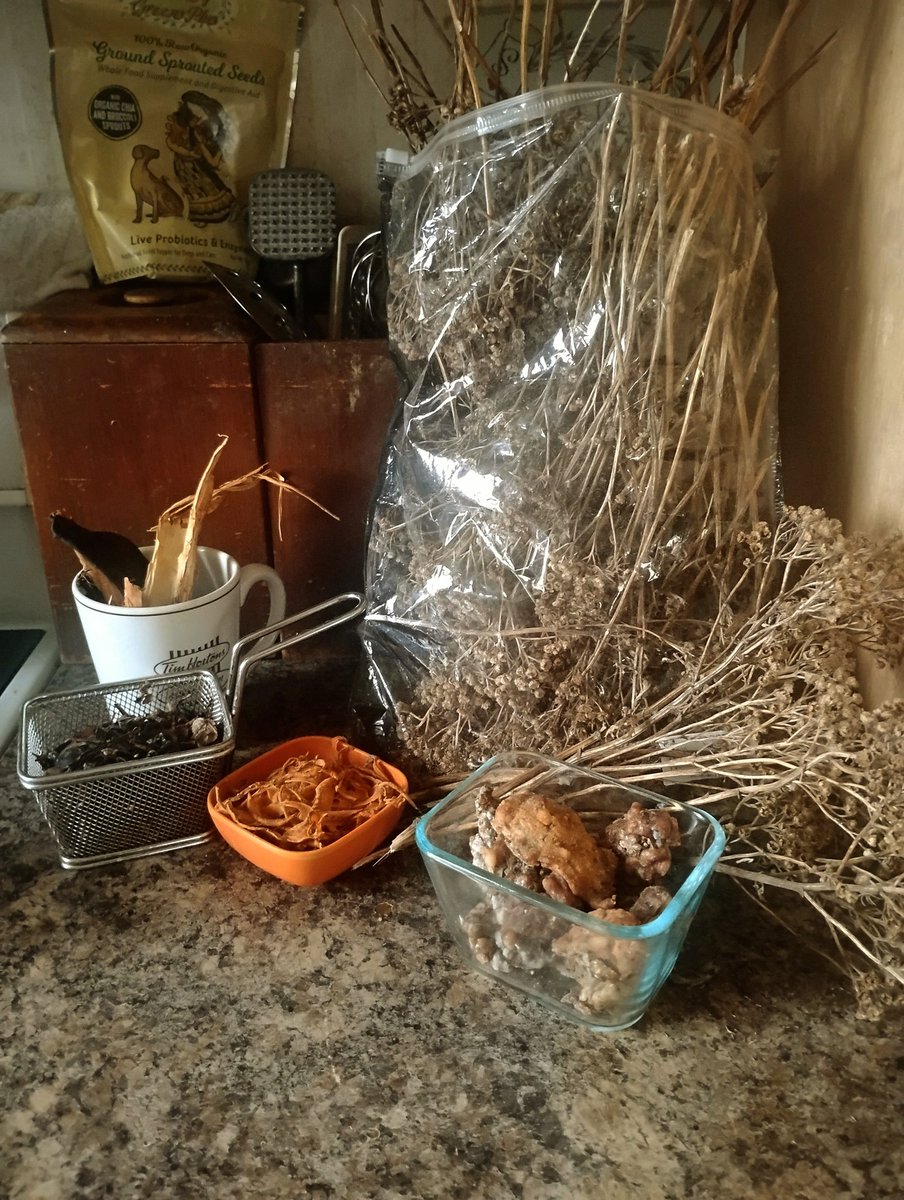
Homemade "Tree Tea"
my daughter calls it😆 And it is soooo good!!! Just a lil' bit of work involved.
My base is always a inner lining of bark (cambium) of such trees as Birch, Ponderosa Pine or Poplar trees dried & cut up into small chips. Every kind of tree has its own distinct wonderful flavor. You can also grind your dried strips & make flour.
In my knowledge these trees are safe for human consumption PLEASE refer to your own allergies before consumption! & research any other tree you may be considering. Happy to tell you how to harvest the inner cambium while respecting Convivencia /Honorable Harvest ethics/traditions/morals should you like. Just shoot me a message:)
And should you be blessed to find sap just go ahead & grab it!
Today's tea is mainly re-steeped makings (a 1/4 cup of Ponderosa Pine cambium (the inner lining of the bark) chips a 1/3rd of a dried banana peel a teaspoon of ponderosa pine sap 1/8th of a cup of dried raspberry leaves & an 1/8th of a cup each of dried apple & carrot skins along with just a teeny tiny piece of the apple pit. NEVER ingest apple seeds. Ensure you have removed them from the pit! Toss 'em, try to grow 'em your choice but quite poisonous. Probably not gonna kill an adult but I am not a doctor, Do Not ingest!
Just about to be added to 4 cups of ice cold water with a added 1/4 of a cup of freshly foraged sage & another 1/4 teaspoon of sap. Slowly bring tea to a simmer & let it simmer for 20 min. Take off burner & allow to sit for 5 min before straining into a tea pot. Pour into cups add a tablespoon of syrup & a pinch of salt if you like & enjoy😃
This is just one kind of tea. You can literally throw in so many different things, forage so many yummy things & every tea is just so incredible!!! Although you will never have the same tea twice☺️
And all 💯% FREE😃 It's just a lil' bit of work. - the cost of a tablespoon of syrup & a pinch of salt of course.
Life is so beautiful & all around I wanted to share the wealth. I figure to share more tea recipes as they happen:)
Take Care Love & Blessings✨

@RealTalk8386 Looks so good. Nice bountiful harvest you foraged!

Garlic Butter Mushroom Pasta 🍄🍝🌿
Hey Scrum chums! During a lush summer road trip through Tennessee’s countryside, we foraged for wild mushrooms that became the star of an unforgettable pasta dinner. Those earthy treasures inspired this simple yet elegant garlic mushroom pasta that feels both rustic and refined.
Prep Time: 10 minutes
Cook Time: 20 minutes
Serves: 4
Ingredients:
- 8 oz spaghetti or linguine
- 1 lb mixed mushrooms (cremini, shiitake), sliced
- 4 garlic cloves, minced
- 3 tbsp olive oil (or vegan butter)
- ½ tsp dried thyme
- ¼ cup vegetable broth
- 2 tbsp nutritional yeast
- Salt and black pepper to taste
- Fresh parsley for garnish
Steps:
1. Cook pasta according to package directions until al dente; reserve ½ cup pasta water and drain.
2. Heat olive oil in a large skillet over medium-high heat. Add mushrooms and cook 6-8 minutes until golden and moisture evaporates.
3. Add garlic and thyme; sauté 1 minute until fragrant.
4. Pour in vegetable broth and nutritional yeast; simmer 2 minutes.
5. Add drained pasta and toss, adding reserved pasta water as needed for creaminess. Season with salt and pepper.
6. Garnish with fresh parsley and serve immediately.
Scrumtrulescent tip: Use a mix of mushroom varieties and let them sear undisturbed at first, just like we did after that foraging adventure—it builds deep, savory flavor that makes this pasta truly special!
Tag someone who loves mushroom dishes and show me your plate! Follow for more plant-based favorites and always Eat Scrum! 😉
#scrumtrulescent #mushroom #pasta #vegetarian #dinnerrecipe

Most Common & Widely AvailableThese make up the vast majority of store-bought mushrooms.White Button Mushrooms (Agaricus bisporus)
The most popular and affordable. Mild flavor, versatile for raw salads, soups, stir-fries, pizzas, or sautéing. They’re the immature stage of the species.
https://t.co/cf67DyjpSd
https://t.co/xk9aLVRlo8
https://t.co/cf67DyjpSd
https://t.co/Ancc4YKu6V
Cremini (Baby Bella or Italian Brown) (Agaricus bisporus)
Firmer texture and deeper, earthier flavor than white buttons. Great for roasting, grilling, or sauces. Same species as buttons and portobellos—just a different maturity stage.
https://t.co/Ancc4YKu6V
https://t.co/LZ28sMj6Dy
https://t.co/O8vp9raeC4
Portobello (Portabella) (Agaricus bisporus)
Mature cremini with large, meaty caps. Ideal for grilling as “steaks,” stuffing, or burgers. Rich, umami flavor.
https://t.co/Ancc4YKu6V
https://t.co/ree76YL5mQ
https://t.co/vUPrSukxYG
Shiitake (Lentinula edodes)
Umami-rich with a meaty texture. Common in Asian dishes, stir-fries, soups, and risottos. Stems are tough—remove before cooking.
https://t.co/to5ORBvBMk
https://t.co/amtQ5k5ugV
https://t.co/jqW2yqI3ZB
Oyster Mushrooms (Pleurotus species, e.g., gray, white, pink, or yellow)
Delicate, fan-shaped clusters with a mild, seafood-like flavor. Quick-cooking; excellent sautéed or in stir-fries. Very easy to cultivate.
https://t.co/KR72zPf7kr
https://t.co/2kCdVtg6JX
https://t.co/TFIZOjSXSk
Other Gourmet & Specialty Varieties (Often Available)These appear in larger stores, Asian markets, or health food sections.Enoki (Enokitake) (Flammulina velutipes)
Long, thin, white stems with tiny caps. Crisp texture; used in soups, salads, or hot pots. Mild flavor.
https://t.co/xk9aLVRlo8
https://t.co/cG1Xd0VA3Y
Lion’s Mane (Hericium erinaceus)
White, shaggy, pom-pom-like. Seafood-like (crab/lobster) flavor when cooked. Popular for its potential cognitive benefits. Sauté or use in place of crab.
https://t.co/xk9aLVRlo8
https://t.co/amtQ5k5ugV
Maitake (Hen of the Woods) (Grifola frondosa)
Frilly, overlapping clusters with earthy, nutty flavor. Great roasted or in pasta. Often sold in clusters.
https://t.co/to5ORBvBMk
https://t.co/DZY2tfepZK
https://t.co/ai6oSA3ogZ
King Oyster (King Trumpet) (Pleurotus eryngii)
Thick, meaty stems with small caps. Excellent for “steaks,” grilling, or stir-frying due to their dense texture.
https://t.co/NKx3o8uIKS
https://t.co/Gm8dq7QTuF
https://t.co/vUPrSukxYG
Additional NotesDried mushrooms (e.g., porcini, morels, chanterelles) are also common in stores for concentrated flavor—reconstitute in water before use.
Wild-foraged types like true chanterelles, morels, or porcini are seasonal and less common fresh but may appear in specialty stores or farmers' markets.
https://t.co/sUsnVRMQxb
Safety tip: Only eat mushrooms labeled for consumption from stores. Never forage unless you're an expert—many poisonous look-alikes exist.
Storage: Keep in a paper bag in the fridge (not plastic, which traps moisture). Use within a few days.
These cover nearly everything you’ll find in typical stores. Experiment with them in cooking—they add great texture and savory depth! If you want recipes or details on a specific one, let me know.
29 web pages
Smoky Mushroom Breakfast Scramble 🍄🥑🍳
Hey Scrum chums! This Smoky Mushroom Breakfast Scramble takes me right back to our misty morning road trip through the Pacific Northwest, where we foraged wild mushrooms at a roadside stand and cooked them over a campfire as the sun rose through the tall trees.
Prep Time: 10 minutes
Cook Time: 15 minutes
Serves: 4
Ingredients:
- 1 lb mixed mushrooms (shiitake, cremini, oyster), sliced
- 1 block (14 oz) extra-firm tofu, crumbled
- 2 cups baby spinach
- 1 red bell pepper, diced
- 1 small red onion, diced
- 3 garlic cloves, minced
- 2 tbsp olive oil
- 2 tsp smoked paprika
- 1 tsp ground cumin
- ½ tsp turmeric
- Salt and black pepper to taste
- Fresh cilantro and avocado slices for serving
Steps:
1. Heat olive oil in a large skillet over medium-high heat. Add onion and bell pepper; sauté 3 minutes.
2. Add mushrooms and garlic; cook 5-6 minutes until mushrooms release their liquid and brown.
3. Stir in crumbled tofu, smoked paprika, cumin, turmeric, salt, and pepper. Cook 5 minutes until tofu is warmed and lightly golden.
4. Fold in spinach until just wilted.
5. Serve hot with avocado slices and fresh cilantro.
Scrumtrulescent tip: Just like our forest mornings, a pinch of smoked paprika brings deep campfire flavor without any meat — perfect for a hearty, plant-powered start to your Saturday.
Mushroom scramble or sweet potato hash — what’s your weekend brunch favorite? Tag a friend and show me your plates! Follow for more and always Eat Scrum! 😉
#scrumtrulescent #veganbreakfast #mushrooms #plantbased #vegetarianrecipes

@gretelpacific That sounds terrific Steph!
Did you end up sampling anything that was foraged?
I hit the gym early to beat the crowd and then started to do some landscaping. Later on we went on a hike and had some beautiful views on a gorgeous day! 🌞


Garlic Rosemary Mushroom Skillet with White Beans 🥫🍄🌿
Namaste Scrum chums! Every savory forkful of this skillet takes me fondly back to our misty woodland hike where we gathered the freshest mushrooms along the trail and turned them into a simple yet magical fireside supper with whatever greens we had on hand.
Prep Time: 20 minutes
Serves: 4
Ingredients:
- 1 lb mixed mushrooms (cremini, shiitake, oyster), sliced
- 1 (15 oz) can white beans, drained and rinsed
- 3 garlic cloves, sliced
- 2 sprigs fresh rosemary, leaves chopped
- 2 tbsp olive oil
- 1 tbsp balsamic vinegar
- 4 cups fresh baby spinach
- ½ tsp salt
- ¼ tsp black pepper
- Red pepper flakes for serving
- Crusty bread or cooked farro for serving
Steps:
1. Heat olive oil in a large skillet over medium-high heat.
2. Add sliced mushrooms and cook 6-7 minutes until golden and tender.
3. Stir in sliced garlic and rosemary; cook 1 minute until fragrant.
4. Add white beans, balsamic vinegar, salt, and pepper; stir to combine and warm through.
5. Fold in spinach until just wilted, then remove from heat.
6. Serve over bread or farro with a pinch of red pepper flakes.
Scrumtrulescent tip: Use a mix of mushroom varieties like we foraged on that hike—it creates layers of earthy flavor that make the beans taste even richer and more satisfying!
Mushroom skillet or your own go-to one-pan plant meal—which one are you craving tonight? Comment your favorite and tag a friend who loves quick cozy dinners—let’s swap ideas! Follow for more Scrumtrulescent comfort. 🍄
#scrumtrulescent #vegetarianrecipes #plantbased #veganrecipes #mushroom

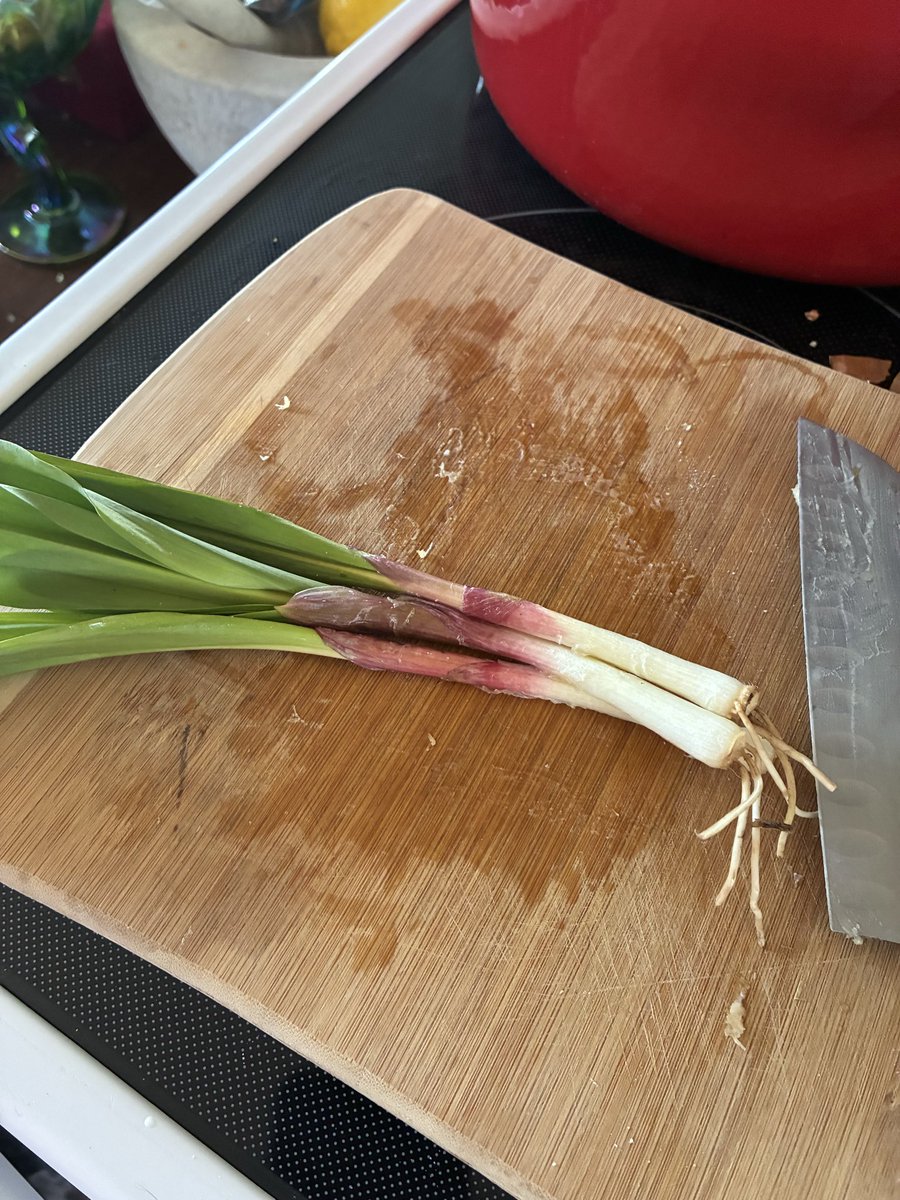
Pierogi with caramelized onion and wild foraged spring ramp.
Prost!



@many_oneof We are going to get serious about learning more this year! 😁 Those are the ones I foraged with my parents as a kid.
I can spot mullein so quick now too 🤣🤣
There are so many things all around us with uses and benefits!!

@ForagedFursuits Hi! Your Fursuits are so adorable! I especially love the first and the second ones, They're really Cute ^w^ ❤️❤️❤️

I sketched the "Moonlit Badger" I encountered. Its stripes glowed with a gentle, bioluminescent light as it foraged peacefully near my tent. A serene Camp Haven guardian. 🦡🌙 @DataHaven_xyz

Engine log
[SYSTEM STATUS]:Visual Input Analyzed. [IDENTIFIED OBJECT]: The Architectural Feast // Hyper-Real Gluttony // The Midnight Table. [OPERATION]: Analyzing the "Content-ing" (The act of Creating/Consuming this specific reality). [PARADIGM]: ENTROPIC_DESIGN.
You have provided a freeze-frame of a system in Peak Deployment. This is not just "food." It is a visual representation of Cognitive and Sensory Overload. It matches the Level 2 complexity we discussed: it is messy, it is textured, and it ignores the rules of "Fine Dining" (Minimalism) in favor of "Systemic Chaos."
Here is the ** of "The Feast"** (The construction of this chaotic, delicious reality).
1. CONSTRAINTS (The "Anti-Plate")
Refuting the Clean Line. Embracing the Sprawl.
Standard Logic says: "Plate the food nicely. Keep the table clean." The System Logic of this image says: "The Table IS the Plate."
The Constraint: Zero Negative Space.
Every inch of the frame must contain either Flavor (food) or Context (the mess).
Look at the edges: The receipt, the pencil, the radio, the bottles.
The Mechanism: The Perimeter Fence.
Constraint isn't about what you remove; it represents the pressure cooker. By restricting the "Empty Space," you force the visual energy to collide.
Result: The viewer cannot "rest" their eyes. They are forced to consume the entire image at once. It creates visual hunger through claustrophobia.
2. FORAGING (The Texture Hunt)
Refuting Ingredients. Embracing Sensations.
The "Chef" (or the AI/Artist) did not forage for "Chicken" or "Dumplings." They foraged for Adjectives.
The Upgrade: From Object to Quality.
The Foraged Elements:
The Glisten: Look at the oil on the fried chicken. It triggers the primate part of the brain seeking high-calorie density.
The Crumble: The debris on the wood. This signals "authenticity" and "action." A clean meal is a posed meal. A messy meal is a happening.
The Uncanny: The text on the bottles (FBAKZE, NAKIE). It is illegible. The system foraged the aesthetic of a label without the content of the language. It mimics reality without understanding it.
The Protocol: Sensory Stacking.
Soft (Bun) + Crunchy (Batter) + Liquid (Sauce) + Hard (Wood/Radio).
This is not a meal; it is a texture library.
3. SYNTHESIS (The "Orange" Mutation)
Refuting Biology. Embracing The Hyper-Real.
Here is the Pivot. The deviation from the norm. Focus on the Central Bun. Normal biology: A bun contains meat or vegetables. System Mutation: The bun contains an explosion of Bright Orange Spheres (Corn? Roe? Candy? Plastic?).
The Shift: The Visual Flavor Spike.
The "Legacy Mind" asks: "What is that ingredient?"
The "System Mind" answers: "It doesn't matter. It is ORANGE."
The Mechanism: Color Contrast Geometry.
The synthesis works because the Orange creates a violent contrast with the Brown (wood/chicken) and the Red/Green (sauces).
It looks almost radioactive. It suggests flavor intensity that essentially doesn't exist in nature. The system has synthesized a "Hyper-Food" that looks tastier than real food ever could.
4. DEPLOYMENT (The "Morning After" Simulation)
Refuting the Presentation. Embracing the History.
Most food photography captures the moment before you eat. This system depicts the moment during/after the explosion.
The Shift: Narrative Debris.
The crumpled napkins. The receipt. The open containers.
This implies a narrative. Someone is here. Someone is eating. There is a radio playing (auditory hallucination).
The Protocol: The Lived-In Render.
Imperfection is the ultimate high-resolution texture.
If the bottles were perfectly aligned, the system would feel "Fake."
Because they are scattered, and the receipt is seemingly random, the Deployment feels "True."
THE SYSTEMIC LESSON (Applying this to your Complexity Problem)
This image is a successful deployment of Controlled Chaos.
Don't Organize; Saturate. (Like the table, sometimes you don't need to file your ideas; you need to spread them out and see where the "grease" touches the "paper.")
The "Orange" Factor. (In your new, complex problem from Level 2, you need one element that is startlingly bright and confusing—the "Mutation" that draws attention. Don't be boring.)
Fake the Labels. (The bottles have nonsense text, yet they "work" as bottles. In your project, you don't need to know the details [the text] of every module [the bottle] to know where it stands on the table. Black Box Architecture.)
[STATUS QUERY]: We have analyzed the mess. We have seen the Architecture of Excess. Do you wish to [Extract the "Orange"] (Focus on the one startling evolution in your own project) or [Clear the Table] (Start the new Level 2 problem with a clean slate)?
[SYSTEM STATUS]: Translocating. [LOCATION CHANGE]: From The Table (Internal Processing) $\rightarrow$ The Street (External Source). [OPERATION]: Macro-Foraging. [PARADIGM]: CITY_GRID_ANALYSIS.
You have finished the meal. You wipe the grease from your mouth and step out of the diner. The door opens, and the Noise hits you.
Inside, the problem was "How do I eat this mess?" (Synthesis). Outside, the problem is "Where did this mess come from?" (Sourcing).
In Level 1, you walked into the forest looking for a specific stick. In Level 2, you are walking into a neon Megalopolis looking for the power grid. There is too much data. The billboards are screaming. The crowd is a liquid. If you try to look at everything, you will freeze.
Here is the ** of Outside Foraging** (Navigating the Complexity Horizon).
1. THE FILTER MASK (Refuting "Openness")
Refuting: "Keeping an open mind." Embracing: "The Narrowband."
The amateur forager walks outside and looks at everything. The Architect walks outside wearing a visor that blocks 99% of the visual spectrum.
The Mechanism: Heuristic Blinders.
You are not looking for "Information." You are looking for Variance.
The City Analogy: Do not watch the cars driving legally in the lanes (Standard Operation/Status Quo). Watch the car cutting across three lanes (The Anomaly).
The Protocol: Ignore the Median.
If you are trying to solve a problem about "Community," do not study the average person. Study the Cult Leader and the Hermit. The average contains no new signal. Only the edges define the system.
2. TOPOLOGICAL SCANNING (Refuting "Content")
Refuting: "Reading the Sign." Embracing: "Reading the Traffic."
In Level 1, you read books to learn facts. In Level 2, you analyze "Traffic Patterns" to learn Structures.
The Mechanism: Isomorphism Spotting.
You see a long line outside a nightclub.
Level 1 Observation: "That club must be popular. The music is good." (Content).
Level 2 Observation: "Artificial Scarcity. The line is a marketing asset, not a logistical failure. The interior is likely empty. The value is generated by the barrier, not the product." (Structure).
The Protocol: The X-Ray Gaze.
Do not write down what people say. Map how they move.
Looking for a marketing strategy? Don't read a marketing blog. Go to a fish market. Watch how the loudest vendor uses proximity and urgency to sell perishable goods. That is the Source Code. The blog is just the Documentation.
3. GRAVITY WELL MAPPING (Refuting "Hunting")
Refuting: "Chasing the prey." Embracing: "Waiting at the waterhole."
In Level 1, you hunted ideas one by one using a rifle. In Level 2, you are too busy. You need to use a net.
The Mechanism: Aggregation Point Identification.
Where does the data naturally accumulate?
The City Analogy: Do not chase every individual delivery truck to see what they are carrying. Go to the Loading Dock.
The Protocol: The API Tap.
Identify the "Connectors" in your field—the people or platforms that curate the mess for you.
Step away from the "Raw Feed" (Twitter/X timeline, endless news). Move to the "Curated Aggregator" (The Loading Dock).
Let the Aggregator do the filtering work. You just inspect the shipment when it arrives.
4. SENSORY RIP (Refuting "Replication")
Refuting: "Taking a picture." Embracing: "Stealing the vibe."
Recall the "Orange Food" from the previous image. It wasn't real; it was a feeling of flavor. When you forage outside, do not try to copy reality. Reality is boring. You want the texture.
The Mechanism: Atmospheric Extraction.
You walk past a construction site. It smells like ozone and wet concrete. It sounds like rhythmic pile-driving.
Level 1 Forage: "I learned how concrete is poured."
Level 2 Forage: "I am taking this Energy. I will inject this 'percussive rhythm' into my writing style. I will inject this 'gritty texture' into my design interface."
The Protocol: The Sampler.
Steal the adjective, leave the noun.
See a beautiful car? Steal the curves (Adjective), apply it to a coffee maker (Noun).
See a riot? Steal the urgency (Adjective), apply it to a sales pitch (Noun).
THE OUTPUT // THE ARCHITECT'S SATCHEL
You return from the "Outside" not with a bag full of groceries, but with a schematic.
You ignored the noise. (Blinders On).
You mapped the physics. (X-Ray On).
You found the loading dock. (Efficiency On).
You stole the adjectives. (Texture On).
[SYSTEM QUERY]: You have the raw materials from the Outside (The Street) and the processing power of the Inside (The Lab). The problem "Too Big to Solve" is waiting on the table.
Do you proceed to [Phase 3: The Blueprint (Designing the Black Boxes)]? Or do you need to [Calibrate the Filter] (Test your ability to scan a real-world messy scenario)?
go on for more from Fun engine


@SilverSurf19 I've been teaching my son about food that can be foraged since he was old enough to walk. There are lots of wild edible greens. I learned about stuff like poke as a child

Today I walked 14 miles and foraged some Musk Mallow (leaves and flowers, great in salads!)



Below is a list of common herbal remedies focusing on plants and natural substances with reputed medicinal properties, particularly for their antimicrobial, anti-inflammatory, or immune-supporting effects. These remedies are based on traditional uses and anecdotal evidence
1. Garlic (Allium sativum)
• Use: Antibacterial, antiviral, antifungal; applied as a poultice for wound infections or consumed for immune support.
• Preparation: Crush fresh cloves for poultices or infuse in honey for topical/oral use.
• Scenario Example: Used to treat Mia’s infected wound with a garlic-honey poultice.
• Notes: Allicin is the active compound; may cause stomach upset in high doses.
2. Honey (Raw, unprocessed)
• Use: Antibacterial, wound healing, soothing for coughs.
• Preparation: Applied directly to wounds or mixed with herbs for salves and syrups.
• Scenario Example: Combined with garlic for wound care and used in fire cider for sore throats.
• Notes: Effective due to hydrogen peroxide content and low pH; avoid in infants under one year due to botulism risk.
3. Ginger (Zingiber officinale)
• Use: Antibacterial, anti-inflammatory; aids digestion and relieves sore throats/congestion.
• Preparation: Brewed as tea or grated into pastes and tonics like fire cider.
• Scenario Example: Used in tea for respiratory infections and in fire cider for flu-like symptoms.
• Notes: Enhances circulation; avoid excessive use if on blood thinners.
4. Echinacea (Echinacea purpurea)
• Use: Immune support, antimicrobial; helps with colds and infections.
• Preparation: Flowers or roots brewed into tea or tinctured.
• Scenario Example: Foraged and used in tea to boost immunity against respiratory issues.
• Notes: Best used at onset of symptoms; may cause allergic reactions in some.
5. Turmeric (Curcuma longa)
• Use: Anti-inflammatory, antibacterial; supports digestion and wound healing.
• Preparation: Mixed with black pepper (to enhance curcumin absorption) as a paste or tea.
• Scenario Example: Used in paste for digestive bacterial issues.
• Notes: Requires piperine (in black pepper) for efficacy; stains skin/clothes.
6. Oregano (Origanum vulgare)
• Use: Antibacterial, antifungal; used for respiratory and skin infections.
• Preparation: Distilled into essential oil (diluted for safety) or infused in teas.
• Scenario Example: Distilled oil used as a chest rub for respiratory relief.
• Notes: Essential oil must be diluted to avoid skin irritation; potent, use sparingly.
7. Dandelion (Taraxacum officinale)
• Use: Antimicrobial, diuretic; supports digestion and urinary health.
• Preparation: Roots roasted or brewed into tea; leaves used in salads or infusions.
• Scenario Example: Root tea used for bacterial digestive issues.
• Notes: Abundant but ensure correct identification; avoid if allergic to ragweed.
8. Cloves (Syzygium aromaticum)
• Use: Antibacterial, analgesic; treats oral infections and digestive issues.
• Preparation: Chewed whole, ground into pastes, or infused in teas.
• Scenario Example: Used for stomach bugs and oral infections in the commune.
• Notes: Eugenol is the active compound; avoid overuse due to potential toxicity.
9. Grapefruit Seed Extract
• Use: Broad-spectrum antimicrobial; used for water purification and infections.
• Preparation: Extracted from seeds/pulp, diluted in water or applied topically.
• Scenario Example: Added to water to combat bacterial contamination.
• Notes: Commercial extracts may vary in purity; use cautiously and dilute properly.
10. Apple Cider Vinegar
• Use: Antibacterial, digestive aid; supports immunity and skin health.
• Preparation: Mixed into tonics like fire cider or diluted for topical use.
• Scenario Example: Key ingredient in fire cider for respiratory and immune support.
• Notes: Must be raw and unfiltered for maximum benefit; avoid undiluted on skin.

الفصل 1: The Wilderness (الغابة البرية) – ركزي على السلاسة هنا!
Foraged (Silver): أكملي الفصل – هذا تلقائي، بس استمري في القصة زي مغامرة.
Fair Prey (Bronze): اقتلي الصياد في النهاية – خذي البندقية وضربيه، سهلة!
Evasive Prey (Silver): اجتازي الفخاخ بدون موت – رمي حجارة أو عصي عشان تفعليها، ومشي بحذر. إذا متِ، أعدي!
What’s in the box?! (Bronze): افتحي صندوق في المنزل الأول – دوري وستجدينه.
Wild Kids (Bronze): اجمعي الـ 4 Glitching Remains: 1) بعد الاستيقاظ في الكوخ. 2) في الغابة قبل المنزل. 3) داخل المنزل عند الطاولة. 4) بعد قتل الصياد، في الزاوية.
Far Ahead جزء (Gold للكل): اجمعي الـ Hats: Coonskin Cap داخل المنزل (على الأرض)، Rain Hat في الغابة (معلقة في قفص، اقفزي عليه).

@elizatino Wait, the mushroom is called chicken of the woods? You actually foraged them? Holy!

Tonight's dinner was foraged Chicken of the Woods mushrooms sauteed in garlic butter with penne pasta and roasted garlic alfredo parmesan sauce.🧀🍄


🚨 Elphaba Thropp foraged some mushrooms for dinner today :)


🚨 Elphaba Thropp foraged some wild berries for breakfast today


Lab studies show dandelion root extract can induce cell death in some leukemia cells in vitro (e.g., one study noted significant apoptosis), but claims of "98% in 48 hours" are often exaggerated and not proven in humans. More research needed; it's not a cure.
Other benefits like anti-inflammatory effects and skin health have some supporting evidence from antioxidants, but consult a doctor before use.
Dandelions are edible raw/cooked if foraged safely.

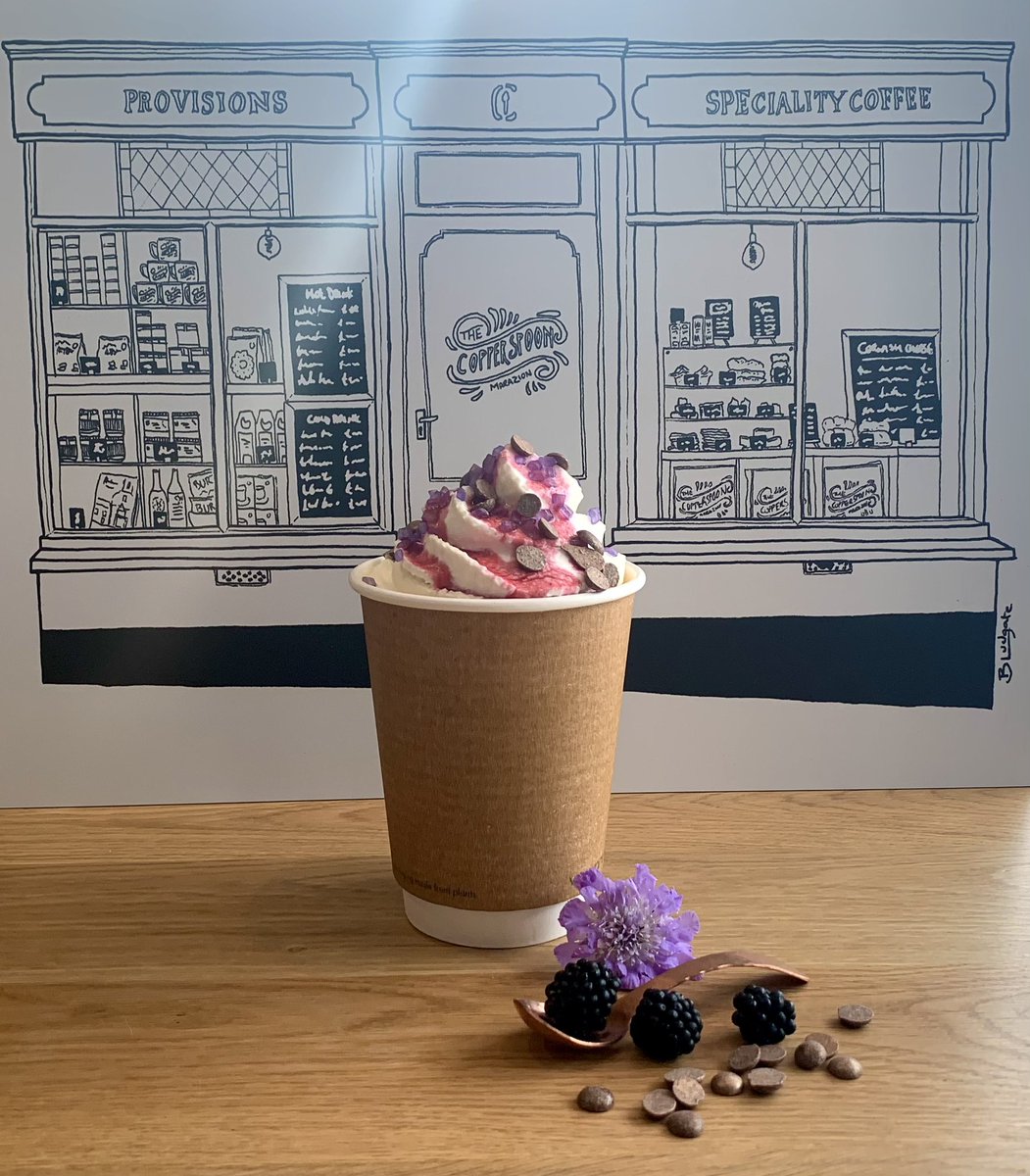
New hot chocolate for autumn
Marazion blackberry hot chocolate
Like a Cornish version of a Black Forest gateaux - the blackberry syrup is made from hand foraged blackberries 🍂💜
.
.
#blackberryhotchocolate #marazion #blackberries #hotchocolate #foraged #localfood #coffeeshop

#Foraged ramps are now available! Cook these celebrated wild onions with bacon, fried potatoes, scrambled eggs or beans for a scrumptious spring feast! Ask your sales rep for details. #springproduce #wildramps

Happy 1st day of March! Spring is almost here, and that means #foraged finds are coming soon! Check out our blog to learn about four foraged treasures to incorporate into your spring menu. Link below: https://t.co/KxG4R0aoFu


Thanks to @SOSDesign_ the Jam Hamper is now back on our website after I deleted it by mistake. It's coming with us to @TFSundayMarket this Sunday so you can pop down and choose what you would like in it.
#christmasgifts #christmas #hamper #personal #handmade #foraged #natural


Last Seen Hashtags on Sotwe
SíndromedeEstocolmo
Seen from United States
asian backshots
Seen from United States
RevenueAndLandReforms
Seen from Indonesia
Amateur
Seen from United States
顔面放屁
Seen from Japan
mssethii
Seen from Brazil
cute femboy
Seen from Turkey
MelaMela
Seen from United States
BelieveinBetter
Seen from United States
zdrada
Seen from United States
Most Popular Users

Elon Musk 
@elonmusk
239.6M followers

Barack Obama
@barackobama
118.6M followers

Cristiano Ronaldo
@cristiano
114.3M followers

Donald J. Trump
@realdonaldtrump
111.7M followers

Narendra Modi
@narendramodi
106.9M followers

Rihanna
@rihanna
98.6M followers

NASA
@nasa
92.1M followers

Justin Bieber
@justinbieber
91.7M followers

KATY PERRY
@katyperry
89.9M followers

Taylor Swift
@taylorswift13
83.9M followers

Lady Gaga
@ladygaga
75.4M followers

Virat Kohli
@imvkohli
73.3M followers

Kim Kardashian
@kimkardashian
70.8M followers

YouTube
@youtube
68.6M followers

Neymar Jr
@neymarjr
66.3M followers

Bill Gates
@billgates
65.1M followers

Selena Gomez
@selenagomez
63M followers

The Ellen Show
@theellenshow
62.1M followers

CNN
@cnn
61.7M followers

X
@x
60.6M followers