

Top Tweets for #FoundInTheGround

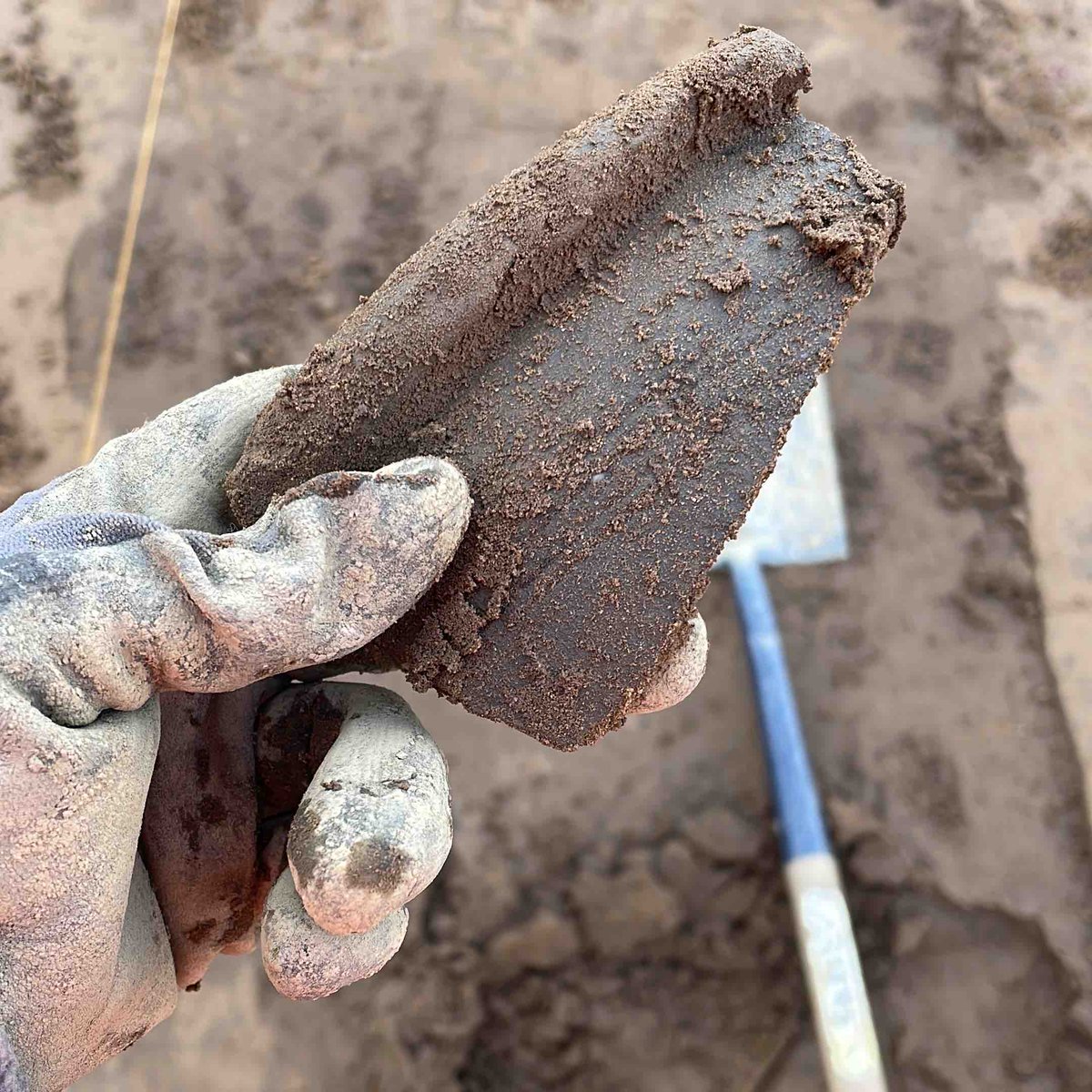
We heard you like spindle whorls? Well, how do you like THIS spindle whorl? Fresh out of the ground, this wonderful specimen is fractured, but complete.
What's the best thing you've ever #FoundInTheGround?
#RomanBritain #IronAge #PrehistoricBritain #SightsFromSites

Check out this fabulous #FindsFriday! Rosie dug up this beautiful piece of worked flint in #WestYorkshire. What do you think this flint was made to be used for?
#Prehistoric #Prehistory #FlintTools #FlintKnapping #FridayFind #FoundInTheGround


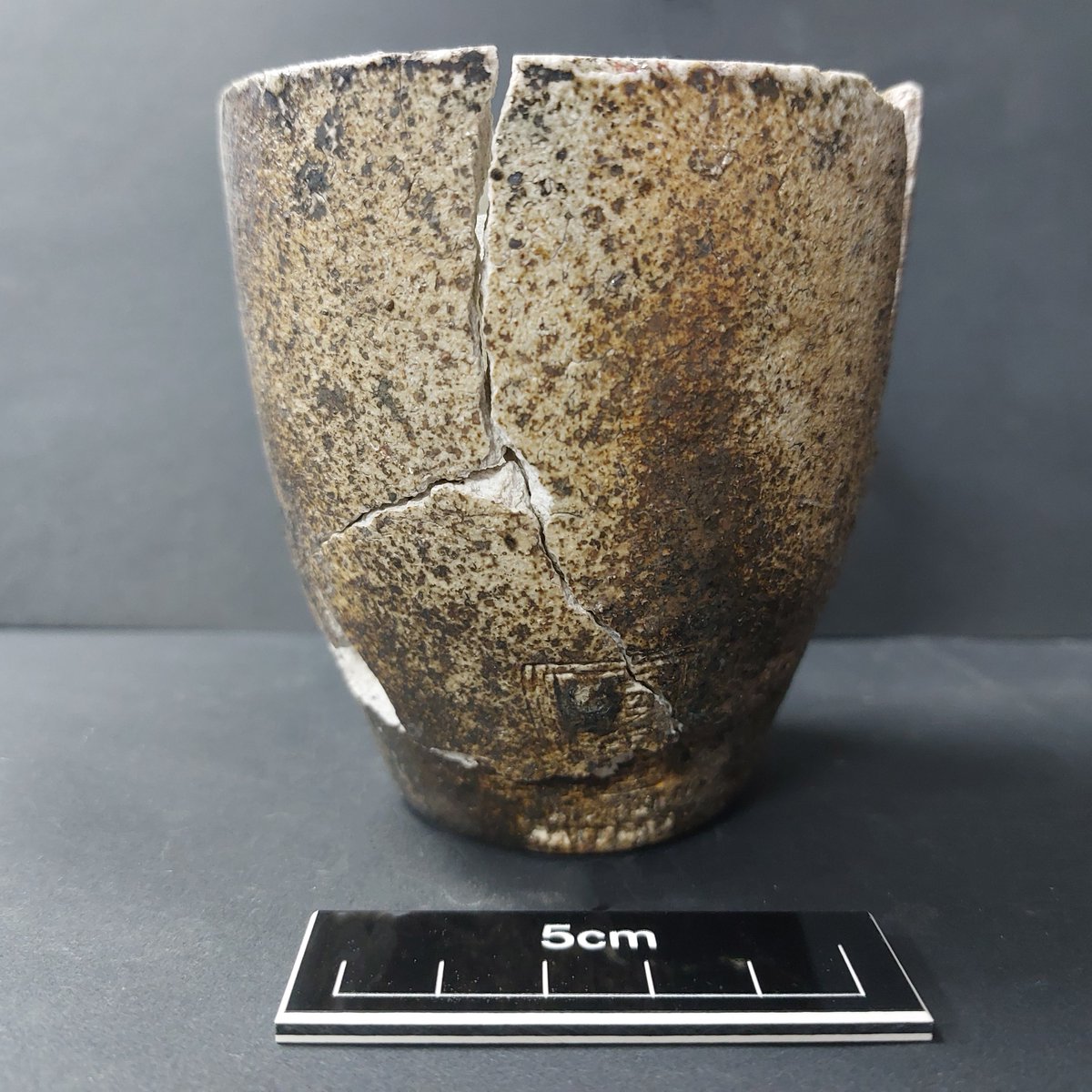
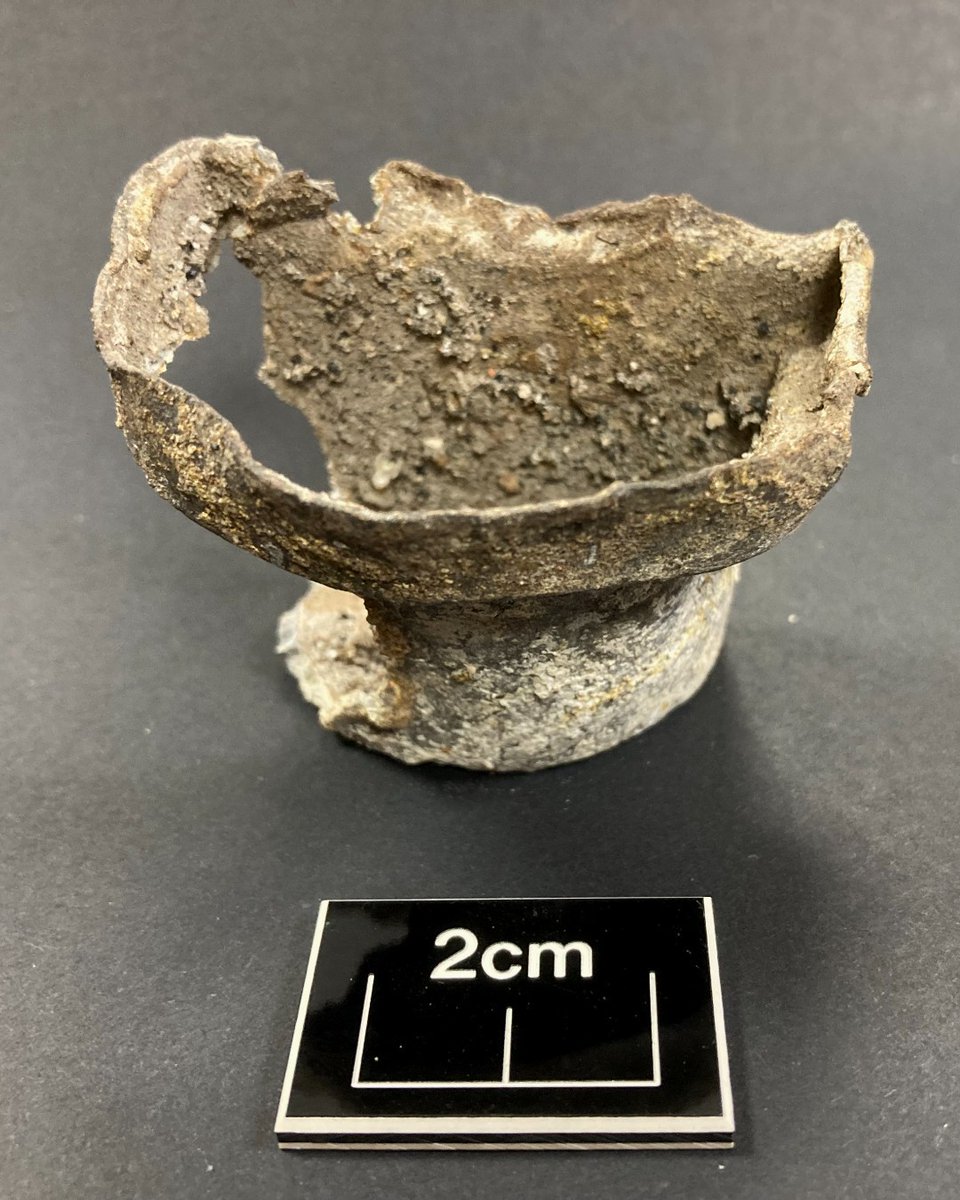
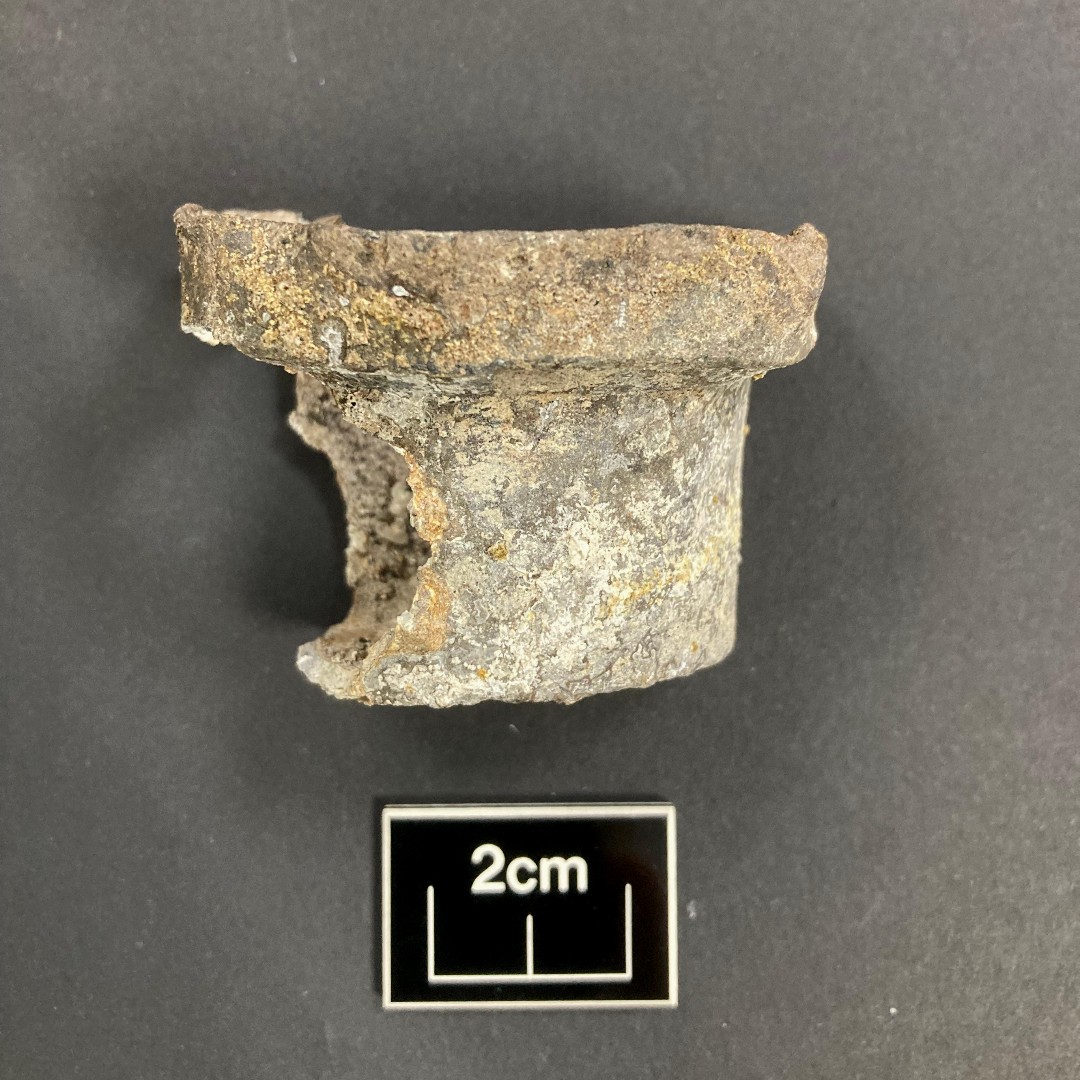
Our archaeologists have #FoundInTheGround this “Cornish” crucible made by the Morgan Crucible Co. of Battersea, London! 🌆
This crucible was found on the site of a Victorian non-ferrous (materials that are not iron-based) smelting works.
Prepare to be “deerlighted” by this lovely bit of worked antler #FoundInTheGround by our archaeologists in Nottinghamshire! 🦌
This is the very base of a shed red deer antler. Deer annually shed their antlers in Spring, and then the antler regrows.

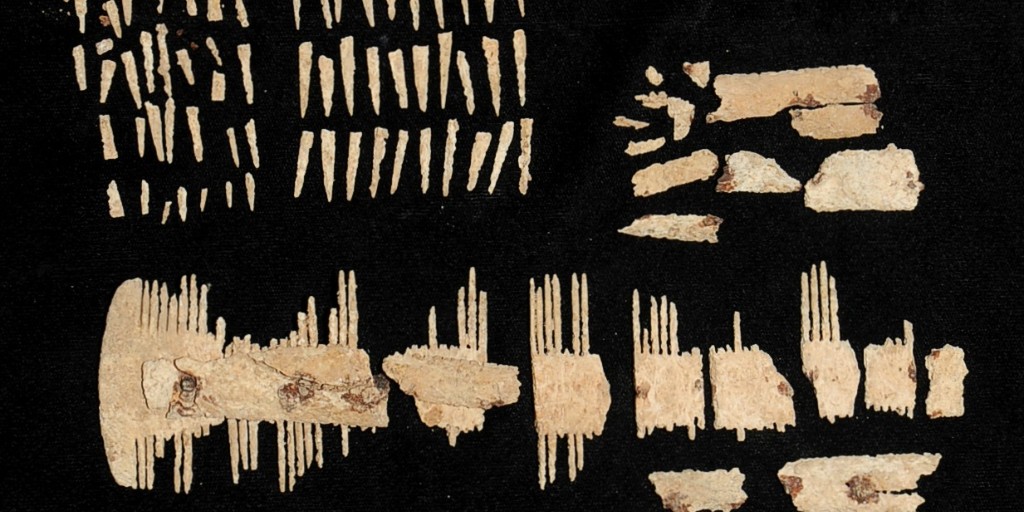
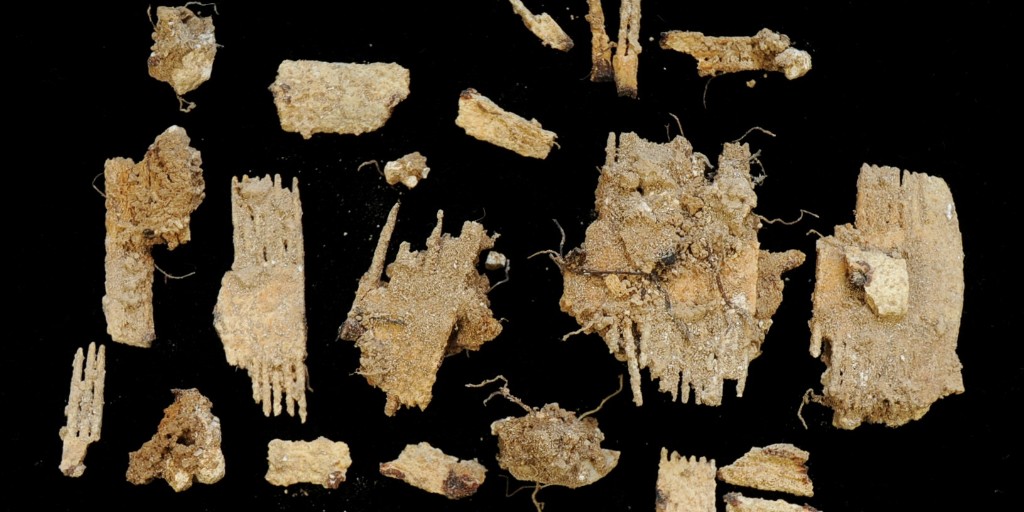
Before (left image) and after (right image) images of a bone comb #FoundInTheGround in an Anglo-Saxon cemetery at Avon Camp during excavations for @dio_mod Op. Nightingale, which was meticulously cleaned by our Archaeological Conservator, Tom Wicks!
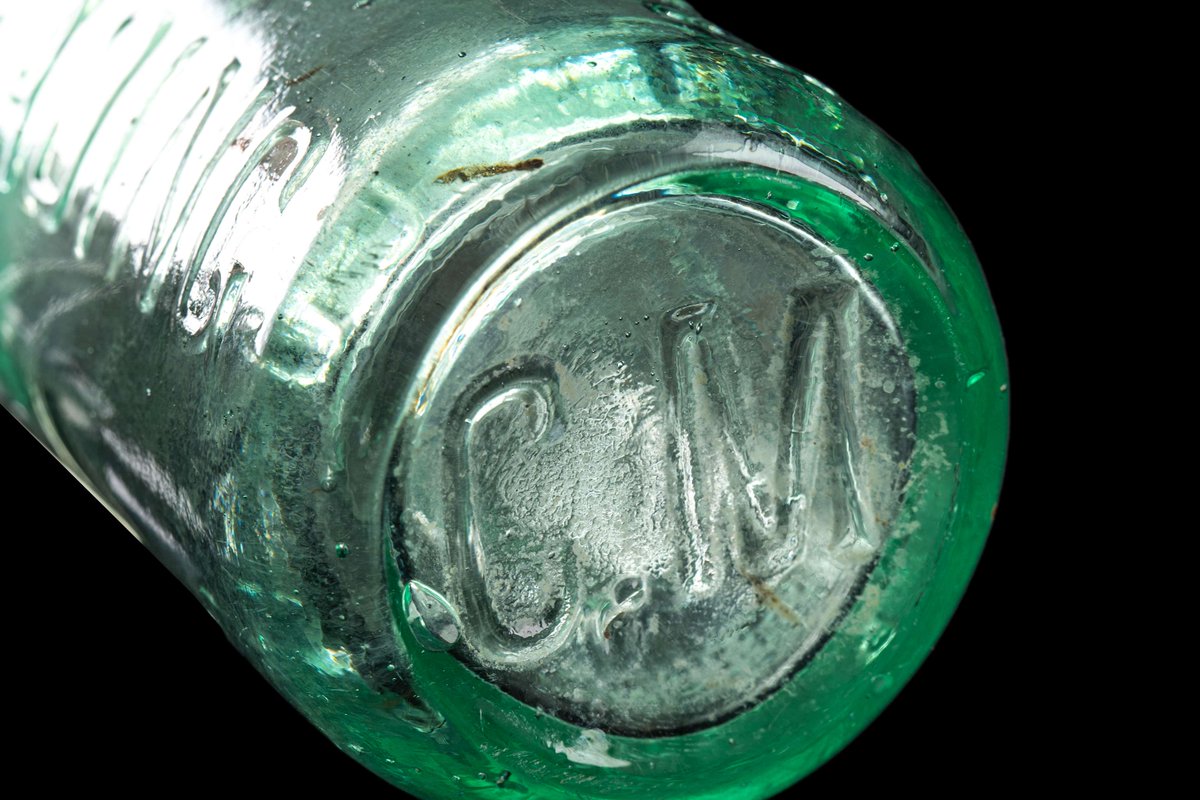
This Codd bottle was #FoundInTheGround by our archaeologists in Oxfordshire! Its top has been smashed off, perhaps to retrieve the marble inside. 🤔
Before the introduction of metal bottle caps, Codd bottles were widely used to store carbonated drinks to keep them fizzy! 🫧

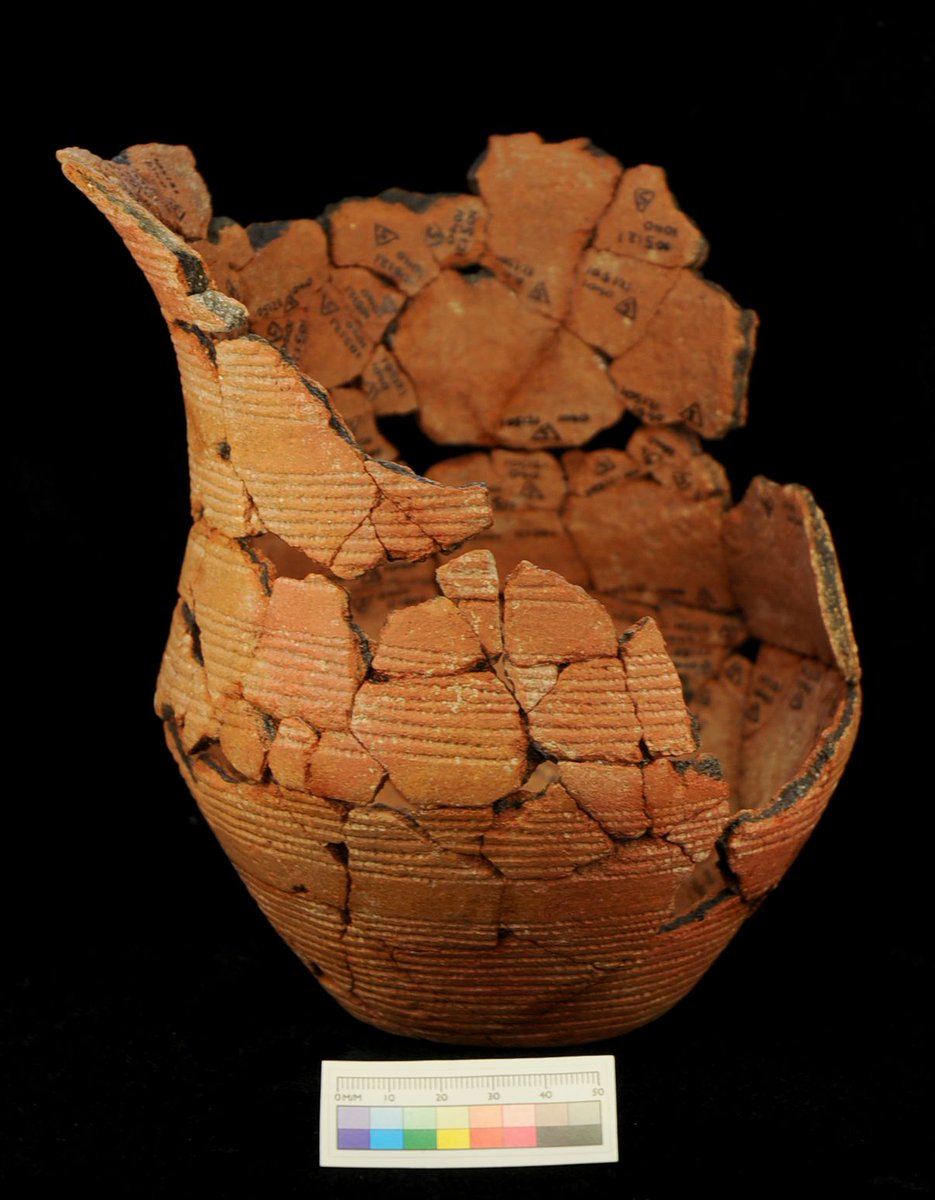
🏺 🔍We're delving into the fascinating realm of archaeological conservation with this Early Bronze Age beaker, #FoundInTheGround in Salisbury by our archaeologists!
Happy #FindsFriday everyone! Today we’ve got one freshly #FoundInTheGround - a lovely rim sherd of #Roman pottery recovered from a site in #NorthYorkshire 😍
#RomanTwitter #RomanArchaeology
This birdfeeder was #FoundInTheGround by our archaeologists in Bristol, in a dump of late 18th c. household refuse! 🕵 🦜
By the 18th c., tropical parrots were being imported to Europe, where their ability to mimic sounds provided both delight and irritation to their owners! 🎶
#FindsFriday! We’ve got two #IronAge perforated stone discs, each of a different size and manufacture. Discs like this were likely part of a larger tool and may have served as weights for something like a pump drill.
#FridayFind #FoundInTheGround #Prehistoric
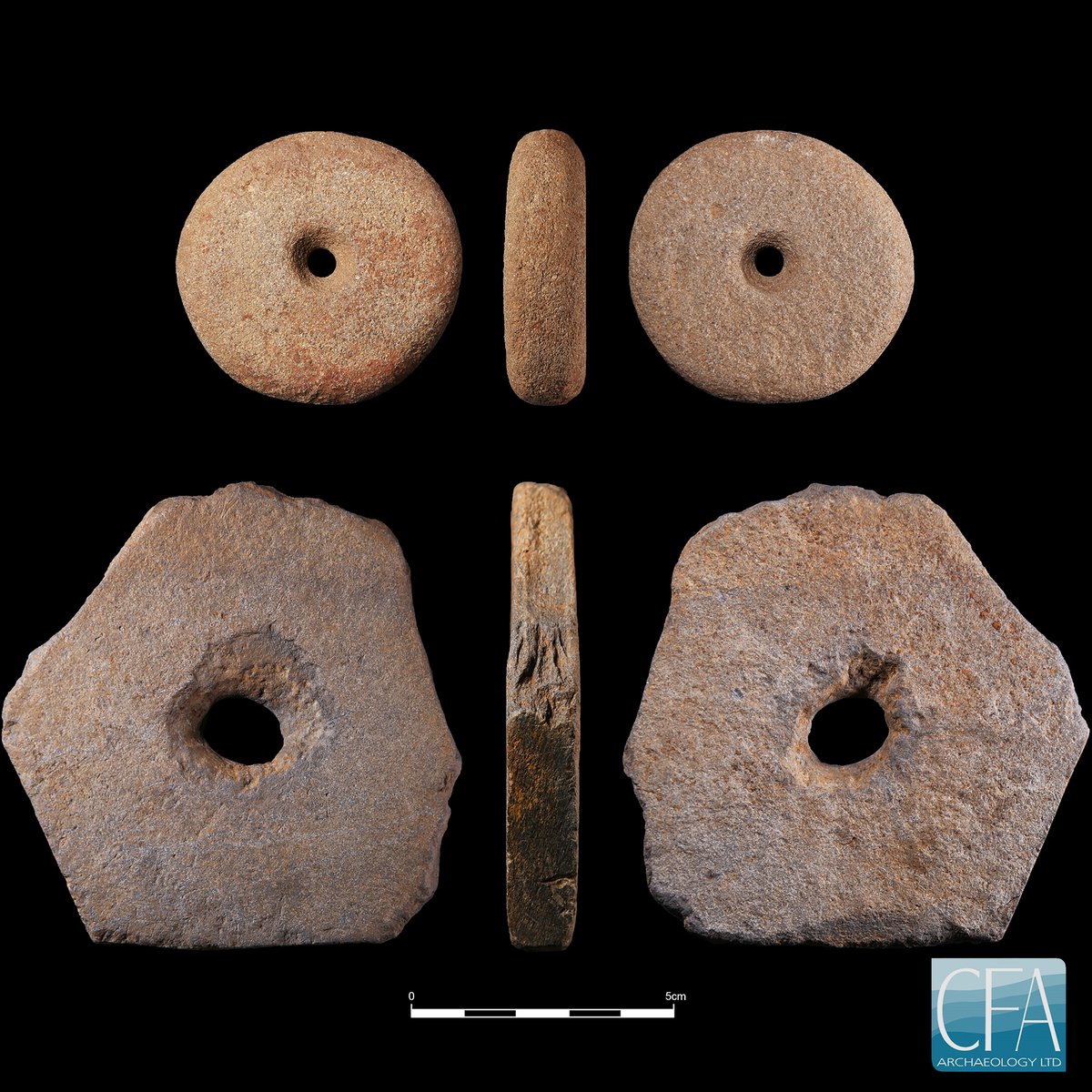
The wonders of seaweed! 🌿✨
These samples of kelp glass #FoundInTheGround by our archaeologists illuminate the kelp industry's influence on glassmaking during the 17th-18th c.!
Why kelp? It was used to reduce the melting temperature during production!
Source: David Dungworth.

This is the tip of a small early 18th-century earthenware sugar mould cone #FoundInTheGround by our archaeologists in Bristol.
A challenging physical reminder of the city’s role in the transatlantic slave trade during the late 17th-18th c., and those who experienced it.


Found in a Bristol cellar destroyed in the 1940 Blitz, this #FoundInTheGround artefact is a 1930s Brooke & Prudencio ginger beer bottle!
Made from hand-thrown stoneware with a distinctive honey & cream glaze popular in the 20th century.
#Archaeology

Interested in the posterior pampering habits of 18th c. Bristolians? This bone nozzle, found in a cesspit, is from an enema syringe used to inject water (or wine or milk) into a patient's rectum to treat medical ailments.
Who said archaeology isn't glamorous?
#FoundInTheGround

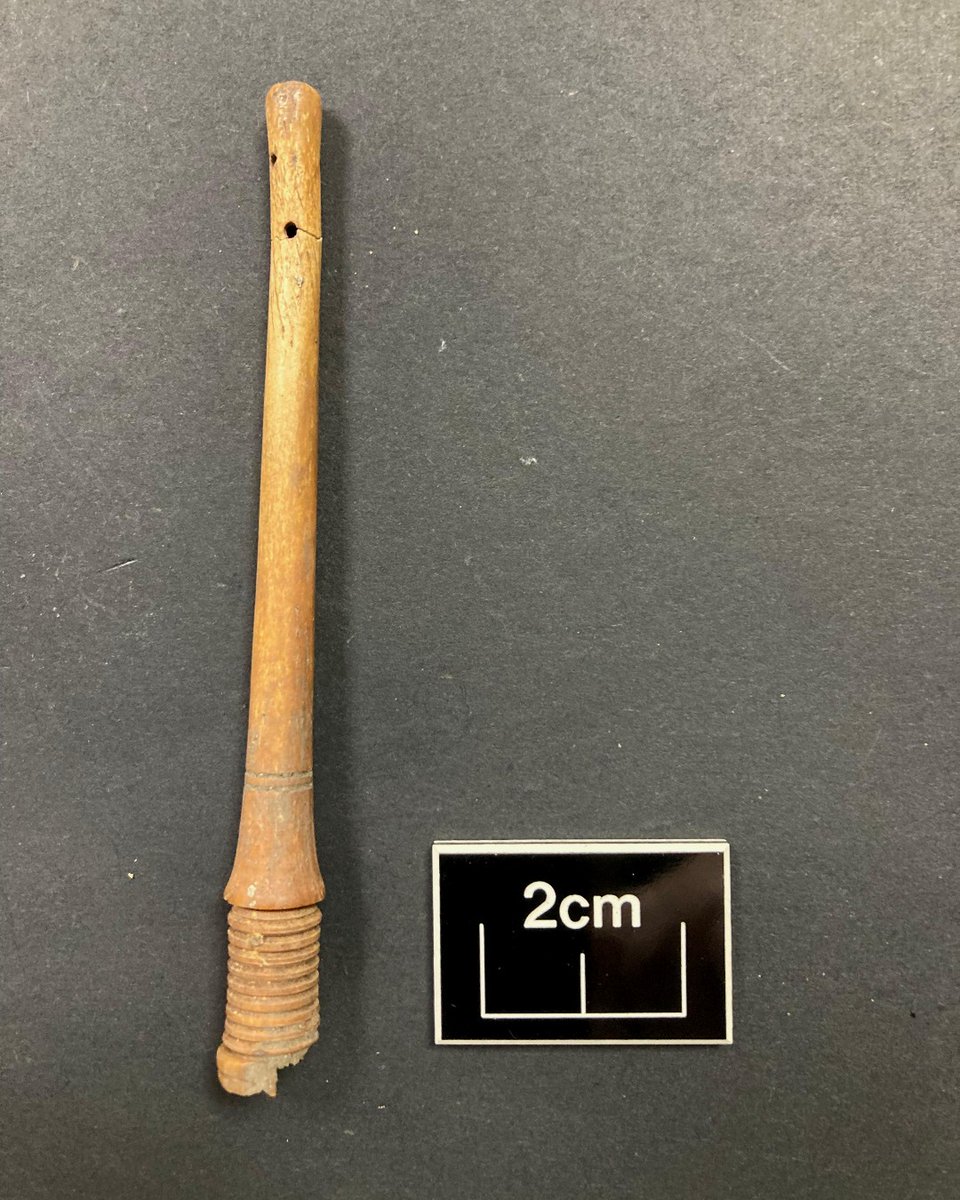
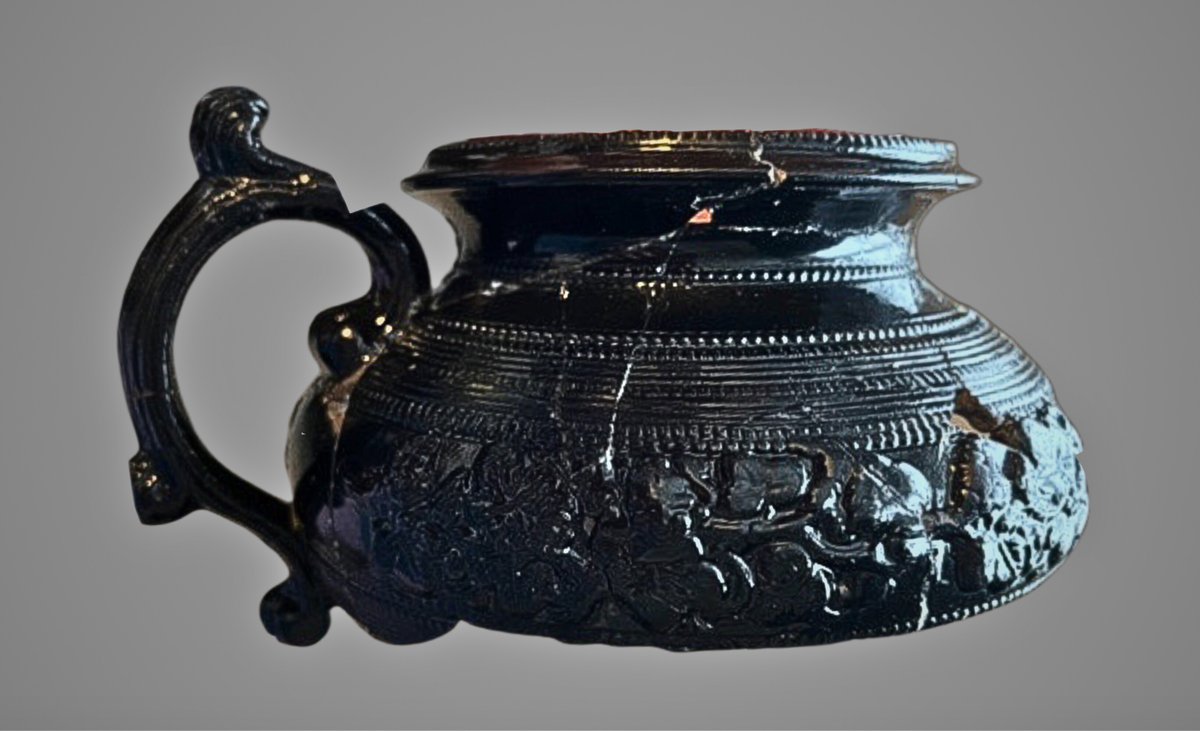
#FoundInTheGround:
Reconstructed by Finds Manager, Rachael Seager Smith, these pottery fragments are part of a “Moselkeramik”, a dark colour-coated ware, indented beaker from the Moselle region of Germany, near Trier.


Penny for your thoughts for this week’s #FoundInTheGround?
This coin is in a pretty rough state, but we can still tell a lot about its story based on its design. Specialist Katie Marsden tells us it’s a nummus – a low value copper alloy coin issued in the later Roman period.

#FoundInTheGround: Iron Age antler comb discovered in Sparkford, Somerset!
Worked bone combs are commonly found in Iron Age features such as pits and are often decorated like this example.
The polished surfaces of this antler comb suggest its extensive use.

#FoundInTheGround: 19th-century Jackfield ware teapot found at Imber! A piece that may have been gifted for a special occasion.
Excavated by Jackie Crutchfield, identified by Loraine Mepham and pieced together by Janine Rocha.
https://t.co/yFg6OL51pv
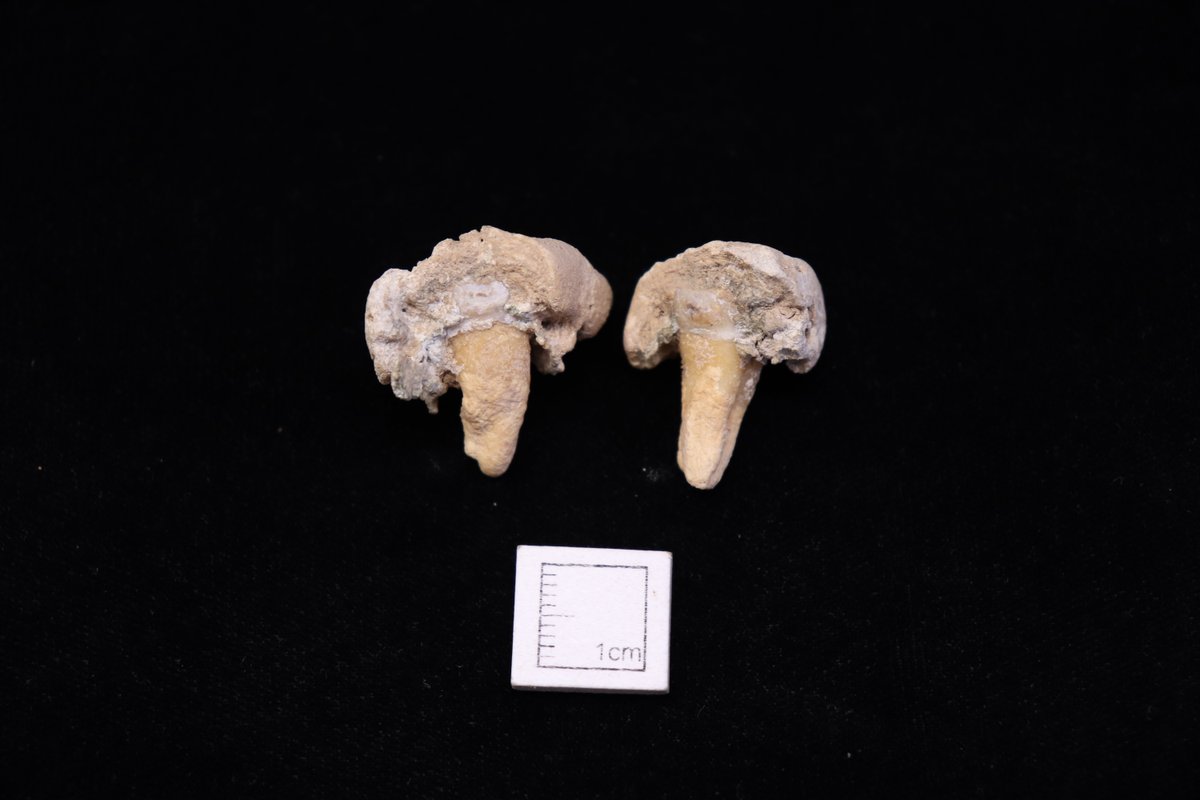
Exploring dental hygiene with this #FoundInTheGround discovery!
These teeth belonged to an Anglo-Saxon male in Bulford, Wiltshire, showing extreme dental calculus—the worst our osteoarchaeologists have seen. A glimpse into the challenges of the past. Cheers to modern dental care!
#FoundInTheGround: Can you guess what the marks on these cattle bones are from?
Not from carving! Zooarchaeologist Lorrain Higbee tells us that these marks are entirely natural -- where a blood vessel is close to the bone adjacent to the foramen. Nature is full of surprises!

Last Seen Hashtags on Sotwe
Trends for you
Most Popular Users

Elon Musk 
@elonmusk
241.2M followers

Barack Obama
@barackobama
119.1M followers

Cristiano Ronaldo
@cristiano
113M followers

Donald J. Trump
@realdonaldtrump
111.8M followers

Narendra Modi
@narendramodi
107.1M followers

Rihanna
@rihanna
98.3M followers

NASA
@nasa
92.3M followers

Justin Bieber
@justinbieber
91.5M followers

KATY PERRY
@katyperry
89.1M followers

Taylor Swift
@taylorswift13
83M followers

Lady Gaga
@ladygaga
74.5M followers

Virat Kohli
@imvkohli
72M followers

Kim Kardashian
@kimkardashian
70.5M followers

YouTube
@youtube
68.8M followers

Neymar Jr
@neymarjr
64.9M followers

Bill Gates
@billgates
64.6M followers

The Ellen Show
@theellenshow
62.4M followers

Selena Gomez
@selenagomez
62.1M followers

CNN
@cnn
61.8M followers

X
@x
60.8M followers