

Top Tweets for #GRECI


Un parente va in pensione e riceve questo messaggio da un amico greco: “Oggi comincia l’ultimo capitolo: usa bene il tuo tempo”. E niente, i greci hanno la filosofia nel DNA #tsistipas #greci #filosofia


La Storia del XX secolo è in gran parte manipolata o semplicemente oscurata. Ad esempio, come mai la Grecia ha sempre speso per la Difesa il 4 o 5% del PIL nel dopoguerra ? Perchè temono i turchi.
I turchi hanno massacrato quasi un milione di #cristiani #greci dal 1914 fino al 1922, facendo pulizia etnica di milioni di greci che dovettero tutti scappare in Grecia. Erano popolazioni che avevano vissuto in "Anatolia" dai tempi della guerra di Troia del 1200 B.C., cioè da 3 mila anni. I turchi hanno commesso nel 1919 anche il noto genocidio dei #Cristiani Armeni. Di quello si è parlato, ma di quello dei greci mai.
Tra il 1918 e il 1922 la Grecia combattè una guerra disperata in Turchia per difendere le sue popolazioni, ma fu lasciata da sola dal resto dell'Europa e sconfitta e 900 mila greci massacrati. Il resto dei Greci, milioni di persone, dovette abbondonare le proprie case e terre e scappare in Grecia.
Si tratta di eventi ancora vivi nella memoria dei greci, e i sopravvissuti raccontano ancora oggi ciò che hanno vissuto. Ecco come i turchi musulmani islamizzarono l'Anatolia cristiana e distrussero l'ellenismo dopo 3mila anni
Genocidio, persecuzioni e turchizzazione dell'elemento greco si verificarono anche in precedenza. Le islamizzazioni di massa e le persecuzioni sterminate del XVII secolo sono ben note. Tuttavia, dopo la proclamazione della Costituzione turca del 1908, questi fenomeni, in particolare le persecuzioni e lo sterminio dell'elemento greco, divennero metodici, sistematici e, soprattutto, basati su decisioni e istruzioni dell'autorità centrale, i governi turchi. La ricerca ha dimostrato che le persecuzioni furono pianificate e organizzate dall'alto e avevano un carattere universale.
1. Nel primo periodo (1908-1912/13), le persecuzioni furono condotte con cautela e in modo piuttosto sporadico (omicidi, confische di proprietà, ecc.)
2. Nel periodo 1912-1914, gli omicidi e le distruzioni di popolazioni greche aumentarono notevolmente. Soprattutto dopo il marzo 1914, si intensificarono le persecuzioni di massa e le espulsioni in massa in Grecia di intere popolazioni greche dalla Tracia e dalle coste dell'Asia Minore, con il pretesto che le isole di Lesbo e Chio erano state occupate dalla Grecia. Da questo punto, iniziò chiaramente il programma del Comitato dei Giovani Turchi: da un lato, l'esaurimento economico dei greci e, dall'altro, la loro espulsione o fuga forzata in Grecia, al fine di sostituirli con ottomani provenienti dalla Bosnia-Erzegovina, nonché dalle aree passate alla Serbia e alla Bulgaria.
3. La situazione divenne insostenibile durante il periodo della prima guerra mondiale (1914-18), che fu caratterizzato da brutali distruzioni della popolazione greca con massacri su vasta scala, persecuzioni, incendi di intere città e villaggi ed esili di massa di migliaia di compatrioti all'interno della Turchia.
4. Il culmine del dramma dell'ellenismo dell'Asia Minore coincise con il periodo kemalista (1919-1922), quando le persecuzioni divennero più sterminate e bestiali.
Le popolazioni greche (e quelle armene) non furono semplicemente uccise con coltelli e armi, ma morirono dopo orribili tormenti, senza precedenti nella storia umana. E non solo uomini, ma anche donne e bambini, senza distinzione di età. Nella sola regione del Ponto, 353.000 persone furono sterminate.
In totale, dall'ellenismo orientale (Tracia, Asia Minore, Ponto) furono sterminate circa 900.000 persone (1914-1924).
Per sterminare l'elemento greco, le autorità turche utilizzarono i piani più terribili e barbari: saccheggiarono, violentarono, bruciarono interi villaggi, torturarono, mutilarono, massacrarono, bruciarono e persino seppellirono vivi uomini, donne, bambini, anziani e trasformarono in vasti cimiteri vaste comunità cristiane greche che fino ad allora erano fiorite e irradiavano il loro splendore culturale greco in tutto l'Oriente.
Vale la pena menzionare le più importanti tra queste: Smirne, Aydin, Kydonies, Prousa, Nicea (regione dell'Asia Minore), Trebisonda, Kerasounta, Samsounta, Oinoe, Paphra, Ordou, Amaseia (Ponto), province di Derkon, Metron, Herakleia, Myriophytou, Kallipoleos, Ainos, Tyrolois, Saranta Ekklision, Adrianopoli (Est Tracia).
In Turchia, l'islamizzazione fu metodica con l'istituzione di orfanotrofi speciali, dove venivano accolti bambini greci orfani – i cui genitori erano stati massacrati o deportati – o bambini rapiti con la forza dalle mani dei genitori. In questi orfanotrofi, ai giovani ospiti veniva impartita un'educazione puramente musulmana e turca, il che portò inevitabilmente alla loro islamizzazione. Questo ruolo fu svolto esattamente dall'orfanotrofio di Panormos, fondato su suggerimento e istruzione del generale tedesco Liman von Sanders. Un altro metodo di islamizzazione fu l'insediamento forzato e violento di 5-10 famiglie greche in villaggi turchi compatti, da cui era proibita qualsiasi uscita e comunicazione con la popolazione greca.
Il senatore Damat Ferit Pasha (ex Gran Visir) rivela quanto segue nella sessione del Senato turco del 22 ottobre 1918:
"L'annientamento delle popolazioni cristiane è attribuibile come crimine al Comitato di Unione e Progresso, e fu un crimine commesso senza alcuna ragione. Le popolazioni furono costrette ad andarsene sotto minaccia e violenza e furono sterminate senza pietà... Il numero totale di sudditi ottomani deportati in questo modo ammonta a 550.000 anime; temo, tuttavia, che questo numero sia inferiore a quello effettivo."
Inoltre, Valide Edip Hanım, uno dei giornalisti più illustri della Turchia, scrive sul quotidiano "Vakit" (22 ottobre 1918):
"Abbiamo cacciato i nostri sudditi greci e abbiamo fatto di tutto per sradicarli, come abbiamo fatto con gli armeni, e a questo scopo abbiamo usato metodi simili a quelli del Medioevo... La teoria dell'islamizzazione forzata è diventata la causa di una tragedia criminale nelle mani di ladri e assassini. Governatori, prefetti, funzionari, investiti di potere assoluto dal Comitato, hanno gettato sulle spalle dell'innocente elemento turco l'intero peso delle indicibili atrocità."
E il quotidiano turco "Akam" ha scritto quanto segue:
"Il governo ottomano ha commesso questi crimini indicibili e per questo motivo il governo ne porta la piena responsabilità..."
G.Zibordi

You think these events belong to distant history, but most of you do not know that Muslims were killing Greek Christians until 1922, that is, until about 100 years ago, events very fresh in the memories of Greeks, with survivors recounting what they experienced even today.
Here is how Muslim Turks Islamized Christian Anatolia and destroyed Hellenism :
The first decades of the 20th century are marked by massive refugee flows, with the primary and sole cause being the national and only identity of the persecuted peoples. Among them, the Greeks and Armenians stand out particularly. Especially for us Greeks, we must say that the Genocide, the Uprooting, and subsequently the Refugee problem constitute one of the most dramatic moments in our history.
Genocide, Persecutions and Turkification of the Greek element occurred earlier as well. The mass Islamizations and exterminatory persecutions of the 17th century are well known. However, after the proclamation of the Turkish Constitution of 1908, these phenomena, particularly the exterminatory persecutions of the Greek element, became methodical, systematic, and, above all, based on decisions and instructions from the central authority, the Turkish governments. Research has shown that the persecutions were planned and organized from above and had a universal character.
1. In the first period (1908-1912/13), the persecutions were carried out carefully and somewhat sporadically (murders, confiscations of properties, etc.), so as not to reveal the face of the New Turkey, which from then began implementing the program "Turkey for the Turks."
2. In the period 1912-1914, murders and destructions of Greek populations increased noticeably. Particularly after March 1914, mass persecutions and wholesale expulsions to Greece of entire Greek populations from Thrace and the coasts of Asia Minor intensified, under the pretext that the islands of Lesbos and Chios had been occupied by Greece. From this point, the program of the Young Turk Committee clearly began: on one hand, the economic exhaustion of the Greeks and, on the other, their expulsion or forced flight to Greece, in order to replace them with Ottomans from Bosnia-Herzegovina, as well as from areas that passed to Serbia and Bulgaria.
3. The situation became unbearable during the period of World War I (1914-18), which was marked by beastly destructions of Greek populations with wholesale massacres, persecutions, burnings of entire cities and villages, and mass exiles of thousands of compatriots to the interior of Turkey.
4. The climax of the drama of the Asia Minor Hellenism, coincided with the Kemalist period (1919-1922), when the persecutions became more exterminatory and beastly.
The Greek populations (and the Armenian ones) were not simply killed with knives and weapons, but died after horrific torments, unprecedented in human history. And not only men, but women and children, without distinction of age. In the Pontus region alone, 353,000 people were exterminated.
In total, from the Hellenism of the East (Thrace, Asia Minor, Pontus), around 900,000 people were exterminated (1914-1924).
For the extermination of the Greek element, the Turkish authorities used the most terrible and barbaric plans: they looted, raped, burned entire villages, tortured, mutilated, slaughtered, burned, and even buried alive men, women, children, elders, and turned extensive Greek Christian communities that until then flourished and radiated their Greek cultural brilliance throughout the East into vast cemeteries.
It is worth mentioning the most prominent of these: Smyrna, Aydin, Kydonies, Prousa, Nicaea (Asia Minor region), Trebizond, Kerasounta, Samsounta, Oinoe, Paphra, Ordou, Amaseia (Pontus), provinces of Derkon, Metron, Herakleia, Myriophytou, Kallipoleos, Ainos, Tyrolois, Saranta Ekklision, Adrianople (Eastern Thrace).
In Turkey, Islamizations were methodical with the establishment of special orphanages, where orphaned Greek children were gathered - whose parents had been slaughtered or deported - or children who were forcibly abducted from their parents' hands. In these orphanages' young inmates, pure Muslim and Turkish education was provided, which inevitably led to their Islamization. This exact role was played by the orphanage of Panormos, which was founded at the suggestion and instruction of the German general Liman von Sanders.Another method of Islamization was the forced and violent settlement of 5-10 Greek families in compact Turkish villages, from where any exit and communication with Greek populations was prohibited.
Senator Damat Ferit Pasha (former Grand Vizier) reveals the following in the session of the Turkish Senate on October 22, 1918:
"The annihilation of the Christian populations is attributable as a crime to the Committee of Union and Progress, and it was a crime committed without any reason. The populations were forced to leave under threat and violence and were mercilessly exterminated… The total number of Ottoman subjects deported in this way amounts to 550,000 souls; I fear, however, that this number is lower than the actual one."
Furthermore, Valide Edip Hanım, one of the most distinguished journalists in Turkey, writes in the newspaper "Vakit" (October 22, 1918):
"We drove away our Greek subjects and did everything to uproot them, as we did with the Armenians, and for this purpose we used methods resembling those of the Middle Ages… The theory of forced Islamization became the cause of a criminal tragedy in the hands of robbers and murderers. Governors, prefects, officials, endowed with absolute power by the Committee, cast upon the shoulders of the innocent Turkish element the entire burden of the unspeakable atrocities."
And the Turkish newspaper "Akam" wrote the following:
"The Ottoman government committed these unspeakable crimes, and for this reason the government bears full responsibility…"


Cosa è successo a Salvatore Vara? L'anziano è scomparso da #Greci (#Avellino). Si è allontanato dalla zona agricola di #Ripitella il #22ottobre 2020 e non è più rientrato. Qualcuno ha ricordi o informazioni utili?
Questa sera c'è #chilhavisto→https://t.co/wnuvi0c1sy


Cantik-cantik semua, tapi kesayanganku tetap icell 🥰
#Sewelassaklawase
#greesel #greci #michie #elin


Nel settembre 1922, #Smirne fu devastata dalle fiamme e dai massacri.
Un uomo salvò oltre 300.000 profughi #greci e #armeni.
Si chiamava #EisaJennings.
Una storia che merita di essere conosciuta.
Di Giorgio Labrinopoulos ⬇️
@NetGiorgio @Euro_comunica
https://t.co/V8gqf8hISY


#HappeningNow ✨
The #GrECI project is hosting a training workshop on #Nodegoat software, titled "Exploring Spatial and Network Data in Nodegoat" 📊🌍 today at the Library and Resource Center of the @UCYOfficial.


Il massacratore dei #Greci in un nuovo #libro.
Uno studio svela la verità nascosta su #TopalOsman e il ruolo dell’Impero Ottomano nei #genocidi del primo Novecento.
Ce lo racconta qui Giorgio Labrinopoulos ⬇️
#3settembre
@NetGiorgio @Euro_comunica
https://t.co/3yRpMKdlzD

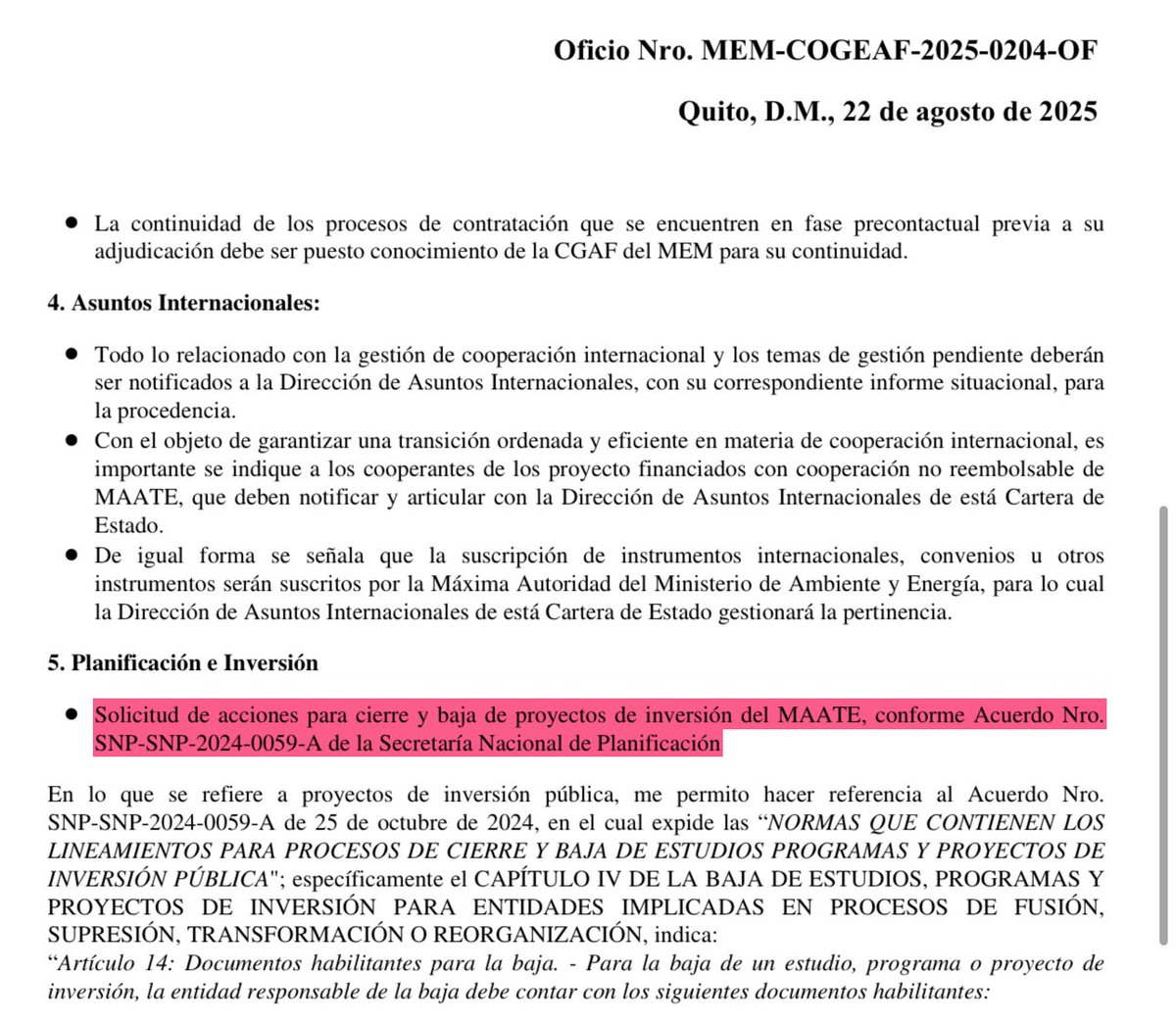
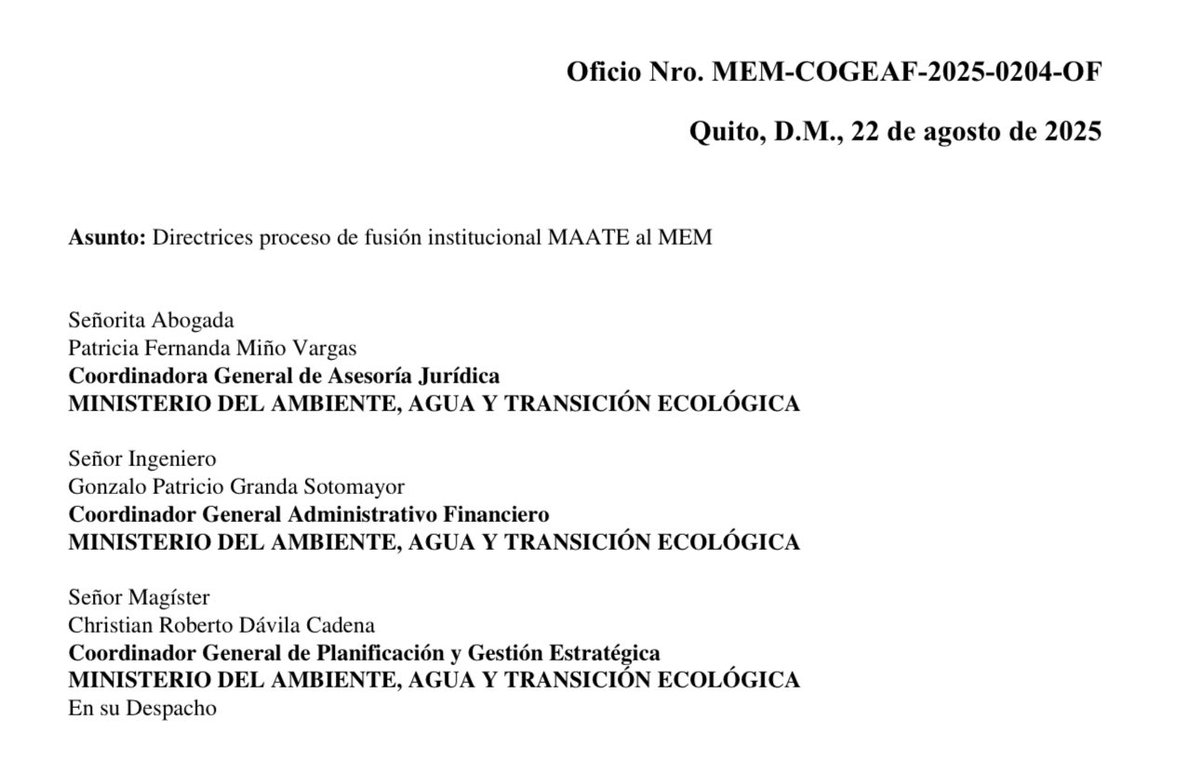
Te dijeron que la fusión MEM/MAATE fortalecería la gestión ambiental… pero la realidad es devastadora. Cierran proyectos vitales como #SocioBosque, #RestauraciónDePaisajes, #GRECI, #FOGAPRYD y #MiBarrioVerde, entre otros. Ecuador retrocede. La naturaleza pagará el precio.


🔵 Cosa mettere nello zaino quando si va in montagna?
🎙️ Andrea #Greci del #CAI
#NonStopNews
🔴 LIVE ▶️ Link in bio

“Ai confini dell’anima. I Greci e la follia” di Giulio Guidorizzi: il contatto con il divino @CortinaEditore #giulioguodorizzi #grecia #greci #anticagrecia #follia #anima #daimon #libro #libri #leggere #book #books
https://t.co/7Ta372XTV7
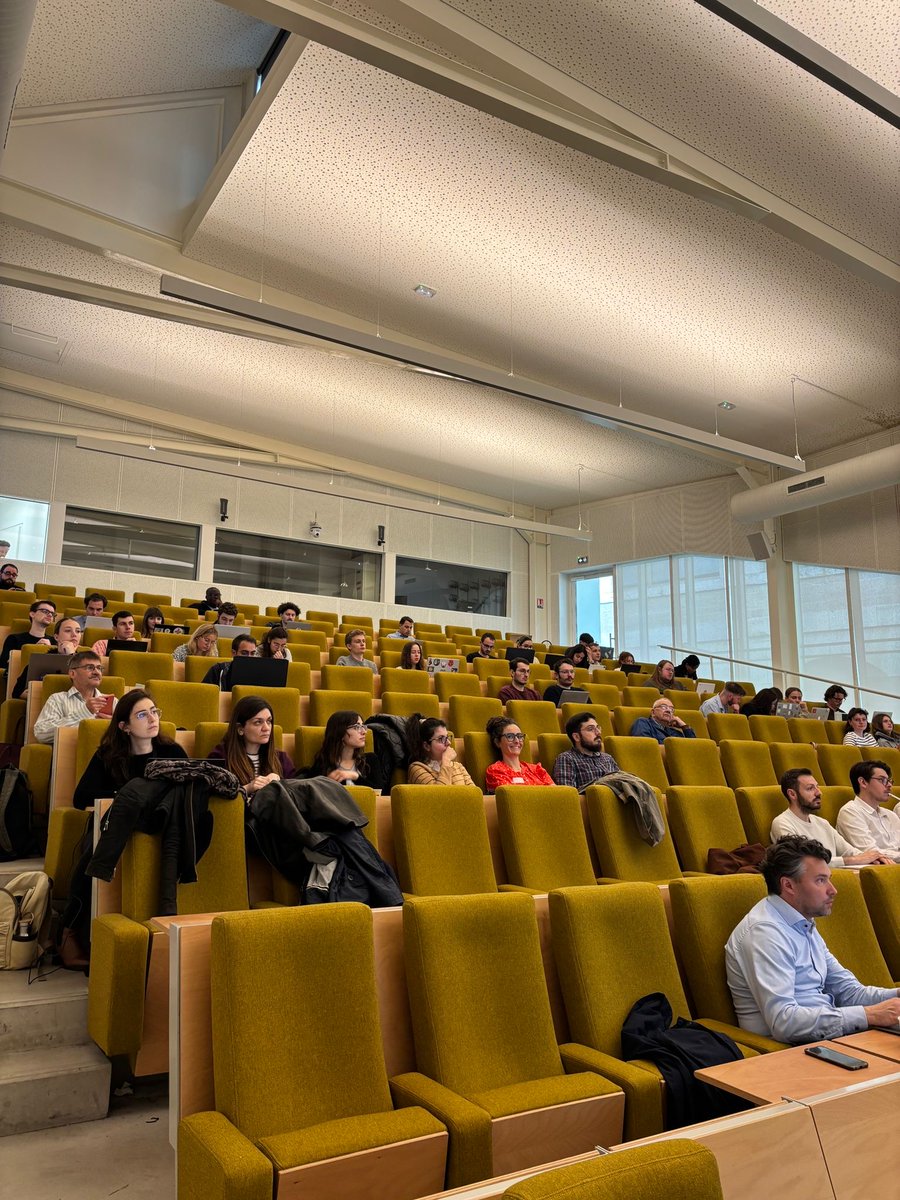
Thank you to all participants for their energy, ideas, and engagement. #GrECI #CommunicatingThePast #ResearchInProgress
It’s the final day of the #GrECI Research Meeting IV!
After two intense and inspiring days, we’re heading into our last sessions this morning.
📚 Final panels, final insights — but the conversations will continue far beyond!

[Did You Know?]
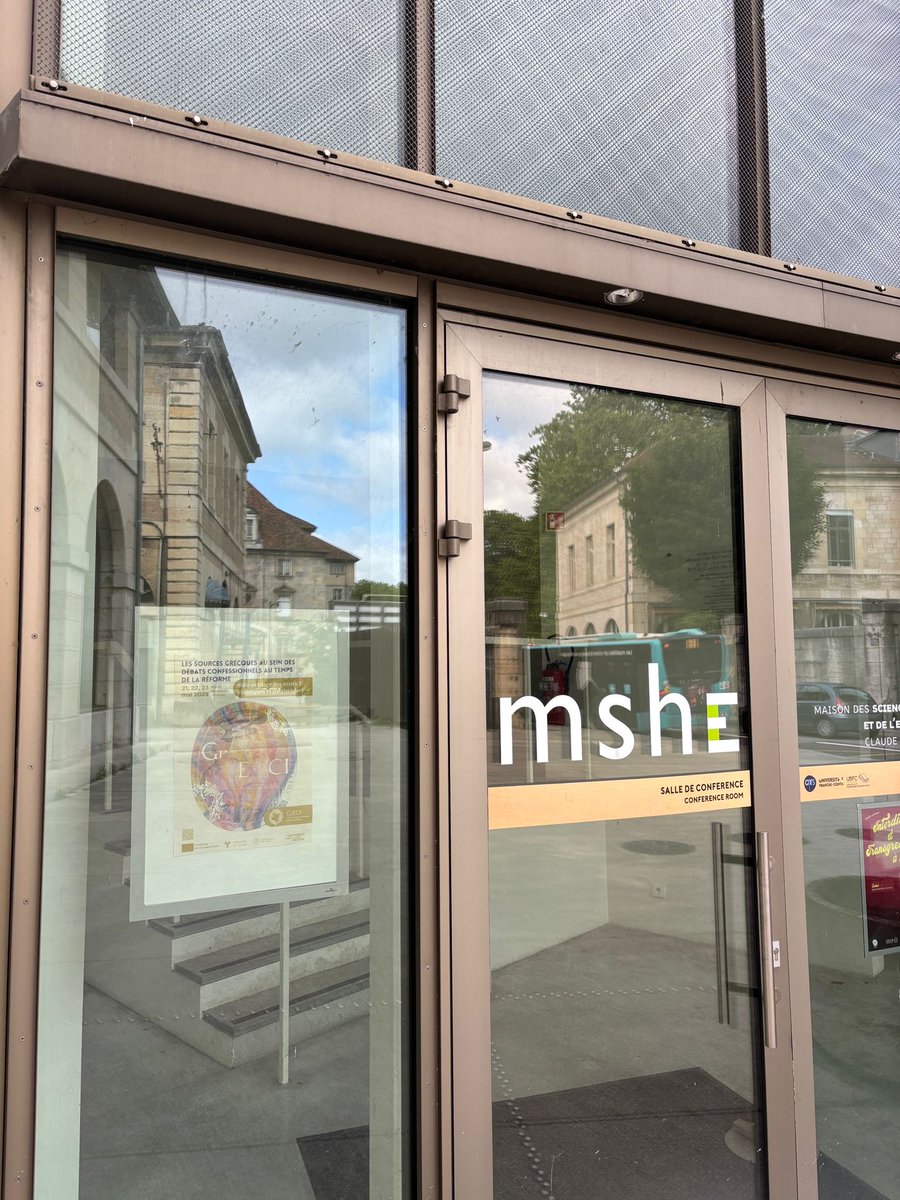
Next week, the #GrECI Research Meeting IV is taking place in Besançon — and online!
📅 May 21–23, 2025
📍 Besançon, France & Online
🗝️ Topic: Greek sources in the Reformation and the Confessional debates. Role and place of Classical and Patristic writings.
![greci_eu's tweet photo. [Did You Know?]
Next week, the #GrECI Research Meeting IV is taking place in Besançon — and online!
📅 May 21–23, 2025
📍 Besançon, France & Online
🗝️ Topic: Greek sources in the Reformation and the Confessional debates. Role and place of Classical and Patristic writings. https://t.co/4nkwgYUE2i](https://pbs.twimg.com/media/GrETPKeXkAAxEWq.jpg)
@ConstantinidouN Recorded at the @UCYOfficial,this video is a great way to discover how #GrECI brings together researchers, institutions,and communities to consider Classical Heritage in Early Modern Europe and to rethink its role in today's Europe.
@EU_Commission @UniOslo @HanLamers @CrisManze

En el evento, la directora del Proyecto #GRECI, Alexandra Cabrera destacó las acciones que se llevan a cabo durante el 2025, entre estas:
✔️Plan Nacional de Gestión Integral de residuos y desechos sólidos no peligrosos; y el
✔️ Plan Nacional de reducción de residuos plásticos.
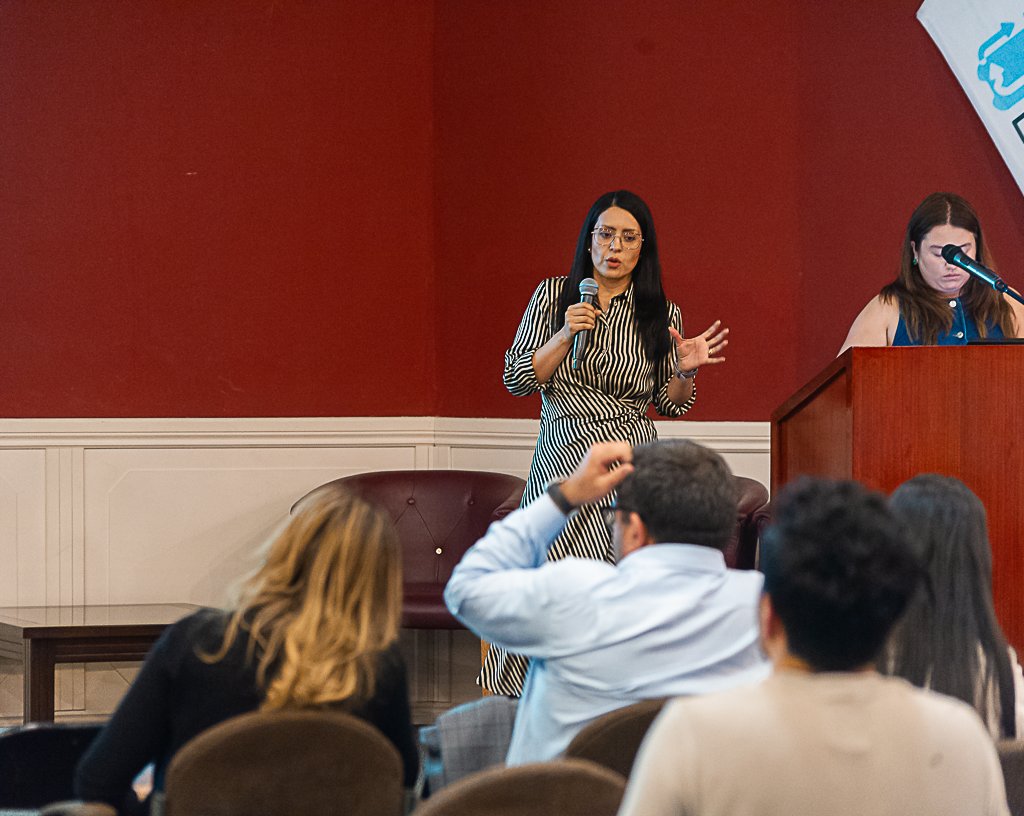
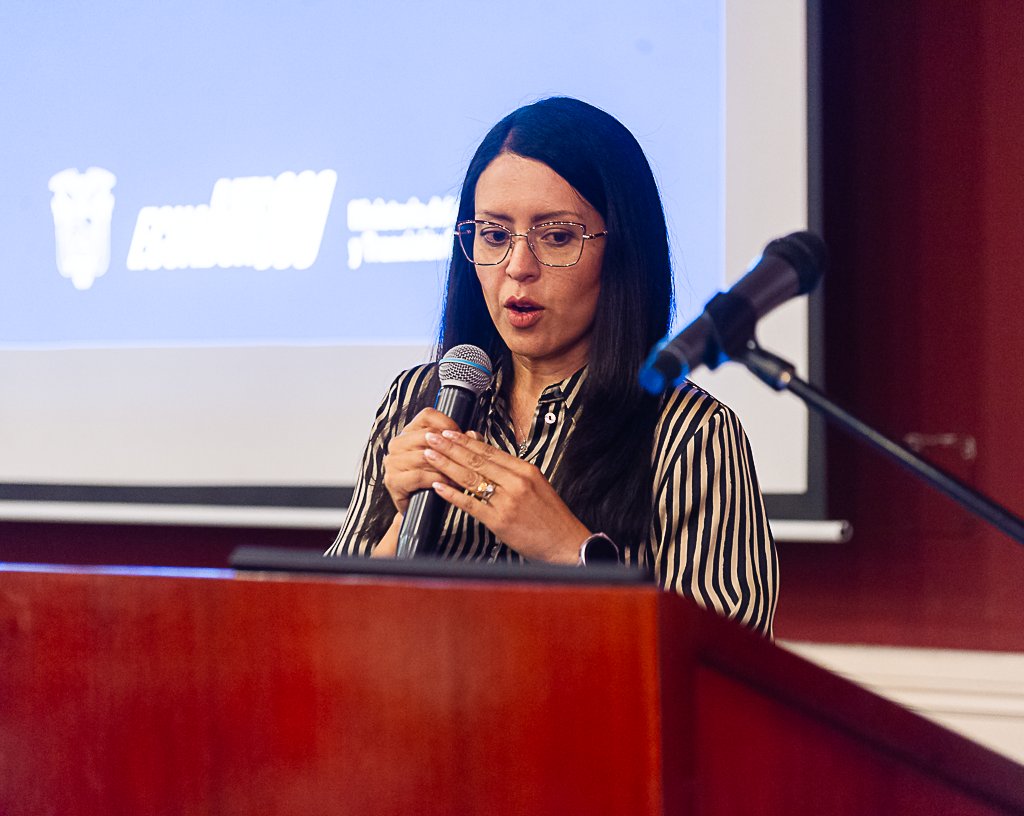



#NuestrosTécnicos de #Guaranda en conjunto con el proyecto #GRECI de @Ambiente_Ec, realizaron un recorrido para constatar el cumplimiento a la normativa ambiental, en el cierre técnico del botadero de Curgua y verificar los trabajos en el nuevo relleno mancomunado.


Last Seen Hashtags on Sotwe
Bogstad
Seen from United States
anxiouspanda(**)* filter:videos
Seen from Malaysia
anxiouspanda()+filter:native_video
Seen from Netherlands
跨羴小
Seen from United States
vitorpordeus
Seen from United States
candid
Seen from Netherlands
brosis(*)(*)filter:videos
Seen from Russia
brosis filter:videos
Seen from Chile
snapchat
Seen from United States
ensest
Seen from Turkey
Most Popular Users

Elon Musk 
@elonmusk
241.5M followers

Barack Obama
@barackobama
118.9M followers

Cristiano Ronaldo
@cristiano
114.6M followers

Donald J. Trump
@realdonaldtrump
111.8M followers

Narendra Modi
@narendramodi
107.1M followers

Rihanna
@rihanna
98.7M followers

NASA
@nasa
92.3M followers

Justin Bieber
@justinbieber
91.8M followers

KATY PERRY
@katyperry
90M followers

Taylor Swift
@taylorswift13
84M followers

Lady Gaga
@ladygaga
75.5M followers

Virat Kohli
@imvkohli
73.5M followers

Kim Kardashian
@kimkardashian
70.9M followers

YouTube
@youtube
68.8M followers

Neymar Jr
@neymarjr
66.5M followers

Bill Gates
@billgates
65.2M followers

Selena Gomez
@selenagomez
63.1M followers

The Ellen Show
@theellenshow
62.2M followers

CNN
@cnn
61.8M followers

X
@x
60.7M followers