

Top Tweets for #MildMyAss

So endemic and mild that it causes a rise in hospitalizations!
What excuses will governments and the media find this time?
#FarFromOver
#MildMyAss
#AvoidSARS2

Mysterious rise in Rona hospitalizations in 2026. But...COVID went away in 2022. Yikes!


Repeat COVID infections tied to higher odds of new health conditions
Adults who reported 2 or more infections had 76% higher odds of receiving a new medical diagnosis.
Read more: https://t.co/3kQPNUTLYc


🔴 Long COVID did not appear out of nowhere.
For more than a century, medicine has described people who did not fully recover after infections.
Different names.
Different pathogens.
Different eras.
But often the same pattern:
infection
→ partial recovery
→ persistent fatigue, pain, cognitive symptoms, sleep disruption, dysautonomia, gut symptoms or inflammatory disease
Long COVID is new in scale.
But post-infectious illness is not new.
(1/62) 🧵

Neue Studie Technische Universität München: Strukturelle Veränderungen der Netzhaut - die Retina als nichtinvasives „Fenster“ auf neuronale und vaskuläre Veränderungen bei Long COVID/Post-COVID-Syndrom (PCS)
Die Retina ist embryologisch und anatomisch Teil des zentralen …

Viruspersistenz und Immunfehlregulation
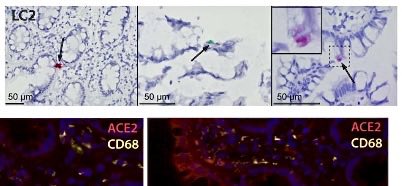
In einer neuen Studie weisen Forscher persistierende SARS‑CoV‑2‑RNA auch zwei Jahre nach der Infektion im Darmgewebe nach: Virushaltige Zellen können nicht effektiv eliminiert werden => erhebliche Immunfunktionsstörungen auf Gewebeebene.
Metabolische Umprogrammierung menschlicher Zellen durch das SARS-CoV-2-Protein ORF7a: Direkter Mechanismus für mitochondriale Dysfunktion
Diese neue Studie liefert einen der bislang klarsten molekularen Mechanismen für SARS‑CoV‑2‑assoziierte mitochondriale Dysfunktion. Die …


Zwar sind viele COVID-19-Studien stark spezialisiert und betrachten oft nur einen engen Ausschnitt des Geschehens, dennoch überrascht es mich, dass in 🇩🇪 nahezu keine Studien in Medien besprochen werden.
"What COVID-19 Does to the Body" (11th Edition)
https://t.co/AAYVIrkhdg
Mehr als 250 Tage nach „milder“ COVID-19-Erkrankung: »Lungen- und Herzgewebe zeigten eine koordinierte, sich selbst aufrechterhaltende Entzündungsreaktion, während das Hirngewebe vaskuläre Dysfunktionen und eine veränderte neuroimmunologische Homöostase aufwies.« 🧵


COVID-19 may leave a footprint not only in the lungs, heart and brain—but also in the skeleton.
➡️ A new review brings together emerging evidence that SARS-CoV-2 may disrupt bone remodeling, osteoimmune signaling, bone microarchitecture and mechanical strength through a combination of inflammation, oxidative stress, endothelial dysfunction and ACE2/RAS disturbance. 1/

Gehirnscans zeigen weitreichende strukturelle und funktionelle Veränderungen bei Patienten nach einer COVID-19-Infektion
Eine aktuelle Auswertung von 49 Studien zur Bildgebung des Gehirns zeigt, dass COVID-19 mit weitreichenden strukturellen und funktionellen Veränderungen im …
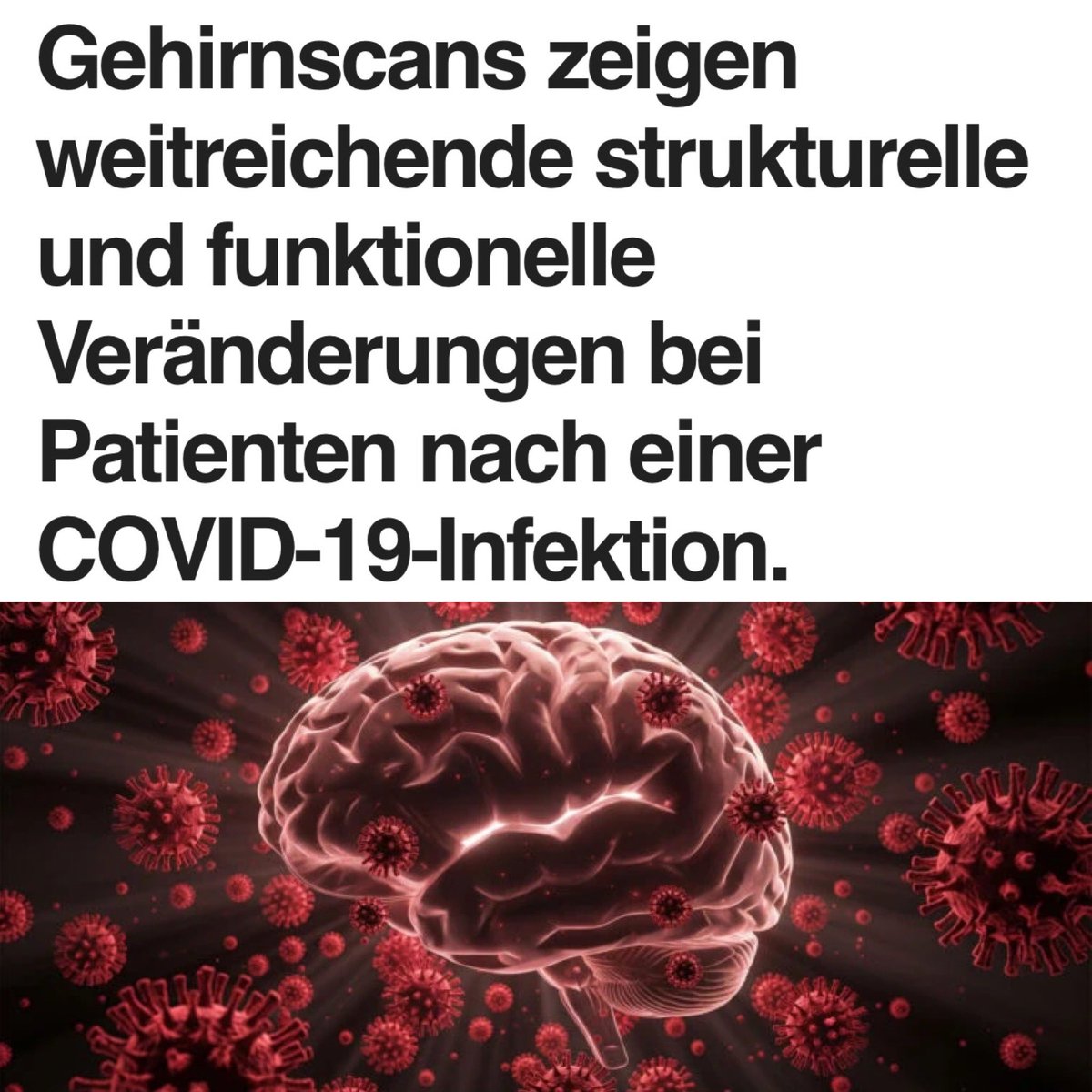

A systematic review of 49 imaging studies highlights how COVID-19 affects the human brain. Researchers found widespread structural and functional changes in areas responsible for memory, emotion, and attention, providing insight into enduring… https://t.co/MfYUJiTq72

It’s AIDS.
It’s Cancer.
It’s Diabetes.
It’s brain damage.
It’s all of the above and more.
All of it.
And y’all just walking around getting infected over and over again when all the science says it’s “when”, not “if” you’re next…
#LongCOVID

You know what frightens me... even mild SARS-CoV-2 infections can trigger direct myocardial injury, lasting endothelial damage, persistent inflammation, and a prothrombotic state. This raises the long-term risk of heart attack, heart failure, stroke, arrhythmias, and clots—often by around 1.5–2× (and higher in severe cases) for years afterward. Each reinfection can compound this cumulative cardiovascular burden, heightening Long COVID risks and making every exposure a potential step closer to accelerated or lifelong heart disease vulnerability, though vaccination can lower the risks but does not erase them! #AvoidSars2 #AvoidReinfections

🤔 Long COVID isn't AIDS—but it is rapid-onset "AIDS-like": the same NK-cell exhaustion, chronic immune dysregulation, mucosal collapse, and failed coordination as in HIV, just without the retrovirus and on fast-forward!😷
ZDENEK: A "Post-acute immune dysregulation syndrome (PAIDS)" may be a fitting new label!
🤔🧵👇
»Eine wiederholte Covid-Infektion ist nicht wie der Aufbau von Immunität, sondern eher wie die Anhäufung von Schäden.« - Helen Petousis-Harris, PhD, Impfstoffexpertin und außerordentliche Professorin am Institut für Allgemeinmedizin und Primärversorgung der Universität Auckland.


Rather than framing long COVID as a simple state of persistent systemic inflammation, this new study points toward a model of chronically dysregulated immunity in which NK-cell dysfunction may occupy a central mechanistic role🧵

Them: But if Covid infections lower your lymphocytes wouldn't more people be dying from infections??
Me: Yes, that's right, that's exactly what's happening. 👇

Prevalence and Symptoms of Post-COVID-19 Syndrome in Active-Duty Military Personnel
🚨The ALARMING USA army news today:
Over 42% of active-duty military personnel who contracted COVID-19 developed long-lasting post-COVID syndrome—dominated by pulmonary, neurological, and fatigue issues—threatening their fitness, readiness, and the military’s ability to respond to threats.
➡️A large retrospective study analysed electronic health records from the U.S. Military Health System (2019–2024), identifying post-COVID-19 syndrome in 42.8% of 650,173 COVID-19 cases among active-duty personnel. The cohort was predominantly male (74.1%), young (mean age 31.3 years), and enlisted (83.3%).
➡️Findings:
1. Prevalence:
- Post-COVID-19 syndrome identified in 42.8% of 650,173 COVID-19 cases,
- “In our sample of 650,173 COVID cases among active-duty military personnel, a total of 278,278 were identified as having post-COVID-19 syndrome (42.8%).”
2. Demographics:
- Predominantly male (74.1%),
- Young population (mean age 31.3 years),
- Mostly enlisted ranks (83.3%),
3. Most common persistent symptoms:
- Pulmonary issues: 22.4% (median duration 670 days),
- Neurological problems: 14.6% (median 576 days),
- Fatigue: 13.5% (median 667 days),
- Digestive issues: 12.5%,
- Fever: 11.5%,
- Cognitive symptoms: only 3.7% but longest persistence (median 710 days),
4. Sex differences:
- Females → higher odds of neurological (OR 1.645) and digestive symptoms,
- Females → lower odds of pulmonary (OR 0.851) and cognitive symptoms,
5. Comorbidity impact:
- Obesity → triples odds of pulmonary symptoms,
- Anxiety → quadruples odds of cognitive symptoms,
- Other comorbidities significantly amplify risk across domains,
6. Military-specific patterns:
- Rank differences: warrant officers showed higher fatigue and pulmonary odds,
- Service branch differences: Air Force personnel had elevated pulmonary symptoms (possible environmental exposure link),
7. Comparison to civilians:
- Military pattern differs: pulmonary and neurological issues more prominent than the fatigue-dominant profile typical in civilian populations,
➡️‼️So, post-COVID-19 syndrome affects over 40% of young, fit active-duty service members post-C19, and poses a serious long-term threat to military medical readiness and operational capability. #REINFECTIONS
➡️‼️And AGAIN: Long COVID strikes millions worldwide, often with persistent pulmonary, neurological, and fatigue symptoms lasting months to years, severely impairing daily function, work productivity, and overall quality of life in a substantial portion of those infected. #LONGCOVIDAWARENESSMONTH
#AVOIDREINFECTIONS #AVOIDSARS2
https://t.co/nGbJez1QiZ
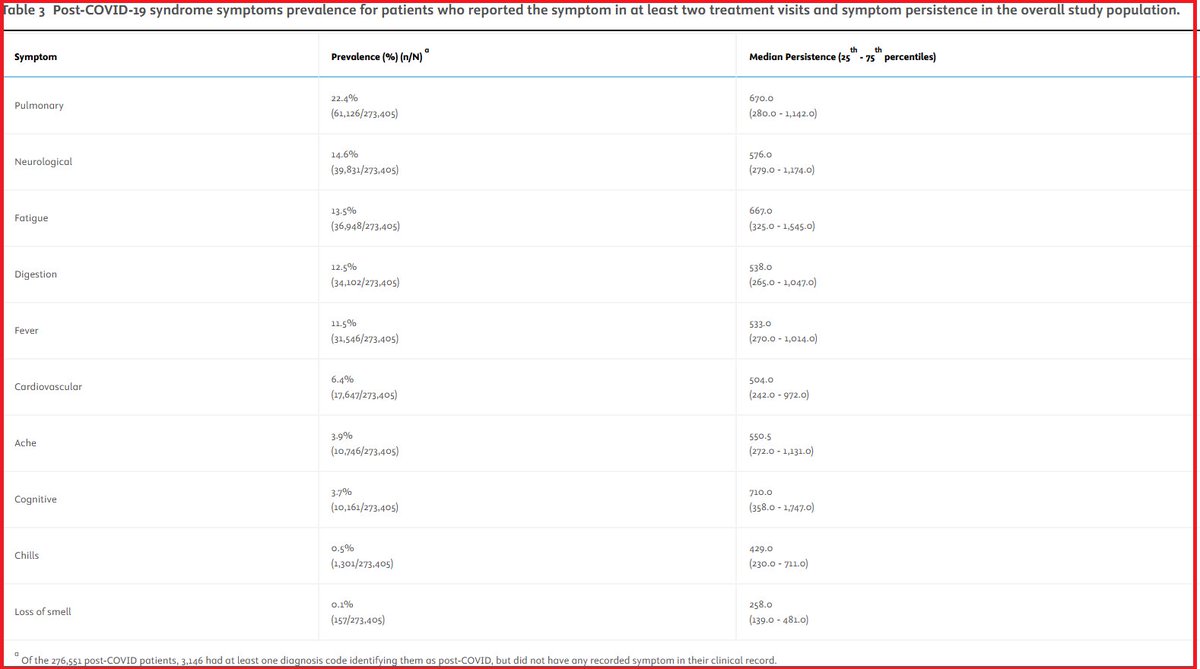

"Based on the symptoms identified, finding treatments for post-COVID-19 syndrome is needed particularly for military personnel to maintain fitness and readiness."
🚨
"SARS-CoV-2-Infektionen können das Krebsrisiko erhöhen oder das Fortschreiten der Krankheit beschleunigen."
#MildMyAss ❗
#SARSCoV2
#COVIDー19
#COVID_19

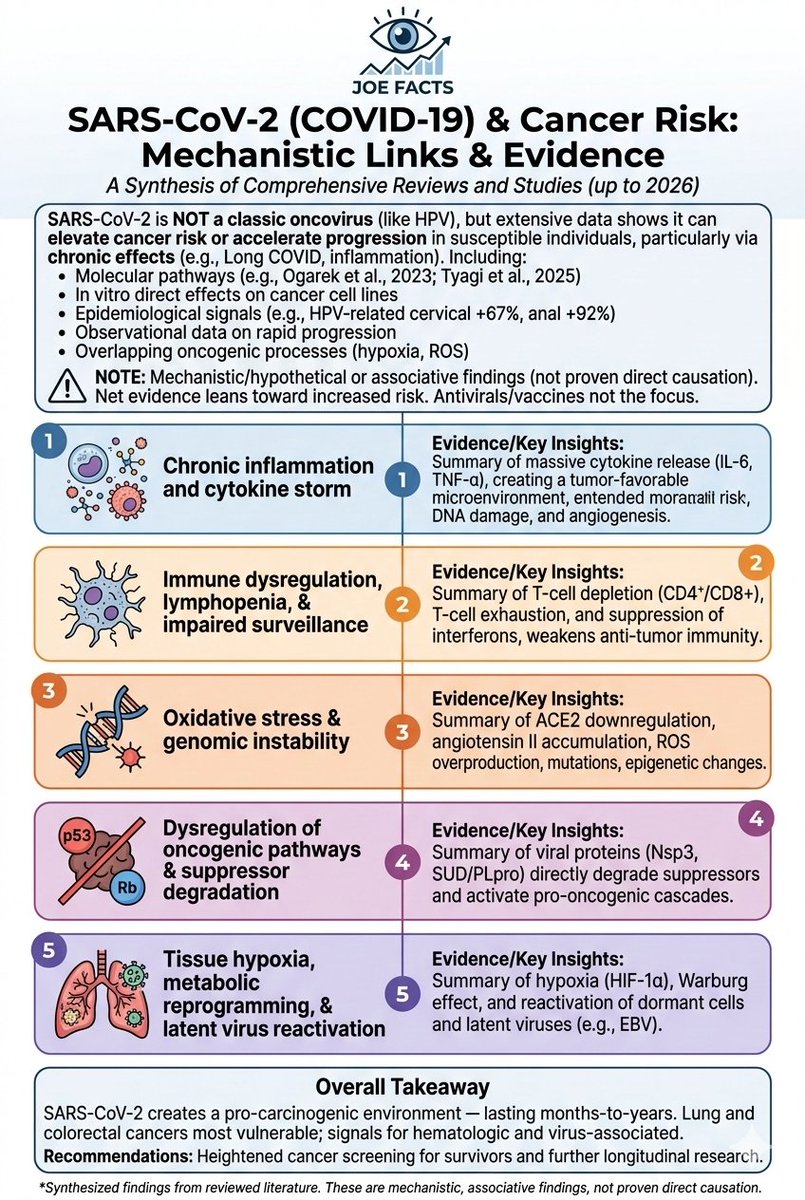
⚠️ SARS-CoV-2 (the virus causing COVID-19) is not classified as a classic oncovirus like HPV, EBV, or HBV, which directly cause ~15% of cancers through well-established mechanisms. However, extensive reviews and studies (including molecular, in vitro, observational, and epidemiological data up to 2026) indicate that SARS-CoV-2 infection can **elevate cancer risk or accelerate progression** in susceptible individuals, particularly through long-term effects like Long COVID, chronic inflammation, and immune changes.
Key supporting evidence includes:
- Reviews synthesizing molecular pathways (e.g., Ogarek et al., 2023 in *Frontiers in Molecular Biosciences*; Tyagi et al., 2025 in *Biochimica et Biophysica Acta*; Jaiswal et al., 2024).
- In vitro studies showing direct effects on cancer cell lines (breast, colorectal, prostate).
- Epidemiological signals, such as significantly elevated risks of HPV-related cancers (cervical +67%, anal +92%, etc.) post-infection in large matched cohorts.
- Observational data on rapid cancer progression, recurrence, or reactivation of dormant tumors after infection.
- Mechanisms overlapping with known oncogenic processes (inflammation, hypoxia, oxidative stress).
**Note**: These are primarily mechanistic/hypothetical or associative findings (not proven direct causation in large randomized studies). Some reports note potential oncolytic (anti-cancer) effects in rare cases, but the net evidence leans toward increased risk, especially for lung, colorectal, and virus-associated cancers due to high ACE2/TMPRSS2 expression. Antiviral treatments or vaccines are not the focus here—the query concerns the virus itself.
Here are the **5 primary ways** SARS-CoV-2 increases cancer chances, synthesized from all major studies/reviews examined:
1. **Chronic inflammation and cytokine storm**
SARS-CoV-2 triggers massive release of pro-inflammatory cytokines (IL-6, TNF-α, IL-1β, IFN-γ, VEGF, etc.), creating a persistent “cytokine storm” and low-grade chronic inflammation. This activates NF-κB and IL-6/JAK/STAT3 pathways, promoting DNA damage, angiogenesis, cell survival/proliferation, invasion, metastasis, and a tumor-favorable microenvironment (e.g., shifting macrophages to pro-tumor M2 phenotype). It also reawakens dormant cancer cells via inflammatory signals.
**Evidence**: Central mechanism in nearly every review; directly linked to tumor progression in lung/colorectal cancers; cytokine levels mirror those driving oncogenesis.
2. **Immune dysregulation, lymphopenia, and impaired surveillance**
The virus causes profound lymphopenia (depletion of CD4+/CD8+ T cells and NK cells), T-cell exhaustion, overexpression of inhibitory receptors (e.g., NKG2A), and suppression of type I interferons. This weakens anti-tumor immunity, allowing pre-cancerous or dormant cells to escape detection, proliferate, and metastasize. It also disrupts dendritic cells, neutrophils (NETs), and overall adaptive responses.
**Evidence**: Documented in severe COVID-19 and post-infection; explains reactivation of latent tumors and synergy with oncogenic viruses (e.g., higher HPV-related carcinoma in situ/cancer rates); parallels cancer immune evasion.
3. **Oxidative stress and genomic instability**
Infection downregulates ACE2, leading to angiotensin II accumulation, reactive oxygen species (ROS) overproduction, and oxidative damage to DNA, proteins, and lipids. This causes mutations, epigenetic changes (e.g., altered DNA methylation, miRNA dysregulation, HDAC interactions), and impaired DNA repair—hallmarks of carcinogenesis.
**Evidence**: Repeatedly highlighted; ROS links directly to cancer initiation/progression; observed in COVID-19 survivors and tied to genomic instability in multiple pathways.
1/2
Last Seen Hashtags on Sotwe
แนวครอบครัว
Seen from Thailand
maturewoman
Seen from Turkey
minichat
Seen from United States
รับงานพระประแดง
Seen from Thailand
sleeping sister
Seen from India
방귀녀
Seen from Korea
minichat snapchat
Seen from Peru
incesto con hermano
Seen from Colombia
ElectricSexDoll
Seen from United States
amadorgay
Seen from Brazil
Trends for you
Most Popular Users

Elon Musk 
@elonmusk
241.7M followers

Barack Obama
@barackobama
119M followers

Cristiano Ronaldo
@cristiano
114.4M followers

Donald J. Trump
@realdonaldtrump
111.9M followers

Narendra Modi
@narendramodi
107.2M followers

Rihanna
@rihanna
98.7M followers

NASA
@nasa
92.4M followers

Justin Bieber
@justinbieber
91.8M followers

KATY PERRY
@katyperry
90M followers

Taylor Swift
@taylorswift13
83.9M followers

Lady Gaga
@ladygaga
75.4M followers

Virat Kohli
@imvkohli
73.3M followers

Kim Kardashian
@kimkardashian
70.9M followers

YouTube
@youtube
68.8M followers

Neymar Jr
@neymarjr
66.4M followers

Bill Gates
@billgates
65.2M followers

Selena Gomez
@selenagomez
63M followers

The Ellen Show
@theellenshow
62.3M followers

CNN
@cnn
61.8M followers

X
@x
60.7M followers