

Top Tweets for #Moscowsecrets

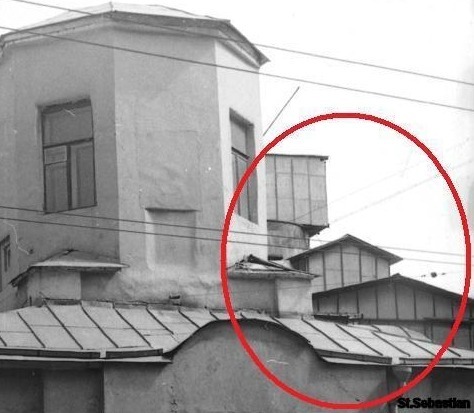
When Gothic spires meet Soviet dreams 🏗️✨ This is not just a building—it’s a time capsule of Moscow’s soul. The Ministry of Foreign Affairs stands tall, whispering stories of diplomacy, power, and architectural audacity. #MoscowSecrets
#Architecture #Moscow #History #Russia


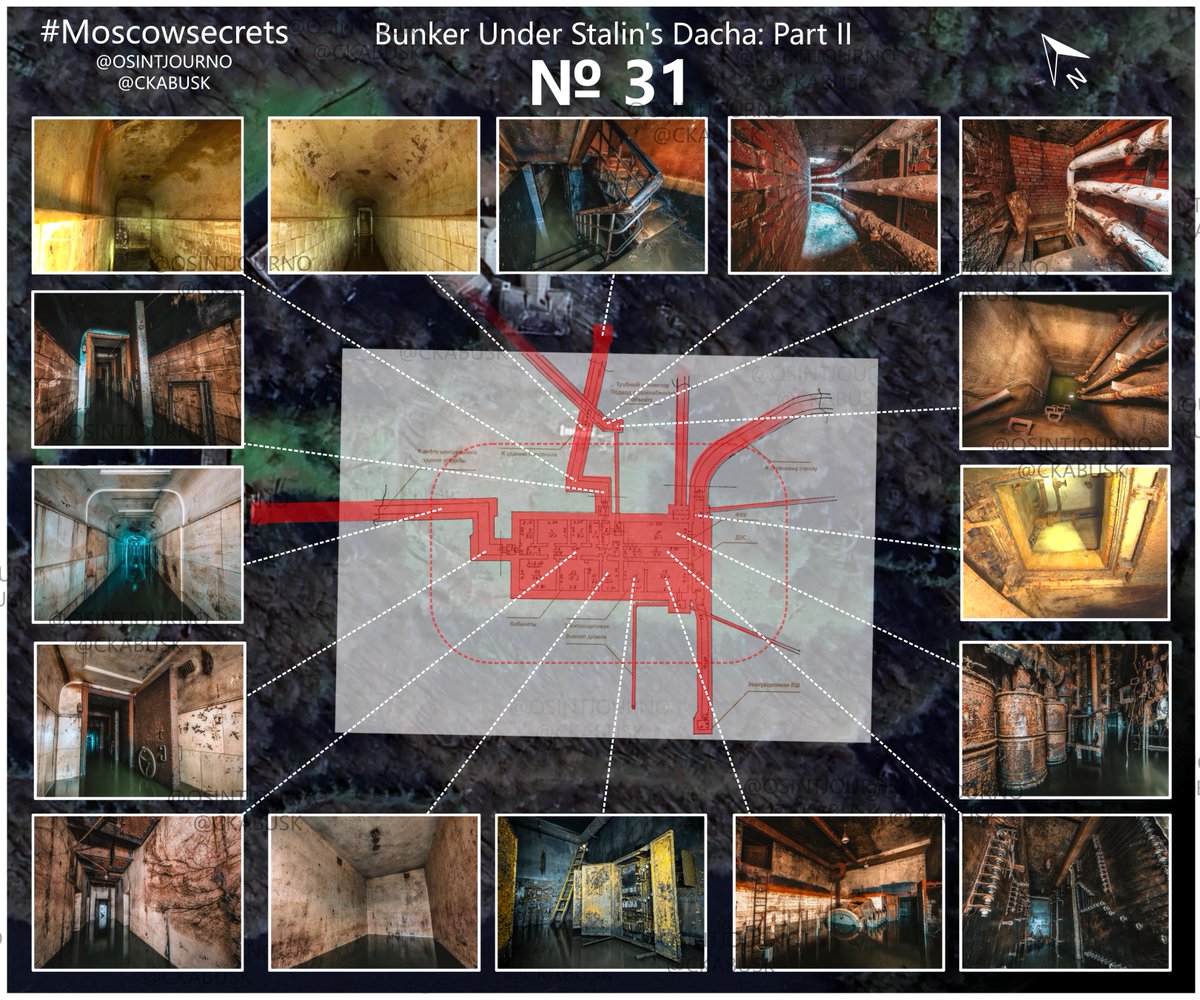
@CKABUSK has once again outdone himself by posting and geolocating various photos of Stalin's bunker at his Dacha on the map of the now severely deteriorated underground bunker as part of our #moscowsecrets project.

We just completed examining some photos of the abandoned bunker under Stalin's Dacha part 2 and destined for part 3. We still don't know where the third hatch is with the remaining photos yet. I suspect it is at the third house but the photos show otherwise. More to come! #Moscowsecrets @osintjourno
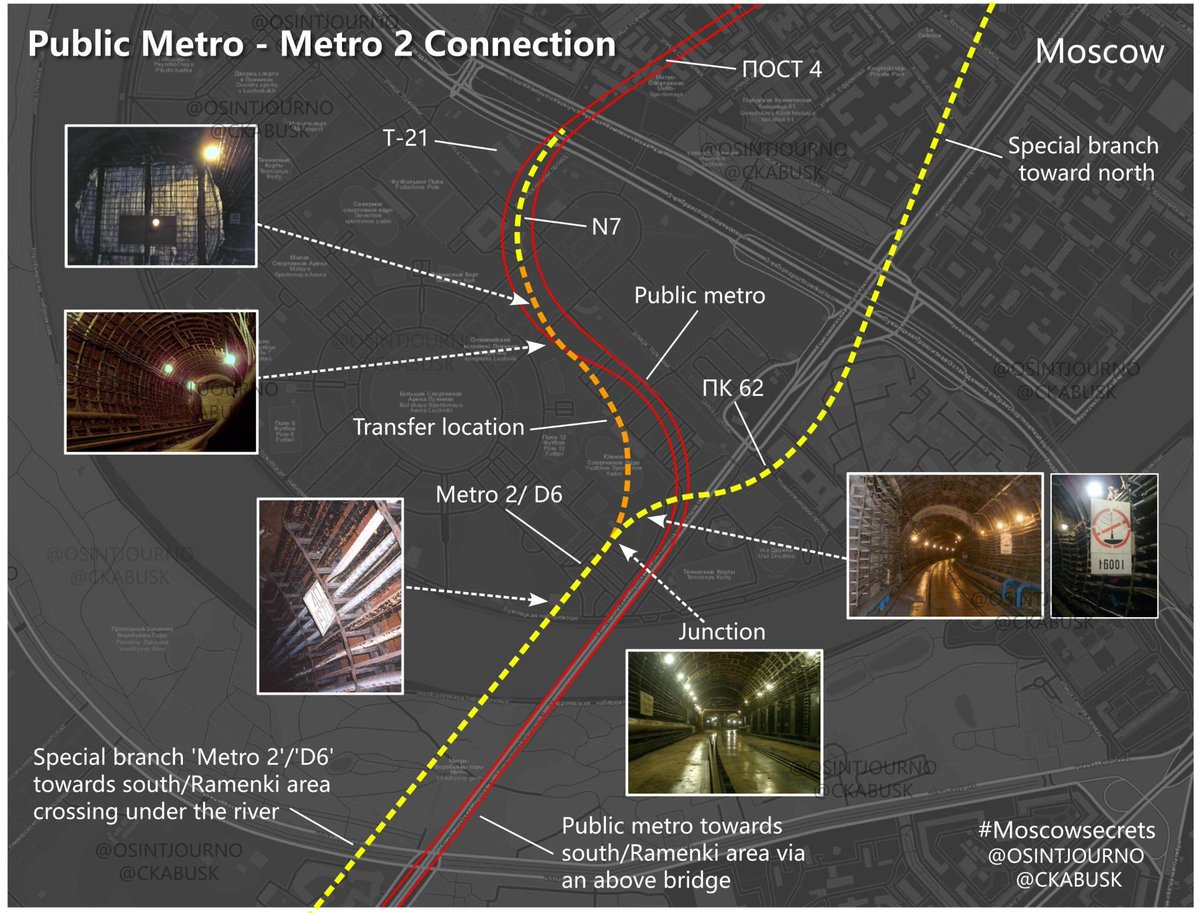
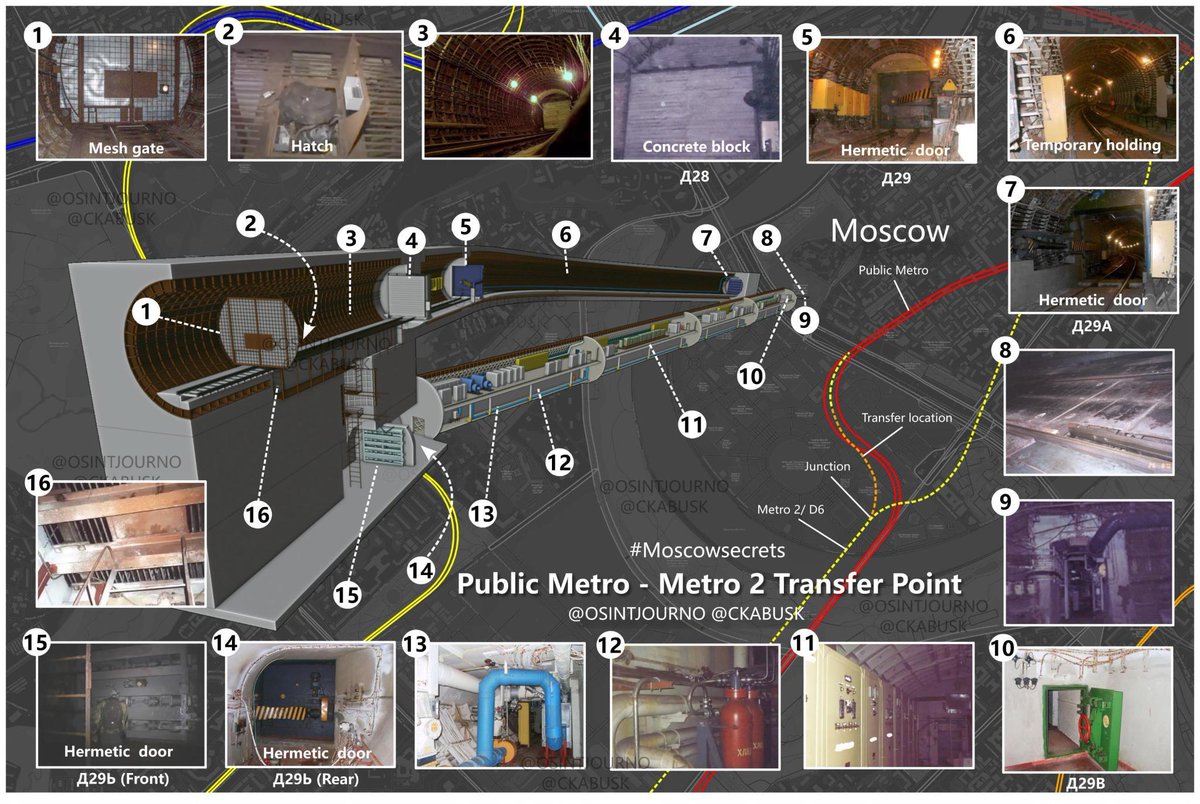
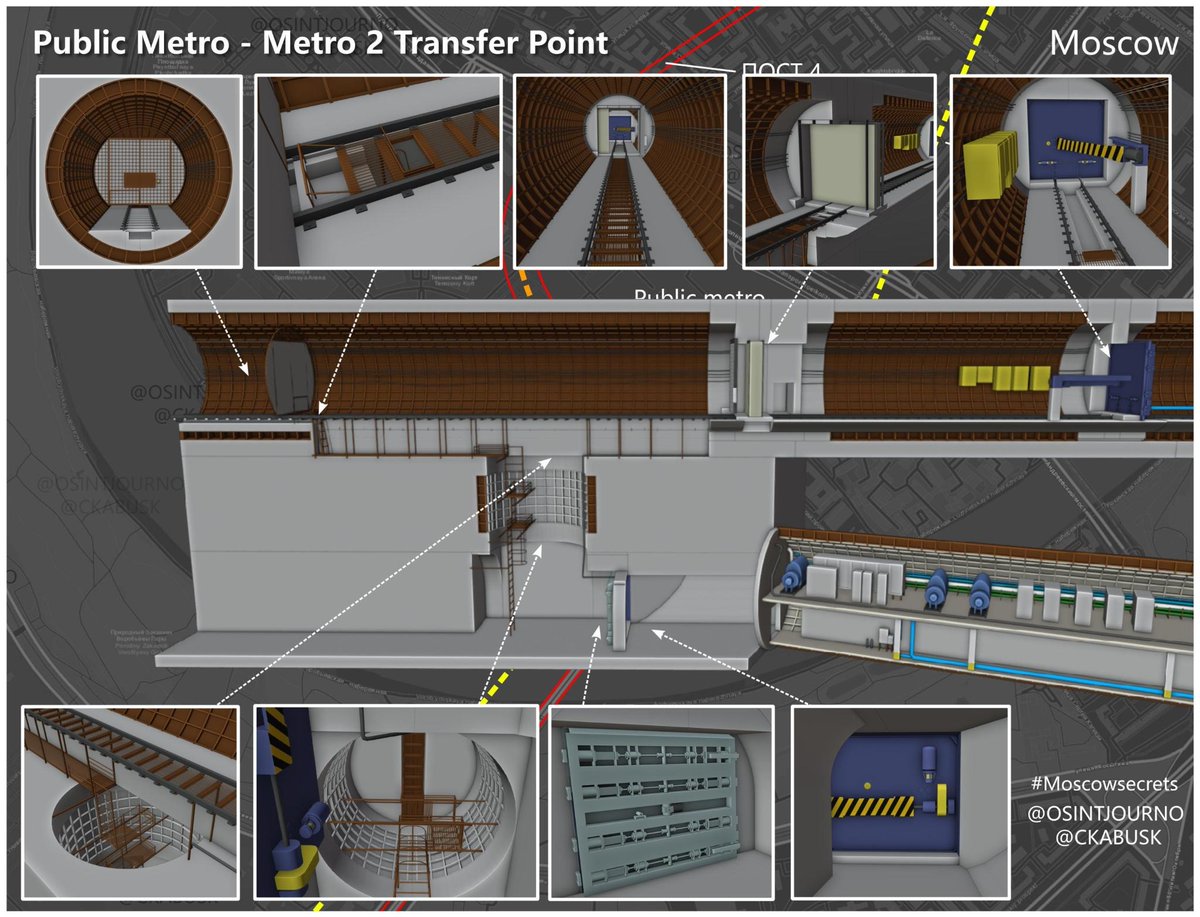
One of our 'masterpieces' from the #Moscowsecrets project by @CKABUSK and @OSINTJOURNO: a description and 3D model of the transfer location where the secret 'Metro-2' network connects to Moscow's public metro network. Please like and retweet!
The term Metro-2 (Russian: Метро-2) refers to an extensive secret system of metro tunnels intended (and still in use) for the evacuation of government leaders and high officials in Moscow. The design of the first Metro-2 tunnels dates back to the 1960s. Moscow seriously considered the possibility of a Western nuclear 'first strike' targeting key landmarks such as the Kremlin, the Ministry of Defense, the KGB headquarters, etc. To evacuate essential personnel in the event of such a nuclear attack, underground bunkers were constructed at strategic locations, and tunnels connecting these bunkers were dug.
South of Moscow University lies the Ramenki district. There were plans to develop this entire Ramenki district with impressive government buildings, but due to financial constraints, this plan was never executed. What was implemented, however, was the construction of various underground command bunkers and shelters deep beneath Ramenki. With a depth of 189 meters and a distance of over 8 kilometers from the Kremlin, it was believed that the command bunkers in Ramenki had a sufficient 'survival chance' in the event of a nuclear attack. Under 'Order 10A,' the (large) underground objects 54 and 54a in Ramenki were constructed from 1956 to 1963. We know about the underground construction activities in Ramenki from a 1991 report by the U.S. military titled 'Military forces in transition,' which features a photo of the Ramenki area on page 40, showing at least 4 mine shafts. Using satellite imagery, we have been able to precisely determine what was built where.
However, in the event of a nuclear attack, there was a challenge in reaching the underground facilities in Ramenki safely. While the public Sokolnicheskaya metro line roughly connects the Kremlin to Ramenki, the southernmost section of this metro line runs mostly above ground, and near the 'Moskva' river, it even goes completely above ground, crossing a bridge over the river. This was not a safe way to reach Ramenki in the event of a nuclear attack. Another problem was that, during a nuclear attack, tens of thousands of Moscow residents would likely seek shelter in public metro stations and tunnels, rendering the metro trains designed for evacuation unable to operate in these public tunnels.
As a result, multiple tunnels in Moscow were constructed that were not publicly accessible. The codename D-6 (Д-6) likely refers to the unique cross-section of these tunnels, which has a diameter of almost 6 meters (slightly smaller than a regular metro tunnel). Normal metro trains in Moscow receive power from overhead contact rails next to the track. In the secret D-6 tunnels, special short metro carriages are used, powered by batteries. Additionally, the rails in the D-6 tunnels are embedded in concrete, allowing electric cars and vans to travel there as well.
The entire D-6 or Metro-2 network consists of many kilometers of tunnels with separate underground (secret) stations connecting various locations and bunkers in Moscow. The special carriages used in the Metro-2 network also require maintenance. This is done in the 'normal' public (aboveground) maintenance depots of the metro company, and the unique metro carriages used in the Metro-2 section have been photographed extensively in these places.
The location where the secret Metro-2 network and the public metro network 'connect' is one of the best-kept secrets in Moscow. If you were to disembark at Sportivnaya metro station on the public Sokolnicheskaya metro line and walk south along the tracks, after a few dozen meters, you would encounter a switch where a section of track turns left. What is remarkable about this seemingly dead-end track is that the third electrical/contact rail suddenly stops. Then you come to a fence with a lamp mounted on it, indicating to metro train operators that the track ends there. If you look beyond that fence, you'll see that the rails continue for about another 10 meters and appear to stop at a concrete block.
However, that concrete block is not the end of this seemingly dead-end tunnel. The concrete block rests on wheels, allowing it to be rolled aside. Immediately after that concrete block, you reach a heavy gas-tight/water-tight/bombproof door that serves as the secret access point for metro carriages from the public metro network to the secret metro network and vice versa. A bit further, you encounter a second heavy gas-tight/water-tight/bombproof door before you truly enter the secret Metro-2 or D-6 network. Metro carriages can wait at this special 'transfer point' in this way until it is safe to make the crossing to Ramenki. From the transfer point, the D-6 line goes UNDER the 'Moskva' river, ultimately stopping at one of the many underground stations in Ramenki. For the personnel who operate this special transfer point, a separate bunker has been constructed, partly below and partly beside the transfer point. To ensure that personnel can receive an incoming metro train and, for example, move the concrete block, they can access various points between and near the tracks of the transfer point via stairs and ladders from the control bunker.
There are now many dozens of photos circulating on the internet claiming to have been taken in or near this special transfer point or in the Metro-2 or D-6 network. @CKABUSK and I have meticulously examined all these photos and have been able to determine whether certain photos do indeed depict this transfer point. Furthermore, with a high degree of certainty, we have been able to establish WHERE the photo was taken.
While I (@OSINTJOURNO) primarily have an investigative role in projects like these, @CKABUSK has utilized his unique 3D skills to fully reconstruct the special secret transfer point and the underground bunker in 3D. We would like to present to you the result of this 'masterpiece' of research.
With the public release of this 3D model and the accompanying photos, we expect to have made a significant contribution to describing this important part of the Metro 2 or D6 network in Moscow. It is clear that the Metro 2 network is real. Over the past decades, the secret Metro 2 or D-6 network has been expanded with various additional routes, and @CKABUSK and I have with great certainty determined that this network has been expanding and modernizing even now. @CKABUSK and I are currently exploring where the next focus of our #Moscowsecrets research project could be. We welcome any suggestions in your comments.
Kind request: Due to the importance of this unique research project, would you please retweet this tweet as widely as possible?

Eén van onze ‘masterpieces’ uit het #Moscowsecrets project van @CKABUSK en @OSINTJOURNO: een beschrijving en 3D model van de tranfserlocatie waar het geheime ‘Metro-2’ netwerk verbonden is met het publieke metronetwerk van Moskou. Like én retweet s.v.p.
De term Metro-2 (Russisch: Метро-2) staat voor een uitgebreid geheim stelsel van metrotunnels die bedoeld waren (en zijn) voor de evacuatie van regeringsleiders en hoge ambtenaren in Moskou.
Het ontwerp van de eerste Metro-2 tunnels dateert uit de jaren zestig. Men hield er in Moskou serieus rekening mee dat het Westen zou kunnen proberen om met een nucleaire ‘first strike’ belangrijke doelwitten van de kaart te vegen, zoals het Kremlin, het ministerie van Defensie, het hoofdkantoor van de KGB enz. Om bij zo’n dreigende kernaanval het meest essentiële personeel te kunnen evacueren werden op allerlei strategische plaatsen ondergrondse bunkers aangelegd en werden tunnels tussen die verschillende bunkers gegraven.
Ten zuiden van de universiteit van Moskou ligt de wijk Ramenki. Er bestonden ooit plannen om die hele wijk Ramenki vol te bouwen met prachtige regeringsgebouwen, maar dit plan is vanwege geldgebrek nooit uitgevoerd. Wat wél uitgevoerd is, is dat diep in de grond bij Ramenki allerlei commandobunkers en schuilvoorzieningen zijn aangelegd. Met een diepte van 189 meter en een afstand tot het Kremlin van meer dan 8 kilometer, werd ervan uitgegaan dat de commandobunkers in Ramenki ook bij een kernaanval voldoende ‘overlevingskans’ hebben. Via de zogeheten ‘Order 10A’ werden vanaf 1956 tot 1963 de (grote) ondergrondse objecten 54 en 54a in Ramenki aangelegd.
Dat men in Ramenki van alles ondergronds aan het aanleggen was, weten we o.a. uit een rapport uit 1991 van het Amerikaans leger ‘Military forces in transition’, waar op pagina 40 een foto van het Ramenki gebied staat waarop ten minste 4 mijnbouwschachten te zien zijn. Inmiddels hebben wij aan de hand van satellietbeelden precies kunnen achterhalen waar met precies bouwde.
Om bij een dreigende kernaanval veilig in de ondergrondse faciliteiten van Ramenki te kunnen komen, had men wel nog een ‘probleem’. De publieke Sokolnicheskaya-metrolijn loopt weliswaar ongeveer vanaf het Kremlin naar Ramenki, maar het meest zuidelijke stuk van deze metrolijn loopt vrijwel bovengronds en ter hoogte van de rivier ‘Moskva’ wordt komt deze metrolijn zelfs compleet bovengronds en maakt deze gebruik van een brug over deze rivier. Niet echt een veilige manier om bij een kernaanval in Ramenki aan te komen. Daar kwam nog een ander probleem bij: bij een kernaanval zouden tienduizenden inwoners van Moskou waarschijnlijk gaan schuilen in de publieke metrostations en publieke metrotunnels waardoor de metrotreinen die voor de evacuatie waren bedacht sowieso niet meer zouden kunnen rijden in diezelfde publieke metrotunnels.
Daarom zijn er meerdere tunnels in Moskou aangelegd die niet publiek beschikbaar zijn. De codenaam D-6 (Д-6) slaat hoogstwaarschijnlijk op de aparte doorsnede van deze tunnels die een doorsnede van bijna 6 meter (en daarmee dus iets kleiner zijn dan een reguliere metrotunnel). Normale metrotreinen in Moskou krijgen de elektriciteit waarmee gereden wordt aangeleverd door middel van spanningsrails naast het spoor. In de geheime D-6 tunnels rijden echter speciale korte metrostellen die aangedreven worden door accu’s. Bovendien zijn de rails in de D-6 tunnels verzonken in beton, zodat er ook elektrische auto’s en busjes kunnen rijden. Het hele D-6 of Metro-2 netwerk bestaat uit vele tientallen kilometers tunnels met aparte ondergrondse (geheime) stations die de verschillende locaties en bunkers in Moskou met elkaar verbinden.
De speciale treinstellen die in het Metro-2 netwerk worden gebruikt moeten natuurlijk ook onderhoud krijgen. Dat gebeurt in de ‘normale’ publieke (bovengrondse) onderhoudswerkplaatsen van het metrobedrijf en op die plekken werden en worden de bijzondere metrostellen die op het Metro-2 deel rijden veelvuldig gefotografeerd.
De plek waar het geheime Metro-2 netwerk en het publieke metronetwerk ‘aan elkaar vast’ zitten, behoort tot één van de best bewaarde geheimen in Moskou. Als je op de publieke Sokolnicheskaya-metrolijn zou uitstappen op metrostation Sportivnaya, en je zou over de sporen naar het zuiden lopen, dan kom je na een enkele tientallen meters een wissel tegen met een stuk spoor dat naar links buigt. Het bijzondere van dat kennelijk doodlopende stukje spooraftakking is dat de 3e elektriciteit/contactrail ineens stopt. Vervolgens kom je bij een hekwerk waarop een lamp gemonteerd zit die voor bestuurders van metrotreinen aangeeft dat het spoor daar stopt. Als je langs dat hekwerk kijkt, dan zie je dat de spoorrails nog een meter of 10 doorlopen en de spoorrails lijken te stoppen bij een betonnen blok.
Het blijkt echter dat dat betonnen blok niet het einde van deze ogenschijnlijk doodlopende tunnel is. Het betonnen blok rust op wielen waardoor het betonblok naar de zijkant kan worden gerold. Direct na dat betonnen blok kom je bij een zware gasdichte/waterdichte/bomvrije deur die de geheime toegang vormt waardoor metrostellen van het publieke metronetwerk naar het geheime metronetwerk en visa versa kunnen rijden. Een stukje verder kom je nog een tweede zware gasdichte/waterdichte/bomvrije deur tegen voordat je echt in het geheime Metro-2 of D-6 netwerk aankomt. Metrostellen kunnen op deze manier in dit speciale ‘transferpunt’ wachten tot het veilig is om de oversteek naar Ramenki te maken. Vanaf het transferpunt gaat de D-6 lijn namelijk ONDER de rivier ‘Moskva’ door, om uiteindelijk in Ramenki bij één van de vele ondergrondse stations te stoppen.
Voor het personeel dat dit speciale transferpunt moet bedienen is een aparte bunker aangelegd die voor een deel onder en voor een deel naast het transferpunt ligt. Om te zorgen dat personeel een aankomende metrotrein op kan vangen en bijvoorbeeld het betonblok weg kan rollen, kunnen zij vanuit de bedieningsbunker op verschillende plekken via trappen en ladders tussen en bij de sporen van het transferpunt uitkomen.
Op internet zijn inmiddels vele tientallen foto’s in omloop waarbij mensen claimen dat die foto’s in of bij dat speciale transferpunt of in het Metro-2 of D-6 netwerk genomen zijn. @CKABUSK en ik hebben alle foto’s minutieus onderzocht en we zijn erin geslaagd om te bepalen of bepaalde foto’s inderdaad dit transferpunt tonen. Bovendien zijn we erin geslaagd om met een zeer grote zekerheid vast te stellen WAAR de foto gemaakt is.
Daar waar ik (@OSINTJOURNO) vooral een onderzoekende rol heb in dit soort projecten, heeft @CKABUSK zijn unieke 3D vaardigheden ingezet om het speciale geheime transferpunt én de ondergrondse bunker volledig in 3D te reconstrueren. Graag laten we jullie hierbij het eindresultaat van dit ‘masterpiece’ qua onderzoek zien.
Met de publieke publicatie van dit 3D model en de bijbehorende foto’s verwachten we dat een substantiële bijdrage hebben geleverd aan het beschrijven van dit belangrijke deel van het Metro 2 of D6 netwerk in Moskou. Duidelijk is dat het Metro 2 netwerk echt bestaat. In de afgelopen decennia is het geheime Metro 2 of D-6 netwerk bovendien uitgebreid met allerlei extra trajecten en @CKABUSK en ik hebben met grote zekerheid vastgesteld dat men dit netwerk in de loop van de jaren heeft uitgebreid en zelf nu nog steeds uitbreidt en vernieuwt. @CKABUSK en ik zijn nog aan het kijken waar het volgende accent van ons #Moscowsecrets onderzoeksproject zou kunnen liggen. Eventuele suggesties zien we graag in jullie comments.
Vriendelijk verzoek: Vanwege het belang van dit bijzondere onderzoeksproject: zouden jullie deze tweet zo maximaal mogelijk willen retweeten?


#Moscowsecrets When @CK@CKABUSK and I examine the photos and video footage of Stalin's bunker, it is clear that it no longer functions as a bunker (and cannot function as a bunker). Of course, a bunker will always provide some level of protection against the effects of aerial bombing, but the pressure doors and all the installations in the bunker are so rusted and out of order that this bunker is no longer usable as a modern shelter. Any potential buyer could, of course, re-establish facilities such as air conditioning, etc., but that would entail very serious investments of several hundred thousand euros.
Because the exact location of the bunker and the precise locations of its air intakes and outlets are now known (see our analysis :-)), we consider the likelihood of someone actually wanting to renovate this bunker to be very low. When you look at the bunker and its design, it's clear that Stalin was genuinely concerned about a German (and later Allied) attack during his time. Additionally, the bunker has some unique features that you don't see in other bunkers. For example, Stalin wanted to avoid encountering unnecessary "personnel" in the bunker. Therefore, the bunker has a special elevator that leads to Stalin's residence. In the event of a potential impending air attack, Stalin could use this elevator to reach the relative "safety" of the bunker within minutes. The staff were not allowed to use that elevator; they had to use one of the regular entrances to the bunker. It is also known that the bunker's design was tailored exclusively for Stalin himself and only the most essential staff members. In the event of an actual air attack, some of Stalin's staff members who were not on the "special list" would have to remain above ground. Even the people responsible for guarding the perimeter fence of the estate and the gatekeeper at the entrance were not on the special list and therefore could not and were not allowed to take shelter in the bunker.
In short, this outdated bunker serves as a model for both the fear and the unique "value" that Soviet leaders attributed to themselves (and not their personnel).
#Moscowsecrets
When @C@CKABUSK and I examine the photos and video footage of Stalin's bunker, it is clear that it no longer functions as a bunker (and cannot function as a bunker). Of course, a bunker will always provide some level of protection against the effects of aerial bombing, but the pressure doors and all the installations in the bunker are so rusted and out of order that this bunker is no longer usable as a modern shelter. Any potential buyer could, of course, re-establish facilities such as air conditioning, etc., but that would entail very serious investments of several hundred thousand euros.
Because the exact location of the bunker and the precise locations of its air intakes and outlets are now known (see our analysis :-)), we consider the likelihood of someone actually wanting to renovate this bunker to be very low.
When you look at the bunker and its design, it's clear that Stalin was genuinely concerned about a German (and later Allied) attack during his time. Additionally, the bunker has some unique features that you don't see in other bunkers. For example, Stalin wanted to avoid encountering unnecessary "personnel" in the bunker. Therefore, the bunker has a special elevator that leads to Stalin's residence. In the event of a potential impending air attack, Stalin could use this elevator to reach the relative "safety" of the bunker within minutes. The staff were not allowed to use that elevator; they had to use one of the regular entrances to the bunker.
It is also known that the bunker's design was tailored exclusively for Stalin himself and only the most essential staff members. In the event of an actual air attack, some of Stalin's staff members who were not on the "special list" would have to remain above ground. Even the people responsible for guarding the perimeter fence of the estate and the gatekeeper at the entrance were not on the special list and therefore could not and were not allowed to take shelter in the bunker.
In short, this outdated bunker serves as a model for both the fear and the unique "value" that Soviet leaders attributed to themselves (and not their personnel).
#Moscowsecrets I just learned that the abandoned bunker under Stalin's dacha (Object 31) was put up for auction for 403.5 million rubles. Its location is now known to the public. I first learned about the object from Anastasia Zotova's drawings and have been solving some puzzles from her drawings with @osintjourno . This is one of them:

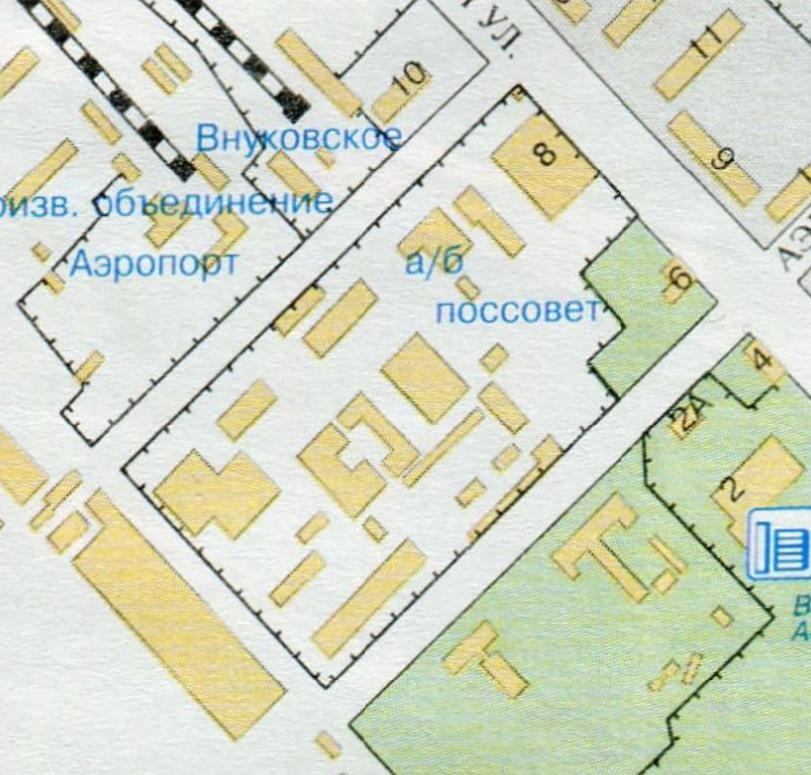
#Moscowsecrets Today, @CKABUSK and I have found evidence for a long-standing story: underground tunnels to Vnukovo International Airport.
There is a secret metro line in Moscow intended for the evacuation of high-ranking officials and government leaders (nicknamed 'Metro 2'). Many people on the internet suspect that this secret metro line extends all the way to the Vnukovo International Airport located southwest of Moscow.
Verifying this story is made somewhat complicated by the fact that there is indeed a new (public) metro station is being constructed at the same airport. According to an article from August 2023, Sergei Sobyanin, the Mayor of Moscow, stated that the new metrostation at the airport is expected to be completed in 2023.
However, we have determined that there has been a secured area in government hands right next to this airport since the 1980s. On that site, there have been clear green pyramids associated with an underground metro network and underground tunnels for at least 15 years (but most likely longer). Typically, a significant collection of these pyramids indicates an underground junction or underground station.
It cannot be a mere coincidence that the exact location where an underground metro station has existed for decades is now the same place where a public metro station is 'coincidentally' being built.
From the #Moscowsecrets project, this metro station will undoubtedly receive further attention 🥰.
PS: We are still working on the 3D model of the secret special transfer point in Moscow, but we couldn't keep this new discovery from you!

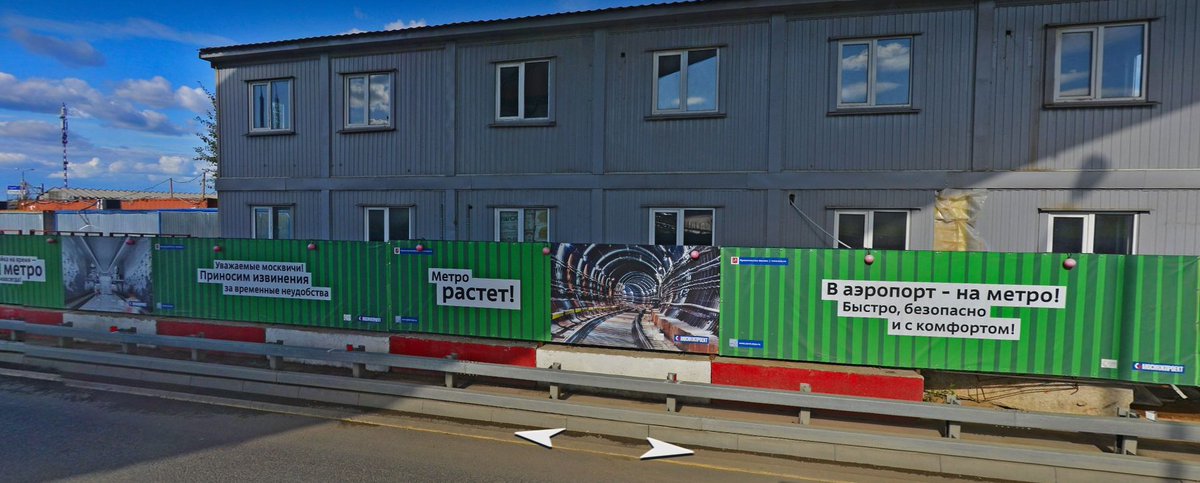
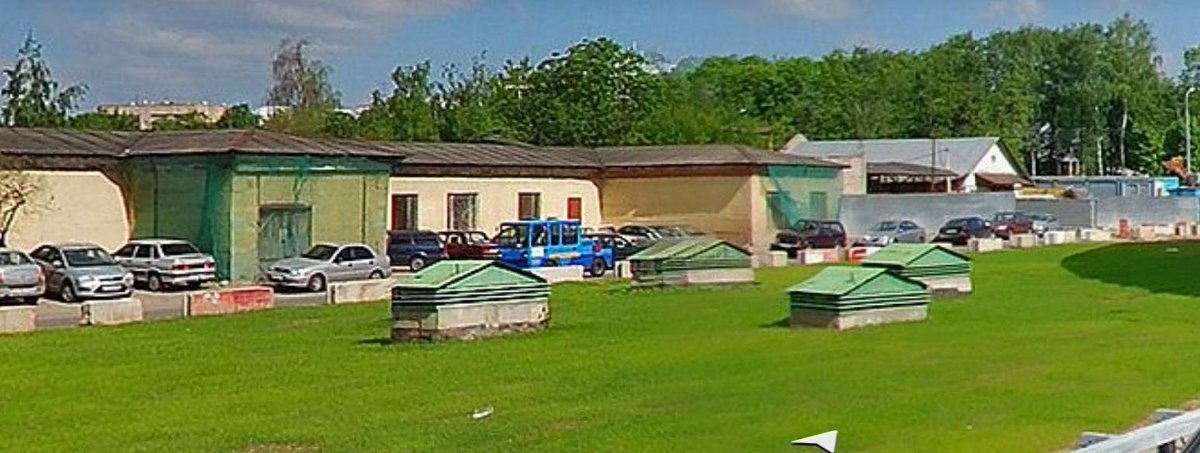
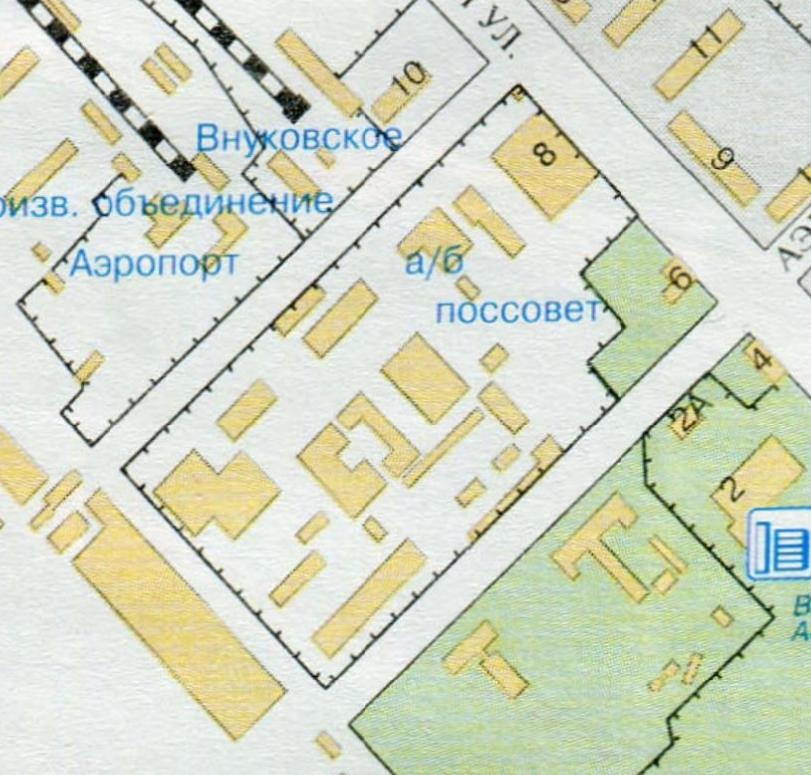
#Moscowsecrets
Vandaag hebben @CKABUSK en ik bewijs gevonden voor een verhaal dat al heel lang de ronde doet: ondergrondse tunnels naar vliegveld Vnukovo.
Er is een geheime metrolijn in Moskou die bedoeld is voor de evacuatie van hooggeplaatste ambtenaren en regeringsleiders (bijnaam 'Metro 2').
Op internet wordt door veel mensen het vermoeden uitgesproken dat die geheime metrolijn helemaal totaan het internationale vliegveld Vnukovo ten zuidwesten van Moskou zou liggen.
Het controleren of dit verhaal klopt wordt wat bemoeilijkt door het feit dat er daadwerkelijk ook een nieuw metrostation bij dat specifieke vliegveld wordt aangelegd. Dat nieuwe (publieke) metrostation zou in 2023 klaar moeten zijn, aldus Sergej Sobjanin, de burgemeester van Moskou in een artikel uit augustus 2023.
Wij hebben echter vastgesteld dat er al sinds de jaren 80 een afgeschermd terrein is dat in overheidshanden is dat pal naast dit vliegveld ligt.
Op dat terrrein liggen al tenmiste 15 jaar (maar hoogstwaarschijnlijk al langer) de overduidelijke groene pyramides die horen bij een ondergronds metronetwerk en ondergrondse tunnels. Doorgaans wijst een grote verzameling van deze pyramides op een ondergronds knooppunt of ondergronds station.
Het kan natuurlijk geen toeval zijn dat precies op de plek waar al decennia een ondergronds metrostation ligt nu 'toevallig' de plek is waar ook een publiek metrostation gaat komen.
Dit metrostation gaat vanuit het #Moscowsecrets project uiteraard nog de nodige aandacht krijgen 🥰.
PS: We zijn nog hard bezig met het 3D model van het geheime speciale transferpunt in Moskou, maar deze nieuwe vondst wilden we jullie niet onthouden!


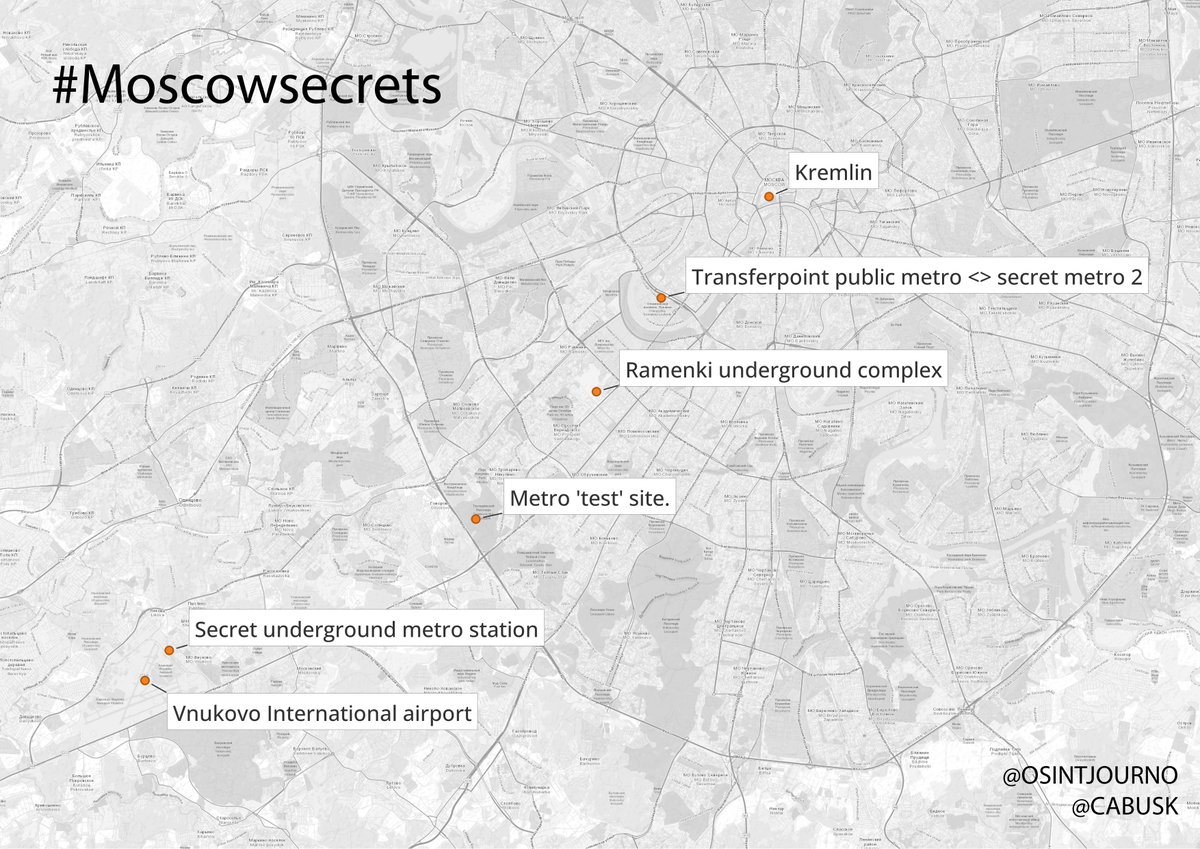
Graag retweeten: Een voorproefje van een van de meest intrigerende ontdekkingen uit #Moscowsecrets door @CKABUSK en mijzelf: onthulling van de locatie waar speciale treinen die rijden in de zogenaamde 'metro 2'-tunnels in Moskou van&naar het openbare metronetwerk kunnen rijden.

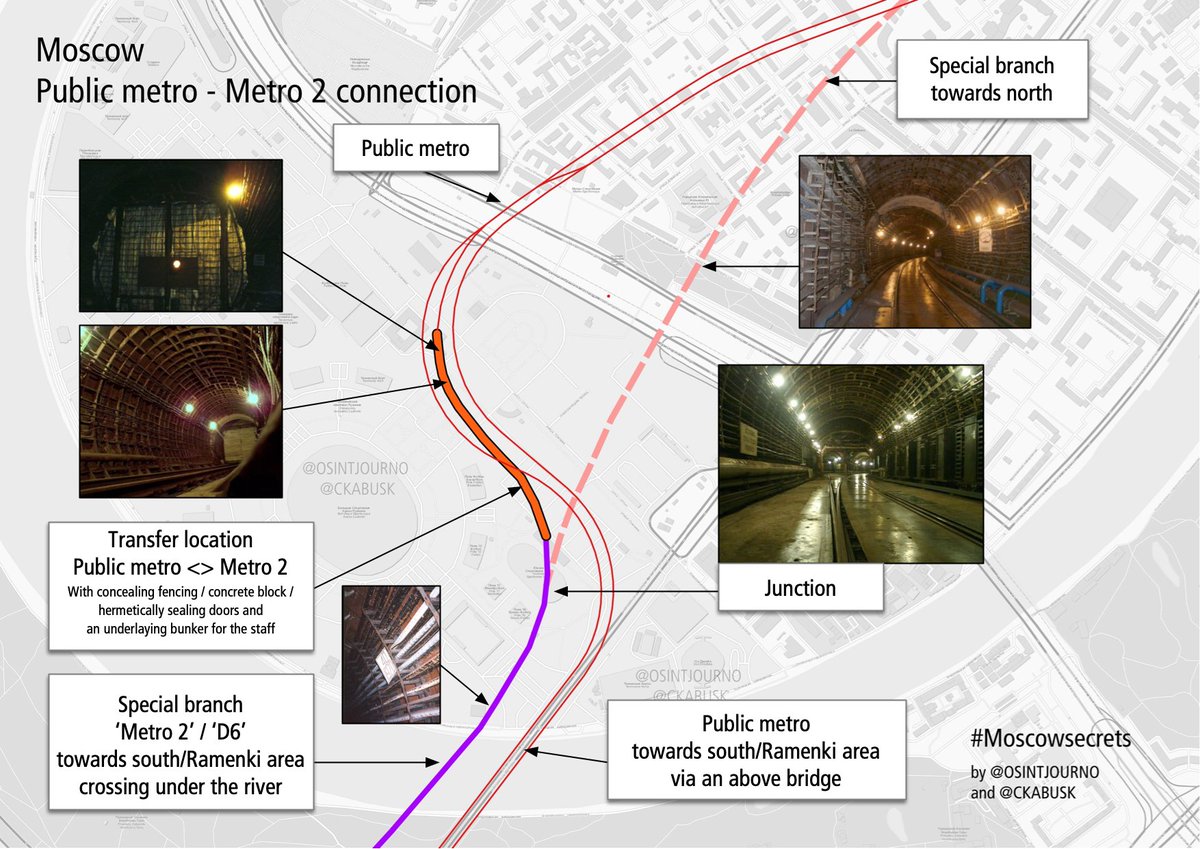
Please retweet: A sneak preview of one of the most intriguing discoveries from #Moscowsecrets by @CKABUSK and me: we now reveal the location where the special trains that run in the so-called 'metro 2' tunnels in Moscow, can transfer from&towards the public Moscow metronetwork.


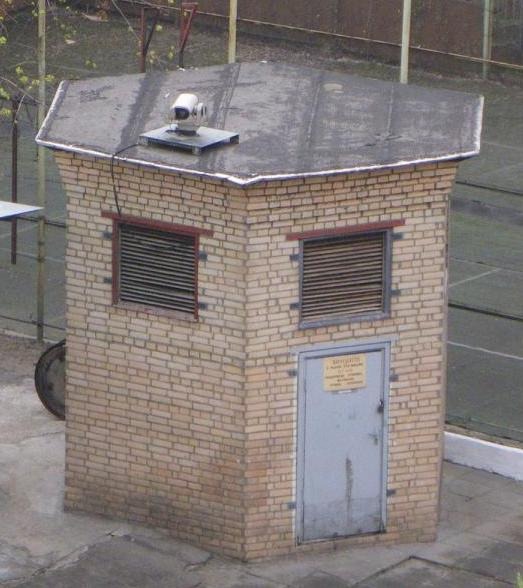
#Moscowsecrets Just a little report on how something as simple as withered grass near the Kremlin was enough to make @CKABUSK and me take a closer look at what was actually going on here.
In other words: How do you best point out to two dedicated researchers that something is definitely happening underground?
First, you need to set up a mining installation and dig a deep hole to create various tunnels and other underground structures. Then, you remove the mining installation, but you put a ventilation building in the spot where you just drilled. Because you want to keep an eye on what's happening above ground while you're underground, you place a super professional camera on that ventilation shaft. How about that for 'inconspicuous'?
Okay, it seems they later realized that this wasn't such a good idea and that this location was quite 'conspicuous' this way.
Attempt 1: They then dug a small side tunnel (because the ventilation opening also served as an emergency exit) and created a small green inconspicuous cube that now serves as a ventilation opening and emergency exit. They placed a concrete 'lid' over the vertical borehole, and obviously, no grass grows on it. This way, the location still stands out, but it takes a while for people to notice.
Attempt 2: Alright, that green cube has to go because it stands out near the Kremlin like a strawberry in custard. The emergency exit has now been designed differently, but ventilation is still needed. So, they dug the ventilation tunnel a bit closer to the building, and they made the ventilation structure as inconspicuous as possible (it's up to you to find the inconspicuous ventilation block). They also hired a landscaper to add extra soil and sow more grass. Unfortunately, the spot where the concrete slab is located doesn't allow grass to grow as well, but for 98 out of 100 people passing by, this is just a small grassy area like the hundreds in Moscow.
What a shame that exactly those two researchers from #Moscowsecrets had such an eye for detail that they noticed the withered grass and decided to investigate further. That 98 out of 100 people wouldn't have noticed this place... well... unfortunately, you happened to encounter the 2 who do have an eye for detail. 🥰


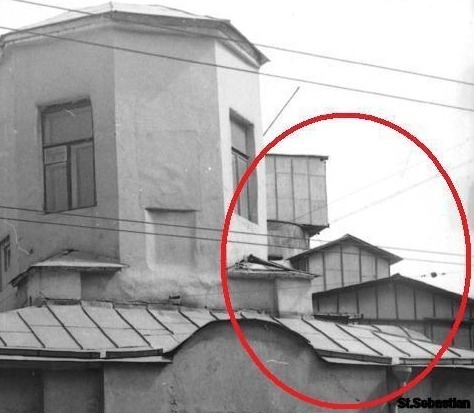
#Moscowsecrets Zomaar een verslagje hoe zoals simpels als verdord gras ergens in de buurt van het Kremlin voor @CKABUSK en mij reden was om even goed te kijken wat hier eigenlijk aan de hand was.
Oftewel: Hoe kun je twee gedreven onderzoekers het beste wijzen op een plek waar ondergronds ZEKER iets aan de hand is?
Dan moet je eerst een mijnbouwinstallatie neerzetten en een diep gat graven om allerlei tunnels en andere dingen ondergronds aan te leggen.
Vervolgens haal je de mijnbouwinstallatie weg, maar dan zet je op de plek waar je net hebt geboord een ventilatiegebouw. Omdat je (terwijl je ondergronds zit) wel in de gaten wilt blijven houden wat er bovengronds gebeurt, zet je een super professionele camera op die ventilatieschacht. Hoezo 'onopvallend'?
Ok. Men snapte kennelijk later dat dat toch niet zo'n goed idee was en dat deze locatie toch best wel 'opviel' op deze manier.
Poging 1: Vervolgens heeft men een kleine zijtunnel gegraven (want de ventilatieopening diende ook meteen als nooduitgang) en een groen klein onopvallende kubus gemaakt die nu als ventilatieopening en nooduitgang dient.
Op de verticale boorschacht heeft men een betonnen 'deksel' over het boorgat heengelegd. Uiteraard groeit daar geen gras op. Op deze manier blijft deze locatie natuurlijk nog steeds opvallen, maar het duurt even voordat men dat doorheeft.
Poging 2: Ok. Die groene kubus moet in ieder geval wel want die valt zo dicht bij het Kremlin op als een aardbei in de vla. De nooduitgang daar is inmiddels op een andere manier iets voor bedacht, maar... er is nog steeds ventilatie nodig. Dan wordt de ventilatietunnel iets verder naar het gebouw gegraven. En het ventilatiebouwwerkje maken we zo onopvallend mogelijk (aan jullie de eer om het onopvallende ventilatieblokje te vinden). Ook wordt een hovenier besteld die extra aarde neerlegt en extra gras inzaait.
Helaas blijft de plek waar de betonnen plaat een plek waar het gras minder groeit, maar voor 98 van de 100 mensen die voorbijlopen is dit gewoon een grasveldje zoals er honderden in Moskou zijn.
Wat jammer dat nu precies die twee onderzoekers van #Moscowsecrets zoveel oog voor detail hebben dat dat verdorde gras opviel en zij verder gingen zoeken.
Dat 98 van 100 mensen deze plek NIET opgevallen zou zijn... tja... helaas trof je nu de 2 die wel oog voor detail hebben. 🥰


#Moscowsecrets
Er is is bijzonders aan het in Moskou in het diepste geheim aangelegde tunnelsysteem dat Metro 2 of D6 wordt genoemd. De metrotreinen die bij een evacuatie van de topofficials worden gebruikt, rijden op accu's (en rijden maar zo'n 15 kilometer per uur). Er ligt maar 1 paar spoorrails, omdat men ervan uitging dat er bij een kernaanval toch maar in 1 richting gevlucht zou gaan worden (vanuit het Kremlin weg, ofwel naar het oosten ofwel naar het zuiden).
In de zuidelijke tunnels liggen de spoorrails verzonken in het beton, zodat hier ook auto's kunnen rijden (liefst ook op accu i.v.m. het rijden in een afgesloten tunnel en het voorkomen van uitlaatgassen).
@CKABUSK en ik wisten dat er dus auto's in de tunnel moesten kunnen rijden. Dat betekent echter ook dat er minimaal 1 plaats in Moskou moet zijn waar die auto's uit de speciale metro 2 tunnelbuis naar een plek bovengronds moesten kunnen rijden (ofwel om vanuit daar in oorlogstijd verder te vluchten, ofwel simpelweg om naar een garage gebracht te worden voor onderhoud).
Wij hebben allerlei plekken geïnventariseerd en we zijn er vrij zeker van dat we de plek gevonden hebben die zich (als één van de weinige plekken in Moskou) leent om als bovengrondse 'toegang' voor die auto's te kunnen dienen. Deze plek matcht precies met het trace 62 (onderdeel van metro 2/D6) dat we hier geprojecteerd hebben.
Uiteraard moet die bovengrondse ingang wel zo stevig uitgevoerd zijn dat je eigenlijk praat over een de aanleg van een bovengrondse inrit die de fysieke eigenschappen van een bunker moet hebben.
Onze zoekactie is vandaag beloond.
Zoals bekend heeft het Kremlin in de afgelopen 10 jaar geprobeerd om zoveel mogelijk dingen die met dit soort speciale voorzieningen te maken hebben te verstoppen of bij een renovatie volledig 'in de omgeving op te laten gaan'.
De renovatie van deze bijzondere 'garage' in het zuiden van Moskou laat zien dat we hier met een garage te maken hebben die zelfs voor Moskouse begrippen 'extreem stevig' is uitgevoerd. De term 'bunker' misstaat hier niet.
Na de renovatie is deze plek voor de willekeurige voorbijganger in Moskou echter gewoon weer een terras waarvan iedereen vermoed dat het wel bij het gebouw ernaast moet behoren.
Een typisch geval van hidden in plain sight.
Oftewel: hoe twee gedreven researchers op minutieuze wijze alle geheimen van Moskou stuk voor stuk aan het ontrafelen zijn.
Intussen vordert ons 3D model en de bijbehorende kaart steeds verder en gaan we nog met baanbrekende onthullingen komen.
Op de foto's:
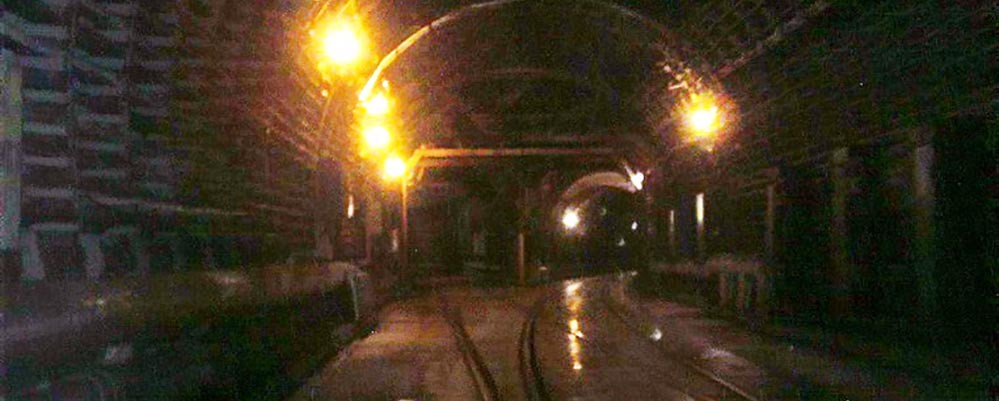
- de kruising waar links metrotreinen naar het publieke deel van het metrostelstel kunnen en rechts naar het ministerie van defensie. Let op de in het beton verzonken rails.
- de plek waar auto's door middel van rijplaten vanuit de ondergronse garage naar de metro 2 tunnelbuizen kunnen rijden. Om bestand te zijn tegen zowel een drukgolf als tegen overstroming van de tunnel zie je de hydraulisch aangetrokken drukdeur.
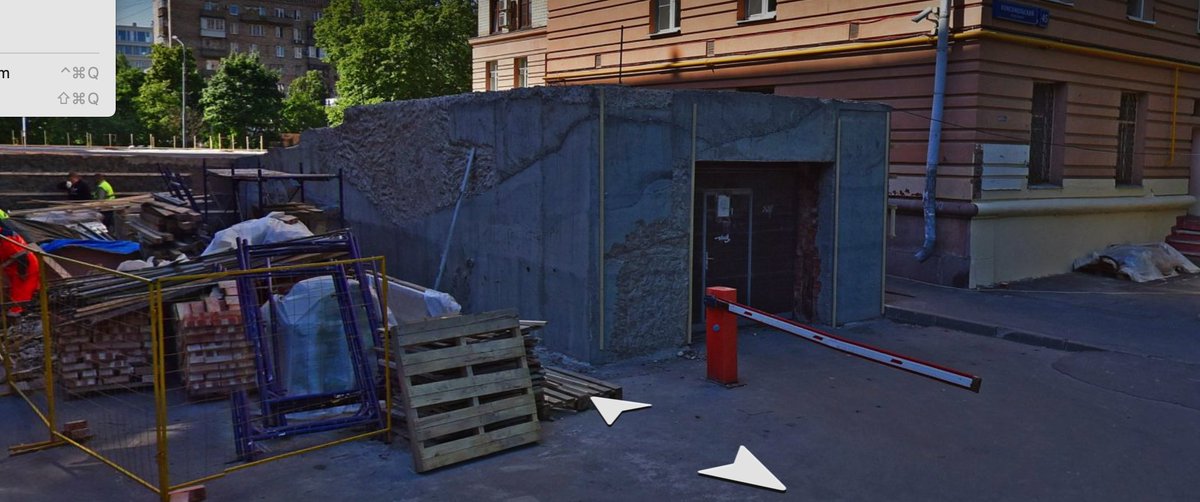
- een foto van de renovatie van 2018 van de bovengrondse toegang t.b.v. auto's. Je ziet op de foto's duidelijk dat dit geen 'normale' garage is, maar een bunkerconstructie.
- een foto van de ingang anno 2022 'hidden in plain sight' (vermomd als onderdeel van het naastgelegen gebouw)



#Moscowsecrets
There is something extraordinary about the tunnel system built in deepest secrecy in Moscow, known as Metro 2 or D6. The metro trains used for evacuating top officials run on batteries (traveling at around 15 kilometers per hour). There's only one pair of railway tracks, as it was assumed that during a nuclear attack, evacuation would occur in only one direction (away from the Kremlin, either eastward or southward).
In the southern tunnels, the railway tracks are embedded in concrete, allowing cars to travel as well (preferably using battery power to prevent exhaust emissions, considering the enclosed tunnel environment).
@CKABUSK and I were aware that cars should be able to travel in the tunnel. However, this also means that there must be at least one location in Moscow where these cars could emerge from the special Metro 2 tunnel tube to the surface (either to continue fleeing in times of war or simply to be taken to a garage for maintenance).
We've explored various locations, and we're quite confident that we've identified the spot in Moscow that can serve as an aboveground 'access' point for these cars. This location aligns perfectly with the traced route 62 (part of Metro 2/D6) that we've projected here.
Of course, this aboveground entrance must be built so robustly that it essentially resembles constructing an aboveground ramp with the physical properties of a bunker.
Our search efforts have been rewarded today.
As known, over the past 10 years, the Kremlin has attempted to conceal or seamlessly integrate as many things related to such specialized facilities as possible during renovations.
The renovation of this unique 'garage' in the south of Moscow reveals that we're dealing with a garage that's been executed as 'extremely sturdy,' even by Moscow standards. The term 'bunker' is fitting here.
After the renovation, this place appears to be an ordinary terrace for any passerby in Moscow, presumably belonging to the adjacent building.
A classic case of being hidden in plain sight.
In other words, how two dedicated researchers are meticulously unraveling the secrets of Moscow one by one.
Meanwhile, our 3D model and accompanying map are making steady progress, and we're yet to unveil groundbreaking revelations.
In the photos:
- The intersection where, on the left, metro trains can access the public part of the metro system, and on the right, they head toward the Ministry of Defense. Notice the railway tracks embedded in the concrete.
- The location where cars can drive from the underground garage to the Metro 2 tunnel tubes using ramp plates. To withstand both a pressure wave and potential tunnel flooding, you can see the hydraulically sealed pressure door.
- A photo from the 2018 renovation of the aboveground car access.
- A photo of the entrance in 2022, 'hidden in plain sight' (disguised as part of the neighboring building).


Especially in the Ramenki area, you simply can't miss the ventilation shafts, and you can't walk 100 meters without encountering another ventilation shaft. #moscowsecrets
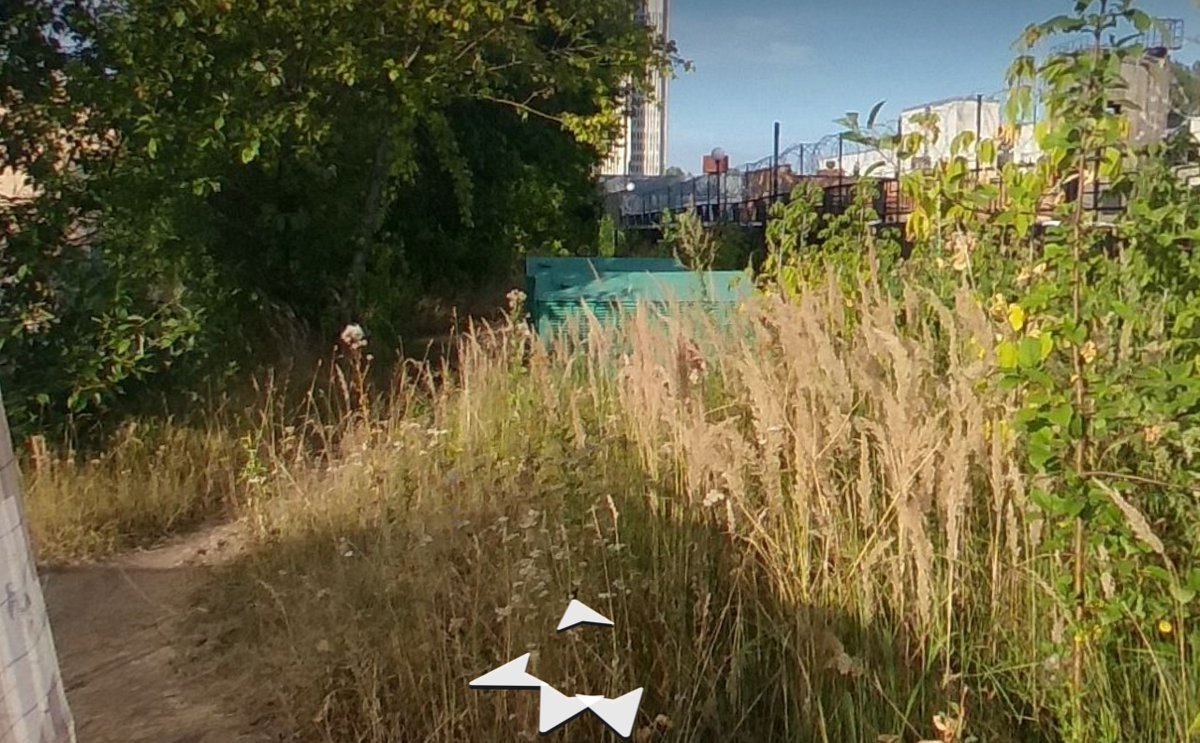


Met name in het Ramenki gebied kun je de ventilatieschachten simpelweg niet missen en kun je geen 100 meter lopen zonder weer een ventilatieschacht tegen te komen. #moscowsecrets
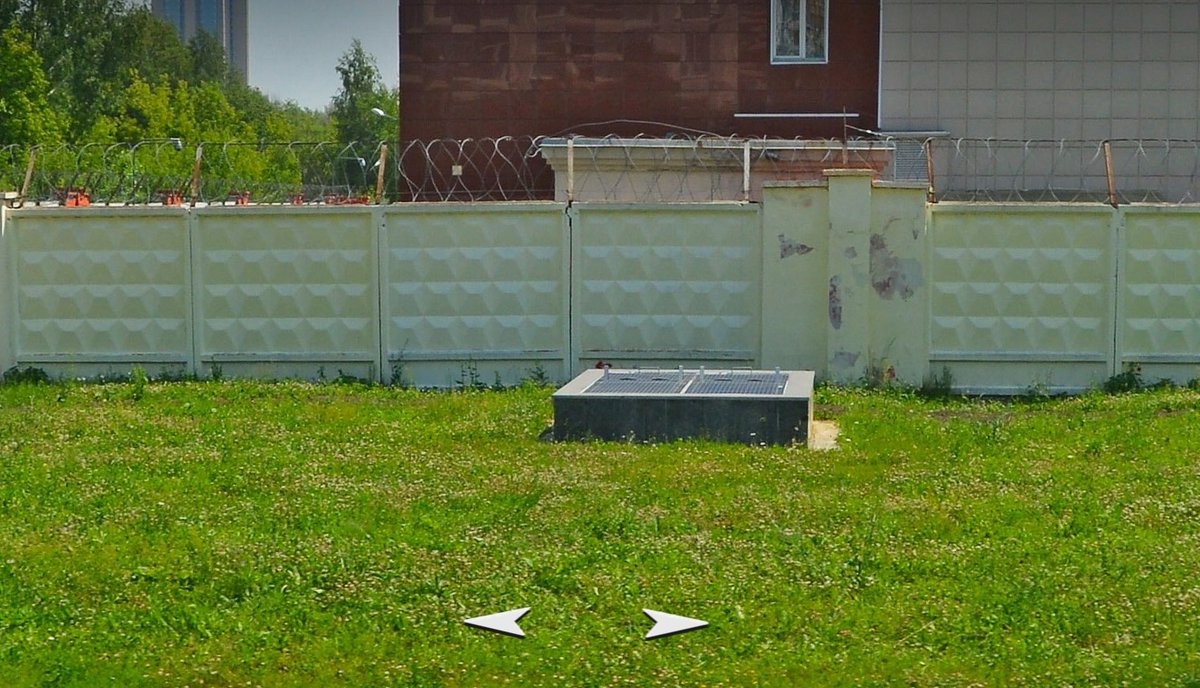

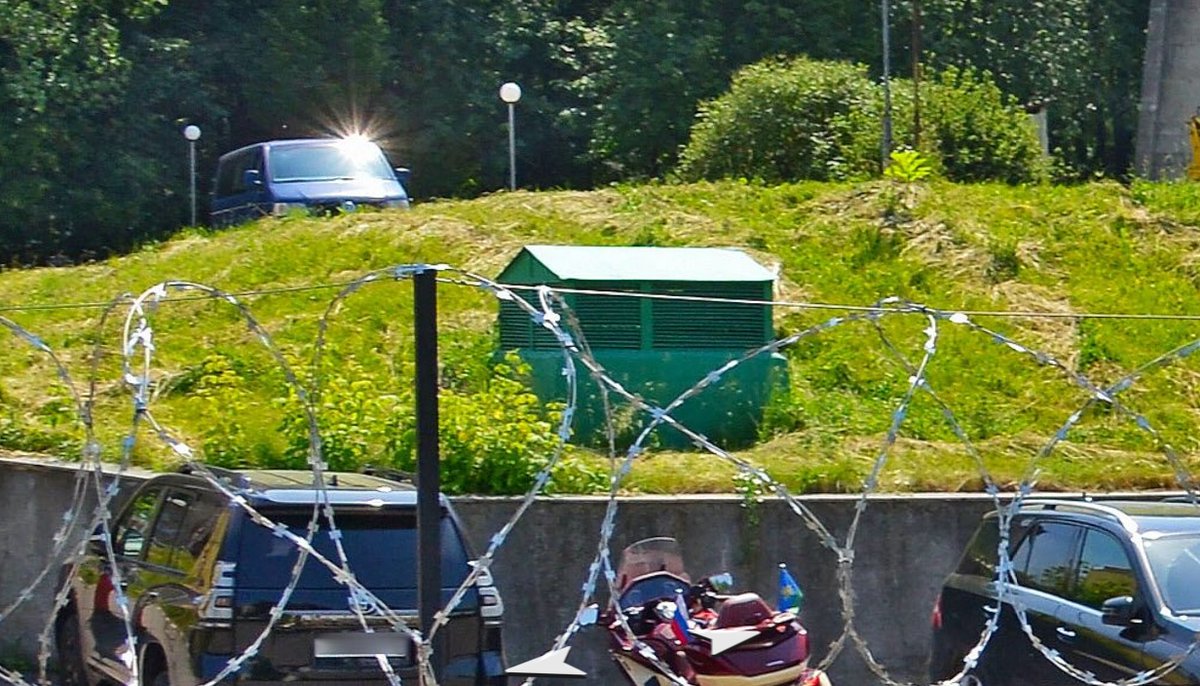
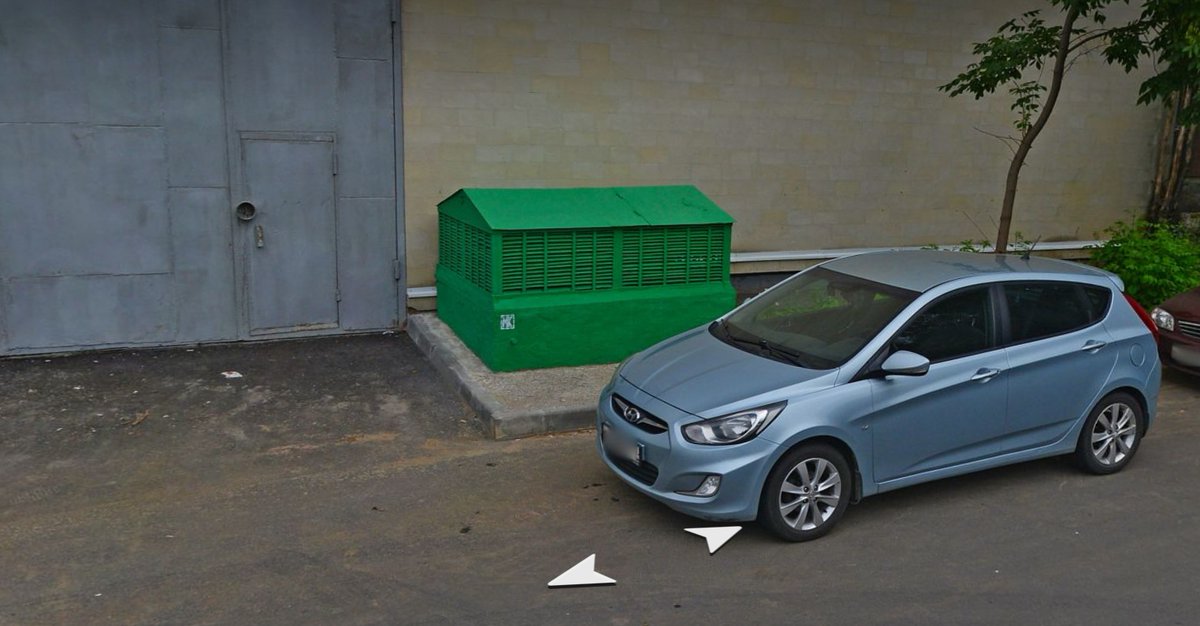
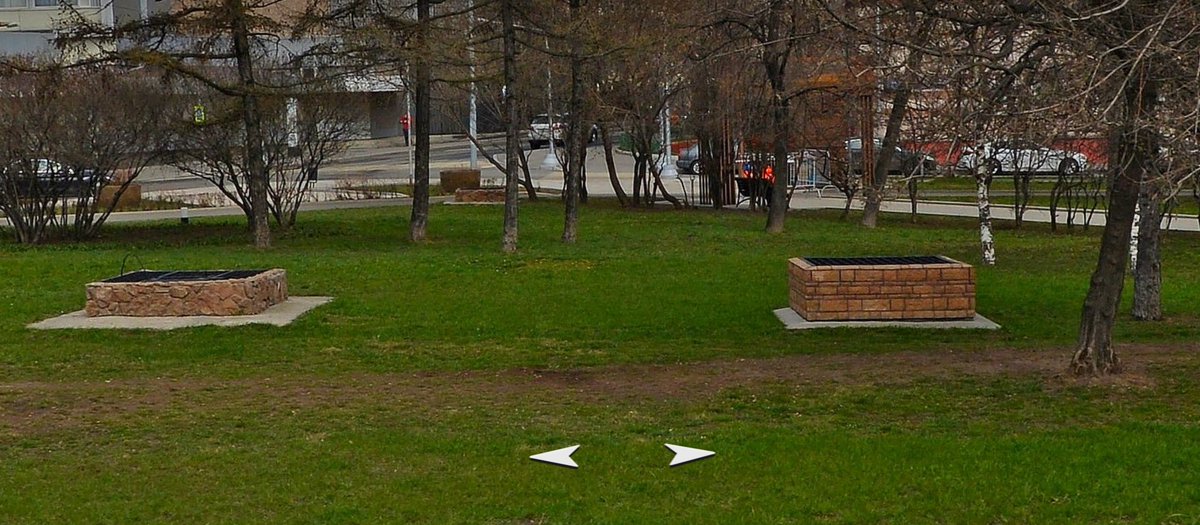
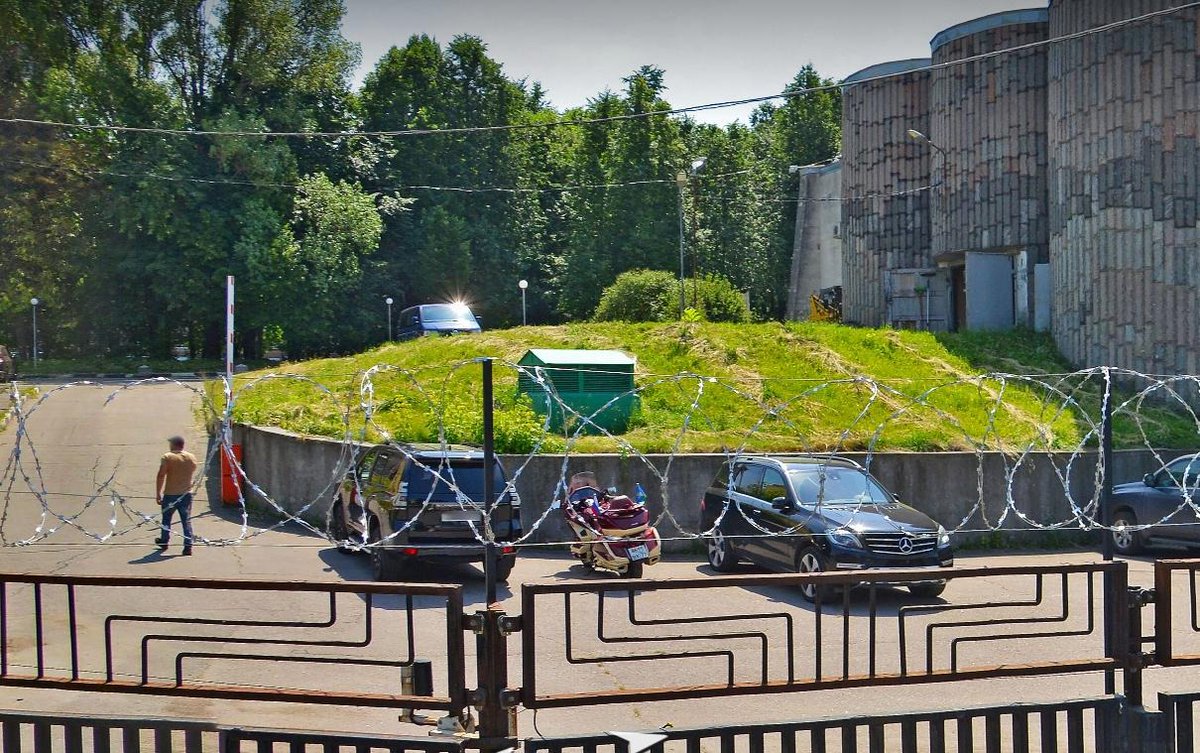
#Moscowsecrets Sometimes, @CKABUSK and I exchange smiles while meticulously mapping out the underground tunnels. And at times, it's as if we're virtually present through Yandex, Streetview, and aerial imagery as ventilation shafts are being renovated. Someone in Moscow has probably also realized that those green pyramids are standing out quite conspicuously in certain locations.
So, what does the Russian government do? They proceed to renovate the ventilation shafts and transform them into more modern-looking air ducts, while also improving the fencing to make the emergency exits more usable. Sometimes, images speak louder than words. Join us in observing the exemplary renovation of a place where several ventilation shafts converge.
Coincidentally, the Yandex and Google cars pass by so frequently that you can simply follow the entire renovation process. 🤣


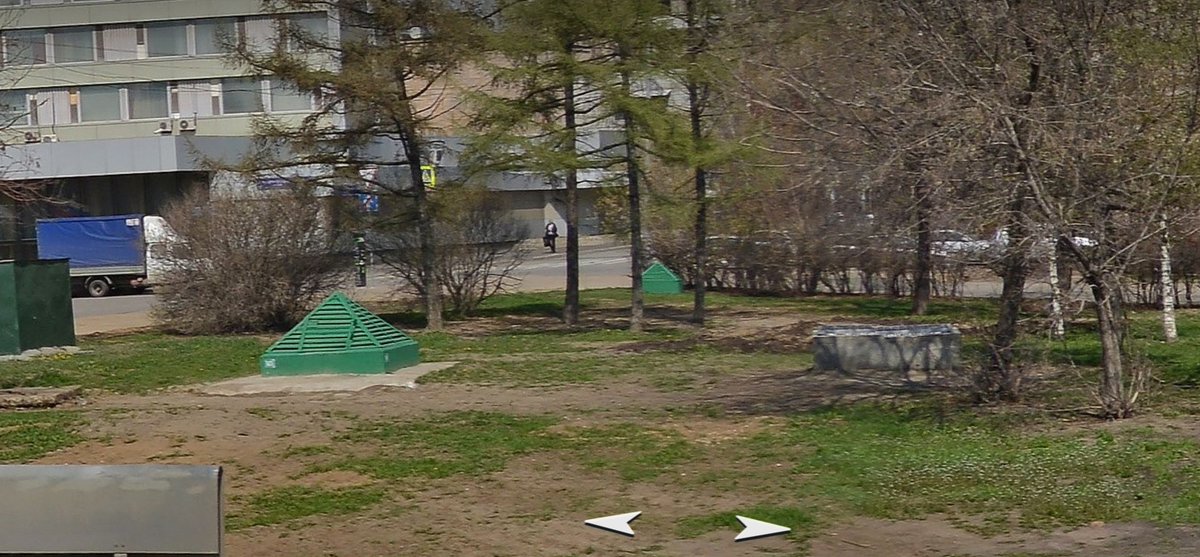
#Moscowsecrets Soms kijken @CKABUSK en ik elkaar aan met een glimlach bij het minitieus in kaart brengen van de ondergrondse tunnels. En soms is het alsof we er via Yandex, Streetview en de luchtbeelden als het ware bij zijn als men de ventilatieschachten renoveert. Iemand in Moskou is waarschijnlijk ook tot de conclusie gekomen dat die groene pyramides op sommige plekken wel heel nadrukkelijk opvallen.
Wat doe je dan als Russische overheid? Dan laat je de ventilatieschachten renoveren en uitvoeren als iets moderner uitziende luchtschachten én je brengt meteen een betere hek aan zodat de nooduitgang bruikbaarder wordt.
Soms zeggen de beelden meer dan woorden. Volg met ons de voorbeeldrenovatie van een plek waar een aantal ventilatieschachten samenkomen.
Toevallig rijden de Yandex en Google auto's zo vaak langs dat je het hele renovatieproces gewoon kunt volgen. 🤣


#moscowsecrets
@Ckabusk en ik hebben inmiddels via het minutieus zoeken naar (belachelijk veel!) ventilatieschachten diverse geheime tunnels gevonden die voor zover wij weten nog niet eerder zo nauwkeurig zijn beschreven en in kaart zijn gebracht.


Last Seen Hashtags on Sotwe
Most Popular Users

Elon Musk 
@elonmusk
240.9M followers

Barack Obama
@barackobama
119.2M followers

Donald J. Trump
@realdonaldtrump
111.8M followers

Cristiano Ronaldo
@cristiano
111.7M followers

Narendra Modi
@narendramodi
107.1M followers

Rihanna
@rihanna
97.9M followers

NASA
@nasa
92.2M followers

Justin Bieber
@justinbieber
91.1M followers

KATY PERRY
@katyperry
88.3M followers

Taylor Swift
@taylorswift13
82.1M followers

Lady Gaga
@ladygaga
73.7M followers

Virat Kohli
@imvkohli
70.9M followers

Kim Kardashian
@kimkardashian
70.1M followers

YouTube
@youtube
68.7M followers

Bill Gates
@billgates
64.2M followers

Neymar Jr
@neymarjr
63.7M followers

The Ellen Show
@theellenshow
62.4M followers

CNN
@cnn
61.8M followers

Selena Gomez
@selenagomez
61.3M followers

X
@x
60.8M followers