

Top Tweets for #Multiclass

WEC fans who race Le Mans Ultimate (the official WEC sim) 🏁 Race Stewards adds a race engineer's view on screen: relative, multiclass standings, fuel, tyres, track map, plus Coach JK on the radio. Free 7 days: https://t.co/t0EGHEypiT
https://t.co/vGS4ZlbZwB

The 2016 YouTube system treats next-watch prediction as extreme multiclass classification:
P(w=i|U,C)=exp(v_iᵀu)/∑_j exp(v_jᵀu)
where u is the DNN-produced user/context embedding and v_i are video embeddings. Training uses sampled softmax with importance weighting.
Ranking applies weighted logistic regression (positives weighted by observed watch time T). Serving computes exp(Wx+b) which approximates expected watch time per impression.

@Asmongold lol I used to be a druid when they were super op and multiclassed and was an absolute dick about it in pvp. Idk be like im boomkin lol 16k crit 1 shotted im healing myself now. Oh cant catch with the flag im a leopard. People hated me my clan loved me because I did all

@eroc0303 Another option: Elf MU/thief. It's my favorite multiclass. 😉 At least in 2e, since it works great. Can't say whether it's as good in 1e.

@Nhraege Bard rogue multiclass with daddy issues in backstory (the daddy issues is a joke.)
@Nhraege False goblin is a sorcerer ranger multiclass. But an interesting idea all the same.

@NanamiEikoCh Definitely sorcerer/ Bard multiclass ^^ feesh sings nicely, but also see you twisting spells via metamagic shenanigans lol

The open-world MMO supports multiplayer exploration, world boss battles, and realtime chat, making the world feel active.
I also liked the mount & pet system, multiclass heroes, fishing, and AFK battle features for more casual progression.

day 29 in a nutshell:
> woke up 7:30, got freshened up
> had a quick workout, then took a bath
> office 10AM - 7:30PM
> solved 4 dsa problems on binary search on answers from @takeUforward_'s #A2Z_DSA_Sheet
> read 5 pages of HoML - roc curve & multiclass classification
> walked 7.9k+ steps.
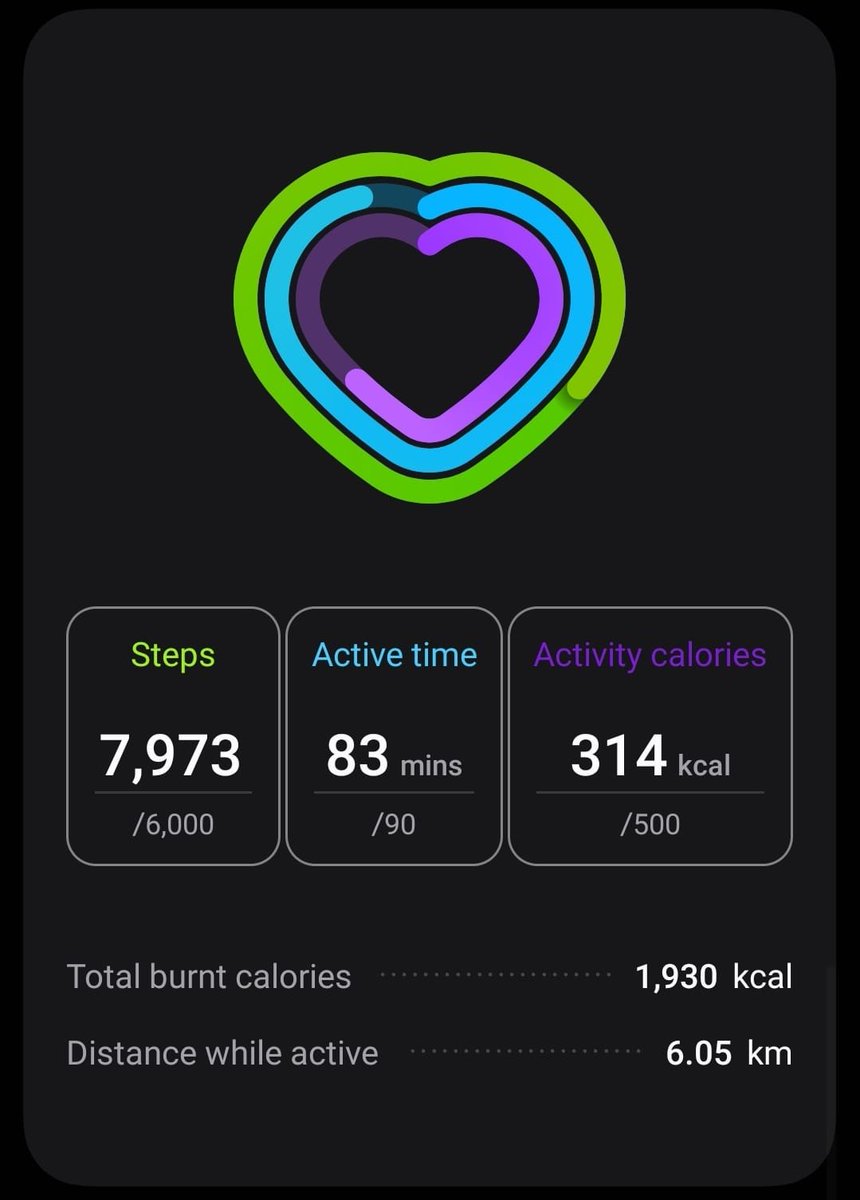
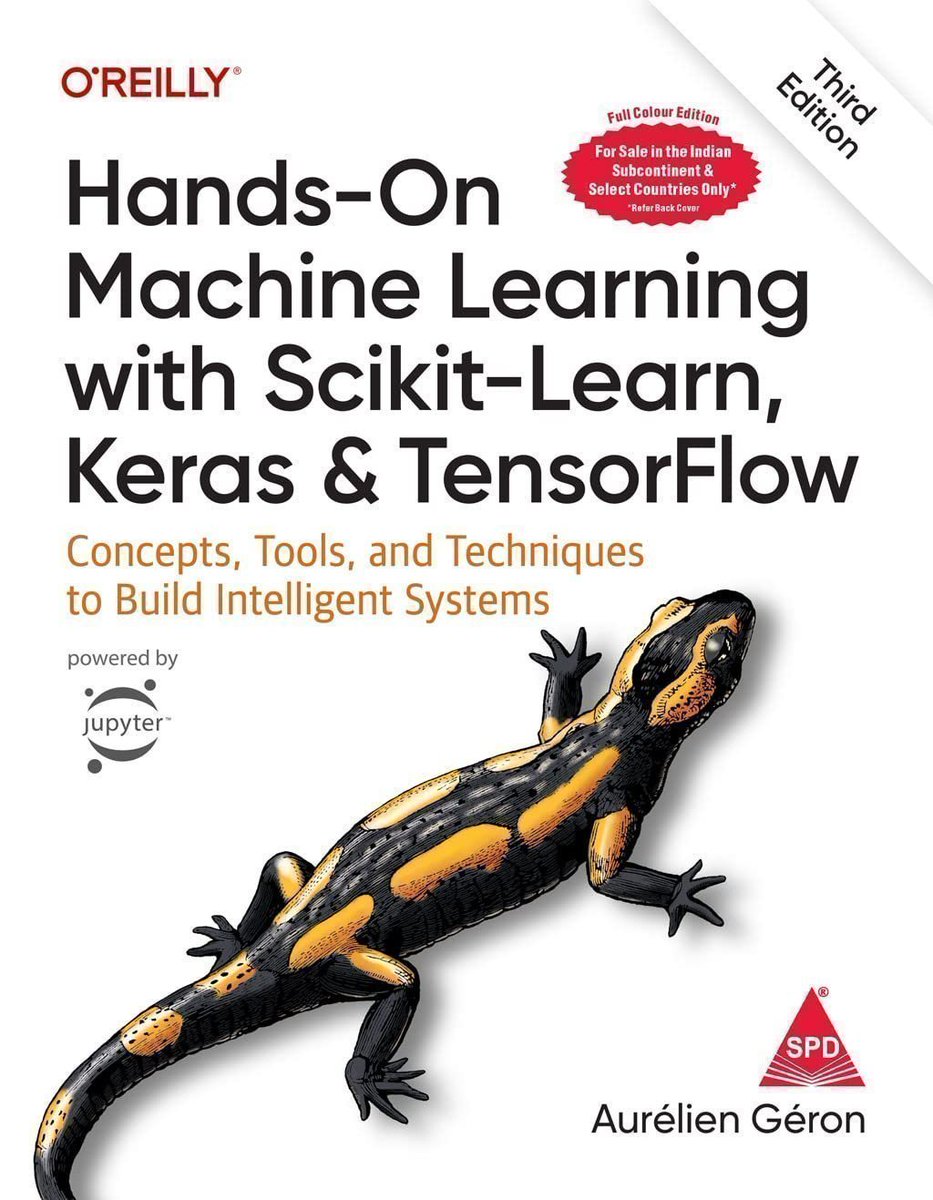

day 28 in a nutshell:
> woke up 8, got freshened up
> had a quick workout, then took a bath
> wfh today (office hours 9-6)
> solved 3 dsa problems on binary search from @takeUforward_'s #A2Z_DSA_Sheet
> read 5 pages of HoML - precision/recall trade-off & roc curve
> walked 4.8k+ steps.
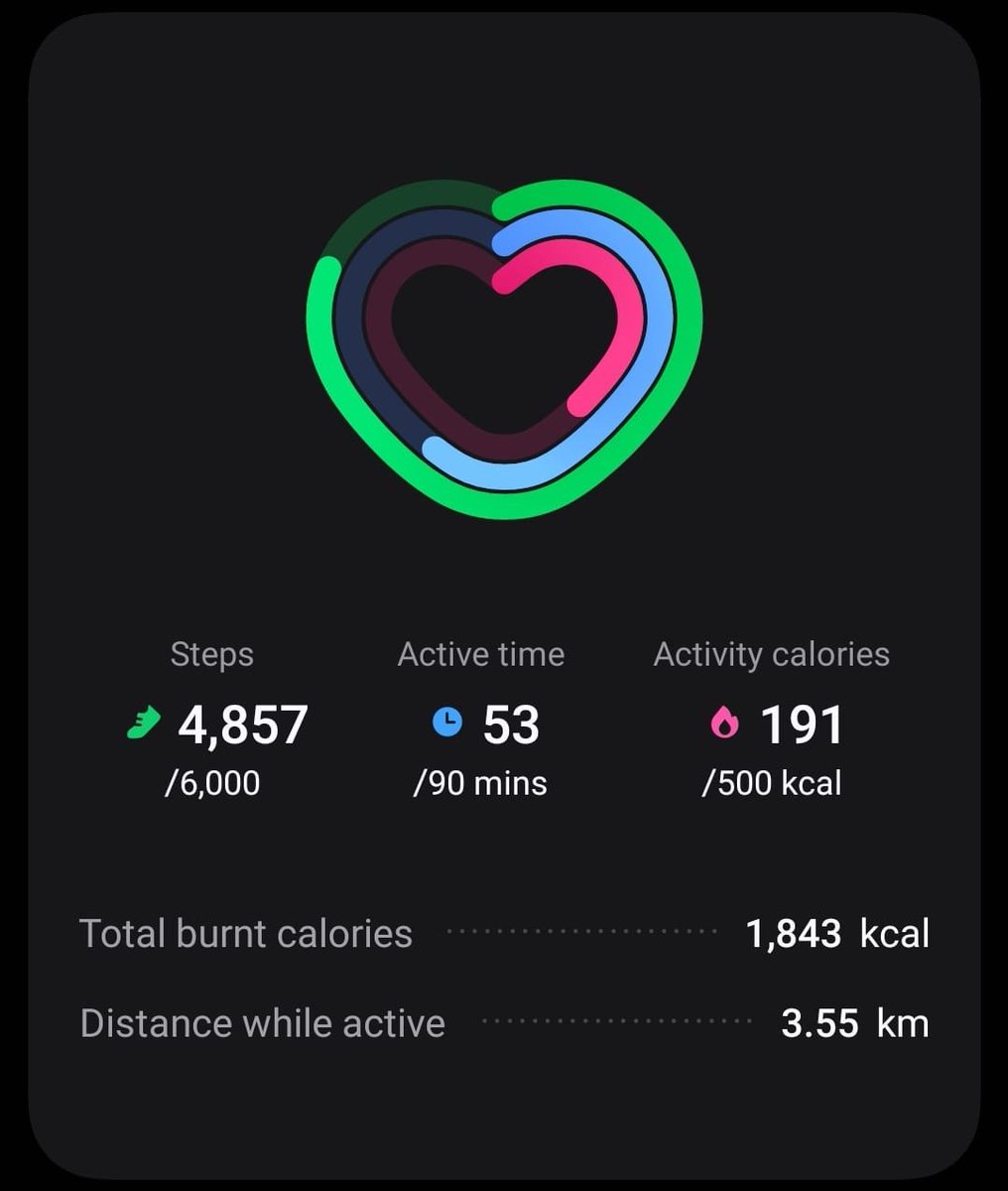
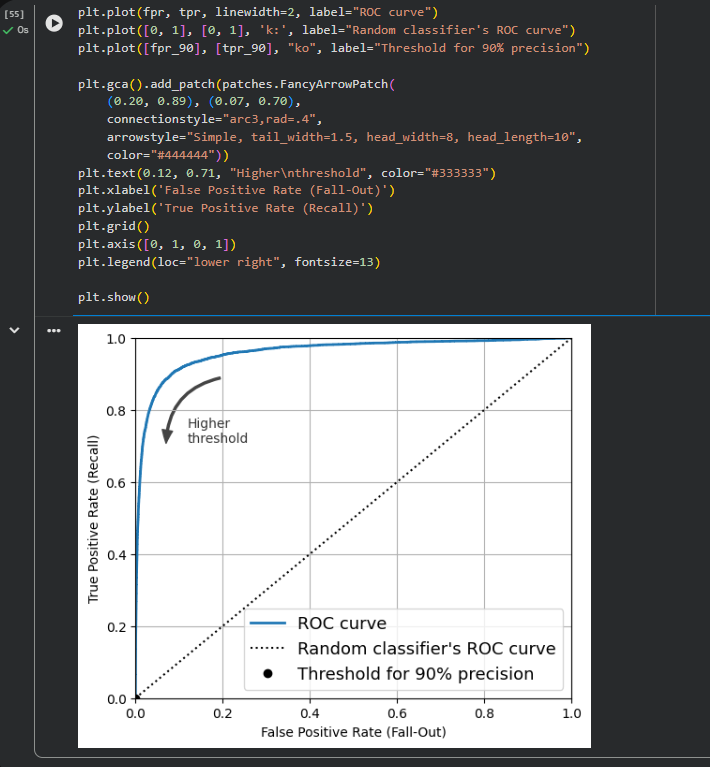
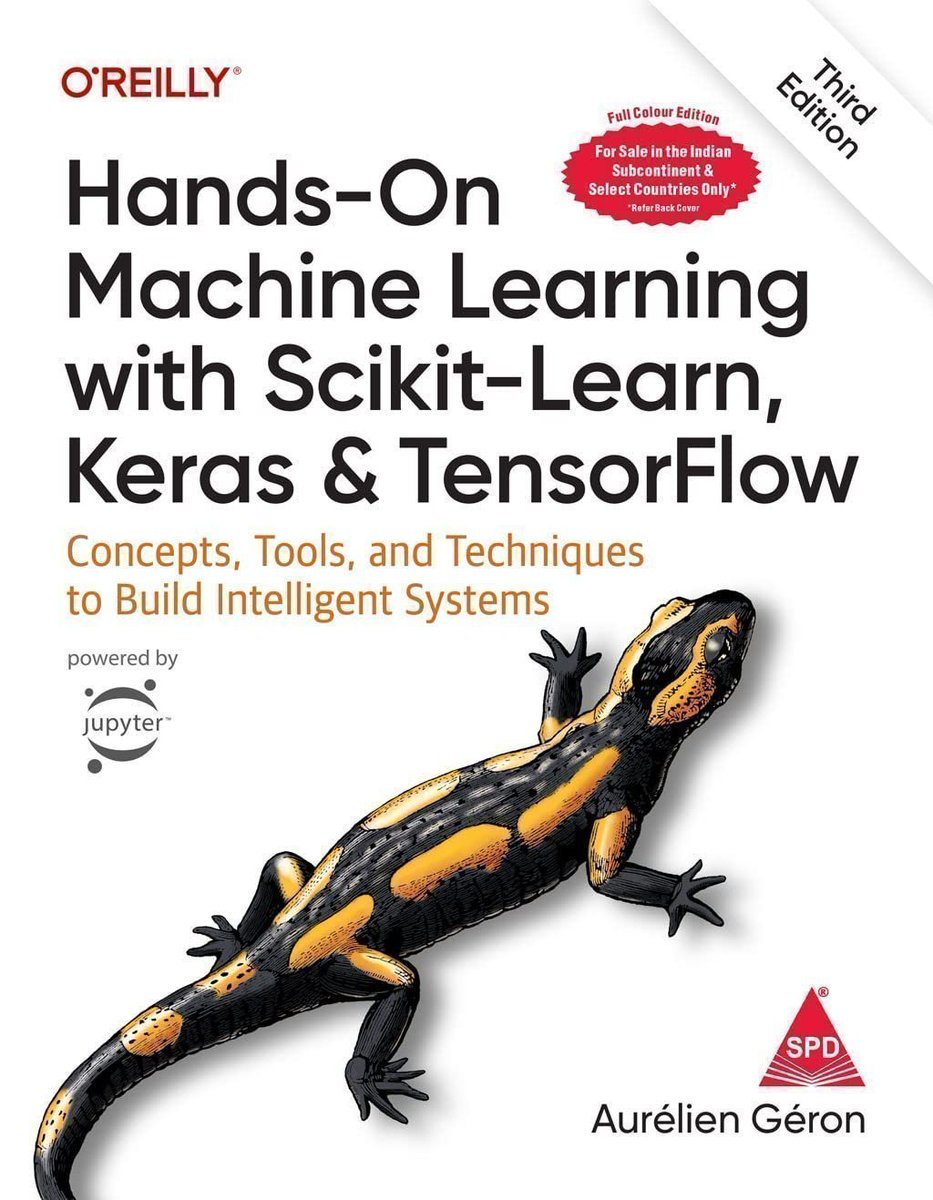
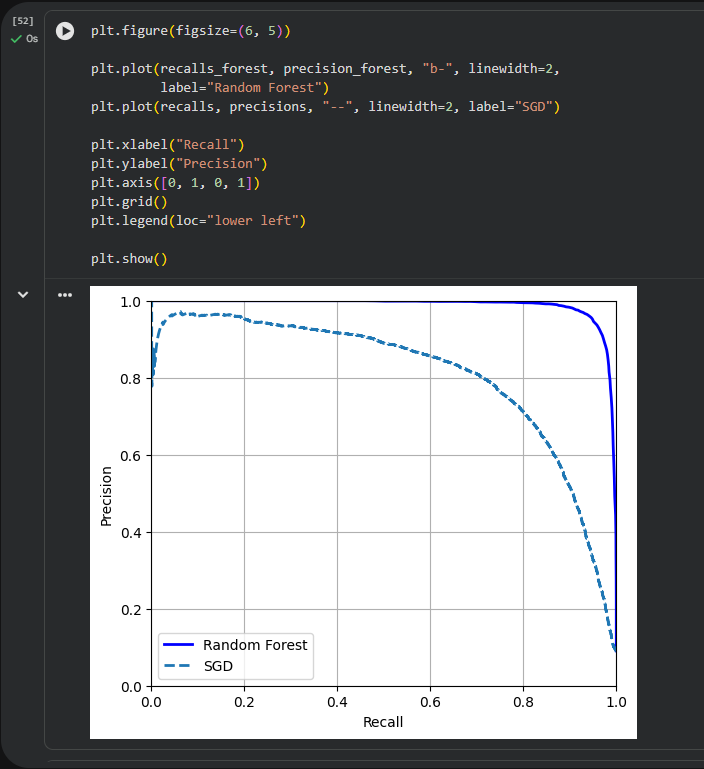
day 16 of Hands-On Machine Learning
> read 5 pages today
> topics covered: ROC Curve and Mulitclass Classification
-> Roc Curve: It's basically the reality check for your model's sensitivity settings. It shows you the exact compromise you have to make, if you want the model to catch more true positives, you have to accept that it's going to trigger more false alarms. It helps you find that specific point where the noise doesn't ruin the results.
-> Multiclass classification: it's a task of classifying instances into one of three or more distinct classes. Unlike binary classification, which deals with two outcomes, multiclass classification maps inputs to multiple categorical labels.
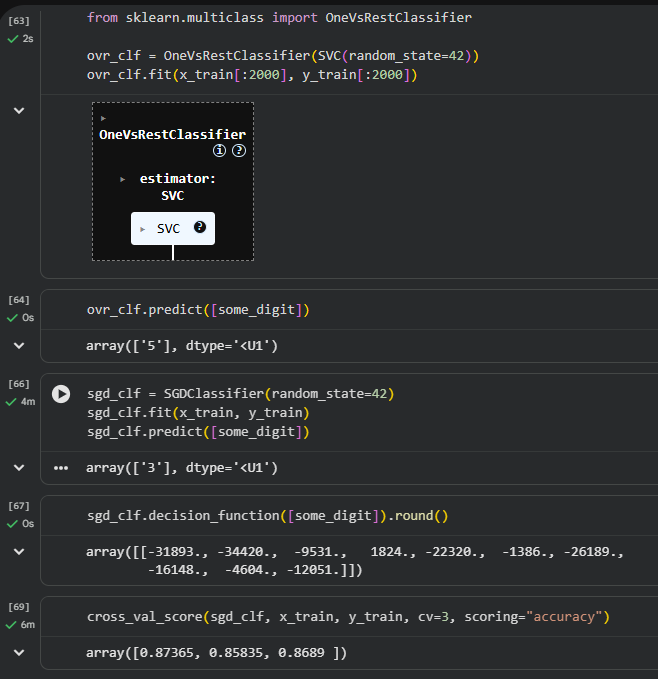
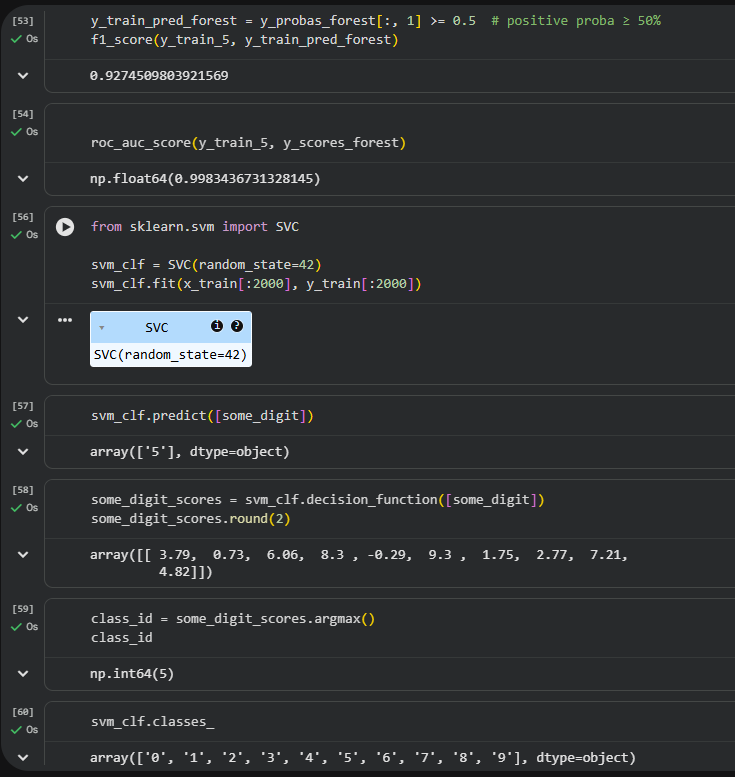

day 15 of Hands-On Machine Learning
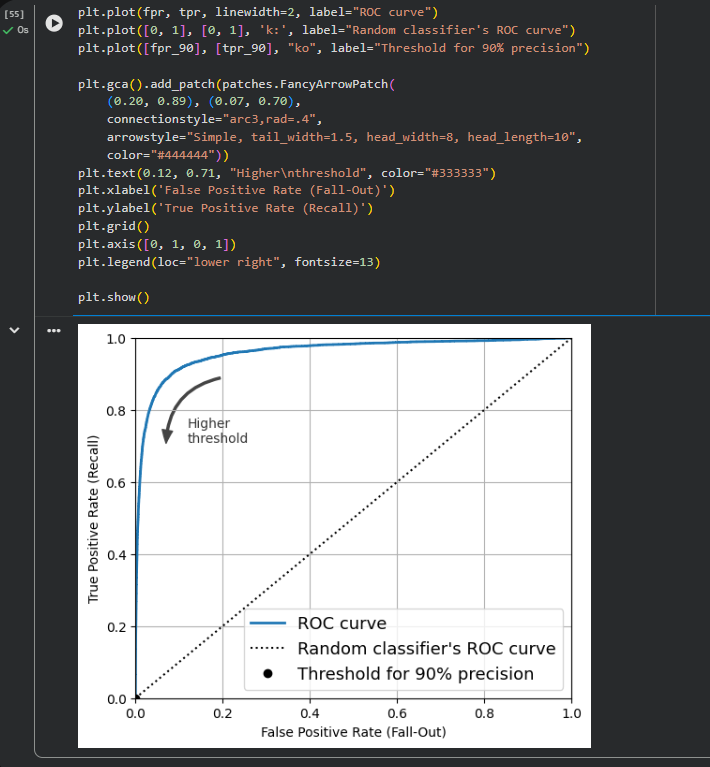
> read 5 pages today
> topics covered: The Precision/Recall Trade-off and ROC Curve
-> precision/recall trade-off: precision and recall move in opposite directions. push the classifier's threshold up & precision rises but recall drops, push it down & recall rises but precision drops. sklearn won't give you the threshold directly, you pull scores via decision_function() and pick your own cutoff.
-> roc curve: plots true positive rate (recall) against false positive rate. the closer the curve hugs the top left corner, the better the classifier
(p.s. roc curve is not completed yet)


did you know?
you can perform multiclass classification using multiple binary classifiers.
suppose you're tasked with creating a system that classifies digit images into 10 classes (0-9). here are the two core strategies to do it:
> One-versus-the-rest (OvR) or One-versus-all
-> you train 10 binary classifiers, one for each digit (a 0-detector, a 1-detector, a 2-detector, etc.). when you want to classify an image, you get the decision score from each individual classifier and simply select the class whose classifier outputs the highest score.
> One-versus-one (OvO)
-> you train a binary classifier for every pair of digits: one to distinguish 0s and 1s, another for 0s and 2s, another for 1s and 2s, and so on. if there are N classes, you need to train N * (N - 1) / 2 classifiers.
> the Trade-Off: for most binary classification algorithms, OvR is the preferred choice.
note: some algorithms (like SVM classifiers) scale poorly with the size of the training set. for these specific algorithms, OvO is actually preferred because it is faster to train many classifiers on small training sets than to train a few classifiers on large training sets.

Day 3: AI at a Glance
>>Continued the Machine Learning Specialization
>Neural Networks & Forward Propagation
-Forward propagation in a single layer
-General implementation of forward propagation
>Speculations on Artificial General Intelligence (AGI)
>Vectorization
-How neural networks are implemented efficiently
-Matrix multiplication
-Matrix multiplication rules
-Matrix multiplication code
>Neural Network Training
-TensorFlow implementation
-Training details
>Activation Functions
-Why do we need activation functions?
-Alternatives to the sigmoid activation function
-Choosing activation functions
>Multiclass Classification
-Softmax
-Neural network with Softmax output
-Improved implementation of Softmax
-Classification with multiple outputs
>Backpropagation
-What is a derivative?
-Computation graph
-Larger neural network


@FunKatComix I was always a fan of rangers or fighter/wizard multiclass

(3/6) Novas Mecânicas Já Presentes no Projeto!
Afinando a Membrana. Regra detalhada trazendo mais divisões e efeitos mais complexos para o enfraquecimento da membrana, tendo inclusive regras para a membrana rompida.
Armamentos Únicos. Uma mecânica exclusiva para criação de armas e proteções com propriedades diferentes conforme o material e estilo de construção utilizados. Isso inclui, até mesmo, novos efeitos paranormais.
Armas de Torre. Um novo tipo de armas, que não podem ser transportadas facilmente, precisando ser previamente instaladas, para serem utilizadas.
Berçário Paranormal. Filhotes de criaturas já existentes, com conceitos próximos, mas que se adequem à sua nova manifestação. Além de como adotar tais seres. As 15 criaturas selecionadas para receberem estas versões são: Amigo Imaginário, Anjo, Bicho-Papão, Carniçal Preto da Morte, Degolificada, Enpap-X, Espreitador, Estrangeiro, Kérberos, Nidere, Quibungo, Succ, Sukkalgir, Telopsia e Viajante.
Combate Aprimorado. Regras alternativas para combate, permitindo que se tenha disputas mais detalhadas e com opções mais realistas.
Combates Motorizados. Regras para como realizar combates em veículos.
Componentes Escassos. Mecânica para componentes serem consumíveis, mas podendo ser adquiridos com maior facilidade, gerando uma preocupação maior com tais recursos, mas criando uma maior imersão neste processo.
Conjuração Simbólica. Uma regra que combina a conjuração apresentada no livro básico e a conjuração complexa do Sobrevivendo ao Horror, gerando uma forma híbrida de se utilizar os rituais, dando maior foco ao uso dos símbolos.
Corpos Animados. Conjunto de regras para se criar e utilizar seres artificiais, podendo ou não ter influência do Paranormal sobre eles.
Crescente de Criaturas. Mecânica para criaturas evoluírem, se adequando à Realidade. Todas as criaturas oficiais possuem uma extensão de sua ficha compatível com esta mecânica.
Criação de Bases. Uma regra para criar sua própria base em um local, como feito pela Ordem em Enigma do Medo.
Desafios Esportivos. Regras para a realização de qualquer competição ou disputa realizada com esportes.
Desconjurando e a Calamidade. Regras para realizar a Desconjuração com cada uma das classes e para fazer A Calamidade. Tais regras trazem consigo 10 rituais de 5° círculo e 1 ritual de 6° círculo.
Doenças Paranormais. 30 Doenças geradas pelo Outro Lado para infectarem humanos, como a Licantropia.
Evolução Natural. Uma regra que lhe permite evoluir seu personagem ao longo do tempo, utilizando treinamentos constantes, ao invés de simplesmente receber uma melhora mecânica por aumento de NEX.
Expectativa de Vida. Uma regra para calcular a expectativa de vida de cada personagem, sendo a base para a utilização de muitos efeitos de Morte.
Explorando o Passado. Mecânica para adicionar uma nova perícia, Sociedade que foca no estudo da sociedade no passado, misturando múltiplos conhecimentos relacionados a acontecimentos passados e ao desenvolvimento humano.
Exposição Parassocial. Uma regra sobre a fama e como lidar com ela.
Frenesi. Uma nova condição que visa representar a perda de controle humano, fazendo seus alvos sucumbirem a seus instintos mais bestiais.
Investigação Viva. Regra alternativa para a realização de investigações, removendo a perícia Investigação e dando mais foco para outras perícias.
Itens Conscientes. Maldições capazes de gerar e alterar consciências em itens amaldiçoados, permitindo que ajam como NPCs.
Itens de Conjunto. Itens amaldiçoados que possuem efeitos únicos ao serem utilizados em conjuntos.
Itens Quase Inúteis. 50 itens Paranormais com funções duvidosas e um tanto cômicas, não oferecendo grande poderio, mas podendo ser úteis em situações específicas.
Limiar da Humanidade. Uma regra que fornece benefícios ao se atingir o Limite da capacidade humana, tornando personagens e ameaças que a superem, ainda mais poderosos.
Manifestações Primárias. Rituais de círculo 0, possuindo um menor poderio, mas podendo ser utilizados para adicionar grande versatilidade para todos que os possuem, representando as menores manifestações do Outro Lado na Realidade.
Maldições Duplas. Itens amaldiçoados que carregam em si características de dois elementos.
Mar de Lodo. Como criar, interagir, lidar e utilizar o Lodo.
Melodias Sombrias. 15 músicas alteradas pelo Paranormal, sendo uma enorme fonte de poder para os músicos que possuem coragem o suficiente para se arriscar com o Outro Lado, tocando suas sinfonias.
Multiclasse. Uma abordagem amigável e simples de como criar personagens de múltiplas classes.
Novos Efeitos Climáticos. Conjuntos de novos efeitos relacionados ao clima espalhados por todo o suplemento, trazendo climas paranormais, ou até mesmo interações únicas de cada clima com novas ferramentas apresentadas (como Veículos).
Novos Usos de Perícia. Ao longo de todo o projeto, mais de 20 novos usos de perícia serão adicionados, permitindo um maior leque de opções em seu jogo.
O Outro Lado e a Fé. Como o Paranormal e os Elementos interagem, se misturam e são influenciados pelo conceito da fé.
Objetos Danificados. Como utilizar e encontrar objetos danificados ou que foram gerados com defeitos, podendo adquiri-los em missão por custos menores.
Objetos Desproporcionais. Uma simples regra para a utilização de itens feitos para seres de diferentes tamanhos.
Orçamento Variável. Um conjunto de regras para personagens e organizações adquirirem mais recursos para serem utilizados em missões.
Parede de Escudos. Mecânica para utilizar escudos para defender outros seres, podendo prendê-los ao solo.
Pequenos Perigos. Regra para Criaturas Paranormais mais simples e frágeis, tendo VD 2, 5 ou 10.
Peso da Morte. Mecânica para que, quando pessoas morrerem em áreas de membrana frágil, se tornem Criaturas Paranormais após a passagem do tempo.
PETs Paranormais. Aliados especiais, gerados a partir de animais que sofreram influência direta do Outro Lado.
Poder de Compra. Regra alternativa para a utilização de dinheiro em Ordem, permitindo campanhas com orçamentos mais realistas.
Poder do Amor. Regra que permite que relacionamentos forneçam bônus e penalidades aos seus membros.
Poderes de Resenha. Uma regra cômica que adiciona novos poderes puramente com o objetivo de "farmar aura".
Poderes Evolutivos. 100 poderes que servem diretamente para potencializar poderes já existentes, tornando-os ainda melhores.
Potencial Comum. Um segundo poder para cada origem, permitindo um maior poder para os simples humanos, além disso, esta regra também fornece uma maior customização, permitindo que duas origens sejam escolhidas por um único personagem.
Quebrando Tudo. Regra para utilizar a manobra quebrar em partes do corpo, oferecendo penalidades localizadas para tais ferimentos.
Receitas Paranormais. Receitas de como criar 21 pratos especiais feitos de resquícios do Outro Lado.
Regra 0413. Uma regra opcional para que este número tenha mais impacto em mesas.
Rituais Múltiplos. Rituais com versões de mais de um elemento, podendo ser utilizadas em conjunto ou em versões completamente independentes.
Sob Pressão. Mecânica criada para tornar mais realistas cenas em que personagens estão embaixo d'água ou em locais muito altos, alterando a pressão que estão sentindo.
Solidão Gravitacional. Regras para como realizar missões em gravidade 0.
Trabalhando Com Tempo. Novas ações de interlúdio e novas maneiras de utilizar as cenas de interlúdio.
Trilhas Gerais. Trilhas que podem ser escolhidas independentemente da classe que o personagem possui.
Trilhas Variantes. Versões alternativas para cada trilha, diferenciando-se da versão original a partir de ramificações iniciadas em suas segundas habilidades.
Um Universo de Possibilidades. Regra para fenômenos astronômicos interagirem com o Paranormal, como alinhamentos planetários, anos bissextos, auroras, chuvas de meteoros, eclipses e até mesmo Luas de Sangue.
Uma Questão de Sorte. Uma regra para utilizar a sorte como um fator mecânico, sendo muito afetada pelo caos do elemento de Energia.
Vegetação Paranormal. 20 plantas e fungos tomados pelo Paranormal, servindo como novos tipos de ameaças.
Veículos e Pilotagem. Uma mecânica detalhada de como utilizar e adquirir 42 veículos diferentes, tendo também regras para direção, manutenção e como eles são afetados pelos climas.
Vestimentas Simples. Um conjunto de itens que possuem efeitos menores, podendo ser utilizados ocupando apenas metade do espaço de uma vestimenta.
Vivência Amaldiçoada. Regra para que pessoas criem e possam ser atingidas pelos efeitos de maldições, sofrendo até o fim de suas vidas.


Precision = TP / (TP + FP)
• Recall: Of all actual positives, how many did we catch?
Recall = TP / (TP + FN)
Use average='macro' for multiclass problems.
🔹 F1 Score
from sklearn.metrics import f1_score
f1 = f1_score(y_test, y_pred, average='macro')
👇

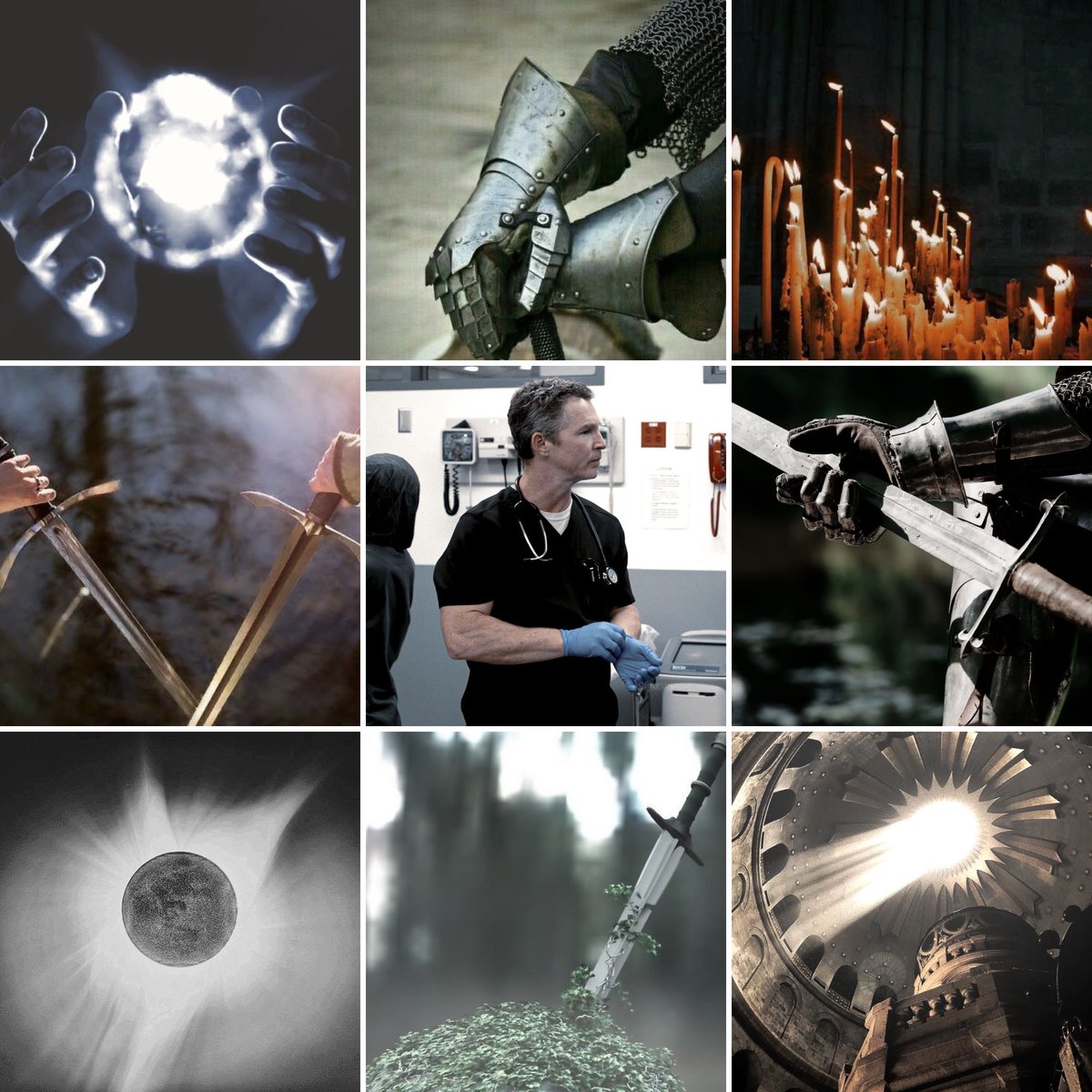
༄.° Dr. Jack Abbot - Oath of The Ancients Paladin, multiclass Twilight Domain Cleric. Oath of The Ancients holds Paladins to act with forgiveness, laughter, and mercy against darkness and despair. The Twilight Domain guards against the night, and offers great protection.

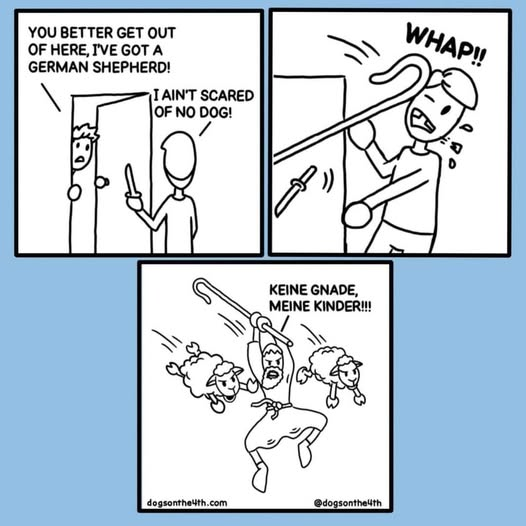
Ok maybe I will play a monk druid multiclass


@BlackoutMauro Oh yes absolutely
Especially because there is a subclass for Warlock called Djinn
However I think he is predominantly Paladin because of his promise to be Nashallah’s bodyguard (oath of the crown)
He’s definitely a Paladin/Warlock multiclass but I didn’t include that in the list
Time to combine my 2 fixations and create a tier list of Deadlock characters as DnD classes and a thread explaining what their subclasses(/multiclasses) would be

It's usually around class distinctions. Most spell casters have a finite list of spells known that they only gain at levels. (and can swap at level gains)
A handful get to prepare spells, and even in older editions, the new player almost always thinks you can only cast a prepared spell once. So if I want 2 magic missiles, I have to prepare 2 magic missiles.
If they are not new, but only played a bard, they are now going to forget to prepare spells, and when they do, they might only prepare a number of spells that match their spell slot counts, or some variation because the number is a somewhat complex calculation that makes little sense written out.
Personally I ALWAYS do multiclassing wrong. I get the idea of combining caster and half caster levels, but I forget that it exists and often mark down my class spell slots separately because I literally forget it has special rules.
In 5e those special rules actually matter a lot, because spell slot types matter. i.e. converting spell slots to points or vice versa, or converting them into a resource. It generally hinges around warlock slots and pact magic but it's pretty common to run into something weird. Like spell caching, or items that accidentally exclude warlocks above a certain level, or a magic item that requires a spell slot but has no indication of what happens if you're a martial.
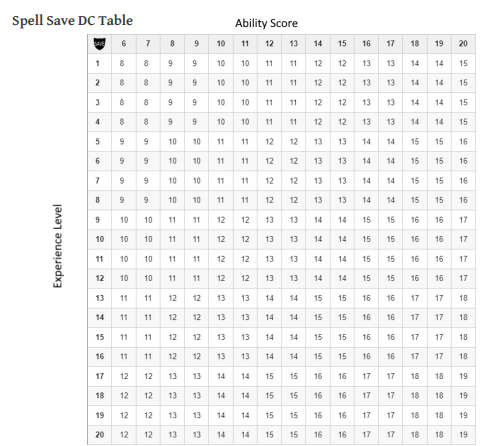
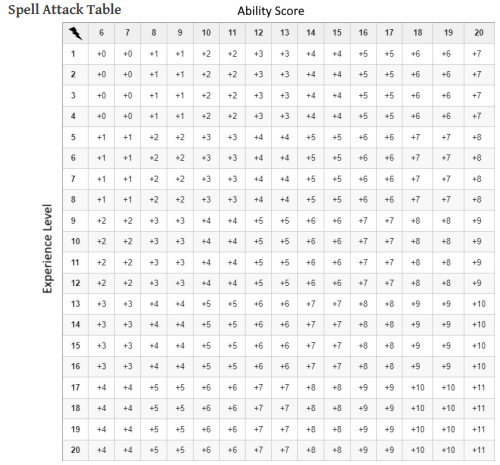
I just find nobody is ever willing to look it up at the time, so you get weird rule collisions that are hard to find an answer to quickly. And the general player, even experienced ones, will confuse similar terminology. Like Spell Ability Modifier, Spell Attack Roll, and Spell Save DC. Which is why I made these so you don't have to find the calculations:

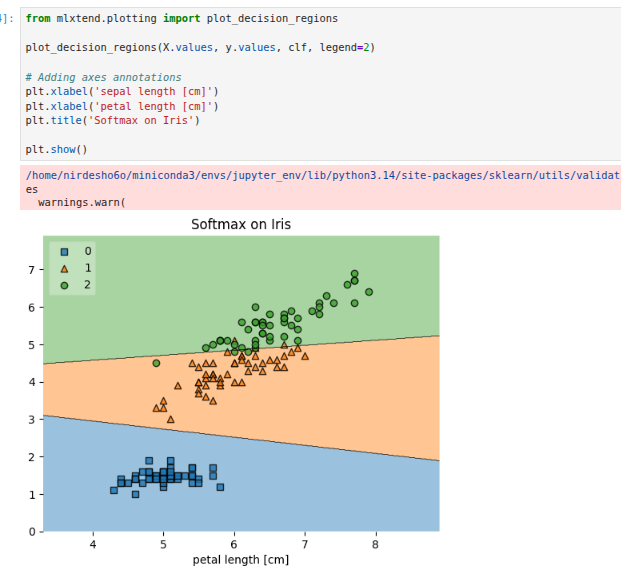
>SR classifier predicts only one class at a time ( it is multiclass, not multioutput) so it should be used only with mutually exclusive classes such as different types of plants.
>You cannot use it to recognize multiple people in one picture.
Thank me later....

📒 Notebook shared for anyone who wants to experiment with multiclass text classification: https://t.co/CNF1zt2q85

Here’s what you’ll learn:
Notebook 1.1 - Background mathematics
Notebook 2.1 - Supervised learning
Notebook 3.1 - Shallow networks I
Notebook 3.2 - Shallow networks II
Notebook 3.3 - Shallow network regions
Notebook 3.4 - Activation functions
Notebook 4.1 - Composing networks
Notebook 4.2 - Clipping functions
Notebook 4.3 - Deep networks
Notebook 5.1 - Least squares loss
Notebook 5.2 - Binary cross-entropy loss
Notebook 5.3 - Multiclass cross-entropy loss
Notebook 6.1 - Line search
Notebook 6.2 - Gradient descent
Notebook 6.3 - Stochastic gradient descent
Notebook 6.4 - Momentum
Notebook 6.5 - Adam
Notebook 7.1 - Backpropagation in toy model
Notebook 7.2 - Backpropagation
Notebook 7.3 - Initialization
Notebook 8.1 - MNIST-1D performance
Notebook 8.2 - Bias-variance trade-off
Notebook 8.3 - Double descent
Notebook 8.4 - High-dimensional spaces
Notebook 9.1 - L2 regularization
Notebook 9.2 - Implicit regularization
Notebook 9.3 - Ensembling
Notebook 9.4 - Bayesian approach
Notebook 9.5 - Augmentation
Notebook 10.1 - 1D convolution
Notebook 10.2 - Convolution for MNIST-1D
Notebook 10.3 - 2D convolution
Notebook 10.4 - Downsampling & upsampling
Notebook 10.5 - Convolution for MNIST
Notebook 11.1 - Shattered gradients
Notebook 11.2 - Residual networks
Notebook 11.3 - Batch normalization
Notebook 12.1 - Self-attention
Notebook 12.2 - Multi-head self-attention
Notebook 12.3 - Tokenization
Notebook 12.4 - Decoding strategies
Notebook 13.1 - Encoding graphs
Notebook 13.2 - Graph classification
Notebook 13.3 - Neighborhood sampling
Notebook 13.4 - Graph attention
Notebook 15.1 - GAN toy example
Notebook 15.2 - Wasserstein distance
Notebook 16.1 - 1D normalizing flows
Notebook 16.2 - Autoregressive flows
Notebook 16.3 - Contraction mappings
Notebook 17.1 - Latent variable models
Notebook 17.2 - Reparameterization trick
Notebook 17.3 - Importance sampling
Notebook 18.1 - Diffusion encoder
Notebook 18.2 - 1D diffusion model
Notebook 18.3 - Reparameterized model
Notebook 18.4 - Families of diffusion models
Notebook 19.1 - Markov decision processes
Notebook 19.2 - Dynamic programming
Notebook 19.3 - Monte-Carlo methods
Notebook 19.4 - Temporal difference methods
Notebook 19.5 - Control variates
Notebook 20.1 - Random data
Notebook 20.2 - Full-batch gradient descent
Notebook 20.3 - Lottery tickets
Notebook 20.4 - Adversarial attacks
Notebook 21.1 - Bias mitigation
Notebook 21.2 - Explainability
Here's the resource: https://t.co/AW01sBiON1

@ajwardens @OnikamiSeiji @LeonikVladof @ajwardens you are 100% on the money!! in D&D I would be built as a Rogue/Bard multiclass ^_^


Day 40 of building a gamified RPG for founders
- Dispatched the next batch of MVP invites
- Grinding through the "Academic" side-quest
- Multiclassing is exhausting
The hardest mechanic in real life is Context Switching.

ML Day 23: Studied precision and recall and how to choose them based on Type I vs Type II errors.
-Learned that F1-score is the harmonic mean, penalizing the lower of precision or recall.
-Covered multiclass metrics (macro/weighted).
-Ended with multinomial logistic regression
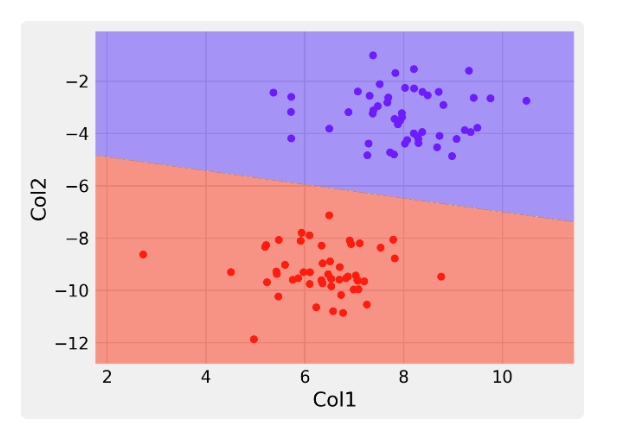

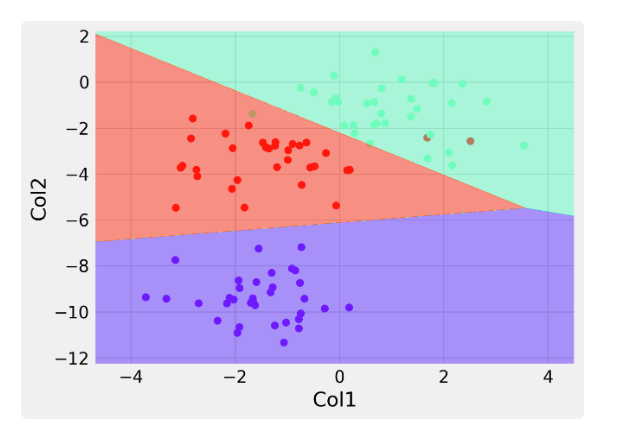
ML Day 22: Derived the logistic regression loss function using gradient descent.
-Then studied classification metrics: accuracy and confusion matrix, including multiclass cases.
-Understood why accuracy is misleading for imbalanced datasets and why precision, recall are essential
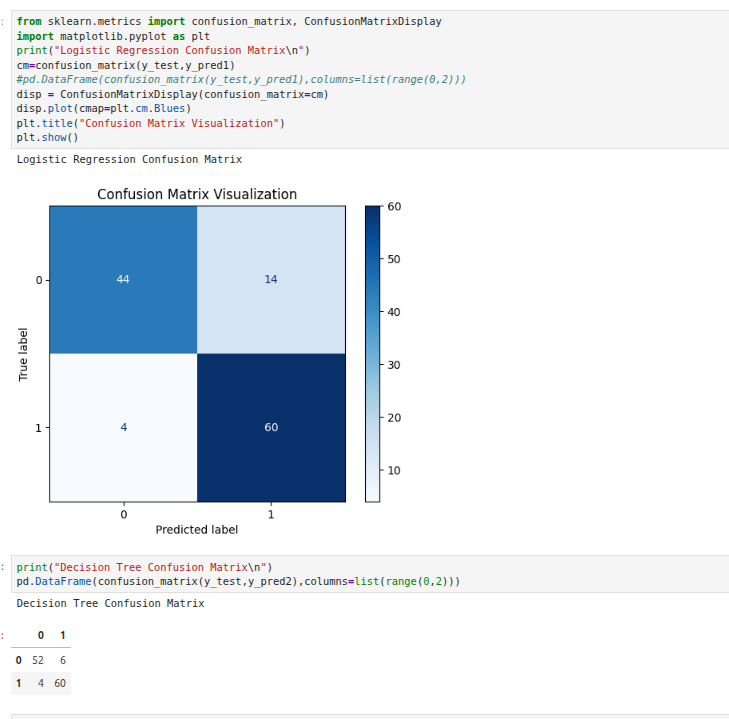
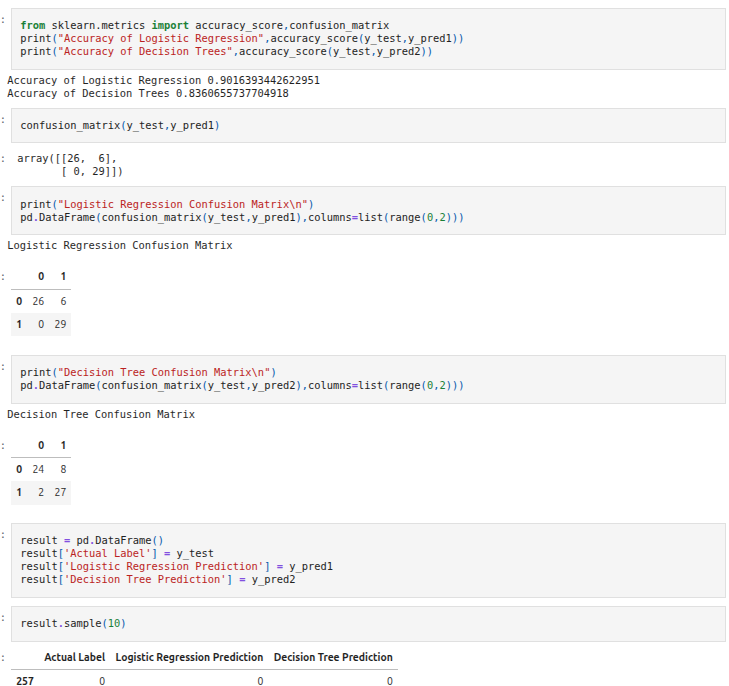
ML Day 22: Derived the logistic regression loss function using gradient descent.
-Then studied classification metrics: accuracy and confusion matrix, including multiclass cases.
-Understood why accuracy is misleading for imbalanced datasets and why precision, recall are essential
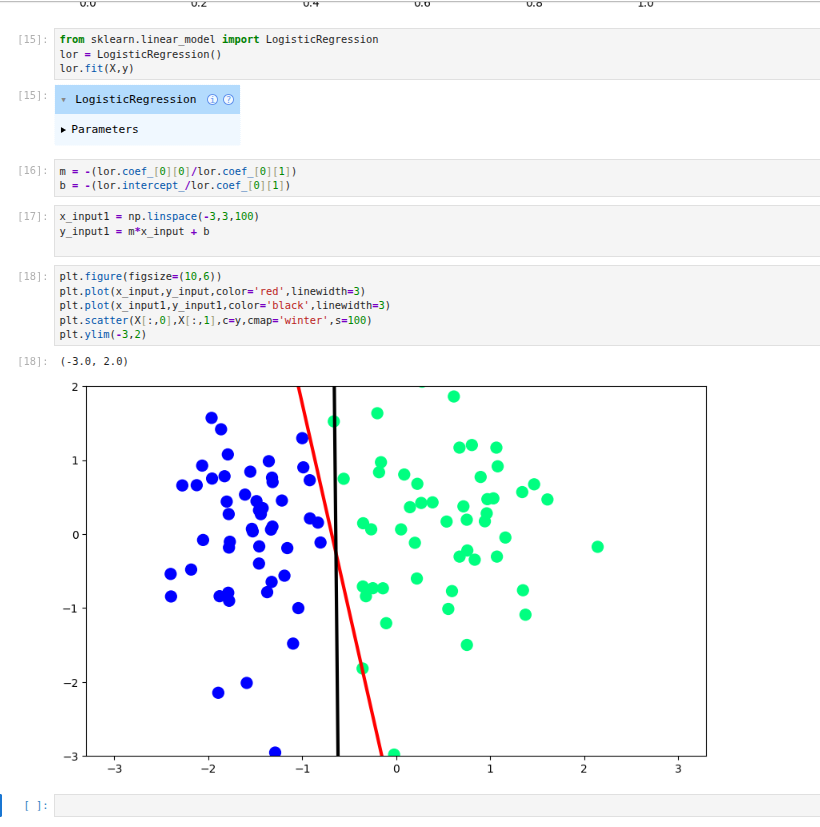
ML Day 21: Started Logistic Regression
-Studied it from two perspectives: geometric and probabilistic
-Learned the perceptron trick, why the sigmoid function is needed for better performance, and why loss function must be modified
-Will minimize loss by gradient descent tomorrow.

@Lemomand @teehee_vibes I think Jay would play a Paladin or maybe like a war cleric i feel like she’d want something that can support but also hit hard. And I think Thanatos would just play himself so he’d play an Oathbreaker Paladin but I think he might multiclass with a pact of the fiend warlock

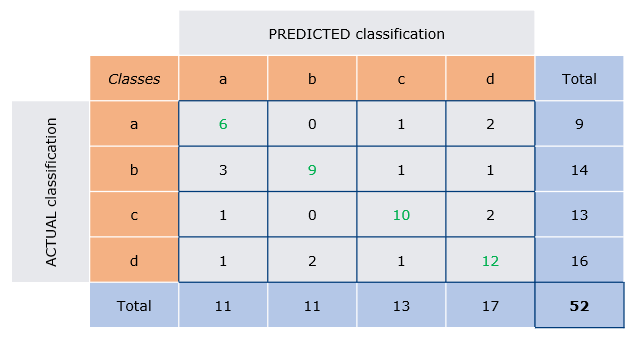
Yesterday while practicing supervised learning, I discovered something new. A multiclass confusion matrix.
I had only implemented binary confusion matrices before.
It reminded me that learning never stops. Every day you practice, you level up. Keep learning and stay curious.💪
Last Seen Hashtags on Sotwe
RedteamTools
Seen from United States
baited
Seen from Peru
snowbunny sweden
Seen from Pakistan
somethingbetter
Seen from United States
𝓣itty𝓣uesday
Seen from United States
wata #hard
Seen from Pakistan
موجب_الرياض_سالب_الرياض_مبادل_الرياض
Seen from Germany
미시
Seen from Korea
عمه_للكلاب
Seen from Kuwait
sister
Seen from India
Most Popular Users

Elon Musk 
@elonmusk
239.6M followers

Barack Obama
@barackobama
118.6M followers

Cristiano Ronaldo
@cristiano
114.3M followers

Donald J. Trump
@realdonaldtrump
111.7M followers

Narendra Modi
@narendramodi
106.9M followers

Rihanna
@rihanna
98.6M followers

NASA
@nasa
92.1M followers

Justin Bieber
@justinbieber
91.7M followers

KATY PERRY
@katyperry
89.9M followers

Taylor Swift
@taylorswift13
83.9M followers

Lady Gaga
@ladygaga
75.4M followers

Virat Kohli
@imvkohli
73.3M followers

Kim Kardashian
@kimkardashian
70.8M followers

YouTube
@youtube
68.6M followers

Neymar Jr
@neymarjr
66.3M followers

Bill Gates
@billgates
65.1M followers

Selena Gomez
@selenagomez
63M followers

The Ellen Show
@theellenshow
62.1M followers

CNN
@cnn
61.7M followers

X
@x
60.6M followers