Top Tweets for #Robotic_surgery
ورشة تدريبية على أحدث أجهزة الروبوت الجراحي (DAVINCI 5) 🤖 🦾
حيث تم استخدامه في العمليات الجراحية بشكل ناجح ولله الحمد
همة حتى القمة 🇸🇦
Training on DaVinci 5 latest edition
It has been used successfully during major surgical operations
High to the sky 🇸🇦
#Robotic_Surgery
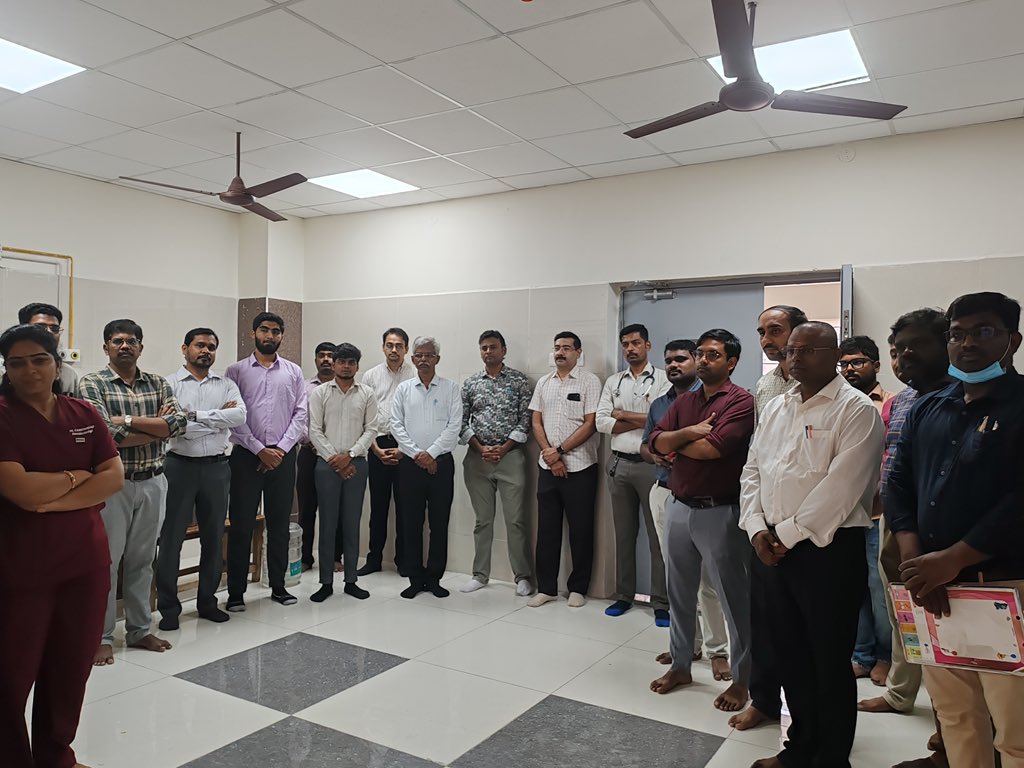
Another milestone in our journey to serve the poor people, #Robotic_surgery has arrived at @gaamch, Kanchipuram, Tamilnadu

Surprisingly... the only thing I don't like to see during #RARP is a huge median lobe! A painful step to excise... but worth every second to keep a clean, elegant bladder neck
#Robotic_Surgery #DaVinci
#الروبوت_الجراحي
#دكتور_أحمد_الفرحان
#سعودي_في_النمسا
Had the honour of meeting BJP National President & Hon'ble Union Minister, Ministry of Health and Family Welfare Shri @JPNadda Ji today in Delhi for a warm and insightful interaction.
We had a detailed discussion on the #Robotic_Surgery — a major leap towards transforming healthcare through cutting-edge technology.
His visionary perspective on technological innovation in the healthcare sector was truly inspiring and motivating.

👋 Tehran University of Medical Sciences proudly announces a series of successful surgeries performed using Iranian-made surgical robots — a remarkable milestone in the advancement of national medical technology🎉
https://t.co/yR3TTjz7qM
#tums #Robotic_Surgery

تزامنا مع المؤتمر السنوي مع الجمعية السعودية لجراحة القولون والمستقيم تم عمل ورش عمل مصاحبة للمؤتمر اليوم بحضور نخبة من جراحي القولون والمستقيم عدد ثلاث ورش عمل
الورشة الاولى جراحة الربوت وهي الاولى من نوعها في المنطقة #robotic_surgery
#SSCRS
#SICDF_25

#الجراحة_الروبوتية
#Robotic_Surgery
حتى تسعينيات القرن العشرين، لم تكن الروبوتات تعتبر ماهرة بما يكفي لمضاهاة مهارات الجرّاح. ومع ذلك، فإن التقدم في تكنولوجيا الروبوتات منذ ذلك الحين قد مكّن من اختراع روبوتات جراحية متطورة.
واليوم، تُجرى العمليات الجراحية بمساعدة الروبوتات بشكل منتظم، حيث تساعد الجراحين البشريين بدلاً من أن تحل محلهم.
تم تطوير أنظمة الجراحة الروبوتية في أواخر التسعينيات، بشكل رئيسي للمساعدة في مجال الجراحة قليلة التوغل المتنامي
. ومن بين أولى أنظمة الروبوتات الجراحية الناجحة كانت إيسوب (AESOP) وزيوس (ZEUS).
وقد حل محلهما نظام دا فينشي الجراحي، الذي وافقت عليه الهيئة التنظيمية في الولايات المتحدة، إدارة الغذاء والدواء، في عام 2000.
تتكون أنظمة الجراحة الروبوتية عادةً من مكونين: الروبوت نفسه ووحدة تحكم منفصلة يستخدمها الجراح البشري للتحكم به. الروبوت، المثبت على عربة، لديه عدة أذرع، إحداها مجهزة بكاميرا منظار داخلي.
الأذرع الأخرى مصممة لحمل الأدوات الجراحية مثل المشارط والمقصات ومعدات الكي. هذه الأذرع قادرة على مجموعة واسعة من الحركات، ويمكن التحكم بها من قبل الجراح بدرجة عالية من الدقة.
يستجيب الروبوت لحركة يد وقدم الجراح، ولكنه يمكن أيضاً تحسينها من خلال اكتشاف وإزالة أي رعشة في يد الجراح، وتقليل نطاق الحركة لتمكين حركات دقيقة للغاية.
"... الأذرع الشبيهة بالثعبان من خلال [فتحة] صغيرة... من شأنها أن تغير [طبيعة] الجراحة."
- مايكل باليس، مدير جراحة المسالك البولية قليلة التوغل في مستشفى ماونت سيناي، مدينة نيويورك، 2012
Until the 1990s, robots were not considered adept enough to match the skills of a surgeon. However,advances in robotic technology since then have enabled the invention of sophisticated surgical robots.
Today,robotically assisted surgery is performed regularly, aiding rather than replacing human surgeons.
Robotic surgical systems were developed in the late 1990s, mainly to aid the growing field of minimally invasive surgery.
Among the first successful surgical robot
systems were AESOP and ZEUS.
They were superseded by Da Vinci Surgical System, approved by the regulatory body
in the US, the Food and Drug Administration, in 2000.
Robotic surgical systems typically consist of two components: the robot itself and a separate console used by the human surgeon to control it.
Mounted on a cart, the robot has several arms, one of which is equipped with an endoscopic camera.
The other arms are designed to hold surgical tools such as scalpels, scissors, and cauterizing equipment. These arms are capable of a wide range of movements, and can be controlled by the surgeon with a high degree of precision.
The robot responds to the surgeon’s hand
and foot movement, but can also improve them by detecting and removing any tremor in the surgeon, and scaling down the motion to enable extremely precise micro-movements.
“… snakelike arms through [a small] hole… would change[the] nature of surgery.”
MICHAEL PALESE, DIRECTOR OF MINIMALLY INVASIVE UROLOGY AT
MOUNT SINAI HOSPITAL, NEW YORK CITY, 2012
![Dramalshamrani's tweet photo. #الجراحة_الروبوتية
#Robotic_Surgery
حتى تسعينيات القرن العشرين، لم تكن الروبوتات تعتبر ماهرة بما يكفي لمضاهاة مهارات الجرّاح. ومع ذلك، فإن التقدم في تكنولوجيا الروبوتات منذ ذلك الحين قد مكّن من اختراع روبوتات جراحية متطورة.
واليوم، تُجرى العمليات الجراحية بمساعدة الروبوتات بشكل منتظم، حيث تساعد الجراحين البشريين بدلاً من أن تحل محلهم.
تم تطوير أنظمة الجراحة الروبوتية في أواخر التسعينيات، بشكل رئيسي للمساعدة في مجال الجراحة قليلة التوغل المتنامي
. ومن بين أولى أنظمة الروبوتات الجراحية الناجحة كانت إيسوب (AESOP) وزيوس (ZEUS).
وقد حل محلهما نظام دا فينشي الجراحي، الذي وافقت عليه الهيئة التنظيمية في الولايات المتحدة، إدارة الغذاء والدواء، في عام 2000.
تتكون أنظمة الجراحة الروبوتية عادةً من مكونين: الروبوت نفسه ووحدة تحكم منفصلة يستخدمها الجراح البشري للتحكم به. الروبوت، المثبت على عربة، لديه عدة أذرع، إحداها مجهزة بكاميرا منظار داخلي.
الأذرع الأخرى مصممة لحمل الأدوات الجراحية مثل المشارط والمقصات ومعدات الكي. هذه الأذرع قادرة على مجموعة واسعة من الحركات، ويمكن التحكم بها من قبل الجراح بدرجة عالية من الدقة.
يستجيب الروبوت لحركة يد وقدم الجراح، ولكنه يمكن أيضاً تحسينها من خلال اكتشاف وإزالة أي رعشة في يد الجراح، وتقليل نطاق الحركة لتمكين حركات دقيقة للغاية.
"... الأذرع الشبيهة بالثعبان من خلال [فتحة] صغيرة... من شأنها أن تغير [طبيعة] الجراحة."
- مايكل باليس، مدير جراحة المسالك البولية قليلة التوغل في مستشفى ماونت سيناي، مدينة نيويورك، 2012
Until the 1990s, robots were not considered adept enough to match the skills of a surgeon. However,advances in robotic technology since then have enabled the invention of sophisticated surgical robots.
Today,robotically assisted surgery is performed regularly, aiding rather than replacing human surgeons.
Robotic surgical systems were developed in the late 1990s, mainly to aid the growing field of minimally invasive surgery.
Among the first successful surgical robot
systems were AESOP and ZEUS.
They were superseded by Da Vinci Surgical System, approved by the regulatory body
in the US, the Food and Drug Administration, in 2000.
Robotic surgical systems typically consist of two components: the robot itself and a separate console used by the human surgeon to control it.
Mounted on a cart, the robot has several arms, one of which is equipped with an endoscopic camera.
The other arms are designed to hold surgical tools such as scalpels, scissors, and cauterizing equipment. These arms are capable of a wide range of movements, and can be controlled by the surgeon with a high degree of precision.
The robot responds to the surgeon’s hand
and foot movement, but can also improve them by detecting and removing any tremor in the surgeon, and scaling down the motion to enable extremely precise micro-movements.
“… snakelike arms through [a small] hole… would change[the] nature of surgery.”
MICHAEL PALESE, DIRECTOR OF MINIMALLY INVASIVE UROLOGY AT
MOUNT SINAI HOSPITAL, NEW YORK CITY, 2012](https://pbs.twimg.com/media/GhG6mqMbwAMuN7G.jpg)
🌟An excellent article to share!
Robotic Partial Nephrectomy for Treating Renal Masses: Outcomes and Complications
🧑⚕️By Dr. @migueltoljim, Dr. @DavidCarracedoC, Dr. @MiguelSEncinas et al.
#robotic_surgery #Nephrectomy
🔗https://t.co/Rkdgiw6NIB

#mdpijpm
💥Call for reading today's #Most_Viewed Paper
"State of the Art in #Robotic_Surgery with Hugo RAS System: Feasibility, Safety and Clinical Applications"
🏫Fondazione Policlinico Universitario Campus Bio-Medico
🔗https://t.co/ZWguOdwDYb
@MDPIOpenAccess @MediPharma_MDPI

#Robotic_surgery is like an open surgery with a closed abdomen.
“Less is More, is R-LESS More?”—The Use of Robotic Laparoendoscopic Single-Site Surgery in Gynaecology: A Scoping Review
has been published in @CEOGjournal at https://t.co/FX3wn8GfLL
Welcome to your reading and download for free!
#single_site_surgery
#robotic_surgery
#review
Carlo Alboni, Ludovica Camacho Mattos, Antonio La Marca, Diego Raimondo, Paolo Casadio, Renato Seracchioli, Giorgia Gaia. #Robotic_Surgery and #Deep_Infiltrating_Endometriosis Treatment: The State of Art.
It has been published at https://t.co/nFhVyXIRi6
Welcome to your reading!
December issue is out:
10 Systemic Reviews/Meta analysis. #Barico Study #Braves Trial #CINTO Study #Digitalisation #AI #Robotic_Surgery #NAFLD #Malignancy #Type _2_DM & more @
https://t.co/zbJNGbszUS

Robotic Single-Port da Vinci Surgical System (SP1098) in Gynecologic Surgery: A Systematic Review of Literature
has been published in @CEOGjournal at https://t.co/ms1h5xmQbv
Welcome to your reading!
#minimally_invasive_surgery
#single_port_surgery
#robotic_surgery
#colorectalsurgery #colorectalresearch #ECCStGallen2023 #Robotic_surgery
The Robotics Hands on Course 2023: Each participant will work with both simulator and full robotic system. Video training for special situations will also be included.
https://t.co/K81BWuDcd8
Welcome to read the published paper:
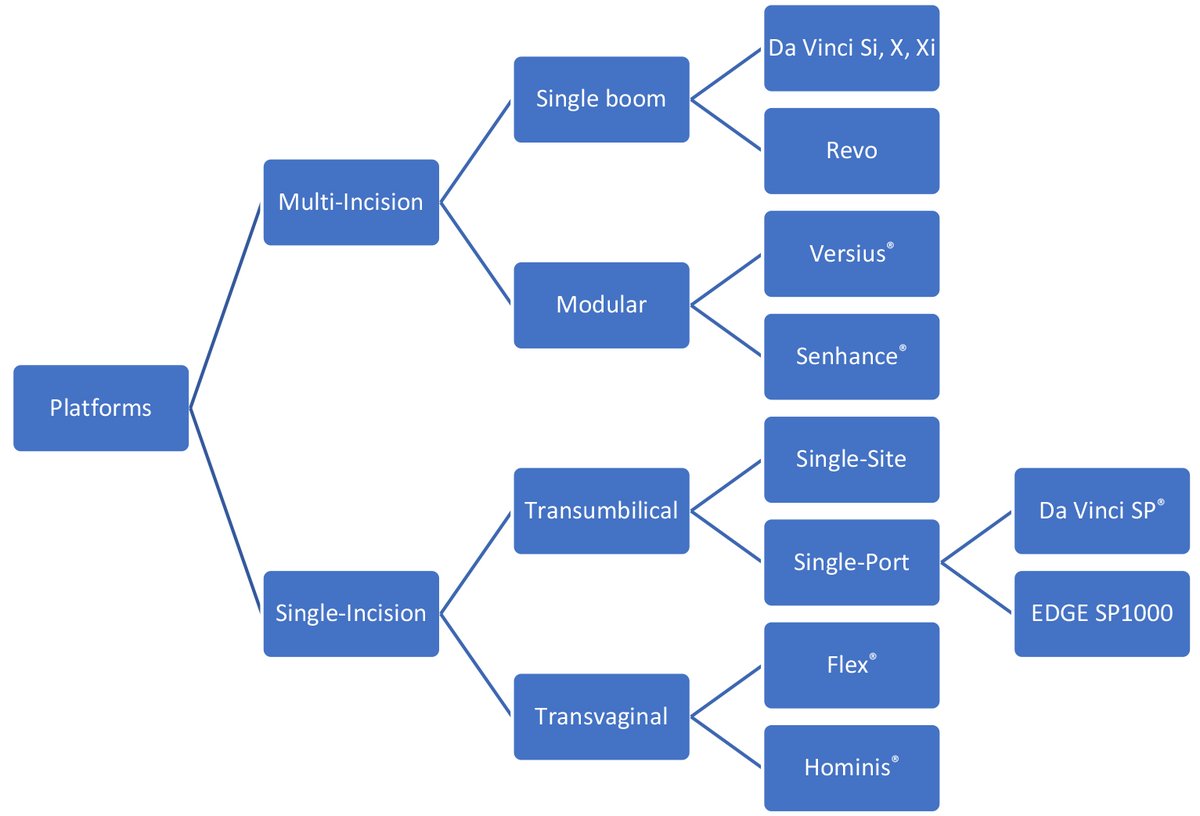
"New Robotic Platforms for Gynecology. Are We Achieving One of the Golden Goals?"
in @CEOGjournal at https://t.co/wL4z42CYS3
#robotic_surgery
#REVO_I
#Versius®
#Senhance®
#Single_Site
#Single_Port
#Multi_Port
#EDGE_SP1000
#Flex®
#Hominis®

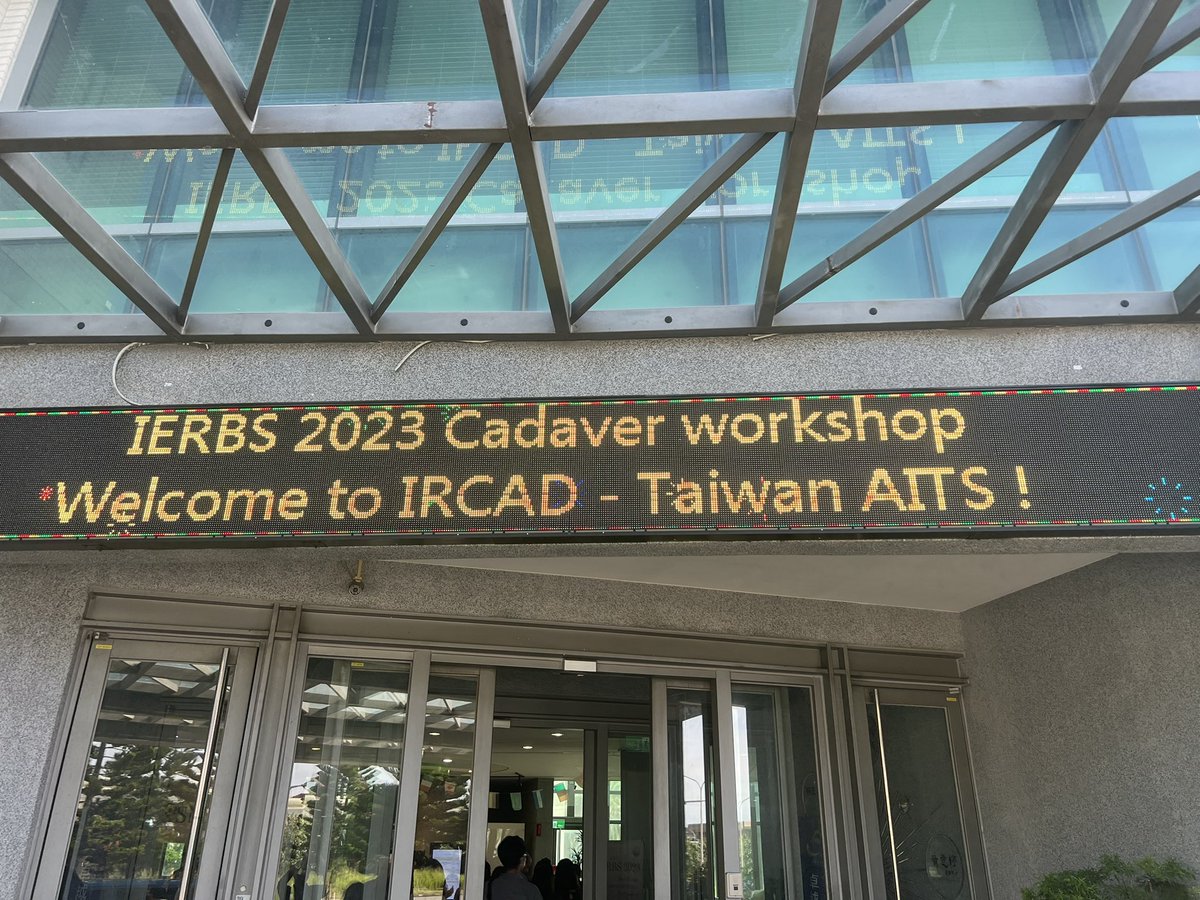
Flew all the way to 彰化 #ChangHua #taiwan @Ircad_Taiwan to learn #Robotic_surgery for #breastcancer! @US_FDA placed a moratorium for this technique until clinical trials come out. Early data from Italy, Taiwan and France suggests oncologically comparable to conventional Mx.

Last Seen Hashtags on Sotwe
teenager
Seen from United States
atleticominerio
Seen from United States
adana gay
Seen from Turkey
snapchatt
Seen from South Africa
goon
Seen from Sweden
hormones
Seen from Brazil
blackedmom(*) filter:native_video
Seen from Oman
anxiouspandaa
Seen from United Kingdom
ColouredGirl
Seen from South Africa
黑衣女人
Seen from Singapore
Most Popular Users

Elon Musk 
@elonmusk
240.6M followers

Barack Obama 
@barackobama
118.7M followers

Cristiano Ronaldo 
@cristiano
114.5M followers

Donald J. Trump 
@realdonaldtrump
111.9M followers

Narendra Modi 
@narendramodi
107M followers

Rihanna 
@rihanna
98.7M followers

NASA 
@nasa
92.2M followers

Justin Bieber 
@justinbieber
91.8M followers

KATY PERRY 
@katyperry
90M followers

Taylor Swift 
@taylorswift13
84M followers

Lady Gaga 
@ladygaga
75.5M followers

Virat Kohli 
@imvkohli
73.4M followers

Kim Kardashian 
@kimkardashian
70.8M followers

YouTube 
@youtube
68.7M followers

Neymar Jr 
@neymarjr
66.4M followers

Bill Gates 
@billgates
65.2M followers

Selena Gomez 
@selenagomez
63.1M followers

The Ellen Show
@theellenshow
62.1M followers

CNN 
@cnn
61.7M followers

X 
@x
60.6M followers


![Dramalshamrani's tweet photo. #الجراحة_الروبوتية
#Robotic_Surgery
حتى تسعينيات القرن العشرين، لم تكن الروبوتات تعتبر ماهرة بما يكفي لمضاهاة مهارات الجرّاح. ومع ذلك، فإن التقدم في تكنولوجيا الروبوتات منذ ذلك الحين قد مكّن من اختراع روبوتات جراحية متطورة.
واليوم، تُجرى العمليات الجراحية بمساعدة الروبوتات بشكل منتظم، حيث تساعد الجراحين البشريين بدلاً من أن تحل محلهم.
تم تطوير أنظمة الجراحة الروبوتية في أواخر التسعينيات، بشكل رئيسي للمساعدة في مجال الجراحة قليلة التوغل المتنامي
. ومن بين أولى أنظمة الروبوتات الجراحية الناجحة كانت إيسوب (AESOP) وزيوس (ZEUS).
وقد حل محلهما نظام دا فينشي الجراحي، الذي وافقت عليه الهيئة التنظيمية في الولايات المتحدة، إدارة الغذاء والدواء، في عام 2000.
تتكون أنظمة الجراحة الروبوتية عادةً من مكونين: الروبوت نفسه ووحدة تحكم منفصلة يستخدمها الجراح البشري للتحكم به. الروبوت، المثبت على عربة، لديه عدة أذرع، إحداها مجهزة بكاميرا منظار داخلي.
الأذرع الأخرى مصممة لحمل الأدوات الجراحية مثل المشارط والمقصات ومعدات الكي. هذه الأذرع قادرة على مجموعة واسعة من الحركات، ويمكن التحكم بها من قبل الجراح بدرجة عالية من الدقة.
يستجيب الروبوت لحركة يد وقدم الجراح، ولكنه يمكن أيضاً تحسينها من خلال اكتشاف وإزالة أي رعشة في يد الجراح، وتقليل نطاق الحركة لتمكين حركات دقيقة للغاية.
"... الأذرع الشبيهة بالثعبان من خلال [فتحة] صغيرة... من شأنها أن تغير [طبيعة] الجراحة."
- مايكل باليس، مدير جراحة المسالك البولية قليلة التوغل في مستشفى ماونت سيناي، مدينة نيويورك، 2012
Until the 1990s, robots were not considered adept enough to match the skills of a surgeon. However,advances in robotic technology since then have enabled the invention of sophisticated surgical robots.
Today,robotically assisted surgery is performed regularly, aiding rather than replacing human surgeons.
Robotic surgical systems were developed in the late 1990s, mainly to aid the growing field of minimally invasive surgery.
Among the first successful surgical robot
systems were AESOP and ZEUS.
They were superseded by Da Vinci Surgical System, approved by the regulatory body
in the US, the Food and Drug Administration, in 2000.
Robotic surgical systems typically consist of two components: the robot itself and a separate console used by the human surgeon to control it.
Mounted on a cart, the robot has several arms, one of which is equipped with an endoscopic camera.
The other arms are designed to hold surgical tools such as scalpels, scissors, and cauterizing equipment. These arms are capable of a wide range of movements, and can be controlled by the surgeon with a high degree of precision.
The robot responds to the surgeon’s hand
and foot movement, but can also improve them by detecting and removing any tremor in the surgeon, and scaling down the motion to enable extremely precise micro-movements.
“… snakelike arms through [a small] hole… would change[the] nature of surgery.”
MICHAEL PALESE, DIRECTOR OF MINIMALLY INVASIVE UROLOGY AT
MOUNT SINAI HOSPITAL, NEW YORK CITY, 2012](https://pbs.twimg.com/media/GhG6mqJbIAAsHdu.jpg)
![Dramalshamrani's tweet photo. #الجراحة_الروبوتية
#Robotic_Surgery
حتى تسعينيات القرن العشرين، لم تكن الروبوتات تعتبر ماهرة بما يكفي لمضاهاة مهارات الجرّاح. ومع ذلك، فإن التقدم في تكنولوجيا الروبوتات منذ ذلك الحين قد مكّن من اختراع روبوتات جراحية متطورة.
واليوم، تُجرى العمليات الجراحية بمساعدة الروبوتات بشكل منتظم، حيث تساعد الجراحين البشريين بدلاً من أن تحل محلهم.
تم تطوير أنظمة الجراحة الروبوتية في أواخر التسعينيات، بشكل رئيسي للمساعدة في مجال الجراحة قليلة التوغل المتنامي
. ومن بين أولى أنظمة الروبوتات الجراحية الناجحة كانت إيسوب (AESOP) وزيوس (ZEUS).
وقد حل محلهما نظام دا فينشي الجراحي، الذي وافقت عليه الهيئة التنظيمية في الولايات المتحدة، إدارة الغذاء والدواء، في عام 2000.
تتكون أنظمة الجراحة الروبوتية عادةً من مكونين: الروبوت نفسه ووحدة تحكم منفصلة يستخدمها الجراح البشري للتحكم به. الروبوت، المثبت على عربة، لديه عدة أذرع، إحداها مجهزة بكاميرا منظار داخلي.
الأذرع الأخرى مصممة لحمل الأدوات الجراحية مثل المشارط والمقصات ومعدات الكي. هذه الأذرع قادرة على مجموعة واسعة من الحركات، ويمكن التحكم بها من قبل الجراح بدرجة عالية من الدقة.
يستجيب الروبوت لحركة يد وقدم الجراح، ولكنه يمكن أيضاً تحسينها من خلال اكتشاف وإزالة أي رعشة في يد الجراح، وتقليل نطاق الحركة لتمكين حركات دقيقة للغاية.
"... الأذرع الشبيهة بالثعبان من خلال [فتحة] صغيرة... من شأنها أن تغير [طبيعة] الجراحة."
- مايكل باليس، مدير جراحة المسالك البولية قليلة التوغل في مستشفى ماونت سيناي، مدينة نيويورك، 2012
Until the 1990s, robots were not considered adept enough to match the skills of a surgeon. However,advances in robotic technology since then have enabled the invention of sophisticated surgical robots.
Today,robotically assisted surgery is performed regularly, aiding rather than replacing human surgeons.
Robotic surgical systems were developed in the late 1990s, mainly to aid the growing field of minimally invasive surgery.
Among the first successful surgical robot
systems were AESOP and ZEUS.
They were superseded by Da Vinci Surgical System, approved by the regulatory body
in the US, the Food and Drug Administration, in 2000.
Robotic surgical systems typically consist of two components: the robot itself and a separate console used by the human surgeon to control it.
Mounted on a cart, the robot has several arms, one of which is equipped with an endoscopic camera.
The other arms are designed to hold surgical tools such as scalpels, scissors, and cauterizing equipment. These arms are capable of a wide range of movements, and can be controlled by the surgeon with a high degree of precision.
The robot responds to the surgeon’s hand
and foot movement, but can also improve them by detecting and removing any tremor in the surgeon, and scaling down the motion to enable extremely precise micro-movements.
“… snakelike arms through [a small] hole… would change[the] nature of surgery.”
MICHAEL PALESE, DIRECTOR OF MINIMALLY INVASIVE UROLOGY AT
MOUNT SINAI HOSPITAL, NEW YORK CITY, 2012](https://pbs.twimg.com/media/GhG6mqIaAAAOtXD.jpg)