

Top Tweets for #ScienceIsAmazing


The flu vaccine was invented 82 years ago.
We still have the flu.
Just saying...


Encore un chouette moment de bénévolat au musée des Sciences naturelles. Les gens ont soif de science, and I think that’s beautiful 😊😀
#ScienceIsAmazing


The axolotl is a fully sexually mature adult that permanently keeps its larval body — gills, fins, juvenile form — for life. It's not a baby. It just never stops looking like one. #Axolotl #ScienceIsAmazing
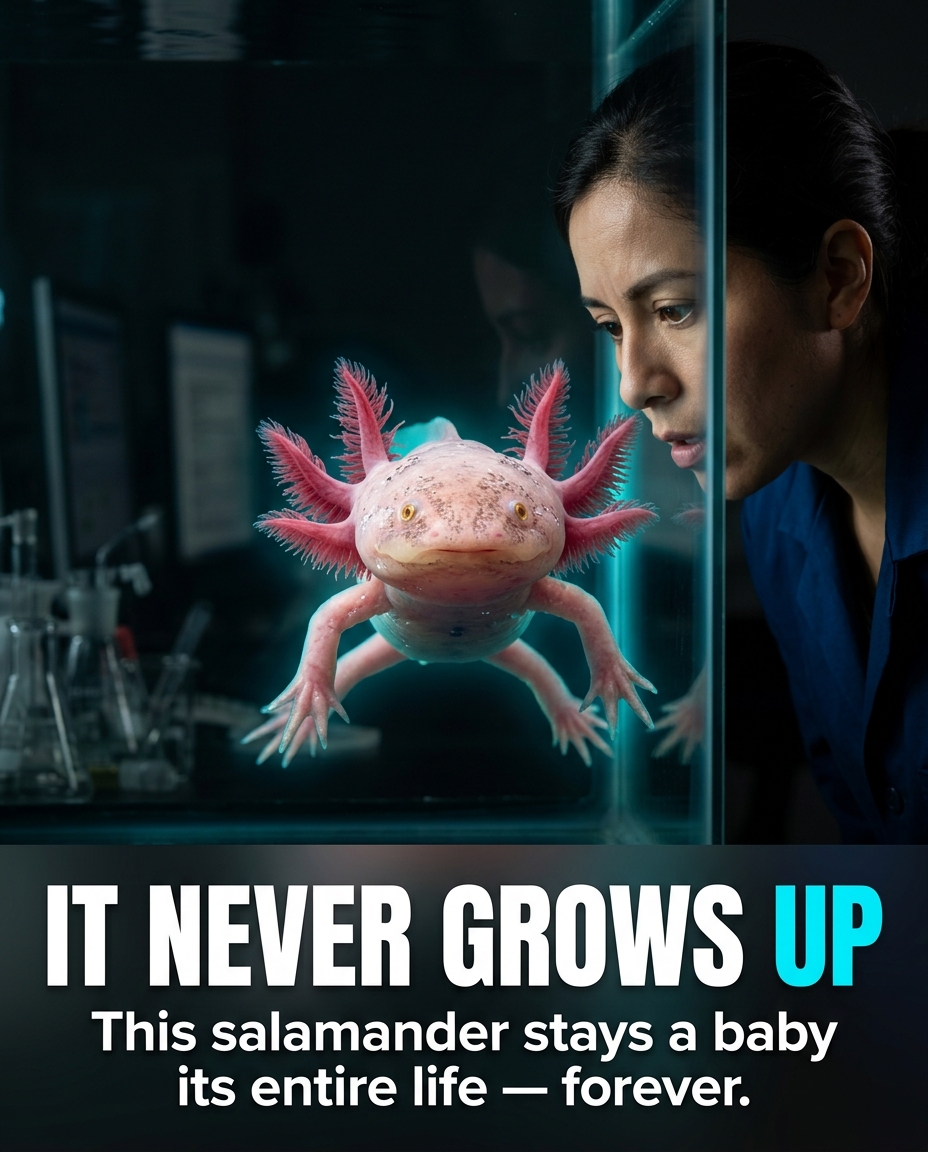
#ScienceIsAmazing
https://t.co/91ciDQp6tH

The energy war just changed.
America burns coal at night to keep the lights on while China built something different and most people have no idea it exists.
In the middle of the Gobi Desert, there is a 263-meter tower surrounded by 12,000 mirrors in a perfect circle, spread across nearly 8 square kilometers of barren land.
It looks like something out of a science fiction film.
They are focused on a single point at the top of that tower, raising temperatures above 800 degrees Fahrenheit.
That heat gets pumped into tanks filled with a special liquid salt mixture.
They are using Molten salt, the same stuff ancient civilizations used to preserve food is now storing the sun's energy at 565 degrees Celsius.
When the sun goes down, the plant keeps generating electricity.
The molten salt stays hot for hours after sunset and drives a steam turbine on demand.
This is a 100-megawatt power station that runs 24 hours a day on sunlight alone.
It produces over 390 million kilowatt-hours of power every single year.
Every coal plant on earth has one critical weakness, it needs fuel to burn.
This plant needs nothing but the sun and a tank full of heated salt that refuses to cool down.
The implications are enormous.
The oldest argument against solar energy has always been: "What happens at night?"
China just answered that question with 12,000 mirrors and a tower visible from space.

🧠🐙 Did you know your brain processes info faster than an F1 car, and you share DNA with a banana? Science never gets old — just like sharks! 🦈🌕
#MSUScienceLab #FunFacts #ScienceIsAmazing #MSUMalaysia #TransformingLives


test tube used her shimmer energy powered super computer to accurately render what i will look like in 4-6 days time when the #mould finally #kills me
#scienceisamazing!!!!!!


B.C. teen becomes first in the world cured of rare disease using gene editing
18-year-old Ty Sperle from UBC Okanagan was Participant 1 in the trial. He had chronic granulomatous disease since age 5 and is now completely cured after the gene edit fixed his immune cells.


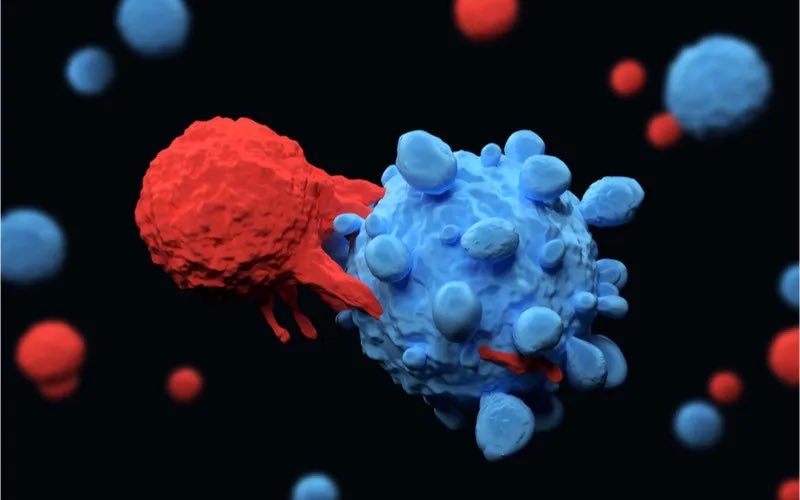
🚨BREAKING: Blood cancer can now be completely treated, thanks to Vietnam medical team!


South Korean scientists create life-saving spray to stop bleeding instantly https://t.co/OlPeIu7kV2


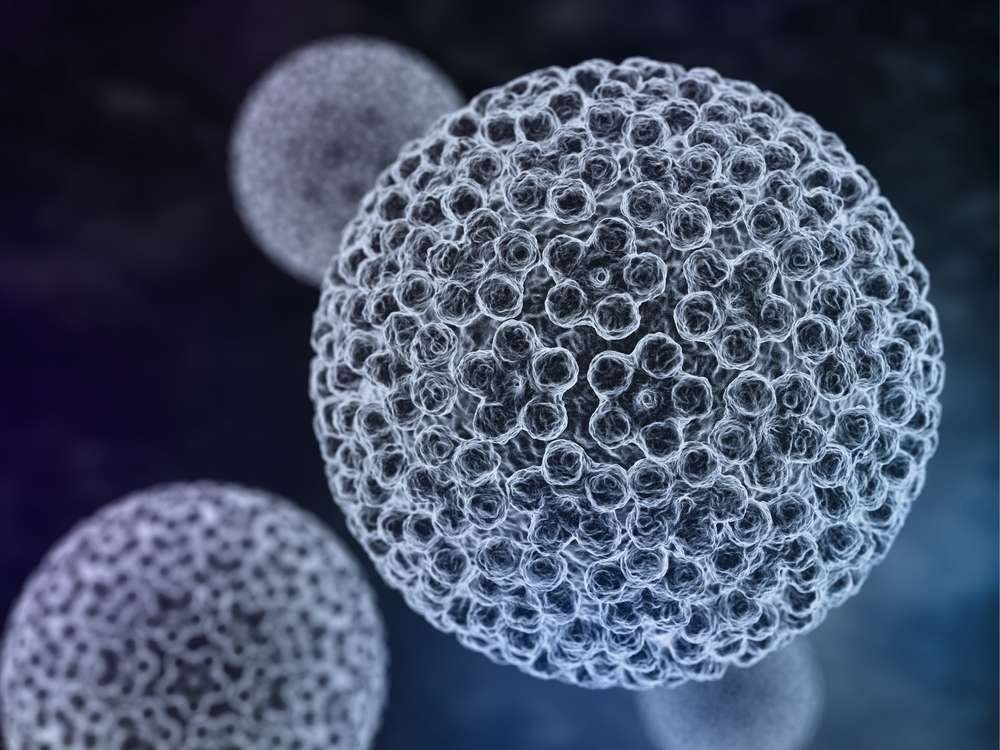
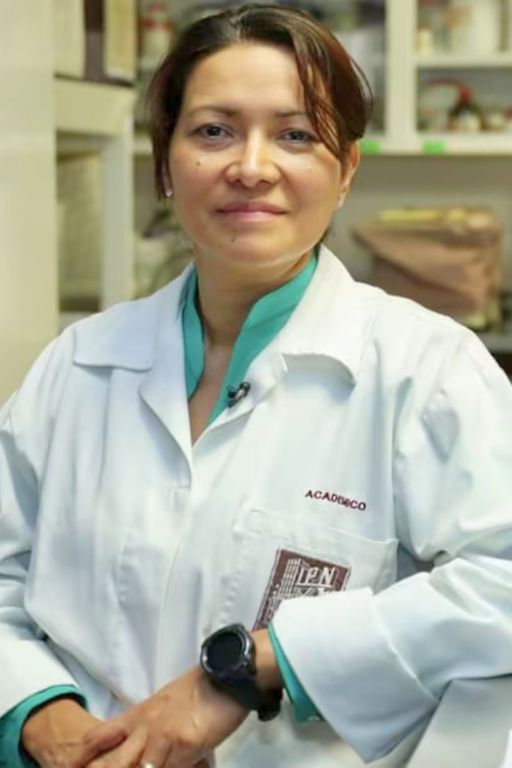
BREAKING🚨: Mexican researcher Eva Ramón Gallegos achieved a milestone that puts Latin American science at the center of the world medical debate: she managed to completely eliminate the Human Papilloma Virus (HPV) in controlled clinical studies.

BREASTMILK
She thought she was studying milk.
What she uncovered was a conversation.
In 2008, evolutionary anthropologist Katie Hinde was working in a primate research lab in California, analyzing breast milk from rhesus macaque mothers. She had hundreds of samples and thousands of data points. Everything looked ordinary—until one pattern refused to go away.
Mothers raising sons produced milk richer in fat and protein.
Mothers raising daughters produced a larger volume with different nutrient balances.
It was consistent. Repeatable. And deeply uncomfortable for the scientific consensus.
Colleagues suggested error. Noise. Statistical coincidence.
But Katie trusted the data.
And the data pointed to a radical idea.
Milk is not just nutrition.
It is information.
For decades, biology treated breast milk as simple fuel. Calories in. Growth out. But if milk were only calories, why would it change depending on the sex of the baby?
Katie kept digging.
Across more than 250 mothers and over 700 sampling events, the story grew more complex. Younger, first-time mothers produced milk with fewer calories but significantly higher levels of cortisol—the stress hormone.
The babies who drank it grew faster.
They were also more alert, more cautious, more anxious.
Milk wasn’t just building bodies.
It was shaping behavior.
Then came the discovery that changed everything.
When a baby nurses, microscopic amounts of saliva flow back into the breast. That saliva carries biological signals about the infant’s immune system. If the baby is getting sick, the mother’s body detects it.
Within hours, the milk changes.
White blood cells surge.
Macrophages multiply.
Targeted antibodies appear.
When the baby recovers, the milk returns to baseline.
This was not coincidence.
It was call and response.
A biological dialogue refined over millions of years. Invisible—until someone thought to listen.
As Katie reviewed existing research, she noticed something unsettling. There were twice as many scientific studies on erectile dysfunction as on breast milk composition.
The first food every human consumes.
The substance that shaped our species.
Largely ignored.
So she did something bold.
She launched a blog with a deliberately provocative name: Mammals Suck Milk.
It exploded. Over a million readers in its first year. Parents. Doctors. Scientists. People asking questions research had skipped.
The discoveries kept coming.
Milk changes by time of day.
Foremilk differs from hindmilk.
Human milk contains over 200 oligosaccharides babies can’t digest—because they exist to feed beneficial gut bacteria.
Every mother’s milk is biologically unique.
In 2017, Katie brought this work to a TED stage. In 2020, it reached a global audience through Netflix’s Babies. Today, at Arizona State University’s Comparative Lactation Lab, she continues reshaping how medicine understands infant development, neonatal care, formula design, and public health.
The implications are staggering.
Milk has been evolving for more than 200 million years—longer than dinosaurs walked the Earth. What we once dismissed as simple nourishment is one of the most sophisticated communication systems biology has ever produced.
Katie Hinde didn’t just study milk.
She revealed that nourishment is intelligence.
A living, responsive system shaping who we become before we ever speak.
All because one scientist refused to accept that half the story was “measurement error.”
Sometimes the biggest revolutions begin by listening to what everyone else ignores.


Nature has its own language, and science helps us understand it.
#Bees #WaggleDance #ScienceIsAmazing #NatureIntelligence #IncredibleNature #HoneyBee #ScienceEducation #DidYouKnow #LearningFromNature #EcoAwareness #SaveTheBees


Scientists just cracked the multiple sclerosis code after decades of searching.
Two specific gut bacteria are triggering the disease, and they've proven it using identical twins and mice.
This changes everything we know about MS:
#ScienceIsAmazing
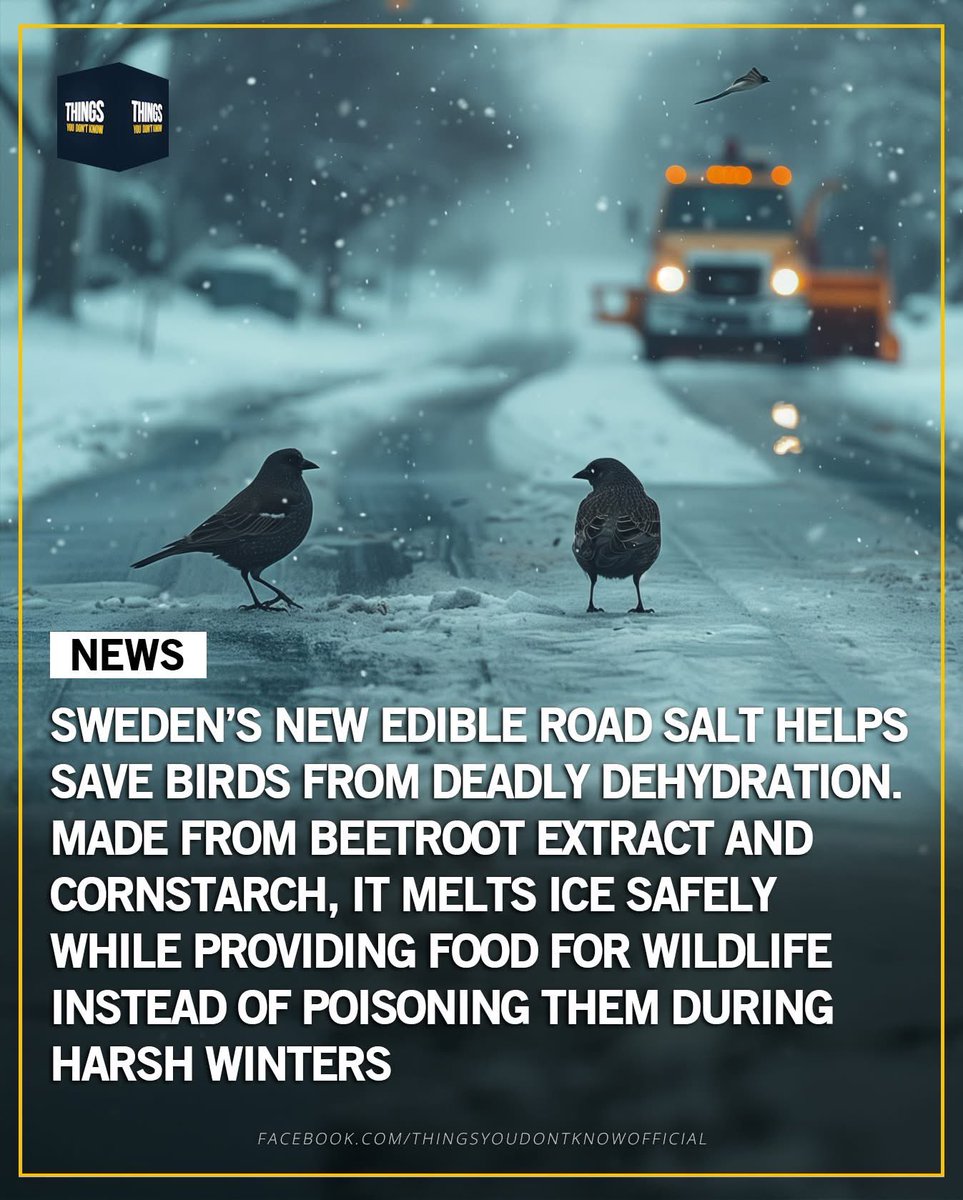
Share the recipe worldwide Sweden!

Well done Sweden
Last Seen Hashtags on Sotwe
myfirstTweet
kadirli #sex
Seen from Turkey
marlenesantana
Seen from Colombia
eracingworldtour
Seen from Turkey
女尊男卑
Seen from United States
GasoductoEnMarcha
Seen from Ecuador
ทอมบอย
Seen from Thailand
giardinieinaudi
Seen from Brazil
arab dick
Seen from Turkey
exny filter:videos
Seen from Australia
Most Popular Users

Elon Musk 
@elonmusk
240.1M followers

Barack Obama
@barackobama
119.3M followers

Donald J. Trump
@realdonaldtrump
111.6M followers

Cristiano Ronaldo
@cristiano
108.7M followers

Narendra Modi
@narendramodi
106.9M followers

Rihanna
@rihanna
97.2M followers

NASA
@nasa
92.1M followers

Justin Bieber
@justinbieber
90.5M followers

KATY PERRY
@katyperry
86.7M followers

Taylor Swift
@taylorswift13
80.5M followers

Lady Gaga
@ladygaga
72.1M followers

Kim Kardashian
@kimkardashian
69.3M followers

YouTube
@youtube
68.6M followers

Virat Kohli
@imvkohli
68.4M followers

Bill Gates
@billgates
63.4M followers

The Ellen Show
@theellenshow
62.5M followers

CNN
@cnn
61.9M followers

Neymar Jr
@neymarjr
60.9M followers

X
@x
60.9M followers

CNN Breaking News
@cnnbrk
59.9M followers