

Top Tweets for #SciencePolicyArticle

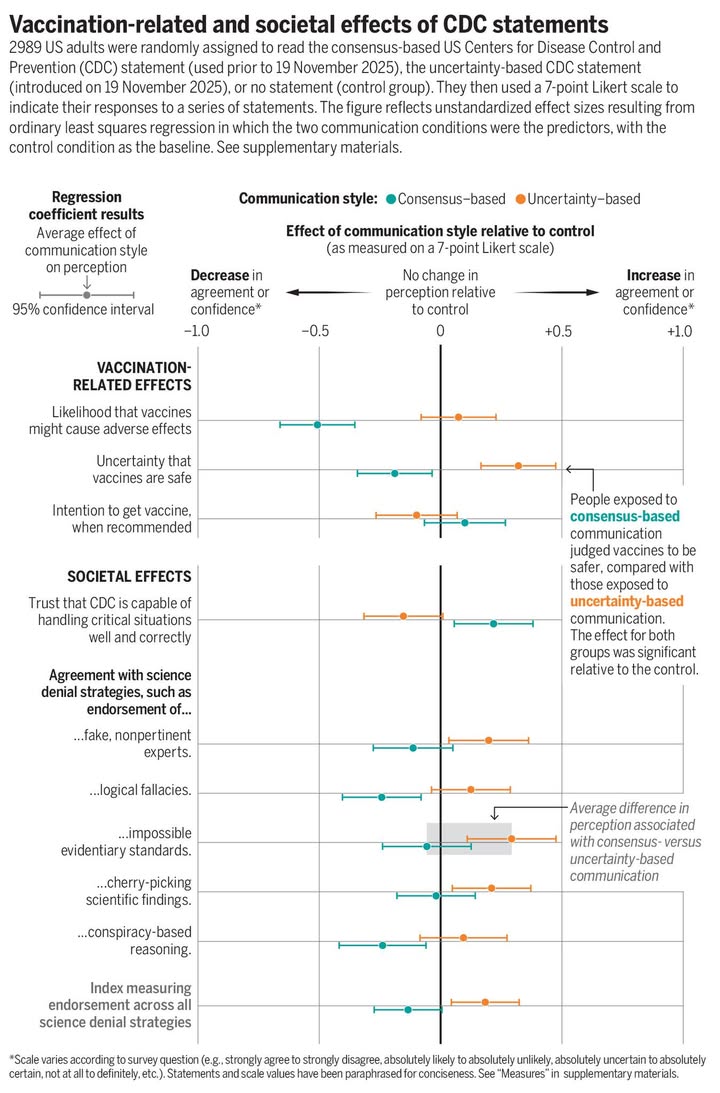
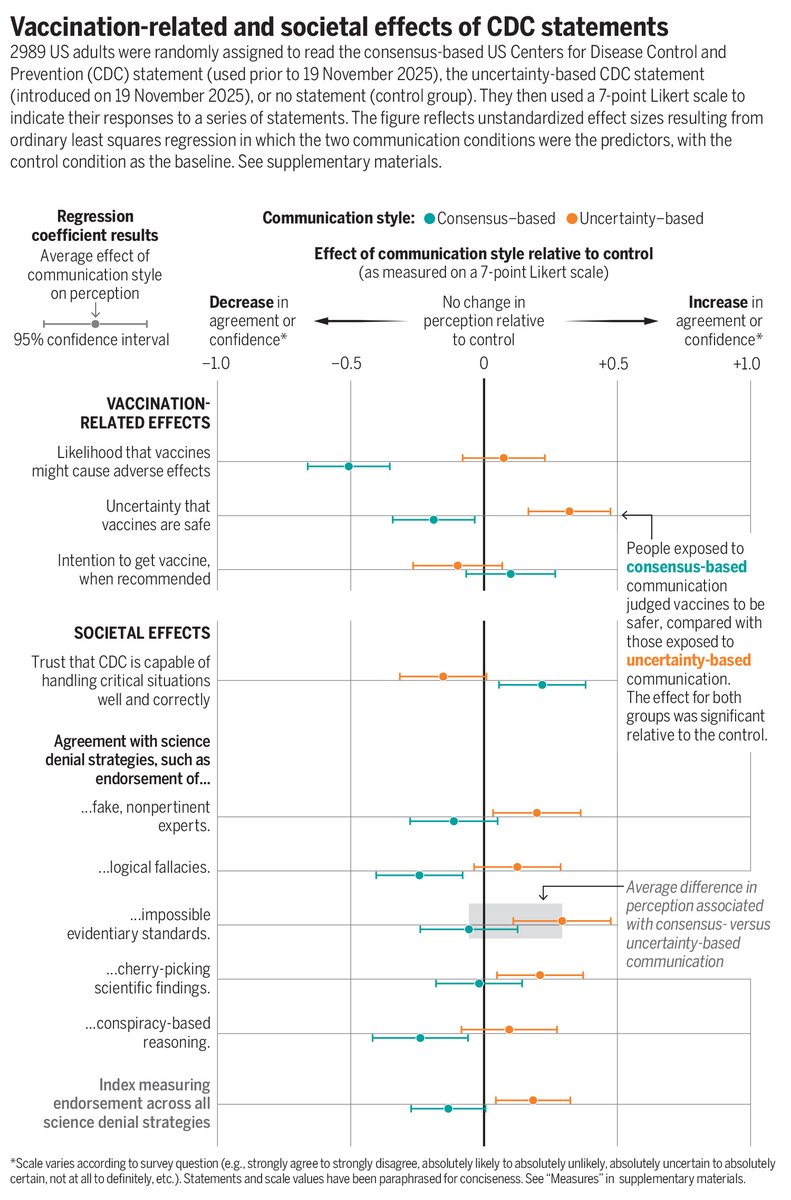
In a new #SciencePolicyArticle, researchers conducted an online experiment using an opt-in sample of 2,989 U.S. adult participants. Participants were randomly exposed to either a consensus-based or uncertainty-based CDC-style statement, and their responses were measured.
They found that exposure to the uncertainty-based message increased perceived vaccine risks and uncertainty, reduced vaccination intentions, lowered trust in the CDC, and increased endorsement of science-denial strategies. These effects occurred regardless of participants’ political orientation.
“Overall, the findings underscore the responsibility of public health institutions to communicate scientific uncertainty in ways that protect, rather than inadvertently weaken, population health,” write the authors.
Learn more: https://t.co/W2UVj6Jb88
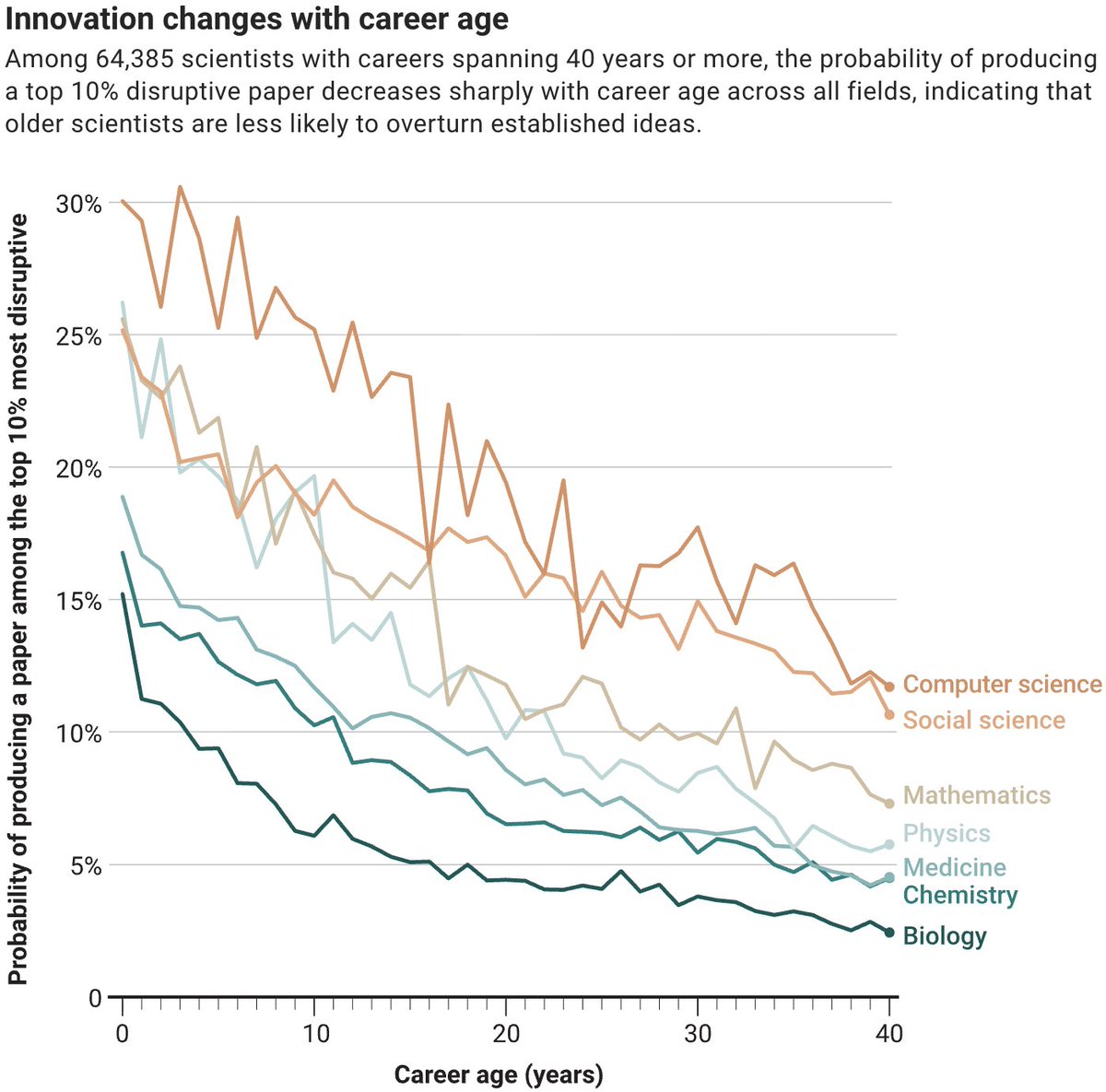
Drawing on a large-scale dataset of more than 12 million scientists, a new #SciencePolicyArticle reports that early-career scientists may be more inclined toward transformative breakthroughs, whereas seasoned researchers excel at synthesizing and extending existing knowledge. https://t.co/qQh8NTg1PZ
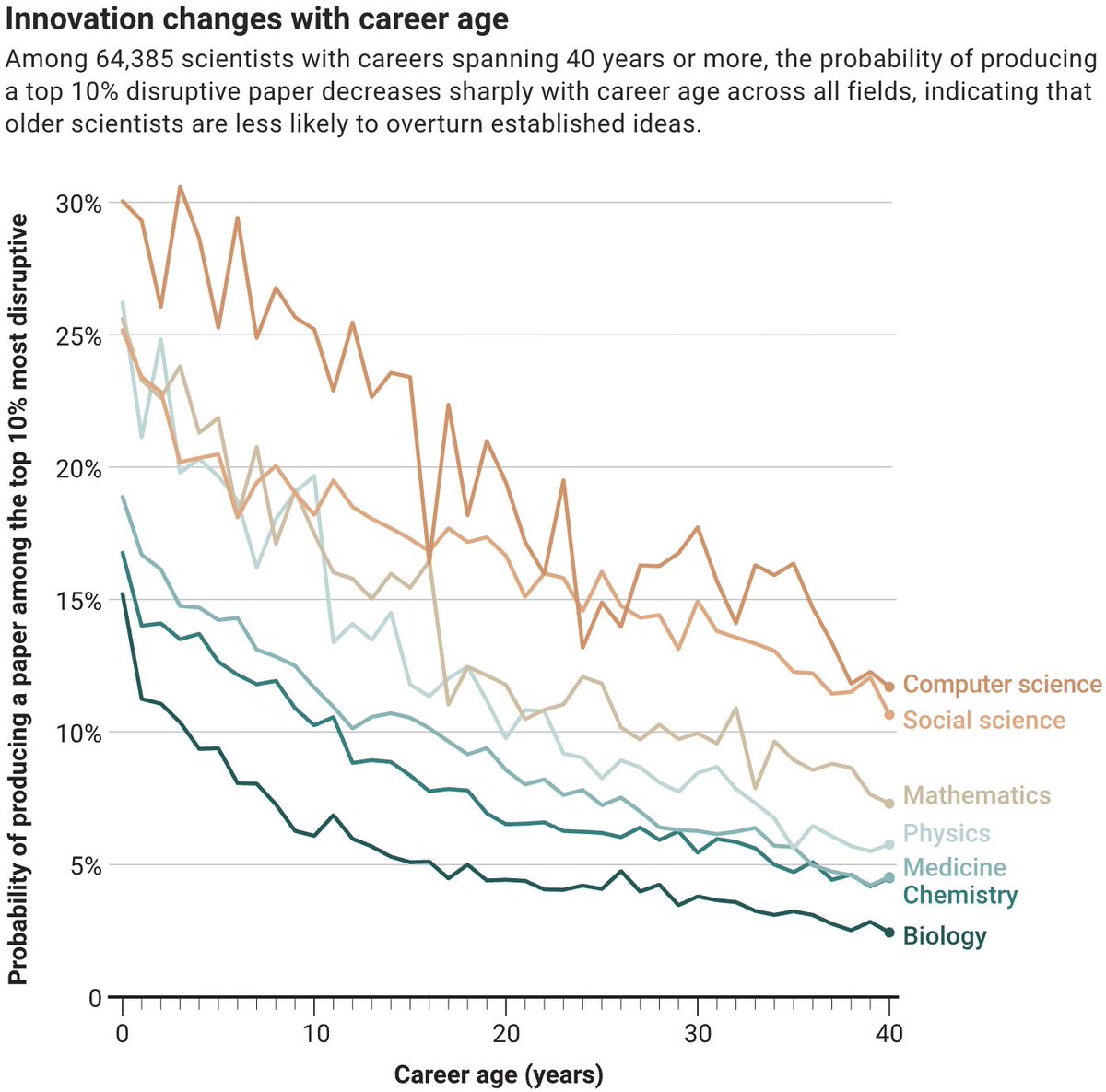
Drawing on a large-scale dataset of more than 12 million scientists, a new #SciencePolicyArticle reports that early-career scientists may be more inclined toward transformative breakthroughs, whereas seasoned researchers excel at synthesizing and extending existing knowledge. https://t.co/qQh8NTg1PZ
In a new #SciencePolicyArticle, researchers conducted an online experiment using an opt-in sample of 2,989 U.S. adult participants. Participants were randomly exposed to either a consensus-based or uncertainty-based CDC-style statement, and their responses were measured.
They found that exposure to the uncertainty-based message increased perceived vaccine risks and uncertainty, reduced vaccination intentions, lowered trust in the CDC, and increased endorsement of science-denial strategies. These effects occurred regardless of participants’ political orientation.
“Overall, the findings underscore the responsibility of public health institutions to communicate scientific uncertainty in ways that protect, rather than inadvertently weaken, population health,” write the authors.
Learn more: https://t.co/XZlpjgKE5T
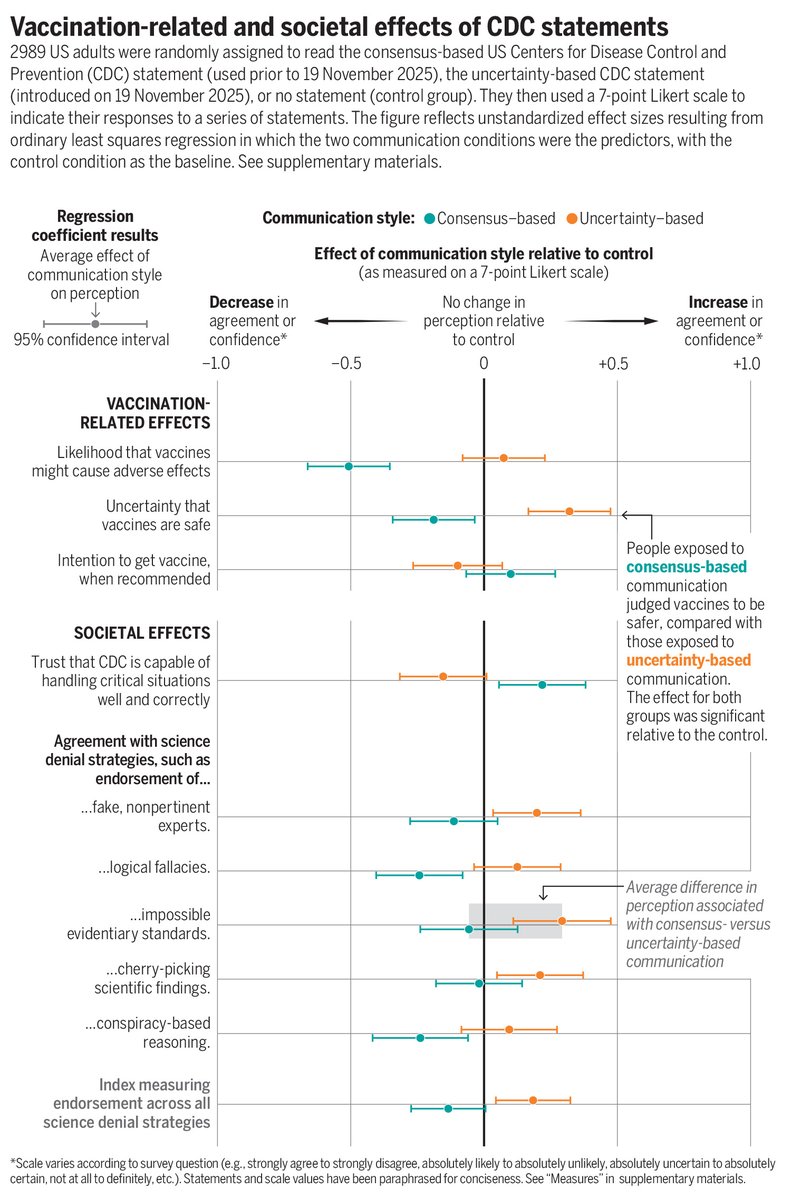
In a new #SciencePolicyArticle, researchers conducted an online experiment using an opt-in sample of 2,989 U.S. adult participants. Participants were randomly exposed to either a consensus-based or uncertainty-based CDC-style statement, and their responses were measured.
They found that exposure to the uncertainty-based message increased perceived vaccine risks and uncertainty, reduced vaccination intentions, lowered trust in the CDC, and increased endorsement of science-denial strategies. These effects occurred regardless of participants’ political orientation.
“Overall, the findings underscore the responsibility of public health institutions to communicate scientific uncertainty in ways that protect, rather than inadvertently weaken, population health,” write the authors.
Learn more: https://t.co/XZlpjgKE5T
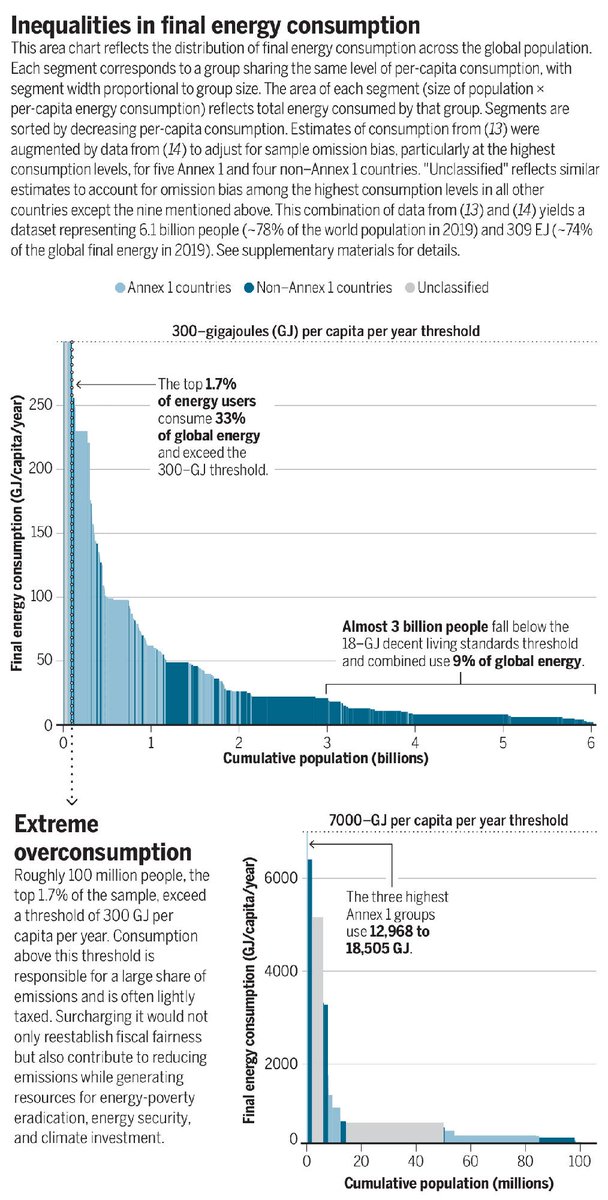
Climate policy has long fixated on how energy is produced, but a growing body of research suggests the real leverage lies in how it is used.
In a new #SciencePolicyArticle, researchers argue that reshaping energy demand, through efficiency, electrification, and curbing excess consumption, could unlock faster, fairer progress toward net-zero goals. https://t.co/wtJdnnighA
In a new #SciencePolicyArticle, researchers investigate the fiscal impact of biodiversity loss and show that conservation investment can generate positive returns for profit-seeking investors.
Learn more: https://t.co/Lm3s74U5Q0
In a new #SciencePolicyArticle, researchers investigate the fiscal impact of biodiversity loss and show that conservation investment can generate positive returns for profit-seeking investors.
Learn more: https://t.co/Lm3s74U5Q0
After rising for decades in the U.S., opioid overdose deaths have been declining dramatically since 2023, with the annual rate of fentanyl overdose deaths dropping by more than a third by the end of 2024. What’s behind this sudden decline?
In this #SciencePolicyArticle, researchers evaluate the evidence for an international supply shock in fentanyl in 2023 and conclude that it could be responsible for the steep decline in overdose deaths. https://t.co/wer0jkXJnP

After rising for decades in the U.S., opioid overdose deaths have been declining dramatically since 2023, with the annual rate of fentanyl overdose deaths dropping by more than a third by the end of 2024. What’s behind this sudden decline?
In this #SciencePolicyArticle, researchers evaluate the evidence for an international supply shock in fentanyl in 2023 and conclude that it could be responsible for the steep decline in overdose deaths. https://t.co/wer0jkXJnP

LLM-assisted manuscripts exhibit more complexity of the written word but are lower in research quality, according to a new #SciencePolicyArticle that sought to evaluate the impacts of widespread use of generative #AI technologies on scientific production. https://t.co/QU9Xh30U1Z

LLM-assisted manuscripts exhibit more complexity of the written word but are lower in research quality, according to a new #SciencePolicyArticle that sought to evaluate the impacts of widespread use of generative #AI technologies on scientific production. https://t.co/QU9Xh30U1Z

In a new #SciencePolicyArticle, researchers highlight the distinctive contributions of so-called “Pasteur quadrant researchers”—scientists who both publish and patent their research. https://t.co/vuSWd9Sdh0

In a new #SciencePolicyArticle, researchers highlight the distinctive contributions of so-called “Pasteur quadrant researchers”—scientists who both publish and patent their research. https://t.co/vuSWd9Sdh0

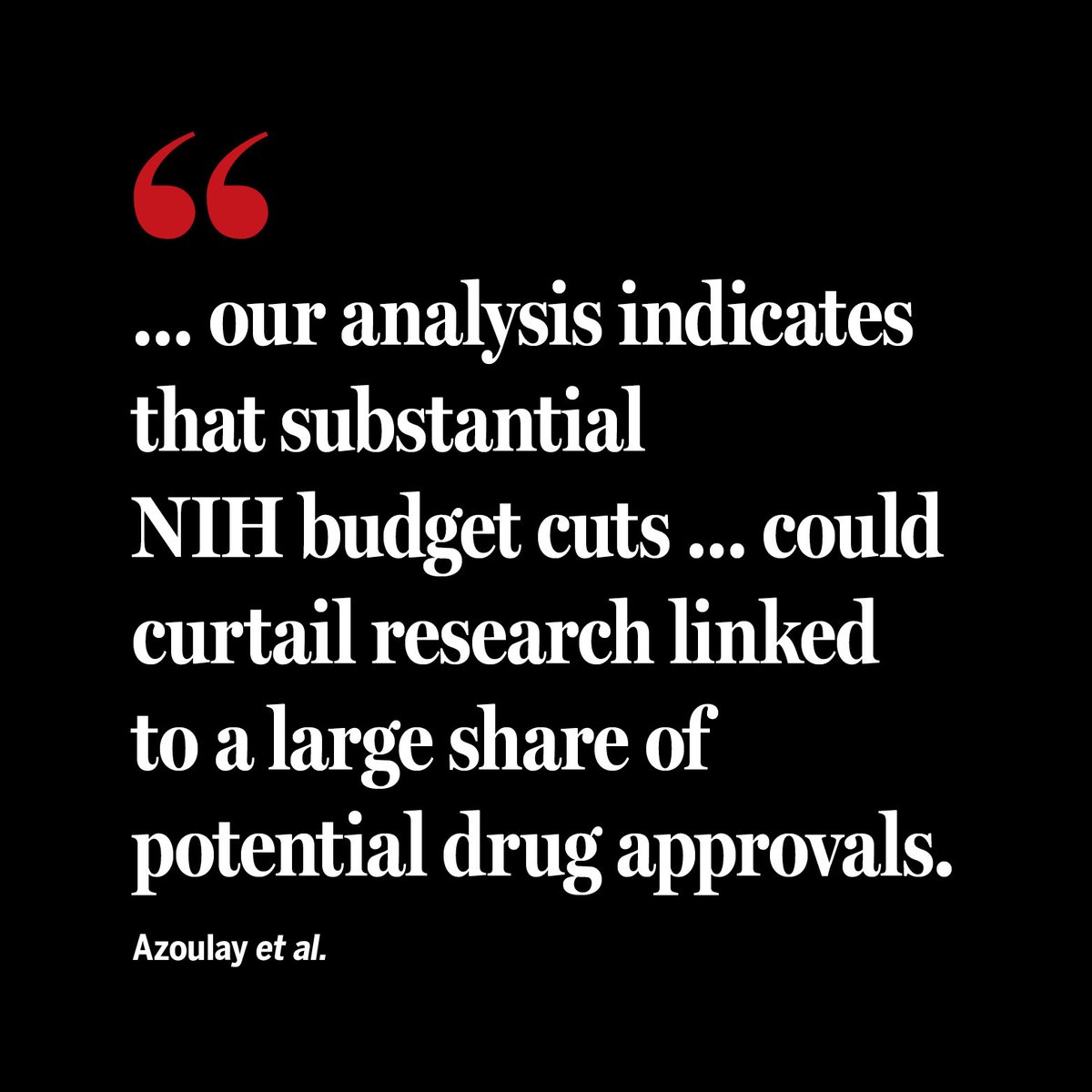
If the U.S. NIH budget had been 40% smaller—similar to cuts proposed in the FY2026 budget—how would that have affected the medicines we enjoy today?
In a new #SciencePolicyArticle, researchers present an analysis of a hypothetical alternative history. https://t.co/NteUnMSF5V

If the U.S. NIH budget had been 40% smaller—similar to cuts proposed in the FY2026 budget—how would that have affected the medicines we enjoy today?
In a new #SciencePolicyArticle, researchers present an analysis of a hypothetical alternative history. https://t.co/NteUnMSF5V
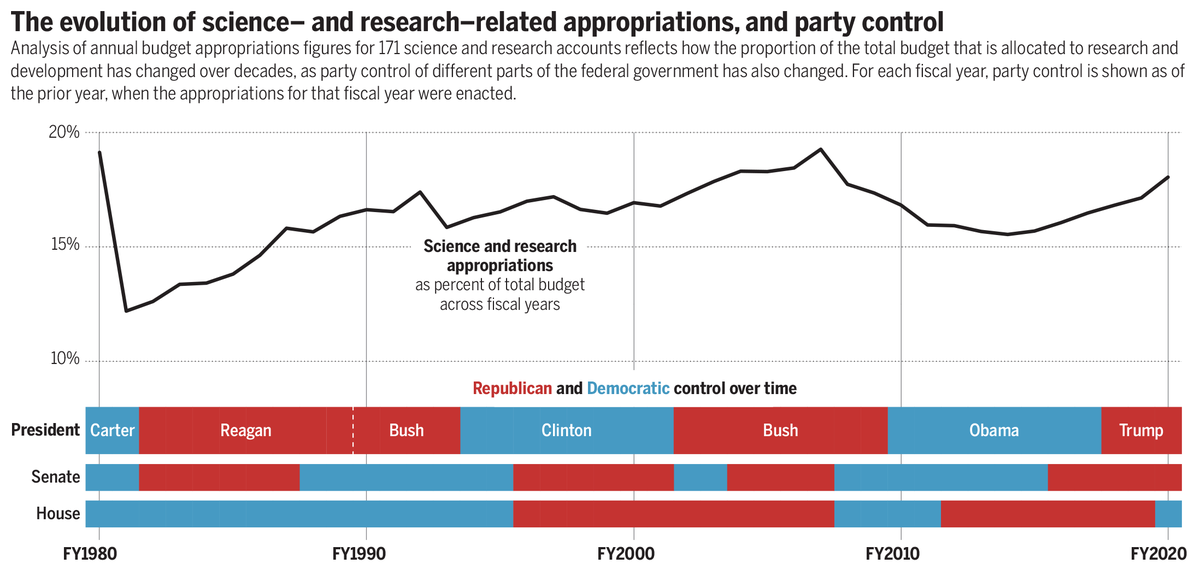
A new #SciencePolicyArticle challenges conventional wisdom about partisan support for U.S. science funding, finding that Republican control of the House or presidency has often coincided with higher federal science appropriations. https://t.co/fxqZIEikbR
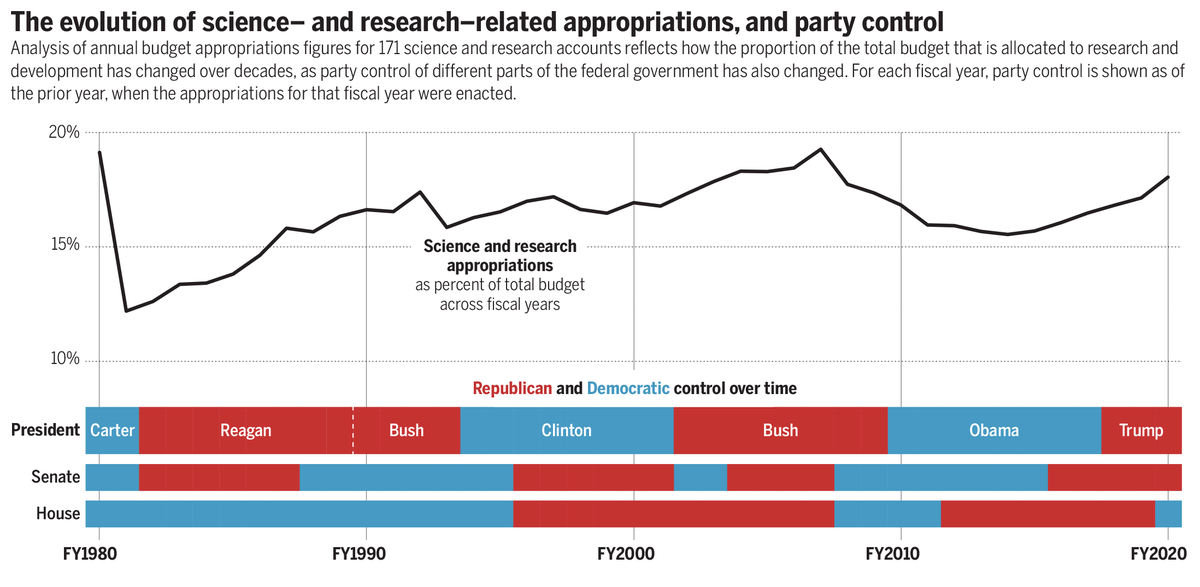
A new #SciencePolicyArticle challenges conventional wisdom about partisan support for U.S. science funding, finding that Republican control of the House or presidency has often coincided with higher federal science appropriations. https://t.co/fxqZIEikbR
Last Seen Hashtags on Sotwe
yanjiayo
Seen from Vietnam
cuckoldtürkiye
Seen from Turkey
อยากเย็ดคุณนาย
Seen from Thailand
IPTVaccess
Seen from United States
binor tetangga
Seen from Indonesia
骚妈
Seen from Japan
gE
Seen from Brazil
teenage #nolimit() +filter:native_video
Seen from United States
akeyparty
Seen from Colombia
solucionssocials
Trends for you
Most Popular Users

Elon Musk 
@elonmusk
240.1M followers

Barack Obama
@barackobama
119.3M followers

Donald J. Trump
@realdonaldtrump
111.6M followers

Cristiano Ronaldo
@cristiano
108.8M followers

Narendra Modi
@narendramodi
106.9M followers

Rihanna
@rihanna
97.2M followers

NASA
@nasa
92.1M followers

Justin Bieber
@justinbieber
90.5M followers

KATY PERRY
@katyperry
86.7M followers

Taylor Swift
@taylorswift13
80.5M followers

Lady Gaga
@ladygaga
72.1M followers

Kim Kardashian
@kimkardashian
69.3M followers

YouTube
@youtube
68.6M followers

Virat Kohli
@imvkohli
68.4M followers

Bill Gates
@billgates
63.4M followers

The Ellen Show
@theellenshow
62.5M followers

CNN
@cnn
61.9M followers

Neymar Jr
@neymarjr
61M followers

X
@x
60.9M followers

CNN Breaking News
@cnnbrk
59.9M followers