

Top Tweets for #ScienceTuesday

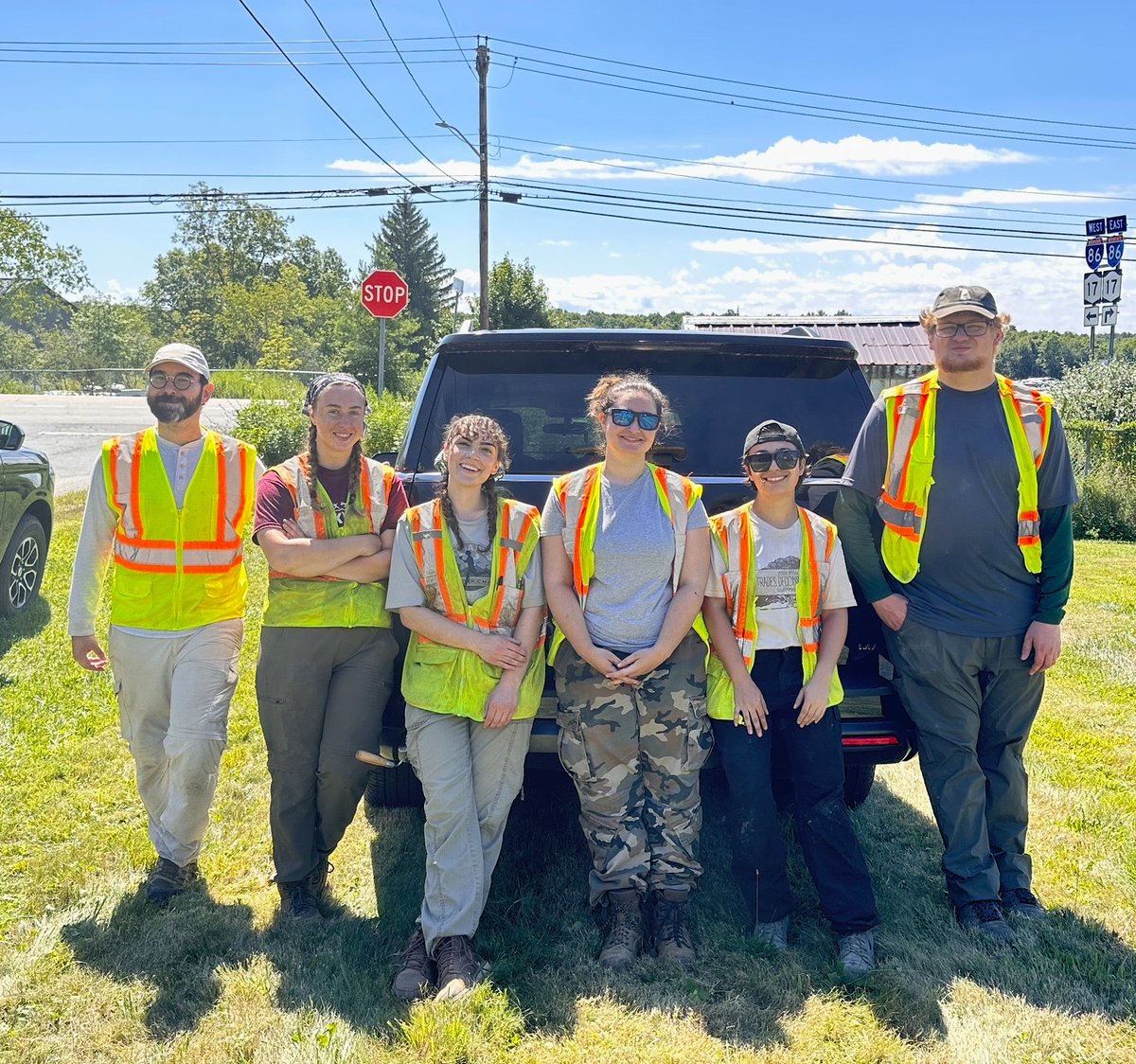
#ScienceTuesday: The Museum’s Cultural Resource Survey Program hires early career archaeologists each field season. This year’s cohort has been busy honing their skills in soil and artifact identification, controlled excavation, and site documentation.


#ScienceTuesday: The NYSM holds a rare treasure: a Bridled Tern collected in 1902 by famed bird artist Louis Agassiz Fuertes. Once part of Hobart College’s teaching collection, it now resides in our care—a lasting link between art and science.
https://t.co/Uv6UxcRTBk

#ScienceTuesday: Cave Swallows breed in the Caribbean & Mexico, but storm systems sometimes carry them north. Last fall, one turned up deceased in a Poughkeepsie garage and is now cataloged as the NYSM’s very first specimen of this rare visitor! 🐦 #Birding #NYSM

#ScienceTuesday: Cave Swallows breed in the Caribbean and Mexico, and in the US only in Texas and Florida, but vagrants occasionally turn up in NY in late October and November. This specimen, NYSM’s first of this species, was found dead in Poughkeepsie last November.

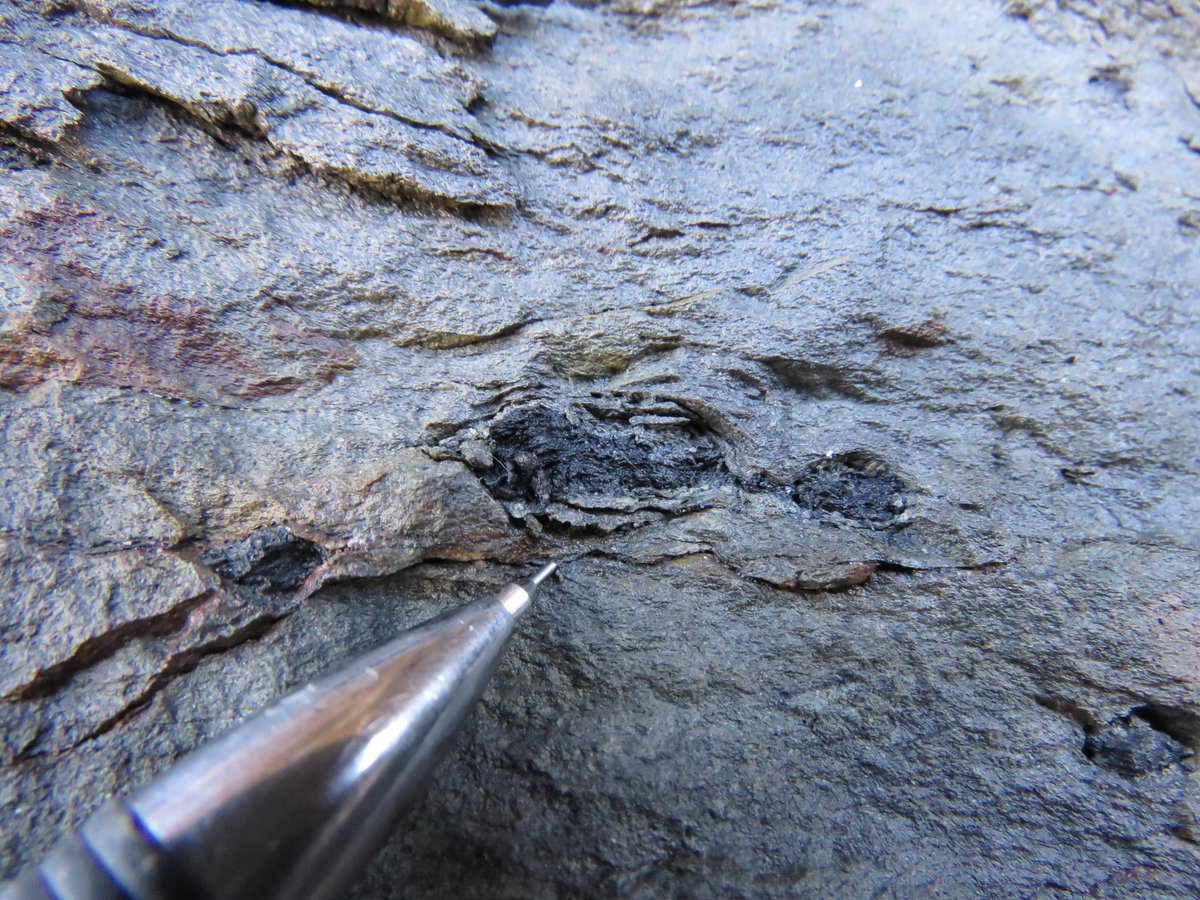
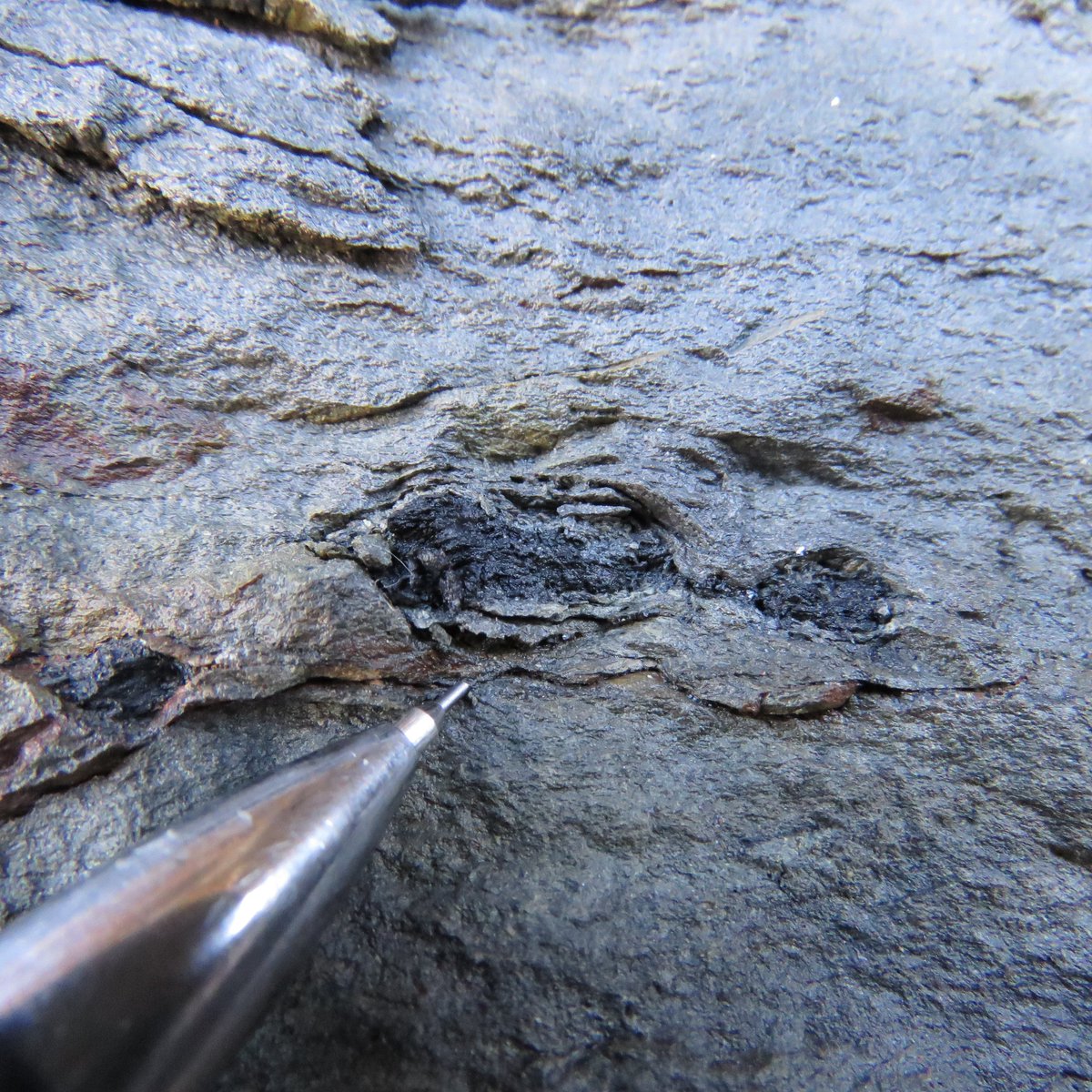
🔥⚡️#ScienceTuesday: Long before humans, lightning sparked wildfires in Earth’s first forests. Devonian-era NY had a monsoonal climate—dry spells ended with storms where rain vanished but lightning ignited blazes. Fossil charcoal in Catskill rocks proves it.
#NYSMresearch

#ScienceTuesday: The Good, the Bad, & the Muddy!
The physical and aromatic properties of mud can be used to predict mussel habitat. NYSM & NYSDEC scientists sampled sediment from an inlet of Owego Creek and concluded the mud properties would not likely be detrimental to mussels.


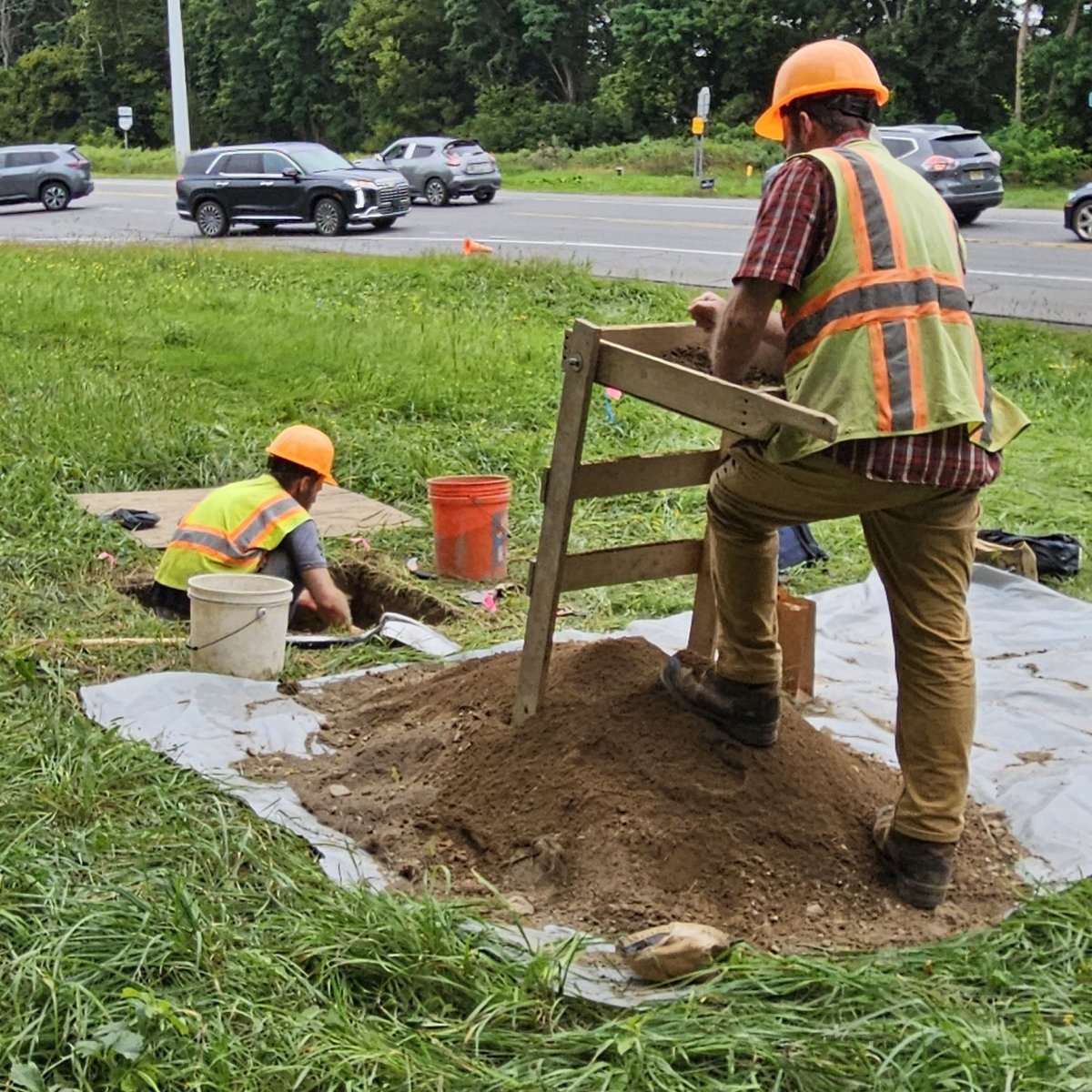
#ScienceTuesday: Archaeologists from NYSM’s CRSP excavated the Kaaterskill Creek Site (Greene Co., NY) ahead of a bridge project, uncovering artifacts from 1,200–2,300 years ago. Finds include a Greene-style projectile point, hammerstones, and a historic gunflint.
#Archaeology


#ScienceTuesday: Take a peek inside of an NYSM comparative anatomy drawer where you can observe the similarities and differences between mammals large and small!
#nysmresearch #bones #anatomy #mammals #comparativeanatomy #research
#ScienceTuesday: Fa-La-La-La-Foliage!
Did you know Ice Age mastodons loved snacking on conifers? These giant plant-eaters preferred wooded areas where they could munch on twigs, shrubs, and evergreen leaves. Too bad they’re not here to clean up holiday needles! 🌲🦣

#ScienceTuesday: The NYSM recently accepted a large donation of American Black Bear skulls from the NYSDEC. It’s interesting, and a little scary, to see that this Grizzly Bear from Alaska is about twice as big as this adult Black Bear (age 14.5 years old) from the Adirondacks!

#ScienceTuesday: NYSM archaeologists are in the field at the Indigenous Genesee Overlook Site in Western New York, excavating to learn more about the people who lived there more than 3000 years ago.

#ScienceTuesday: Did you know that there are 7 different species of shrews living in New York State? Today’s video includes some fascinating facts about #shrews. But be warned—these cute little creatures aren’t as sweet as they might seem! #NYSMscience #nyecology #mammalogy
#ScienceTuesday: Gifted to the NYSM in 1915 by Mr. Langdon Gibson of Schenectady, NY, this mysterious cigar box contains extremely rare specimens obtained from 1907 & 1908 expeditions by L.S. Quackenbush and @AMNH scientists to explore Alaska in search of Ice Age fossils.

#ScienceTuesday: @massimo_onesto shares a preview of research work he undertook in the laboratory of @Sergiu_P_Pasca at @Stanford. Born in Romania, Sergiu Pasca received Vilcek Prize for Creative Promise in Biomedical Science in 2018. Great work from outstanding young scientists!

Excited to share a preview of my thesis work in @Sergiu_P_Pasca's lab at Stanford University!
We’ve successfully generated human midline assembloids and identified regulators of midline axon guidance facilitated by the floor plate.
Dive into our preprint for all the details!
#ScienceTuesday: The NYSM's lead architectural historian, Mark LoRusso, is compiling a Historic American Engineering Record of drawings, photographs, & reports for the Palisades Interstate Parkway, a mid-20th-century scenic byway in Rockland and Orange counties.


🌌 #ScienceTuesday Deep Dive:
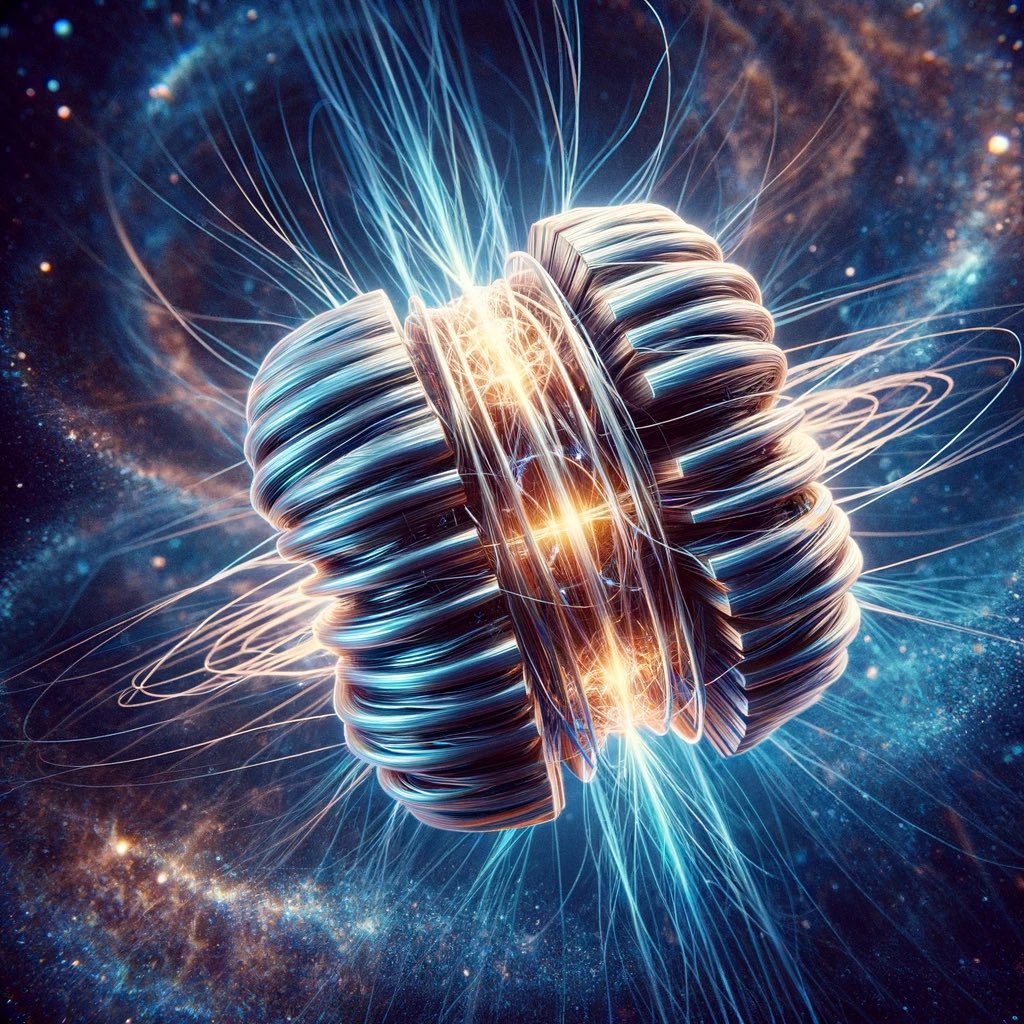
𝗠𝘂𝗼𝗻𝘀 - Unlocking the Secrets of the Cosmos!
🔍 𝗪𝗵𝗮𝘁 𝗮𝗿𝗲 𝗠𝘂𝗼𝗻𝘀?
- Muons are subatomic particles, similar to electrons but with a greater mass. They're fundamental in particle physics and cosmic ray studies! 🎯
• 𝗪𝗵𝘆 𝗮𝗿𝗲 𝘁𝗵𝗲𝘆 𝗶𝗺𝗽𝗼𝗿𝘁𝗮𝗻𝘁?
- 𝗗𝗲𝗰𝗮𝘆 𝗮𝗻𝗱 𝗗𝗲𝘁𝗲𝗰𝘁𝗶𝗼𝗻: Muons are produced in the upper atmosphere and decay rapidly, making them perfect for studying processes that happen in the blink of an eye!
- 𝗖𝗼𝘀𝗺𝗶𝗰 𝗥𝗮𝘆𝘀: As byproducts of cosmic rays, studying muons helps us understand high-energy processes in space. 🌌
• 𝗛𝗼𝘄 𝗰𝗮𝗻 𝗠𝘂𝗼𝗻𝘀 𝗮𝗱𝘃𝗮𝗻𝗰𝗲 𝘀𝗰𝗶𝗲𝗻𝗰𝗲?
- 𝗠𝘂𝗼𝗻 𝗧𝗼𝗺𝗼𝗴𝗿𝗮𝗽𝗵𝘆: This innovative technique uses muons to generate images of objects and structures not visible with traditional imaging methods, from volcanoes to ancient pyramids! 🏔️🔍
- 𝗦𝘂𝗽𝗲𝗿𝗰𝗼𝗻𝗱𝘂𝗰𝘁𝗶𝘃𝗶𝘁𝘆 𝗦𝘁𝘂𝗱𝗶𝗲𝘀: Muons are critical in research to understand and develop new superconducting materials, which are essential for energy-efficient technologies.
• 𝗙𝘂𝘁𝘂𝗿𝗲 𝗦𝗽𝗮𝗰𝗲 𝗧𝗿𝗮𝘃𝗲𝗹?
- 𝗦𝗽𝗮𝗰𝗲𝗰𝗿𝗮𝗳𝘁 𝗦𝗵𝗶𝗲𝗹𝗱𝗶𝗻𝗴: Research is ongoing into using muon detectors to help design better radiation shields for spacecraft, potentially supporting safer and longer missions beyond Earth. 🚀
🤔 Richard Feynman once mused, “I think nature's imagination is so much greater than man's, she's never going to let us relax.” Muons exemplify this beautifully, offering a window into nature’s hidden forces and promising new scientific and technological frontiers.
🌐 Curious to know more about how these tiny particles can help us explore the vast universe? Here are some additional resources:
- Fermilab’s Muon g-2 Experiment:
https://t.co/4QbhM0j3G2
- “Muons: the little-known particles that can change the world”
https://t.co/zdKoEXdLAh

EXCITEMENT & ENLIGHTENMENT AHEAD OF DAYTIME DARKNESS: Sixth-graders in the classroom of science teacher Kim Pannes at Southwestern Middle School are pictured learning about eclipse safety.
#ScienceTuesday #eclipse2024
@NYSEDNews @MoDonahue @RichRybicki @ThePost_Journal


#ScienceTuesday it is then .. so I will start with a post-Valentine #ScienceTuesday followed by a #PoetryMonday
Thank you all for voting!
@lyssasphere @TheaMarieRyde @BadPhysicsKaya @Estradoll72 @NerdyTrans @MadamNila @corrietait_ @CymoneCymon @anguaji @NuckChorris16
In my account you would like to see more: (Please RT)
“𝐓𝐡𝐞 𝐦𝐨𝐬𝐭 𝐢𝐧𝐜𝐨𝐦𝐩𝐫𝐞𝐡𝐞𝐧𝐬𝐢𝐛𝐥𝐞 𝐭𝐡𝐢𝐧𝐠 𝐚𝐛𝐨𝐮𝐭 𝐭𝐡𝐞 𝐮𝐧𝐢𝐯𝐞𝐫𝐬𝐞 𝐢𝐬 𝐭𝐡𝐚𝐭 𝐢𝐭 𝐢𝐬 𝐜𝐨𝐦𝐩𝐫𝐞𝐡𝐞𝐧𝐬𝐢𝐛𝐥𝐞.”
- 𝐀𝐥𝐛𝐞𝐫𝐭 𝐄𝐢𝐧𝐬𝐭𝐞𝐢𝐧
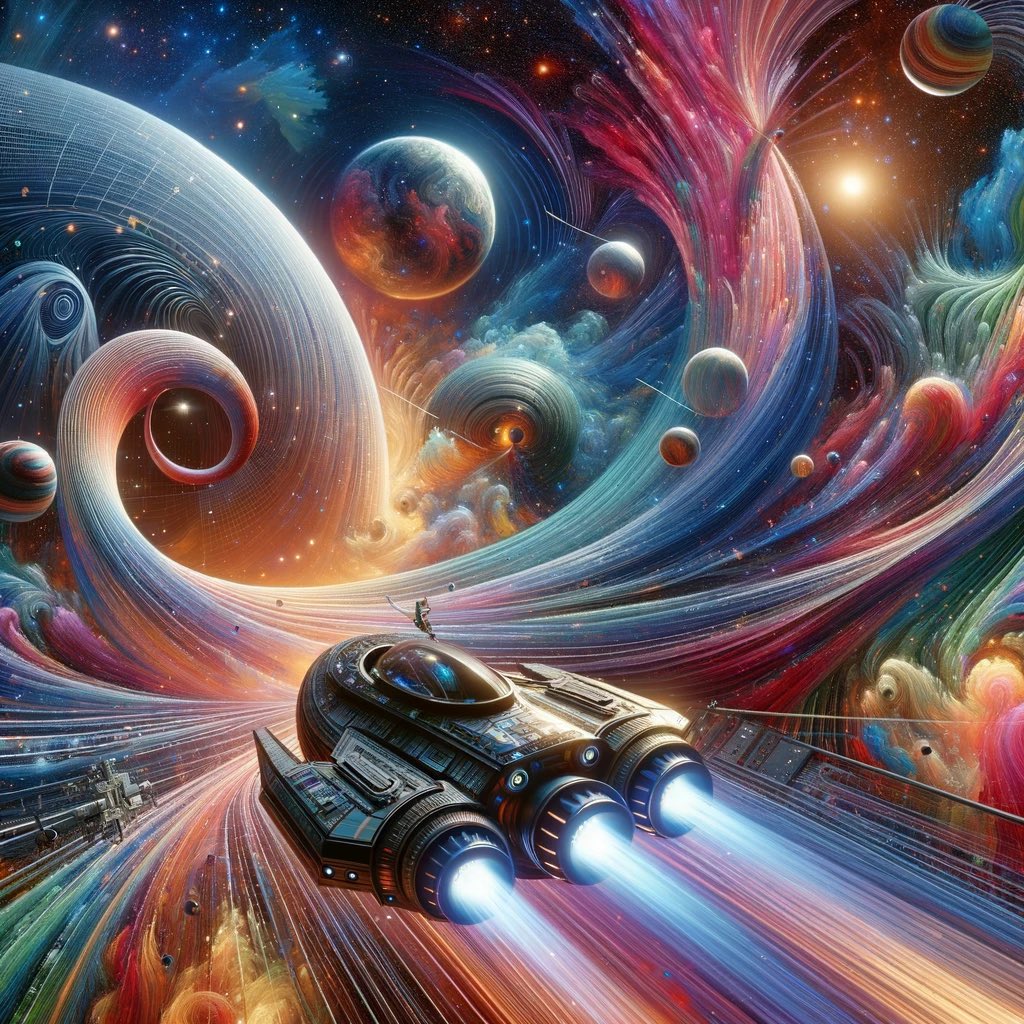
🌌 #ScienceTuesday Fact: M-Theory & Space Exploration 🚀✨
𝐖𝐡𝐚𝐭 𝐢𝐬 𝐌-𝐓𝐡𝐞𝐨𝐫𝐲? 🤔
•M-theory is an advanced theory in physics, unifying all consistent versions of superstring theory.
•The “M” stands for membrane, magic, or mystery, reflecting the complexity and potential of the theory.
𝐁𝐚𝐬𝐢𝐜 𝐈𝐝𝐞𝐚: It suggests that strings in string theory are 1-dimensional slices of a 2-dimensional membrane vibrating in 11-dimensional space.
𝐌-𝐓𝐡𝐞𝐨𝐫𝐲 & 𝐒𝐩𝐚𝐜𝐞 𝐄𝐱𝐩𝐥𝐨𝐫𝐚𝐭𝐢𝐨𝐧
•M-theory could explain the fundamental structure of the universe, helping us to understand phenomena like black holes and the Big Bang.
•Understanding higher dimensions could eventually aid in developing new technologies for space travel, such as warp drives or quantum communication.
𝐀𝐝𝐯𝐚𝐧𝐜𝐞𝐦𝐞𝐧𝐭𝐬 𝐢𝐧 𝐓𝐞𝐜𝐡𝐧𝐨𝐥𝐨𝐠𝐲 🔭
•M-theory’s insights into quantum gravity could revolutionize our understanding of space-time, leading to groundbreaking advancements in spacecraft propulsion and navigation.
𝐁𝐫𝐢𝐝𝐠𝐢𝐧𝐠 𝐅𝐚𝐧𝐭𝐚𝐬𝐲 & 𝐑𝐞𝐚𝐥𝐢𝐭𝐲 🌟
•Sci-fi concepts like wormholes and multiverses, often explored in M-theory, can inspire real-world scientific breakthroughs.
𝐓𝐡𝐞 𝐅𝐮𝐭𝐮𝐫𝐞 ✨
•M-theory continues to be a rich field of study, with the potential to unlock many of the universe’s secrets.
•As we grasp more about these complex ideas, we inch closer to a new era of space exploration, driven by a deeper understanding of the cosmos.
🧠 Understanding the intricacies of the universe is an ever-evolving quest, and M-theory stands as a beacon, guiding us toward the next frontier in our cosmic journey. Each discovery is a step closer to unraveling the mysteries of the cosmos and propelling humanity into a future where the line between science fiction and science fact blurs. 🚀🌌💫
(Image Credit: AI generated by Dall-E)
#ScienceTuesday:
Recently, NYSM Geologist Chuck Ver Straeten made significant contributions to the three-volume set "Devonian of New York" examining current scientific knowledge of Devonian Period geology and paleobiology in New York.
Learn more: https://t.co/aCHQmFoYN2

Last Seen Hashtags on Sotwe
Trends for you
Most Popular Users

Elon Musk 
@elonmusk
240.8M followers

Barack Obama
@barackobama
119.2M followers

Donald J. Trump
@realdonaldtrump
111.7M followers

Cristiano Ronaldo
@cristiano
111.1M followers

Narendra Modi
@narendramodi
107M followers

Rihanna
@rihanna
97.8M followers

NASA
@nasa
92.2M followers

Justin Bieber
@justinbieber
91M followers

KATY PERRY
@katyperry
87.9M followers

Taylor Swift
@taylorswift13
81.8M followers

Lady Gaga
@ladygaga
73.3M followers

Virat Kohli
@imvkohli
70.3M followers

Kim Kardashian
@kimkardashian
69.9M followers

YouTube
@youtube
68.7M followers

Bill Gates
@billgates
64M followers

Neymar Jr
@neymarjr
63.1M followers

The Ellen Show
@theellenshow
62.4M followers

CNN
@cnn
61.9M followers

Selena Gomez
@selenagomez
61M followers

X
@x
60.8M followers